Tsukiji Hongwanji
築地本願寺
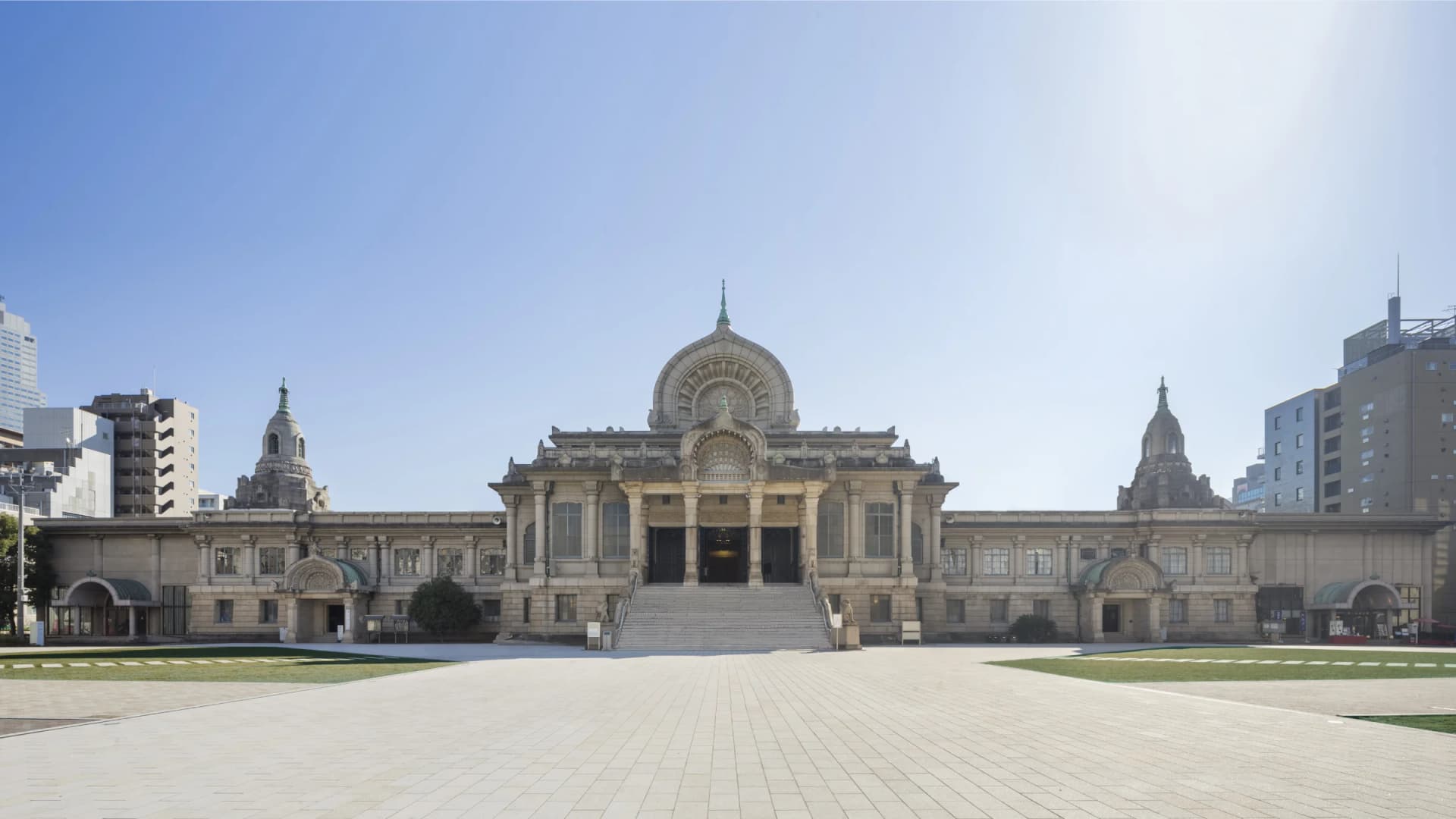
Tsukiji Hongwanji is a striking Shin Buddhist temple in central Tokyo, blending Indian-inspired architecture, Silk Road motifs, and animal carvings by Ito Chuta.
〒 104-8435How to get there
築地Hibiya Line · Yurakucho Line3 min walk from the station
Tsukiji Hongwanji is a Buddhist temple of the Jodo Shinshu, a school of Shin Buddhism founded by the monk Shinran. Located in Chuo Ward, Tokyo, it is one of the city's most architecturally distinctive religious buildings.
The temple was first established near Asakusa in 1617, but was destroyed in the Great Fire of Meireki in 1657. The land granted by the Edo shogunate for its reconstruction was, at the time, still part of the sea. Temple followers carried out a land reclamation project, building new ground on which the temple was rebuilt in 1679 – an origin reflected in its name, as "Tsukiji" means "reclaimed land". Disaster struck again in 1923, when fire from the Great Kanto Earthquake destroyed the main hall. The present main hall (Hondo) was completed in 1934.
The current temple was designed by Dr. Ito Chuta, an architectural historian and honorary professor at Tokyo Imperial University (now the University of Tokyo), who also contributed to the design of landmarks such as Heian Jingu in Kyoto and Meiji Jingu in Tokyo. Ito travelled extensively across Asia to study architecture, and his design draws on the ancient Buddhist architecture of India and other Asian countries. The temple's exterior, oriental in feel, evokes the Silk Road routes along which Buddhism first spread – a connection deepened by Ito's association with Otani Kozui, then head of the Jodo Shinshu Hongwanji-ha, who had led expeditions along the Silk Road to trace the transmission of Buddhism.
Distinctive architectural features
Ito was well known for his fondness for yokai, the monsters and strange creatures of Japanese folklore, and the temple is adorned with numerous animal carvings. These include winged lions, oxen, horses, shishi lion-dogs, elephants, peacocks, monkeys, and Chinese phoenixes, alongside curious figures known as grotesques. Hidden within the temple are depictions of the four legendary Chinese guardian animals: the Blue Dragon, Red Peacock, White Tiger, and Black Tortoise. The building's rounded roof is modelled after the leaf of the sacred Bodhi tree, while a lotus flower features at the centre of the facade.
Inside, the temple blends the exotic with the traditional. A large pipe organ stands within the main hall, and stained glass sits above the temple doors – unusual features for a Buddhist temple. Yet the interior follows the conventional layout of a Shin Buddhist temple, with the worship space for visitors larger than the priests' area, and the principal image of Amida Nyorai enshrined at the centre.
In 2014, the temple's main hall, gate posts (Main gate, North gate, and South gate), and Oya-stone walls were designated National Important Cultural Properties.
Getting There

Places nearby

Art Aquarium Museum Ginza
Located in Ginza Mitsukoshi, this permanent exhibition showcases over 70 goldfish varieties as living art designed by aquatic artist Hidetomo Kimura.
Tokyo
Nakagin Capsule Tower
A pioneering example of Japanese Metabolism architecture and the world's first practical capsule building, featuring revolutionary modular design principles before 2022 demolition.
Tokyo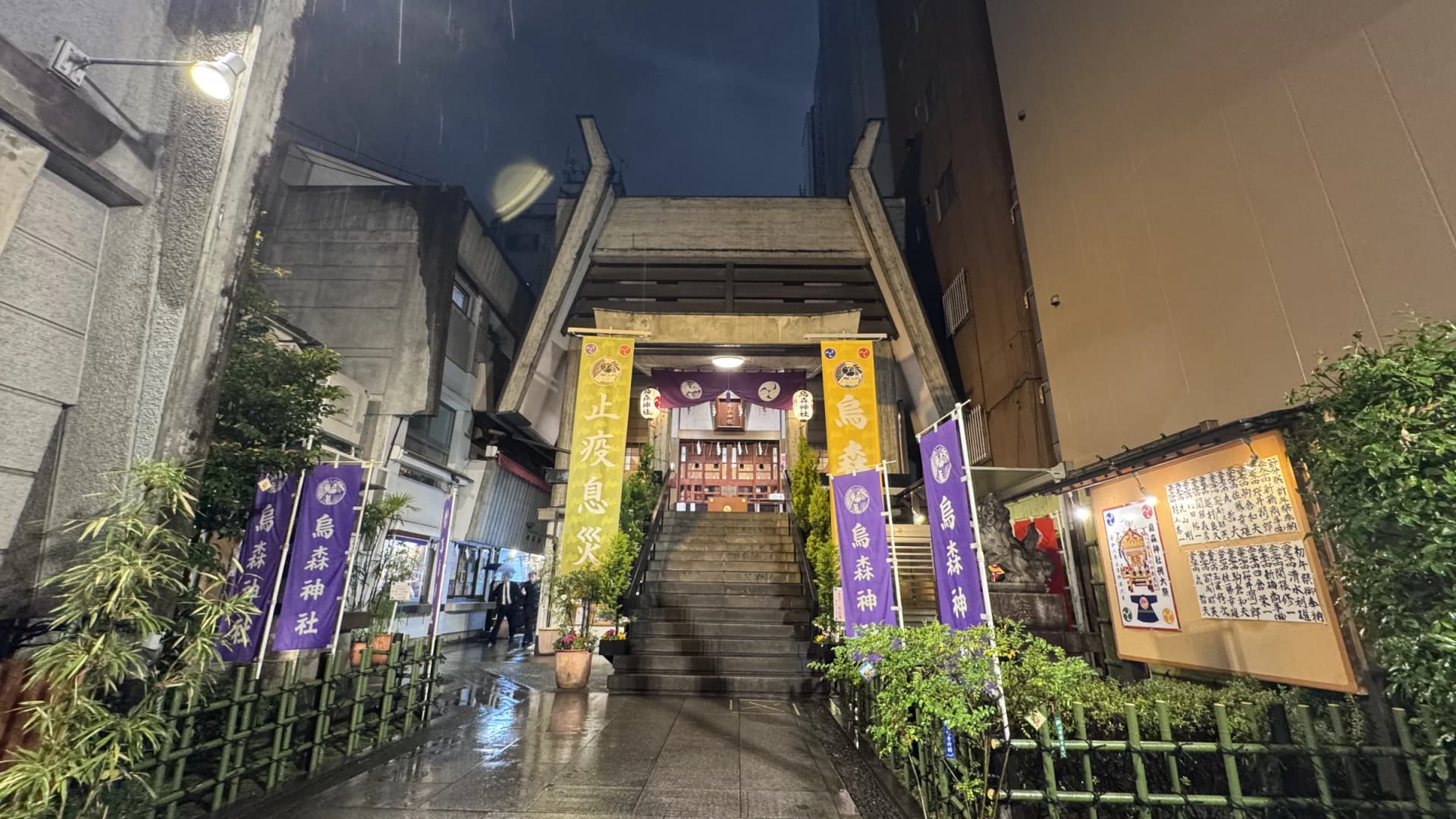
Karasumori Shrine
Inari shrine for prosperity, founded 940 and notably surviving a devastating 1657 fire, tucked among office buildings near Shimbashi Station.
TokyoYou might also like
Ushiku Daibutsu
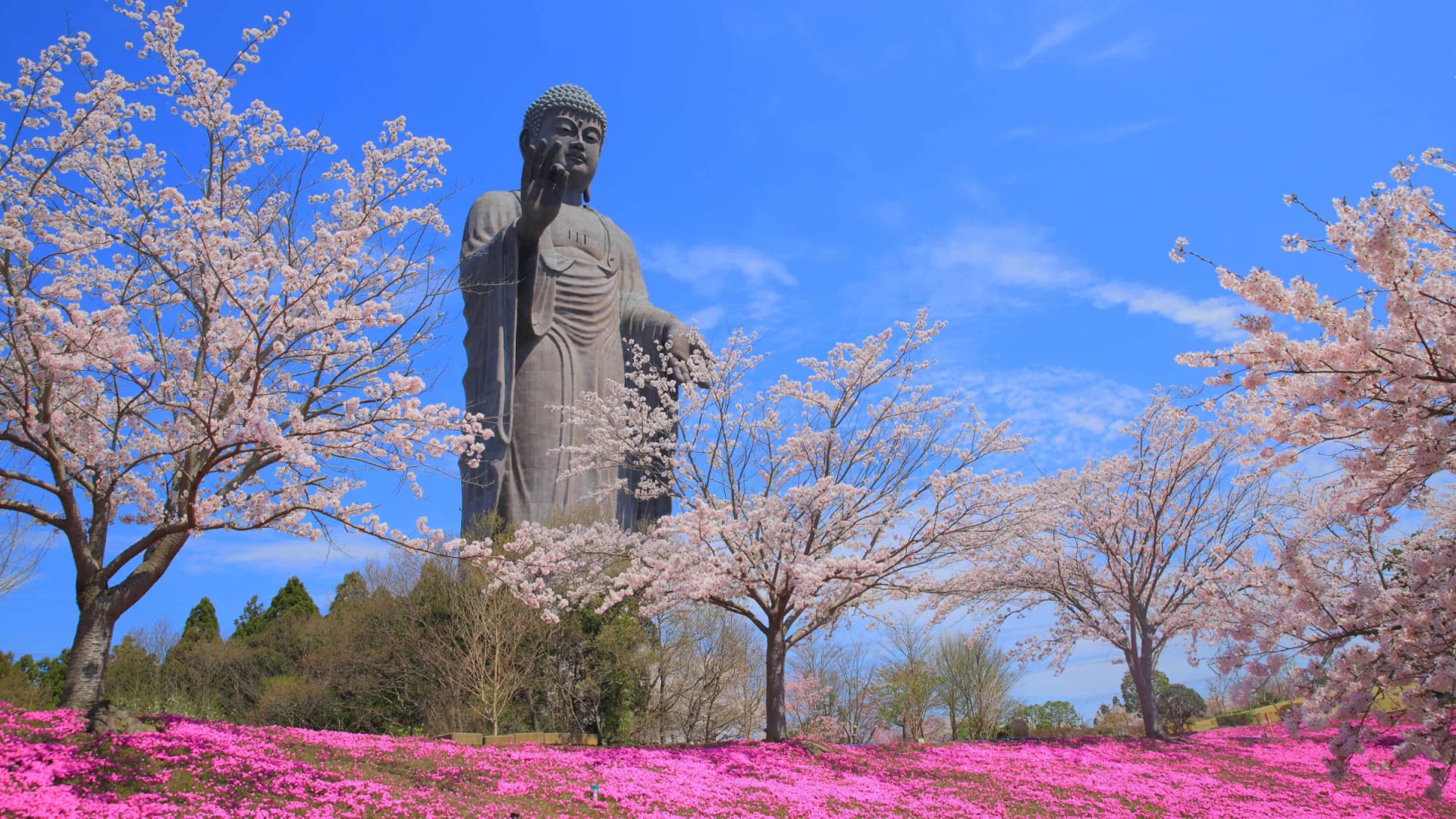
Towering bronze statue of Amitabha Buddha standing 120 meters tall, built to honour Shinran, founder of the True Pure Land School, with interior exhibitions on Buddhism history.
Ushiku · Ibaraki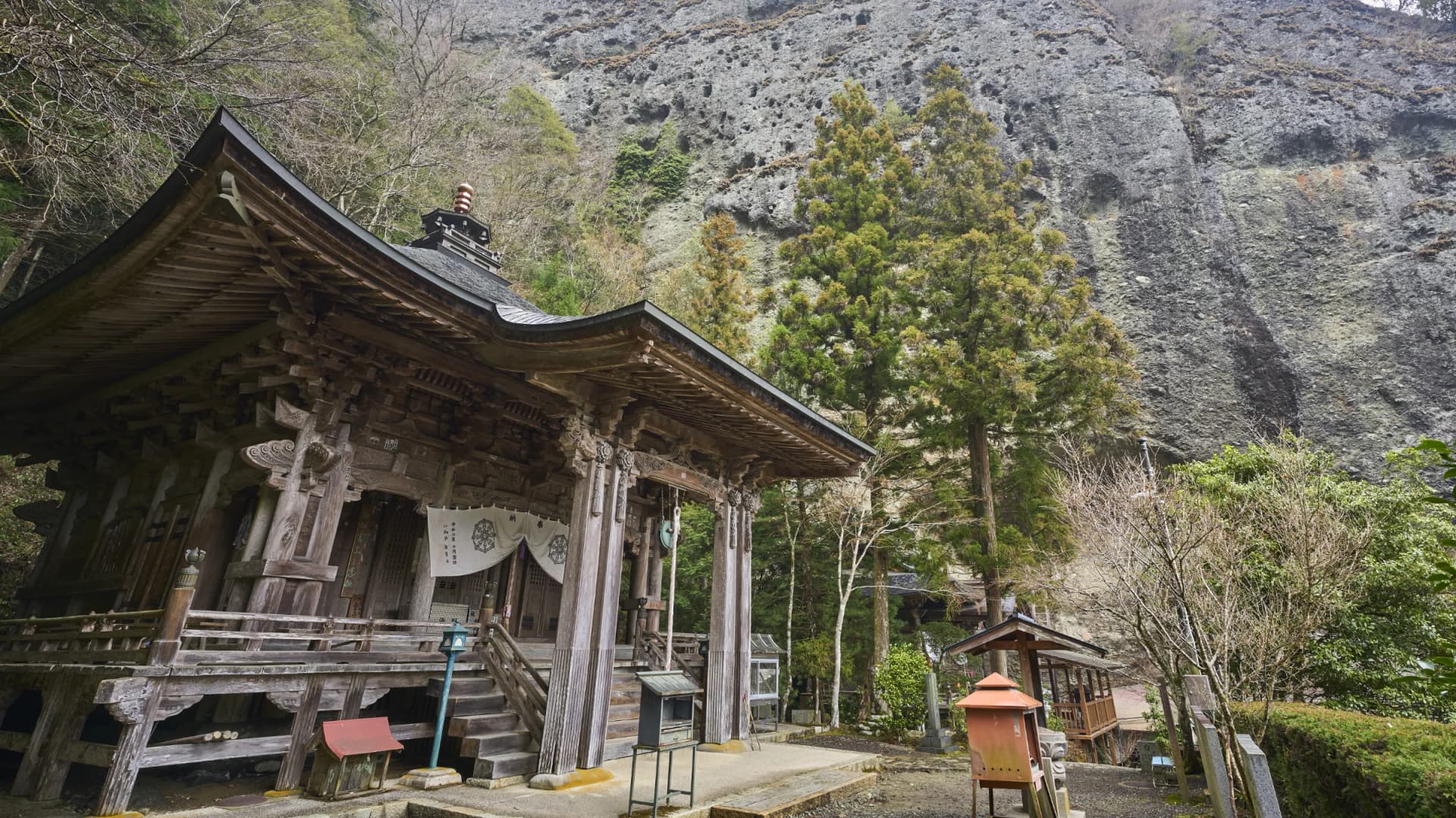
Iwayaji Temple
The forty-fifth temple of the Shikoku pilgrimage, built against cliffs in the mountains of Ehime, where the mountain itself is the object of worship.
Kumakogen · Ehime
Chuson-ji Temple
The head Tendai temple founded in 850, significantly expanded in the 12th century and designated a UNESCO World Cultural Heritage site.
Hiraizumi · Iwate
Design Festa
With over 10,000 participating artists and 140,000 expected visitors, this open art event showcases original creations across diverse mediums and styles.
23–24 May 2027 · Dates not yet confirmedTokyo
Rikugien Garden Night Autumn Viewing
Rikugien Garden opens for nighttime autumn foliage viewing, illuminating the garden's fall colours alongside projection mapping and carefully framed photographic vistas.
28 Nov – 9 Dec 2026 · Dates not yet confirmedTokyo
Daitsukemen Expo presents Ra-1 Grand Prix
A ramen battle at Okubo Park in Shinjuku: 64 shops founded within the last 15 years take turns over eight phases, and your votes decide who wins the ¥5,000,000 prize.
10 Oct – 15 Nov 2026Tokyo