

Edo-Tokyo Open Air Architectural Museum
江戸東京たてもの園
Outdoor museum preserving over 30 historic buildings from Tokyo's Edo through Showa periods, relocated to showcase architectural styles and daily life.

The Edo-Tokyo Open Air Architectural Museum is an expansive exhibit that offers a unique glimpse into the architectural styles and urban life of Tokyo from the Edo period (1603-1868) through the Showa period (1926-1989). Established in 1993, this outdoor museum features a collection of historic buildings that have been carefully relocated and reconstructed to preserve their historical and cultural significance.
The museum's collection includes over 30 buildings, providing a comprehensive overview of historical architectures such as the home of a daimyo (feudal lord), a variety of merchant and artisan houses, Western-style buildings from the Meiji period, and a replica of the Kodakara-yu, a public bathhouse from the early 20th century. Each building has been meticulously restored and furnished to reflect the period it represents, offering insights into the daily lives of Tokyo's residents through different epochs.
The museum also engages visitors through various activities, including traditional crafts workshops, seasonal events, and historical demonstrations, enhancing the educational experience. Its role in preserving Tokyo's architectural heritage makes it a critical institution for both historical preservation and cultural education, attracting scholars, architects, and general visitors intrigued by the architectural and urban history of Tokyo.
Upcoming events at this place
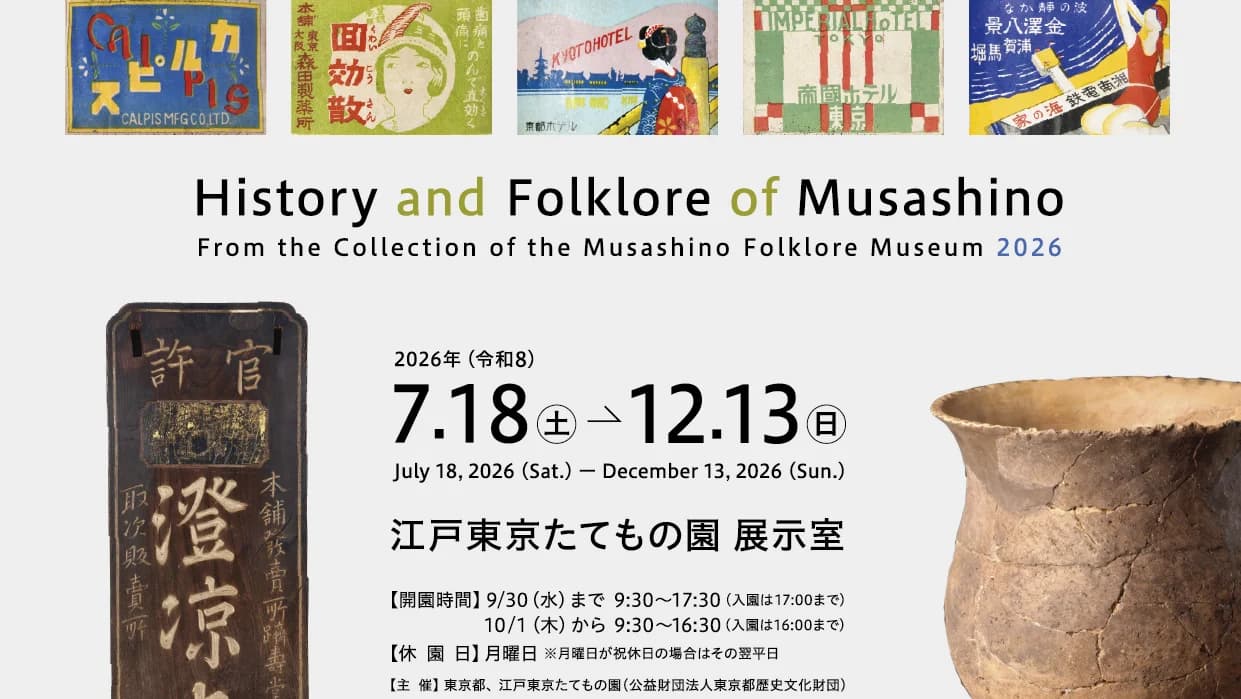
The History and Folklore of Musashino ~ Musashino Local Museum Collection 2026 ~
This exhibition showcases archaeological and folklore materials including Jomon artefacts and historic household items that document Musashino's cultural heritage.
18 Jul – 13 Dec 2026Koganei · Tokyo
Nighttime Special Opening: Autumn Foliage and Building Light-Up
This evening event illuminates historic buildings and autumn foliage at the museum while showcasing traditional Japanese lighting methods like paper lanterns and gas lamps.
22–23 Nov 2026 · Dates not yet confirmedKoganei · TokyoYou might also like

Edo-Tokyo Museum
Museum featuring full-scale reconstructions of Edo period buildings including traditional merchant houses, samurai residences, and street scenes.
Tokyo
Japan Open-Air Folk House Museum
An open-air museum in Kawasaki with 25 traditional Japanese houses relocated from across the country, plus indigo-dyeing sessions, a soba restaurant, and craft displays.
Kawasaki · Kanagawa
Kawagoe City Museum
Museum exhibiting Kawagoe's cultural heritage from prehistoric times to the present across five themed historical sections.
Kawagoe · Saitama
MAPPA EXPO 15th Anniversary
Fifteen years of MAPPA at the Yurakucho Museum this autumn, with original drawings and production art from 23 titles, three of them given their own areas.
16 Sep – 7 Dec 2026Tokyo
BLACK LAGOON 25th Anniversary Original Art Exhibition
A display of original manga art marking twenty-five years of BLACK LAGOON.
13 Nov – 6 Dec 2026Tokyo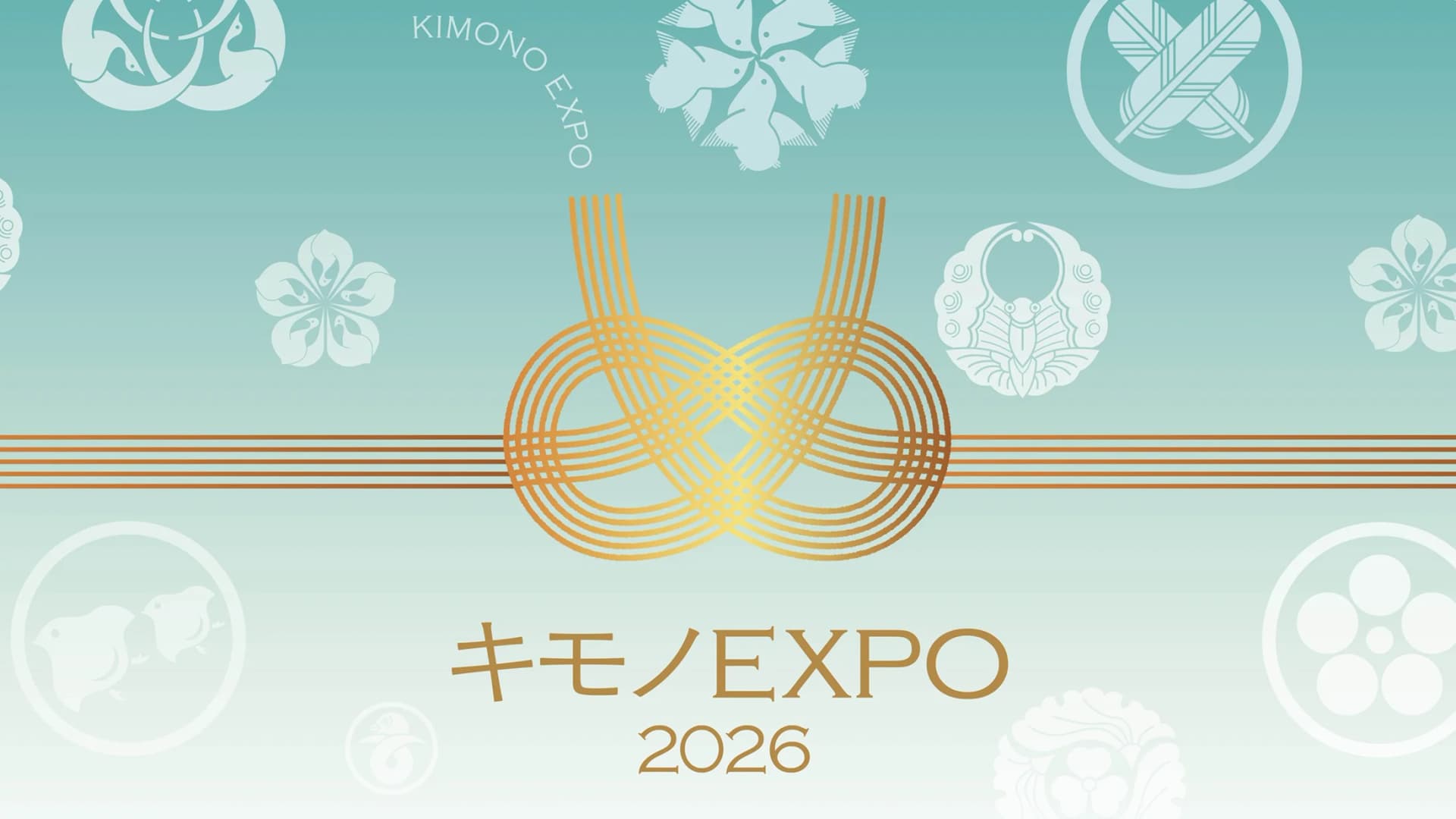
Kimono EXPO 2026 Tokyo
A yearly kimono fair in Yurakucho, Tokyo, where weavers and dyers from across Japan show their work and short workshops teach the crafts behind it.
7–12 Oct 2026Tokyo