The Original Capybara Open-Air Bath
The Original Capybara Open-Air Bath at Izu Shaboten Zoo is an iconic winter event where visitors watch capybaras soak in hot baths, a tradition beginning in 1982.
22 Nov 2026 – 5 Apr 2027Shizuoka · Chubu

From world-class aquariums to zoos, animal cafes, and wild encounters with snow monkeys and deer, Japan offers countless ways to get close to animals. Many spots blend conservation with unforgettable, uniquely Japanese experiences.
Ueno Zoo in Tokyo is the country's oldest and most famous zoo, and Japan is also known for some of the largest aquariums in the world. Regional parks and safari-style wildlife resorts round out the options.
Wild Japanese macaques bathe in hot springs at Jigokudani in Nagano, especially in winter, and free-roaming deer famously wander Nara Park. Both are among Japan's most iconic wildlife experiences.
The Original Capybara Open-Air Bath at Izu Shaboten Zoo is an iconic winter event where visitors watch capybaras soak in hot baths, a tradition beginning in 1982.
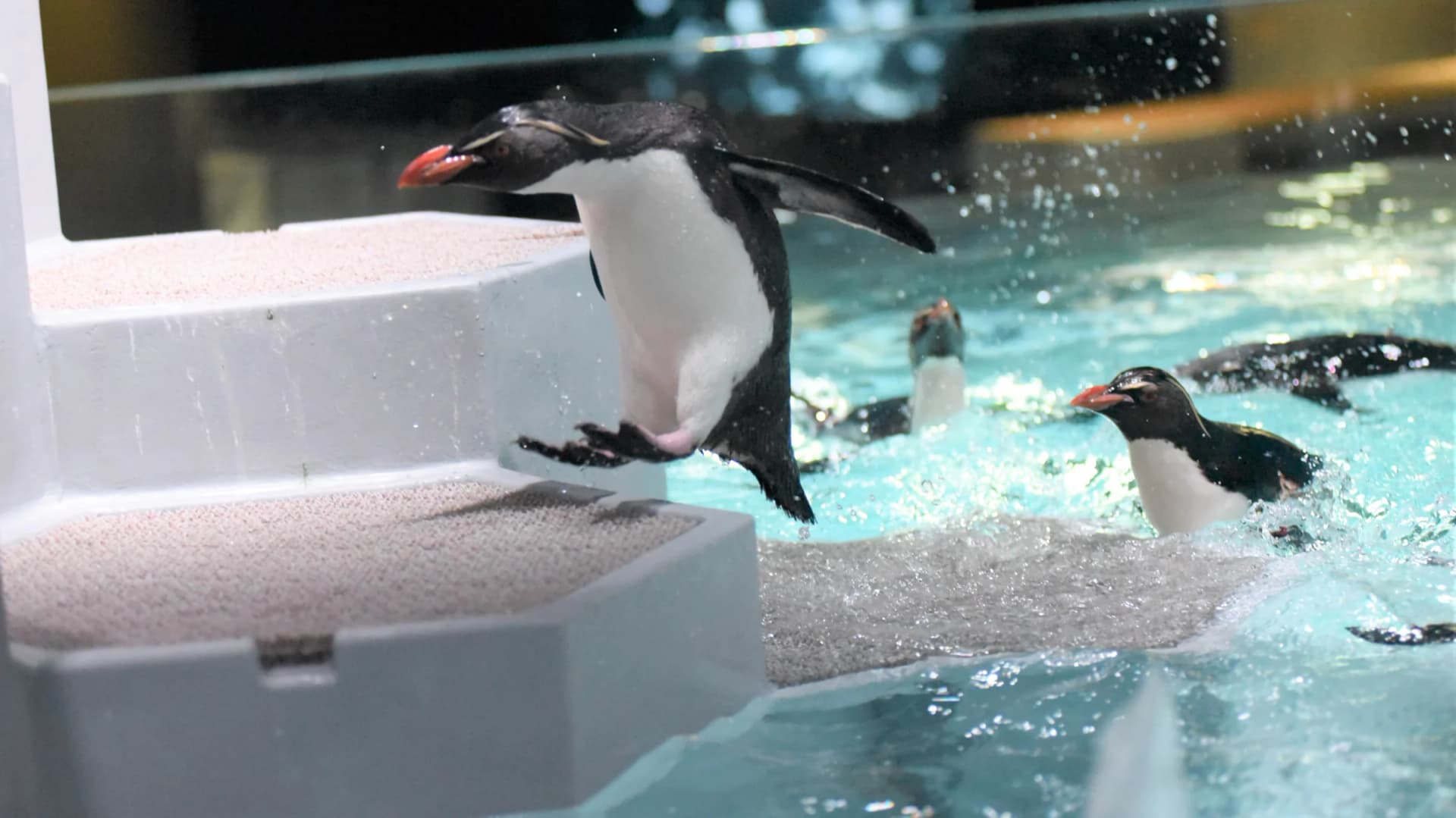
22 Nov 2026 – 5 Apr 2027Shizuoka · ChubuA three-floor aquarium inside a Sapporo shopping complex, open until ten at night, with rockhopper penguins, planted tanks, and immersive digital art.
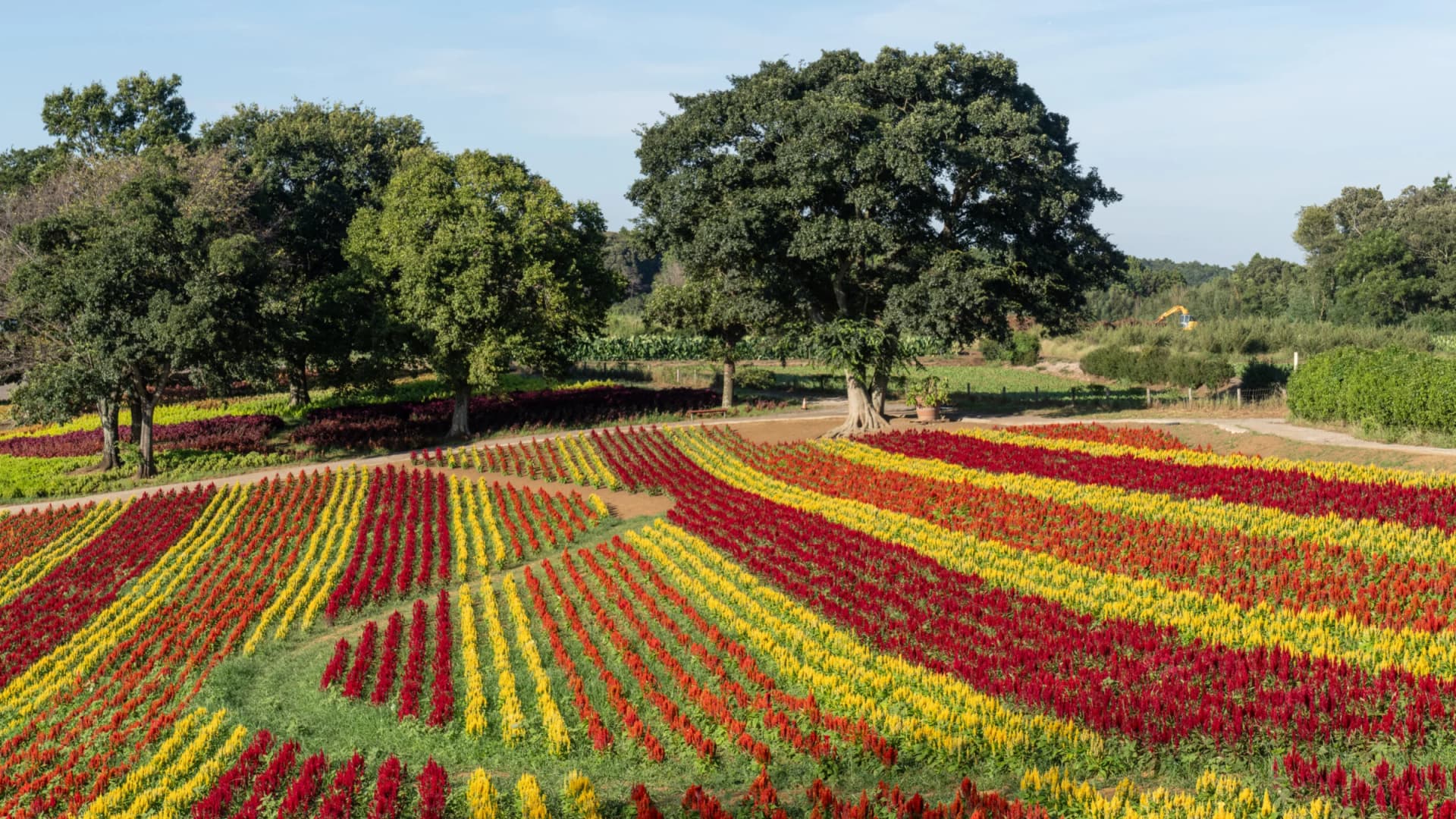
Sapporo · HokkaidoA hillside park in Chiba – despite the name, neither in Tokyo nor especially German – where flower fields, small rides and pick-your-own crops fill the slopes.
Hakone-en Aquarium, Motohakone, Hakone, Kanagawa, sits on the shore of Lake Ashi at 723 metres above sea level, Japan's highest-altitude aquarium, with a Seal Plaza and penguins.
Hakone · KanagawaA 250-hectare farm in the Boso Peninsula offering hands-on animal interactions, seasonal flower viewing, fruit picking, and an amusement park.
Futtsu · ChibaThis animal park features a climate-controlled greenhouse and outdoor spaces housing around 150 animal species and a thousand plant varieties.
Kobe · HyogoFacility in Tokyo offering direct interaction with alpacas through sessions, guided walks, and activities like feeding and brushing the animals.
TokyoThis Shizuoka zoo showcases 1,500 cacti species and 140 animals, famously hosting capybara hot baths, a winter-only attraction discovered in 1982.
Ito · ShizuokaA wildlife park in Shirahama featuring diverse animal experiences, though its longtime giant pandas departed in June 2025.
Shirahama · WakayamaTokyo Sea Life Park is an aquarium featuring over 400 marine species in themed sections, with a large ocean tank, walk-through tunnel, and naturalistic penguin habitat.
TokyoTakasakiyama hosts wild Japanese monkeys in natural habitat, with over 1,000 individuals as of 2020, earning it recognition as the birthplace of monkey science in Japan.
OitaLarge combination zoo and botanical garden in Nagoya established in 1937 with 450 animal species and 7,000 plant species across nearly 60 hectares.
Nagoya · AichiJapan's oldest zoo, established in 1882 with over 3,000 animals of 400 species, featuring giant pandas and interactive wildlife areas for visitors.
TokyoJapan's largest aquarium by tank capacity and floor area, featuring a massive dolphin show tank and research programs for penguins and sea turtles.
Nagoya · AichiSpecialized aquarium featuring approximately 180 penguins from nine species, with interactive exhibits including a natural sea swimming environment.
NagasakiZaō Fox Village is home to over 100 free-roaming foxes of six species in mountain forests, allowing visitors to observe and feed them in a natural habitat alongside other animals.
Shiroishi · MiyagiA natural park in Nagano where wild Japanese macaques bathe in hot springs, accessible via a 1.6-kilometer forest trail, most popular in winter.
Yamanochi · NaganoAn aquarium showcasing marine life from Kagoshima's waters, including sharks, rays, dolphins, and sea lions, with interactive touch pools.
Kagoshima