Morioka Castle Ruins
Castle ruins built in 1597 at a strategic river confluence, serving as a northern sentinel monitoring trade routes for over 700 years.
Morioka · Iwate

Japan’s historic sites are windows into its long past, from thatched-roof villages and castle ruins to imperial palaces, ancient burial mounds, and UNESCO-listed silver mines. Many are beautifully preserved and open to explore on foot.
Highlights include the historic villages of Shirakawa-go, the Iwami Ginzan Silver Mine, and the Kyoto Imperial Palace, alongside countless castle ruins and ancient sites across the country.
Historic sites cover a broad range of preserved places, from ruins and villages to palaces and industrial heritage. Temples, shrines, and castles are their own categories, though many historic areas contain all of these together.
Castle ruins built in 1597 at a strategic river confluence, serving as a northern sentinel monitoring trade routes for over 700 years.
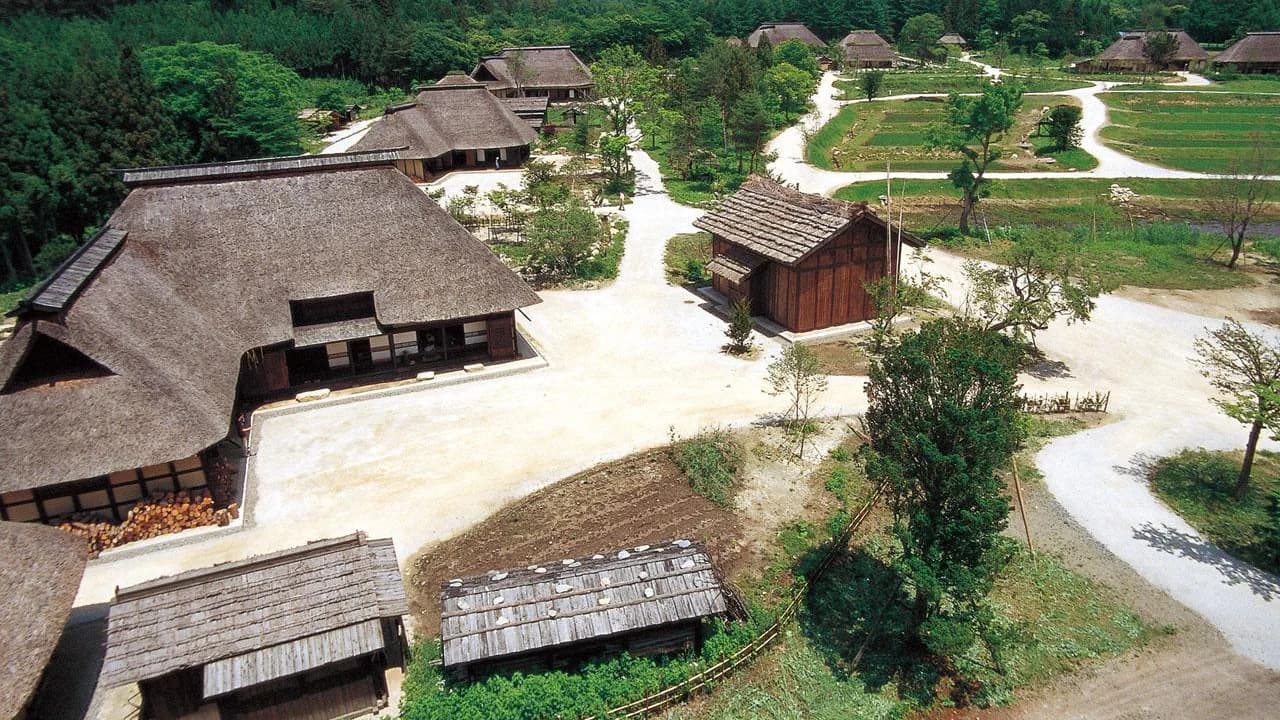
Morioka · IwateSeven old farmhouses of the Nanbu type moved to a valley in Iwate and kept as a working village, with horses, paddies and a water mill.
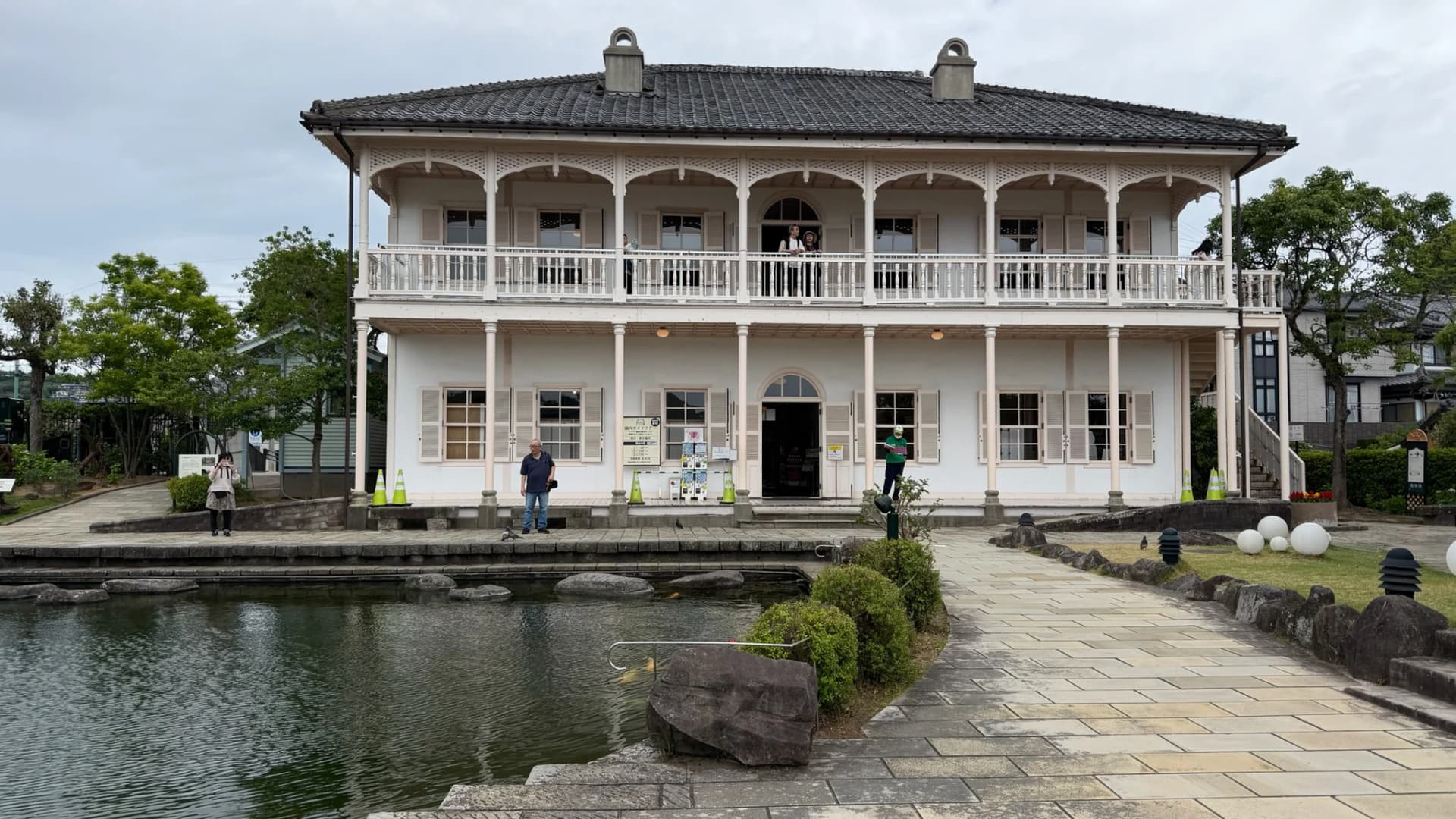
Tono · IwateA hillside park in Nagasaki holding the Western houses of the foreign settlement, among them the oldest wooden Western building in Japan.
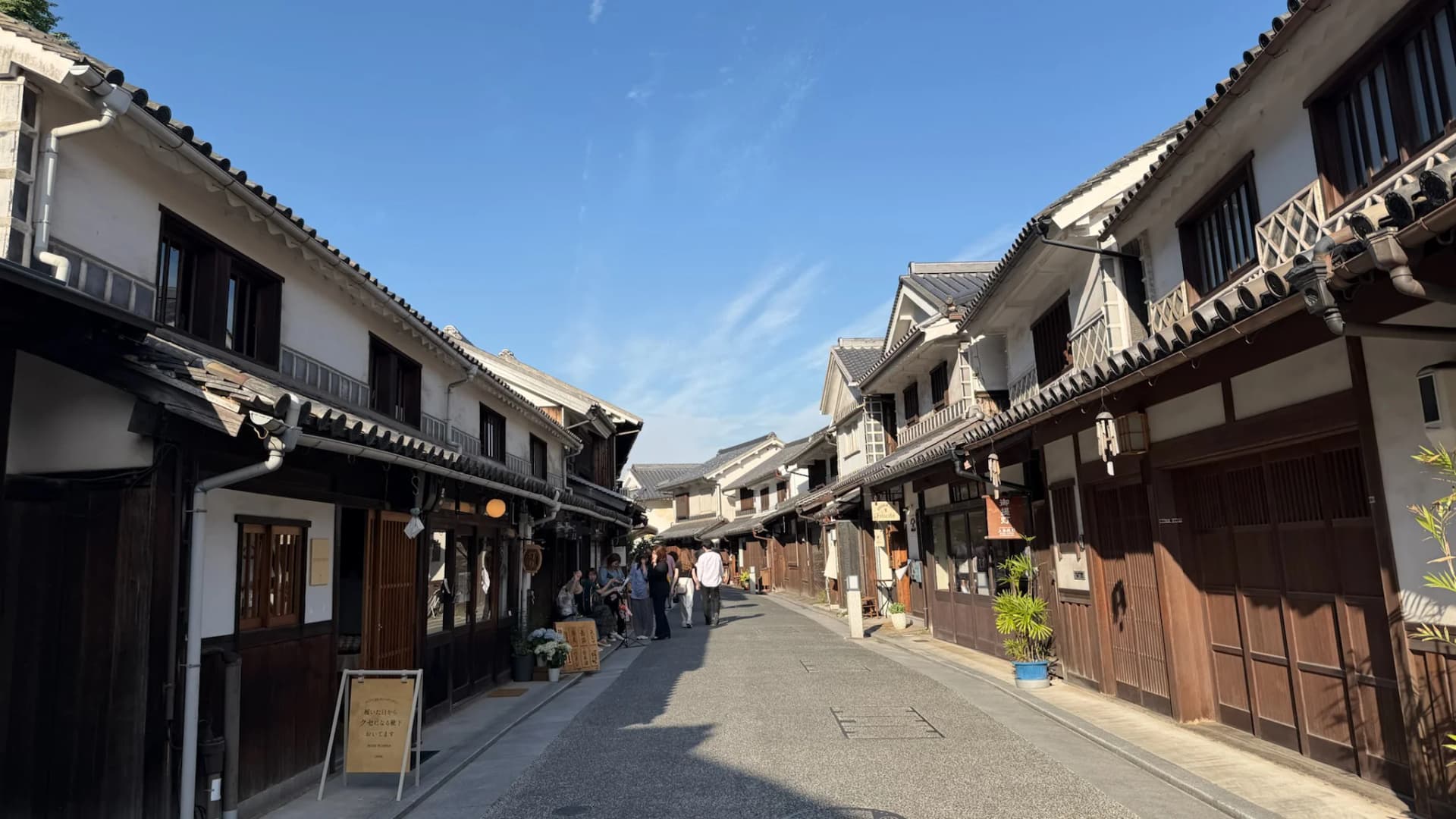
A quarter of white-walled storehouses along a canal in Okayama, built on the rice trade and preserved since the 1960s.
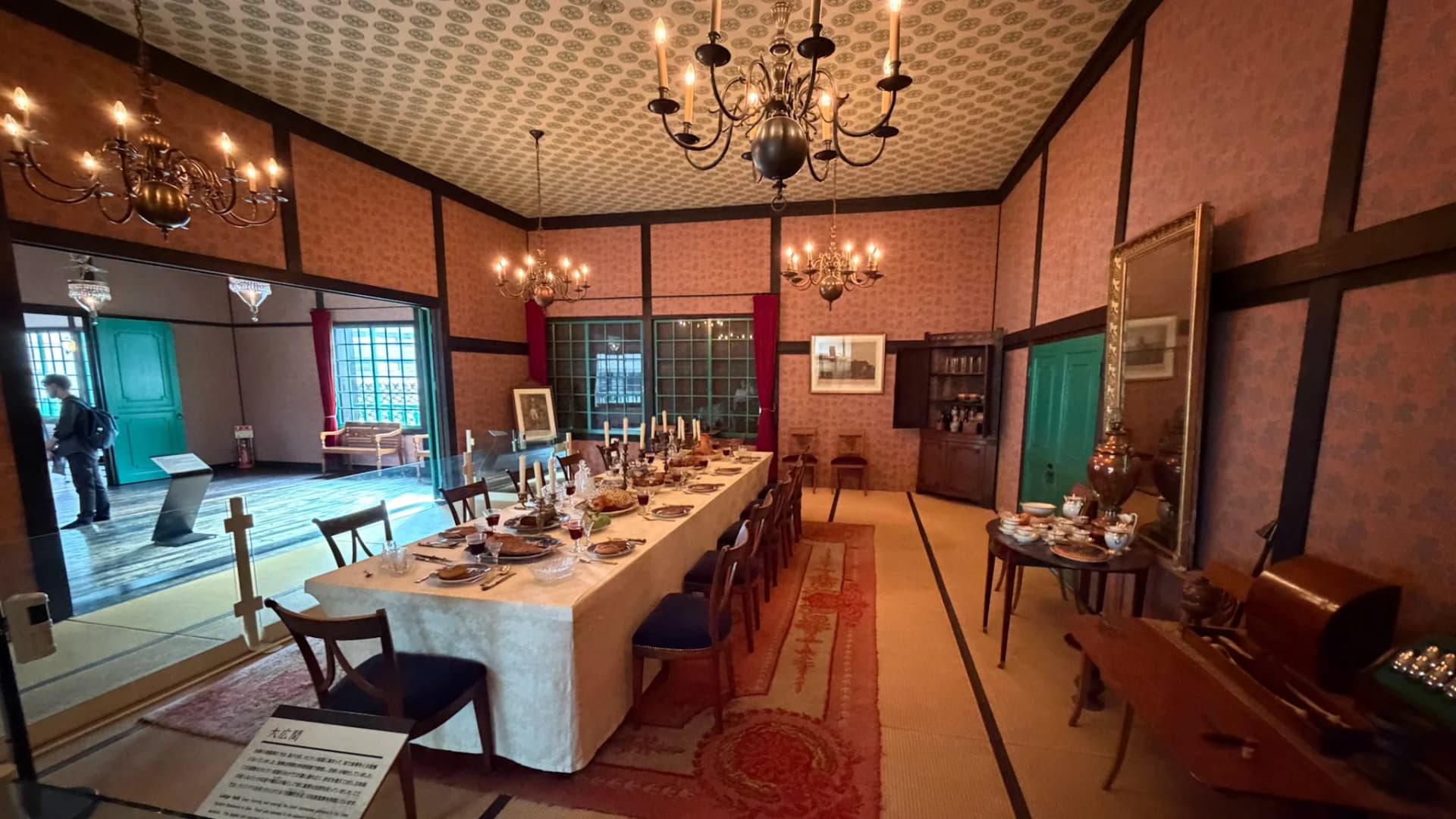
Kurashiki · OkayamaThe fan-shaped island in Nagasaki that was Japan's only opening to the West for more than two centuries, now rebuilt street by street.
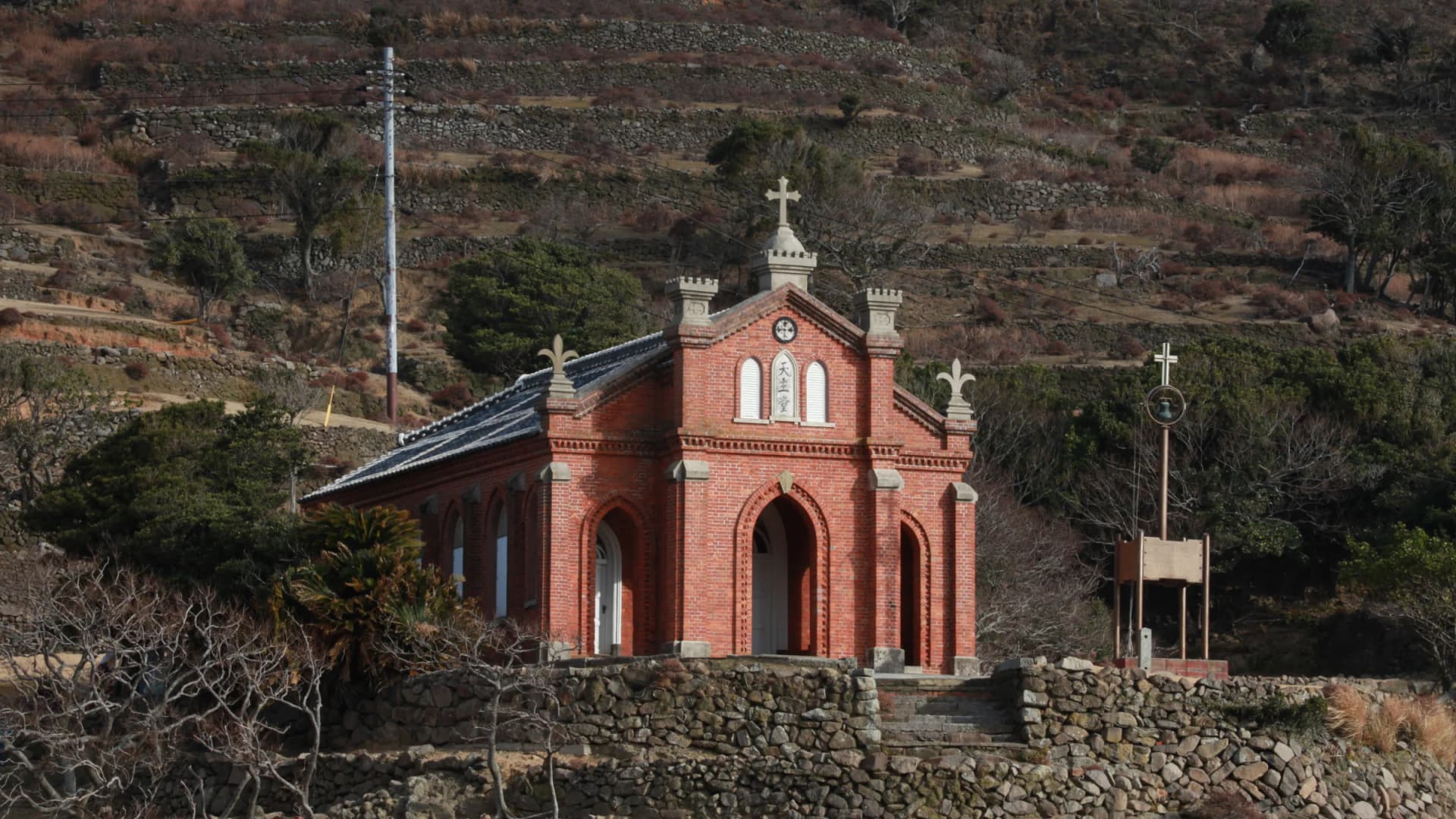
NagasakiA brick church of 1908 on an island in Nagasaki that now has no inhabitants, built by seventeen households of former hidden Christians.
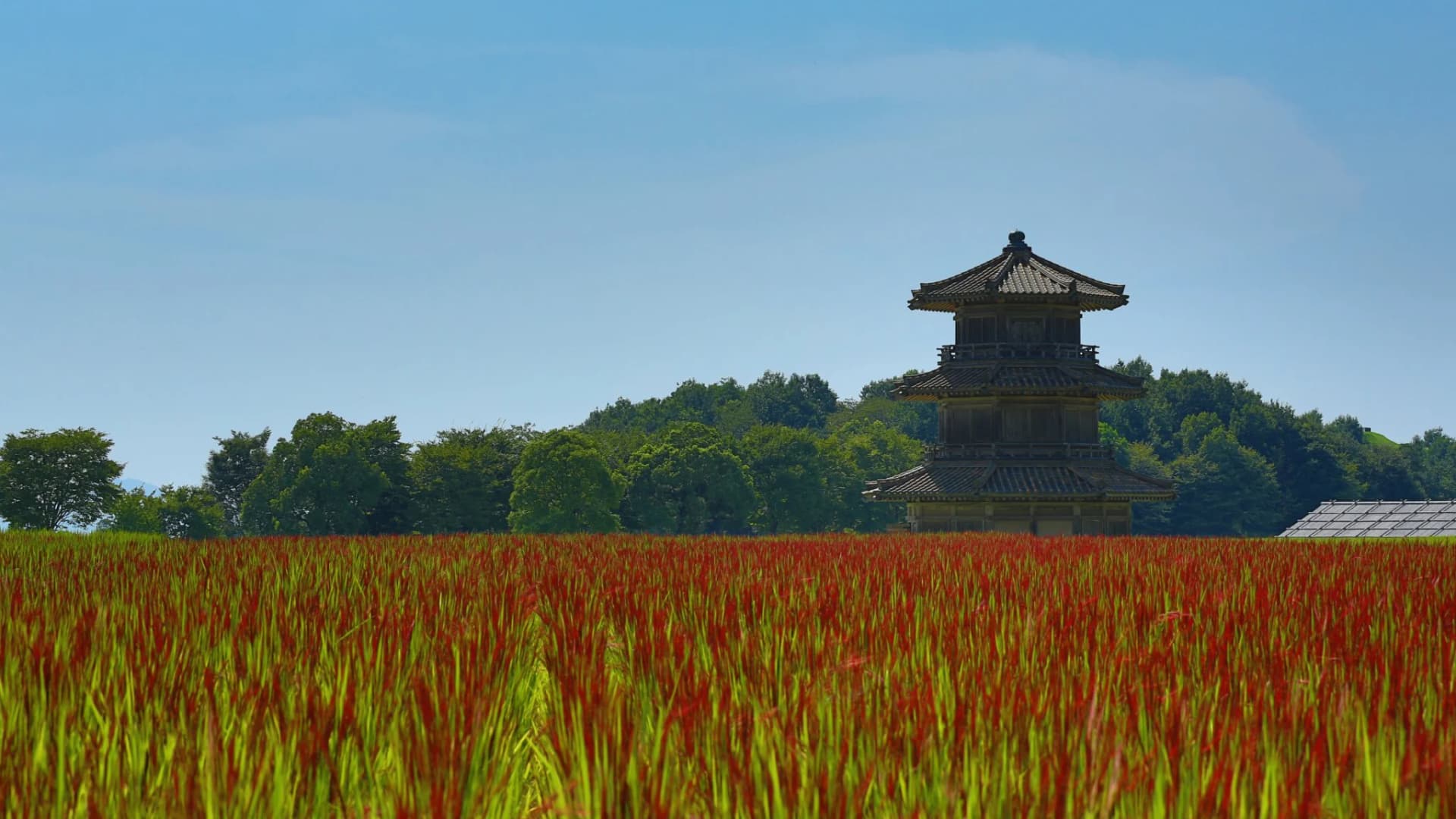
Ojika · NagasakiThe site of a seventh-century mountain fortress in Kumamoto, built against invasion from the mainland, with four buildings reconstructed.
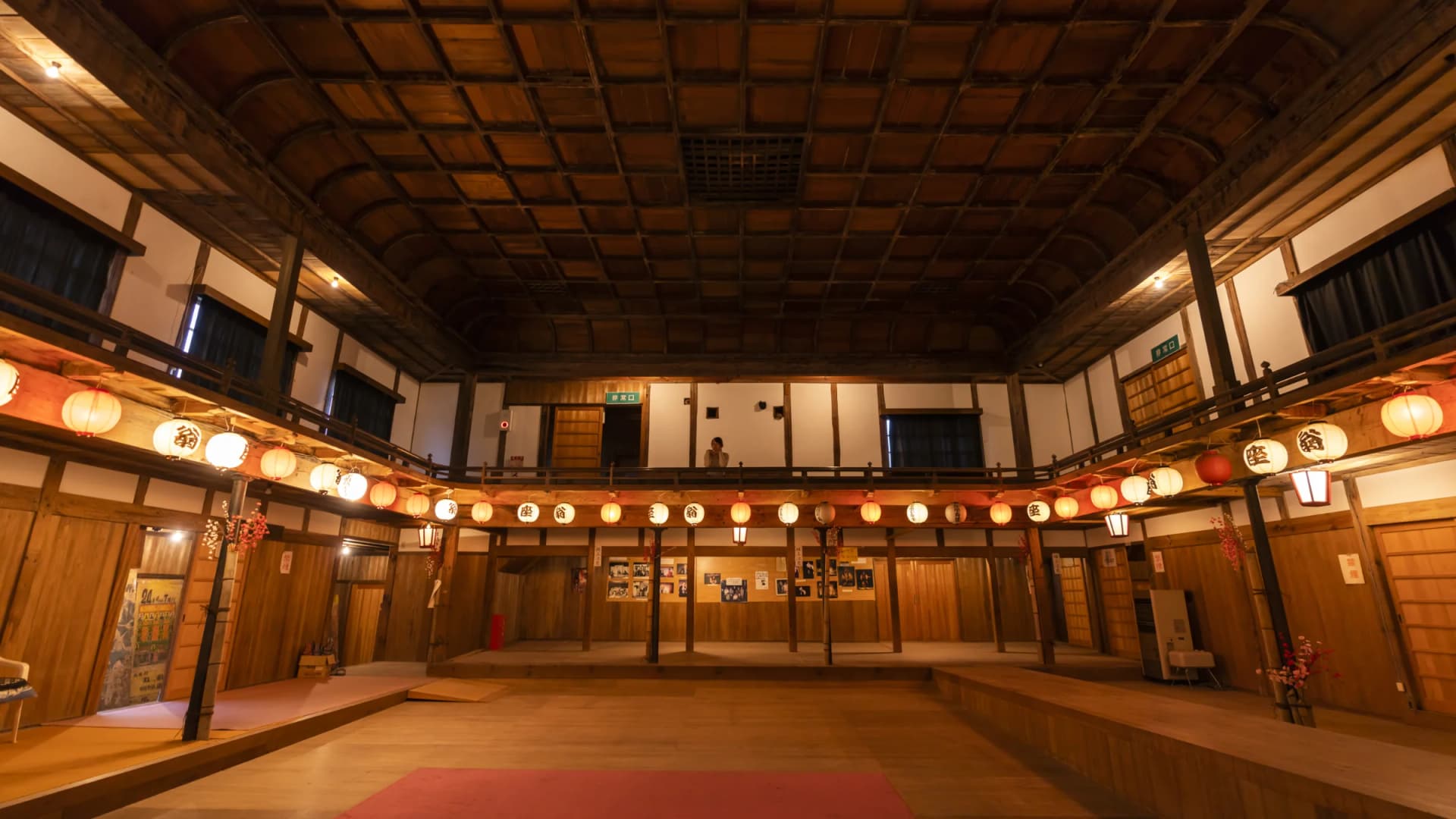
Yamaga · KumamotoA wooden theatre of 1927 in the old post town of Joge, the only pre-war wooden playhouse still standing in the Chugoku region.
Fuchu · HiroshimaThe Nara-Prefecture ruins where Japan's first centralised state took shape, newly inscribed as a UNESCO World Heritage Site in 2026.
Kashihara · NaraThis Edo-era castle overlooked the Yoshino River with a central keep atop a 60-meter hill before Meiji-period demolition; the grounds reopened as a park in 1905.
TokushimaAn ancient fortress built in 724 CE that served as the northern capital of the Yamato Empire and administrative center for Mutsu Province.
Tagajo · MiyagiAinu fortifications on Nemuro Peninsula's windswept cliffs, built between the 16th and 18th centuries and ranked number one among Japan's 100 castles.
Nemuro · HokkaidoThe largest han school during the Bakumatsu period, established in 1841 by Tokugawa Nariaki with a wide-ranging curriculum, now designated as a Historic Site.
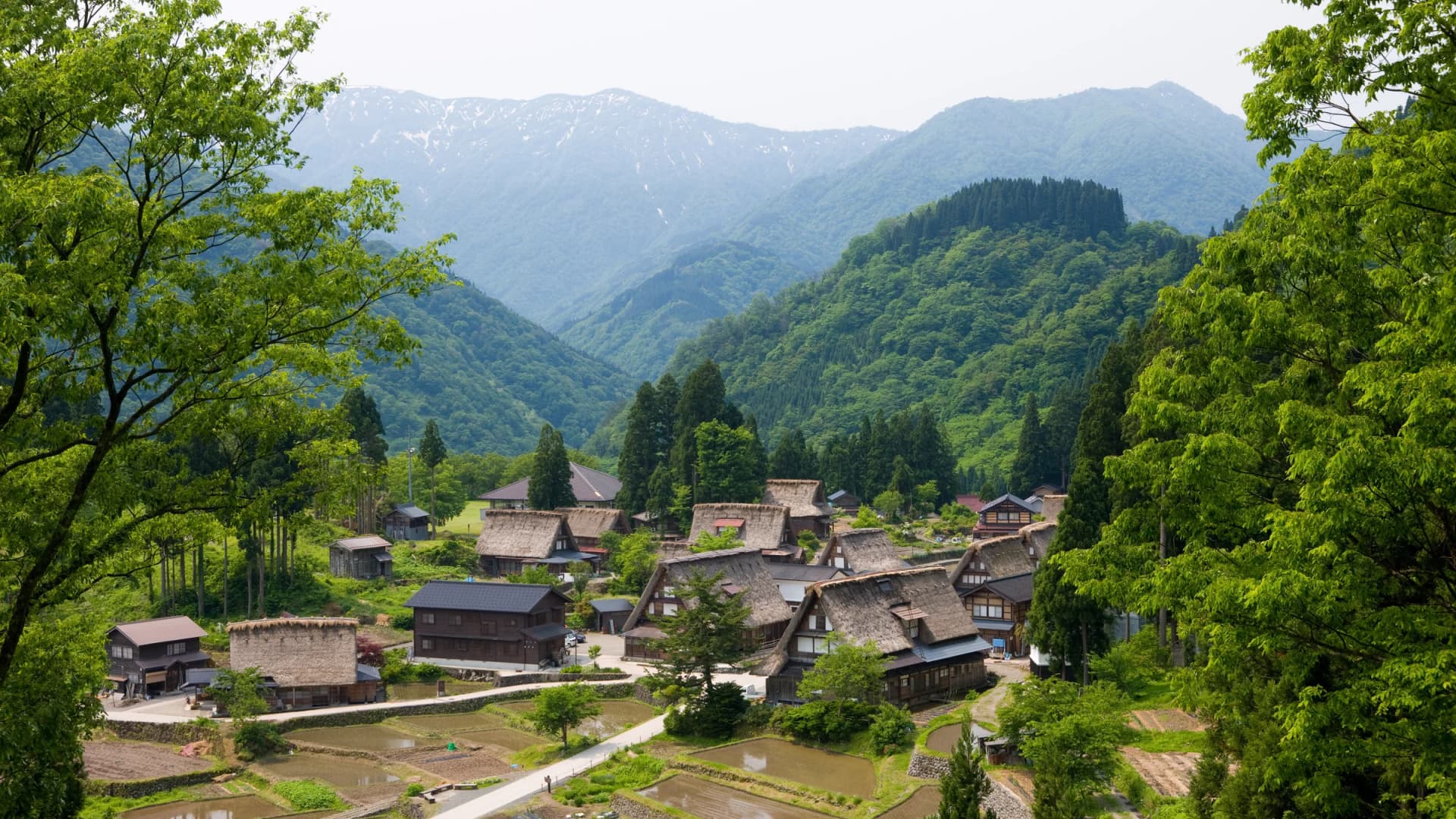
Mito · IbarakiAinokura village features 20 traditional gassho-style houses, some over 400 years old, with distinctive steep roofs designed to shed snow in the UNESCO-listed Gokayama region.
Nanto · ToyamaMausoleum of Masamune Date, the founder of Sendai Domain, situated near Sendai Castle and part of a designated historic Date Family Cemetery.
Sendai · MiyagiUNESCO-recognized villages showcasing gasshō-zukuri farmhouses with distinctive steep thatched roofs, maintained through collective community traditions.
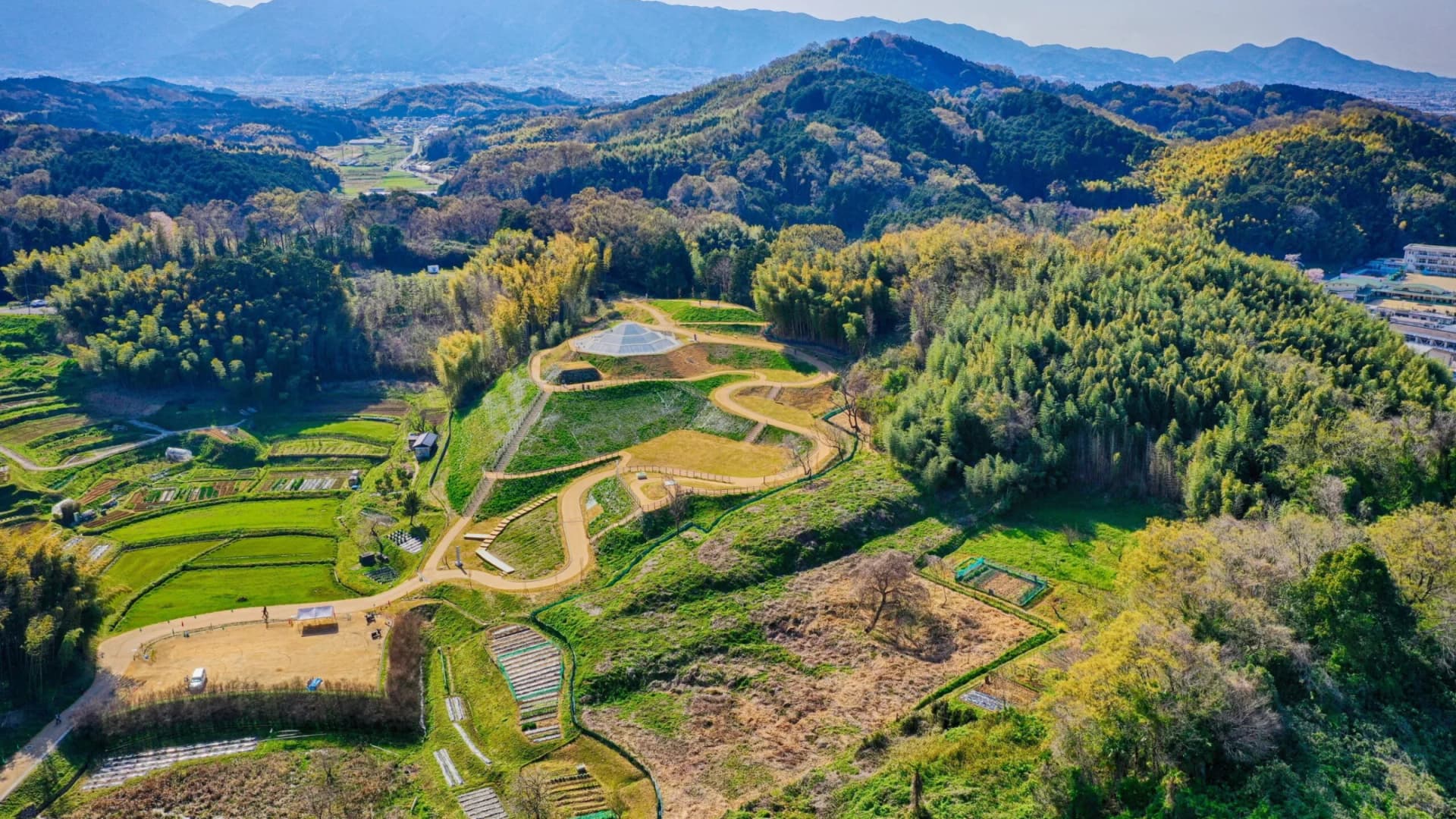
Shirakawa · GifuAn ancient burial mound from the late 4th century and the oldest known tumulus in the Ōmi region, now a public archaeological park.
Otsu · ShigaHistoric geisha district in Kanazawa with traditional wooden teahouses where shamisen performances evoke an authentic atmosphere each evening.
Kanazawa · Ishikawa