Park & Garden · Hiroshima · Chugoku
Shukkeien Garden
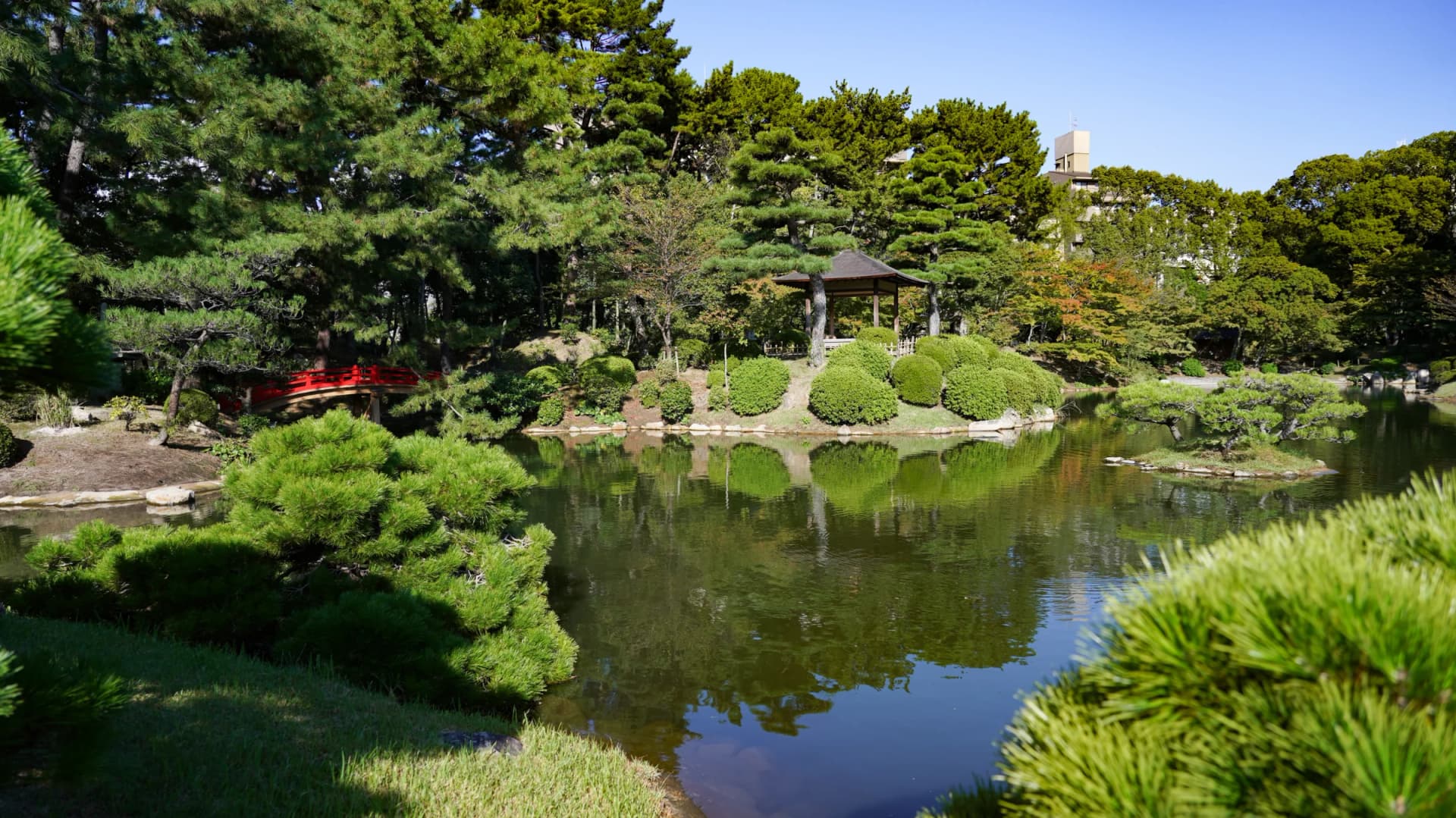
A daimyo garden begun in 1620 in the centre of Hiroshima, destroyed by the atomic bomb and rebuilt over thirty years.
Hiroshima


A daimyo garden begun in 1620 in the centre of Hiroshima, destroyed by the atomic bomb and rebuilt over thirty years.
Hiroshima
A 16th-century castle destroyed in the atomic bombing of Hiroshima in 1945, reconstructed in 1958 and now serving as a museum documenting the city's history.
Hiroshima
The park honors victims of the 1945 atomic bombing and preserves the Atomic Bomb Dome, the sole standing building near ground zero, alongside monuments and a museum.
Hiroshima
A museum dedicated to preserving the memory of the atomic bombing of Hiroshima on August 6, 1945, featuring exhibits and artifacts that document its history.
Hiroshima
05:5518:13Hiroshima
Reference rates · 2026/09/16
A daimyo garden begun in 1620 in the centre of Hiroshima, destroyed by the atomic bomb and rebuilt over thirty years.
HiroshimaThe park honors victims of the 1945 atomic bombing and preserves the Atomic Bomb Dome, the sole standing building near ground zero, alongside monuments and a museum.
HiroshimaA 16th-century castle destroyed in the atomic bombing of Hiroshima in 1945, reconstructed in 1958 and now serving as a museum documenting the city's history.
HiroshimaA museum dedicated to preserving the memory of the atomic bombing of Hiroshima on August 6, 1945, featuring exhibits and artifacts that document its history.
HiroshimaThe remains of the Industrial Promotion Hall near ground zero from the August 6, 1945 atomic bombing, designated a UNESCO World Heritage site in 1996.
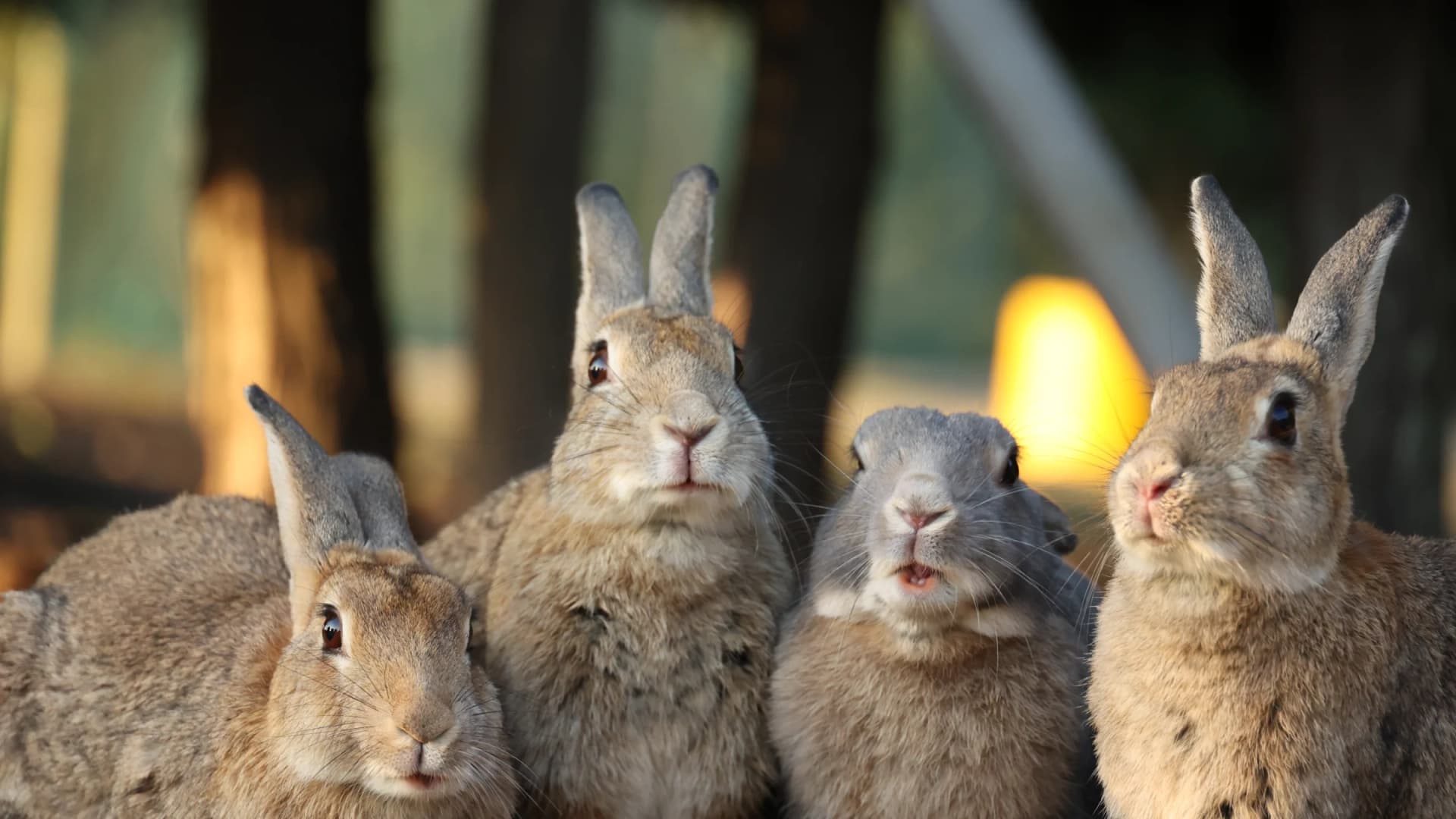
HiroshimaA small island in the Inland Sea with about a thousand wild rabbits on it, which was the Japanese army's poison gas works until 1945.
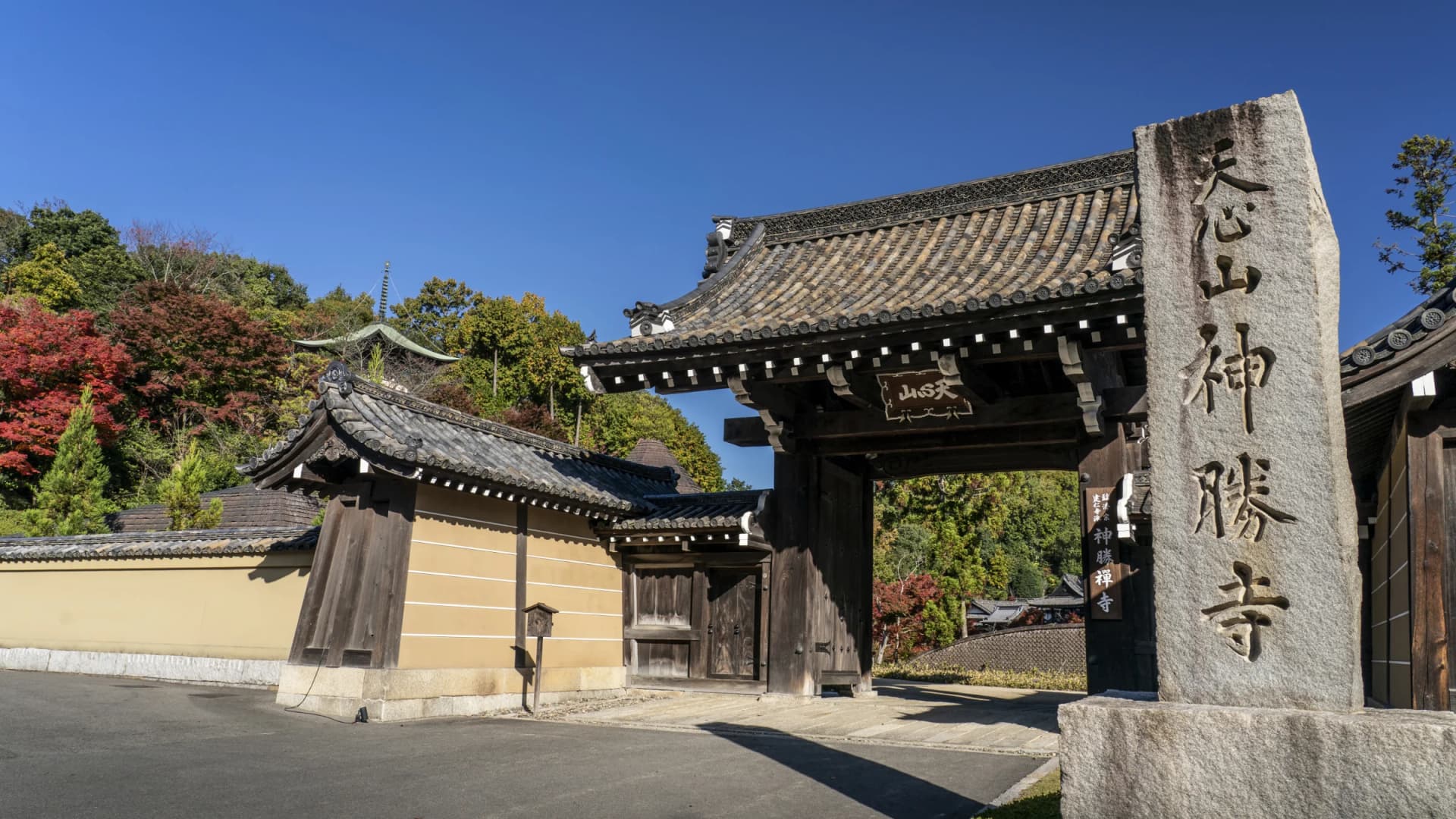
Takehara · HiroshimaA Rinzai Zen temple at Fukuyama with tea houses, moved historic halls, gardens, and one of the largest collections of Hakuin's Zen painting.
Fukuyama · HiroshimaA daimyo garden begun in 1620 in the centre of Hiroshima, destroyed by the atomic bomb and rebuilt over thirty years.
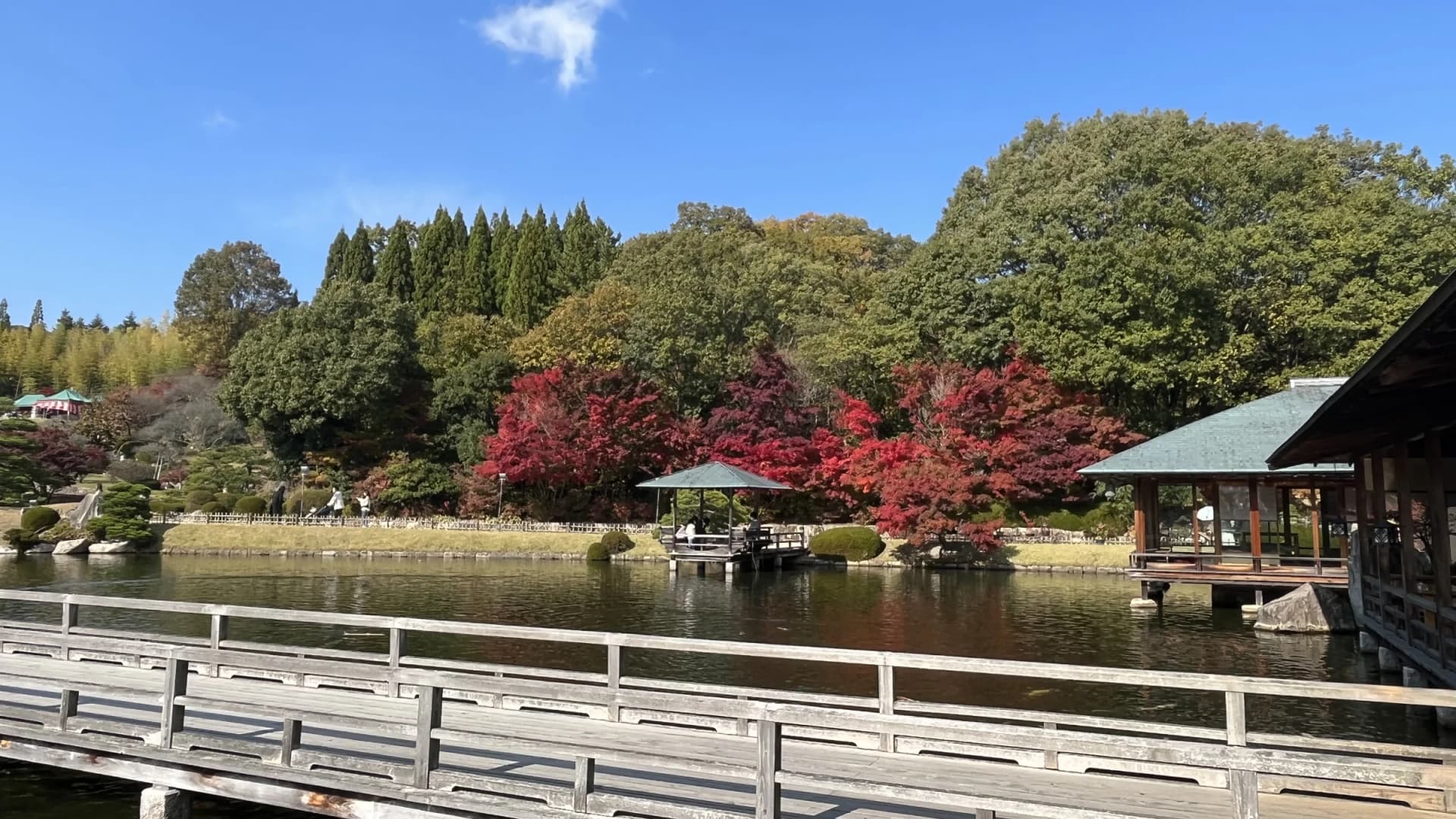
HiroshimaA six-hectare strolling garden beside Hiroshima Airport, laid out in three zones that stand for the mountains, the countryside and the sea of Hiroshima.
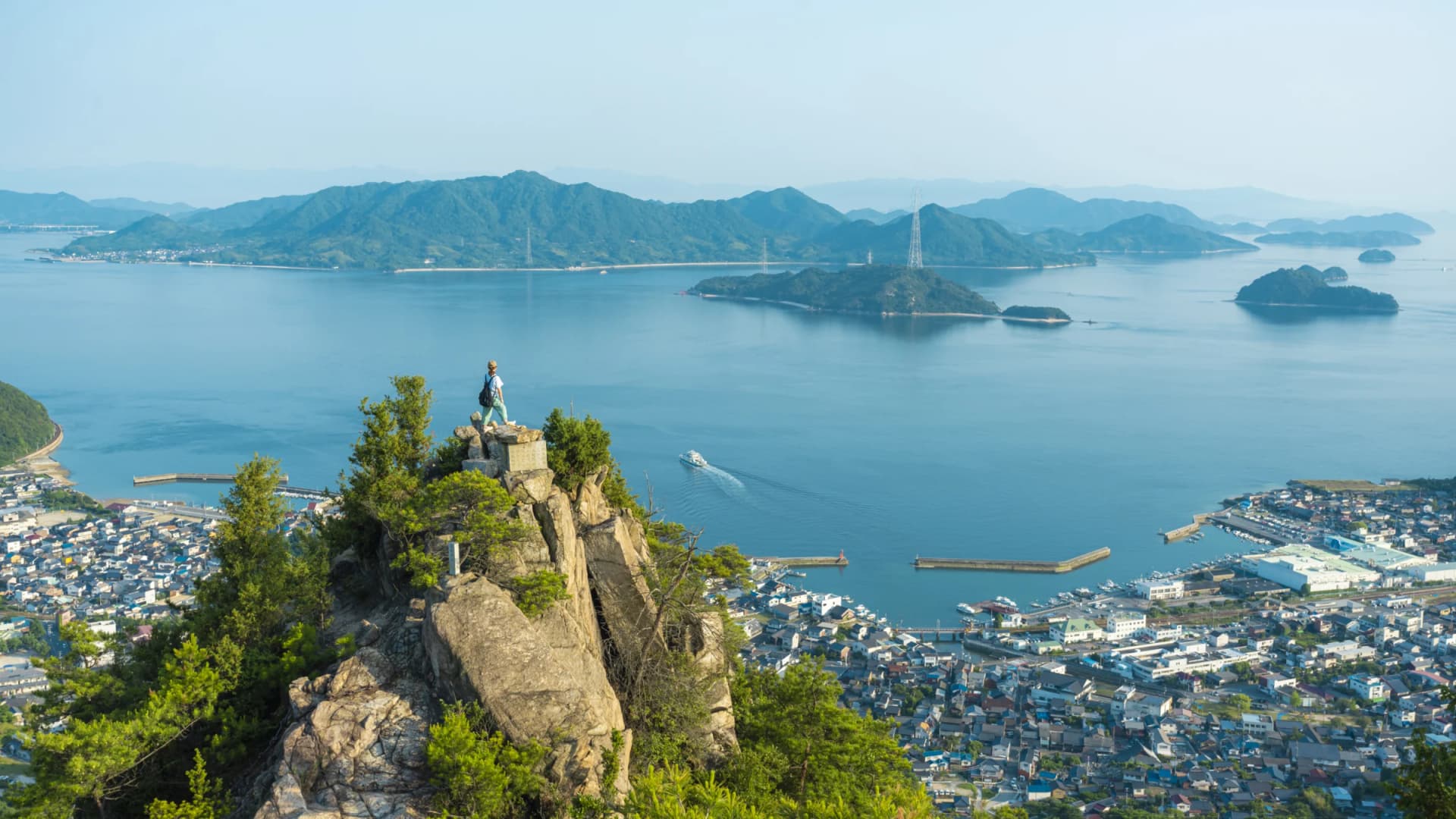
Mihara · HiroshimaA 266-metre hill above Tadanoumi in Takehara, half an hour's walk to a view over Okunoshima and the islands of the Seto Inland Sea.
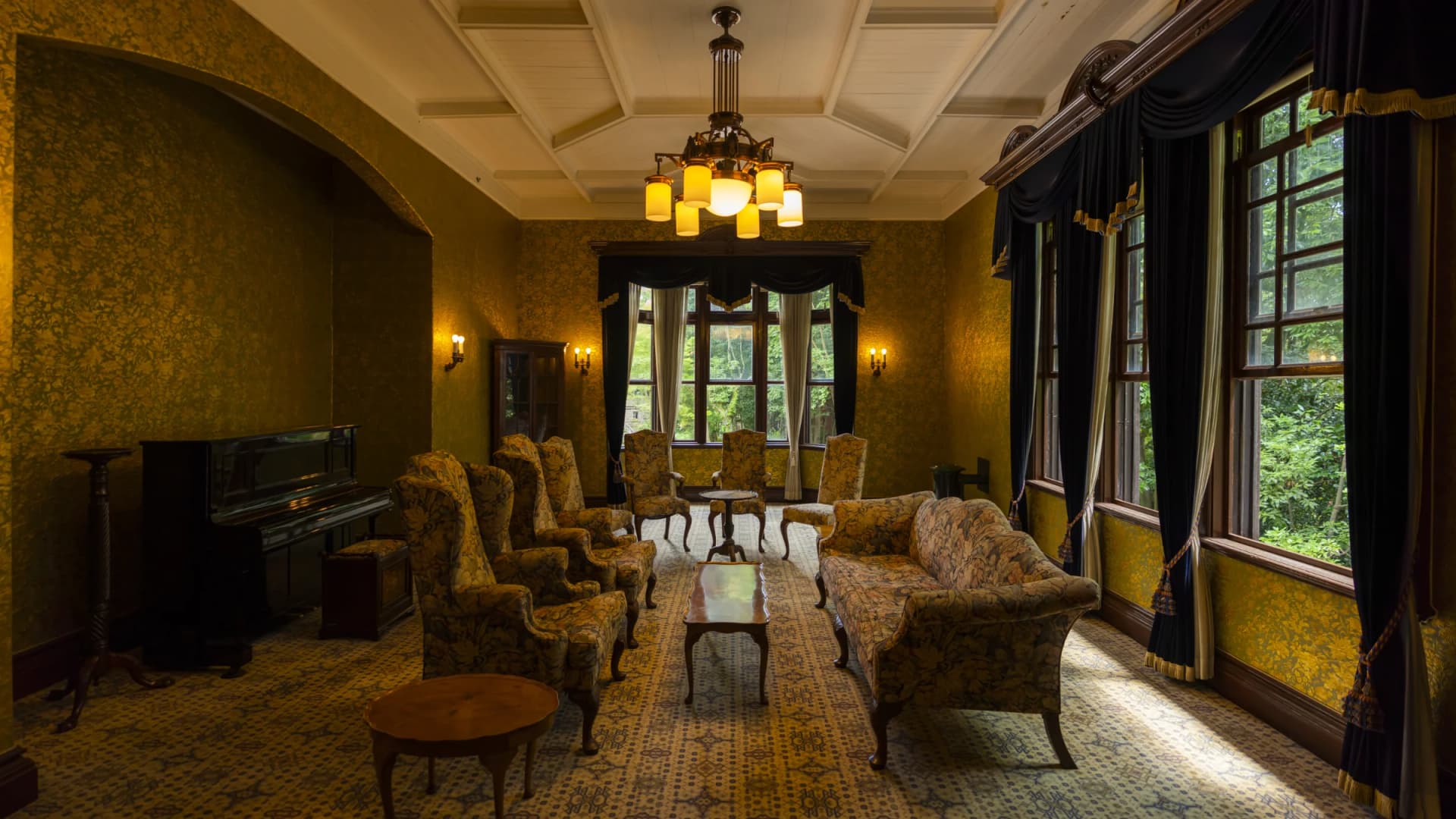
Takehara · HiroshimaThe restored 1905 residence of the commander of the Kure naval district, with rare gilded leather paper on its walls, and a naval arsenal clock tower.
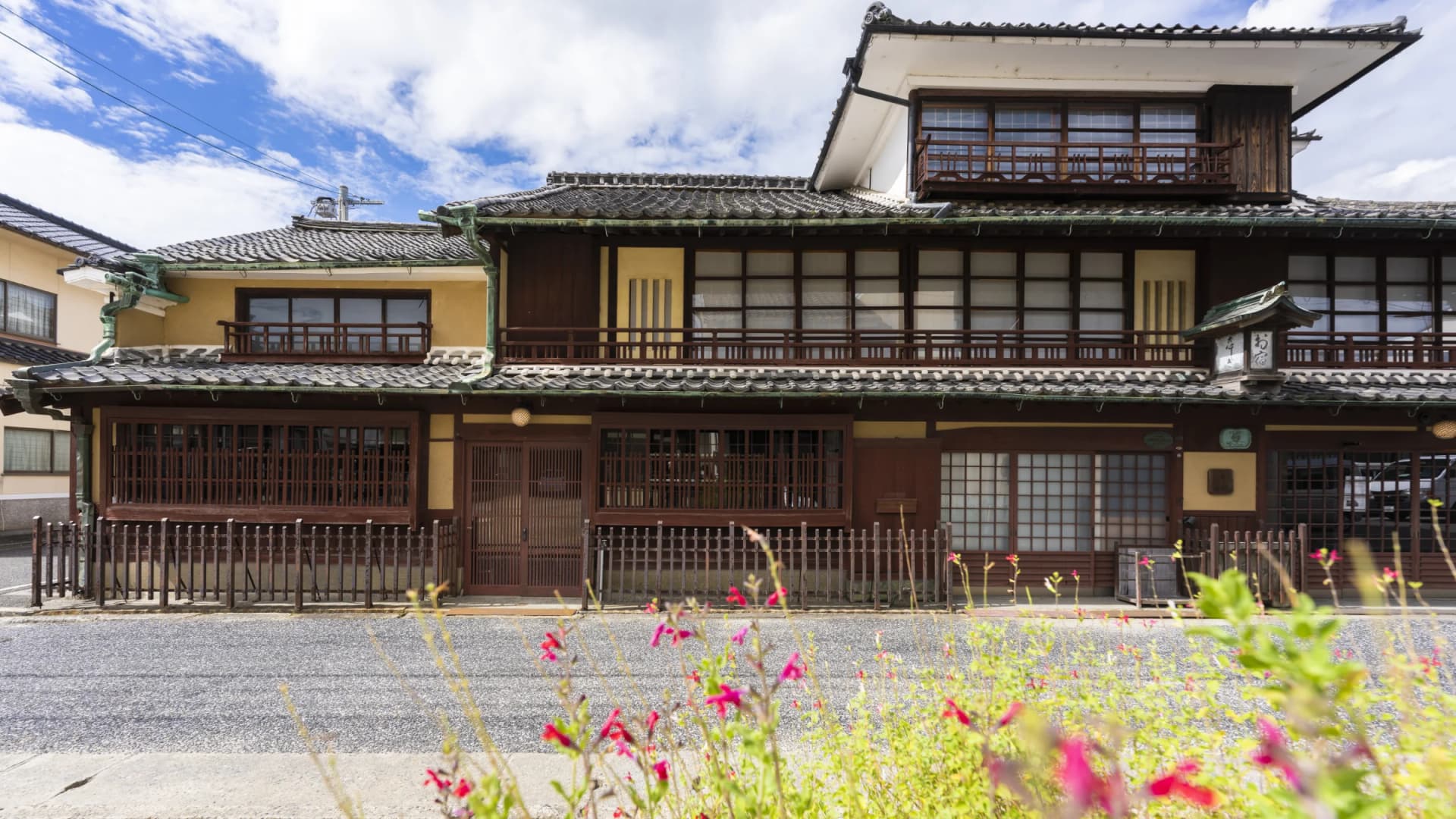
Kure · HiroshimaA restaurant inn of 1872 in Fuchu, Hiroshima, with a strolling garden of 1918, now on the national register and open to the public.
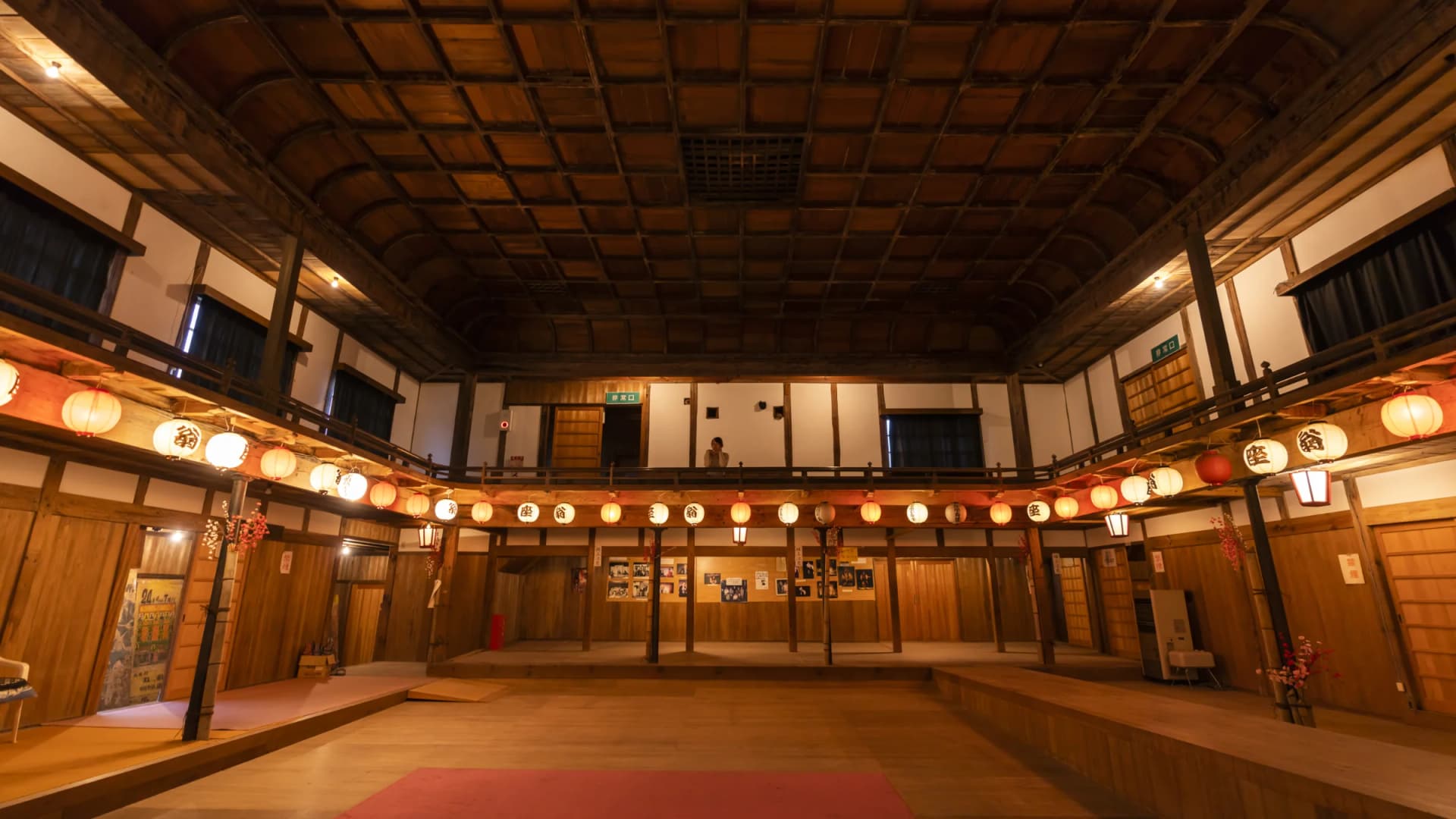
Fuchu · HiroshimaA wooden theatre of 1927 in the old post town of Joge, the only pre-war wooden playhouse still standing in the Chugoku region.
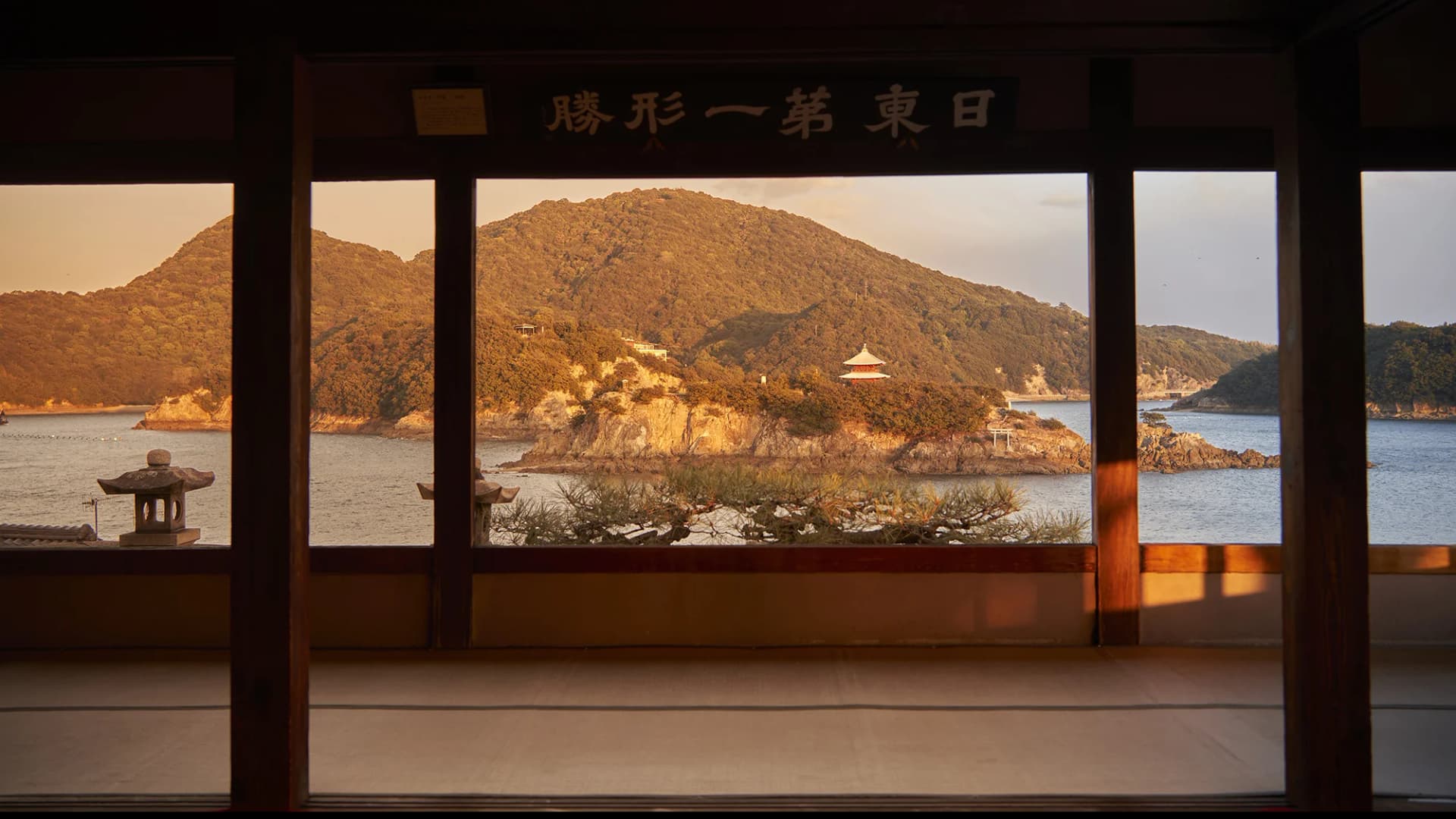
Fuchu · HiroshimaThe guest hall of a Shingon temple at Tomonoura, built around 1690, whose view over the Seto Inland Sea a Korean envoy called the finest in Japan.
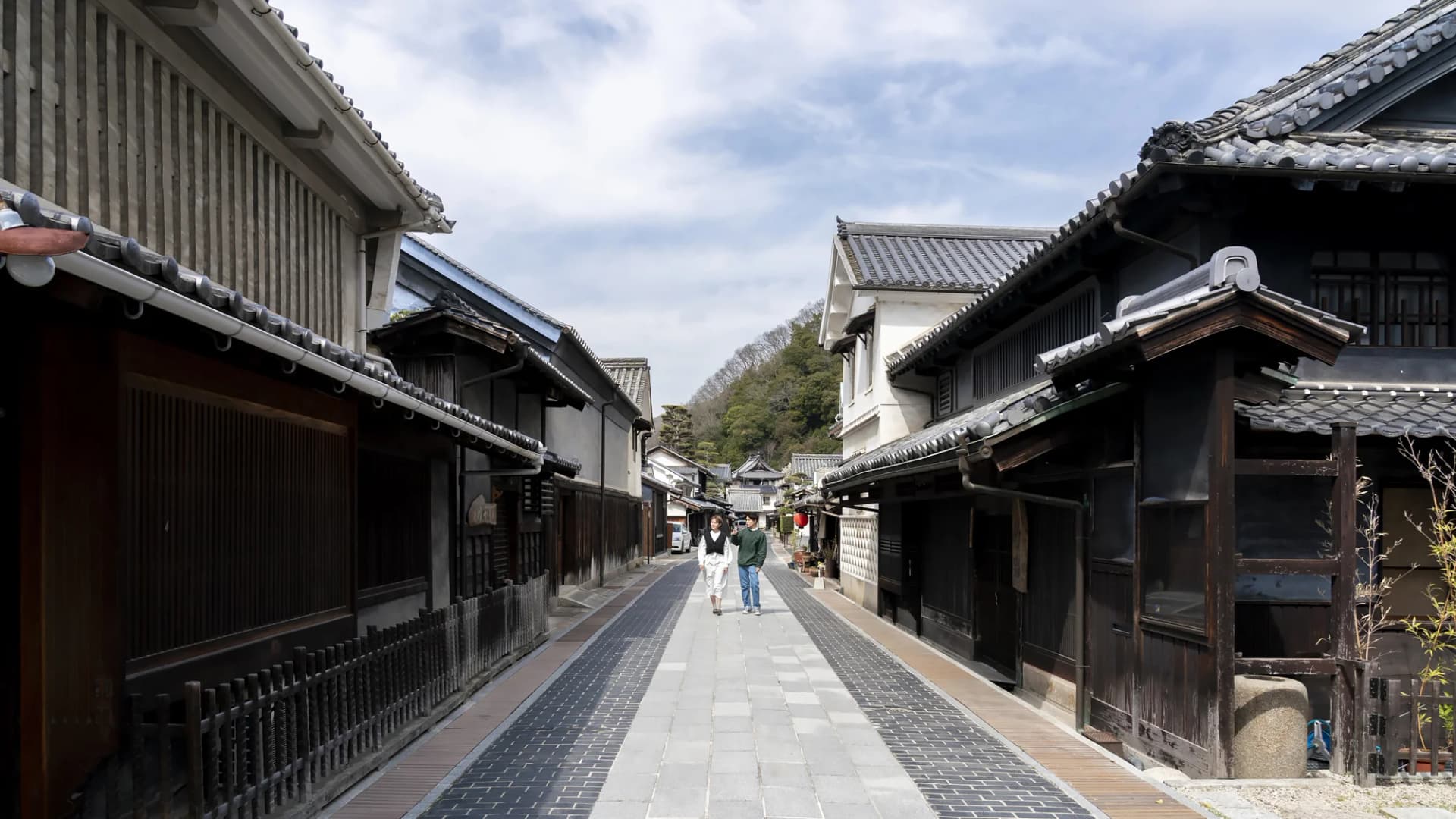
Fukuyama · HiroshimaA five-hectare quarter of Edo and Meiji merchant houses in Takehara, Hiroshima, built on the fortunes of salt and known as the Little Kyoto of Aki.
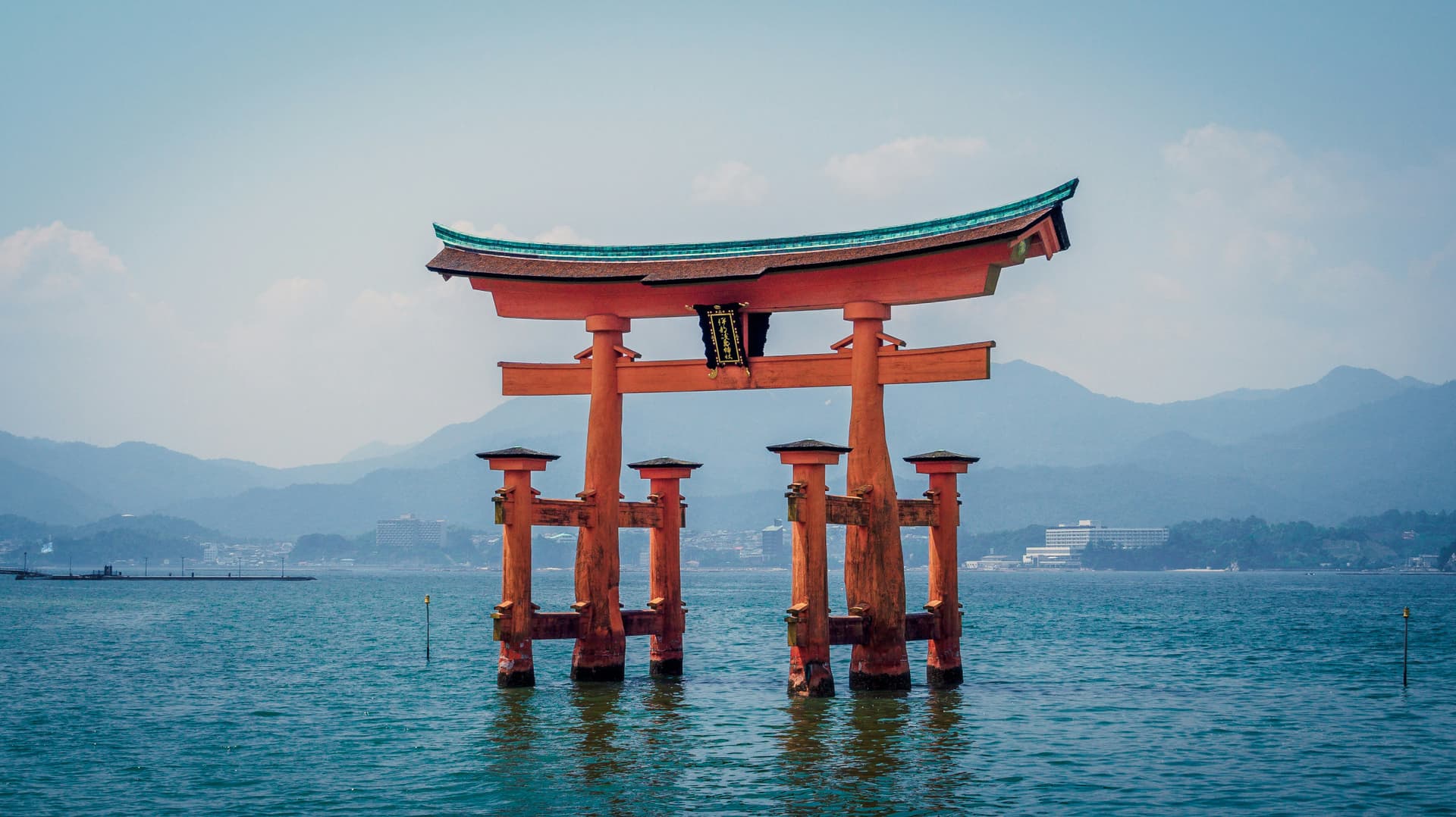
Takehara · HiroshimaThe floating shrine of Miyajima, built out over a tidal cove, with its great vermilion torii standing in the sea off the sacred island.
Hatsukaichi · HiroshimaThe park honors victims of the 1945 atomic bombing and preserves the Atomic Bomb Dome, the sole standing building near ground zero, alongside monuments and a museum.
Hiroshima