HANA・BIYORI
HANA・BIYORI
A flower park next to Yomiuriland with hanging flower displays, a Piet Oudolf garden and a Japanese garden with two Important Cultural Properties.
Closed on some irregular days: check the official calendar.
〒 206-0812How to get there
京王よみうりランドKeio Sagamihara Line10 min walk from the station
Gate price from¥1,200Price checked 2026/11/04
Provider prices may differ from the price above. Booking through our links earns us a commission, at no extra cost to you.
HANA BIYORI is a flower park run by Yomiuriland beside its amusement park in Inagi, on the Tama Hills west of central Tokyo. A large greenhouse hung with flowers stands at its centre, surrounded by gardens, a Japanese garden holding Buddhist cultural properties, and the Kakeinoyu hot spring.
The greenhouse
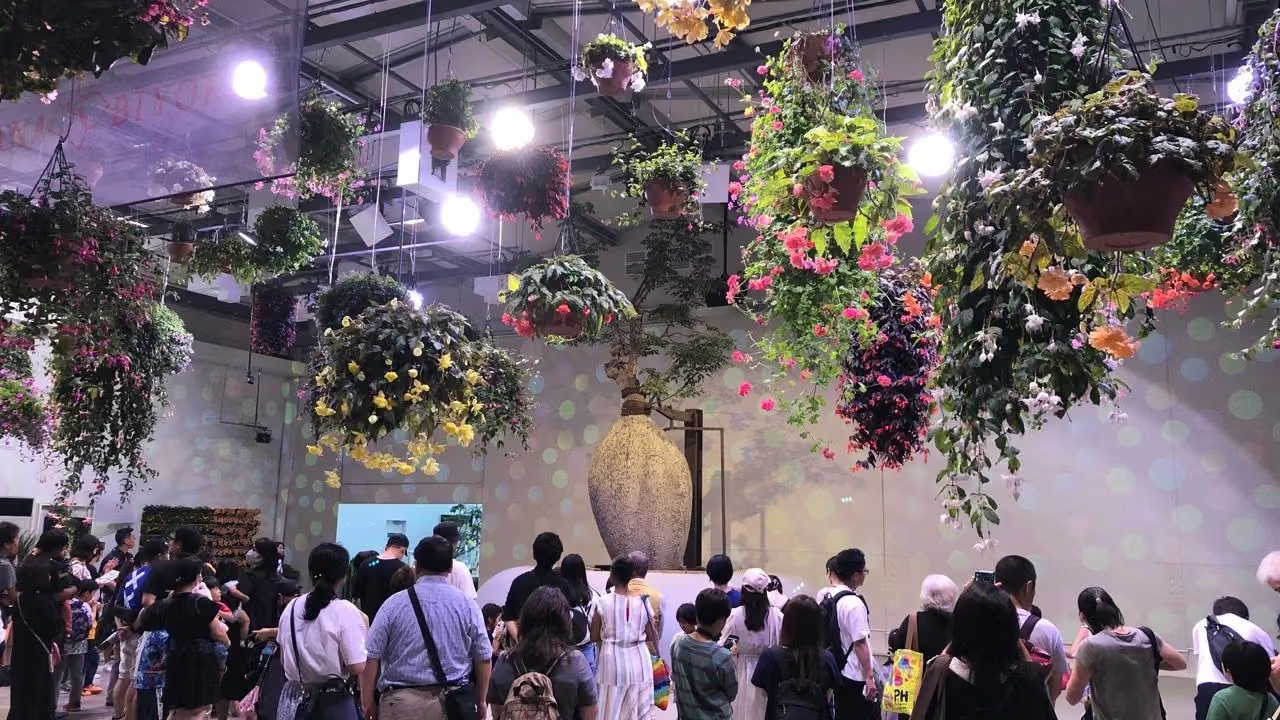
More than 300 hanging pots of begonia, fuchsia, petunia, geranium and other plants make up the flower chandeliers, one of the largest displays of their kind in Japan. The symbol tree is a paraborracho, a floss silk tree estimated at over 400 years old; its Spanish name means drunken tree. An 8 m saltwater tank of Okinawan reef fish and a 3 m planted freshwater tank stand among the flowers, and Asian small-clawed otters live in an enclosure inside. The Starbucks in the greenhouse was the first in Japan with its sign made of living plants.
Several times a day the greenhouse goes dark for the Flower and Digital Art Show. Twenty projectors cover the walls, the symbol tree and the hanging flowers with images that change with the season, with sound from 18 speakers. The show has two endings, and an emotion-analysis system reads the audience to choose one.
The gardens
Piet Oudolf Garden Tokyo is the first garden in Japan by the Dutch designer Piet Oudolf, known for the High Line in New York. Perennials are planted loosely to look like a meadow, and the planting is planned for every season, including the seed heads and stems left after flowering. Paths around the greenhouse lead past the Four Seasons Garden, the Sequoia Garden at the foot of the park's tallest tree, a rock garden, two waterfalls and a stream where Genji and Heike fireflies appear in June.
The Sacred Forest
The Japanese garden called the Sacred Forest is entered through the Hijiri-mon, a gate said to have come from the Kyoto Imperial Palace by way of a sub-temple of Myoshin-ji. Two statues here were designated Important Cultural Properties in 1950. The Myoken Bosatsu, the deified Pole Star, was carved in 1301, late in the Kamakura period. The Sho Kanzeon Bosatsu, a form of Kannon, was carved from a single block of cypress in the early Heian period and stood for a long time at Yokoku-ji in Kyoto.
The Shaka Nyorai-den, a pagoda of Pakistani marble, holds relics of the Buddha given by the government of Ceylon, now Sri Lanka, and hair of the Buddha given by the government of East Pakistan, now Bangladesh, both in 1964. A tahoto pagoda thought to date from the 17th century was moved here in the same year from Muryoju-in in Harima, Hyogo. Around 2,000 red spider lilies flower near it in late September and early October.
Getting There

Planning a trip? Fit this into a trip and Oni plans the rest around it.
Places nearby
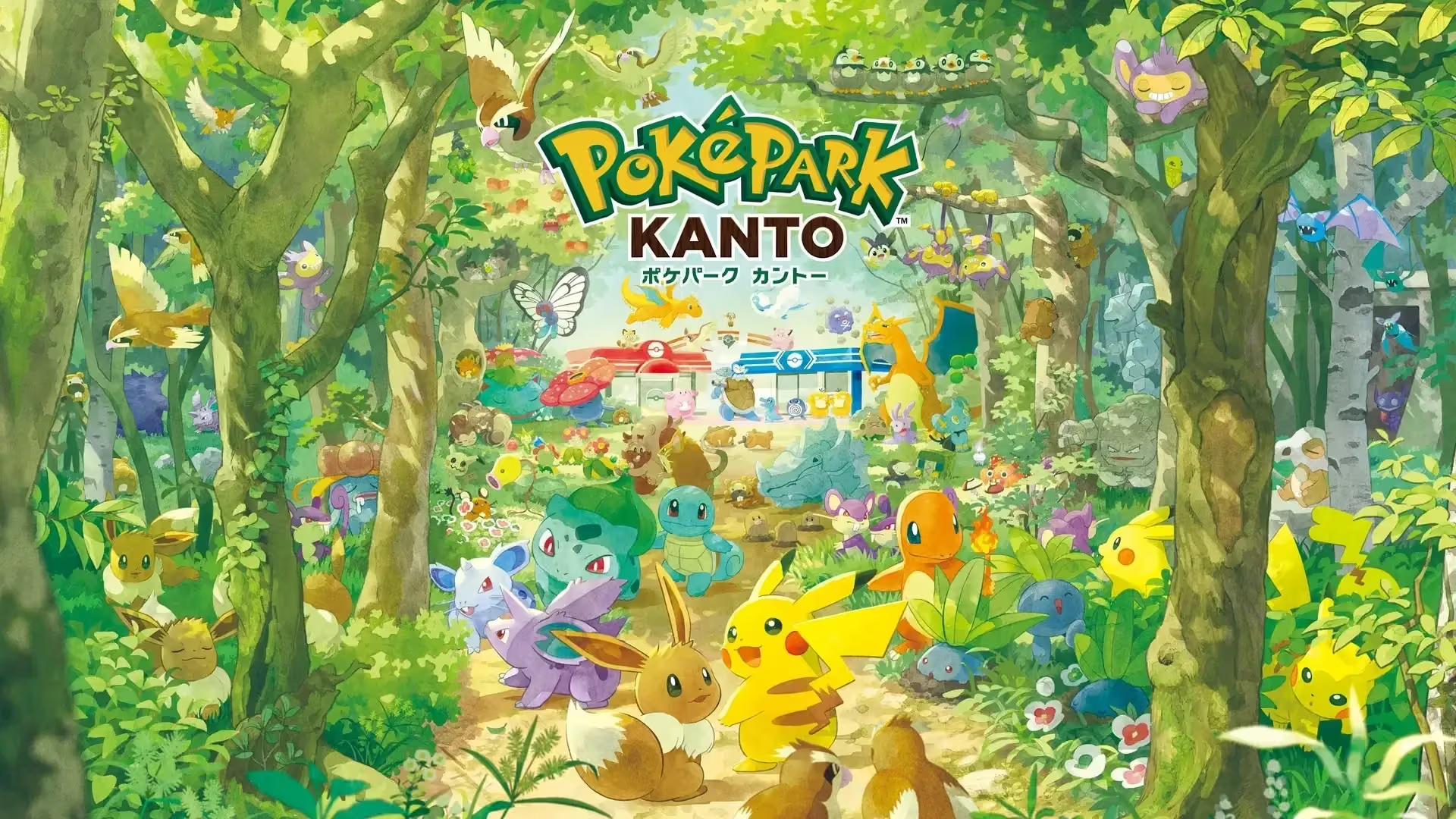
PokéPark KANTO
The first permanent outdoor Pokémon park, at Yomiuriland, with over 600 Pokémon across two zones: a forest trail and a town, each shown in their habitats.
Tokyo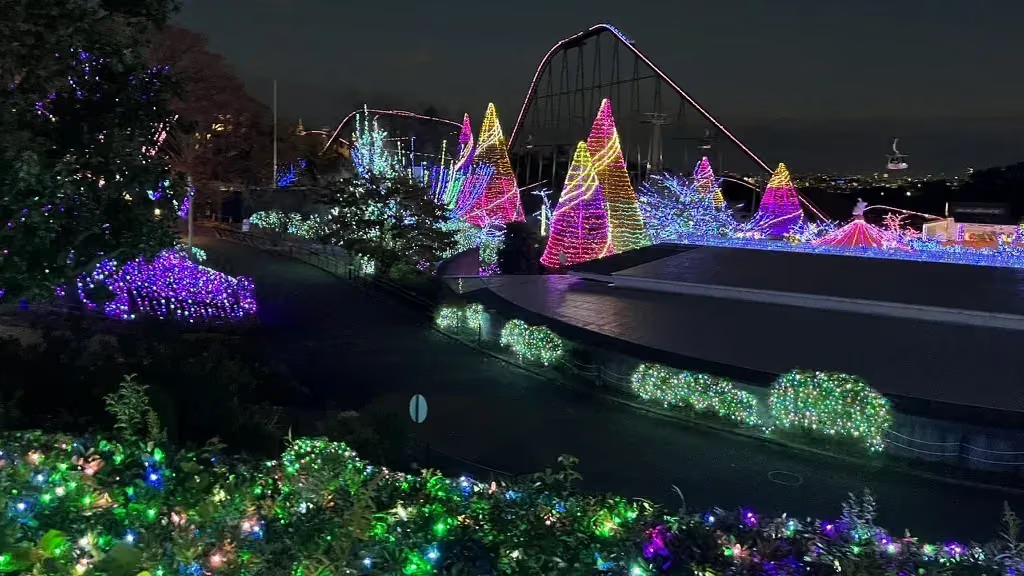
Yomiuriland
Amusement park in the Tama hills, opened in 1964, with the Bandit coaster, the Goodjoba!! manufacturing area, summer pools and the Jewellumination lights.
Inagi · TokyoYou might also like
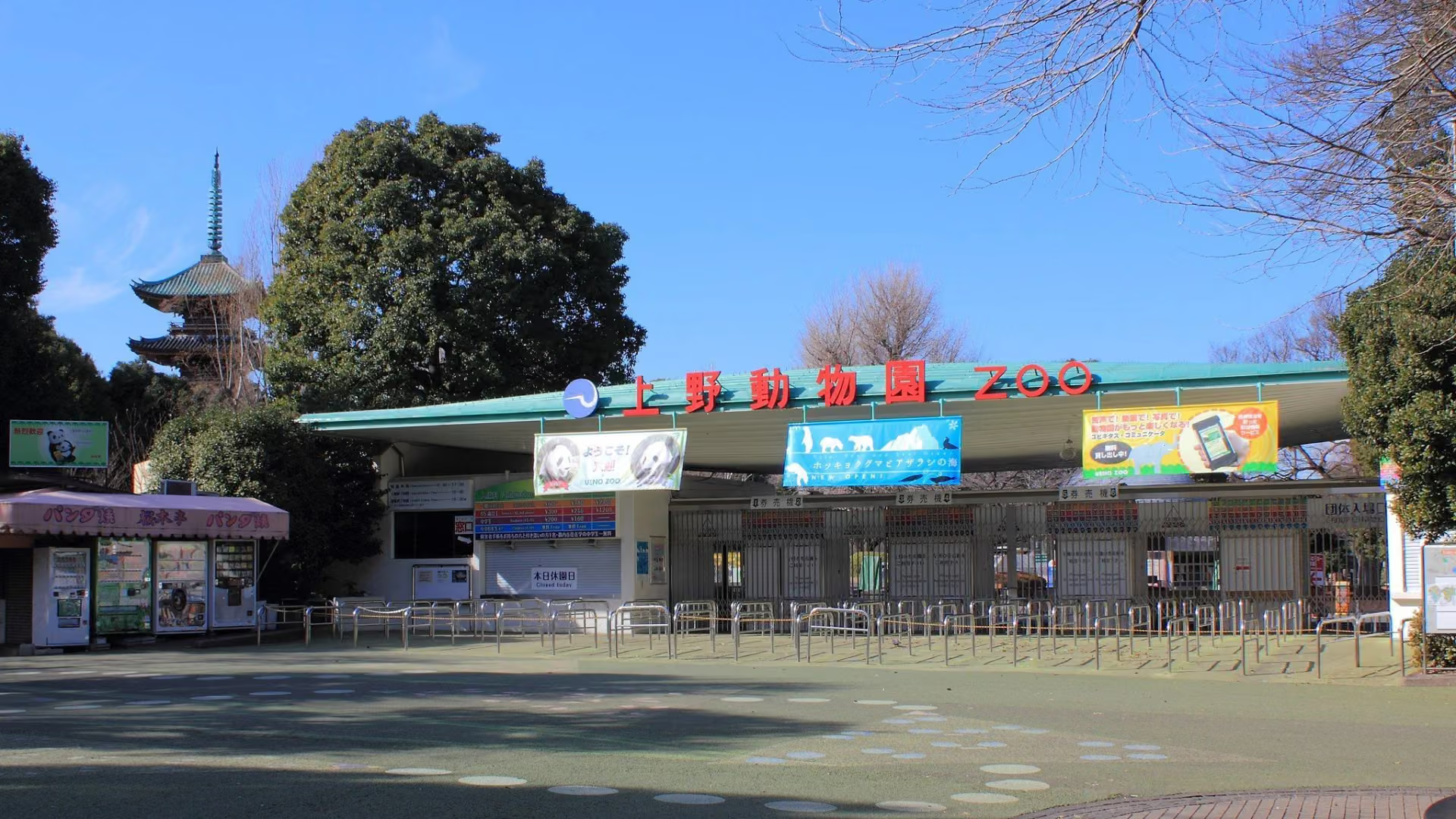
Ueno Zoo
Japan's first zoo, opened in Ueno Park in 1882, with about 3,000 animals of 250 species in an East Garden on the hill and a West Garden by Shinobazu Pond.
Tokyo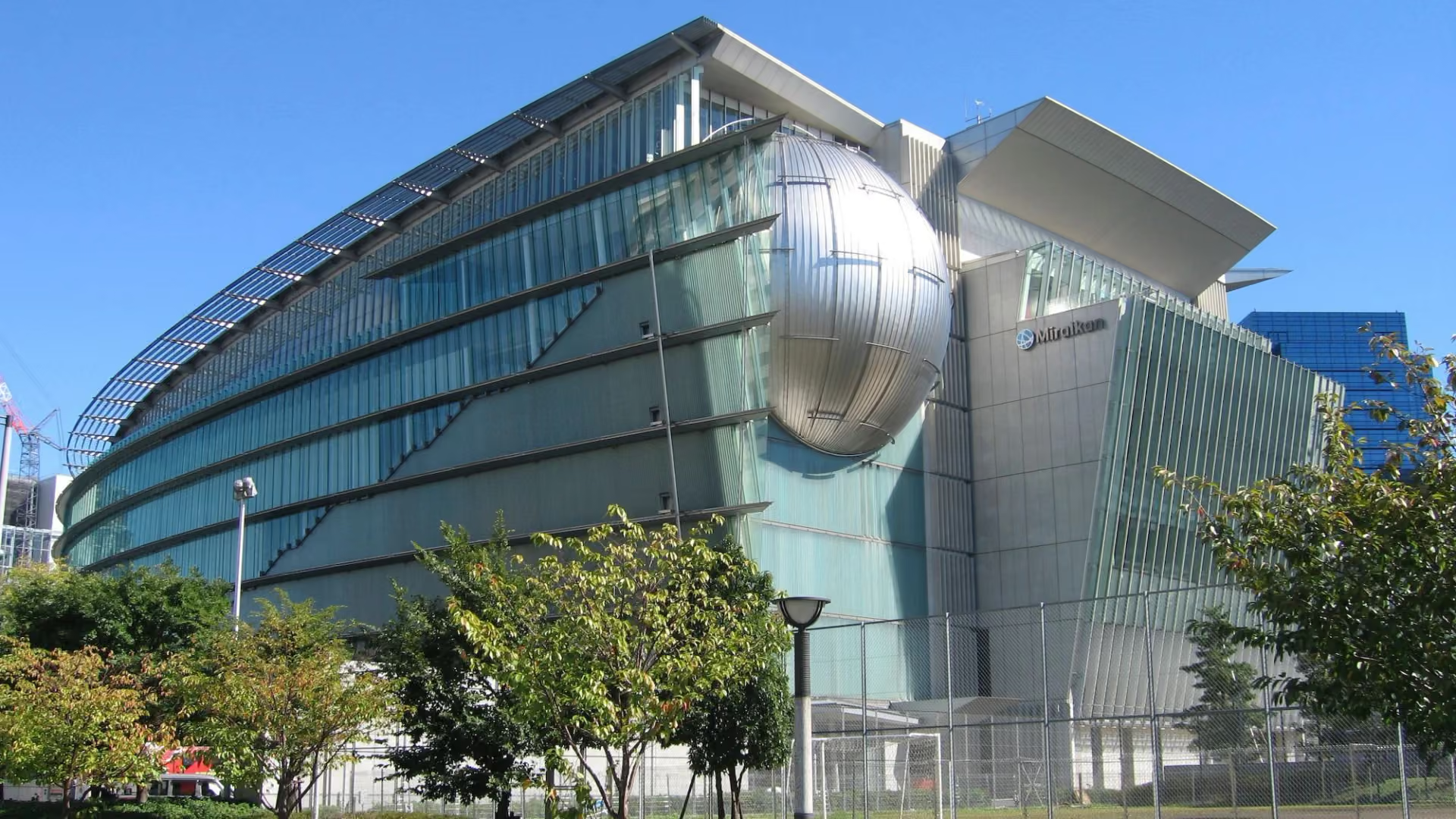
Miraikan - The National Museum of Emerging Science and Innovation
Japan's national science museum in Odaiba, run by the Japan Science and Technology Agency, with permanent exhibitions, the Geo-Cosmos globe and a dome theater.
Tokyo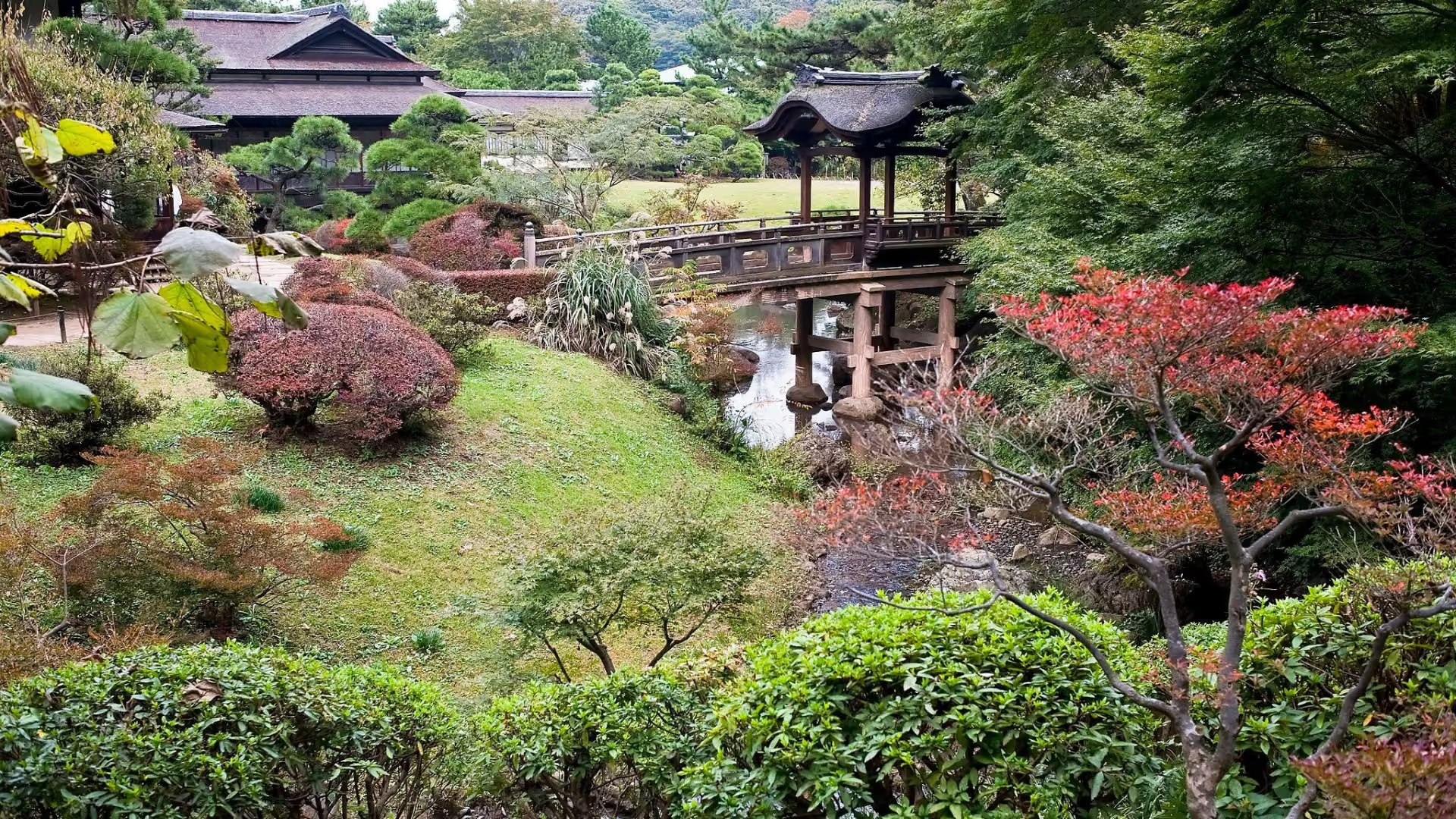
Sankeien Garden
A Yokohama garden opened in 1906 by the silk merchant Hara Sankei, with historic buildings brought from Kyoto, Kamakura and Shirakawa-go.
Yokohama · Kanagawa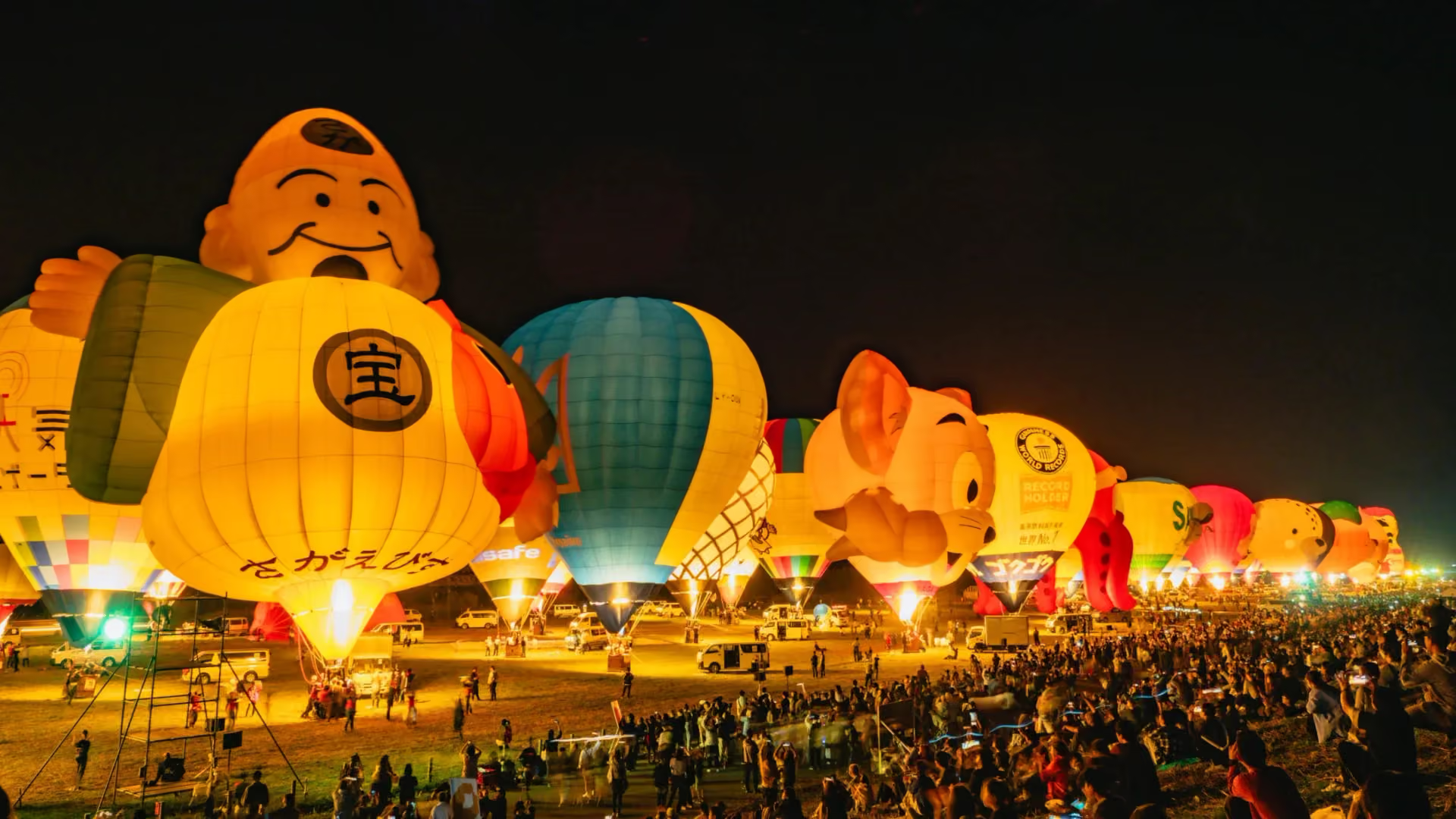
Saga International Balloon Fiesta
One of Asia's largest hot-air balloon events, where around 100 balloons rise over the Kase River in Saga each autumn in a five-day competition and festival.
30 Oct – 3 Nov 2027Exact date not confirmed yetSaga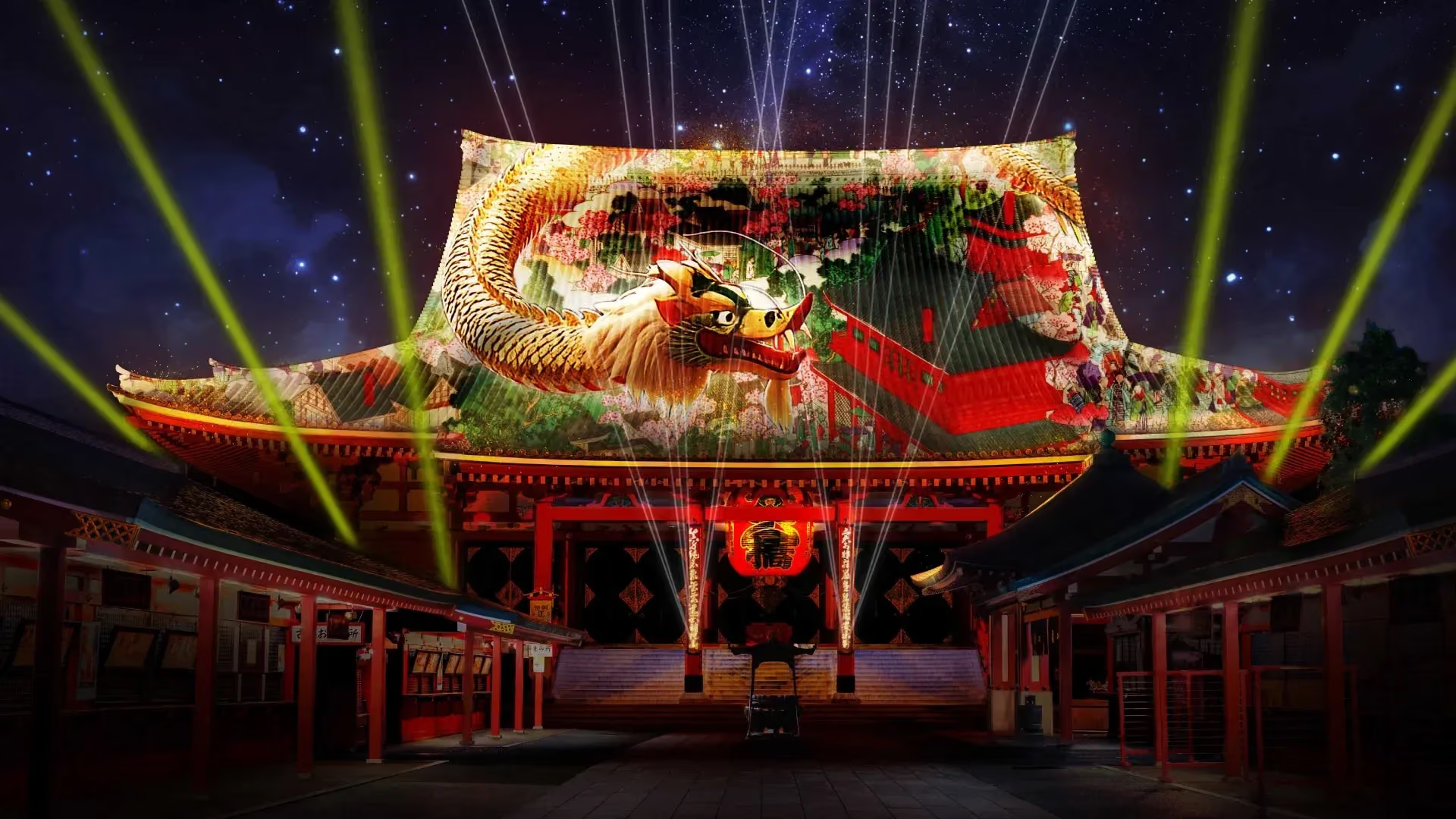
ASAKUSA CULTURE & LIGHTS
Projection mapping on the main hall and Hozomon gate of Sensoji in Tokyo, with the temple's normally closed Denboin garden and its hall of ema open alongside.
30 Oct – 3 Nov 2027Exact date not confirmed yetTokyo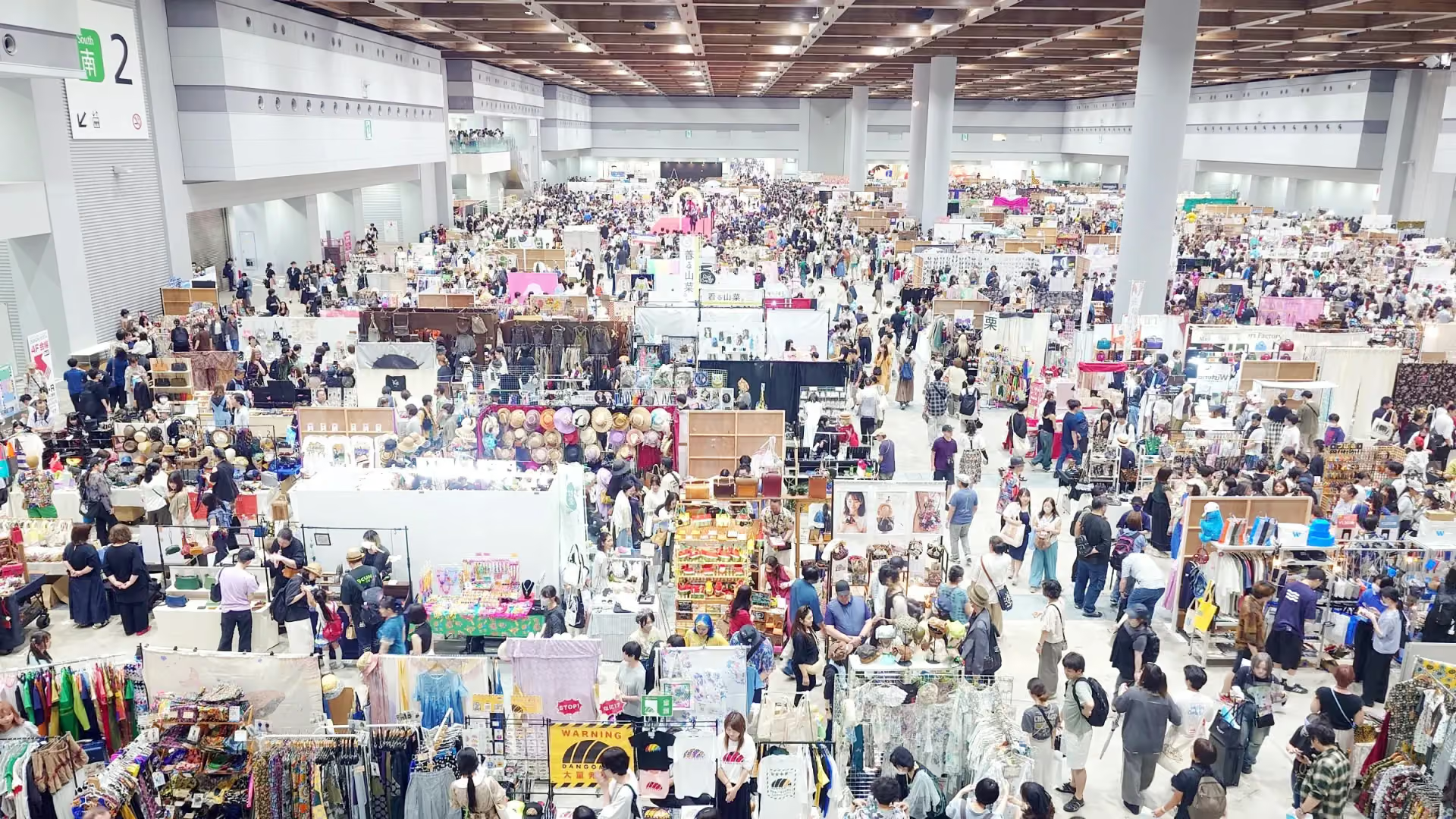
Design Festa
An open art event at Tokyo Big Sight where more than 10,000 artists, professional or amateur, show and sell original work with no screening.
14–15 Nov 2027Exact date not confirmed yetTokyo