Kyu-Furukawa Gardens
旧古河庭園
Garden estate on Tokyo's Musashino Plateau where European and Japanese design meet: a Western stone mansion and rose garden above a Japanese strolling garden.
Last entry 16:30. Closed from 12/29 to 1/1. On a few winter days the garden closes at 12:00 for rose and plum maintenance: check the official site.
〒 114-0024How to get there
上中里Keihin-Tohoku Line7 min walk from the station
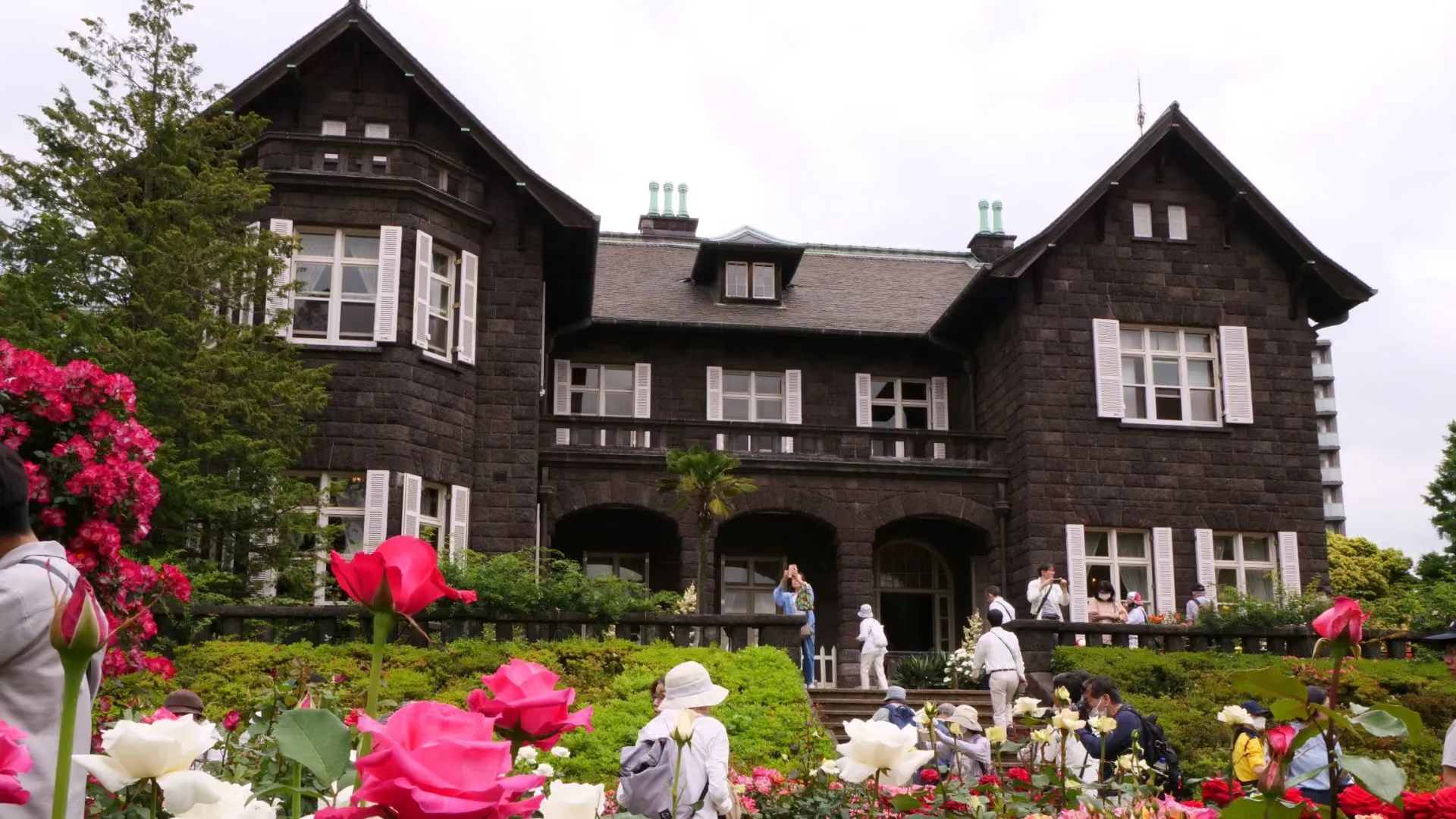
Kyu-Furukawa Gardens is a historic garden combining a Western-style stone mansion and rose garden with a traditional Japanese strolling garden. The garden makes use of the natural slopes of the Musashino Plateau, with a three-tiered design that connects the elevated mansion area to the lower Japanese garden.
The Western-style mansion was designed by British architect Josiah Conder, a key figure in Meiji-era Western architecture in Japan. The Japanese garden was laid out by Ogawa Jihei VII (also known as Ueji), the Kyoto gardener who also made the gardens of Murin-an and Heian Jingu. The garden has survived earthquakes, wartime damage, and the urbanisation of Tokyo. It was designated a national Place of Scenic Beauty in 2006.
The mansion is managed by the Otani Museum of Art and has separate opening hours and admission fees from the garden.
Roses
The garden contains approximately 200 rose bushes representing around 100 varieties. The roses bloom twice a year: in spring from about mid-May to the end of June, and again in autumn from about mid-October to the end of November.
Many varieties are named after historical figures, including Pope John Paul II (white, USA), Charles de Gaulle (purple, France), Mister Lincoln (red, USA), and Helmut Schmidt (yellow, Germany). Other notable Western varieties include Christian Dior (red, France), Princess of Wales (white, UK), and Blue Moon (lavender, Germany).
Japanese-bred roses include Koigokoro (pink), Kotone (apricot and cream), and Shiun (purple).
Getting There

Planning a trip? Fit this into a trip and Oni plans the rest around it.
Places nearby
Rikugien Garden
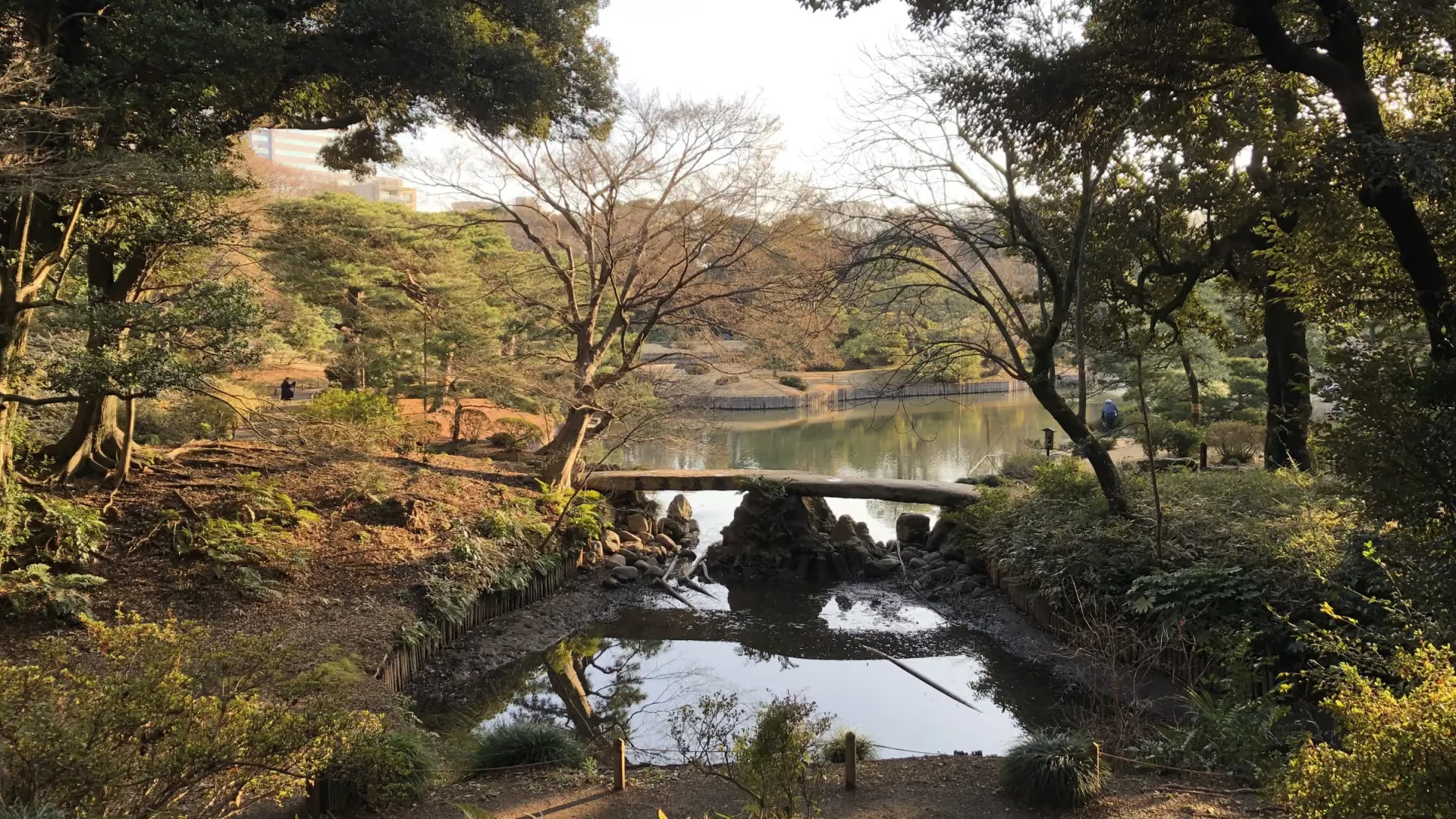
Rikugien Garden is one of Tokyo's two great daimyo gardens, with 88 scenic spots recreating famous landscapes celebrated in Japanese poetry.
Tokyo
Sunshine Aquarium
Sunshine Aquarium atop Tokyo's World Import Mart Building opened in 1978 as Japan's first urban rooftop aquarium and holds 37,000 fish representing 750 species.
Tokyo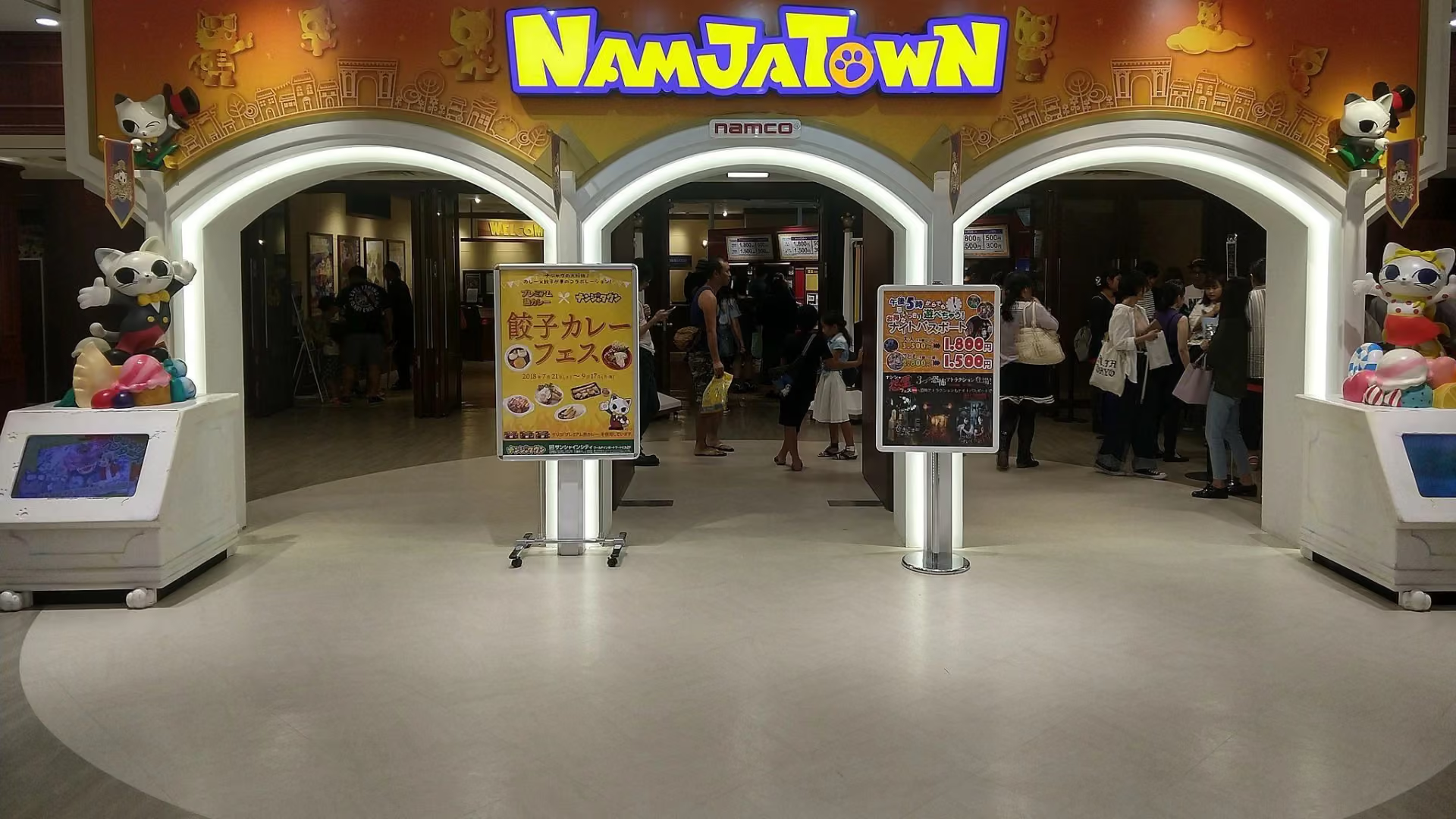
Namja Town
An indoor theme park in Sunshine City, Ikebukuro, opened in 1996, with themed districts, a gyoza stadium of regional styles and a dessert alley.
TokyoYou might also like
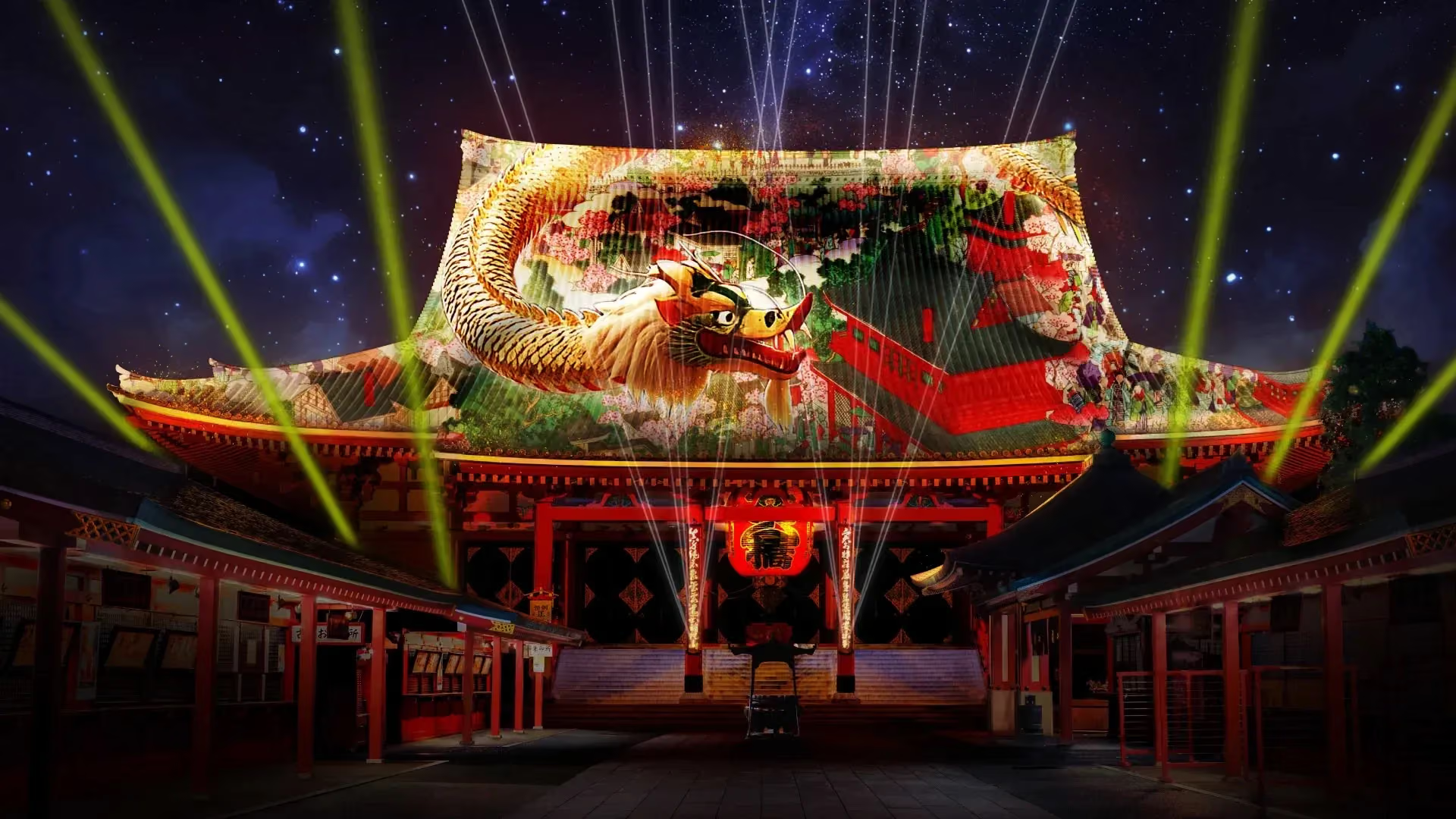
ASAKUSA CULTURE & LIGHTS
Five nights of projection mapping on the main hall and gate of Sensoji in Tokyo, with the temple's closed garden and its hall of ema open alongside.
30 Oct – 3 Nov 2027Exact date not confirmed yetTokyo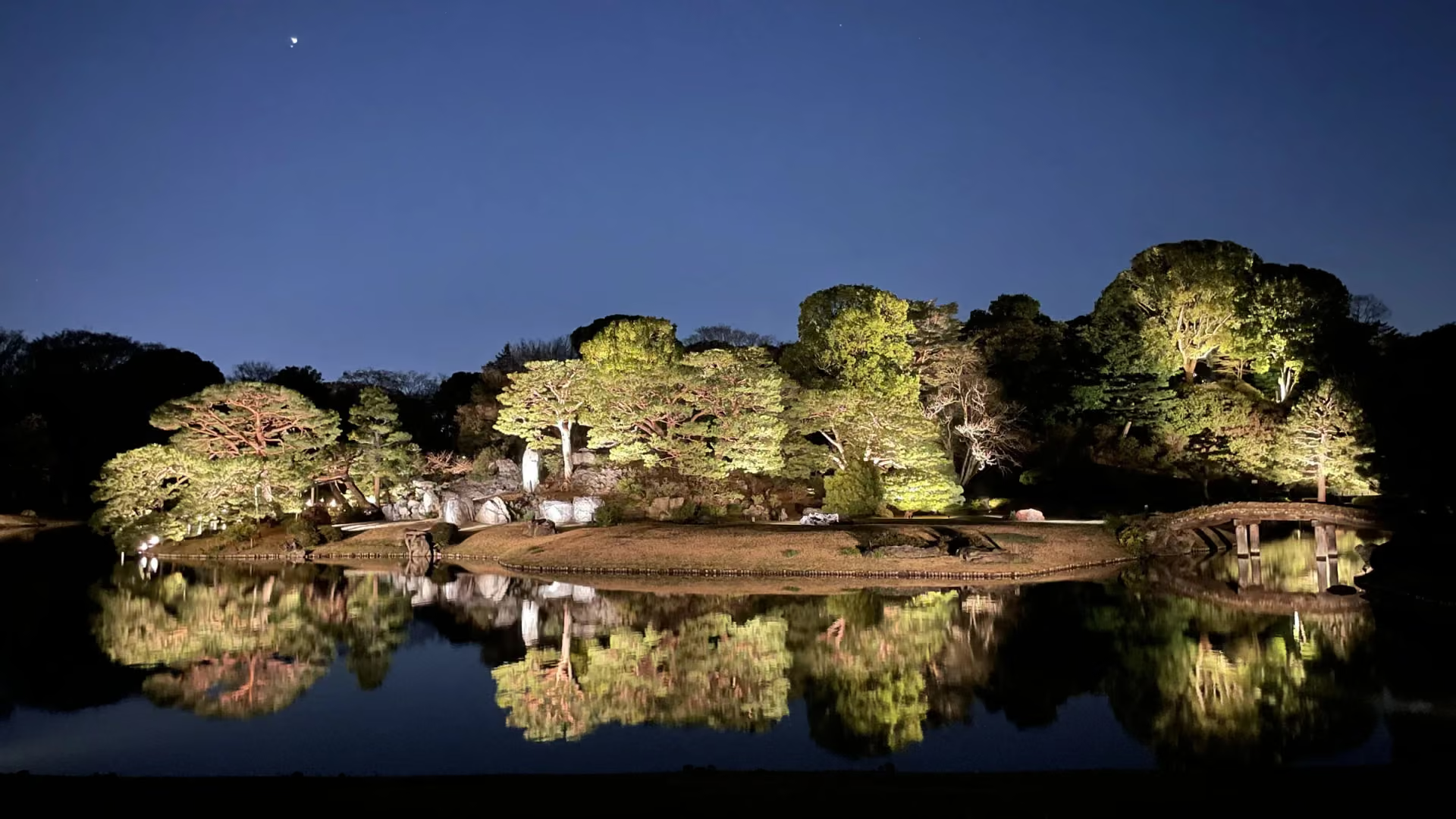
Rikugien Garden Night Autumn Viewing
Rikugien, one of Tokyo's best-known gardens for autumn leaves, opens after dark for about two weeks, with its maples lit and projections on an old storehouse.
25 Nov – 6 Dec 2026Tokyo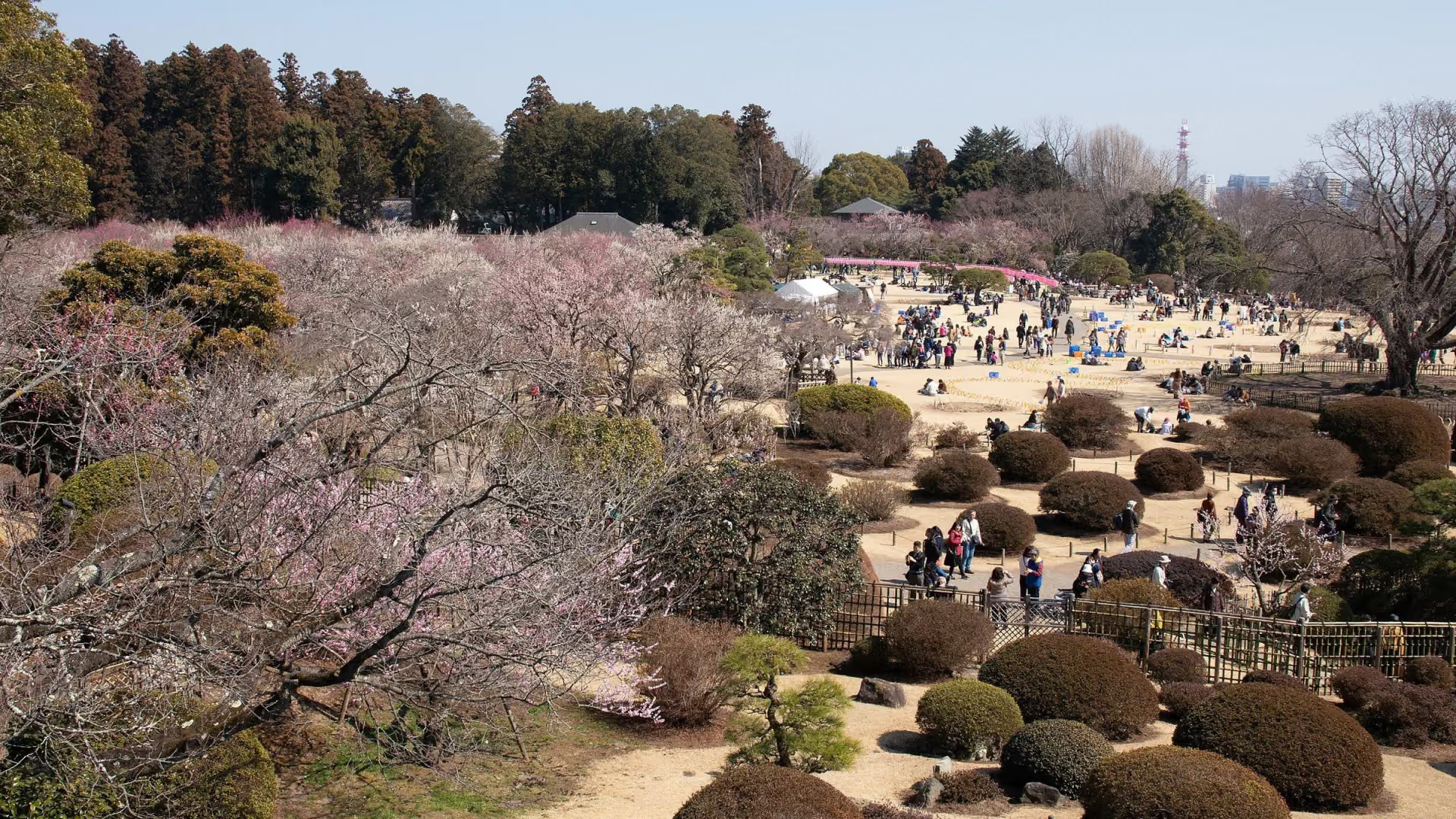
Kairakuen
One of the Three Great Gardens of Japan, opened in 1842 by Tokugawa Nariaki, with about 3,000 plum trees of about 100 varieties and the Kobuntei pavilion.
Mito · Ibaraki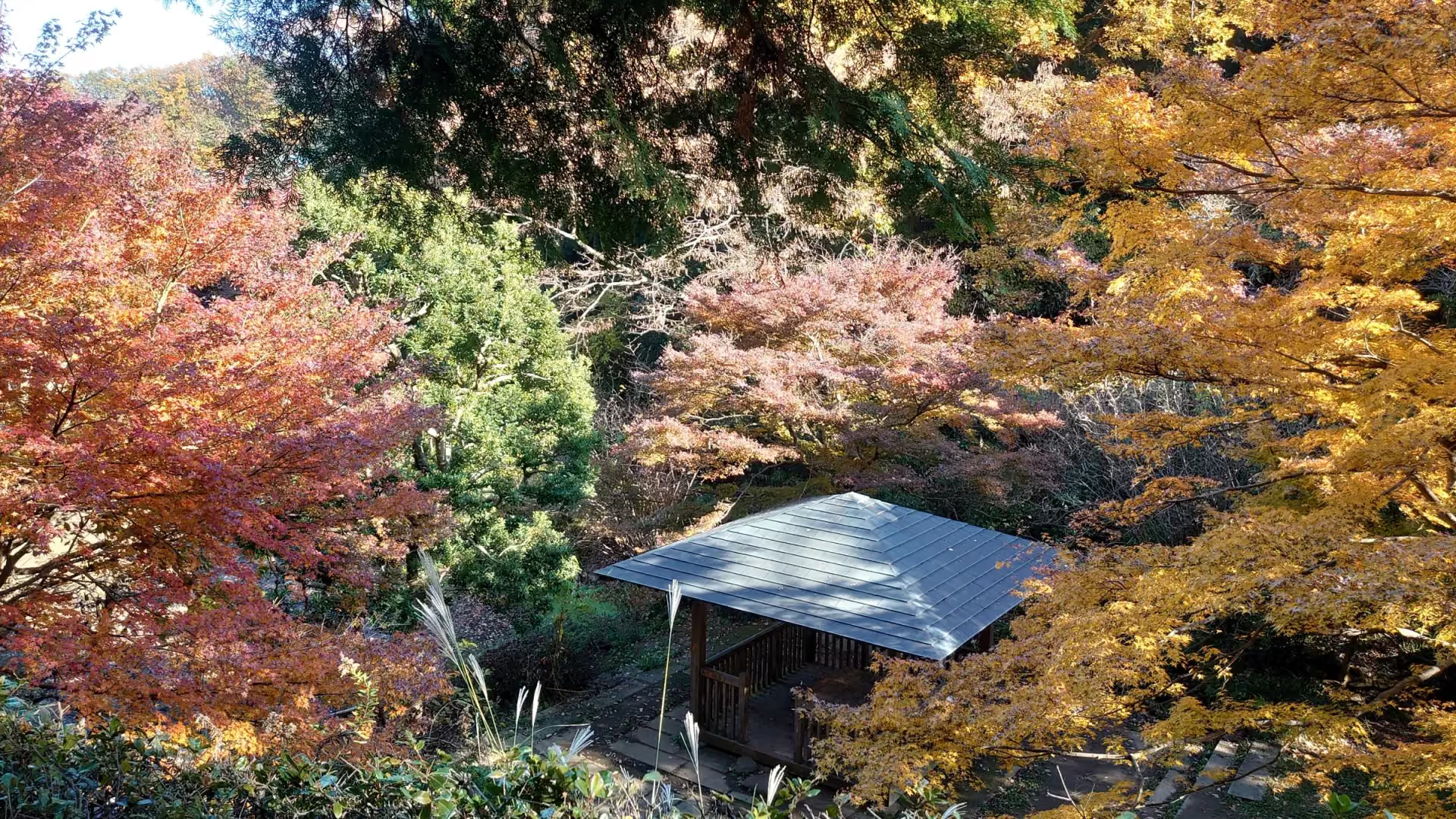
Ikuta Ryokuchi Park
Kawasaki's largest green space, with woodland and wetland, museums, a planetarium and indigo dyeing, plus cherry blossom, irises and autumn foliage in season.
Kawasaki · Kanagawa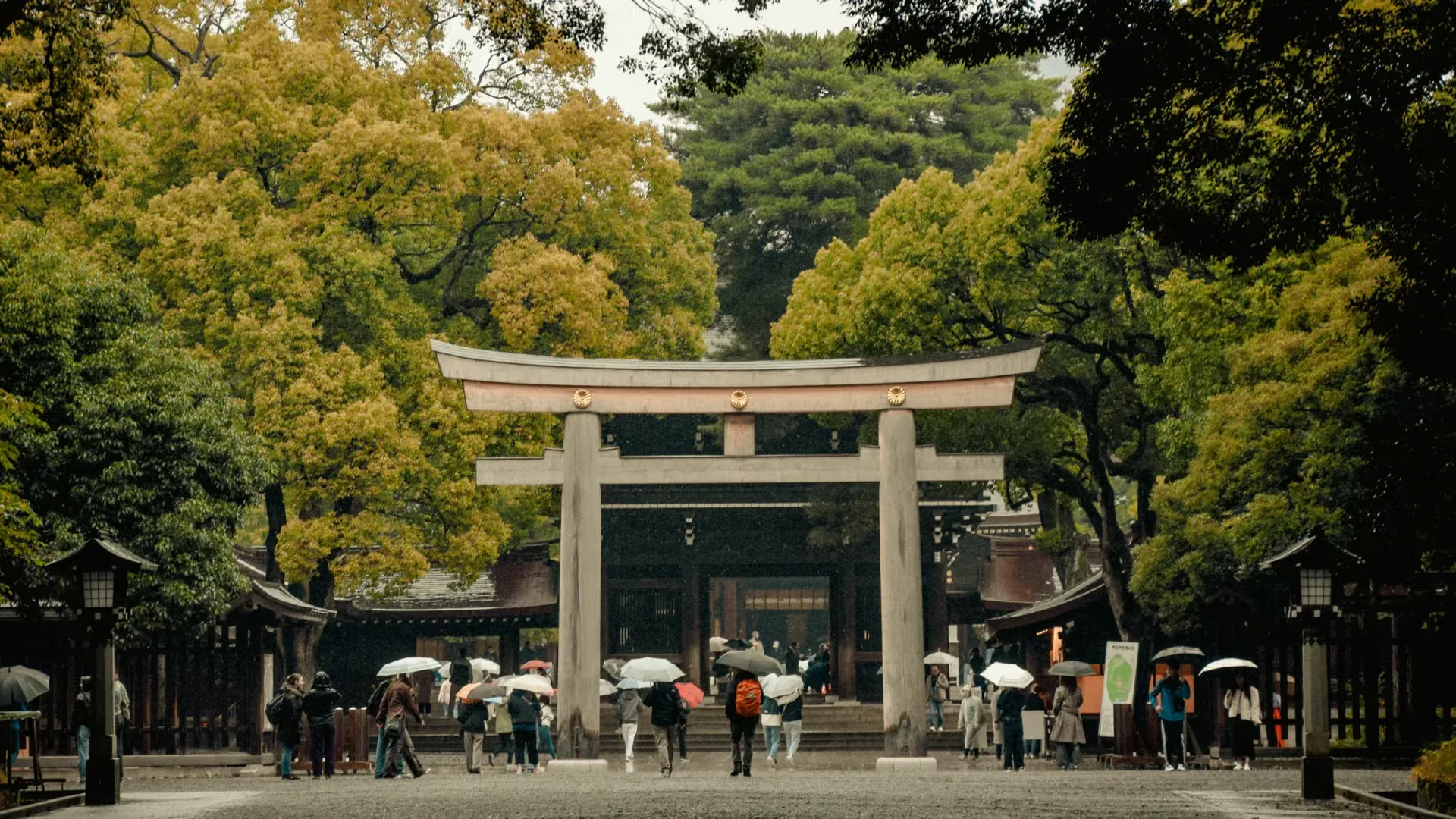
Meiji Jingu
Meiji Jingu is a Shinto shrine in Shibuya, Tokyo, dedicated to Emperor Meiji and Empress Shoken, set within a vast man-made forest of around 100,000 trees
Tokyo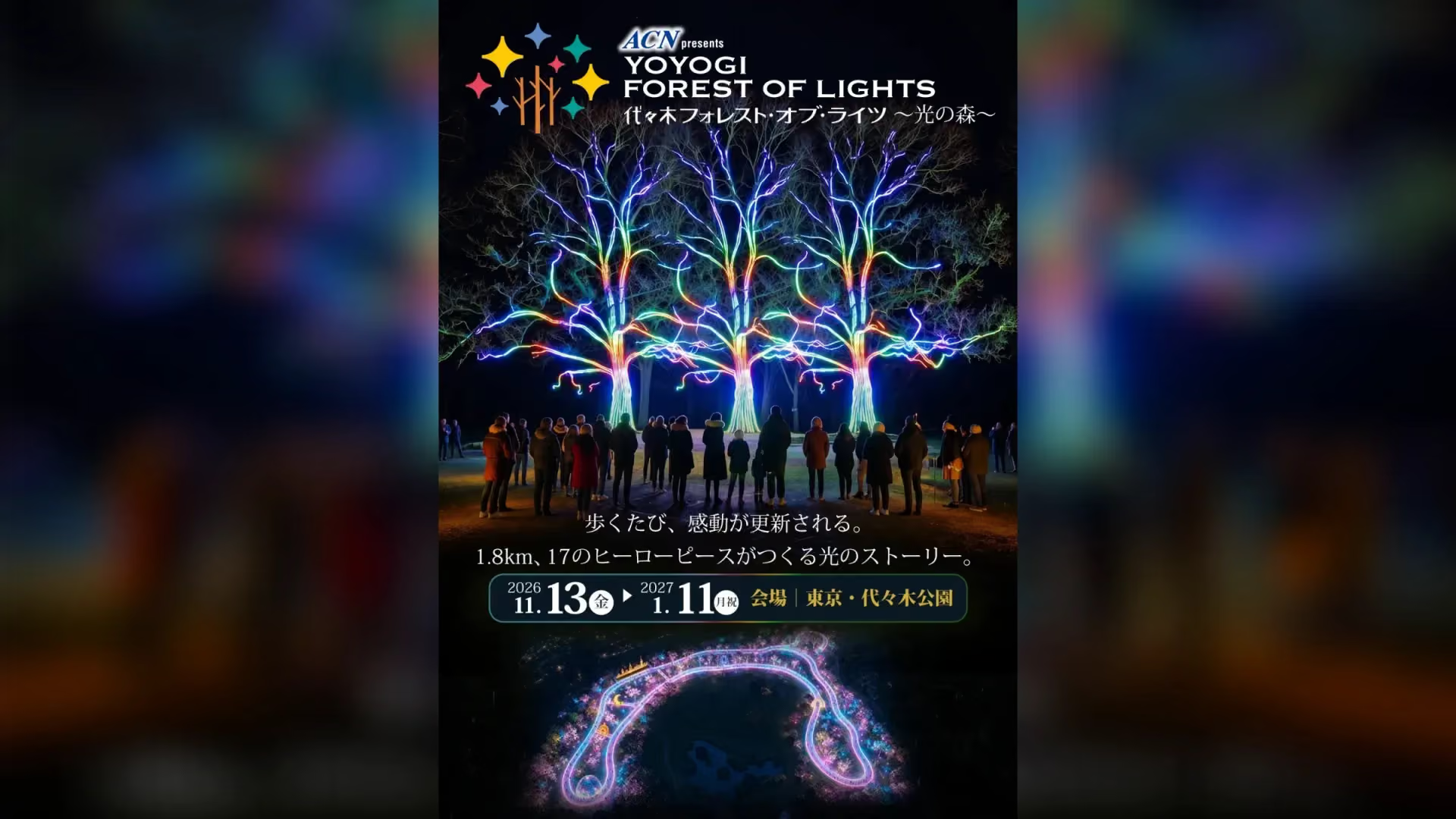
Yoyogi Forest of Lights
A 1.8 km walk-through illumination in Yoyogi Park, with 17 zones of light and music, modeled on the winter illuminations held in European parks.
13 Nov 2026 – 11 Jan 2027Tokyo