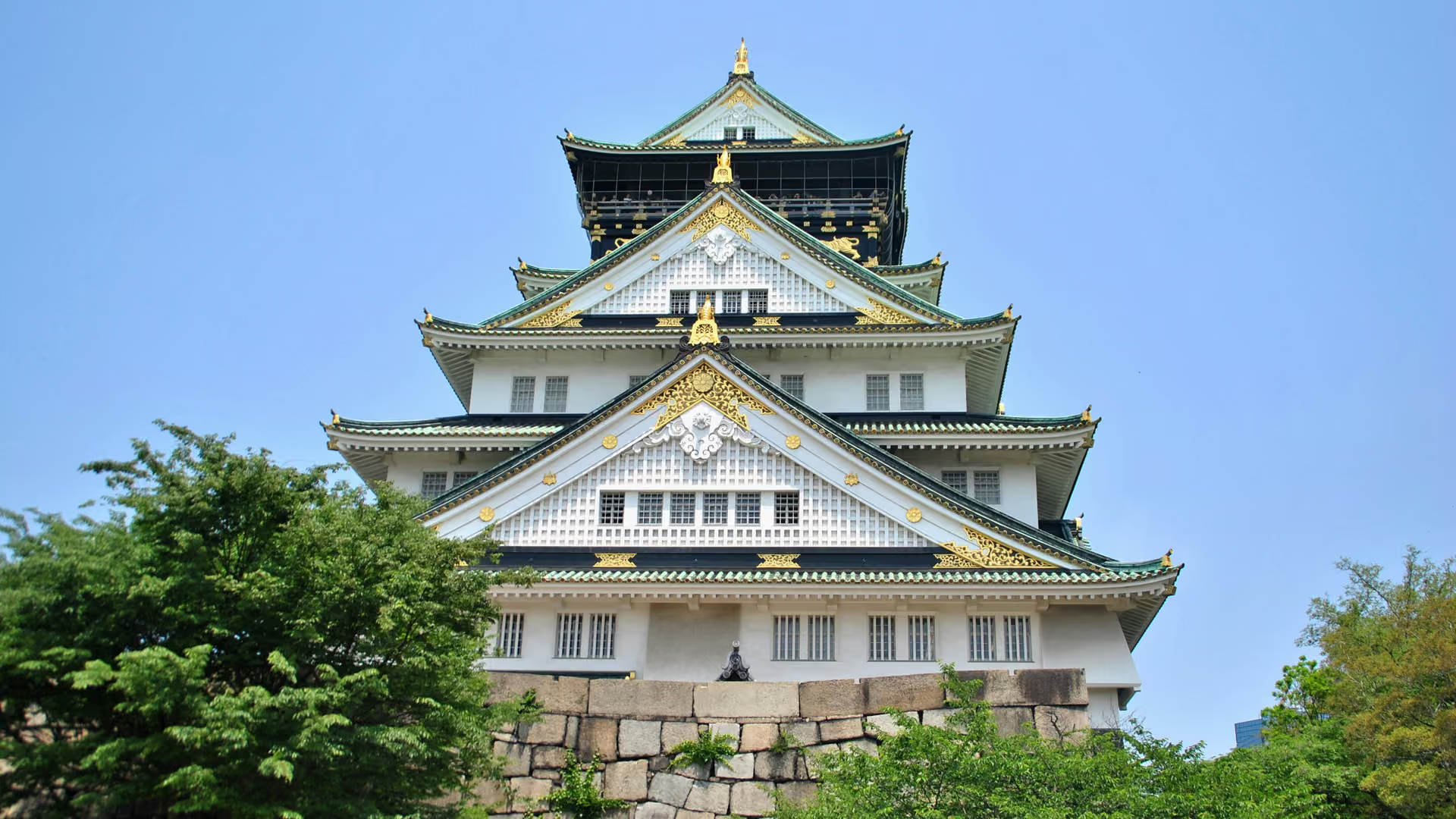
Myotsu-ji Temple
明通寺
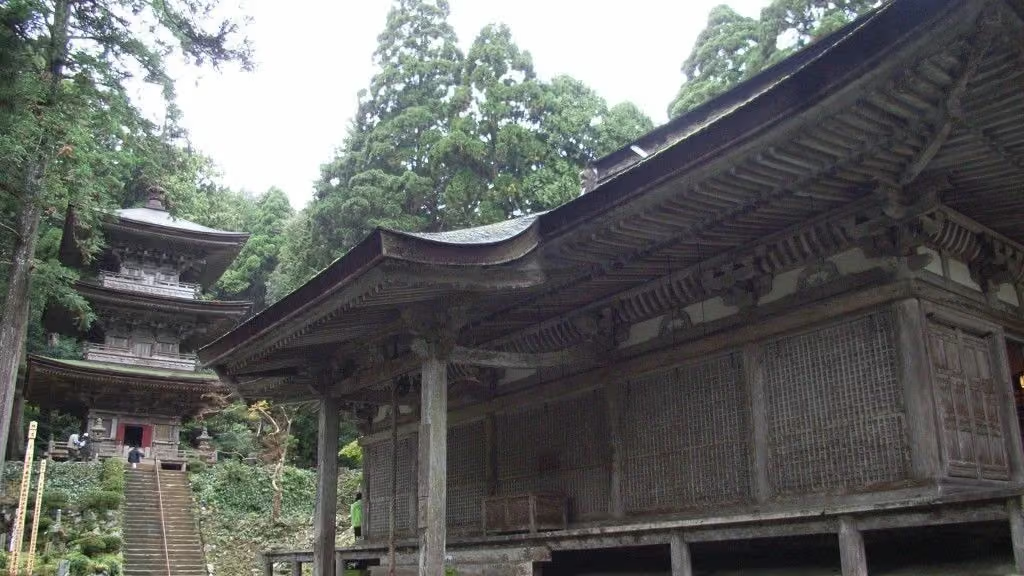
Shingon temple founded in 806 by tradition, with a main hall and three-storey pagoda from the Kamakura period that are National Treasures.
Open every day of the year. A visit includes a guided talk of about 10 minutes in the main hall.
〒 917-0237How to get there
東小浜Obama Line10 min by taxi from the station
Myotsu-ji is a temple of the Omuro school of Shingon Buddhism in Obama, Fukui, with Ninna-ji in Kyoto as its head temple. Its main hall and three-storey pagoda, both from the Kamakura period, are National Treasures.
History
Temple tradition holds that Sakanoue no Tamuramaro founded Myotsu-ji in 806. According to the legend, a mysterious old hermit lived under a great yuzuriha tree on the mountain. Guided by a dream, Tamuramaro built halls here to pray for peace in the land, and the hermit cut the tree and carved three statues from it. The temple's mountain name, Yuzuri-san (棡山), recalls the tree. Tamuramaro was the general who led the campaigns against the Emishi of northeastern Japan, and the temple says he founded it to console the souls of those killed in those wars, not to pray for victory.
Buildings
The main hall was rebuilt in 1258 and the pagoda in 1270, both roofed with cypress bark and once painted red. The hall is a single-storey building with a hip-and-gable roof, in the pure wayo, native Japanese, style, and keeps the five-bay form of a medieval esoteric Buddhist main hall. The pagoda is 22.26 metres tall, each storey smaller than the one below. The Edo-period main gate and its Kamakura-period guardian statues are City Cultural Properties.
Statues and treasures
The main image is a seated Yakushi Nyorai, the Buddha of healing, at the centre of the altar in the main hall. Large standing figures of Gozanze Myoo, 2.50 metres tall, and Jinja Taisho, 2.54 metres, stand on either side. Jinja Taisho is a guardian said to have appeared in the desert to protect the monk Xuanzang on his journey to India, and statues of him are rare in Japan. All three were carved from single blocks of wood in the late Heian period, as was a standing Fudo Myoo that came from another temple after the temple's own was lost to fire in the Meiji era. All four are Important Cultural Properties, as are more than 400 donation tablets from the Kamakura to the Edo period. A set of six Edo-period scrolls of the legend of Hikohohodemi no Mikoto is a Prefectural Cultural Property and is not shown to visitors.
Getting There

Planning a trip? Fit this into a trip and Oni plans the rest around it.
You might also like
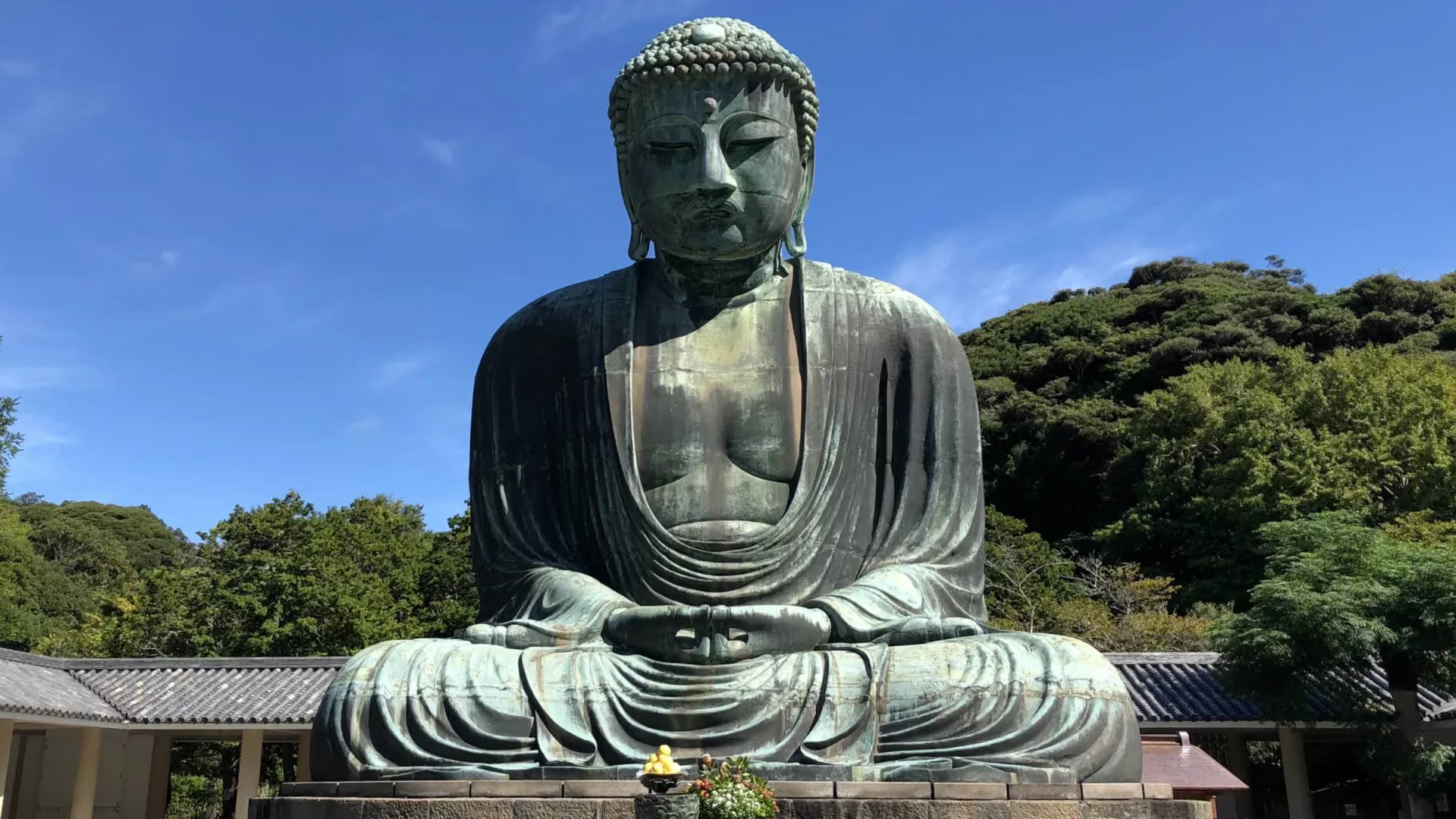
Kotoku-in
A Jodo sect temple in Kamakura whose main image is the Great Buddha, a seated copper statue of Amida Buddha begun in 1252 and a National Treasure.
Kamakura · Kanagawa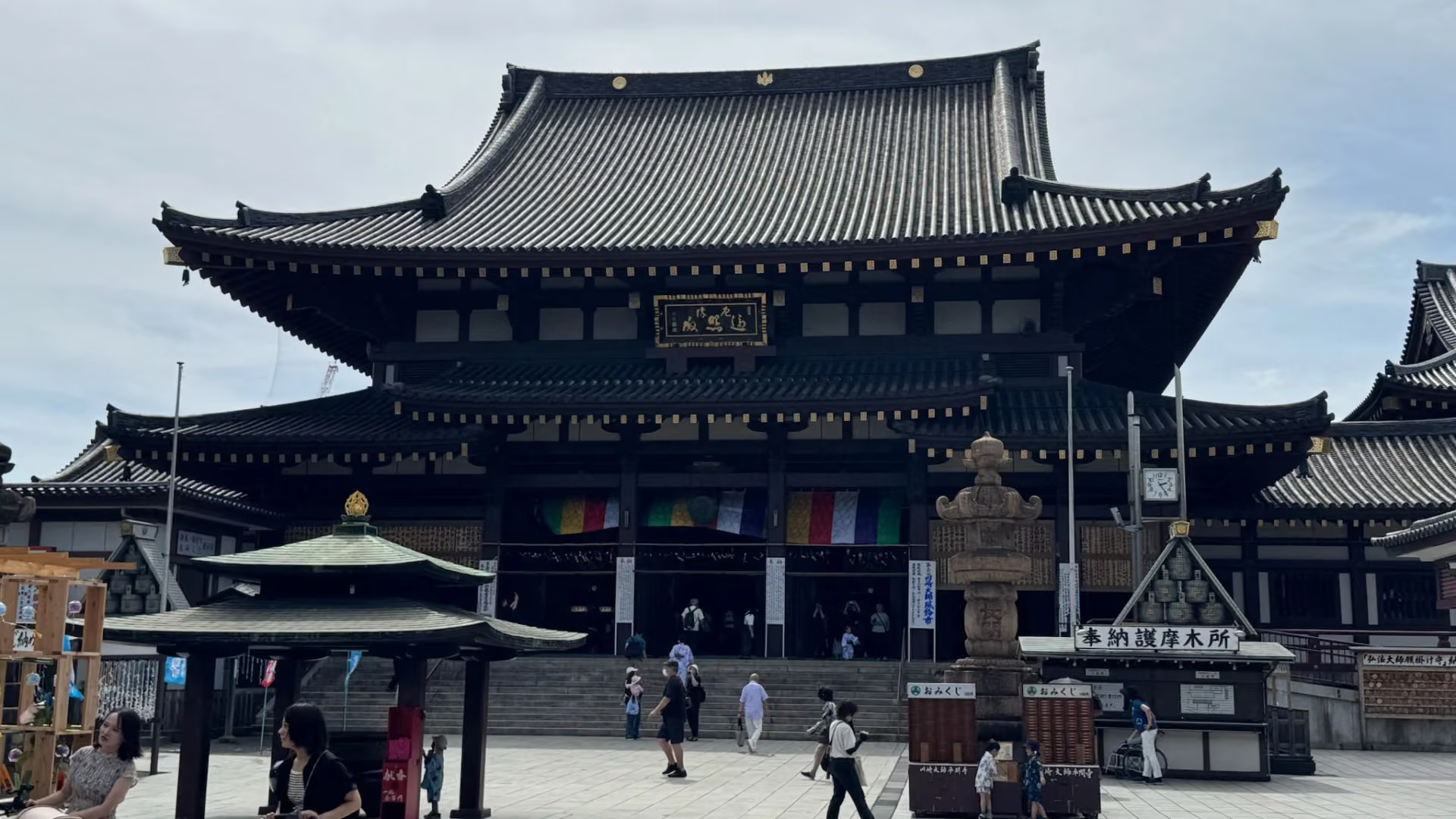
Kawasaki Daishi Heikenji Temple
A Shingon Buddhist temple founded in 1128 around a statue of Kobo Daishi drawn from the sea, known across Japan as the place to pray against misfortune.
Kawasaki · Kanagawa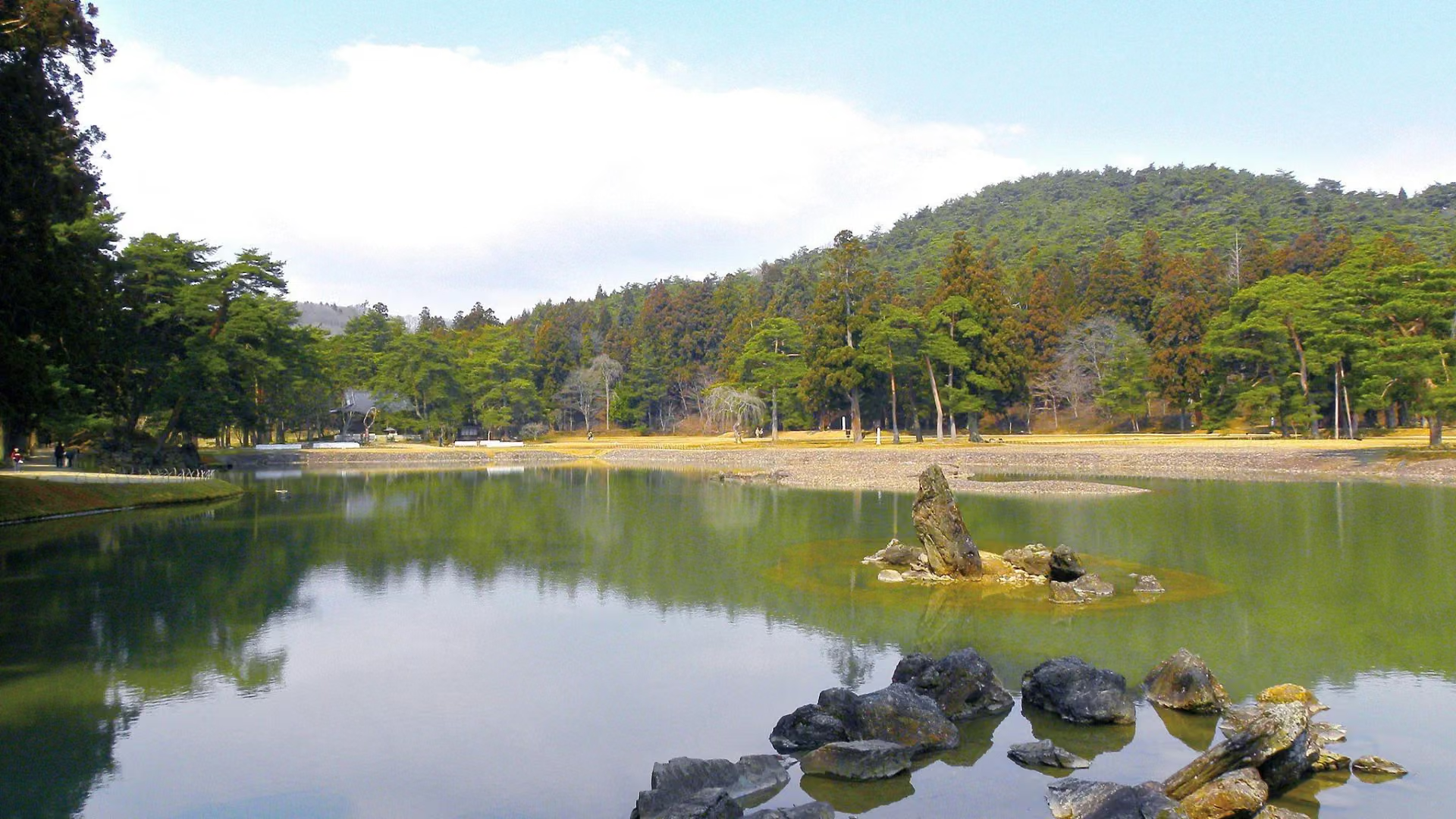
Motsu-ji
Tendai temple in Hiraizumi with a Heian-period Pure Land garden and hall foundations, a Special Historic Site and Special Place of Scenic Beauty.
Hiraizumi · Iwate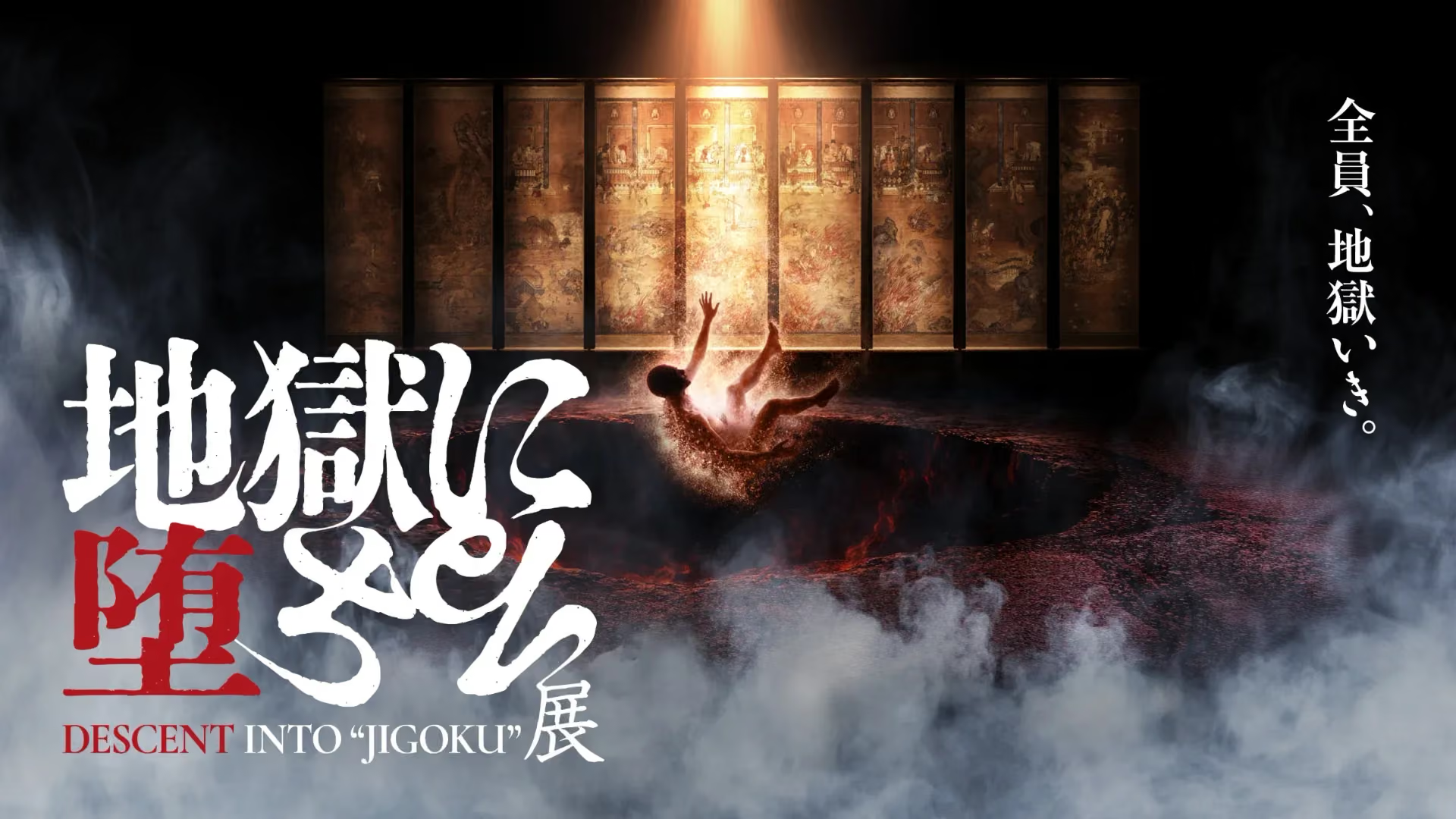
Descent into "Jigoku"
An exhibition in Osaka on the Japanese hell, following the path of the dead through full-size reproductions of painted scrolls and moving projections.
28 Nov – 27 Dec 2026Osaka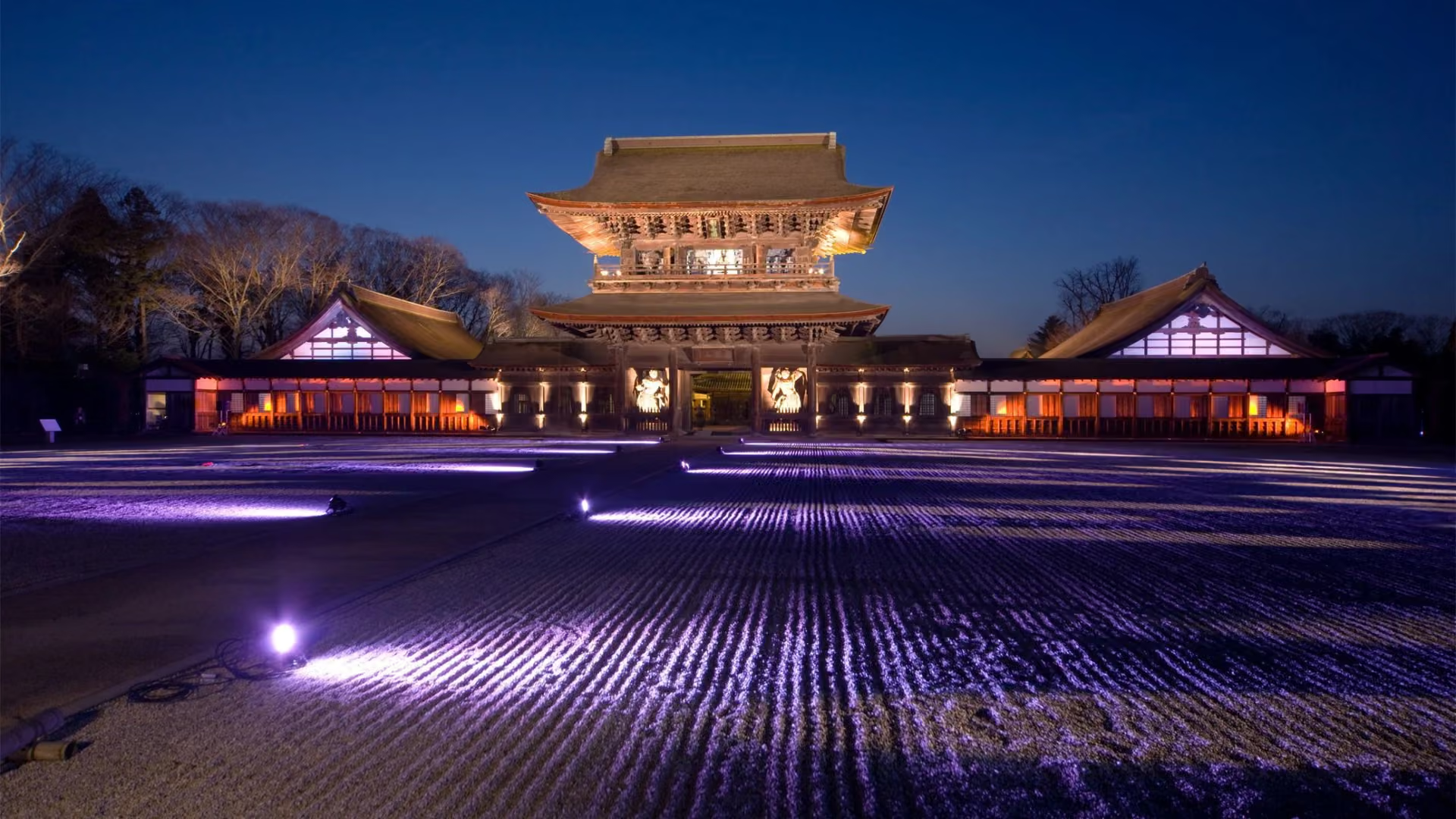
Zuiryuji Temple Spring Light-up
Spring evenings at Zuiryuji, where colored lights and music play over the National Treasure halls of the Maeda family temple.
22 Apr – 5 May 2027Exact date not confirmed yetTakaoka · Toyama
Maruoka Castle Cherry Blossom Festival
About 400 Somei-yoshino cherry trees surround Maruoka Castle, one of 12 surviving castle keeps in Japan, with paper lanterns and a night light-up.
1–20 Apr 2027Exact date not confirmed yetSakai · Fukui