Odawara Castle
小田原城
The seat of the Hojo clan through the Sengoku period, with a keep rebuilt in 1960 that holds a museum of the castle's history and looks over Sagami Bay.
Hours of the keep, last entry 16:30. The keep is closed from 31 December to 1 January and on the second Wednesday of December.
〒 250-0014How to get there
小田原Daiyuzan Line · Hakone Tozan Line · Odakyu Odawara Line · Tokaido Main Line · Tokaido Shinkansen10 min walk from the station
Gate price from¥300Price checked 2026/11/11
Provider prices may differ from the price above. Booking through our links earns us a commission, at no extra cost to you.
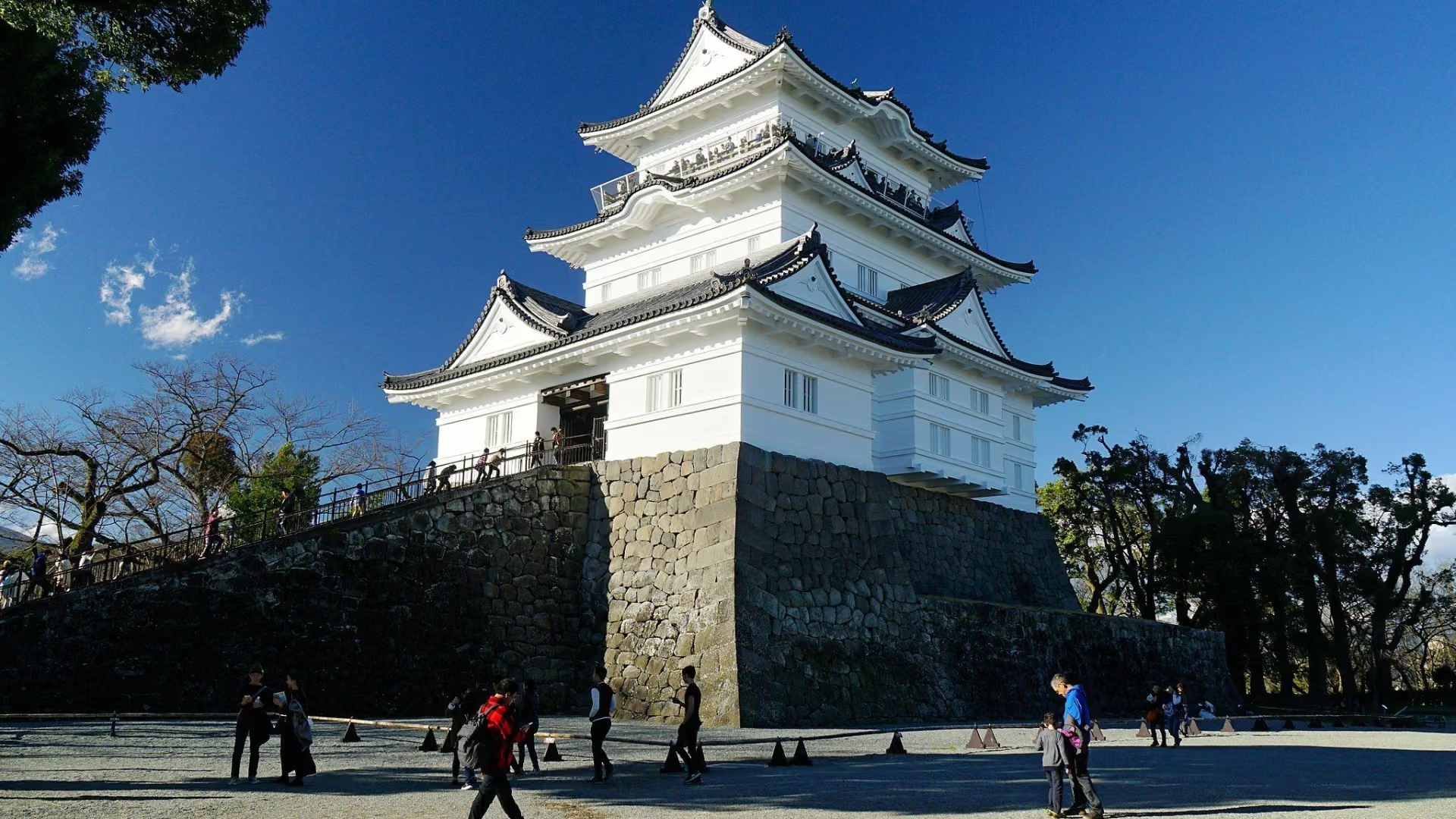
Odawara Castle stands in the centre of Odawara, Kanagawa. It was the seat of the Hojo clan through the Sengoku period, and later guarded the Tokaido road below the Hakone checkpoint. Its keep, rebuilt in 1960, holds a museum of the castle's history.
History
The castle grew out of a fort built by the Omori clan, who moved into western Sagami in the Muromachi period. Its date and size are not known, but it is thought to go back to the middle of the 15th century.
Around 1500, Ise Sozui, known as Hojo Soun, took Odawara. Five generations of the Hojo ruled from it for about 100 years and made it the centre of their power in the Kanto. Expecting an attack by Toyotomi Hideyoshi, they ringed the castle and the town with the Sogamae, outer defences 9 kilometres around, and the castle reached its largest size.
Hideyoshi's siege of 1590, for which he built Ishigakiyama Castle, the one-night castle, ended the Hojo and with them the Sengoku period. The Okubo clan, who had fought in the siege under Tokugawa Ieyasu, became lords of the castle and rebuilt it in the early modern style. Part of it was pulled down when the Okubo lost their domain, and the Inaba clan rebuilt it when they moved in. The Okubo returned in 1686, and the castle remained a key defence of the Kanto, on the Tokaido below the Hakone checkpoint, until the end of the Edo period.
The castle was abolished in 1870, and most of its buildings had been taken down by 1872. An imperial villa was built in the Ninomaru in 1901. The Great Kanto Earthquake of September 1923 destroyed the villa and nearly all the stone walls, and with them the last of the Edo-period castle.
Rebuilding
A corner turret was rebuilt in 1934. The keep followed in May 1960, 90 years after the castle was abolished, for the city's 20th anniversary, helped by residents' gifts in a one-roof-tile campaign. Its outside follows a model and plans made when the keep was rebuilt in the Hoei era (1704 to 1711). The Tokiwagi Gate was rebuilt in 1971, the Akagane Gate in 1997 and the Umadashi Gate in 2009.
Parts of the Ninomaru and Sannomaru were designated a National Historic Site in 1938, and the Honmaru and the rest of the Ninomaru in 1959. The grounds are now Odawara Castle Park.
The keep
The keep is a compound keep: a main tower of three roofs and four floors with an attached turret and a connecting turret, 38.7 metres tall and built of reinforced concrete. The railed balcony round the top floor was added in 1960. Inside, armour, swords, maps and documents tell the story of the castle in the Edo period, the Hojo, finds from excavations and the castle since Meiji, and the top floor recreates the shrine to Marishiten said to have stood in the Edo-period keep.
The top floor is about 60 metres above sea level and looks out over Sagami Bay, as far as the Boso Peninsula on clear days. Since 2006 the city has limited new buildings to the height of the keep.
The park
The castle park has cherry, plum, wisteria and iris through the year, and trees more than 500 years old. The rebuilt Tokiwagi Gate holds the SAMURAI-kan, and the NINJA-kan, the Odawara Castle Historical Exhibition Hall, stands in the park as well.
Getting There

Planning a trip? Fit this into a trip and Oni plans the rest around it.
You might also like
Shuri Castle
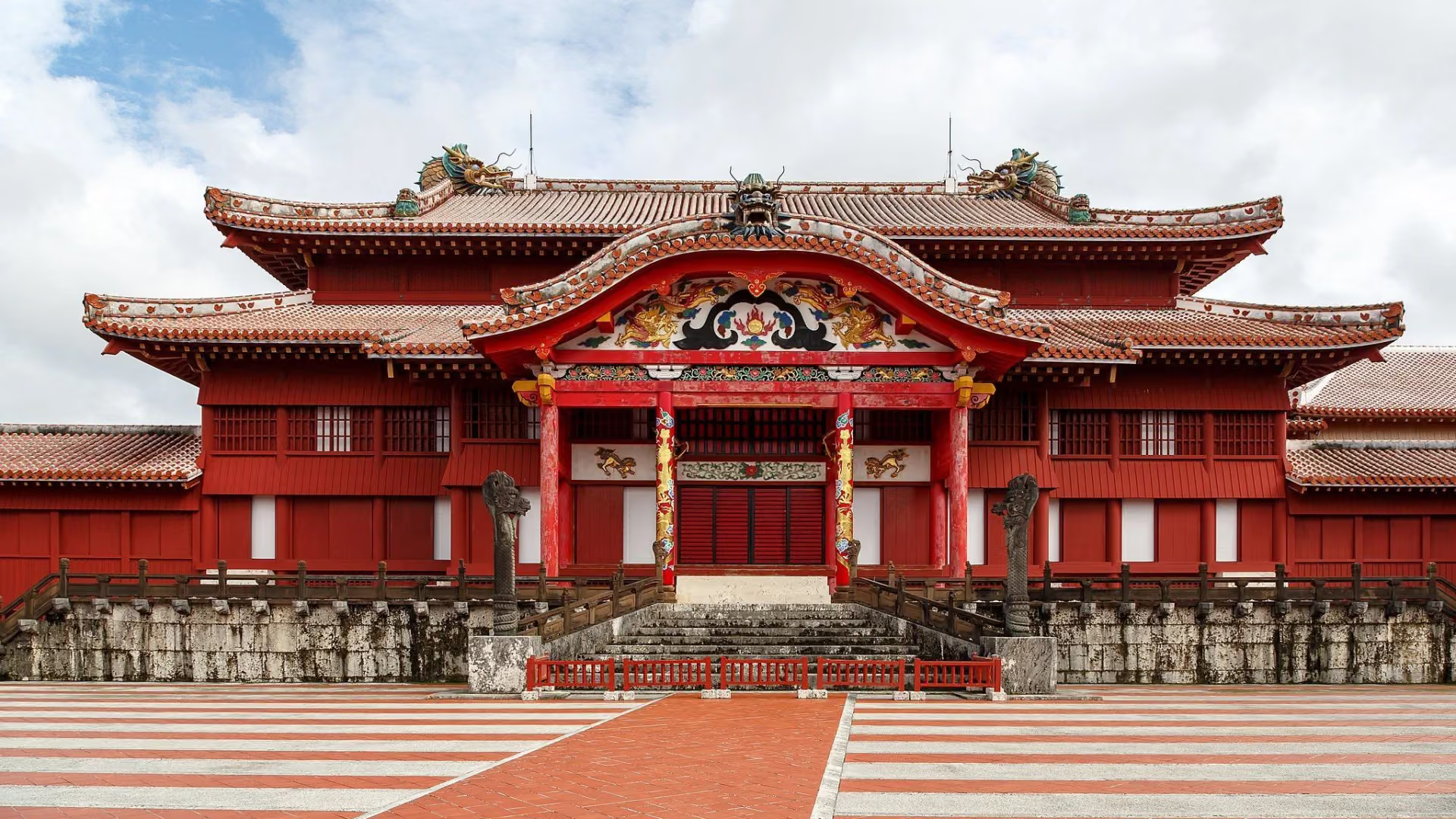
Royal palace of the Ryukyu Kingdom in Naha, part of a UNESCO World Heritage site. The Seiden main hall burned in 2019 and reopens rebuilt on 2026/11/23.
Naha · Okinawa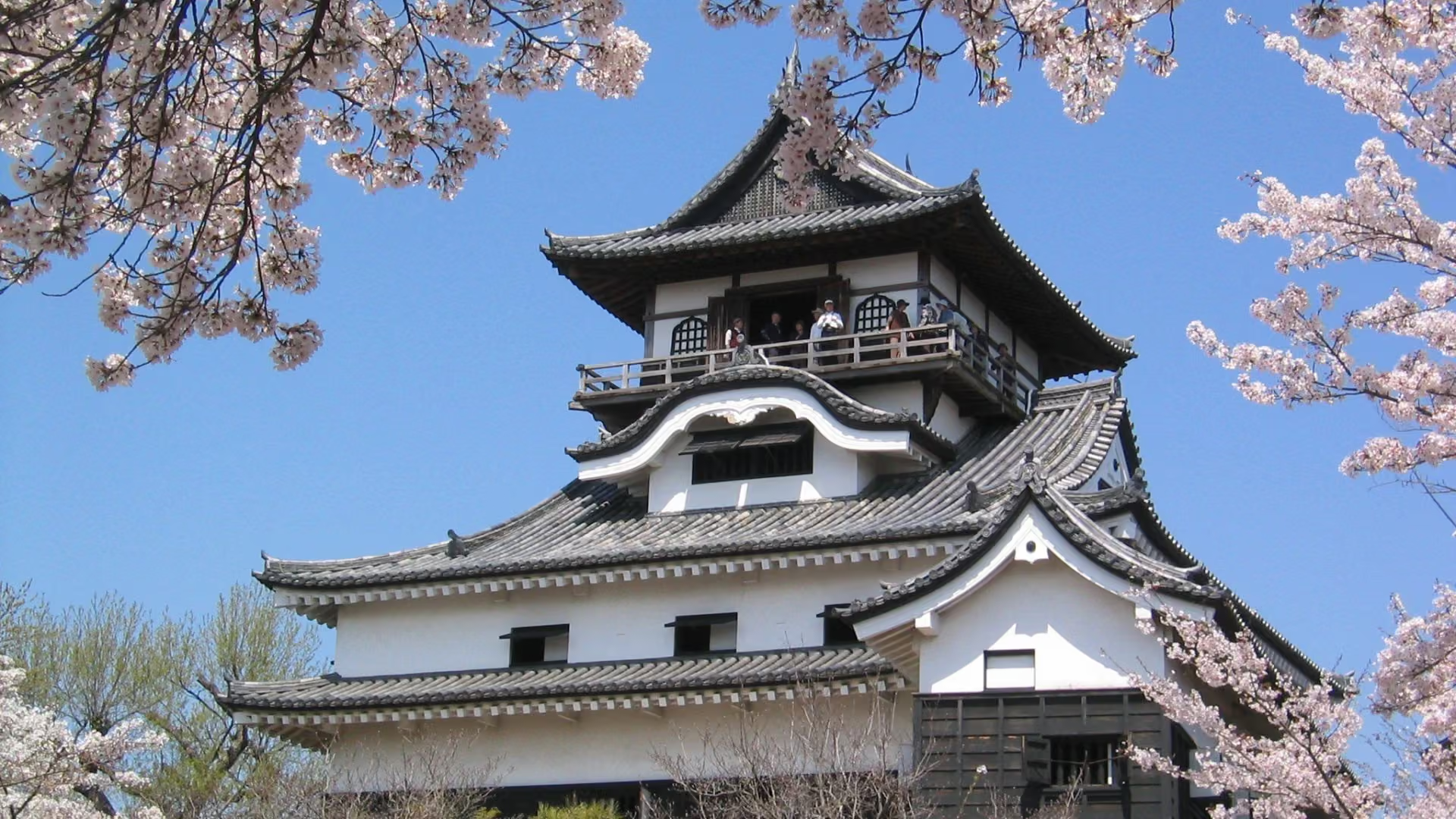
Inuyama Castle
A castle above the Kiso River whose keep, a National Treasure, is the only building left standing and was privately owned until 2004.
Inuyama · Aichi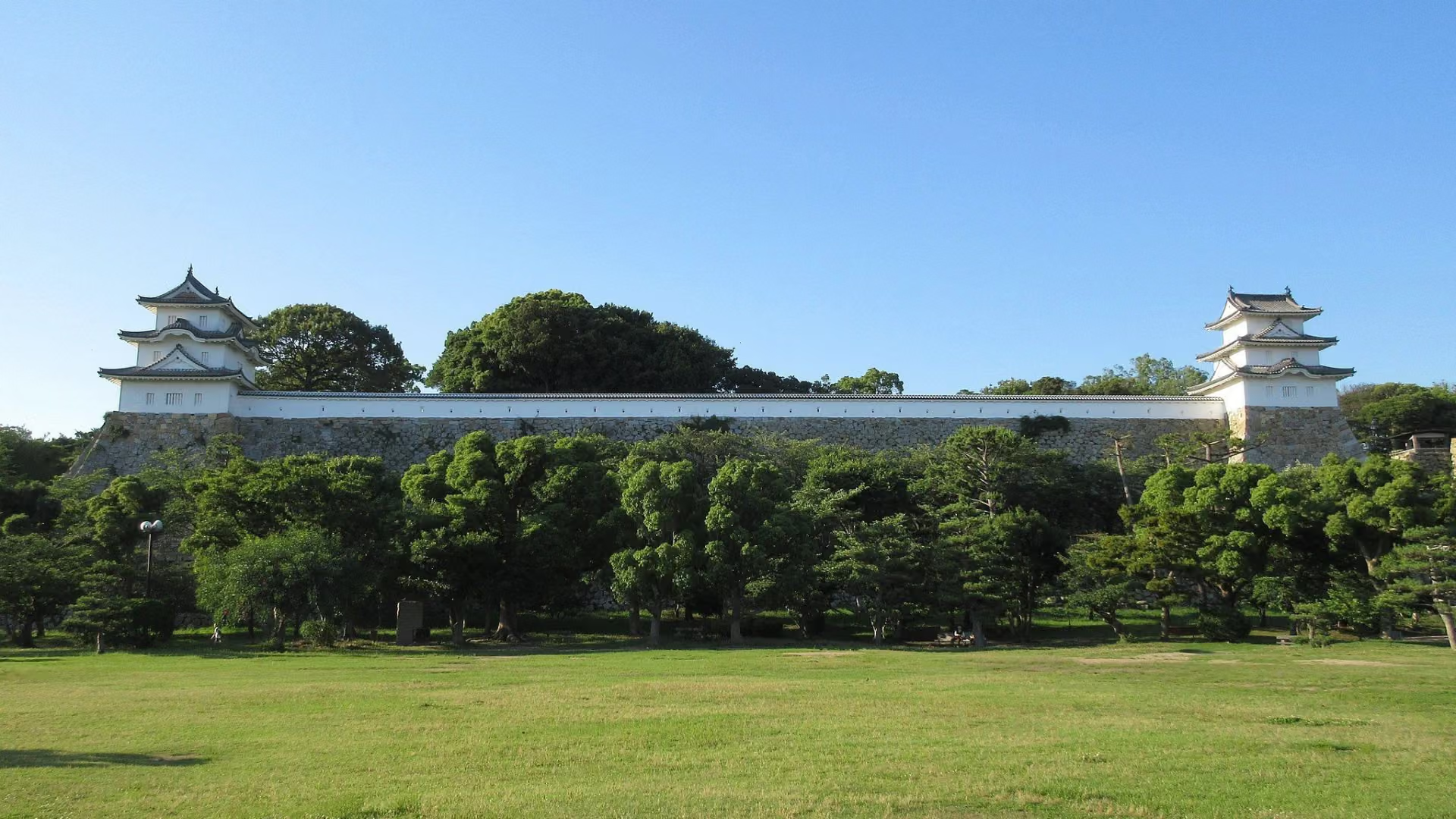
Akashi Castle Ruins
An Edo period castle built from 1619 to guard Kyoto and Osaka from the west, with two surviving three-storey towers and long high stone walls.
Akashi · Hyogo
Shiro EXPO
Shiro EXPO is one of Japan's largest castle festivals, held each December with specialist talks, stage performances and booths representing castles nationwide.
19–20 Dec 2026Yokohama · Kanagawa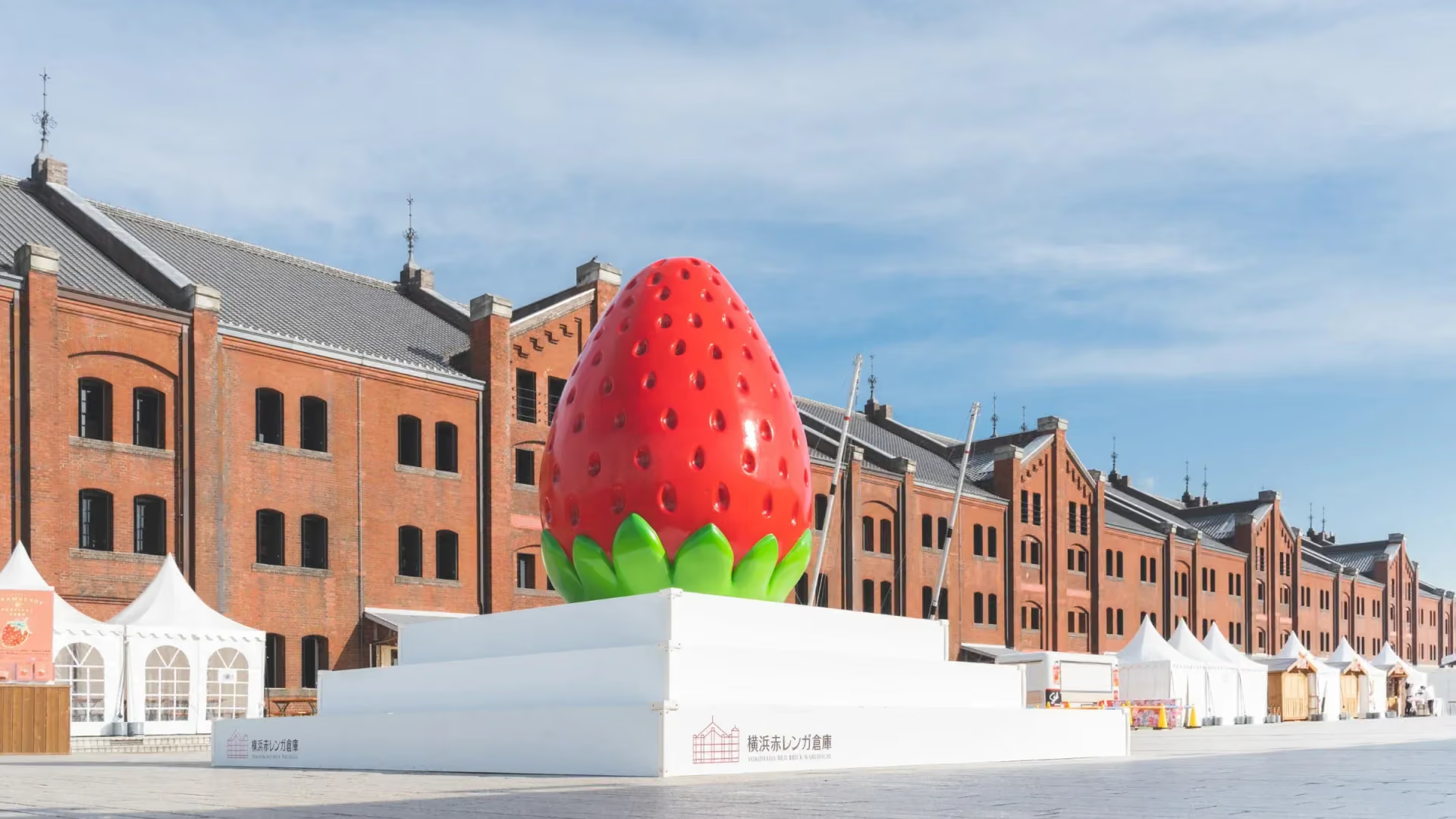
Yokohama Strawberry Festival
A winter festival at the Yokohama Red Brick Warehouse event plaza, with a market of strawberry sweets, drinks and goods and tastings of regional strawberries.
5 Feb – 1 Mar 2027Exact date not confirmed yetYokohama · Kanagawa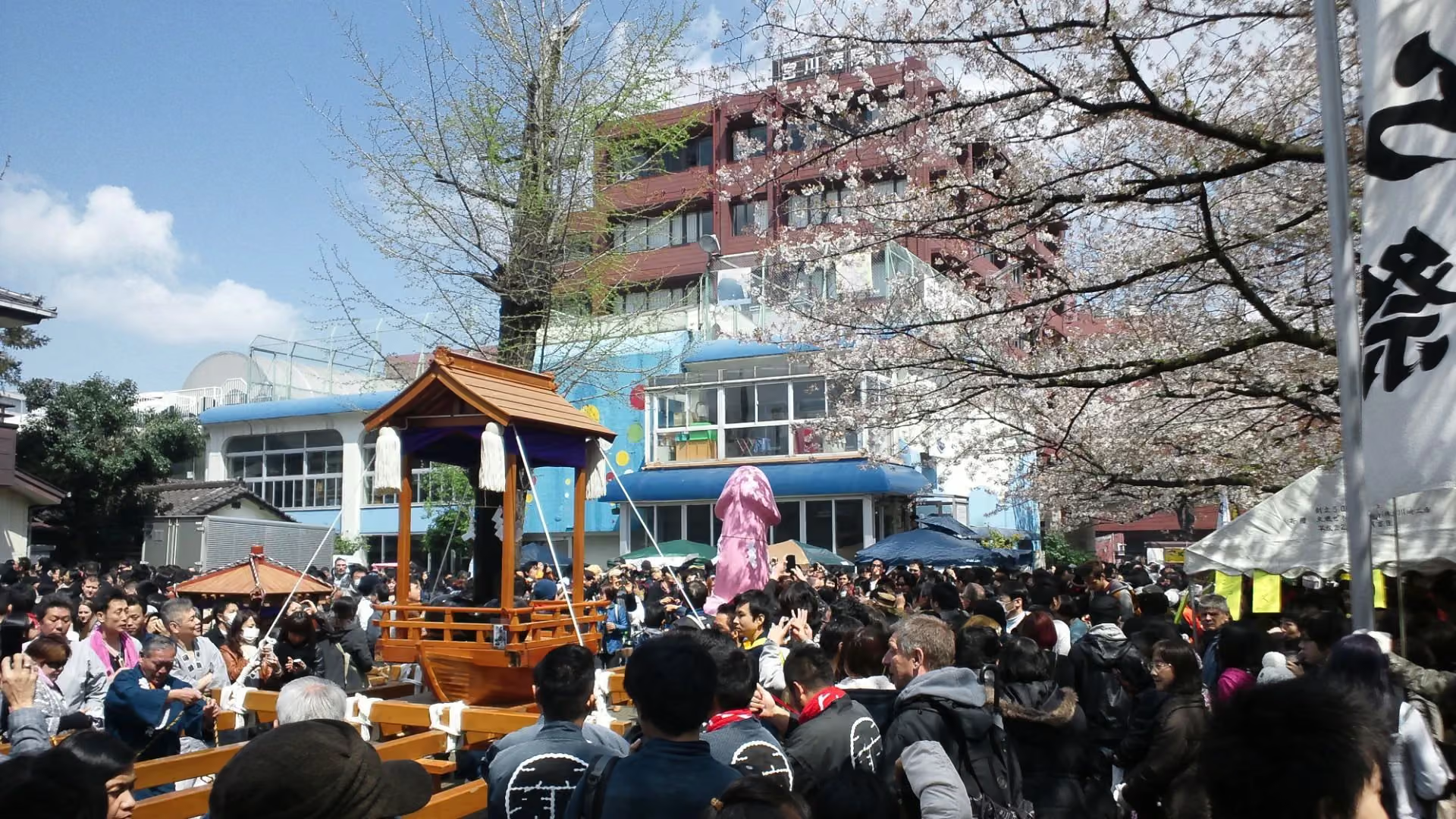
Kanamara Matsuri
A spring festival at Kanayama Shrine in Kawasaki: three phallus-shaped mikoshi are carried out with prayers for children, marriage and protection from disease.
4 Apr 2027Exact date not confirmed yetKawasaki · Kanagawa