Cherry Blossom Viewing at the Tokyo National Museum
博物館でお花見を
Tokyo National Museum's Cherry Blossom Viewing pairs art with garden walks, showing cherry blossom masterpieces while the museum's trees are in bloom.
Last entry 30 minutes before closing. When Monday is a national holiday the museum opens and closes on the next weekday instead; on a Sunday before a Monday holiday it stays open until 20:00. Check the official calendar for the year-end closure.
〒 110-0007How to get there
鶯谷Keihin-Tohoku Line · Yamanote Line10 min walk from the station
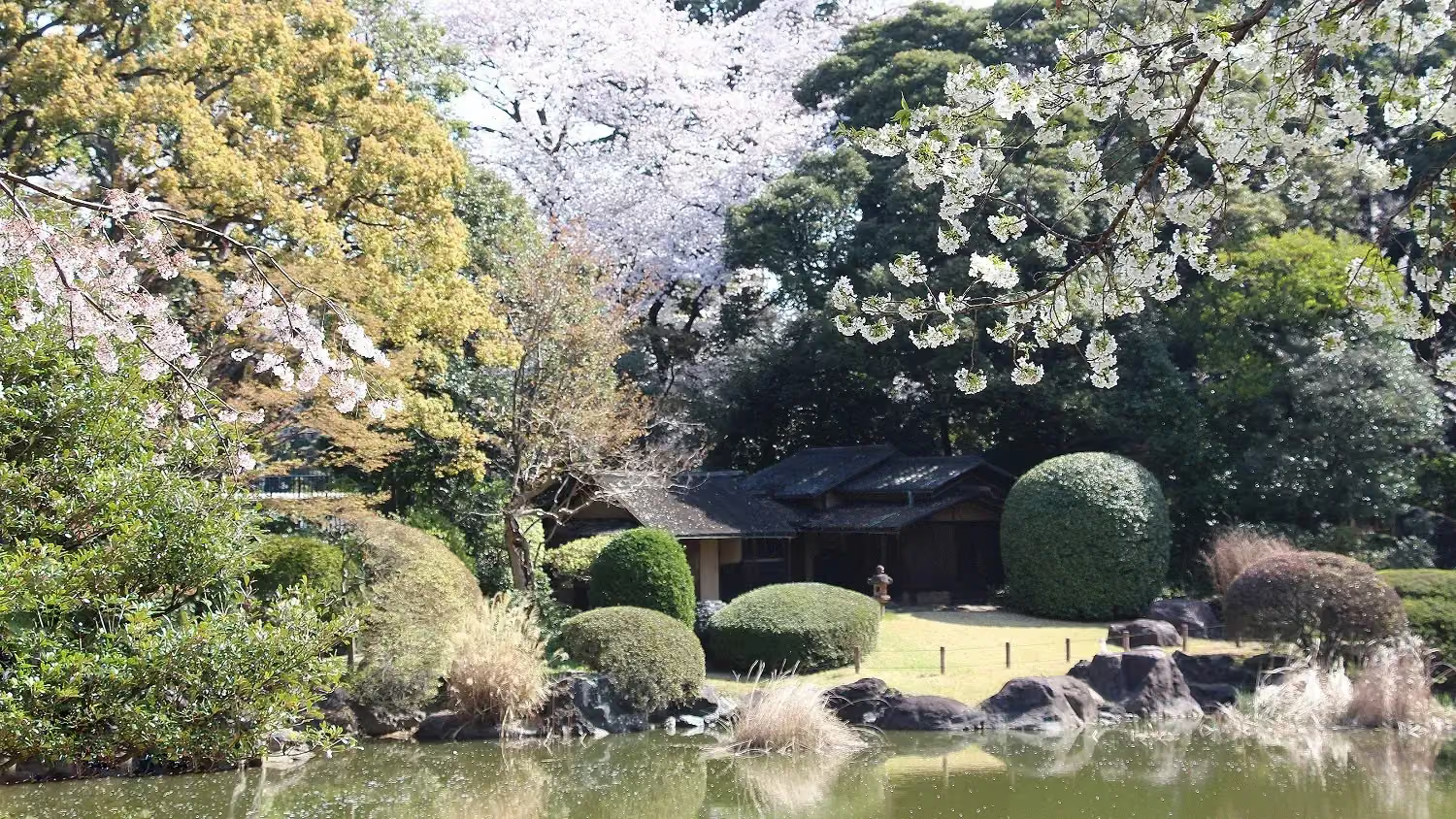
Cherry Blossom Viewing at the Museum is the Tokyo National Museum's yearly spring programme in Ueno. While it runs, works of Japanese art with cherry blossom motifs are shown across the galleries of the Honkan, the museum's Japanese Gallery, and about ten kinds of cherry tree flower one after another in the museum garden.
Highlights
Works on the cherry blossom theme carry a blossom mark on their labels, so they can be picked out room by room. In the garden, Somei Yoshino, Oshima cherry and the weeping Edo higan are among the varieties, and stone benches by the pond look out over the trees. Volunteer guide tours and slide talks introduce the trees on the grounds and the cherry blossom works in the collection.
The 2026 edition
The works on show in 2026, all from the museum's own collection, included Spring Landscape of Arashiyama (Arashiyama Shunkei, 嵐山春景), painted in 1873 by Shiokawa Bunrin, one of the painters who laid the foundations of modern Kyoto painting. Mist hangs over the famous cherry trees of Arashiyama and sets off the blossoms. Bunrin gave the painting to the museum himself.
On the Openwork Bowl with Cherry Blossoms in Overglaze Enamel by Nin-ami Dohachi, from the 19th century, blossoms in full bloom cover the inside and outside in dots of white, red and blue, and openwork runs near the rim.
A sword guard by Tsukada Shukyo, Sword Guard with Cherry Blossoms and Blue Magpies, was made in 1870, soon after the samurai era ended. The carving skills developed for sword fittings went on to shape modern Japanese metalwork.
The 18th-century Writing Box with Cherry Blossoms and Saigyo shows the wandering poet-monk Saigyo gazing at the blossoms, a set image of the Edo period. The inside of the lid turns to Mount Hiei seen across Lake Biwa: in 1189 Saigyo wrote his last poems with the monk Jien while looking over the lake from Hiei, and he died in the cherry season the following year.
The Gourd-Shaped Sake Flask by Funada Ikkin, made in 1843, joins dark shibuichi, an alloy of silver and copper, with red copper, scattered with gold cherry blossoms below and a silver moon among clouds above. Ikkin studied under Goto Ichijo, a noted maker of sword fittings.
The 2026 programme also offered colouring sheets based on a cherry blossom plate in the collection, cherry blossom yoga at the Gallery of Horyu-ji Treasures and a haiku contest on cherry blossoms.
Getting There

Planning a trip? Fit this into a trip and Oni plans the rest around it.
You might also like
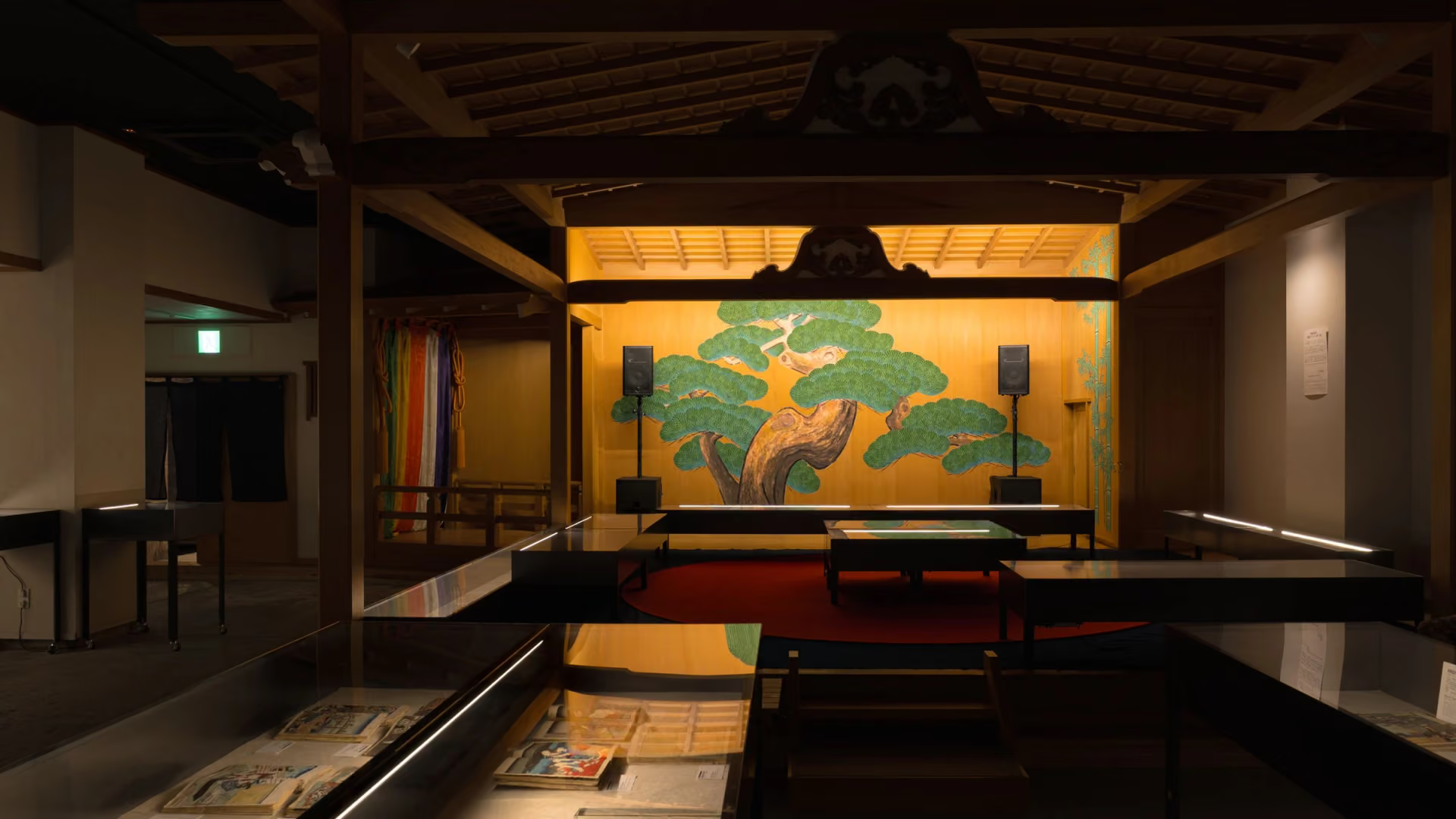
Kunisada and Kuniyoshi: Shinjuku Kabukicho Shunga Exhibition WA
Shunga and ukiyo-e by Utagawa Kunisada and Utagawa Kuniyoshi at the Shinjuku Kabukicho Noh Stage, the fourth Kabukicho shunga show. Ages 18 and over.
3 Oct – 29 Nov 2026Tokyo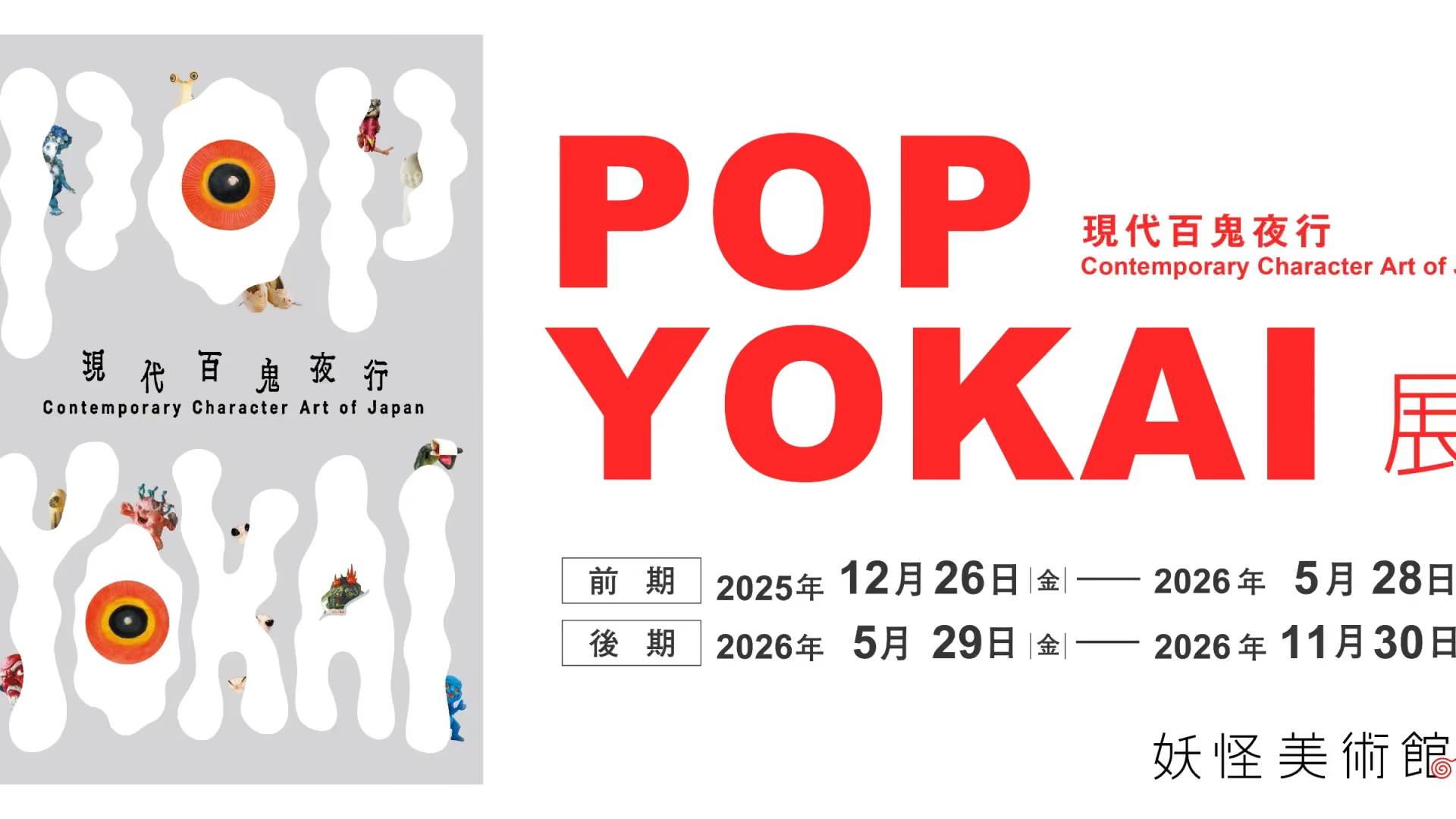
POP YOKAI: Contemporary Hyakki Yagyo - Contemporary Character Art of Japan
POP YOKAI at the Yokai Art Museum: contemporary yokai sculpture in two exhibition phases, with about 100 modern takes on legendary supernatural creatures.
26 Dec 2025 – 30 Nov 2026Kagawa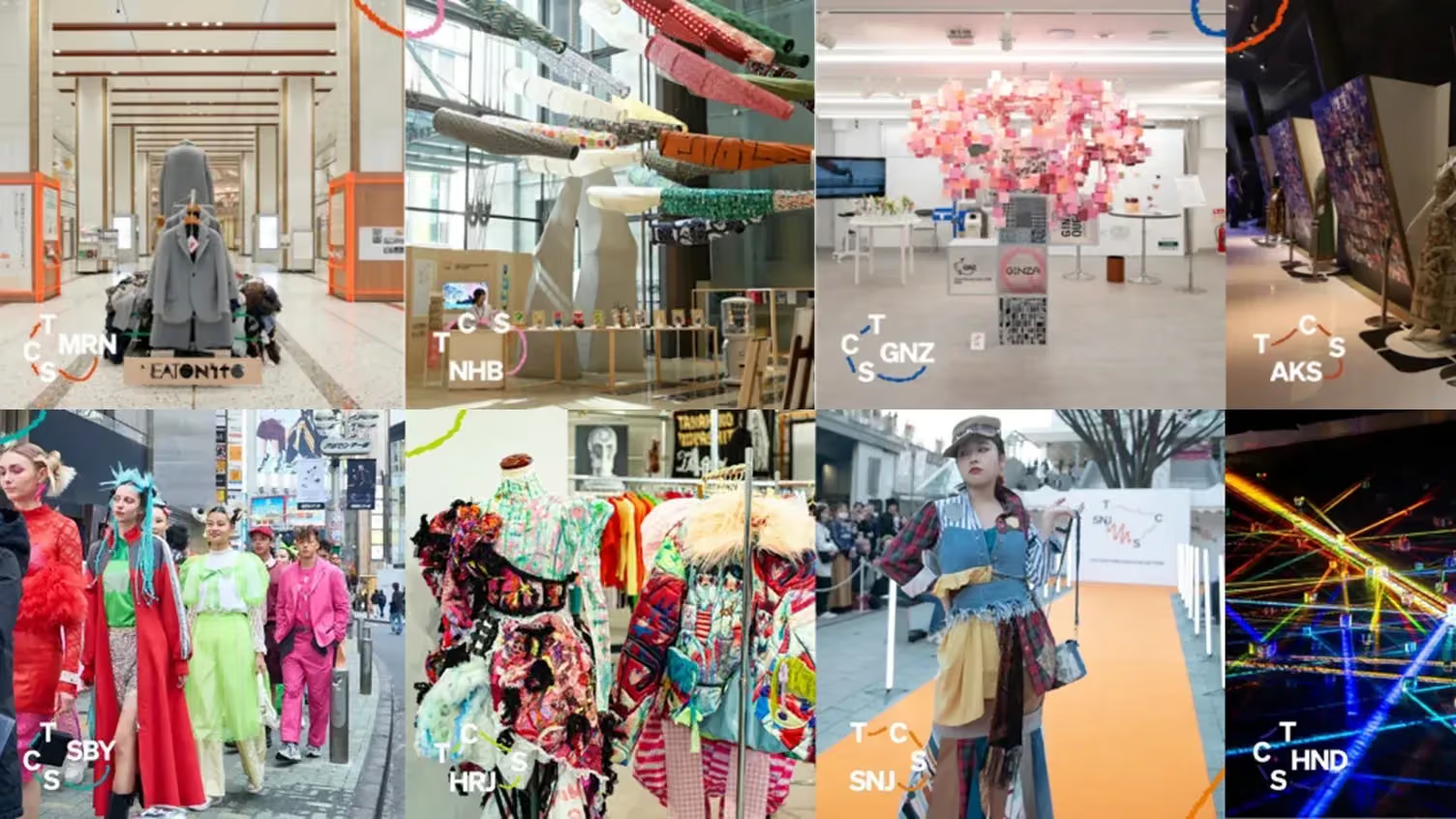
TOKYO CREATIVE SALON
A creative festival held across central Tokyo in cherry blossom season, with fashion, design, art, craft and technology programmes in several districts.
13–22 Mar 2027Exact date not confirmed yetTokyo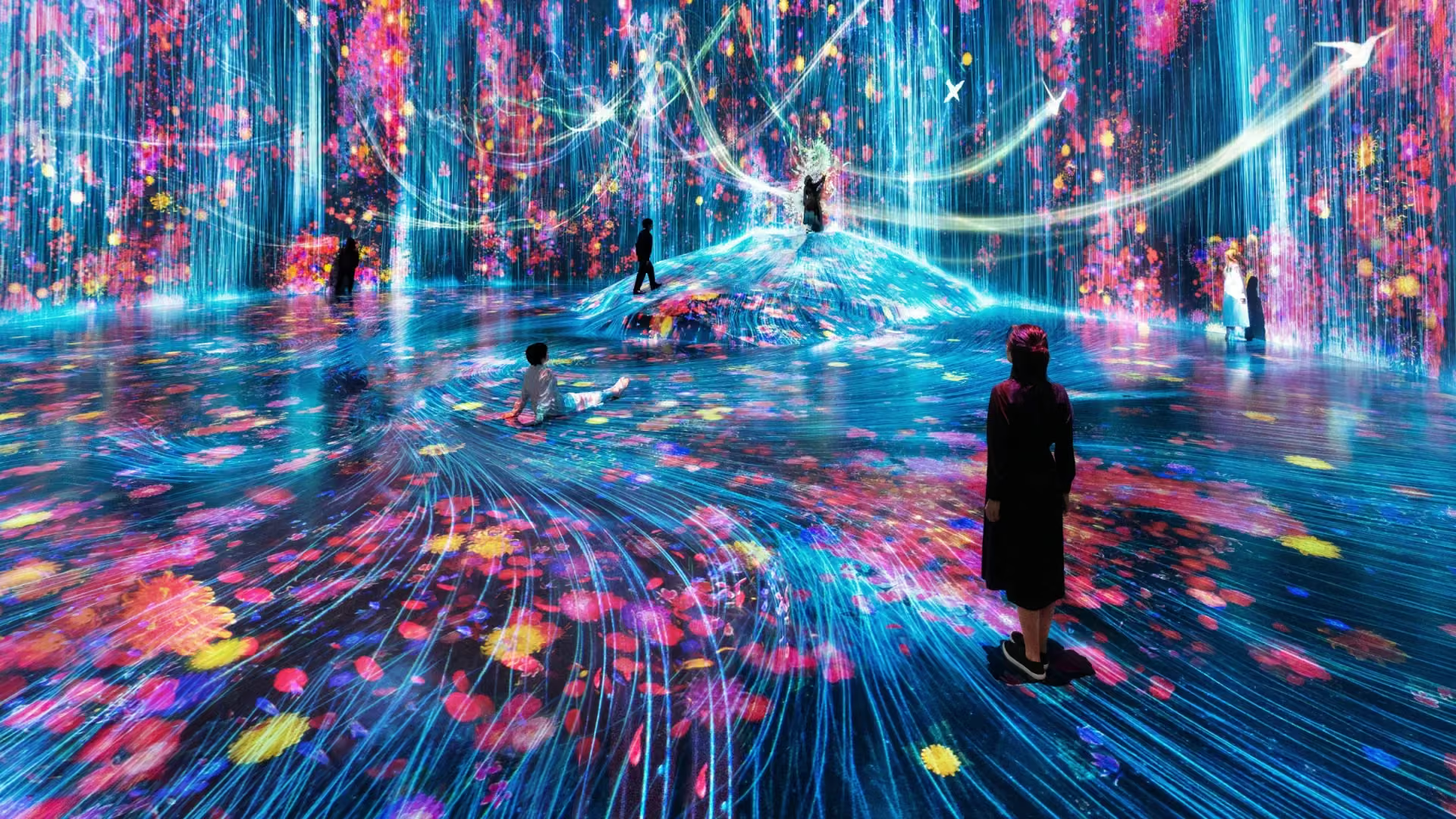
teamLab Borderless: MORI Building DIGITAL ART MUSEUM
A permanent digital art museum by teamLab at Azabudai Hills, Tokyo, where artworks move between spaces and mix with one another, with no map to follow.
Tokyo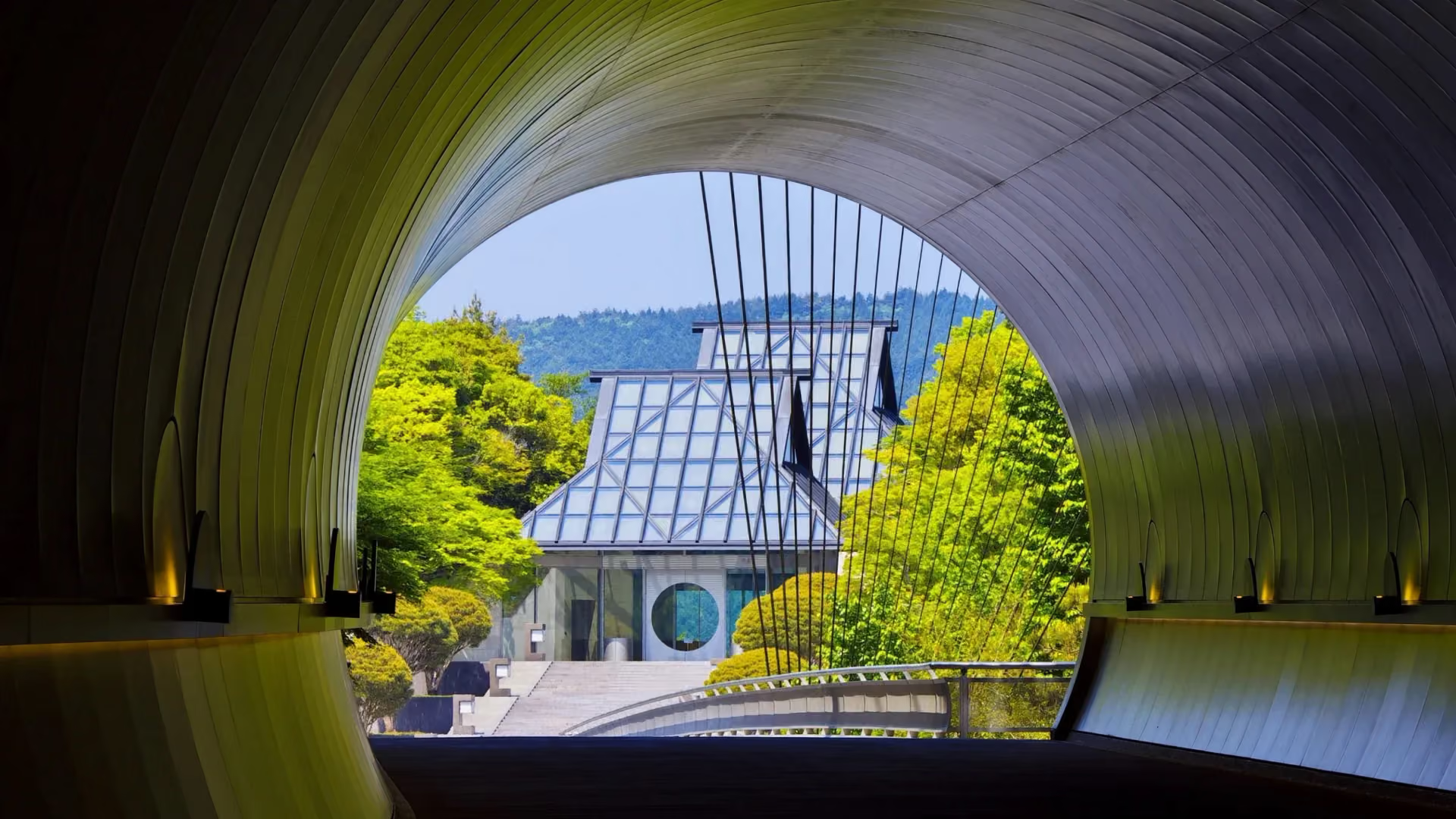
Miho Museum
A museum of 1997 in the mountains of Shiga, designed by I. M. Pei and mostly buried in the hillside, holding ancient art of the world alongside Japanese art.
Koka · Shiga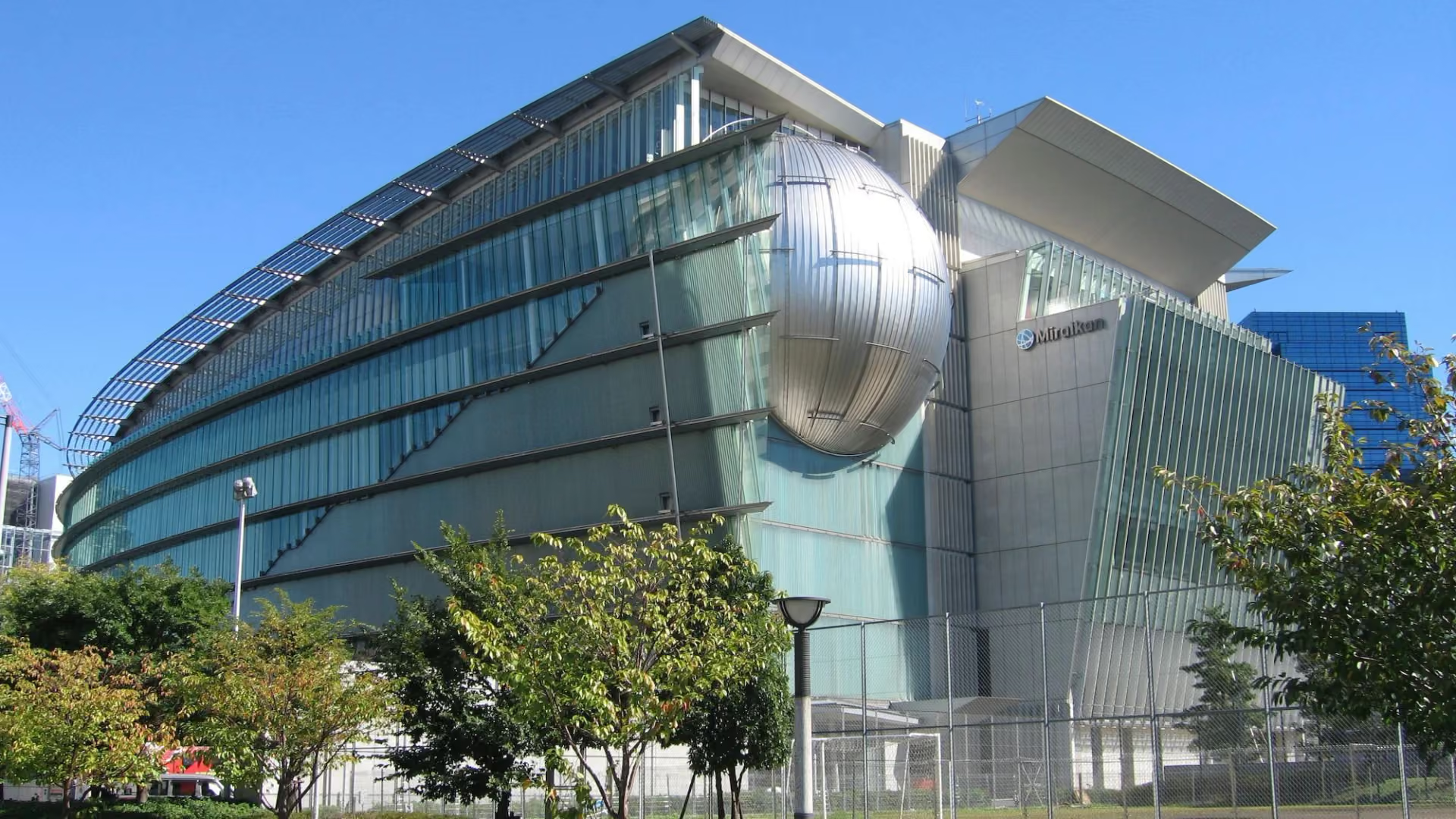
Miraikan - The National Museum of Emerging Science and Innovation
Japan's national science museum in Odaiba, run by the Japan Science and Technology Agency, with permanent exhibitions, the Geo-Cosmos globe and a dome theater.
Tokyo