TOKYO CREATIVE SALON
東京クリエイティブサロン
A creative festival held across central Tokyo in cherry blossom season, with fashion, design, art, craft and technology programmes in several districts.
〒 163-0290How to get there
都庁前Toei Oedo Line1 min walk from the station
TOKYO CREATIVE SALON (TCS) is a creative festival held across central Tokyo in cherry blossom season. Programmes of fashion, design, art, technology and craft are staged in several districts of the city at the same time, and the organizers describe it as one of the largest creative festivals in Japan.
History
TCS began in 2020 with the aim of presenting Tokyo's creative culture to the world. It is run as a creative week that starts from Tokyo, and each participating district builds its programme on its own history, character and culture.
The 2026 edition: FUTURE VINTAGE
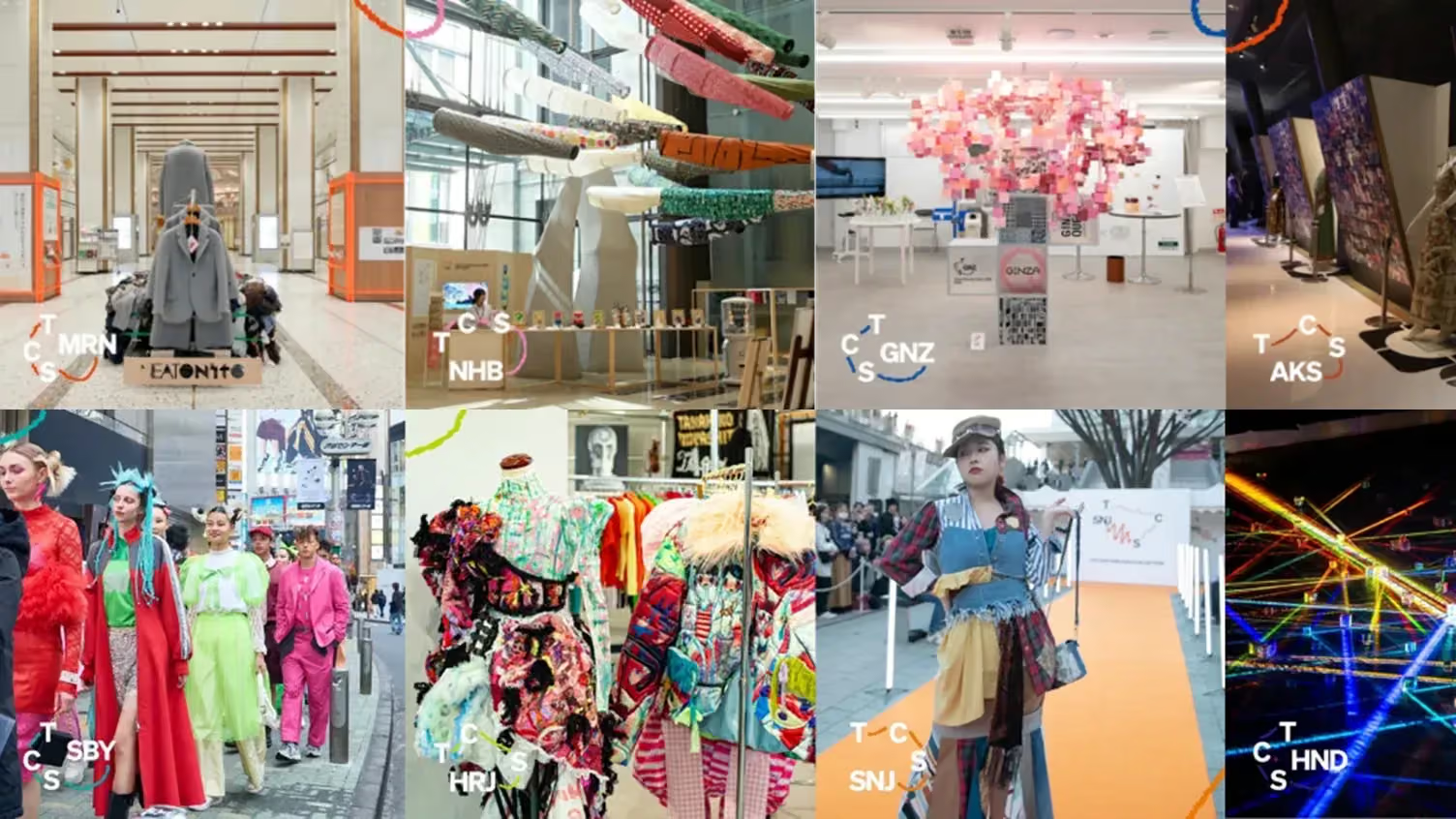
The 2026 edition took FUTURE VINTAGE as its theme: carrying the styles and culture of earlier eras into new work that may one day become the vintage of the future. Programmes ran in nine areas: Marunouchi, Nihonbashi, Ginza, Akasaka, Roppongi, Shibuya, Harajuku, Shinjuku and Haneda.
Two new programmes of the festival's own were held at the Triangle Plaza (Sankaku Hiroba) of the Shinjuku Sumitomo Building. Tokyo Vintage Fashion Week, billed by the organizers as the world's first fashion week for vintage clothing, gathered about 100 booths of vintage shops from Japan and abroad, with fashion shows built around the stories of old garments. Tokyo Trace is an exhibition series on how a single fashion label works with the city and draws on it. Its first edition featured Nomarhythm Textile, a label founded in 2005.
The Mainichi Fashion Grand Prix, a Japanese fashion award founded in 1982, began working with TCS in 2026. A special exhibition in Ginza traced Japanese fashion from 1980 onwards through the history of the award.
Getting There

You might also like
Design Festa
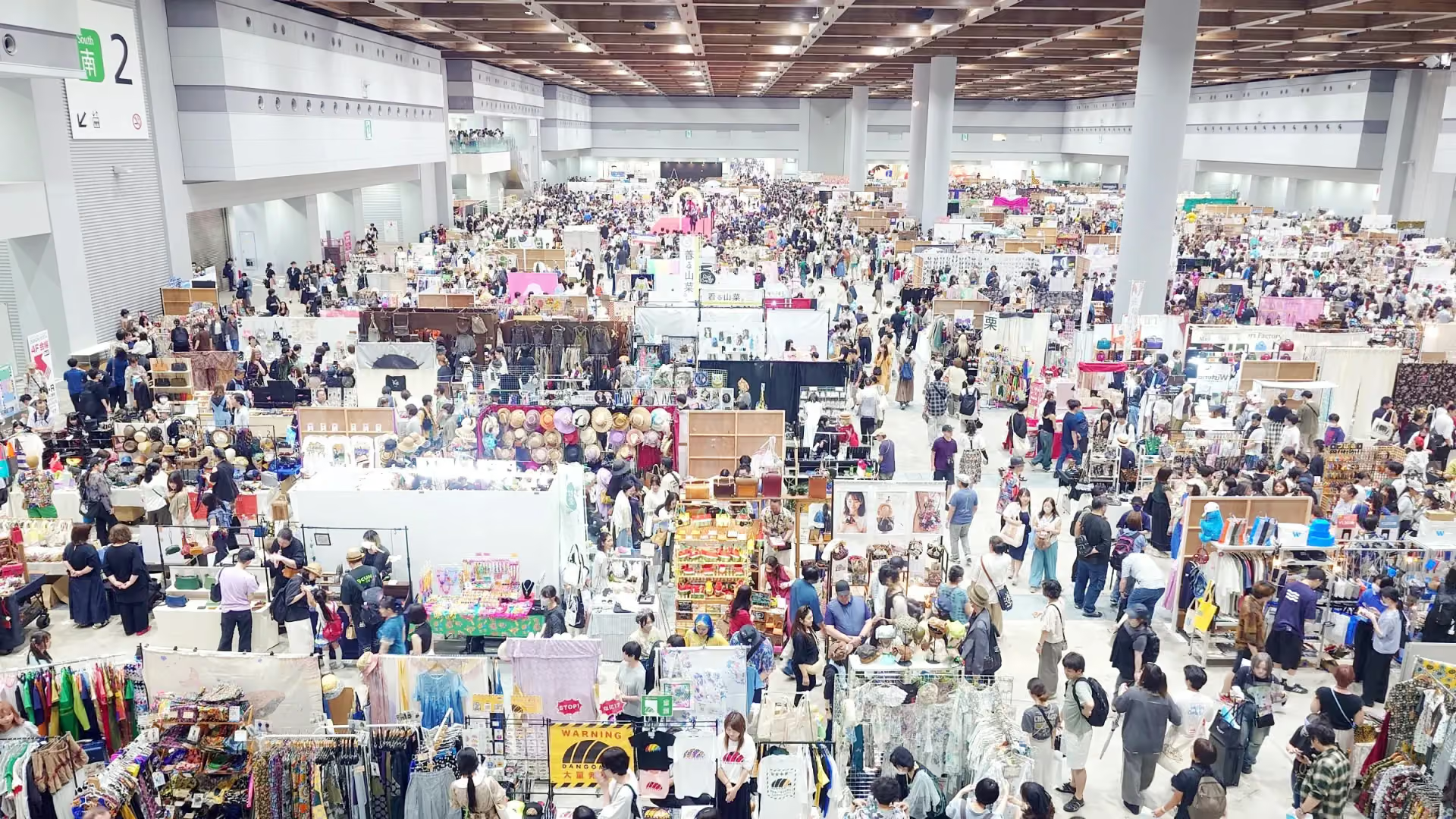
An open art event at Tokyo Big Sight where more than 10,000 artists, professional or amateur, show and sell original work with no screening.
14–15 Nov 2026Tokyo
Japan Mobility Show
A transformative mobility exhibition brings together automotive innovation, motorcycles, motorsports, and future transportation solutions.
13–16 Oct 2027Exact date not confirmed yetTokyo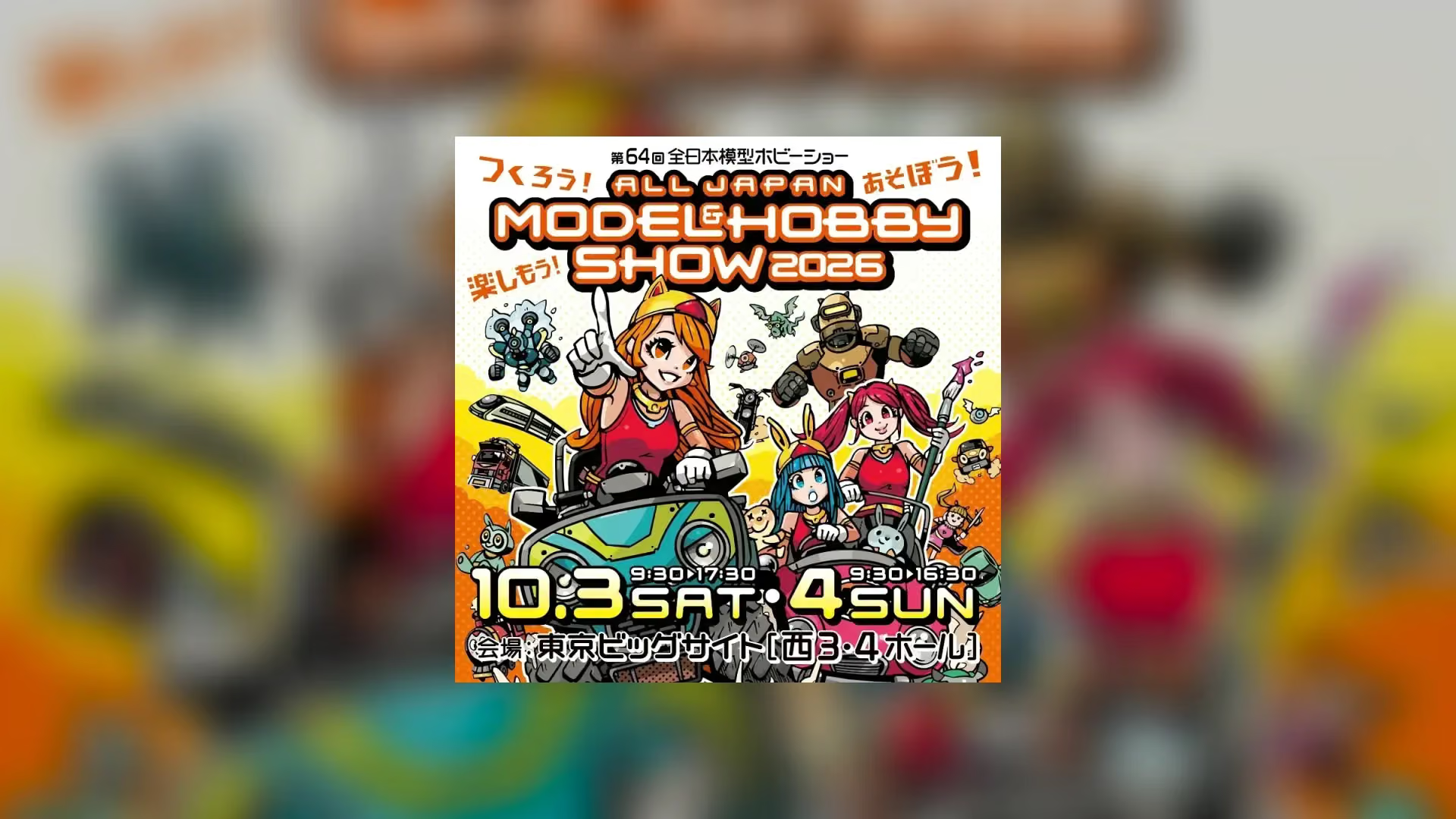
All Japan Model & Hobby Show
A hobby trade fair where model makers present plastic kits, figures and radio-controlled vehicles, with workshops, a junk market and two public days.
3–4 Oct 2027Exact date not confirmed yetTokyo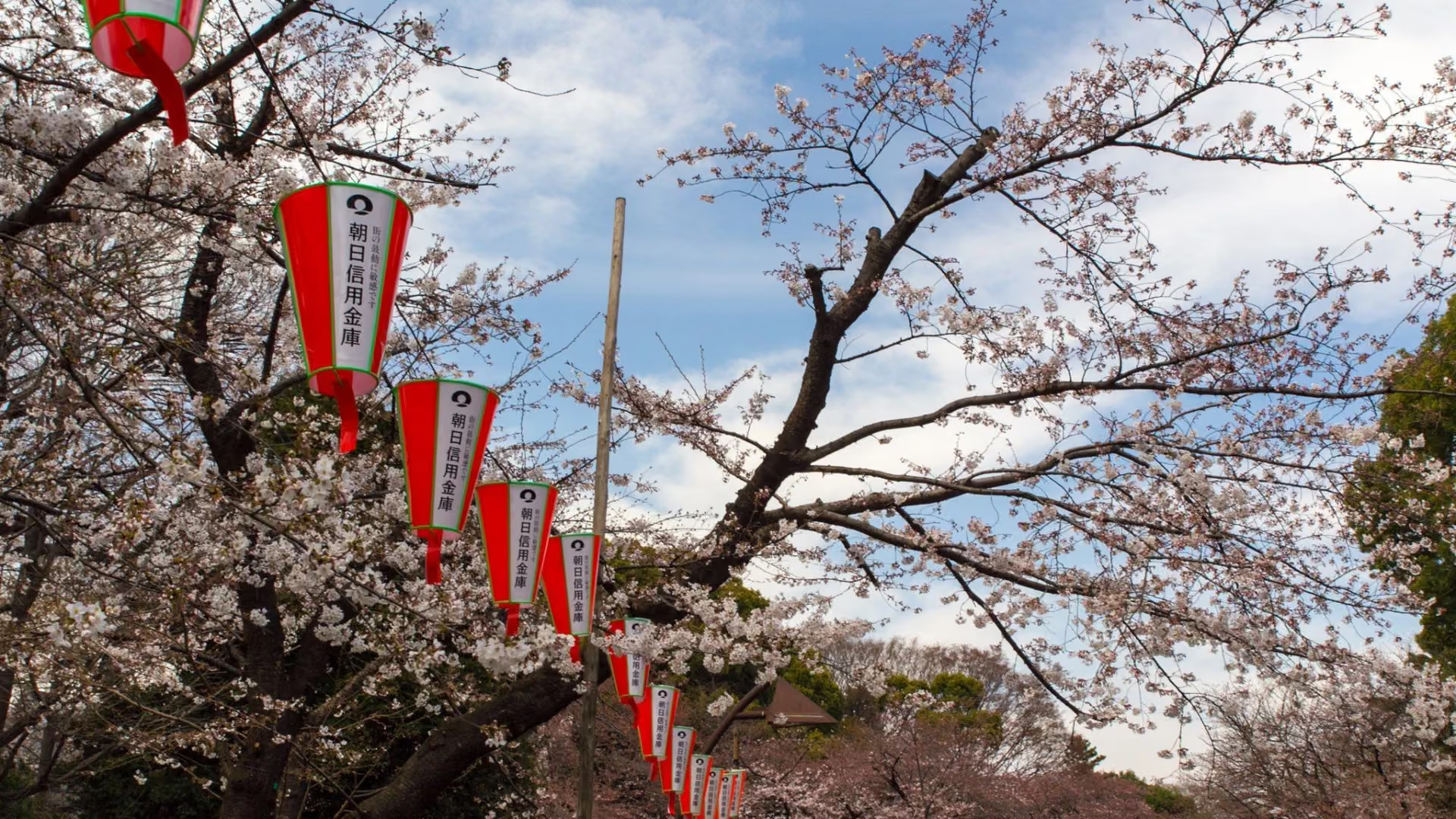
Ueno Park
Metropolitan park on the former grounds of Kan'ei-ji temple, opened in 1873 as one of Japan's first parks, with museums, a zoo and about 1,200 cherry trees.
Tokyo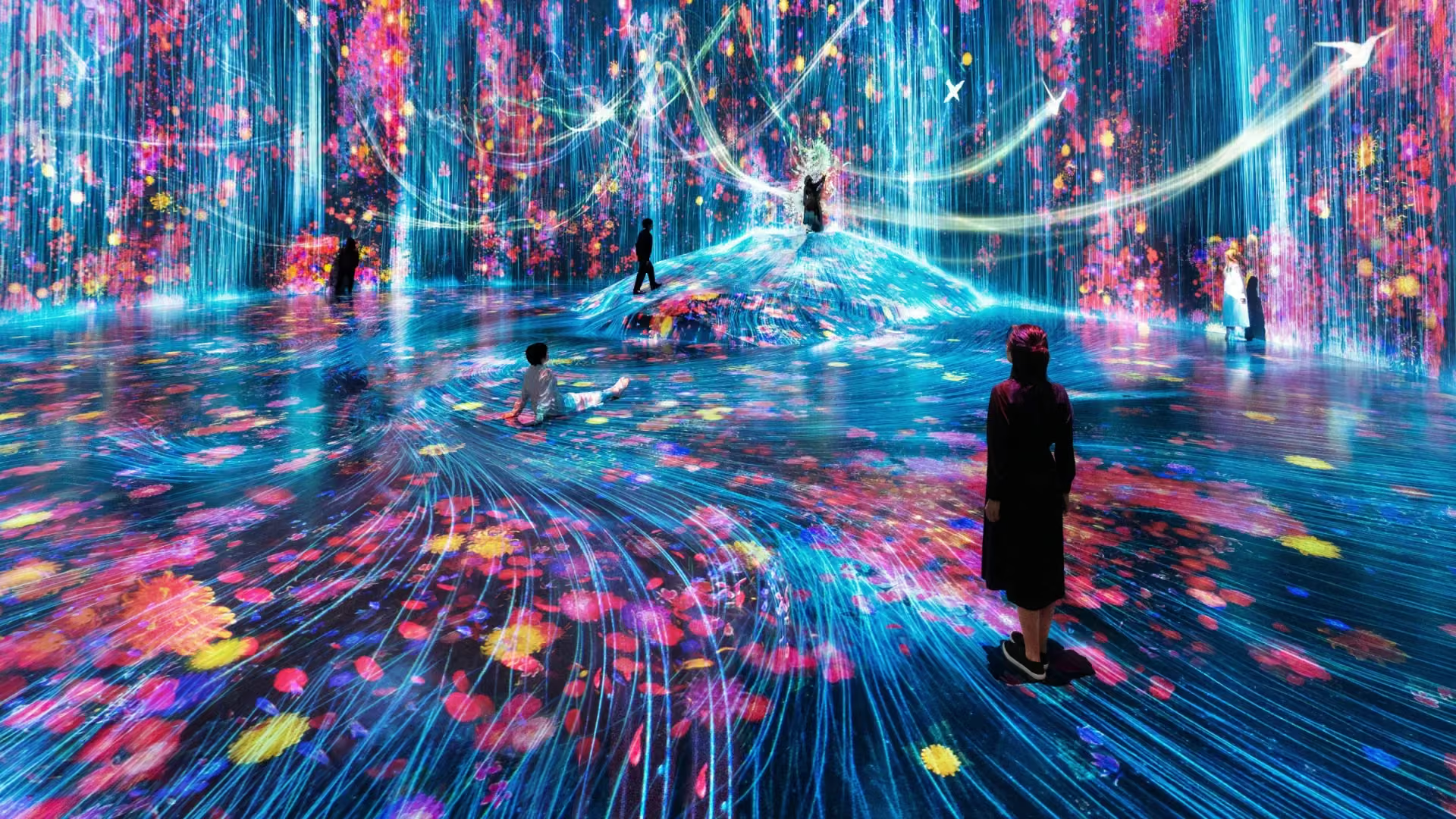
teamLab Borderless: MORI Building DIGITAL ART MUSEUM
A permanent digital art museum by teamLab at Azabudai Hills, Tokyo, where artworks move between spaces and mix with one another, with no map to follow.
Tokyo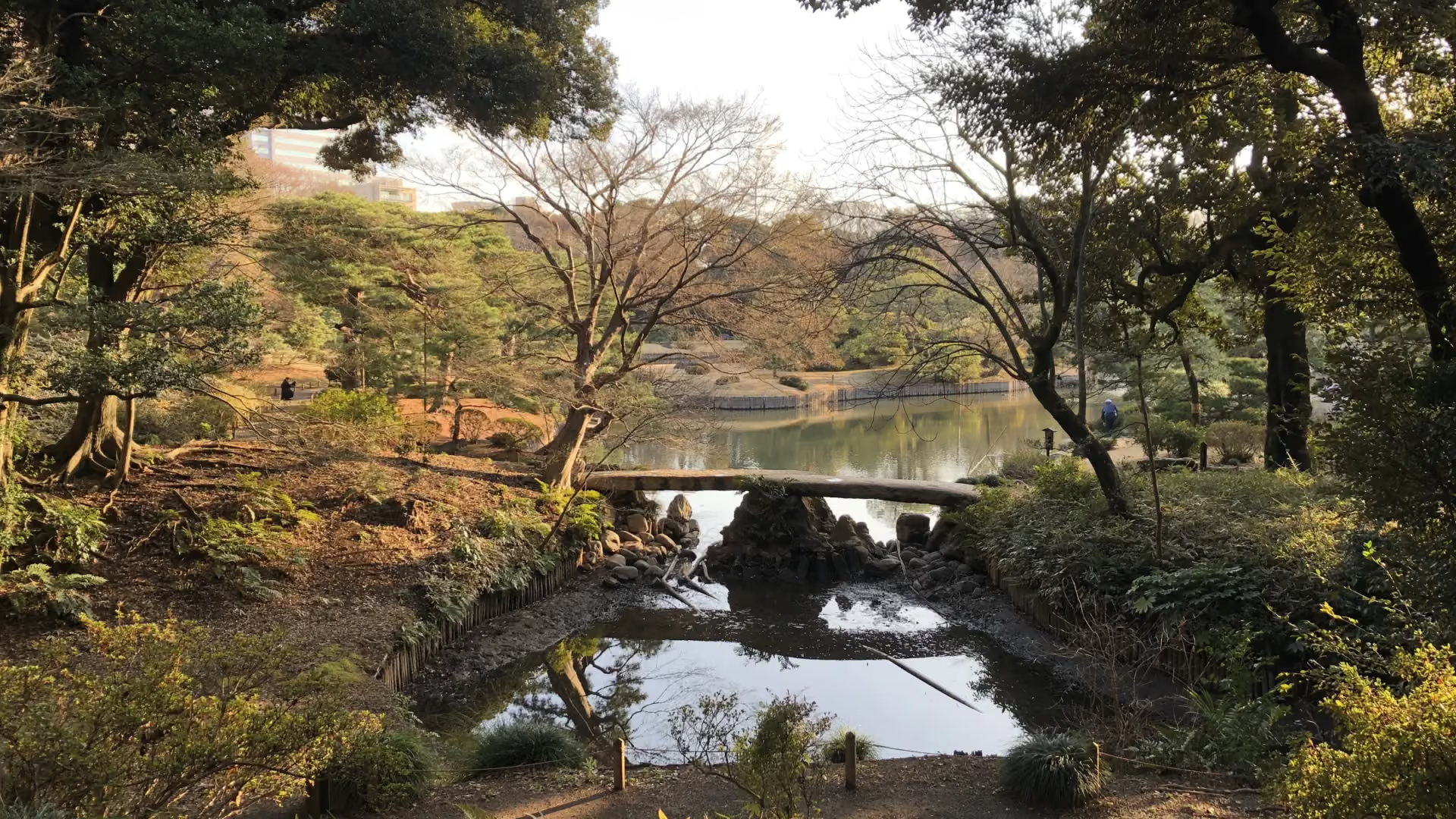
Rikugien Garden
One of Edo's two great gardens, built by Yanagisawa Yoshiyasu in Tokyo around a pond and hills, with 88 scenes drawn from waka poetry and Chinese classics.
Tokyo