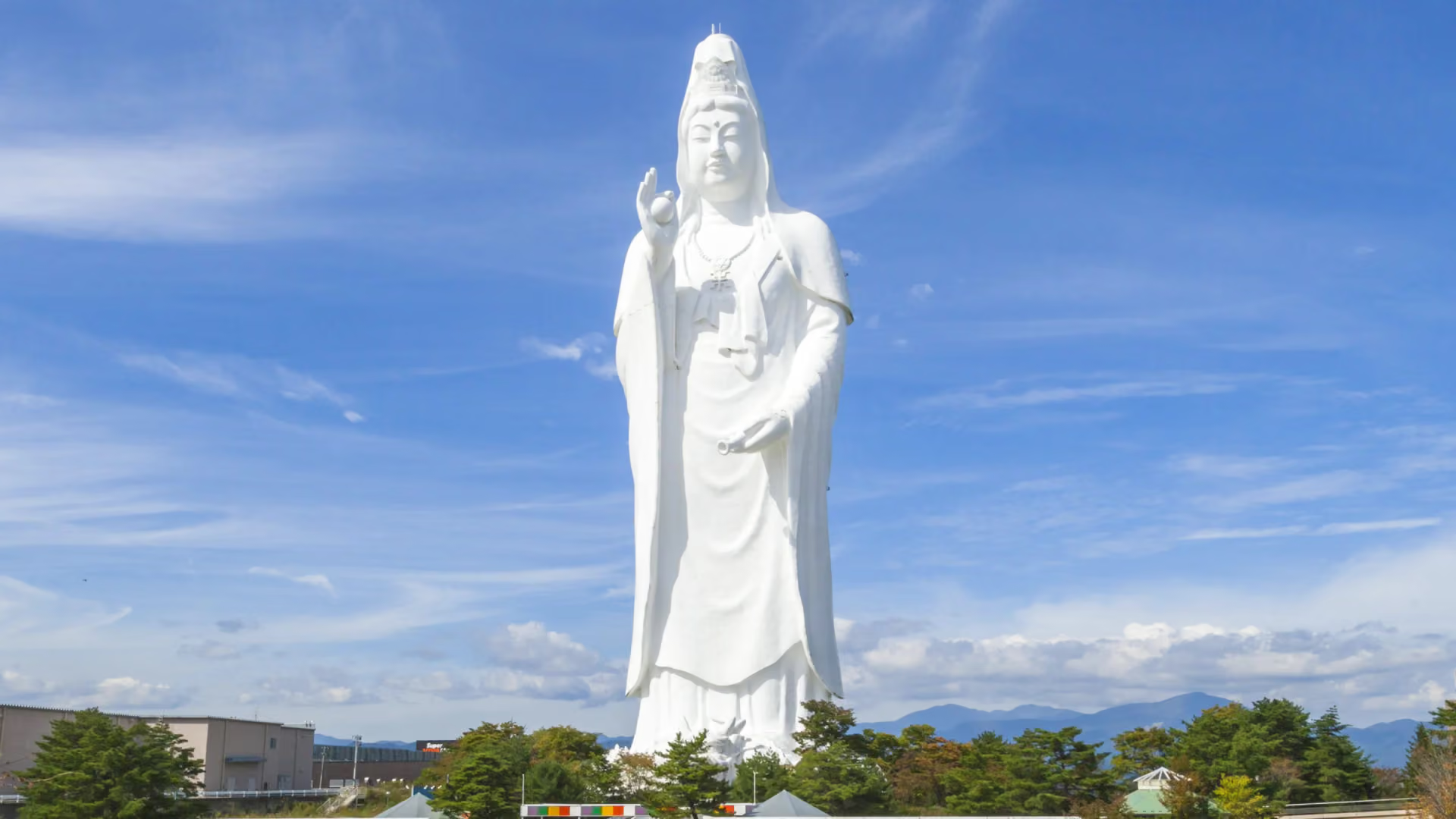
Dontosai Festival
どんと祭
An annual winter ritual in Sendai features the ceremonial burning of New Year decorations followed by a sacred pilgrimage procession in traditional attire.
〒 980-0871How to get there
東北福祉大前Senzan Line15 min walk from the station
Donto-sai is the New Year send-off fire festival of Osaki Hachimangu, the Hachiman shrine in Aoba, Sendai. The shrine calls it Matsutaki Matsuri (松焚祭); elsewhere in Japan the same custom is known as sagicho (左義長) or dondo-yaki (ドンド焼き). According to the shrine, its festival has about 300 years of history and is one of the largest New Year send-off events in Japan.
What happens
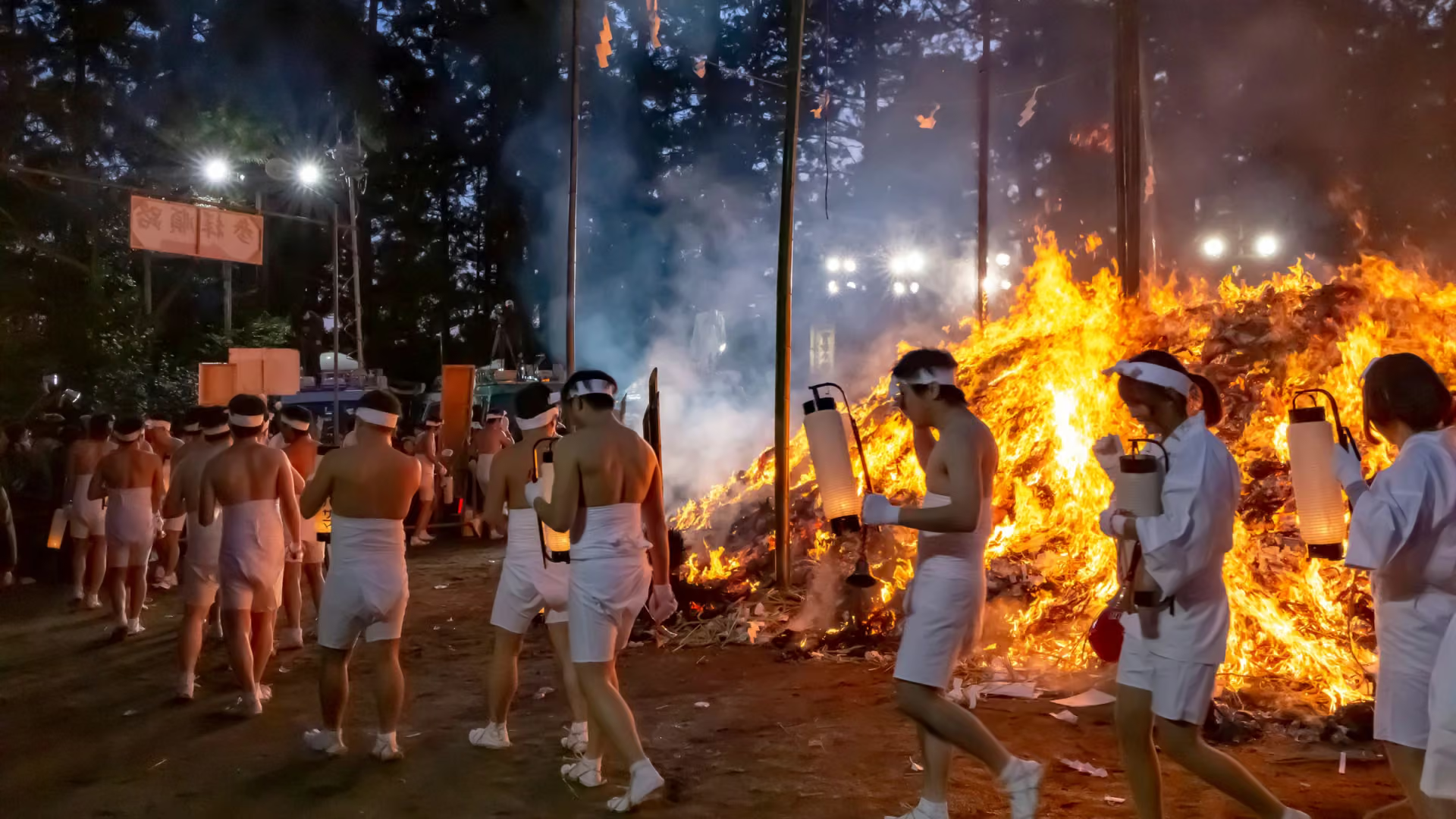
People from the surrounding area bring their kadomatsu (門松), pine decorations, shimenawa (注連縄), sacred ropes, and other New Year decorations and old talismans to a corner of the shrine grounds. Around sunset the pile is lit with a purified fire, imibi (忌火), and burned.
The fire is the goshinbi (御神火), which sends off the deities who stayed in each home over the New Year. Tradition holds that standing near it purifies body and mind and brings a year of good health and safety for the family.
Thousands of people from across the city then make the hadaka mairi (裸参り), the naked pilgrimage, to the fire. They wear a white headband and a white cloth wrapped around the body, carry a bell in the right hand and a lantern in the left, and hold a paper, the fukumi-gami (含み紙), in the mouth so as not to speak.
History
The hadaka mairi is said to have begun with master sake brewers praying for safe brewing as they started work in the coldest season, and to have been established by the middle of the Edo period. Sendai City designated the shrine's Matsutaki Matsuri an Intangible Folk Cultural Property in 2005.
Getting There

Planning a trip? Fit this into a trip and Oni plans the rest around it.
You might also like
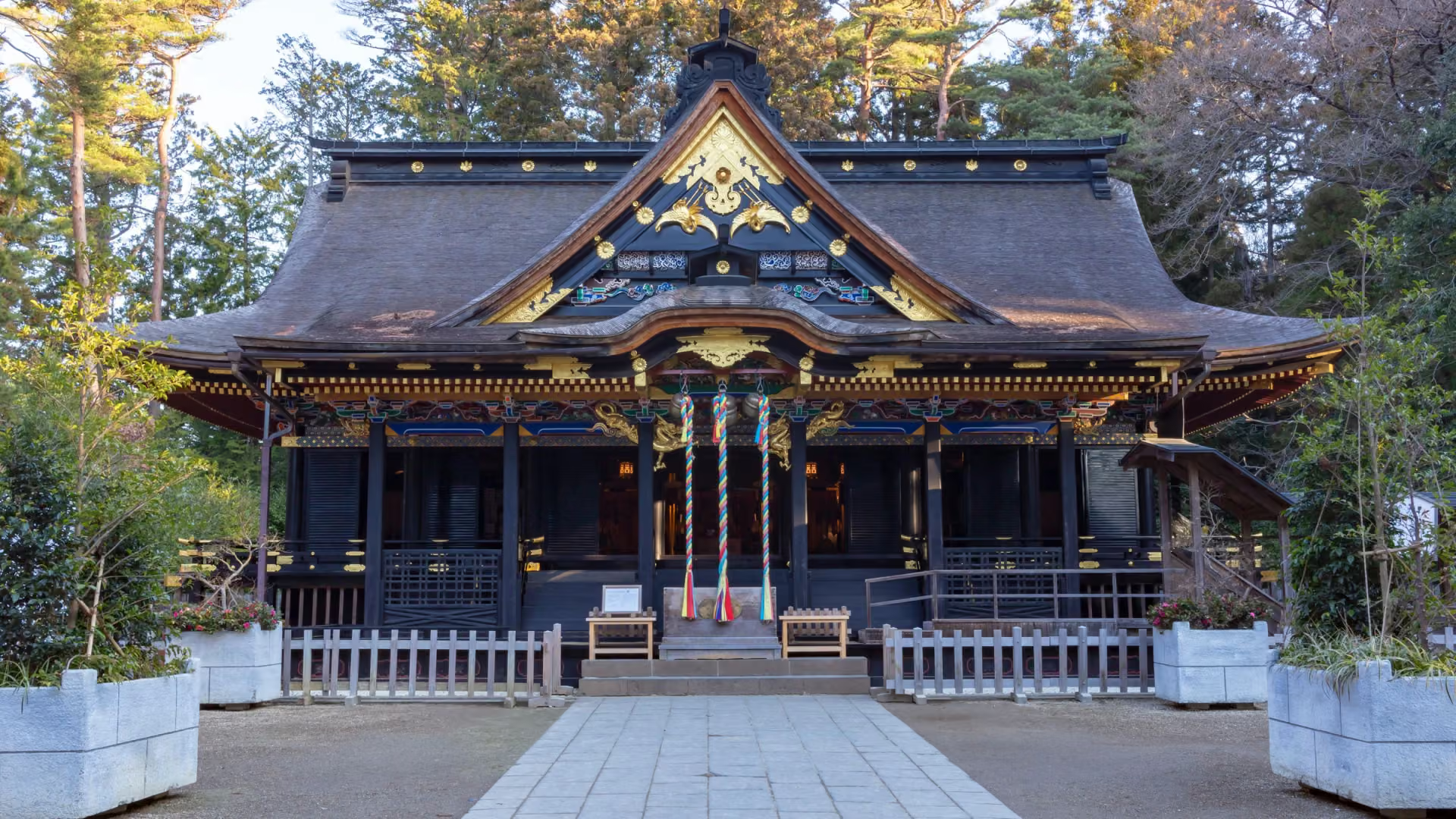
Osaki Hachimangu Shrine
Built between 1604 and 1607 under Date Masamune, this shrine showcases Momoyama-era architecture with an intricate main hall designated as a National Treasure.
Sendai · Miyagi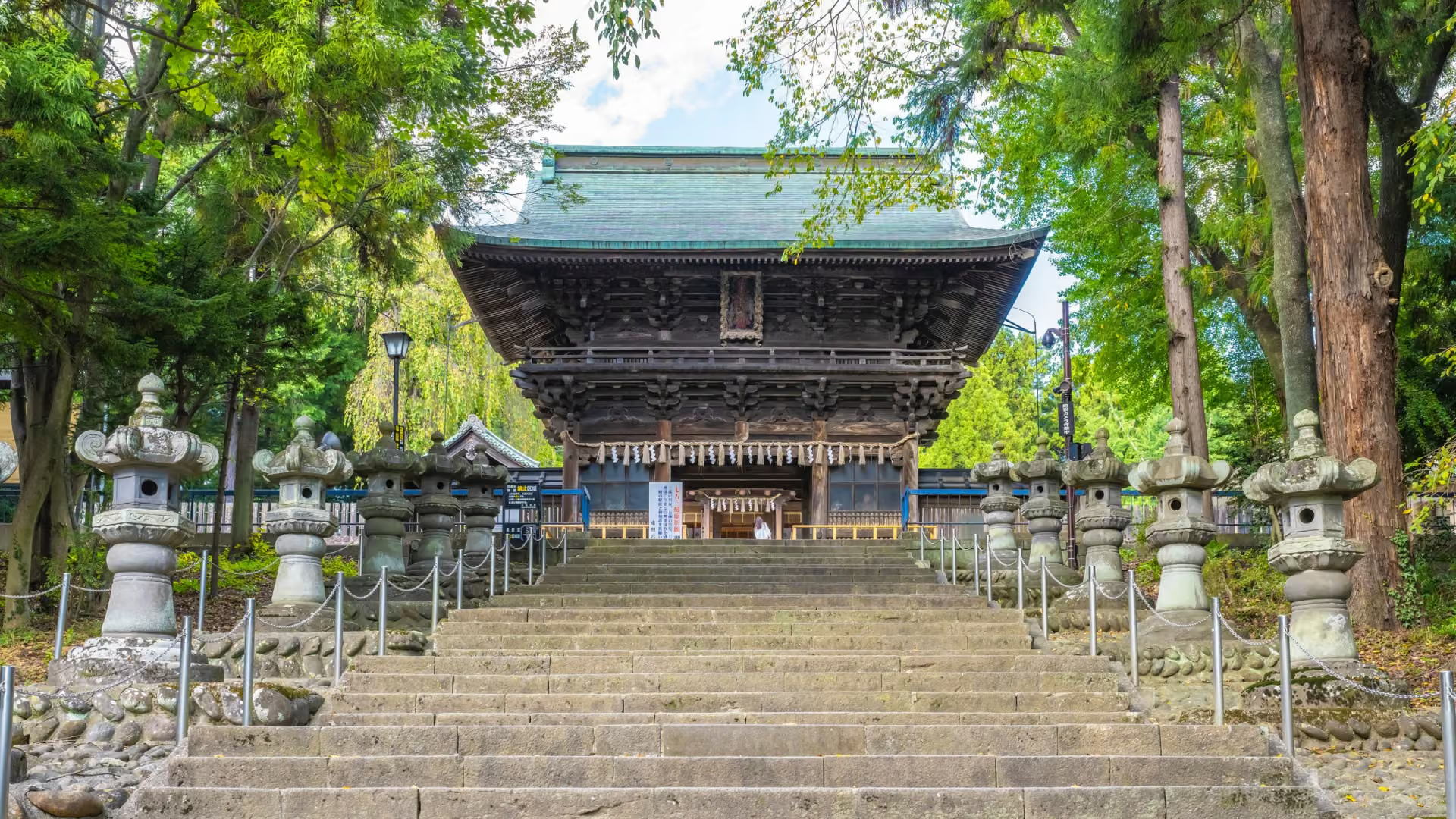
Sendai Toshogu Shrine
A shrine to Tokugawa Ieyasu founded in 1654 by Date Tadamune, lord of Sendai, with a honden, gates and stone torii designated Important Cultural Properties.
Sendai · Miyagi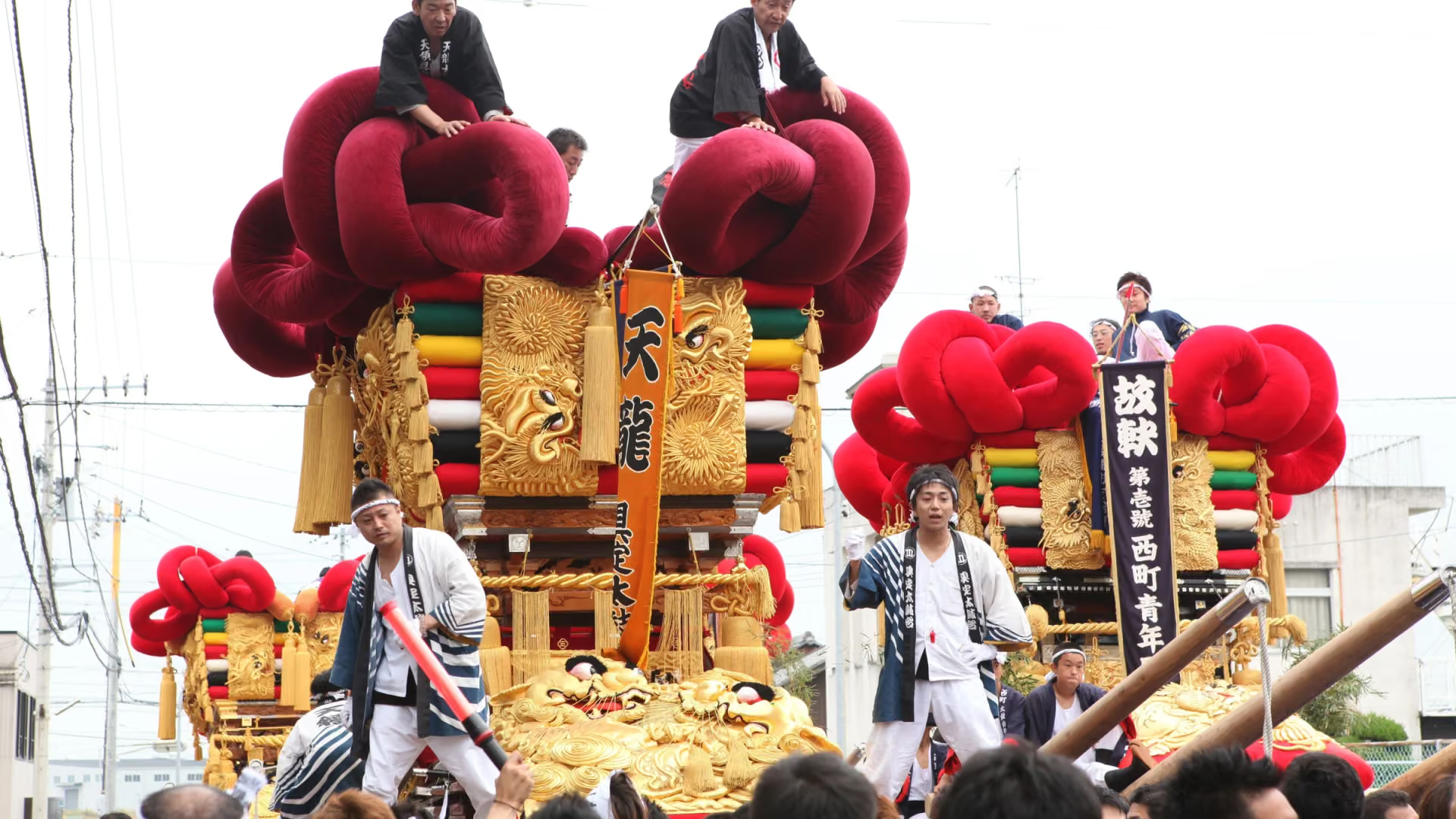
Niihama Taiko Festival
Huge drum floats, about three tonnes each, are carried and raised overhead by teams of about 150 men across Niihama in this October festival.
15–18 Oct 2027Niihama · Ehime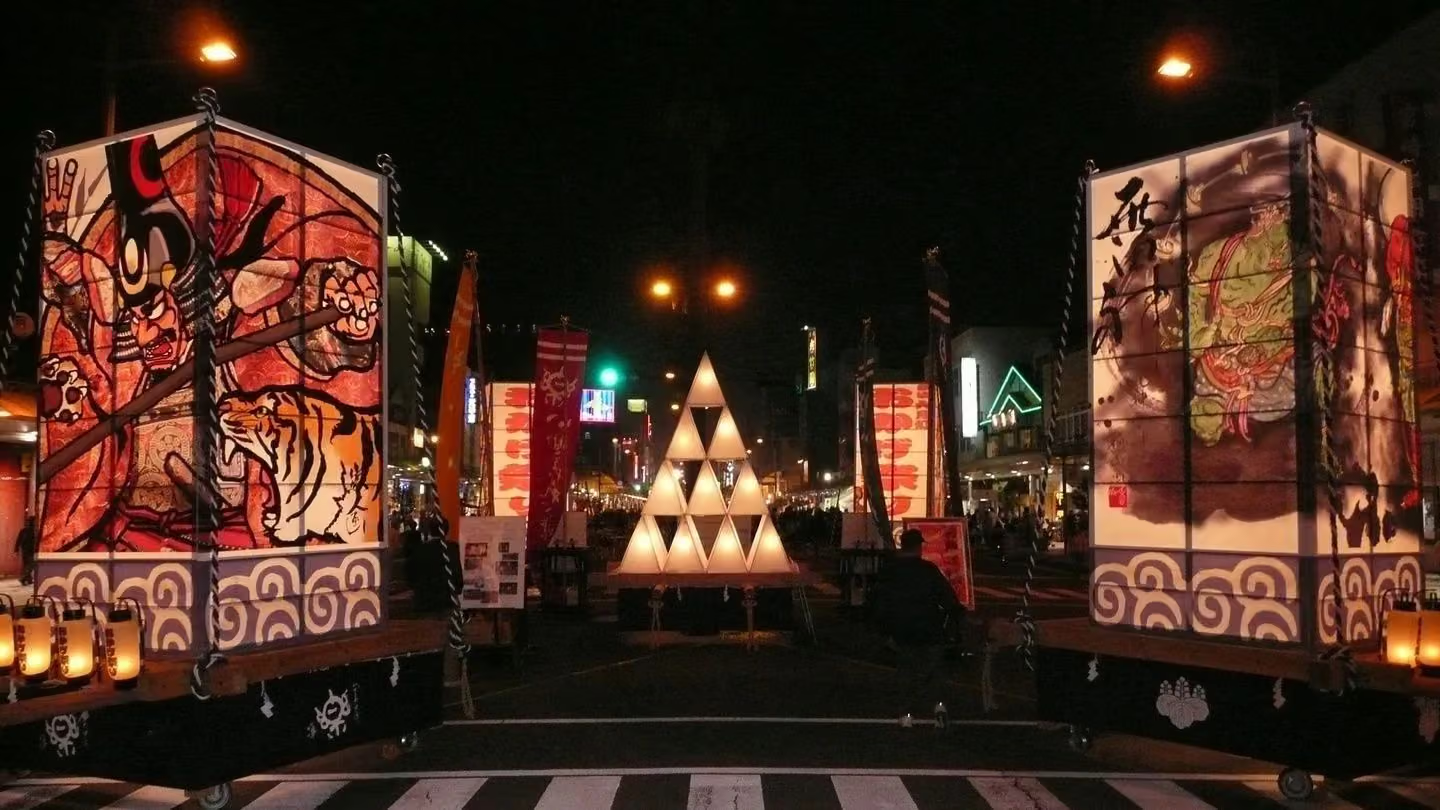
Miyazaki Jingu Grand Festival
The autumn procession of Miyazaki Jingu, known as Jimmu-sama, carries Emperor Jimmu's deity through the city with Shan Shan Uma horses and folk dances.
30–31 Oct 2027Exact date not confirmed yetMiyazaki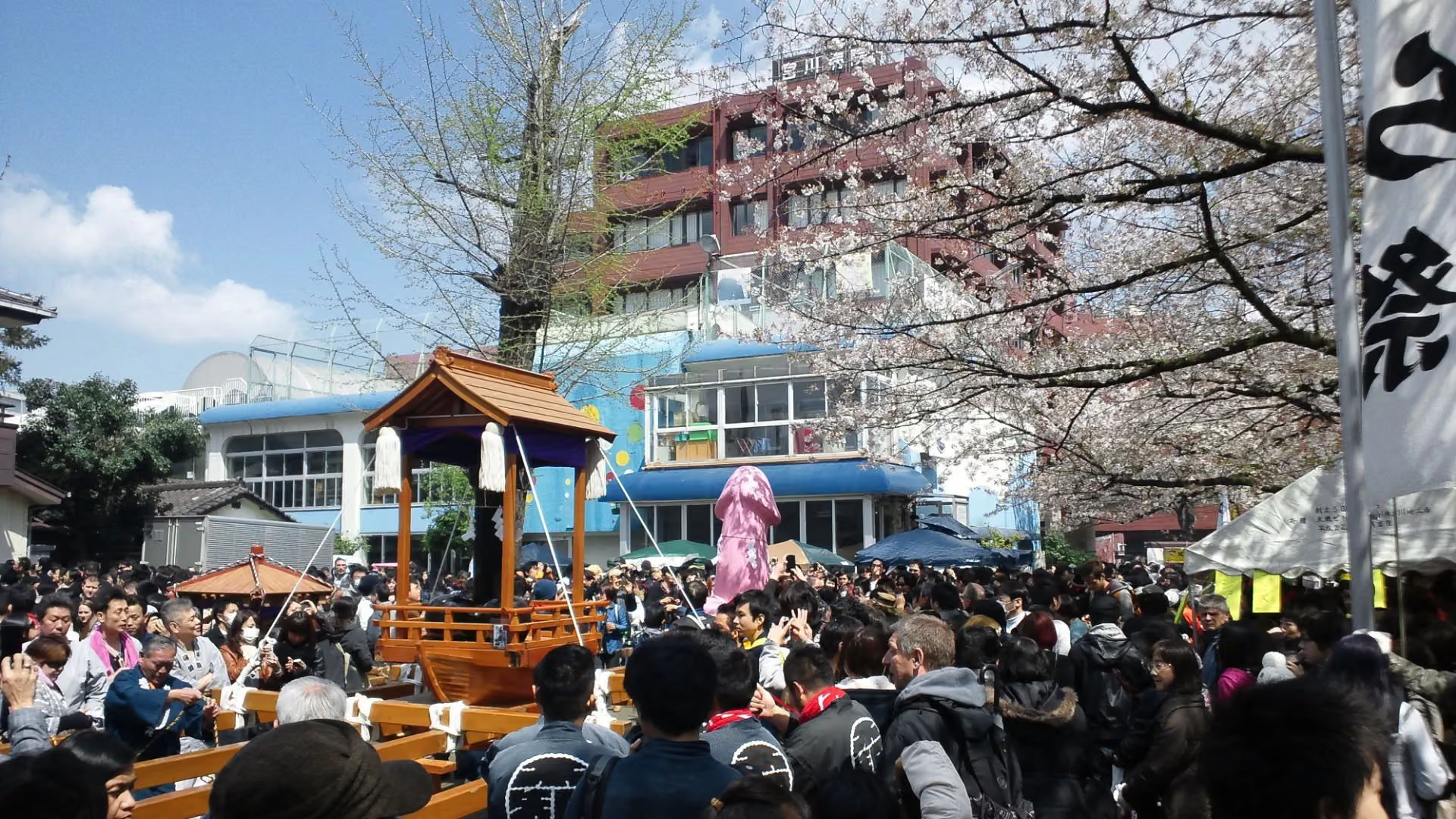
Kanamara Matsuri
A spring festival at Kanayama Shrine in Kawasaki: three phallus-shaped mikoshi are carried out with prayers for children, marriage and protection from disease.
4 Apr 2027Exact date not confirmed yetKawasaki · Kanagawa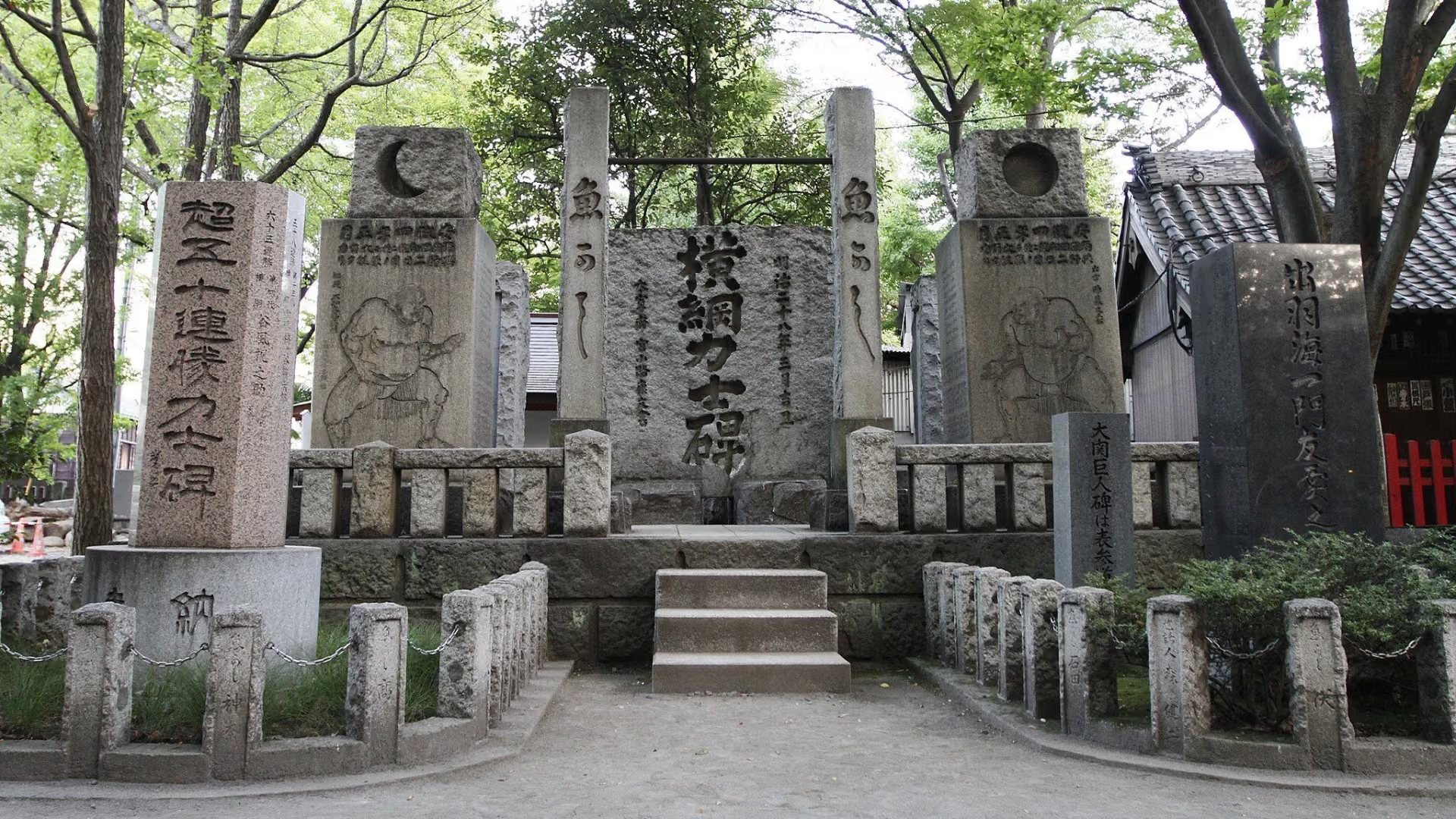
Tomioka Hachiman Shrine
Shrine in Fukagawa, Tokyo, founded in 1627 and known as the largest Hachiman shrine of Edo, where the sumo tournaments behind Grand Sumo began in Edo.
Tokyo