Miyazaki Jingu Grand Festival
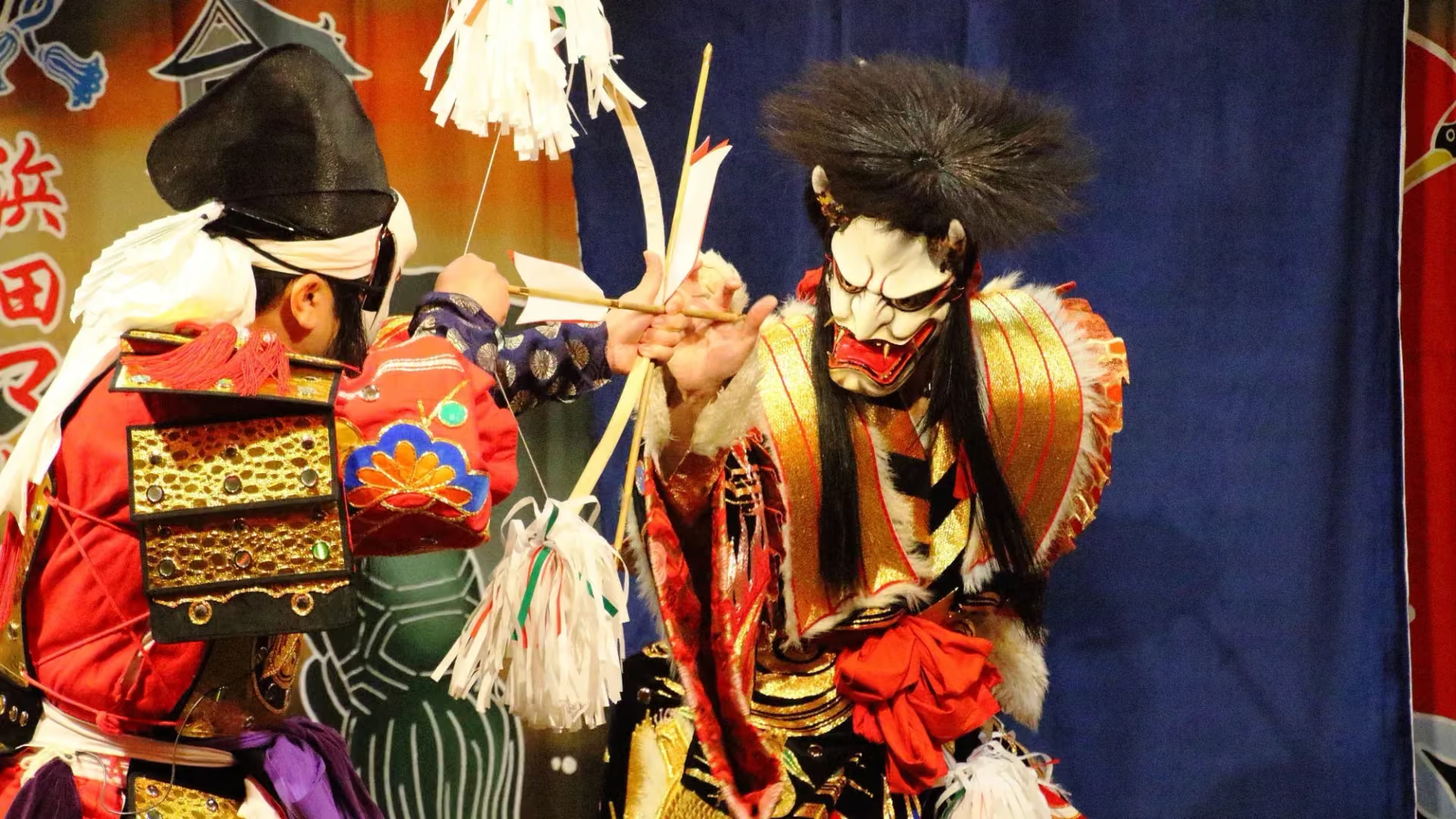
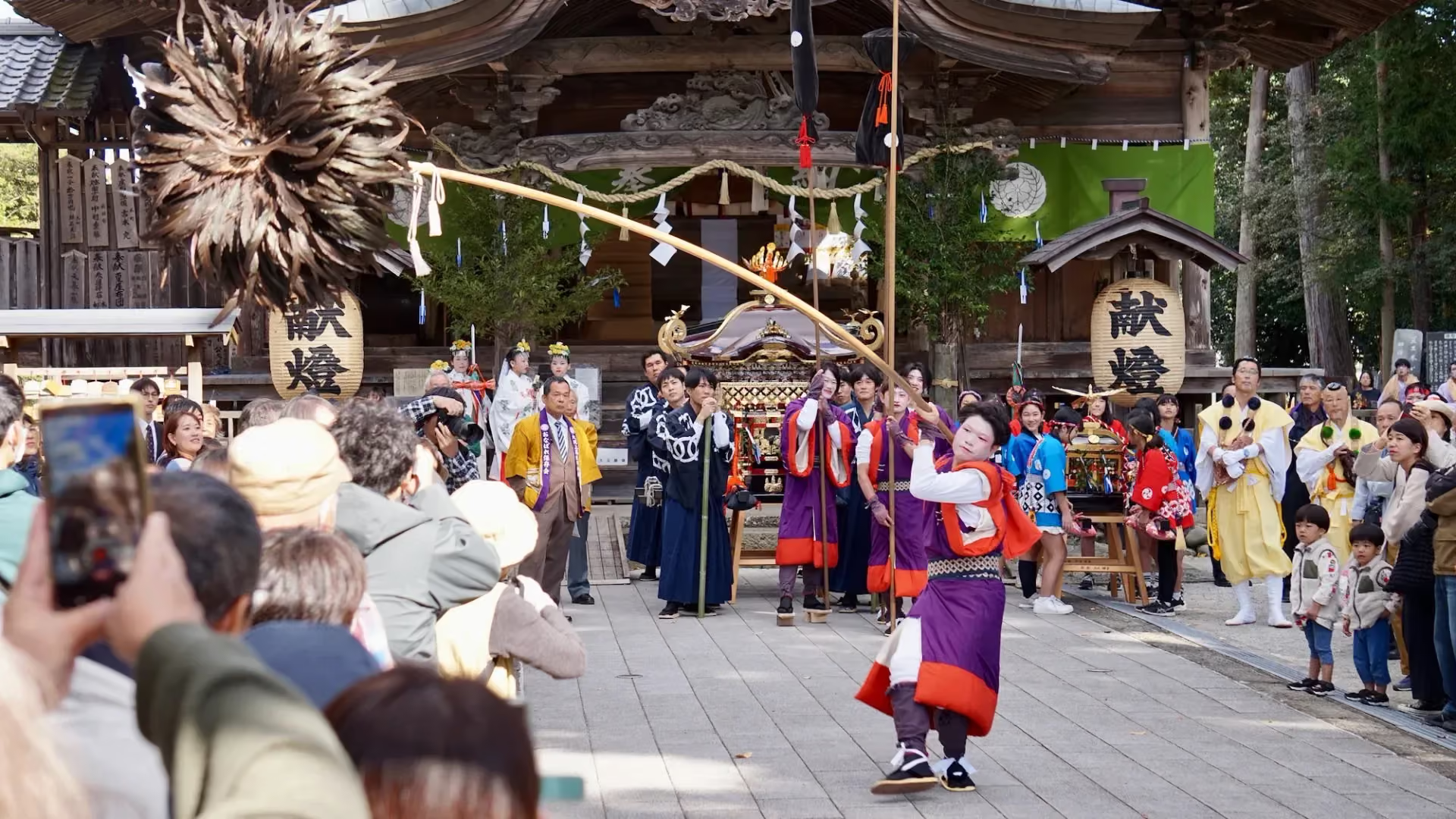
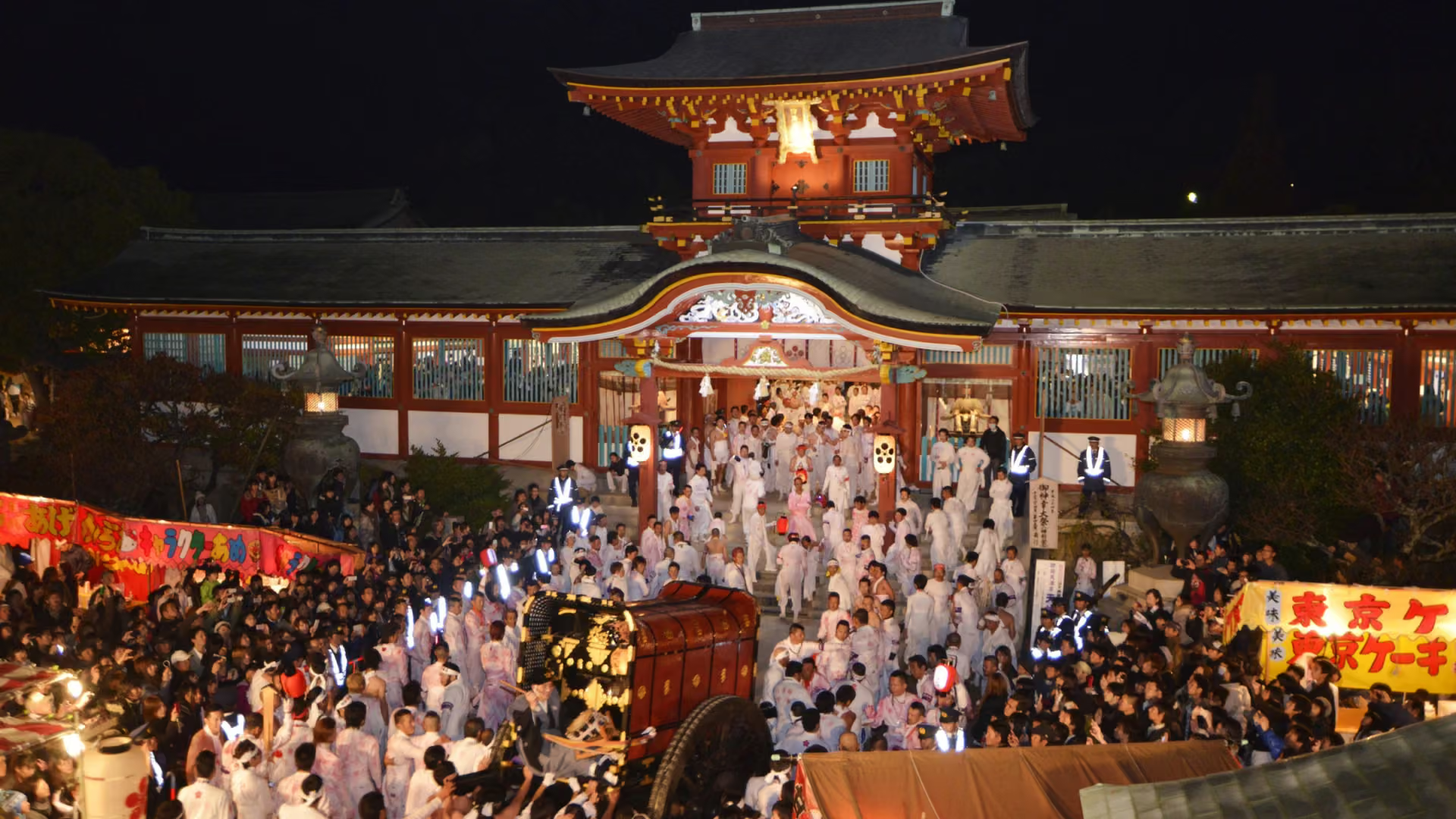
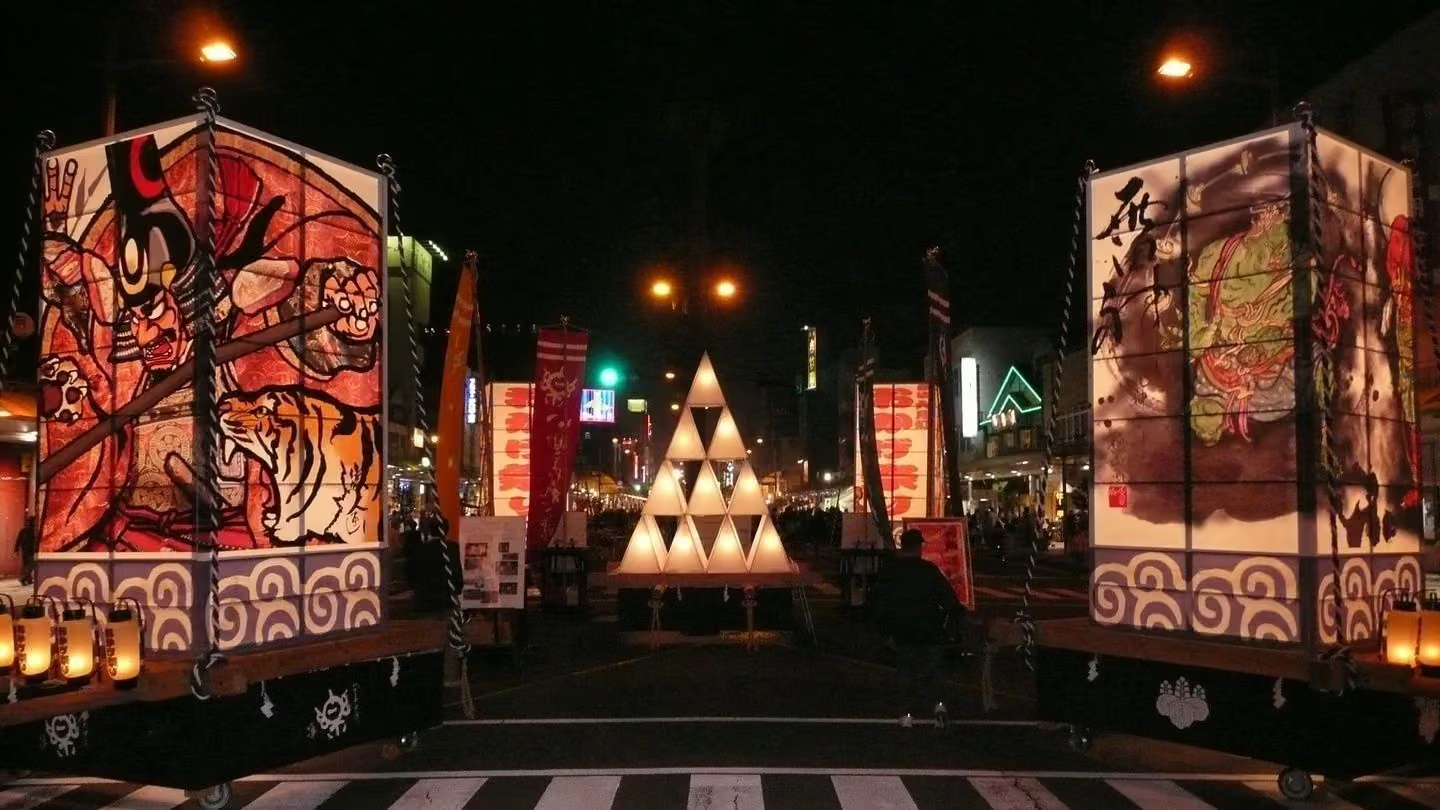
Miyazaki's largest festival honors Emperor Jimmu with a grand autumn procession of portable shrines and floats reenacting the legendary emperor's journey.
31 Oct – 1 Nov 2026Miyazaki

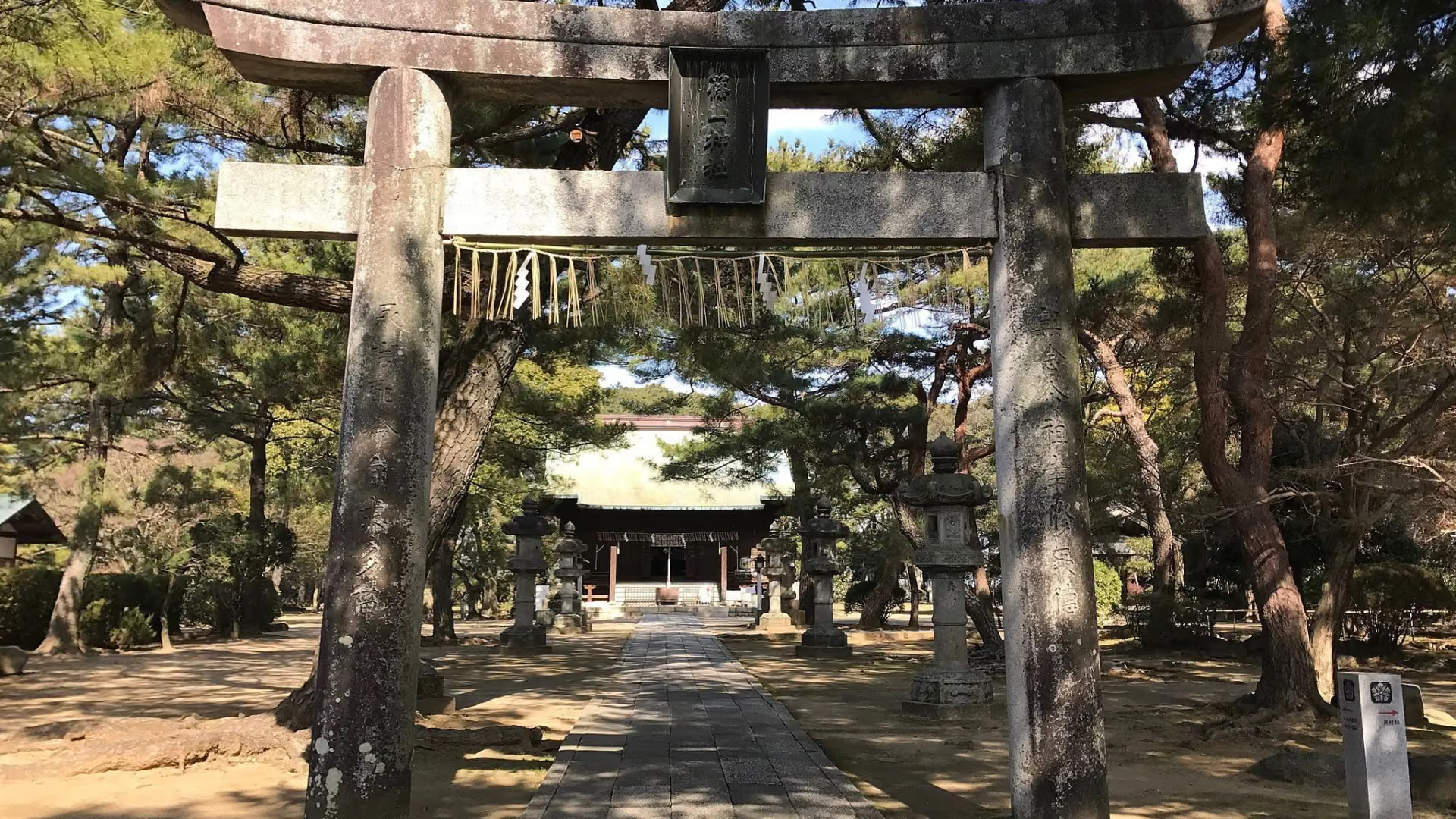
Shinto is an indigenous religion of Japan and the country's oldest religion, originating from prehistoric times. It is characterized by its focus on ancestor worship, nature worship, and the veneration of spirits known as kami. Shinto shrines, which are dedicated to the worship of kami, are scattered throughout Japan and are typically marked by a torii gate and other distinctive architectural features. Shinto has no written scripture, no formal creed, and no defined system of morality. Instead, its teachings and practices are passed down orally and through tradition.
Miyazaki's largest festival honors Emperor Jimmu with a grand autumn procession of portable shrines and floats reenacting the legendary emperor's journey.
31 Oct – 1 Nov 2026MiyazakiSasayama Shrine, dedicated to the god of martial arts and war, sits within Kurume Castle in Fukuoka with a main hall in traditional Edo period style.
Kurume · FukuokaEach autumn in western Shimane, shrine stages host Iwami Kagura - sacred dances performed through the night, from ceremonial pieces to a battle with a serpent.
Featuring an Intangible Folk Cultural Property procession, this November festival unites a community through ceremony, dance, and spiritual communion.
3 Nov 2026Kami · KochiTochigi shrine founded in the Tenpyo era (729-749); its May 5 Snake Festival, with snakes over 15 metres, is an Important Intangible Folk Cultural Property.
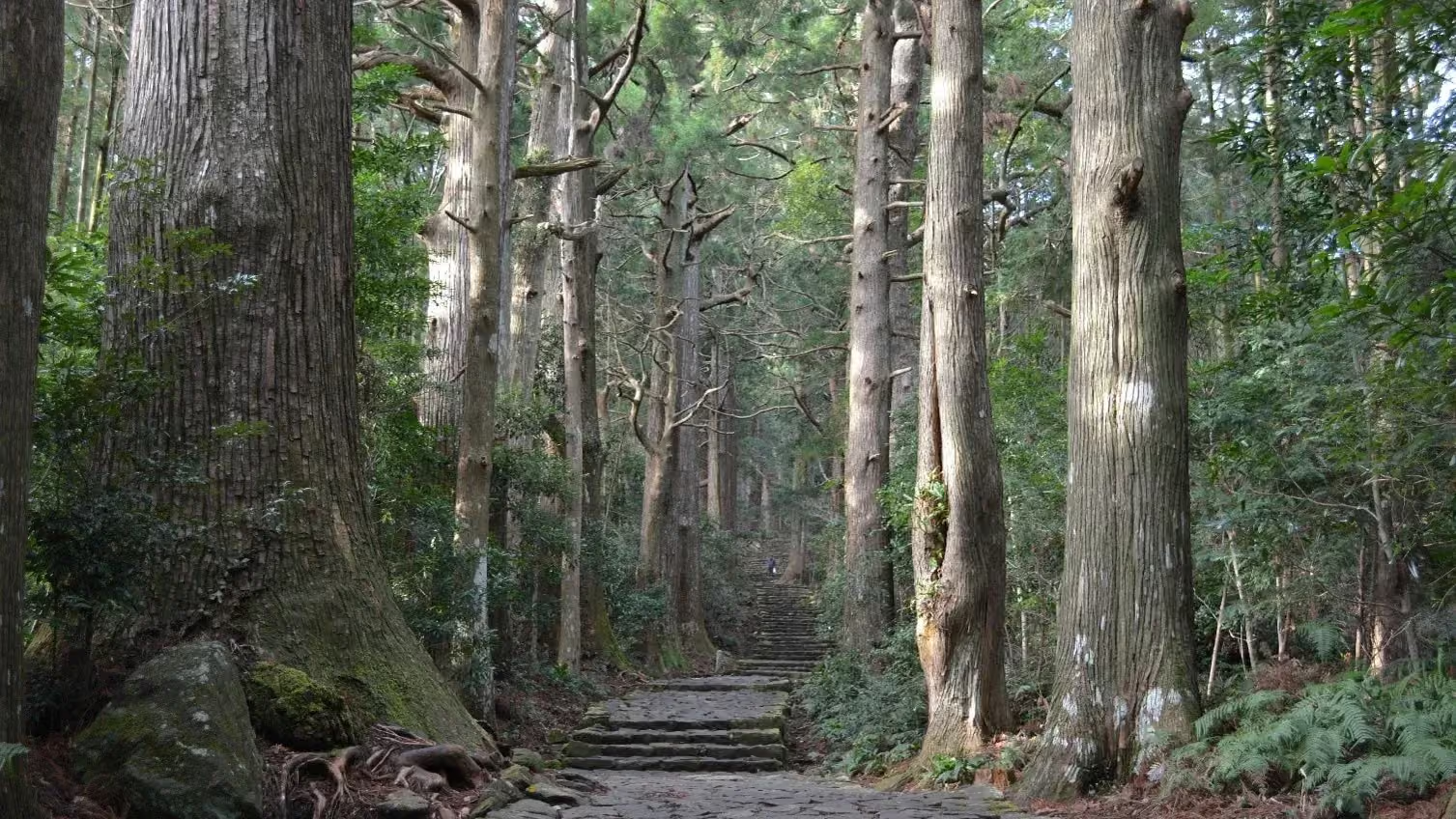
Oyama · TochigiFor over a thousand years, the Kumano Kodo has led pilgrims through the mountains of Kii to the sacred Kumano Sanzan shrines - now a UNESCO World Heritage Site.
Wakayama · KansaiThe Fox's Wedding features a grand procession with white fox bride and groom, rooted in a legend of benevolent spirits said to bring marriage blessings.
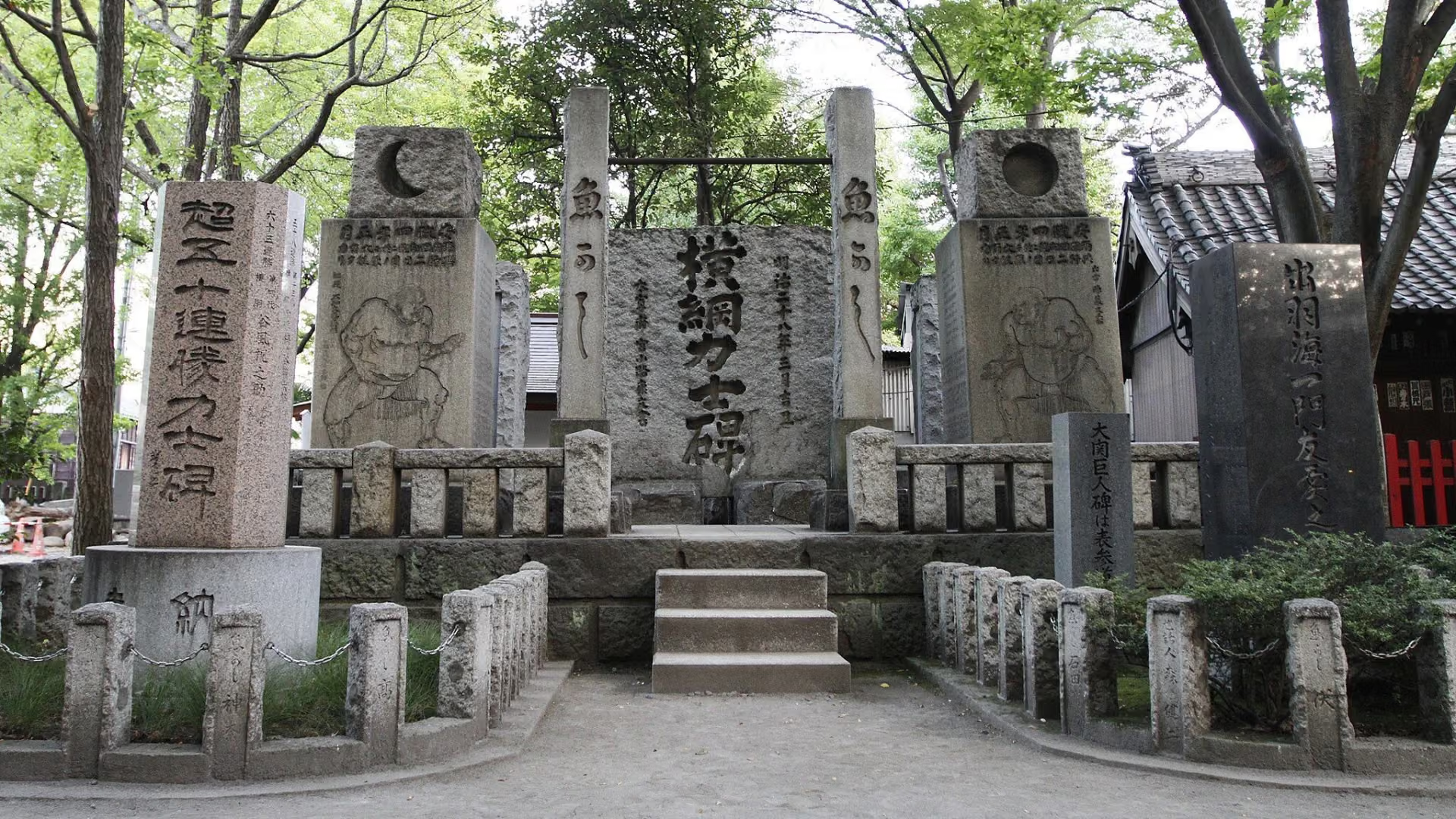
3 Nov 2026Kudamatsu · YamaguchiTokyo's largest Hachiman shrine, established in 1627, holds historical significance as the birthplace of Kanjin-zumo, a precursor to modern Grand Sumo.
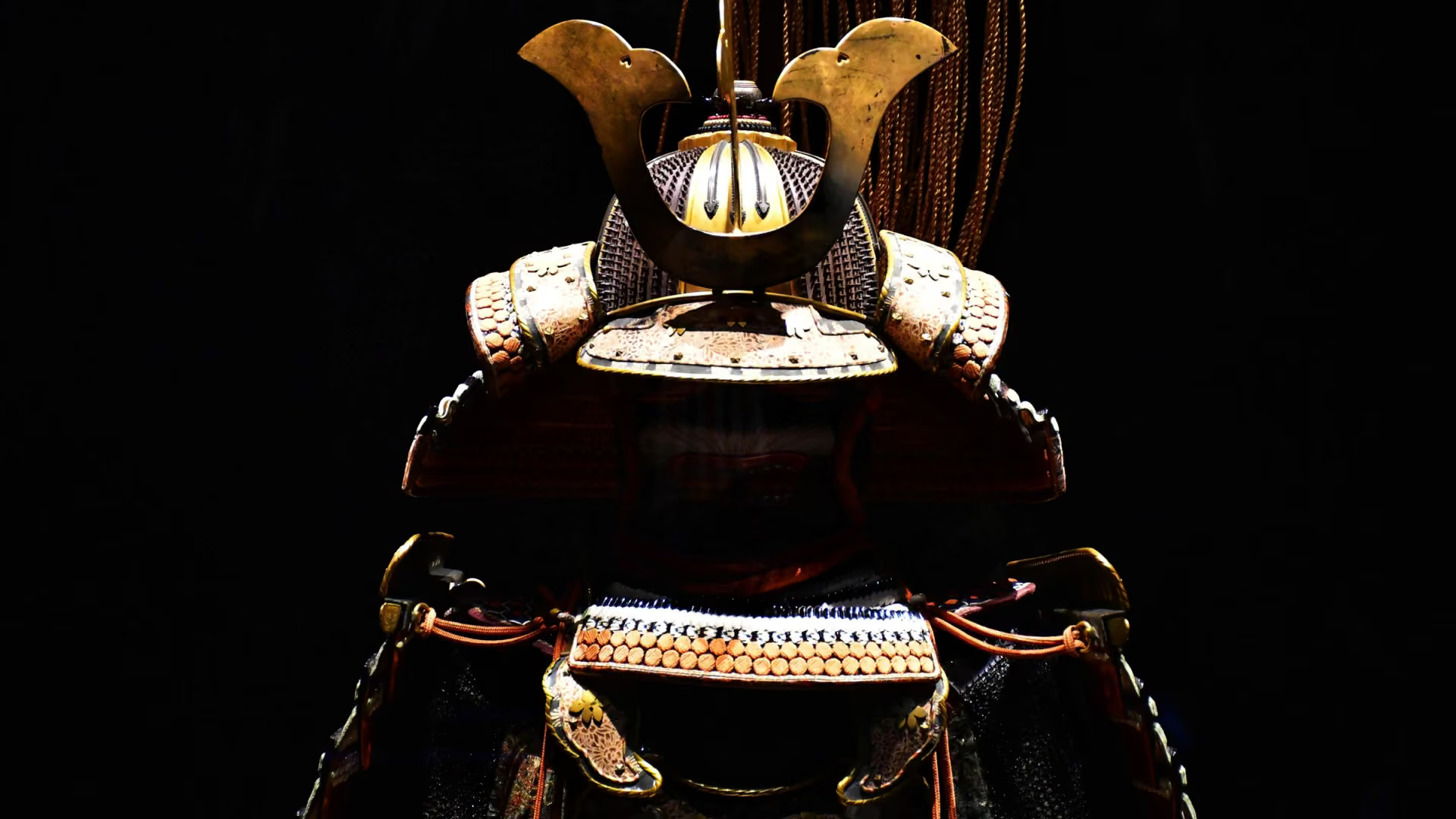
TokyoA castle festival features an armored warrior procession, parades, and traditional performances including taiko drumming and Shinto kagura dance.
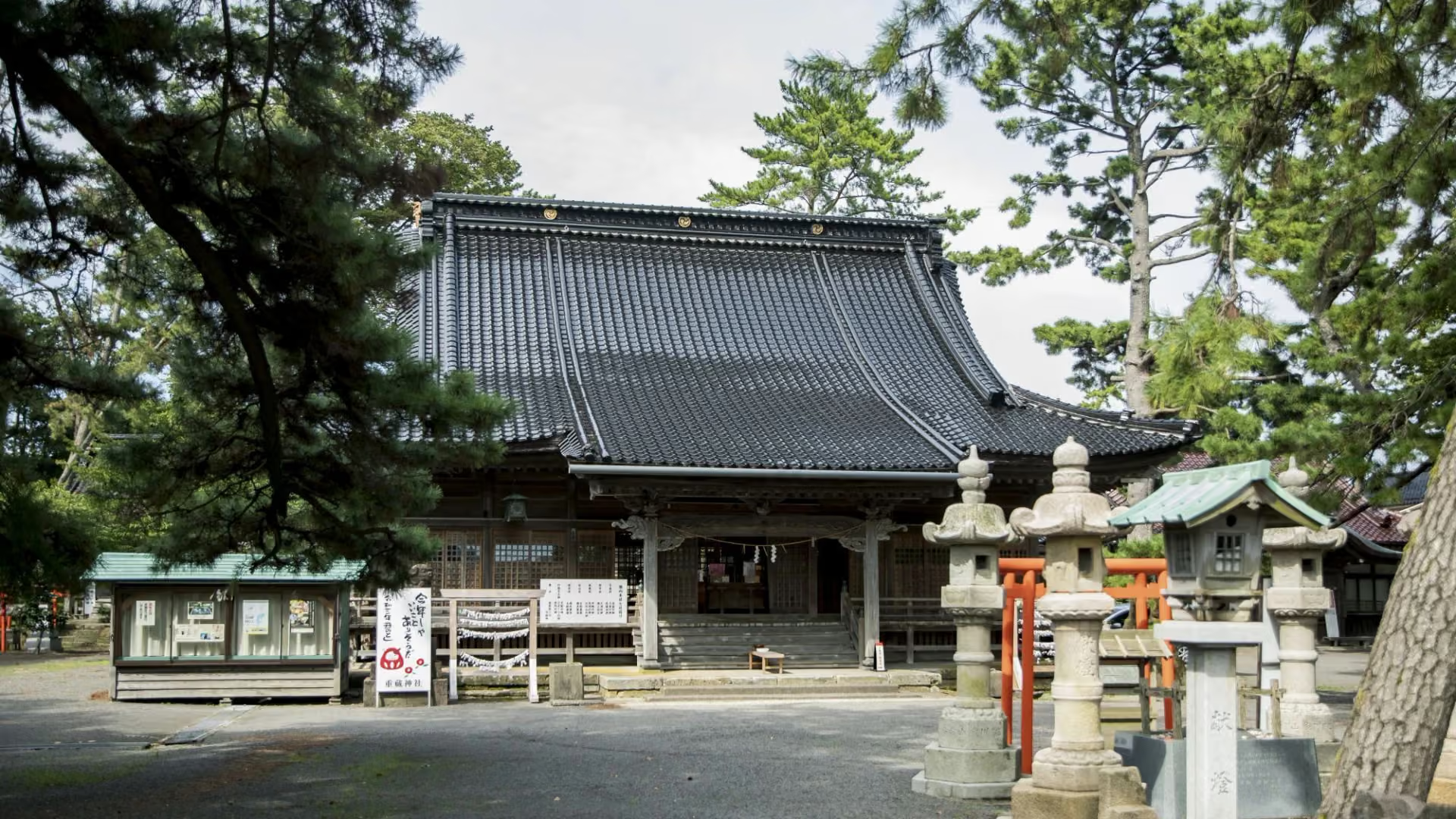
16 Nov 2026Iwakuni · YamaguchiShrine in Wajima, Ishikawa, dedicated to Amenofuyukinu no Mikoto and his son Okuninushi, god of nation-building and matchmaking, with subsidiary shrines.
Wajima · IshikawaOnce a year the gods of Japan are said to abandon their shrines for Izumo, where a season of quiet rites welcomes, hosts, and finally sends them home again.
18–25 Nov 2026Izumo · ShimaneThe lowest of the three mountains of Dewa in Yamagata, climbed by a stone stair through old cedars, with a five-storey pagoda that is a National Treasure.
Tsuruoka · YamagataThis festival honors Tenjin, a tenth-century poet and administrator deified for his integrity, through a ritual dating back over a thousand years.
28 Nov 2026Hofu · YamaguchiAichi head shrine of about 3,000 Tsushima shrines across Japan, honouring the deities Gozutenno and Susanoo, with legendary origins in the 3rd century BCE.
Tsushima · AichiAn annual winter ritual in Sendai features the ceremonial burning of New Year decorations followed by a sacred pilgrimage procession in traditional attire.
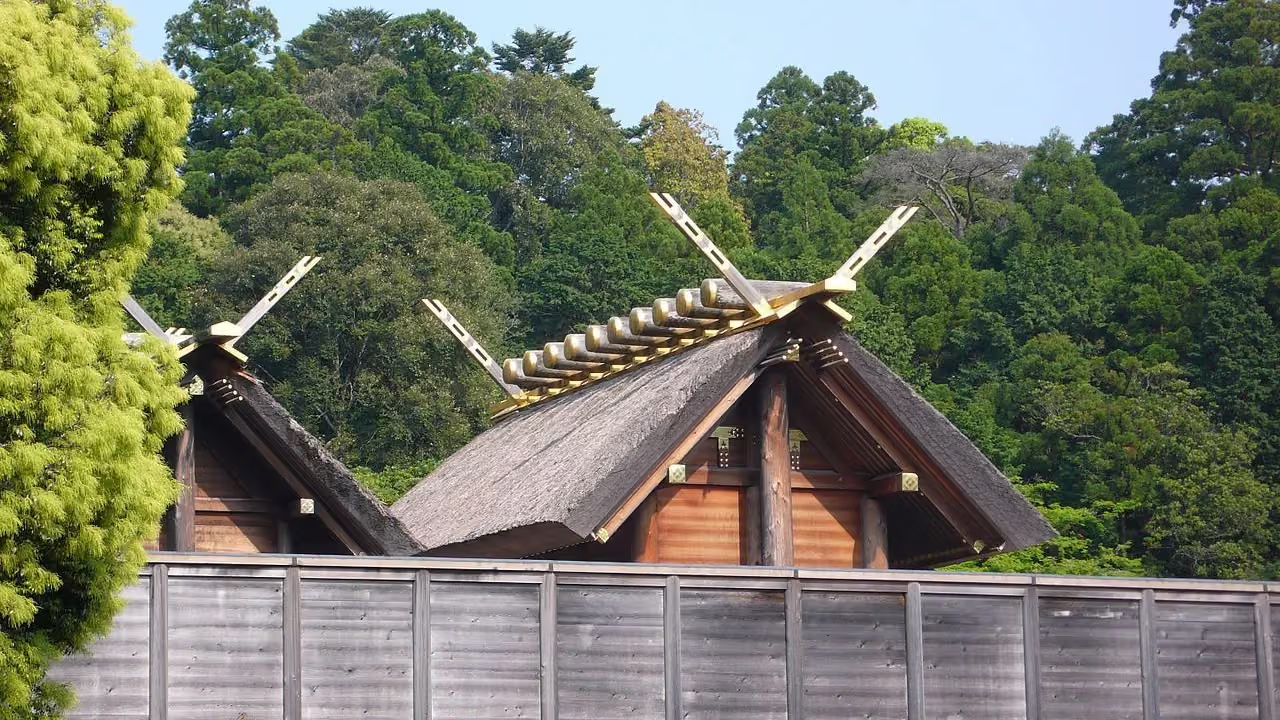
14 Jan 2027Exact date not confirmed yetSendai · MiyagiA complex of 125 shrines dedicated to Amaterasu-Omikami and Toyo'uke-no-Omikami, holding over 1,500 rituals a year for imperial prosperity and peace.
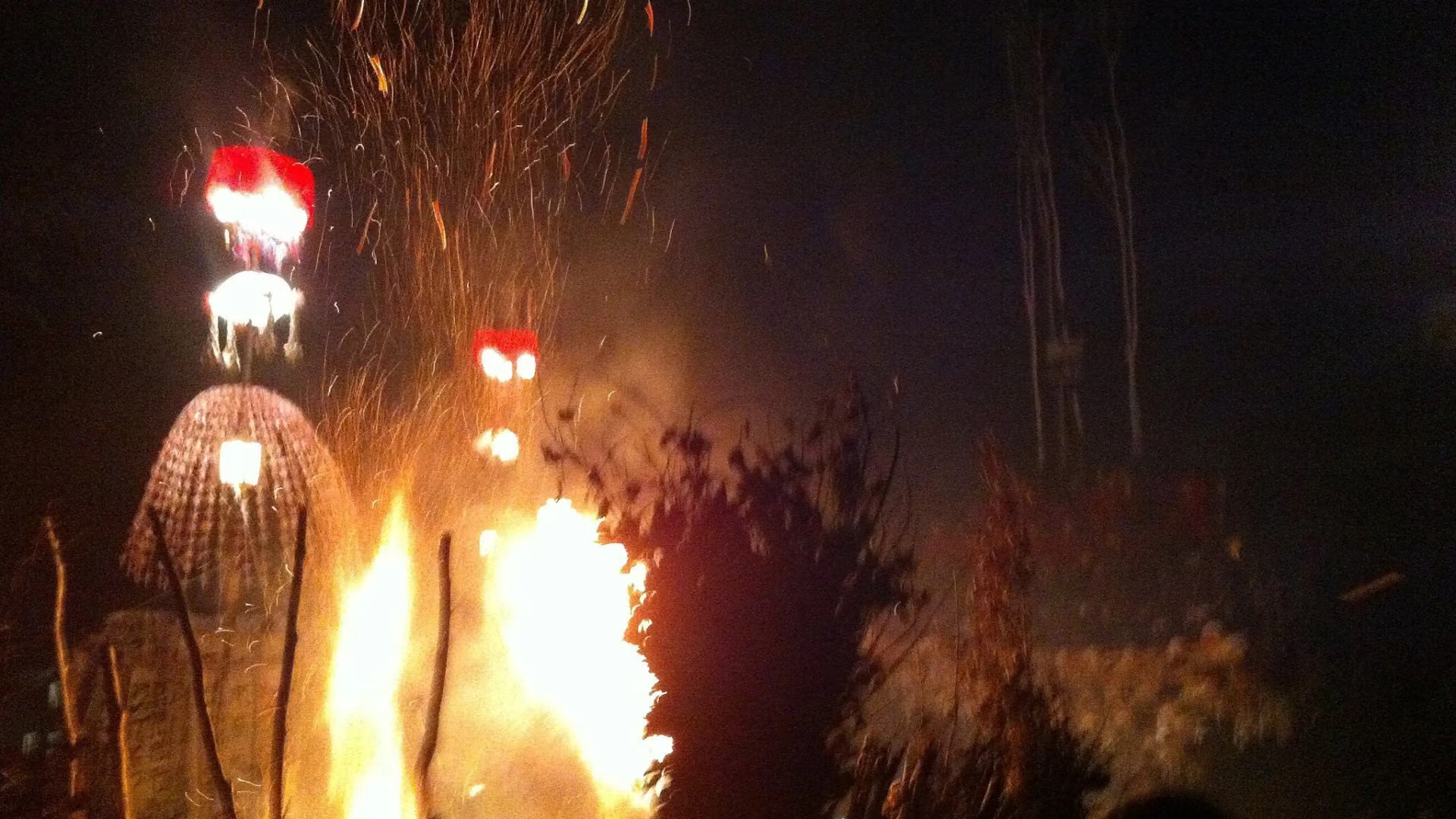
Ise · MieDosojin, a folk deity protecting travelers and villages, is honored through this traditional festival featuring ceremonial fire and ritual.
15 Jan 2027Exact date not confirmed yetNozawaonsen · NaganoShinto shrine housing the original grave of Tokugawa Ieyasu, the first shogun, and considered the oldest Tosho-gu shrine in Japan.
Shizuoka