Nara Ittobori Exhibition
奈良一刀彫展
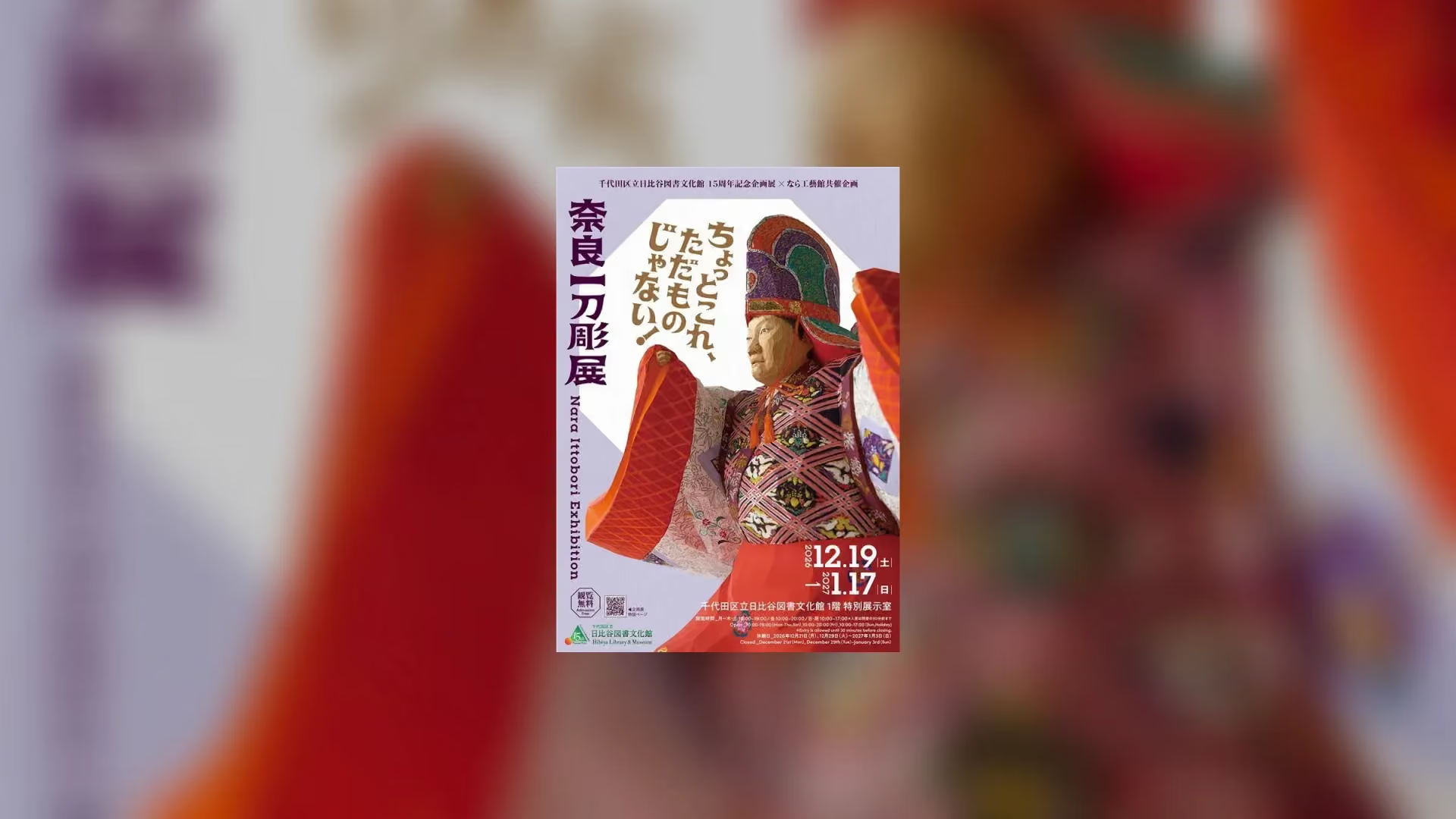
An exhibition in Tokyo of Nara ittobori, carved and brightly painted wooden figures from Nara, shown with the tools used to make them.
〒 100-0012How to get there
霞ケ関Chiyoda Line · Hibiya Line · Marunouchi Line5 min walk from the station
Nara ittobori is a way of carving wooden figures that belongs to Nara, where it is also called Nara ningyo, the Nara doll. The cuts of the chisel are left showing rather than smoothed away, and the figure is then painted in strong colours. The work has long been made for festivals and for the Noh theatre, and the craft is counted at a thousand years old.
This exhibition brings it to Tokyo, to the Hibiya Library & Museum in Chiyoda. It is held with the craft museum of the city of Nara, and marks fifteen years since the library opened.
About forty things are shown. Alongside the finished figures are the tools the carvers work with, which are rarely put on show, and there is a corner where wood can be picked up and handled.
One pairing sets out what has happened to the craft lately. Two sets of the twelve animals of the zodiac stand together: one carved in the older manner, the other replacing the animals with those of Africa. The same subject is treated by two carvers who take it in opposite directions.
A lecture is given on the day after the opening, by a researcher from the Tokyo National Research Institute for Cultural Properties, on the work of a carver of the nineteenth century who is counted the master of the form. The lecture is given in Japanese.
Getting There

Planning a trip? Fit this into a trip and Oni plans the rest around it.
You might also like
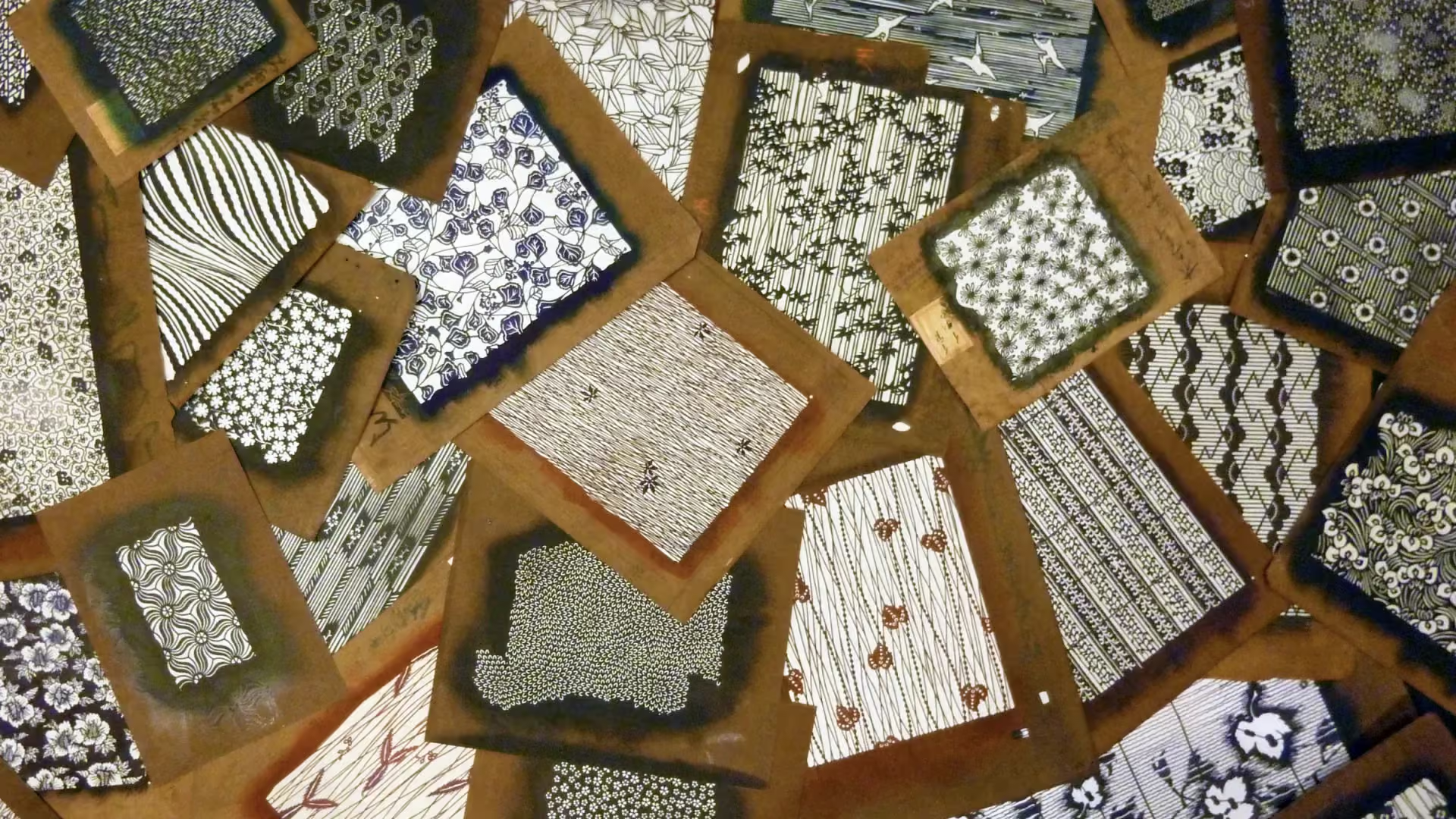
Ise Katagami Tokyo Exhibition
Ise Katagami, an ancient paper-stencil craft for dyeing kimono patterns, is an Important Intangible Cultural Property practiced by only six master artisans.
12–14 Jun 2027Exact date not confirmed yetTokyo
Kimono EXPO Tokyo
A yearly kimono fair in Yurakucho, Tokyo, where weavers and dyers from across Japan show their work and short workshops teach the crafts behind it.
7–12 Oct 2027Exact date not confirmed yetTokyoKimono EXPO Osaka
A yearly kimono fair at Shinsaibashi in Osaka, where weavers and dyers from across Japan show their work and short workshops teach the crafts behind it.
14–18 Oct 2027Exact date not confirmed yetOsaka
Toei Animation Museum
The Toei Animation Museum celebrates the prolific Japanese studio behind Dragon Ball, Sailor Moon, One Piece, and other iconic anime series.
Tokyo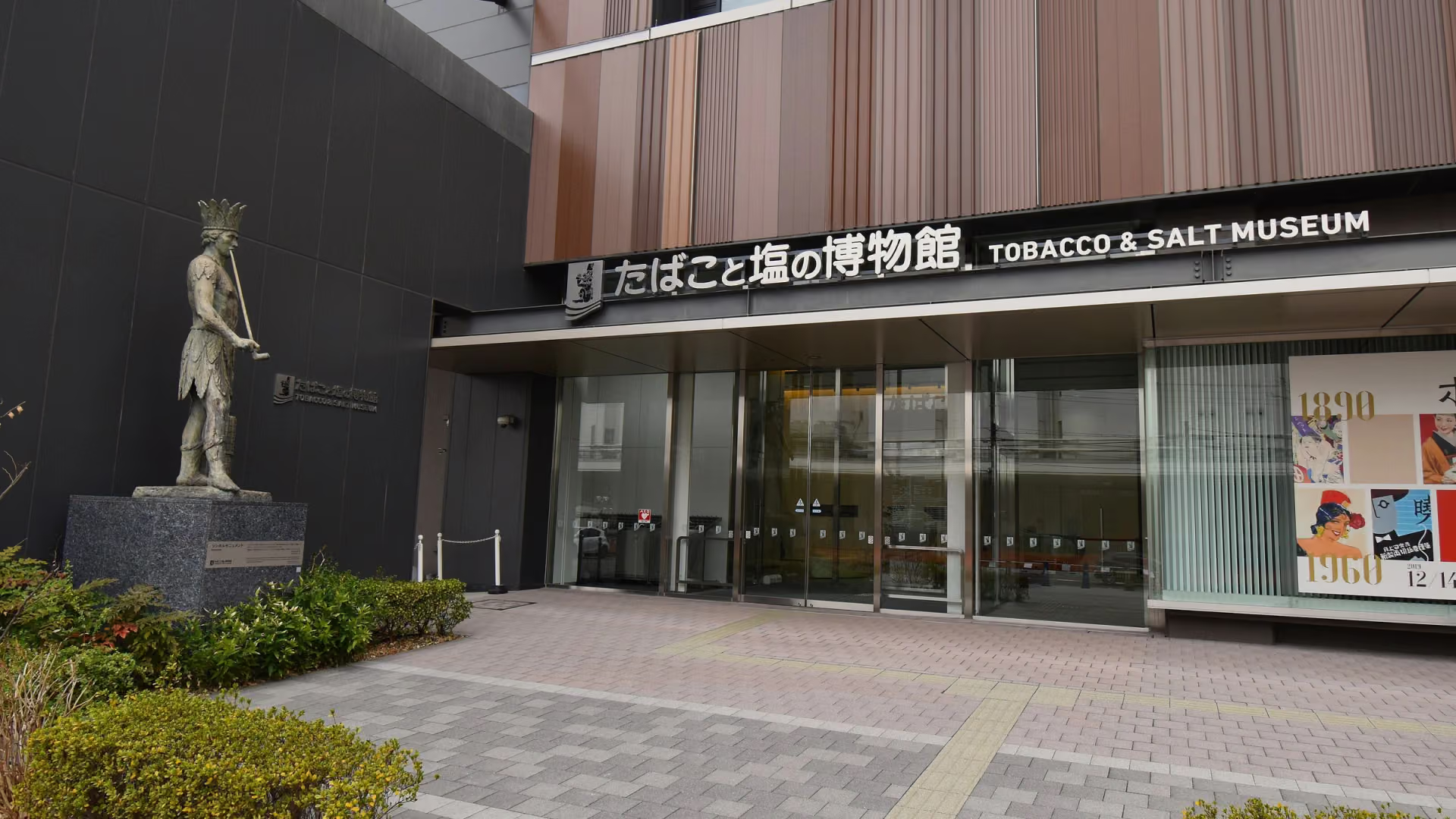
Tobacco and Salt Museum
A museum near Tokyo Skytree on the heritage of Japan's tobacco and salt monopolies, from the Meiji era to their privatization, with interactive exhibits.
Tokyo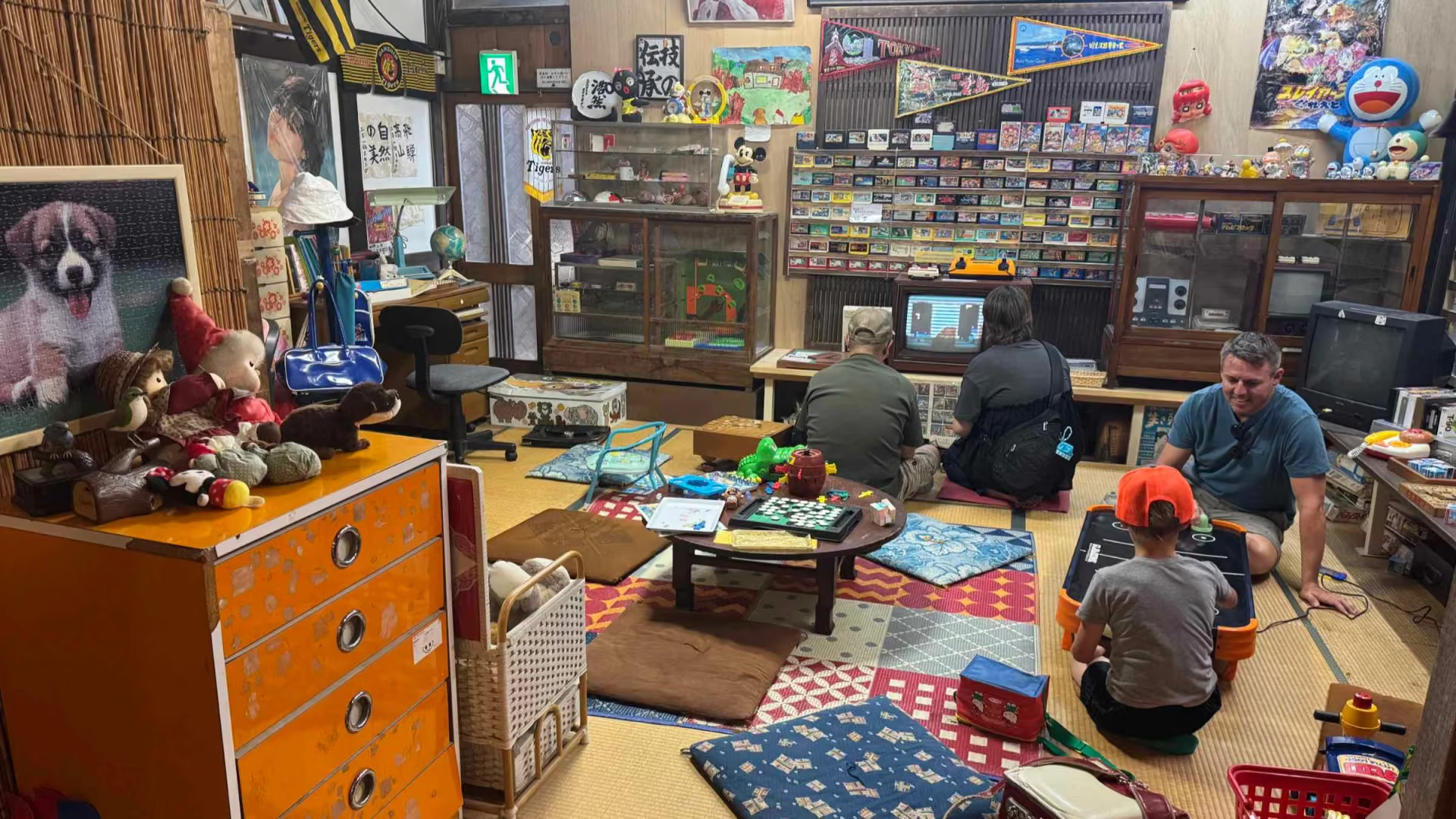
Odaiba Retro Museum
Museum in Odaiba, Tokyo, recreating everyday Japan in the Showa period from the 1950s to the 1980s, with reconstructed townscapes, storefronts and artifacts.
Tokyo