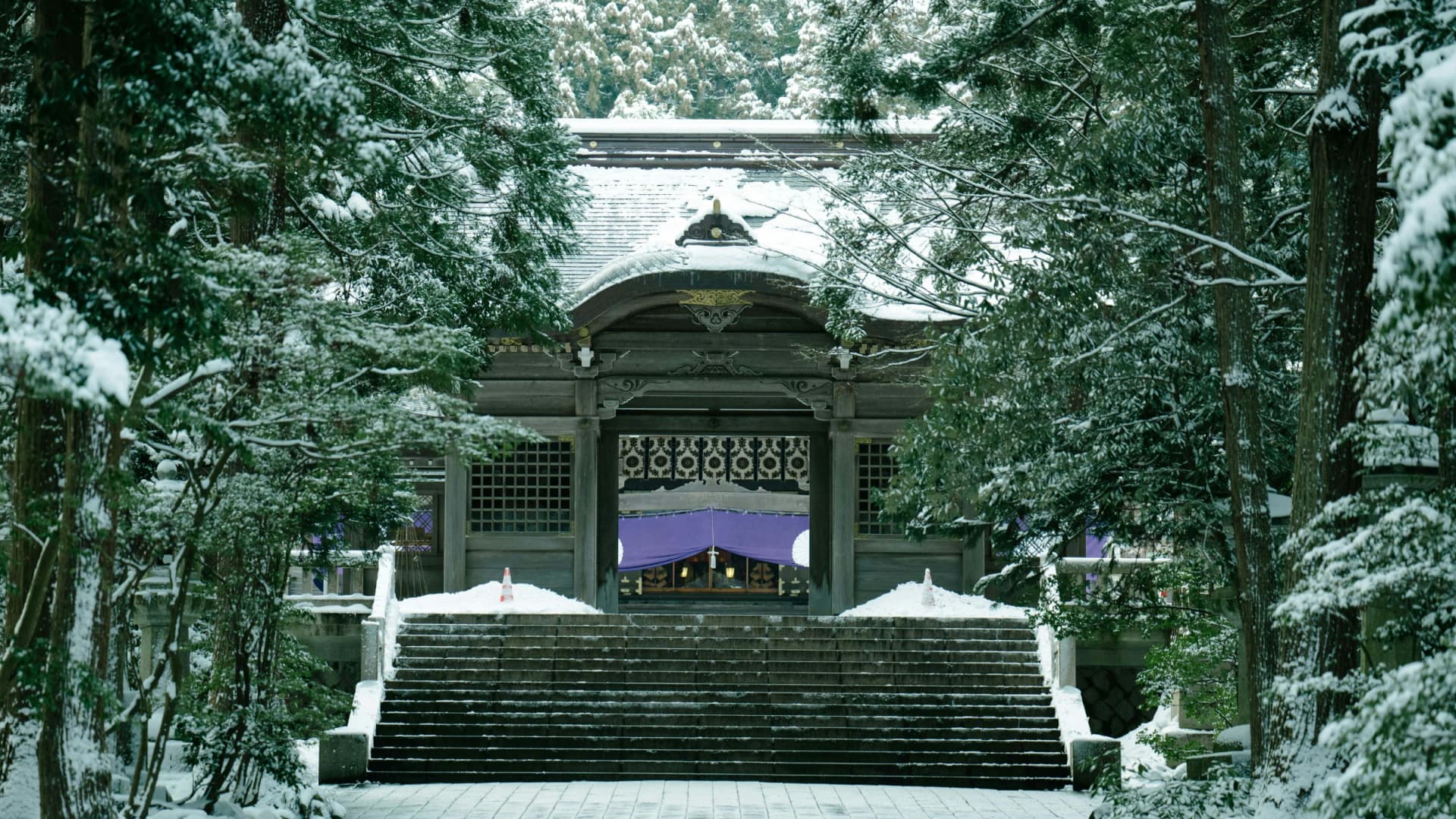
Uesugi Kenshin and the Battle of Kawanakajima
上杉本 洛中洛外図屏風
This anniversary exhibition displays a restored national treasure folding screen traditionally believed presented by Oda Nobunaga to Uesugi Kenshin in 1574.

〒 992-0052How to get there
南米沢Yonesaka Line25 min walk from the station
The Yonezawa City Uesugi Museum will hold a special exhibition titled "Uesugi Kenshin and the Battle of Kawanakajima" in commemoration of the museum's 25th anniversary. The exhibition will be held in the museum's special exhibition gallery. A key feature of the exhibition is the display of the national treasure Uesugi-bon Rakuchu Rakugai-zu Byobu (Scenes In and Around the Capital — Uesugi Version), on view from April 18 to May 17. This marks the first time the folding screen has been displayed since undergoing restoration.
About the Folding Screen
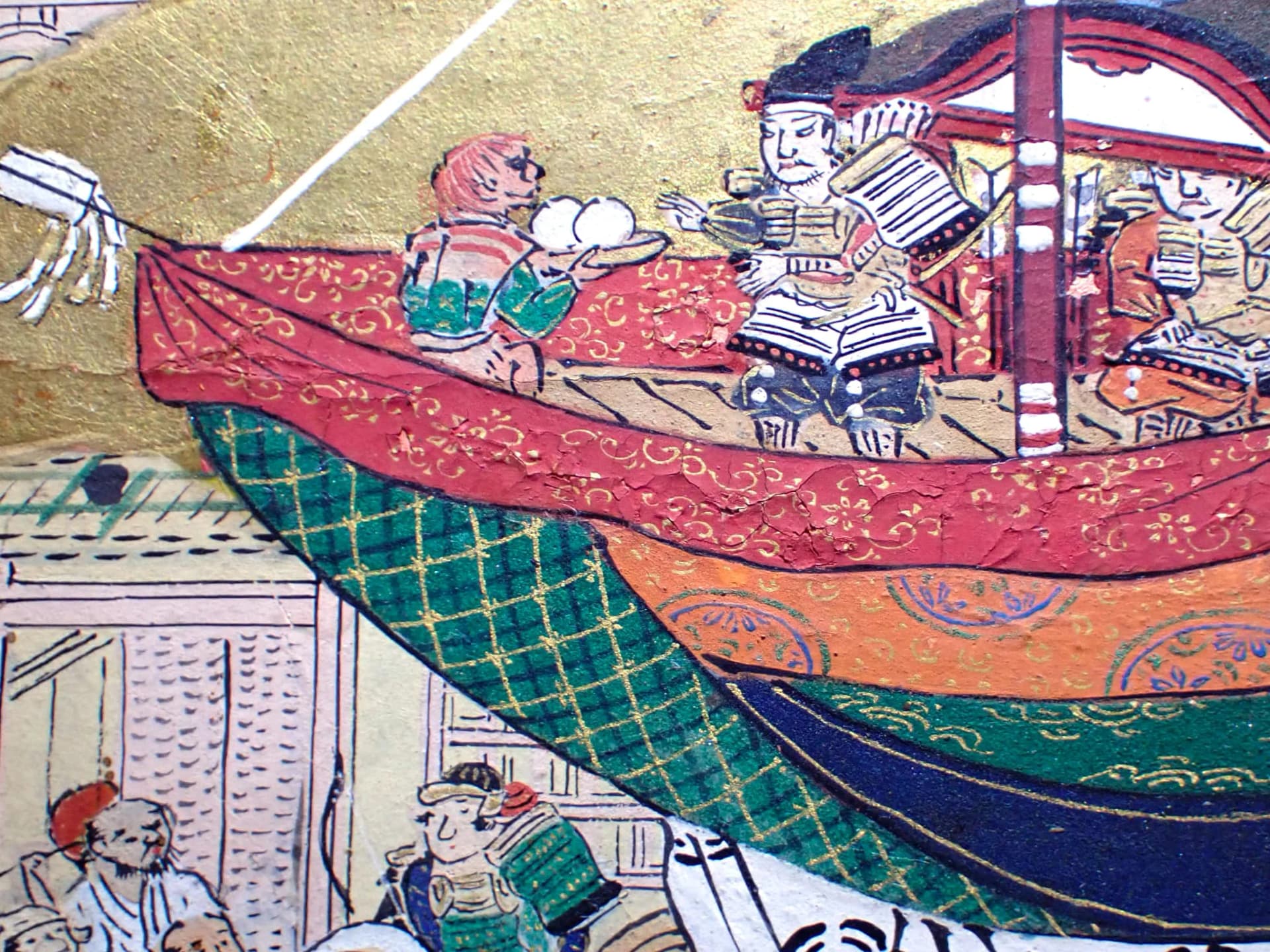
The Uesugi-bon Rakuchu Rakugai-zu Byobu was painted by Kano Eitoku, a leading painter of the Momoyama period. It is traditionally held to have been presented by Oda Nobunaga to Uesugi Kenshin in 1574 as a gesture of goodwill. The screen measures approximately 1.6 metres in height and 3.7 metres in width on each of its two panels. The right panel depicts the eastern districts of Kyoto, while the left panel depicts the western districts, together rendering the streets of the capital across the four seasons and the daily lives of some 2,500 figures in meticulous detail. While over 100 examples of the Rakuchu Rakugai-zu genre survive from the Edo period, the Uesugi version is among the earliest and is noted for its excellent state of preservation. It was designated a National Treasure in 1995.
Restoration
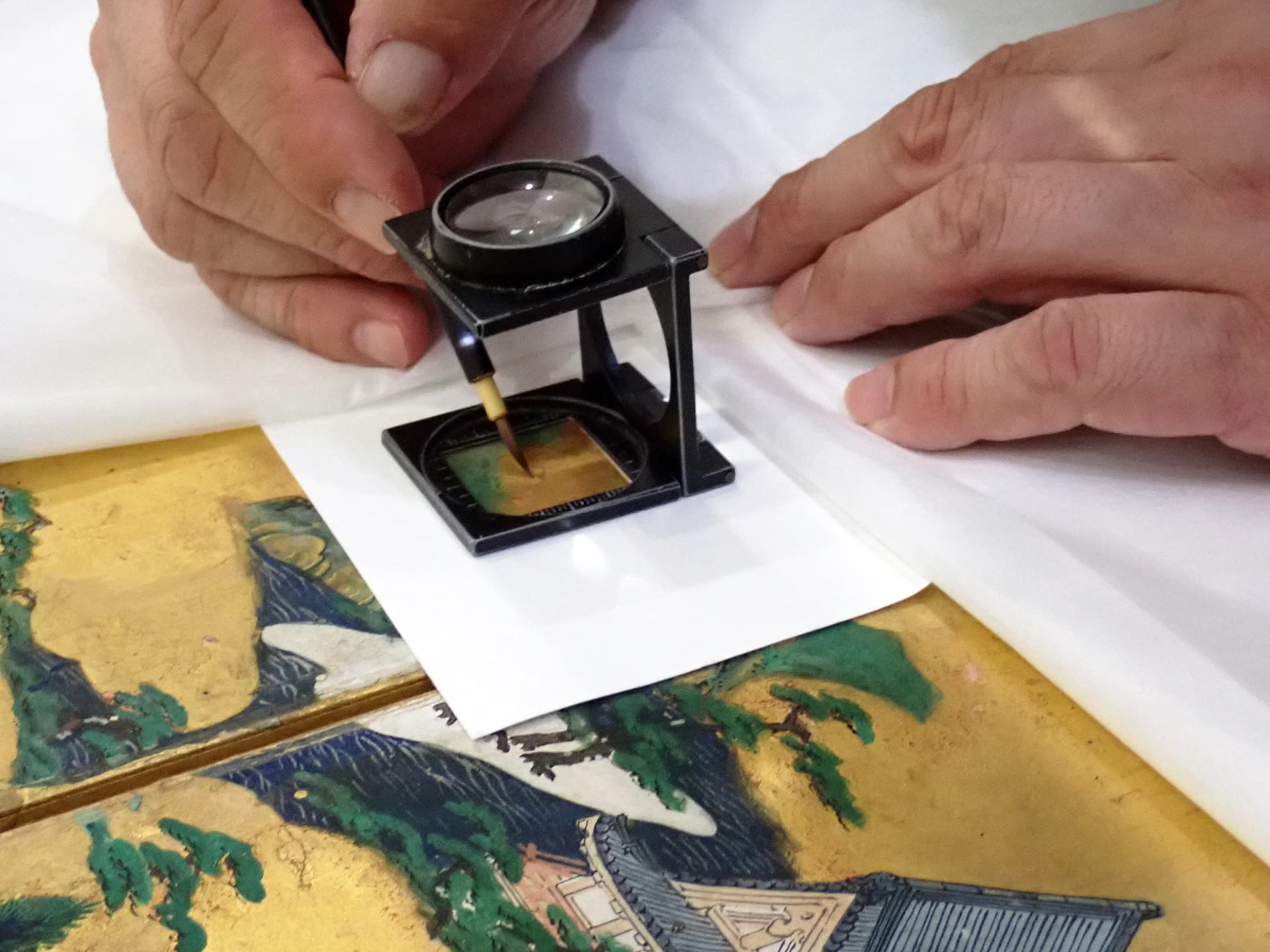
The screen underwent major restoration work in 1999 and 2000. Following more than 25 years of further ageing, signs of paint layer detachment and cracking became apparent, and a new restoration was carried out in fiscal year 2025 through the Government Crowdfunding scheme. Work was conducted by specialist cultural property conservators and involved repeated application of animal glue (nikawa) by brush to areas of paint loss, and injection of fresh wheat starch paste to areas where the base material had lifted. The restoration took approximately six months to complete.
Getting There

You might also like

Uesugi Snow Lantern Festival
A two-day winter festival in snowy Yonezawa transforming Matsugasaki Park into a landscape of 300 snow lanterns and 3,000 snow lamps lit by candlelight.
14–15 Feb 2027 · Dates not yet confirmedYonezawa · Yamagata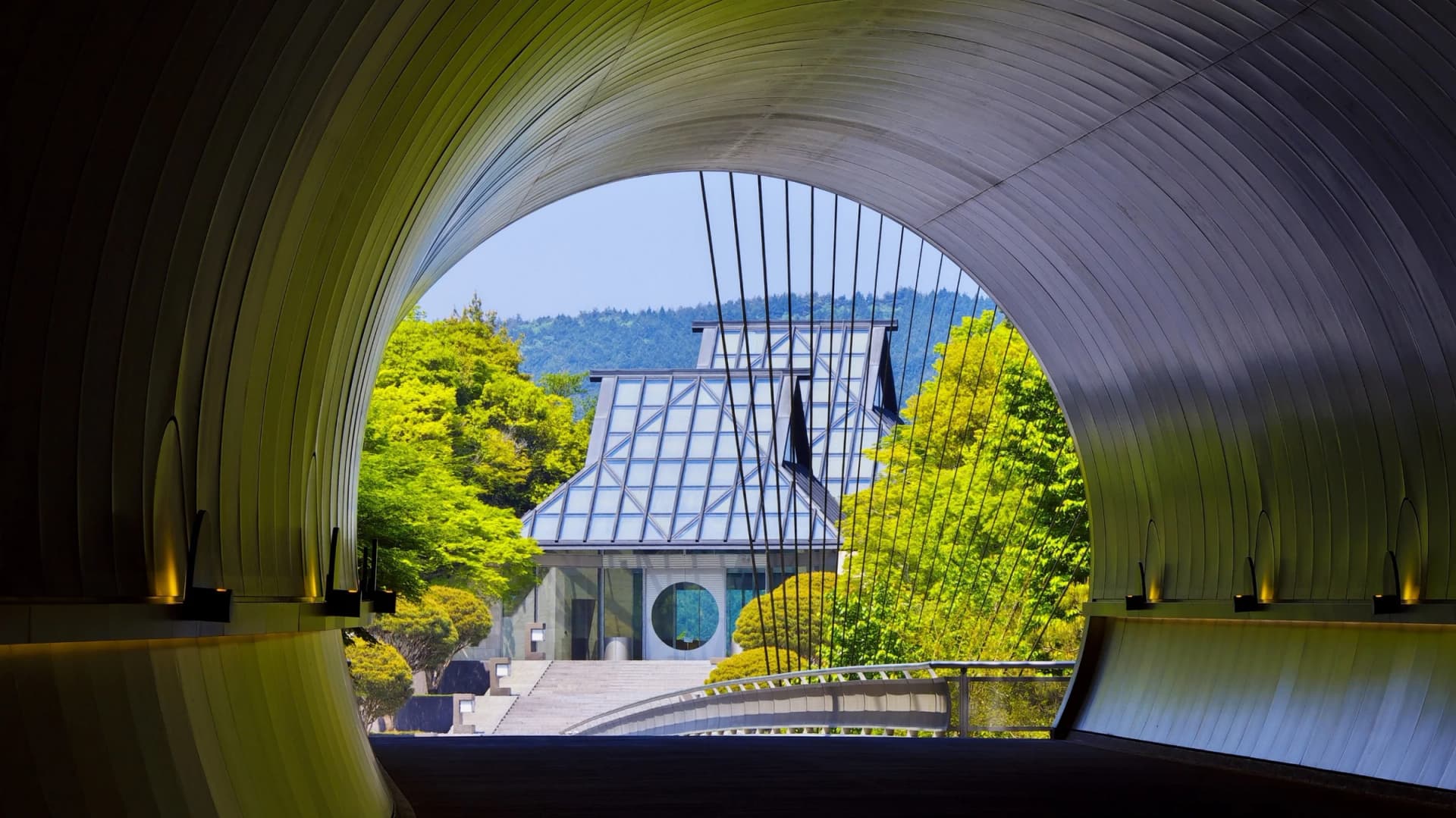
Miho Museum
A museum of 1997 in the mountains of Shiga, designed by I. M. Pei and mostly buried in the hillside, holding ancient art of the world alongside Japanese art.
Koka · Shiga
Nara Prison Museum
A Meiji-era red-brick prison (1908) and one of the Five Great Prisons with its original layout intact, now a museum operated by Hoshino Resorts.
Nara
The Yonezawa Uesugi Matsuri
The Yonezawa Uesugi Matsuri features a multi-day celebration culminating in a reenactment of the 1561 Battle of Kawanakajima between Uesugi Kenshin and Takeda Shingen.
29 Apr – 3 May 2027Yonezawa · Yamagata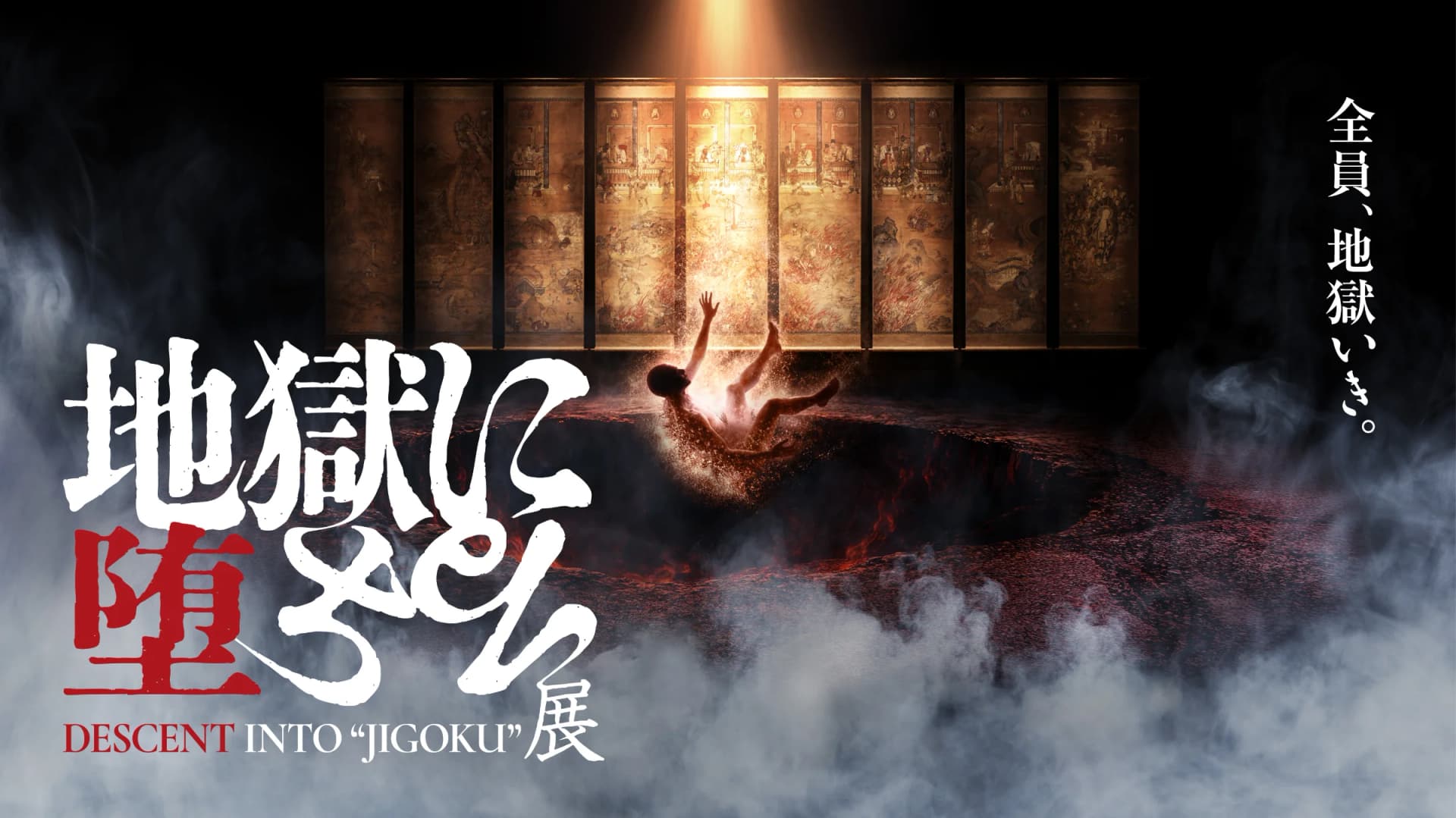
Descent into "Jigoku"
An exhibition in Osaka on the Japanese hell, following the path of the dead through full-size reproductions of painted scrolls and moving projections.
28 Nov – 27 Dec 2026Osaka
Tokushima Castle Museum
The city museum on the site of Tokushima Castle's palace, telling the story of the Tokushima Domain and the Hachisuka family who ruled it.
Tokushima