Morioka History and Culture Museum
もりおか歴史文化館
Museum opened 2011 within Morioka Castle Ruins Park, treating the historic fort grounds as its primary exhibit while promoting the surrounding castle-town area.
Last entry to the second-floor exhibition rooms 30 minutes before closing. Closed on the third Tuesday of each month (the next day when that is a holiday) and from 31 December to 1 January.
〒 020-0023How to get there
盛岡Iwate Galaxy Railway Line · Tazawako Line · Tohoku Main Line · Tohoku Shinkansen · Yamada Line20 min walk from the station
The Morioka History and Culture Museum opened in July 2011 in the former Iwate Prefectural Library building, enlarged and refitted for the purpose. It stands within the grounds of Morioka Castle Ruins Park (Iwate Park). The original building, completed in 1967, was designed by Kikutake Kiyonori, with roof ornaments by the sculptor Funakoshi Yasutake; a new wing was added in 2010.
The museum treats the castle ruins and the old castle town around them (today's city centre) as one large field museum and aims to help bring the area back to life. It collects, keeps and shows material on local history and culture, and also serves as a base for visitors exploring the city on foot.
The castle ruins, once the political centre of the Morioka Domain and the place where the city began, are counted as the museum's largest exhibit and are worked into its exhibitions and programmes.
Its activities reach out from the building to the castle ruins and on into the castle town. The streets and corners laid out in the castle-town plan, the historic townscape, the Nakatsu River area and the houses along the old Oshu Kaido road are all treated as outdoor exhibits of the field museum.
Museum Floors and Exhibition Areas
1F - Tourism & Exchange Zone
The Town Information Centre introduces products certified under the Morioka brand, gives current sightseeing information and suggests walking routes around the city. A museum shop beside it sells souvenirs.
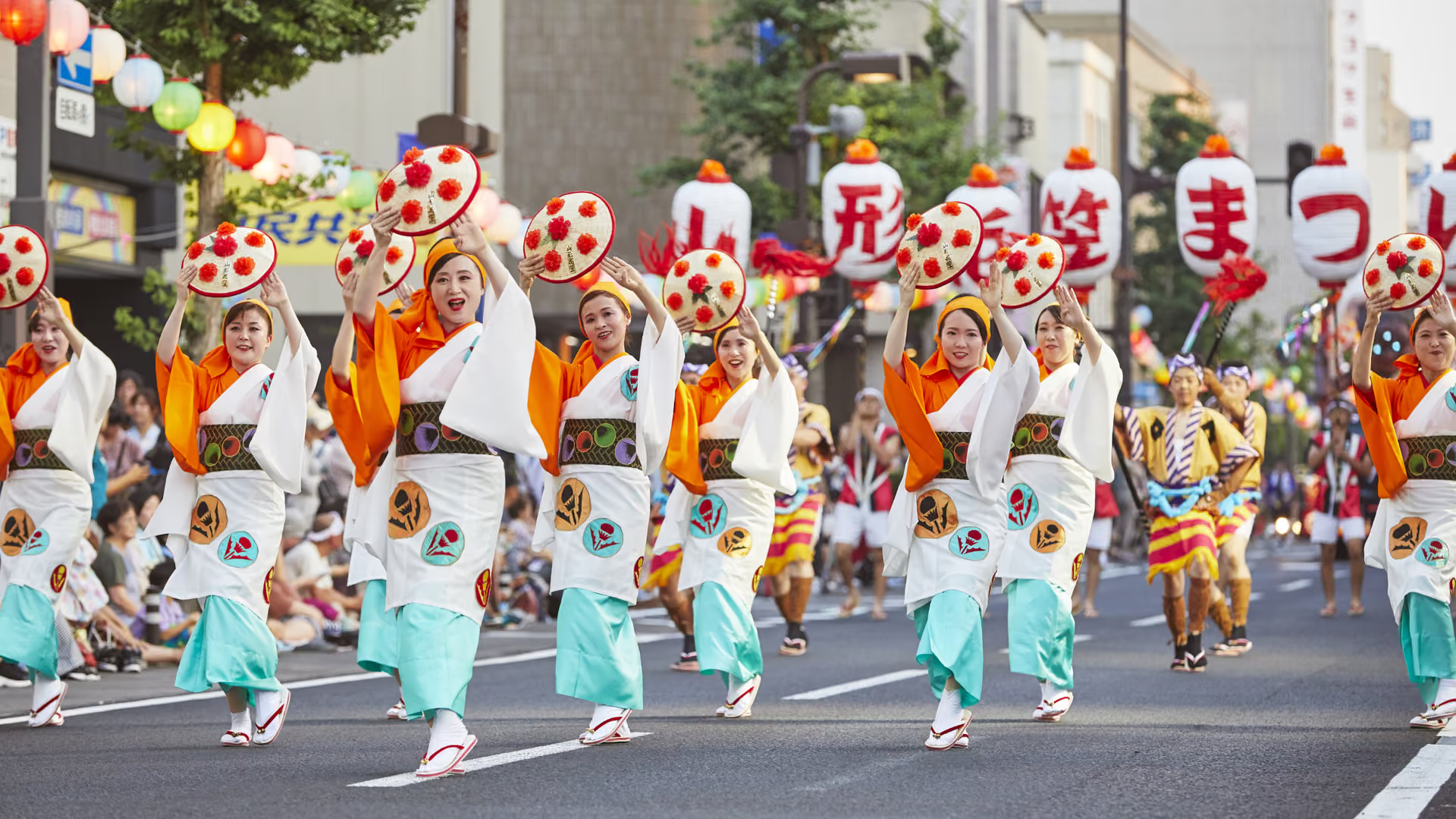
A festival exhibition room holds seasonal festival displays, events and sales. A second, permanent festival room shows the Chagu-Chagu Umakko horse procession and the Morioka Sansa Odori dance on film, beside a model horse in the procession's ornate costume.
The Float Exhibition Hall holds two floats of the Morioka Autumn Festival: a reconstruction of the 9-metre Meiji-period float Watonai and the modern float Renjishi.
2F - History & Culture Zone
The Permanent History Exhibition is made up of these displays:
Morioka before the construction of Morioka Castle
The castle town period
Morioka Castle and the Nanbu clan
Artifacts connected to the Nanbu family
Thematic displays
Transition into modern Morioka
The Special Exhibition Gallery holds special and thematic exhibitions on local history and culture about four times a year.
Slopes inside and outside and an elevator reach both floors. Wheelchairs can be borrowed, and there are multipurpose toilets with baby beds on both floors and a nursing room on the first floor.
Getting There

Planning a trip? Fit this into a trip and Oni plans the rest around it.
Places nearby
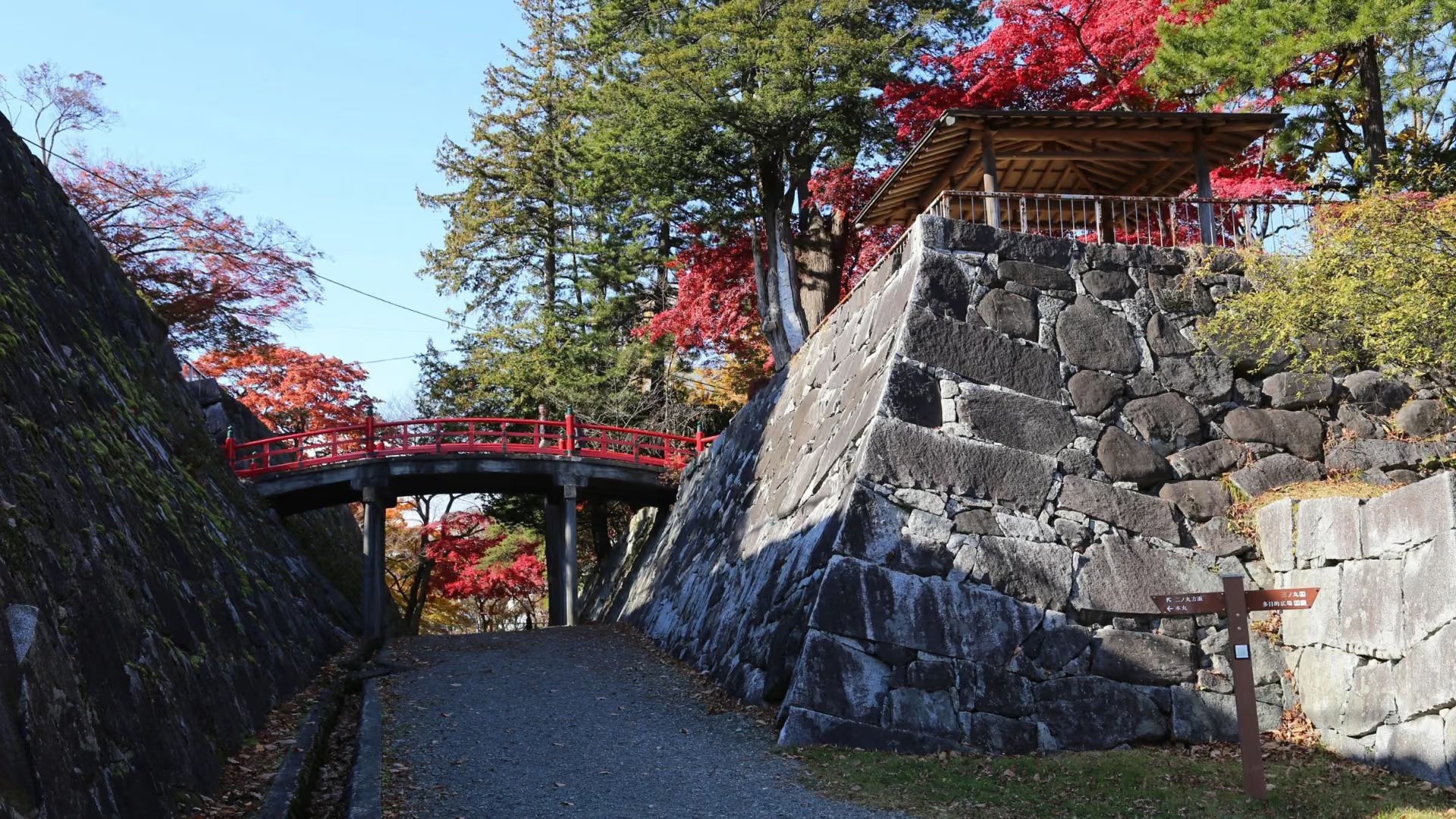
Morioka Castle Ruins
Ruins of the Nanbu clan's castle, begun in 1597 where two rivers meet in Morioka. Its granite stone walls remain, and the site is now a public park.
Morioka · Iwate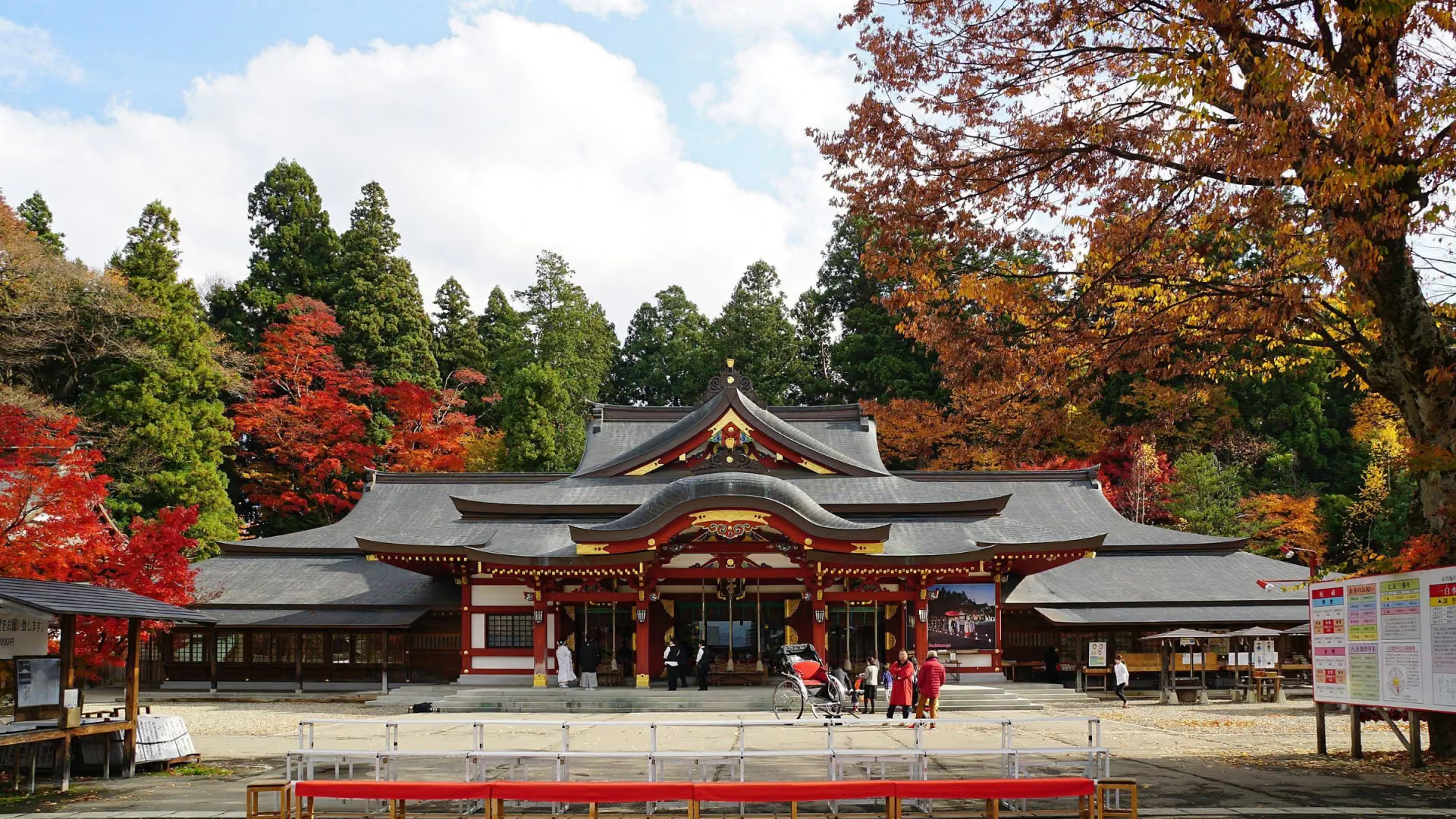
Morioka Hachimangu Shrine
Shinto shrine founded in 1680 by the Nanbu lords of Morioka, enshrining Hachiman, with a vermilion hall rebuilt in 1997 and many smaller shrines.
Morioka · Iwate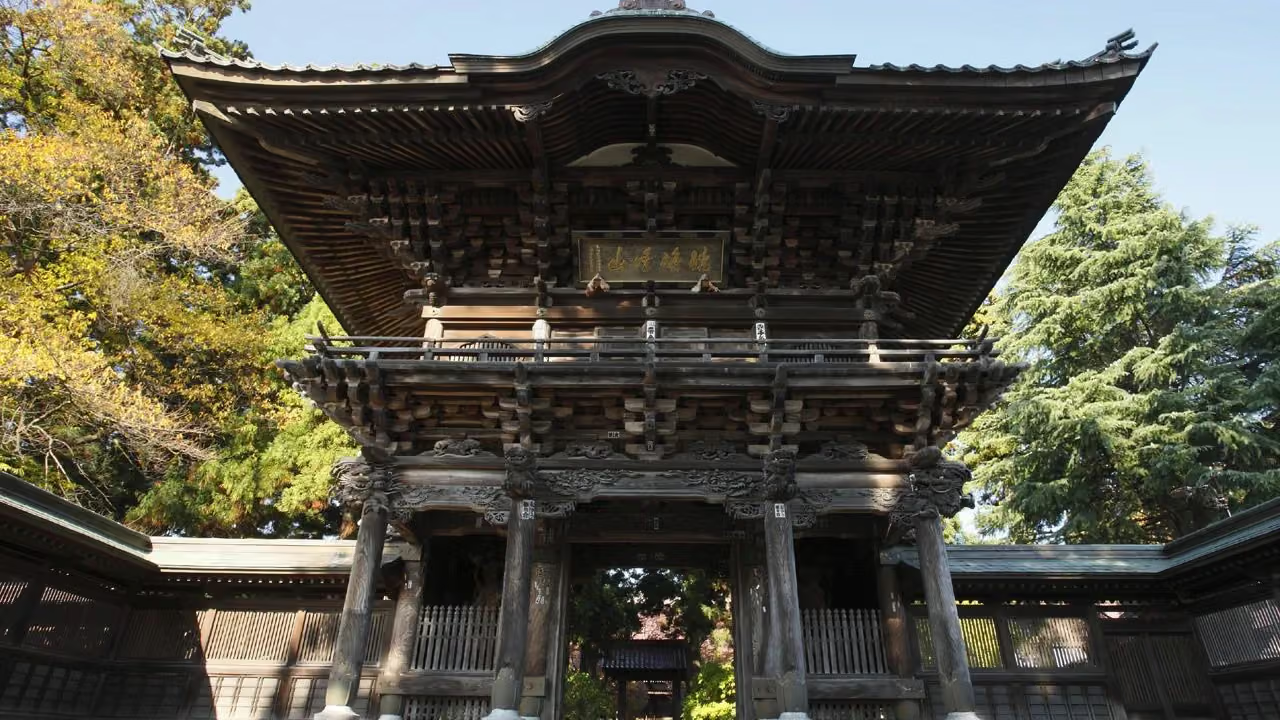
Hoon-ji
A Soto Zen temple in Morioka, founded in 1394 and moved here in 1601, whose Rakan Hall holds 499 lacquered wooden statues of Buddhist saints.
Morioka · IwateYou might also like
Nasu Teddy Bear Museum
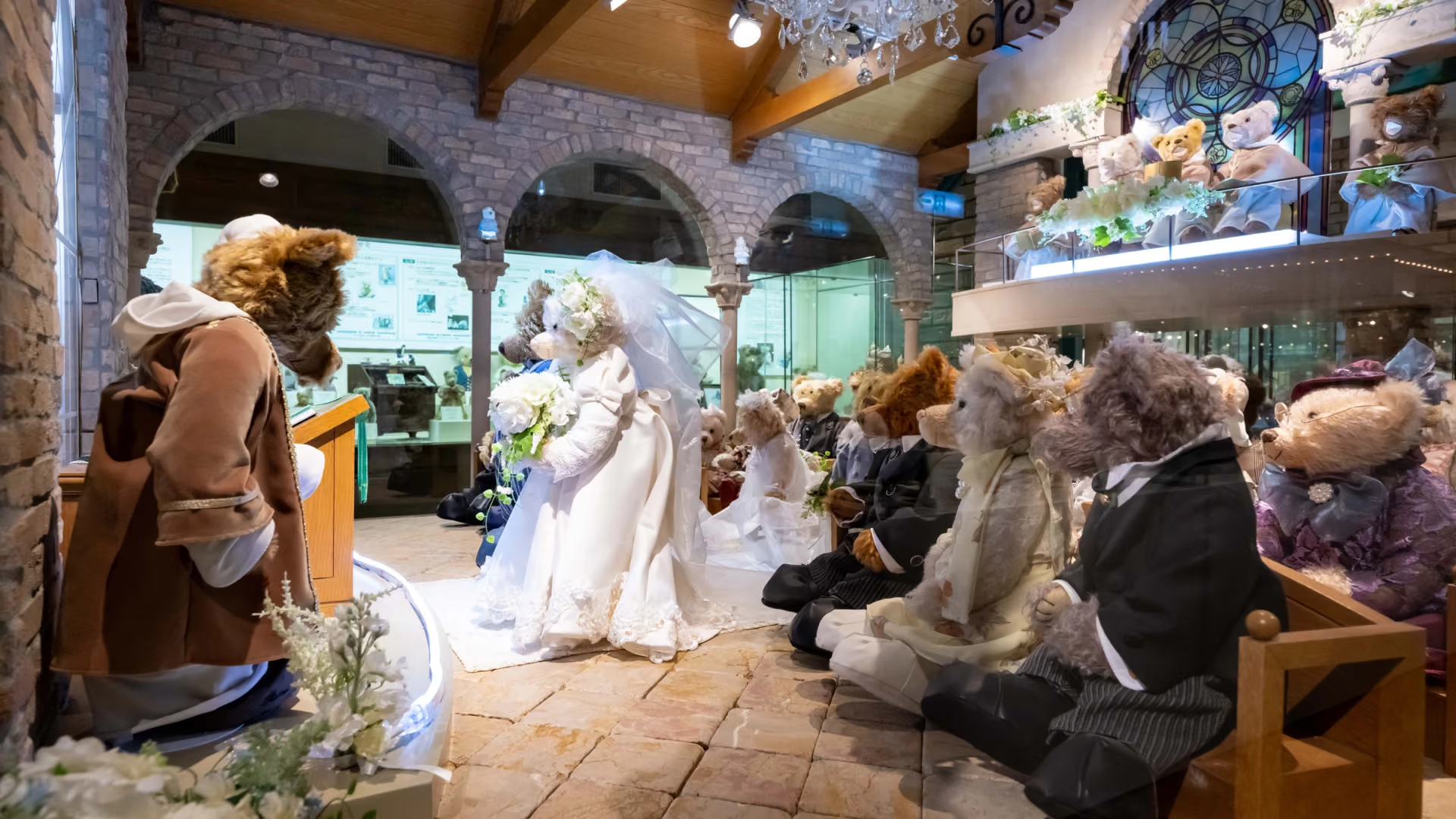
A museum of teddy bears and stuffed toys in Nasu, with the much-travelled Teddy Edward, antique Steiff bears, artist bears and a stuffed toy workshop.
Nasu · Tochigi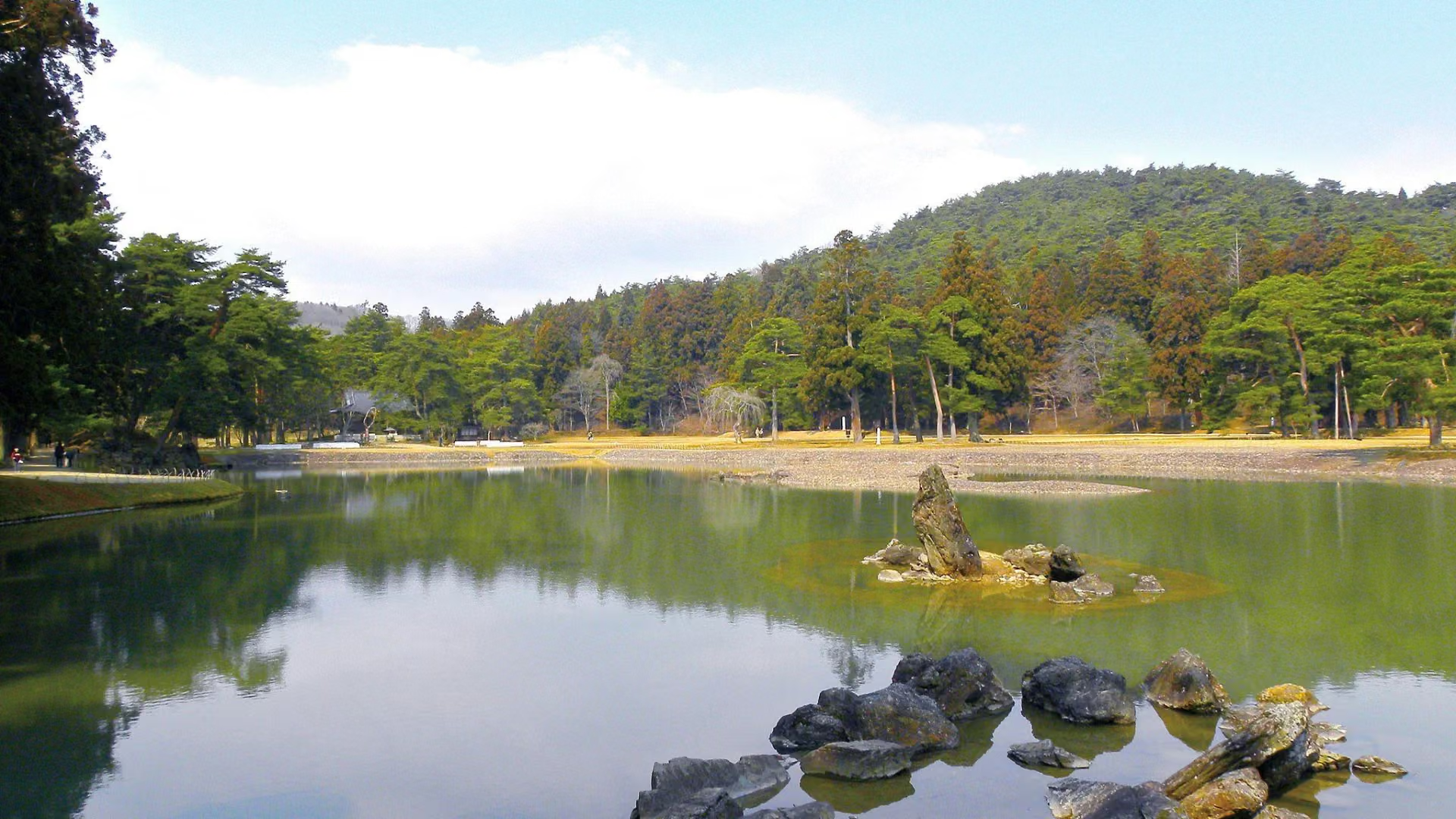
Motsu-ji
Tendai temple in Hiraizumi with a Heian-period Pure Land garden and hall foundations, a Special Historic Site and Special Place of Scenic Beauty.
Hiraizumi · Iwate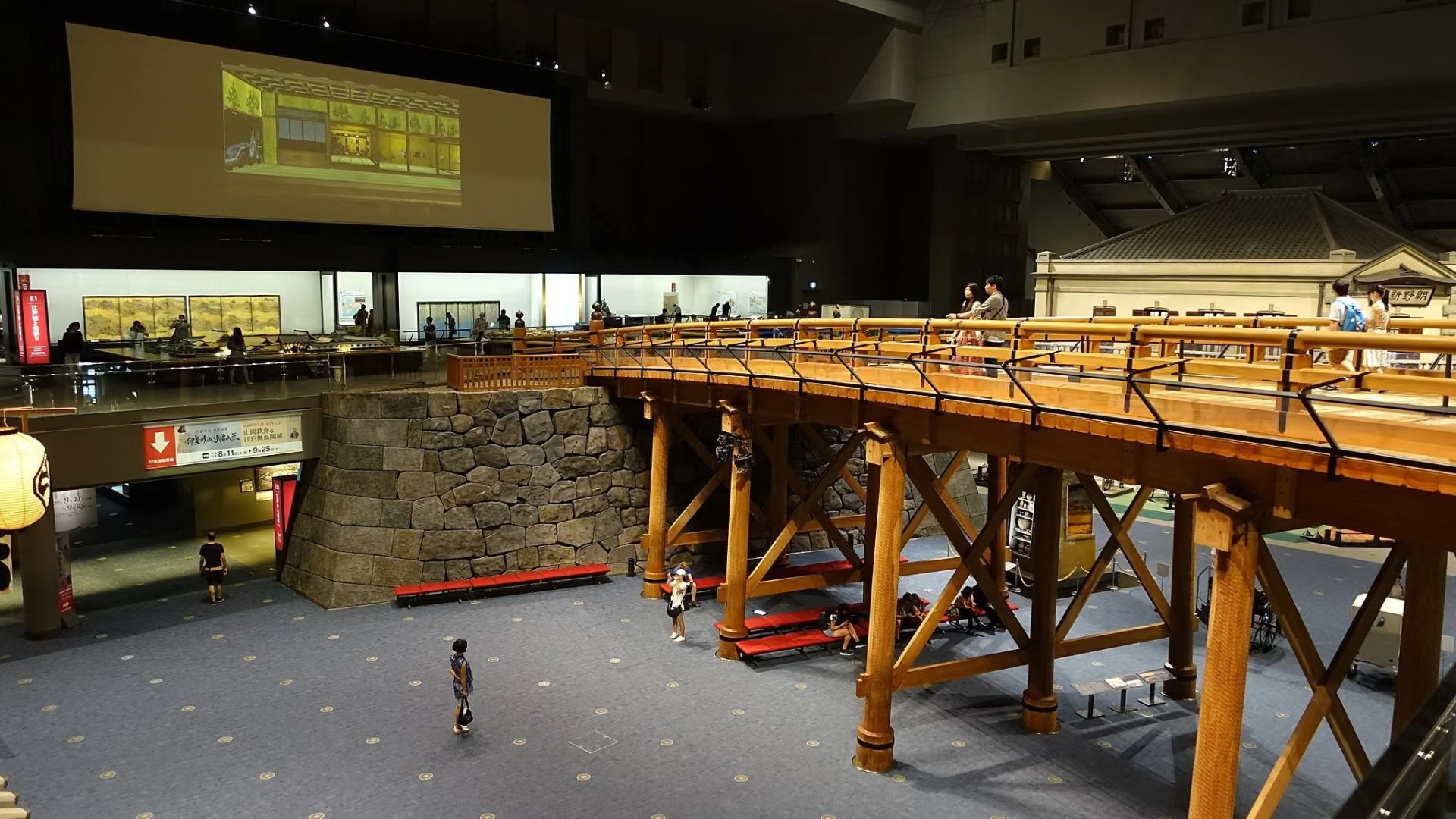
Edo-Tokyo Museum
Tokyo's museum of the history of Edo and Tokyo, reopened in 2026 after renovation, with full-size reconstructions and scale models from Edo to today.
Tokyo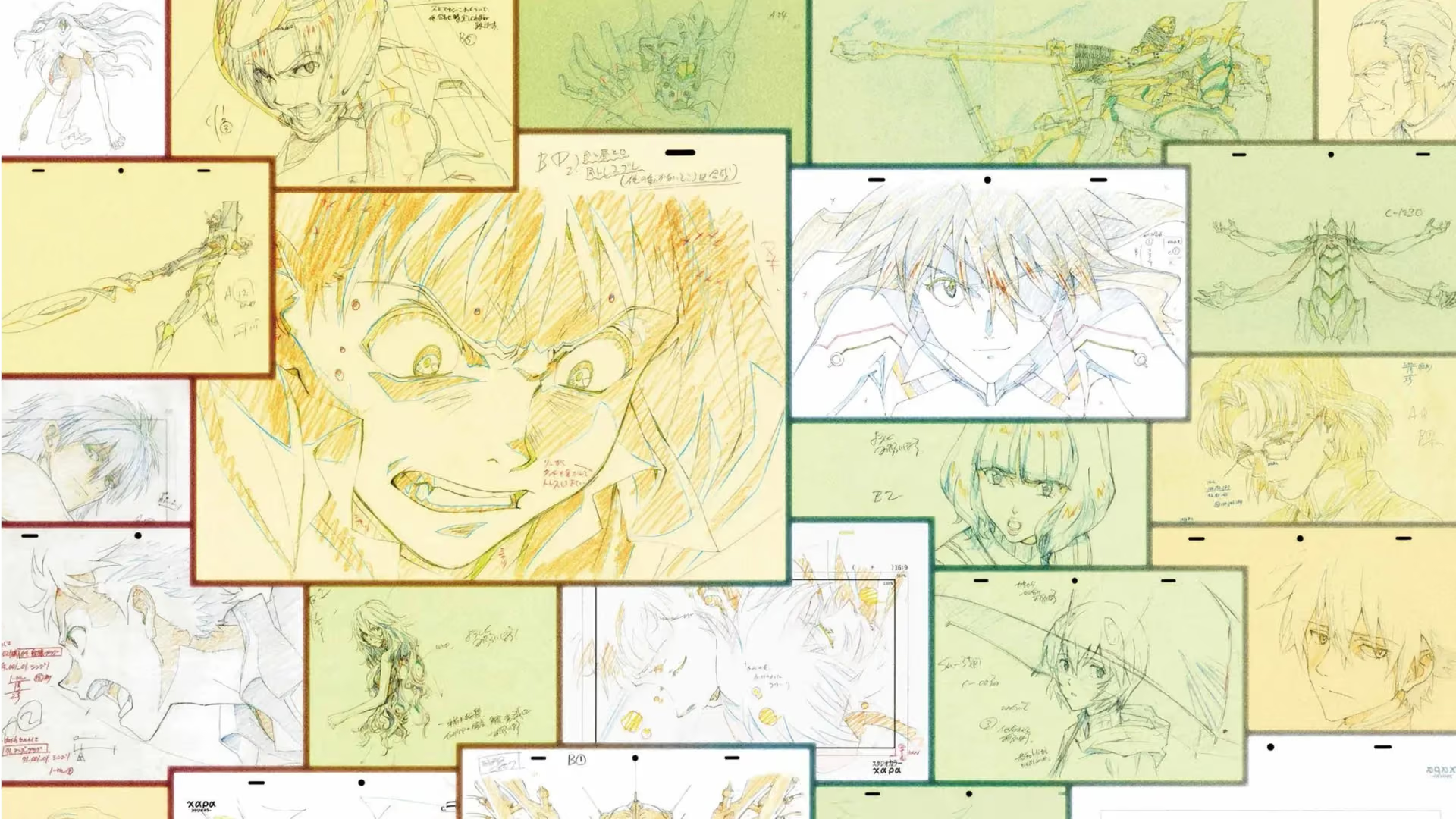
"ALL OF EVANGELION" 30th Anniversary Exhibition - Osaka
The Evangelion 30th anniversary exhibition comes to Hirakata Park in Osaka, with about 270 hand-painted cels, design material and film artwork.
18 Oct 2026 – 11 Jan 2027Hirakata · Osaka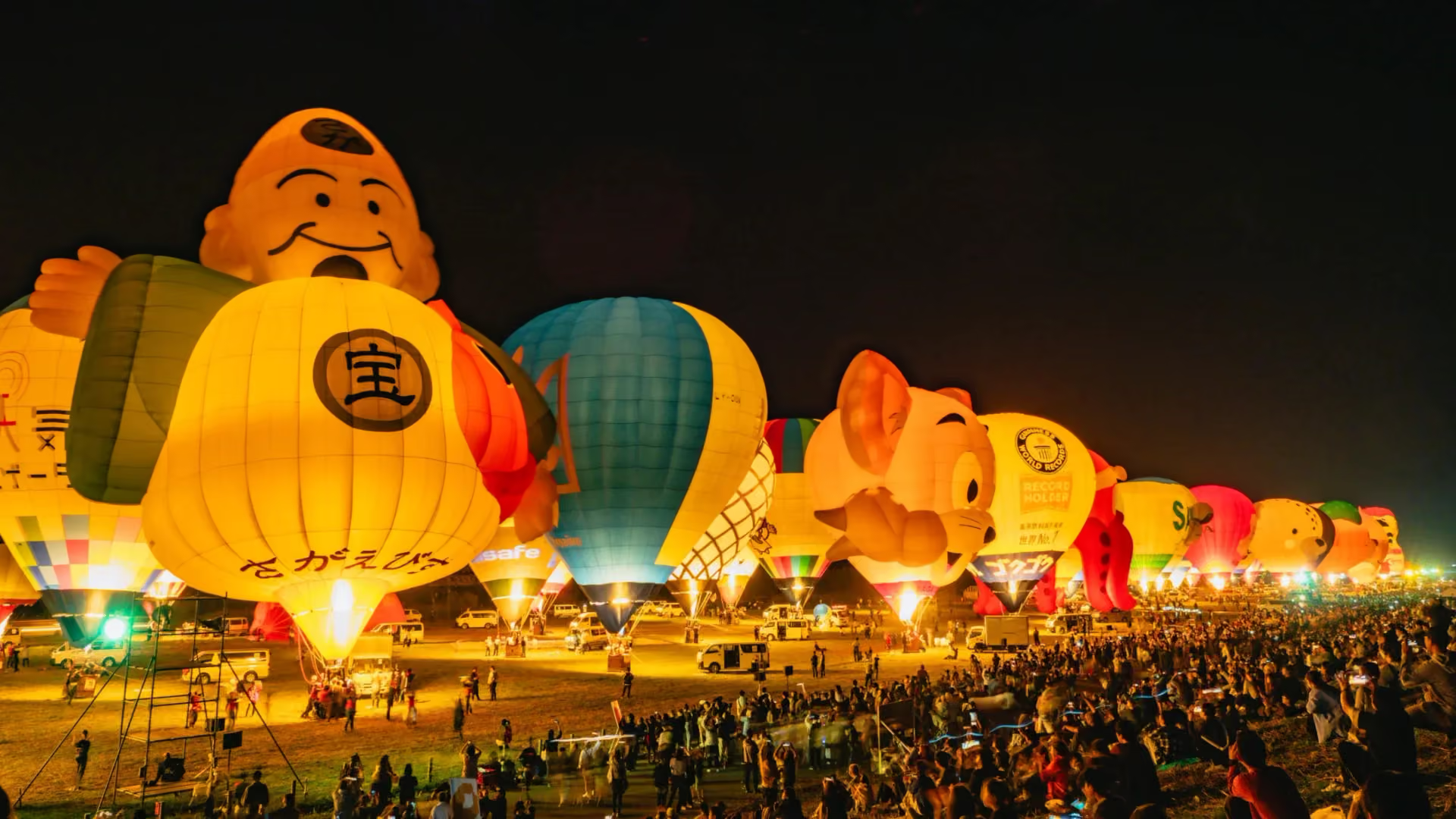
Saga International Balloon Fiesta
One of Asia's largest hot-air balloon events, where around 100 balloons rise over the Kase River in Saga each autumn in a five-day competition and festival.
30 Oct – 3 Nov 2027Exact date not confirmed yetSaga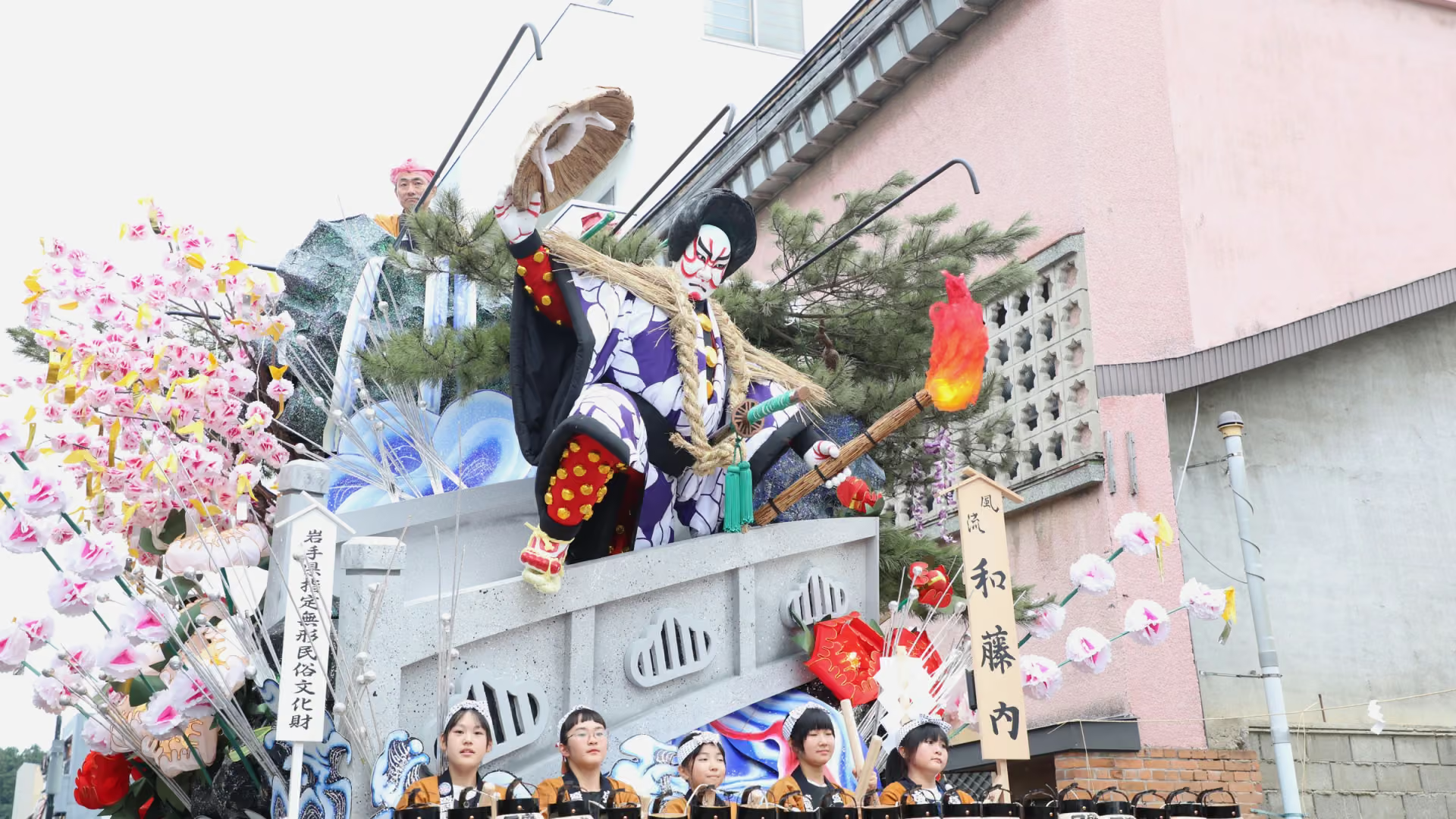
Morioka Fall Festival
Neighbourhood floats with kabuki scenes parade through Morioka by day and lit at night, and Morioka Hachimangu Shrine ends its festival with horseback archery.
14–16 Sep 2027Morioka · Iwate