Maruoka Castle
丸岡城
Castle known as the Mist Castle, with one of the 12 original keeps in Japan and the only one in Hokuriku, set in a park known for its cherry blossoms.
Last entry 16:30. Open every day of the year.
〒 910-0231How to get there
丸岡Hapi-Line Fukui Line59 min walk from the station
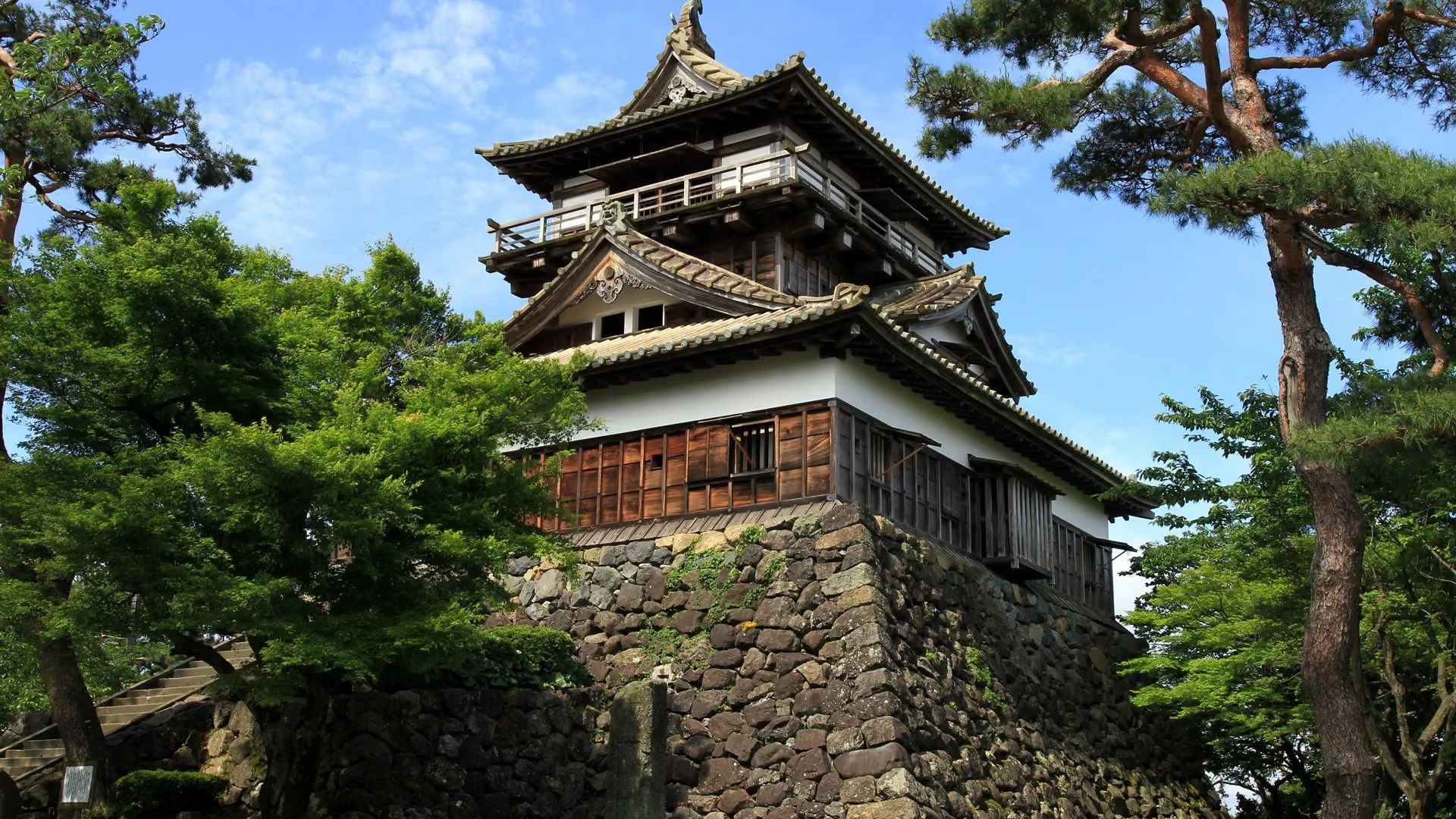
Maruoka Castle stands on a low hill in the Maruoka district of Sakai, in Fukui Prefecture. Its keep (tenshu) is one of the 12 in Japan that survive from the Edo period or earlier, and the only one in the Hokuriku region. The castle is also called Kasumi-ga-jo, the Mist Castle, and the grounds around it are Kasumigajo Park.
History
Shibata Katsutoyo, a nephew of Shibata Katsuie, is said to have built the castle in 1576 on the orders of Oda Nobunaga, as a base against the Ikko-ikki uprisings. It changed hands several times before Honda Narishige became its lord in 1613. When the Maruoka Domain was created in 1624 he became its first lord, and the Honda family ruled it for four generations, laying out the castle town and its irrigation channels. The Arima family followed for eight generations. Arima Shigezumi, lord for about 50 years, reformed the taxes and in 1804 founded Heishokan, the first domain school in Echizen Province.
After the domain was abolished in 1871, the castle's gates, palace, turrets and land were sold off, and only the keep was left on the hill. Local people pooled their own money to buy it back. It served as a temple for more than 20 years and was given to the town in 1901 as a public hall. The keep was designated a National Treasure in 1934 and taken apart and repaired from 1940 to 1942; under the 1950 law it became an Important Cultural Property.
In June 1948 the Fukui earthquake, of magnitude 7.1 and centred on Maruoka, brought the keep down together with its stone base. Donations from across Japan paid for its restoration from 1951 to 1955, which followed the records of the prewar repair and reused more than 70 percent of the main timbers, such as the pillars and beams. It is the only one of the 12 surviving keeps rebuilt after a complete collapse.
The keep
From outside the keep looks two storeys high, but inside it has three floors. No pillar runs through from the first floor to the two above, so the first floor carries the upper floors. The stairs are among the steepest in Japan, at 65 degrees to the second floor and 67 degrees to the third. The third floor has large windows on all four sides over the Sakai Plain, about 18 metres above the main enclosure and 35 metres above the foot of the hill.
Its roof is the only one of the 12 surviving keeps covered with stone tiles: about a fifth of its roughly 6,000 tiles are Shakudani stone from the foot of Mount Asuwa, each weighing 20 to 60 kilograms, about 120 tonnes in all. The stone base, about 6.2 metres high, is built in the nozura-zumi style of rough natural stones, and on its south side some of the stones appear to come from memorial towers. The first floor has ishi-otoshi, openings for dropping stones on attackers climbing the walls, and the walls have sama, small loopholes for arrows and guns. The shachi, roof ornaments shaped like mythical fish, are copper over a wooden core; during the Second World War they were replaced with stone ones, which are now on display at the Machiyori tourist information centre beside the castle.
Around the castle
A stone monument carries the letter that Honda Shigetsugu, a retainer of Tokugawa Ieyasu, sent his wife from the battlefield: Ippitsu keijo, hi no yojin, Osen nakasu na, uma koyase (一筆啓上 火の用心 お仙泣かすな 馬肥やせ), "A brief note: beware of fire, don't make Osen cry, keep the horses fed." Osen was his son Narishige, later the first lord of Maruoka. Since 1993 Sakai has held a contest for the shortest letter in Japan, the Ippitsu Keijo Prize, and some winning letters are posted beside the steps to the main enclosure.
During the Maruoka Castle Cherry Blossom Festival, from late March to mid-April, the cherry trees of the park are lit up at night. Every October the Maruoka Kojo Matsuri brings a warrior parade and dancing to the castle town.
What's on here
| Date | Event |
|---|---|
| 1–20 Apr 2027Date to be confirmed | Maruoka Castle Cherry Blossom Festival |
Getting There

Planning a trip? Fit this into a trip and Oni plans the rest around it.
You might also like
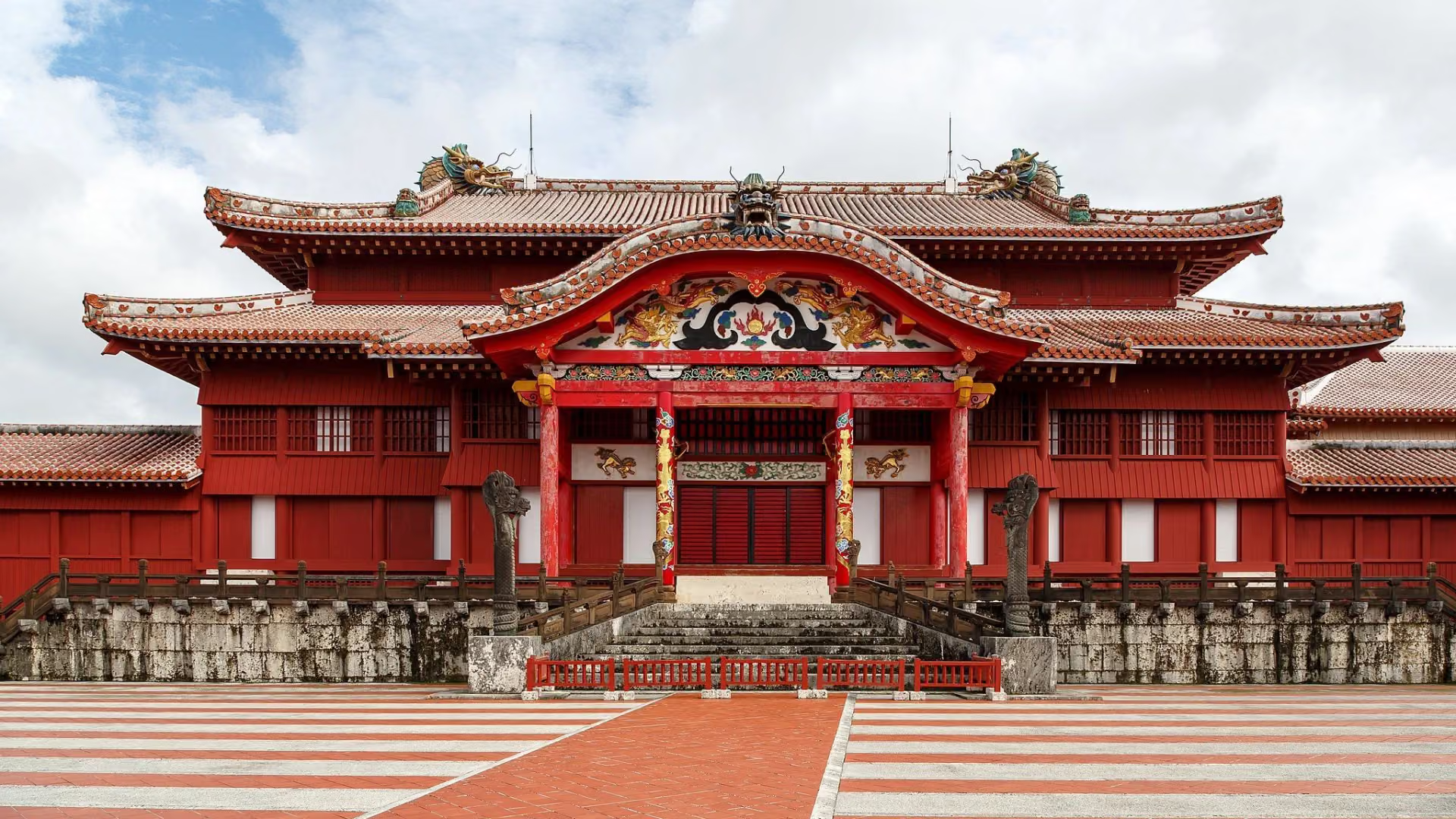
Shuri Castle
Royal palace of the Ryukyu Kingdom in Naha, part of a UNESCO World Heritage site. The Seiden main hall burned in 2019 and reopens rebuilt on 2026/11/23.
Naha · Okinawa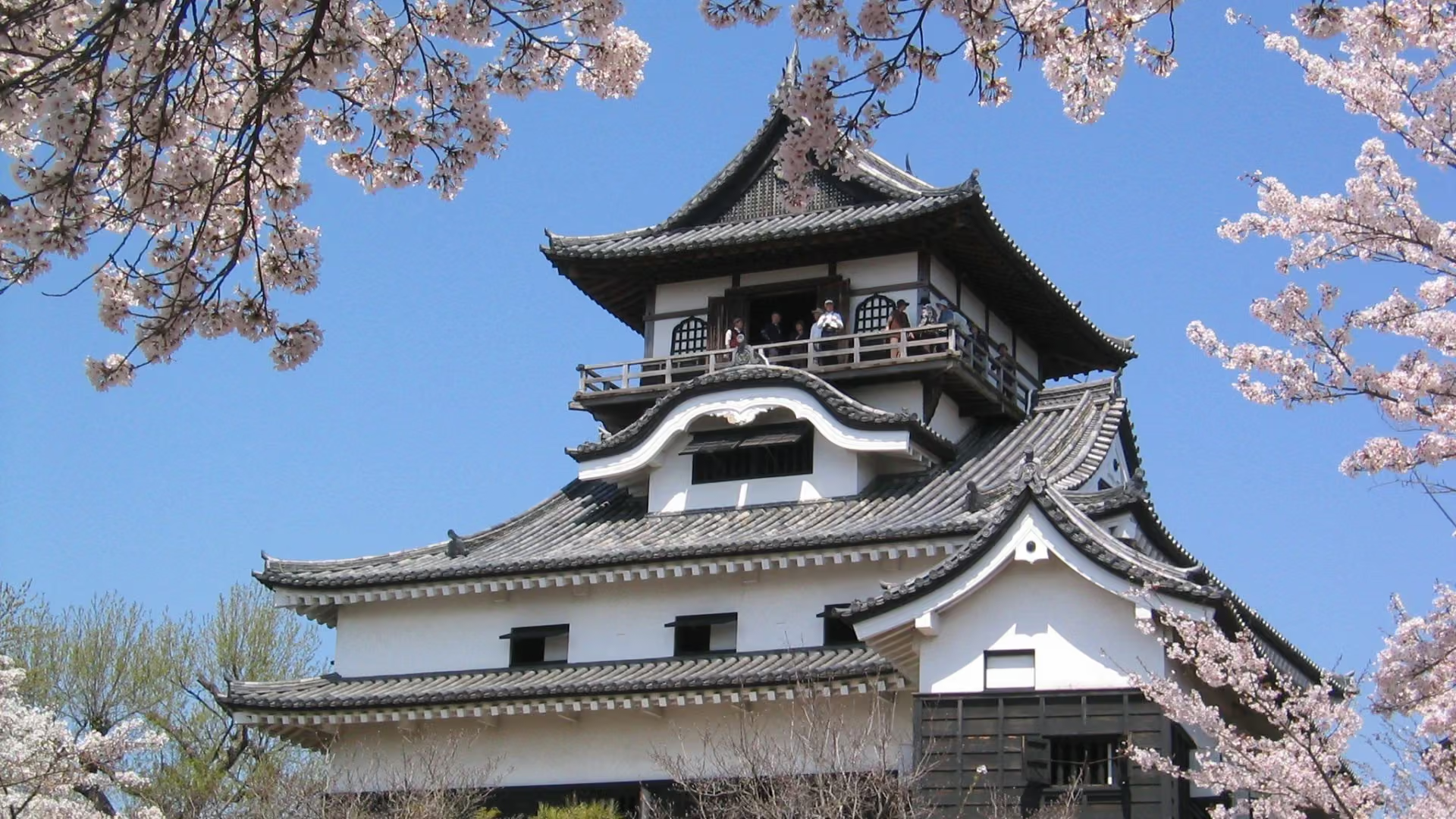
Inuyama Castle
A castle above the Kiso River whose keep, a National Treasure, is the only building left standing and was privately owned until 2004.
Inuyama · Aichi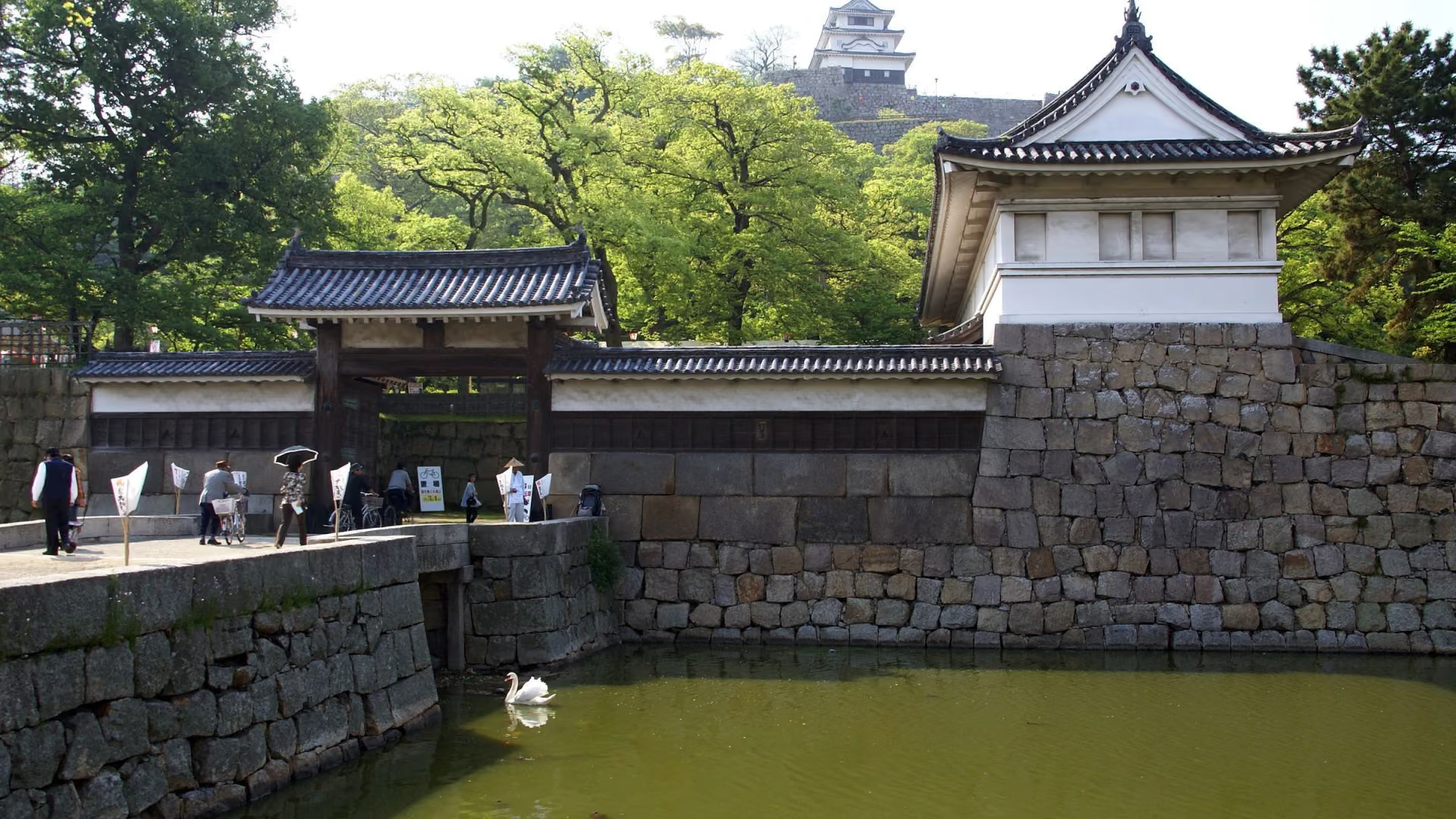
Marugame Castle
Hilltop castle on Kameyama, known for stone walls over 20 m high and a keep from 1660, one of the 12 original wooden castle keeps left in Japan.
Marugame · Kagawa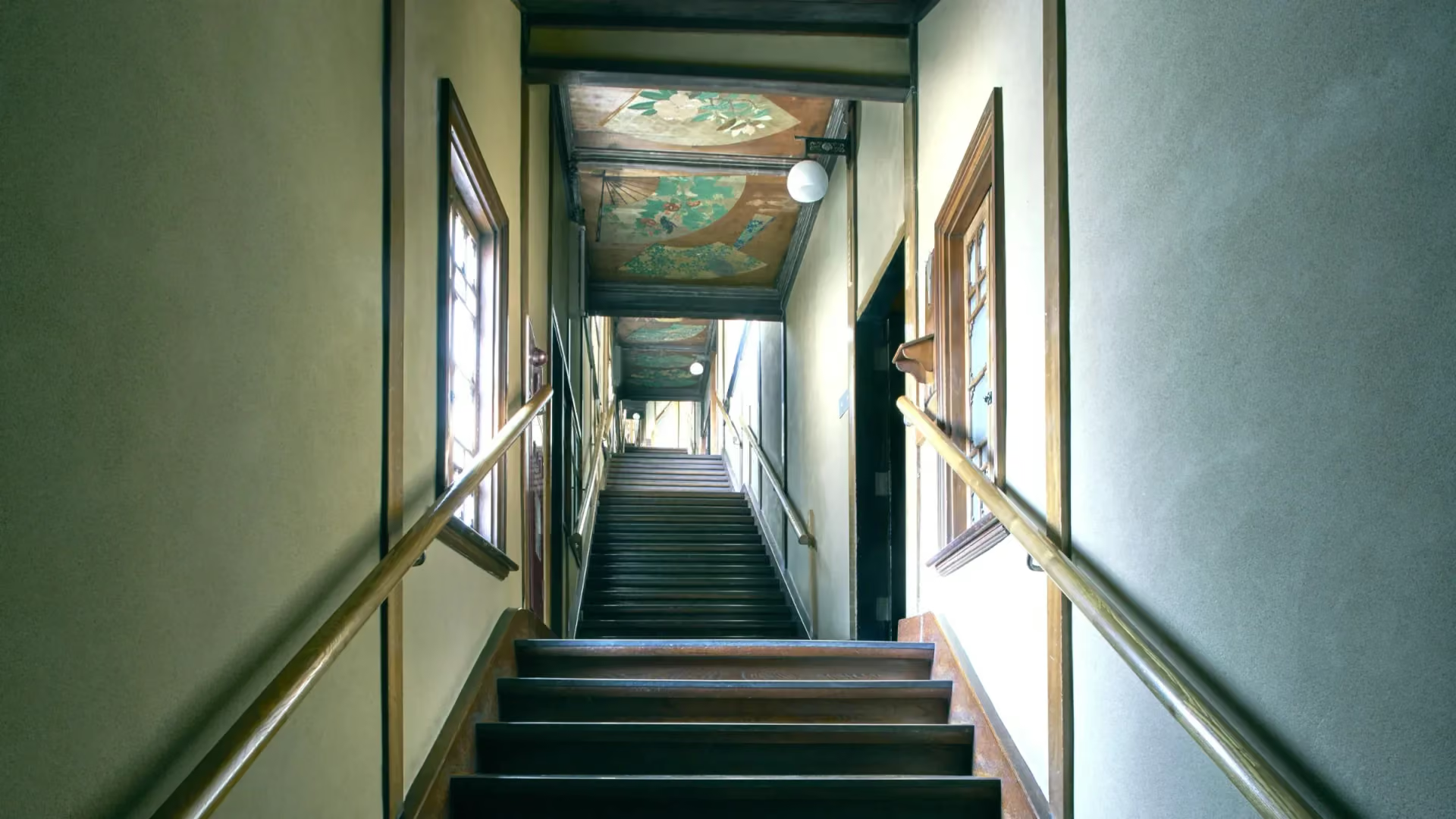
Hyakudan Kaidan Special Opening
A wooden building of 1935 in Meguro, Tokyo, with seven decorated banquet rooms up a staircase of 99 steps, opened for six months with almost nothing in it.
1 Oct 2026 – 30 Mar 2027Tokyo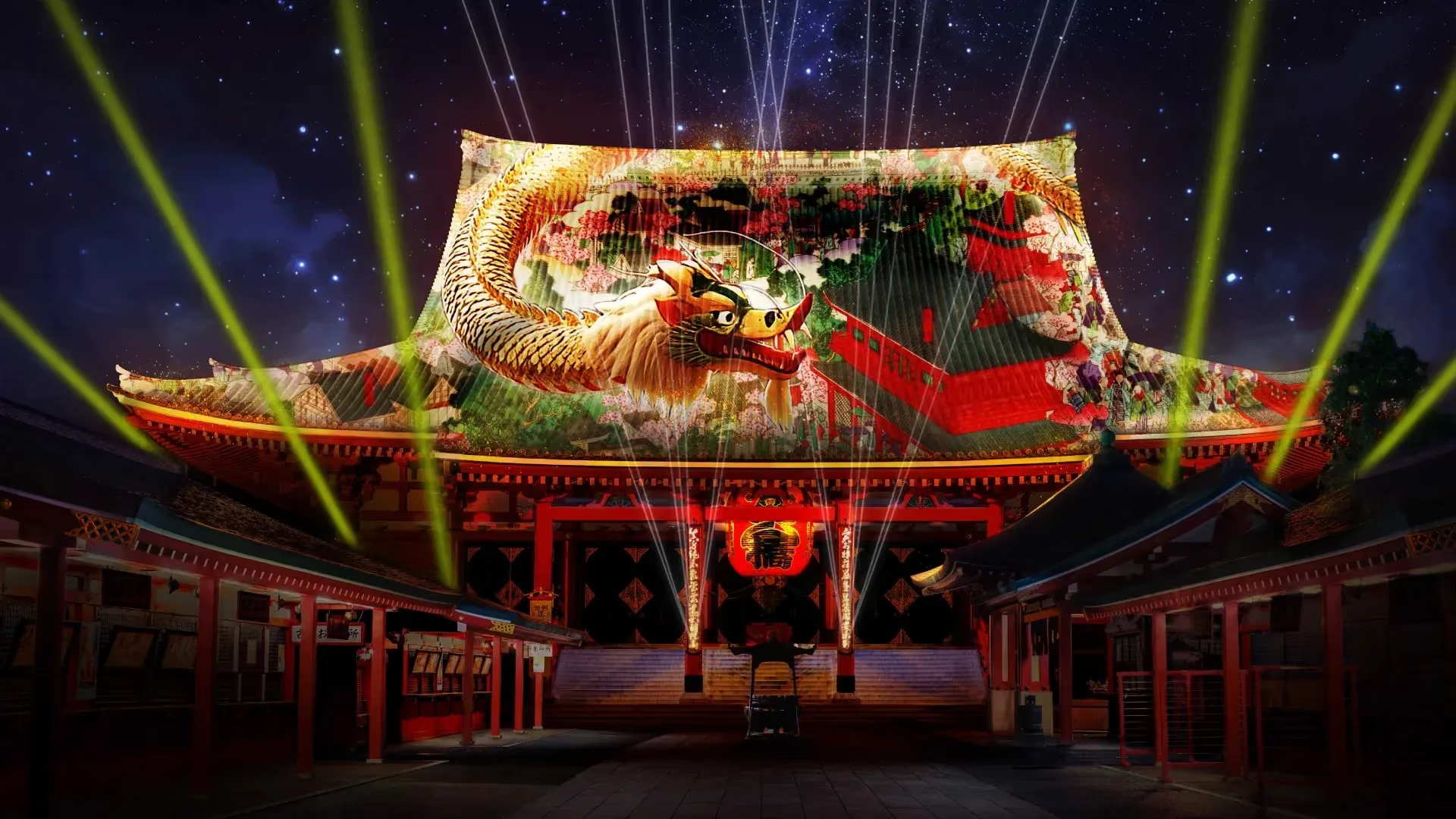
ASAKUSA CULTURE & LIGHTS
Projection mapping on the main hall and Hozomon gate of Sensoji in Tokyo, with the temple's normally closed Denboin garden and its hall of ema open alongside.
30 Oct – 3 Nov 2027Exact date not confirmed yetTokyo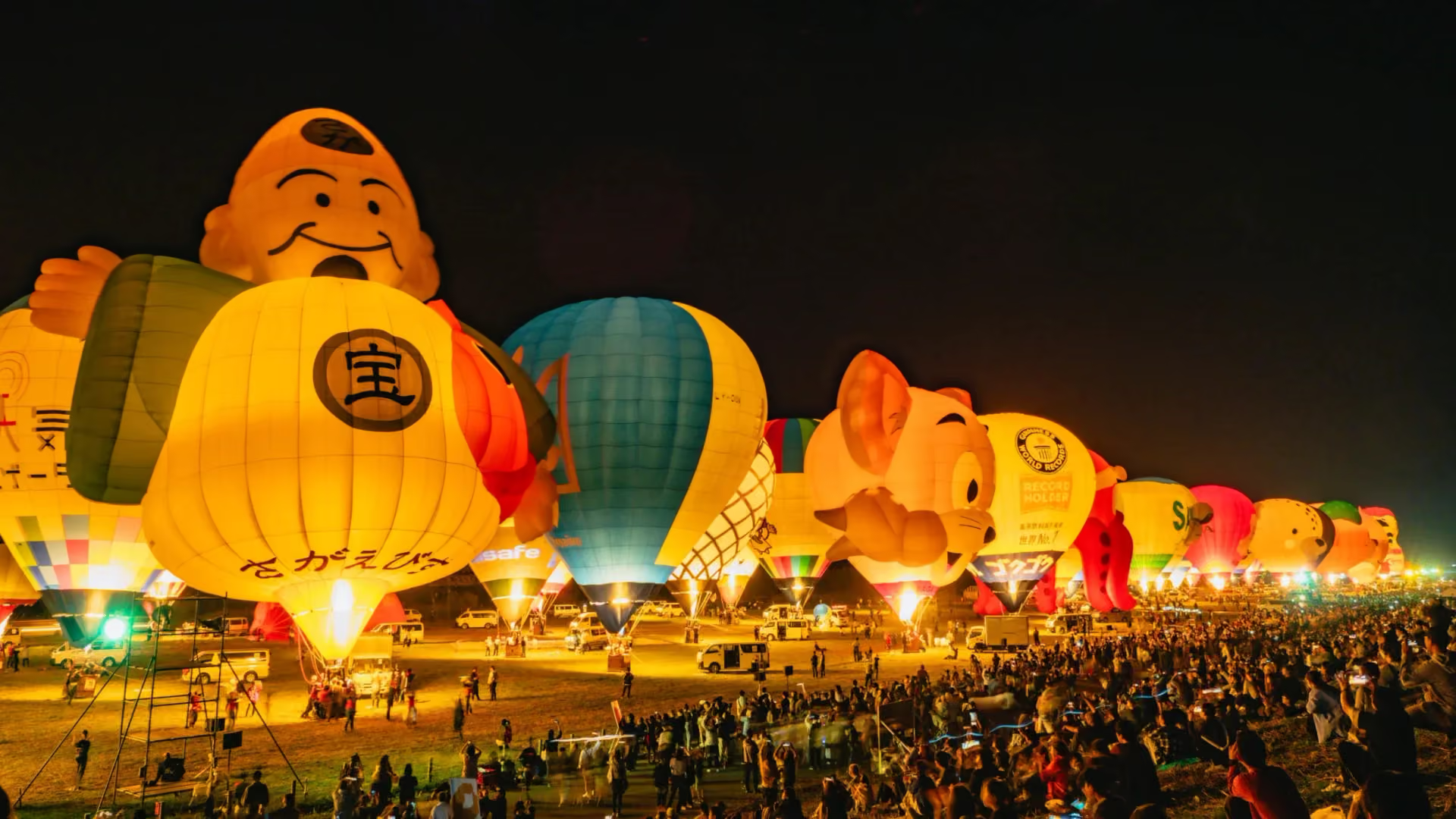
Saga International Balloon Fiesta
One of Asia's largest hot-air balloon events, where around 100 balloons rise over the Kase River in Saga each autumn in a five-day competition and festival.
30 Oct – 3 Nov 2027Exact date not confirmed yetSaga