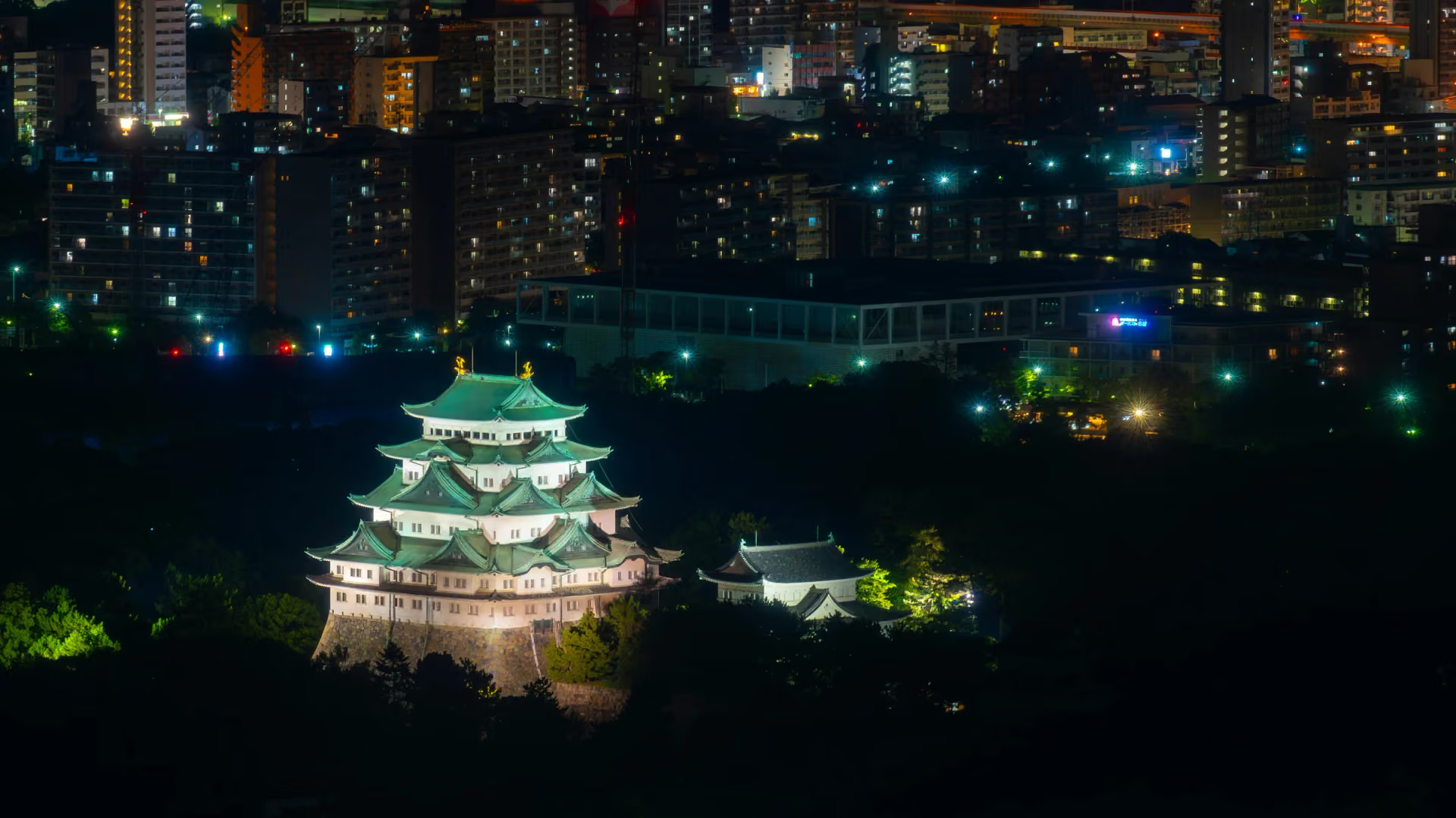
Nagoya Castle
名古屋城
The castle Tokugawa Ieyasu began in 1610, seat of the Owari Tokugawa, burned in 1945, with its keep rebuilt in 1959 and its palace in 2018.
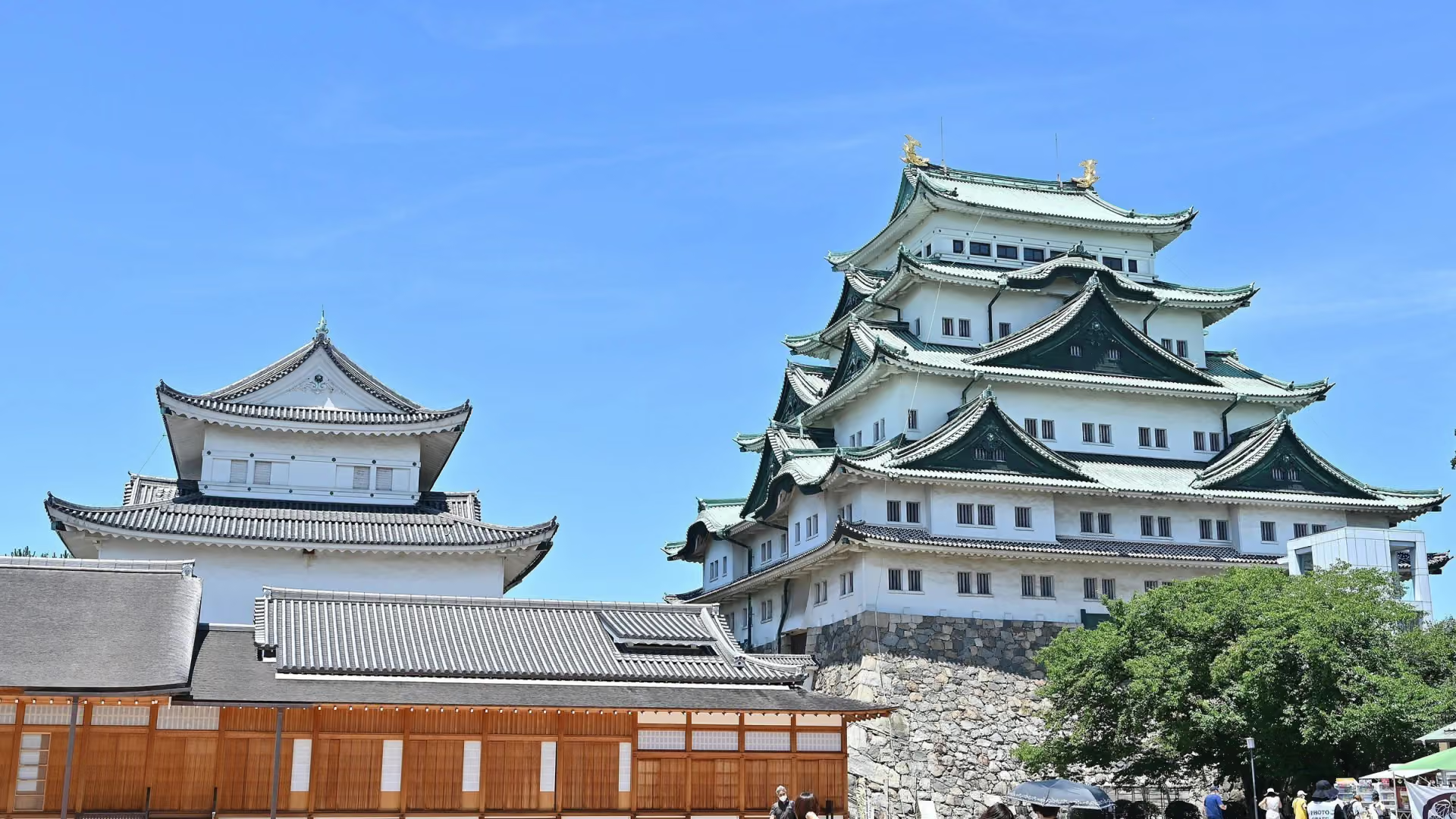
Entry to the Hommaru Palace and the Nishinomaru Okura Treasure Museum until 16:00. Closed from 29 December to 1 January.
〒 460-0031How to get there
名古屋城5 min walk from the station
Gate price from¥1,000Price checked 2026/11/04
Provider prices may differ from the price above. Booking through our links earns us a commission, at no extra cost to you.
Nagoya Castle stands in Naka Ward, Nagoya. Tokugawa Ieyasu began it in 1610, after his victory at Sekigahara, as a stronghold against the Toyotomi in Osaka, and for the whole Edo period it was the seat of the Owari Tokugawa, the senior of the three Tokugawa branch houses. The castle is a Special Historic Site.
History
Before it, the site held an earlier castle, Nagoya Castle (那古野城), a fort of the Imagawa family that Oda Nobuhide took around 1538; his son Oda Nobunaga lived there until 1555. Ieyasu had the new castle built by 20 daimyo of western Japan who had served the Toyotomi, among them Kato Kiyomasa and Fukushima Masanori, a form of compulsory construction called tenka bushin (天下普請). The keep was finished in 1612, crowned with golden shachihoko, and the whole town of Kiyosu moved here with the castle, laying out the grid of streets that became Nagoya.
After the Meiji Restoration the army took over the castle, and from 1893 the main enclosures were the Nagoya Detached Palace of the Imperial Household. In 1930 they were given to the city, and 24 buildings, the keep and the Hommaru Palace among them, became the first castle buildings named National Treasures. Air raids on 14 May 1945 burned the keep and the palace. The keep and the main gate were rebuilt in steel-reinforced concrete in 1959.
Highlights
The Hommaru Palace, built in 1615 as the Owari lord's residence and government office, is a leading example of shoin-zukuri, the formal residential style of samurai buildings. It was rebuilt from Edo-period plans, photographs and measured drawings and opened complete in 2018. The concrete keep is closed for its ageing equipment and earthquake safety, and a project to rebuild the keep in wood is under way.
Three corner turrets from about 1612 and 1619, and several gates, survived the war and are Important Cultural Properties, as are the palace's painted sliding doors. The Ninomaru Garden, the garden of the lord's second residence, is a Place of Scenic Beauty, and a kaya tree said to be more than 600 years old is a Natural Monument. One stone in the keep walls, the Kiyomasa Stone, is said to have been hauled by Kato Kiyomasa, although that stretch of wall was built by Kuroda Nagamasa.
Getting There

Planning a trip? Fit this into a trip and Oni plans the rest around it.
Places nearby
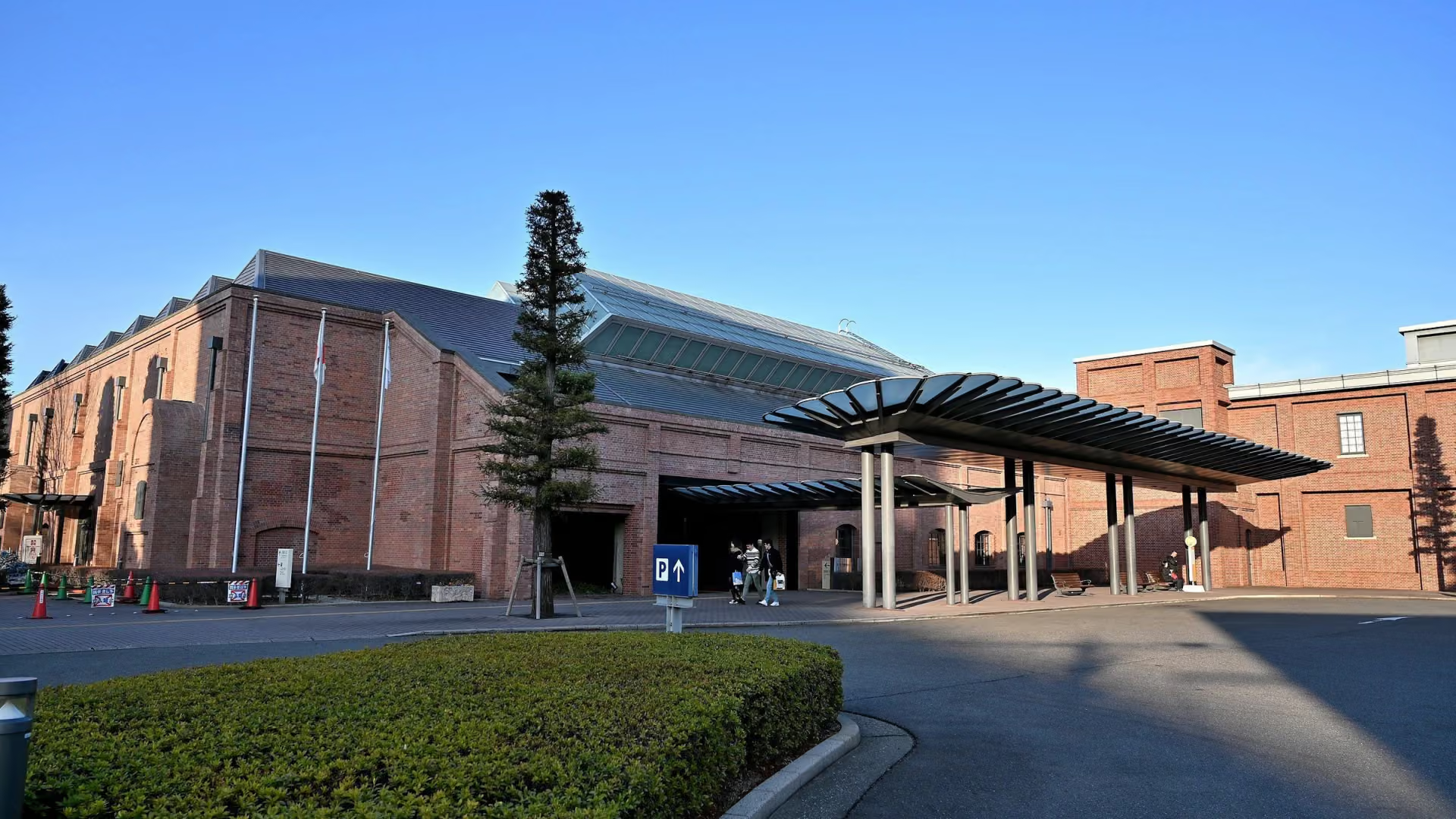
Toyota Commemorative Museum of Industry and Technology
This museum in a historic red-brick textile factory traces Toyota's evolution from textile company to global automobile manufacturer.
Nagoya · Aichi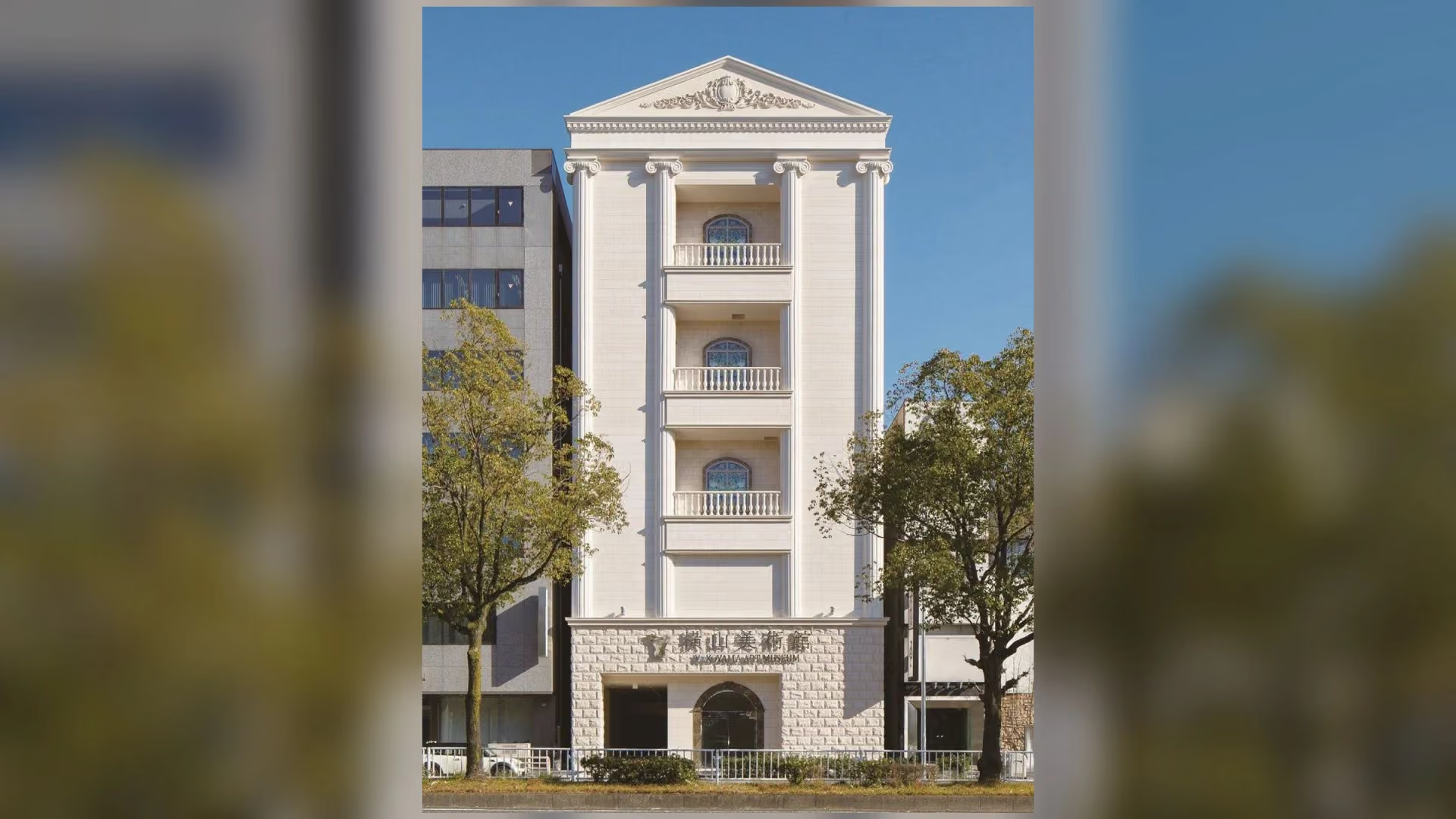
Yokoyama Art Museum
A Nagoya museum of Japanese export ceramics, with more than 5,000 pieces made for overseas markets in the Meiji and Taisho eras and later brought back to Japan.
Nagoya · Aichi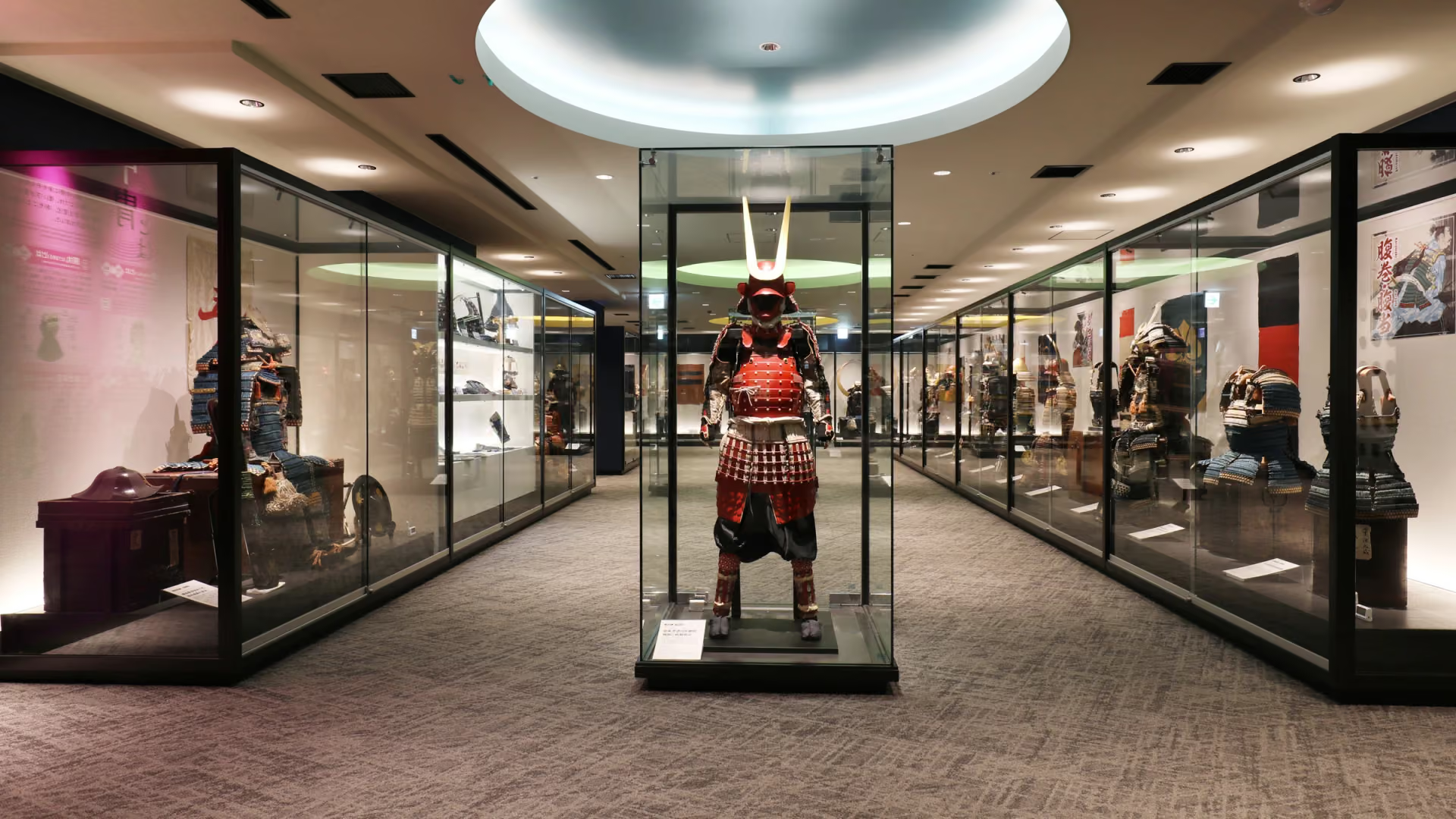
Nagoya Touken World
A Nagoya museum of Japanese swords, samurai armor and ukiyo-e, opened in 2024, with a collection of about 500 swords that includes a National Treasure tanto.
Nagoya · AichiYou might also like
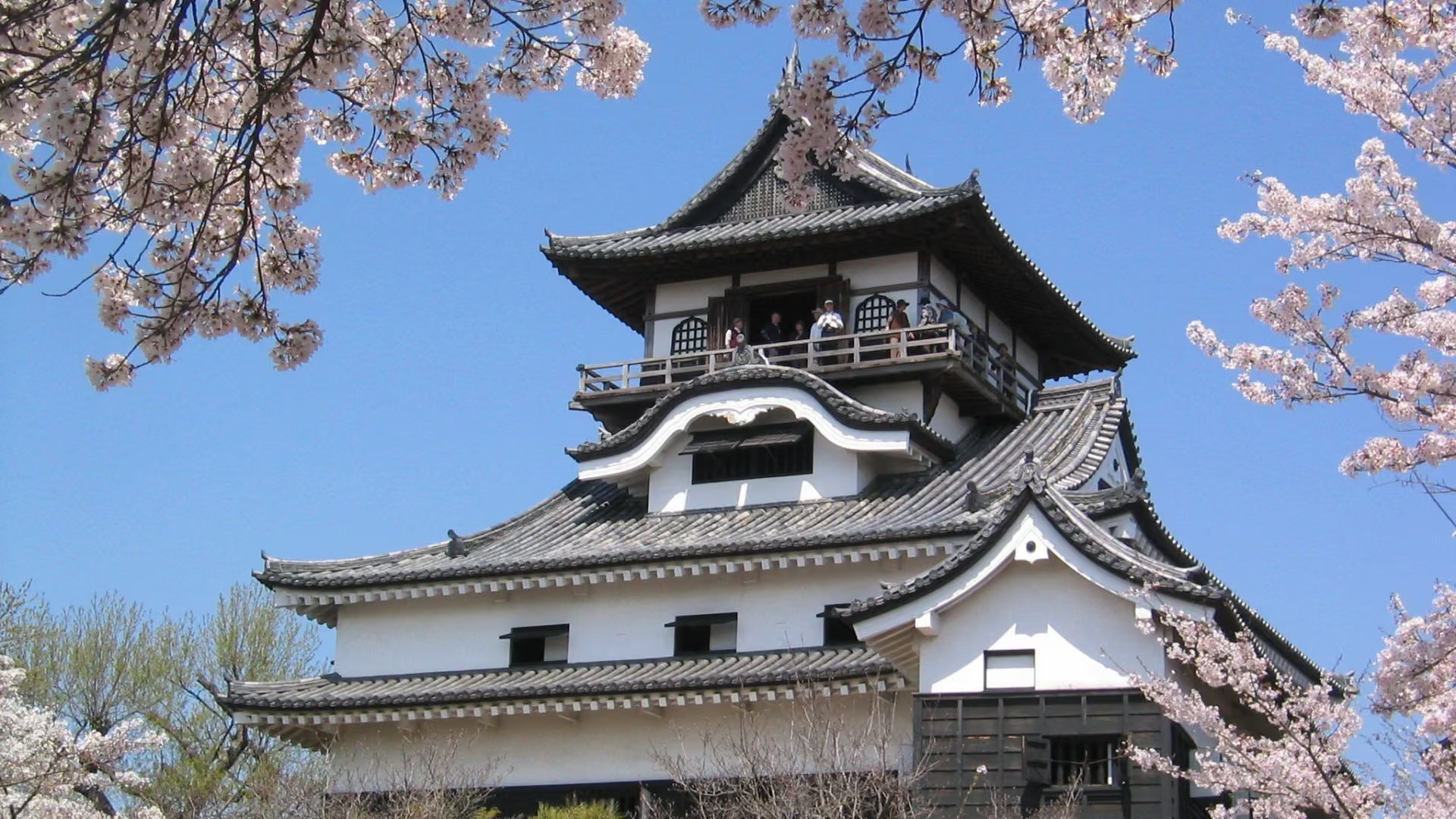
Inuyama Castle
A castle above the Kiso River whose keep, a National Treasure, is the only building left standing and was privately owned until 2004.
Inuyama · Aichi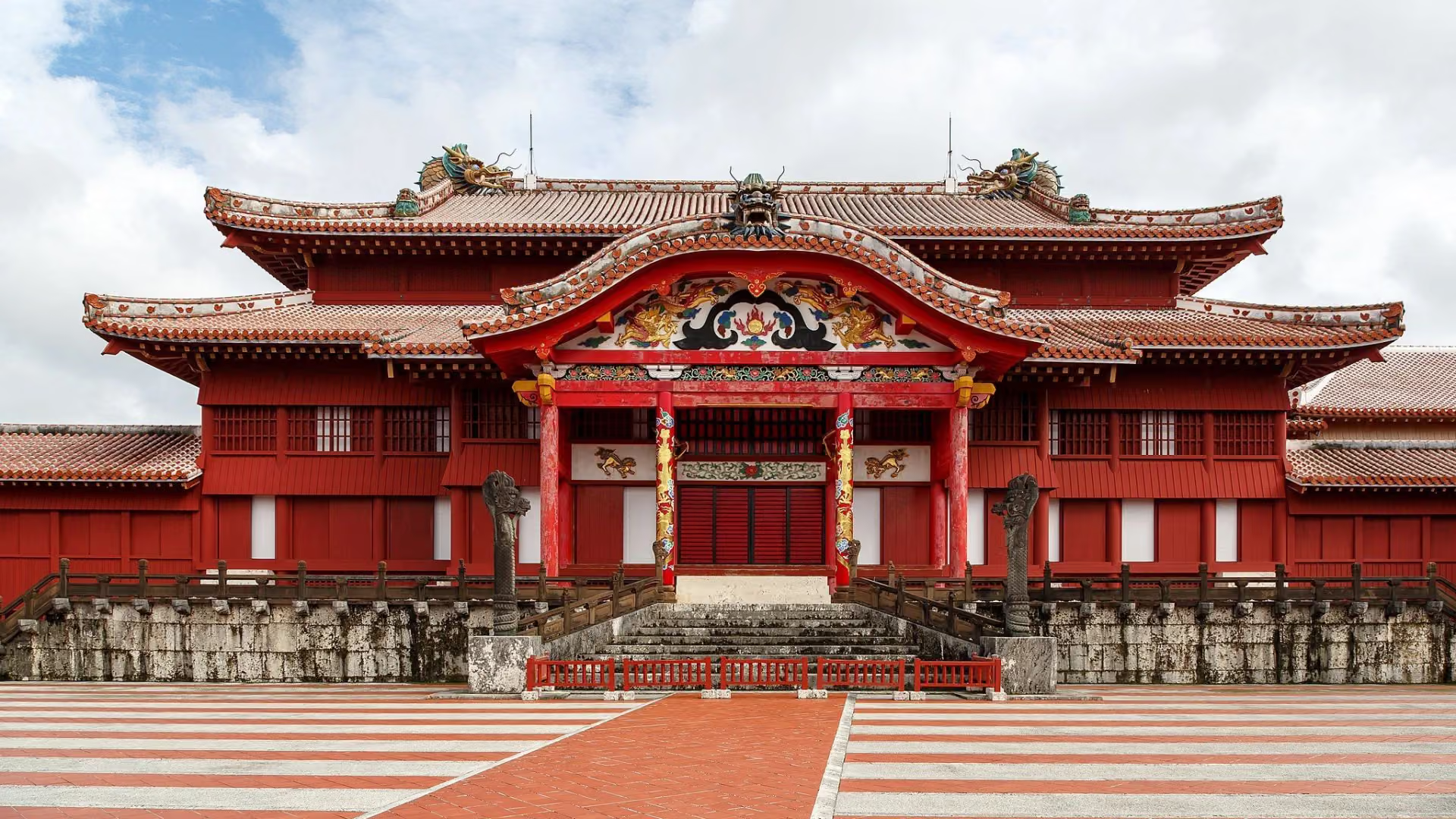
Shuri Castle
Royal palace of the Ryukyu Kingdom in Naha, part of a UNESCO World Heritage site. The Seiden main hall burned in 2019 and reopens rebuilt on 2026/11/23.
Naha · Okinawa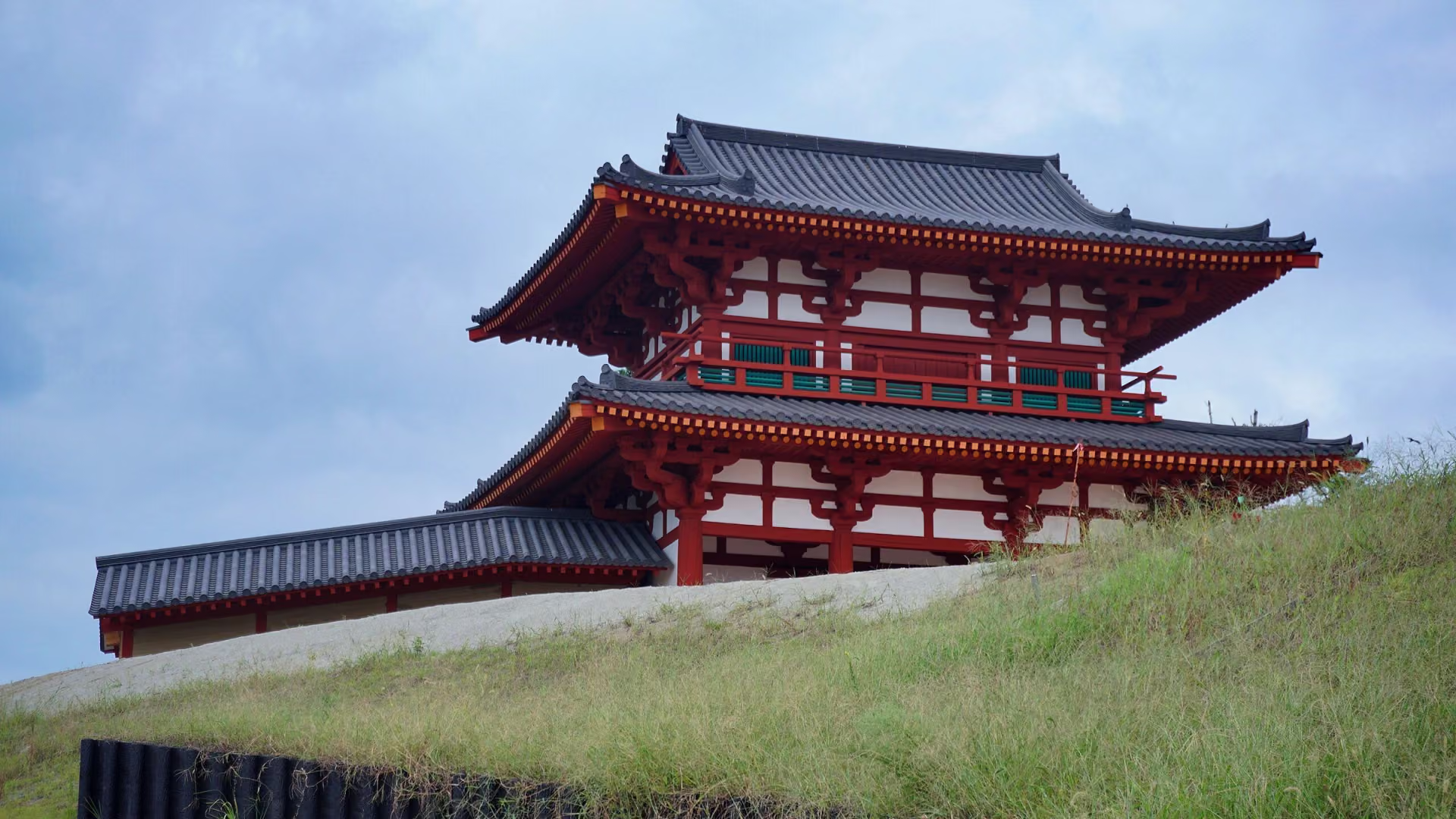
Taga Castle Ruins
Site of the provincial government of ancient Mutsu, founded in 724, with a rebuilt South Gate and the Taga Castle Stele, a National Treasure.
Tagajo · Miyagi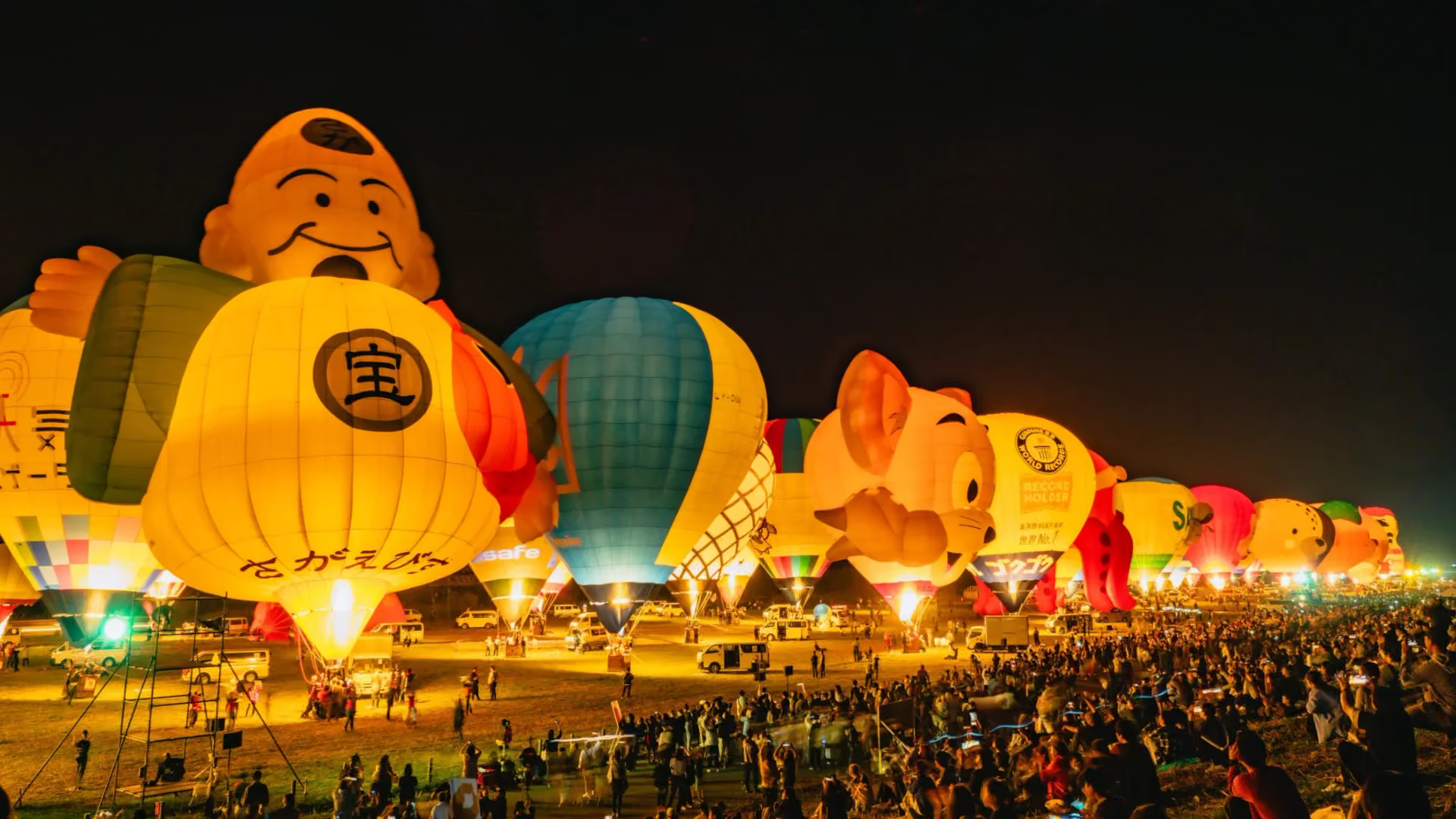
Saga International Balloon Fiesta
One of Asia's largest hot-air balloon events, where around 100 balloons rise over the Kase River in Saga each autumn in a five-day competition and festival.
30 Oct – 3 Nov 2027Exact date not confirmed yetSaga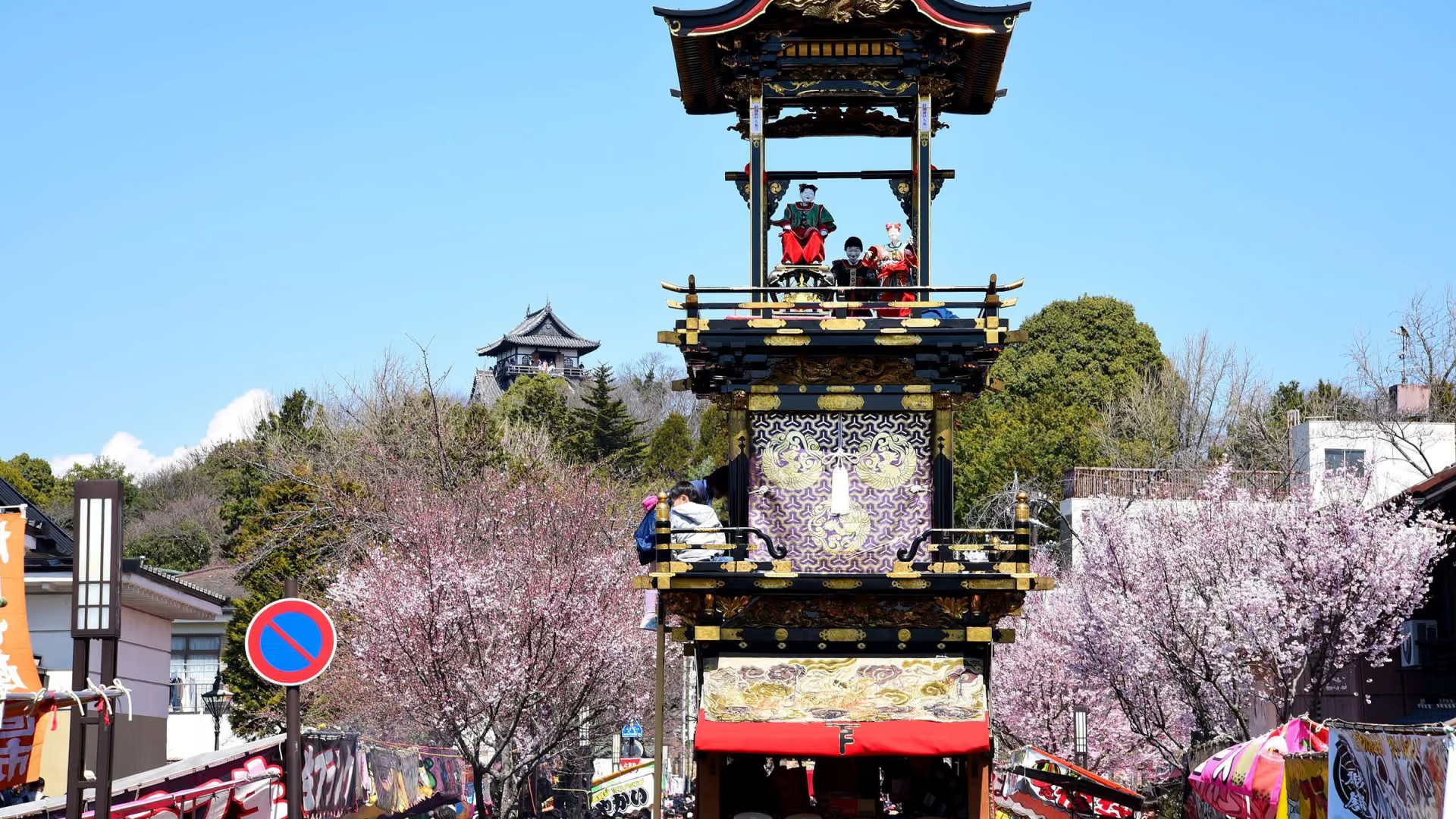
Inuyama Festival
Spring festival of Haritsuna Shrine dating from 1635, with 13 three-tiered floats carrying mechanical karakuri puppets through the castle town of Inuyama.
3–4 Apr 2027Exact date not confirmed yetInuyama · Aichi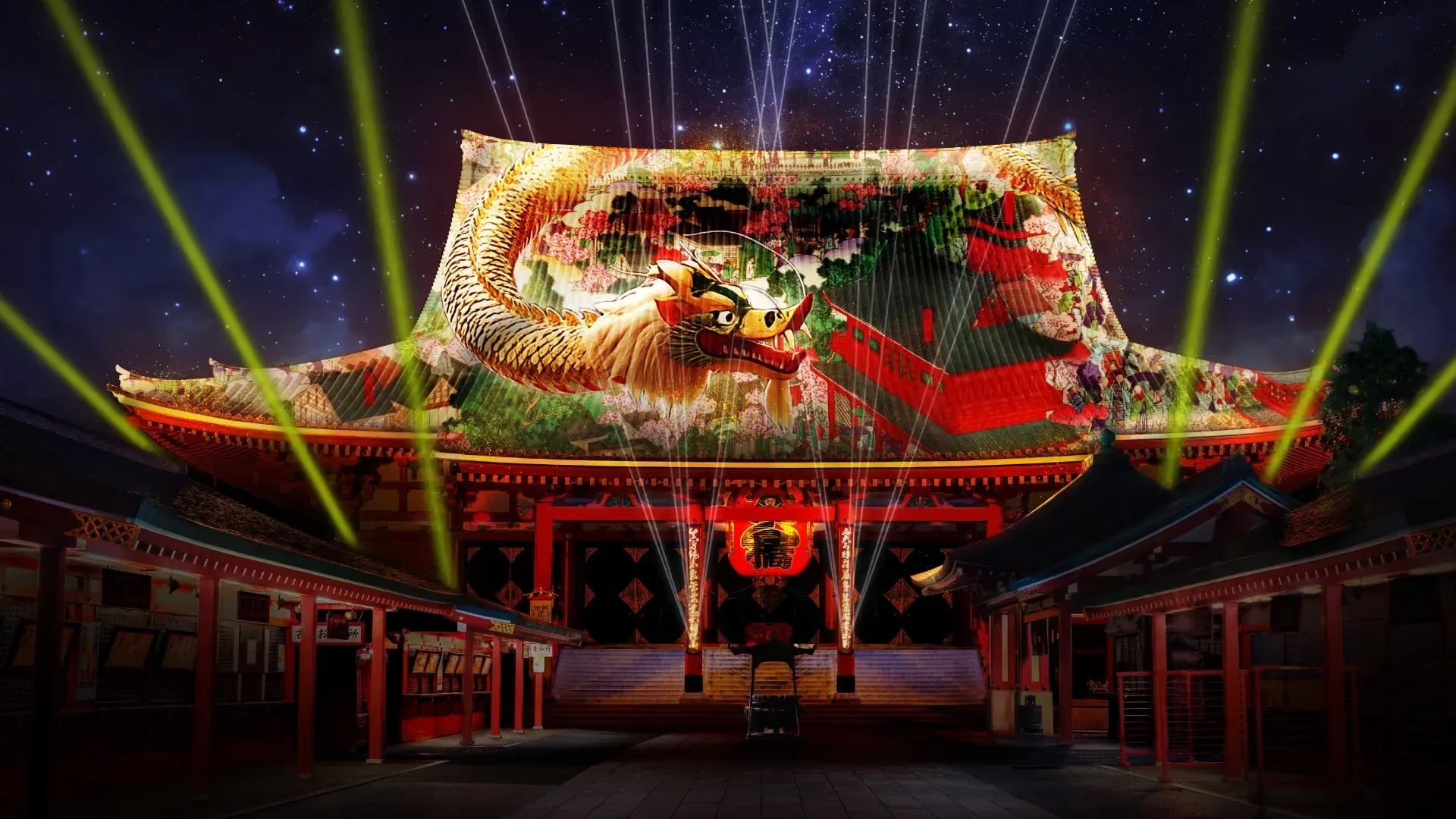
ASAKUSA CULTURE & LIGHTS
Projection mapping on the main hall and Hozomon gate of Sensoji in Tokyo, with the temple's normally closed Denboin garden and its hall of ema open alongside.
30 Oct – 3 Nov 2027Exact date not confirmed yetTokyo