

Uenohara site
上野原遺跡
Jōmon-period archaeological site with pit dwellings dating back 9,500 years, now a 36-hectare park and exhibition centre in Kagoshima.

Closed on Mondays
The Uenohara archaeological site is located in Kirishima, Kagoshima Prefecture, dating back to the Jōmon period (between c. 14,000–300 BCE). Pit dwellings were discovered during construction work in 1997, and the associated earthenware and lithic finds have been designated as Important Cultural Property. In 2002, an area of 36 hectares was turned into a park and exhibition centre, known as Uenohara Jōmon no Mori, or "Uenohara Jōmon Forest". The ruins are situated on a plateau about 250 meters above sea level, where a settled village existed around 9,500 years ago. The area served as a place to perform rituals, and various cultures flourished during the early stages of the Jomon period. Unique culture developed, and around 3,500 years ago, the inhabitants created caves, and the area became a hunting ground. From 2,500 to 2,000 years ago, and from 1,600 to 800 years ago, people built pillar buildings, “storage holes” and fences. Traces of plants such as sage and peach seeds were also found.
You might also like
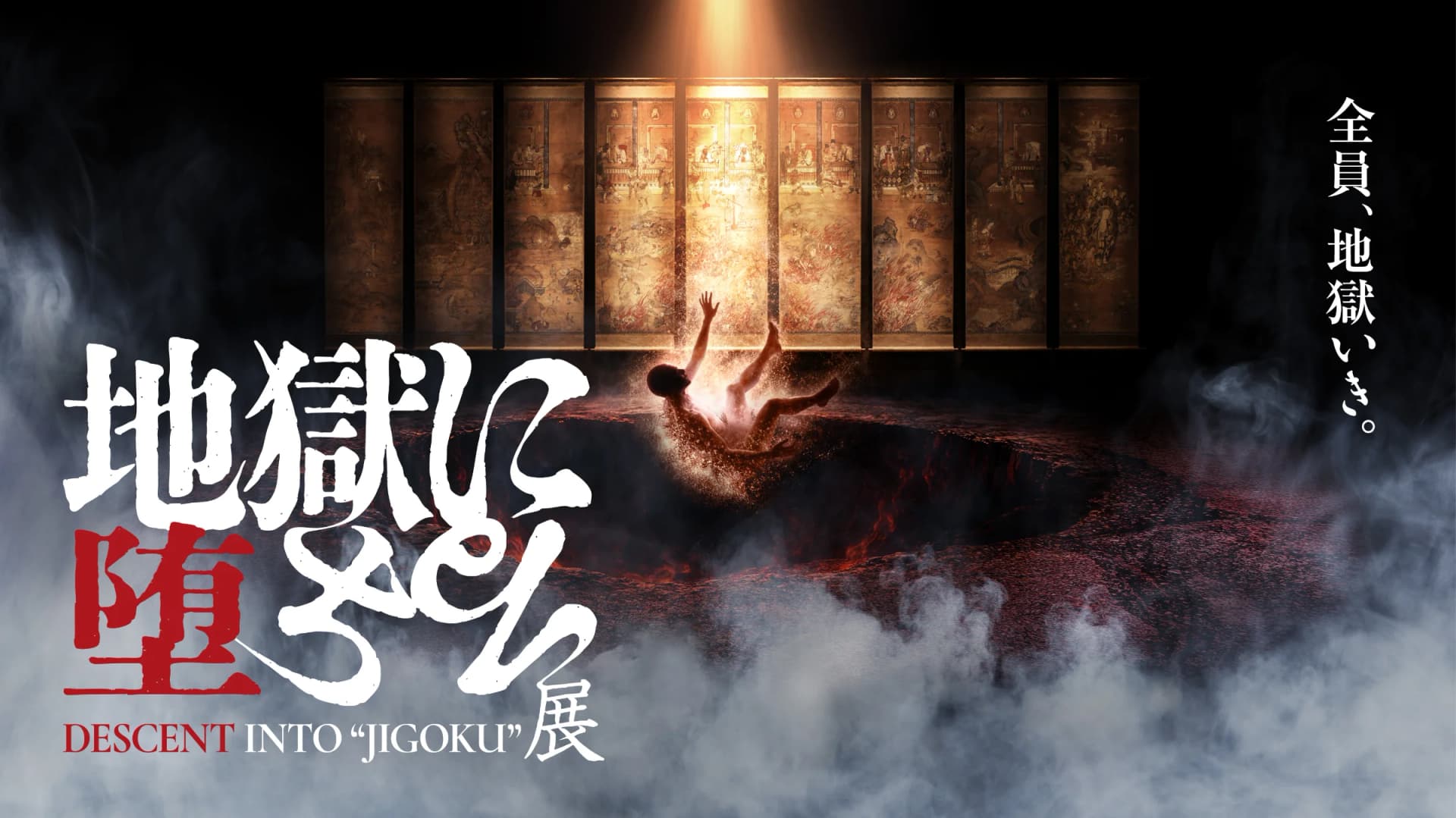
Descent into "Jigoku"
An exhibition in Osaka on the Japanese hell, following the path of the dead through full-size reproductions of painted scrolls and moving projections.
28 Nov – 27 Dec 2026Osaka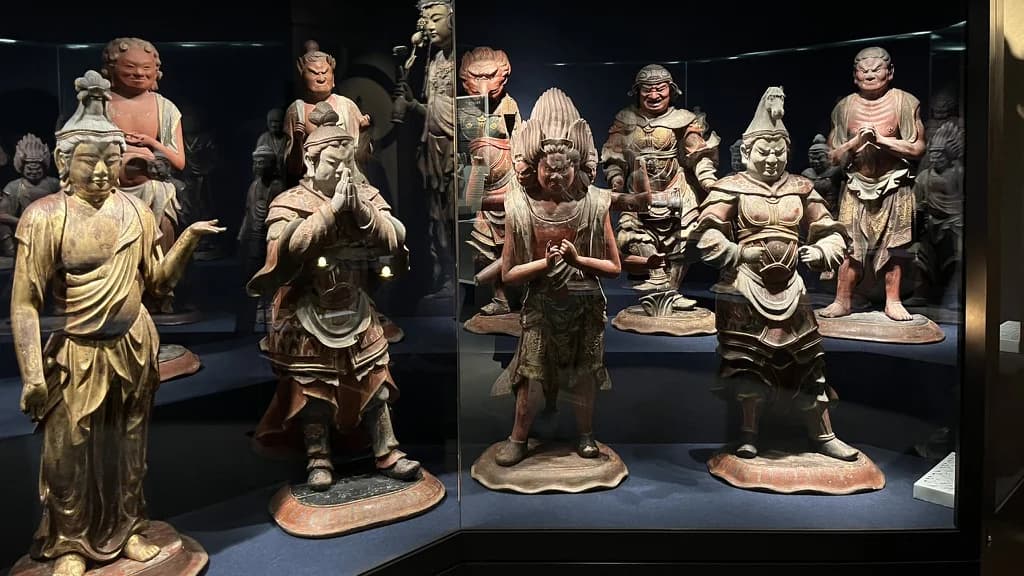
Kannon Museum
Museum dedicated to Kannon teachings and forms, preserving Hasedera Temple's 13 centuries of Buddhist pilgrimage tradition and artistic heritage.
Kamakura · Kanagawa
Tokushima Castle Museum
This museum preserves and displays materials from the Tokushima Domain and Hachisuka family, featuring Edo-period artifacts and regional history.
Tokushima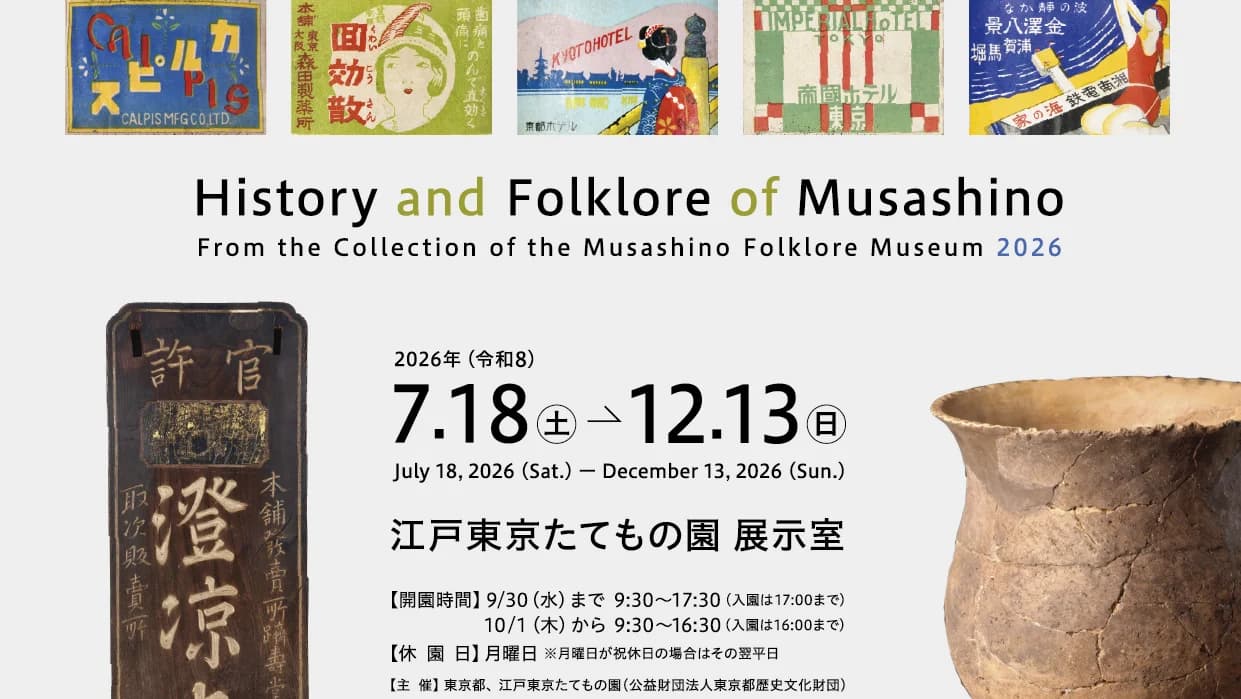
The History and Folklore of Musashino ~ Musashino Local Museum Collection 2026 ~
This exhibition showcases archaeological and folklore materials including Jomon artefacts and historic household items that document Musashino's cultural heritage.
18 Jul – 13 Dec 2026Koganei · Tokyo
Nara Prison Museum
A Meiji-era red-brick prison (1908) and one of the Five Great Prisons with its original layout intact, now a museum operated by Hoshino Resorts.
Nara
ASAKUSA CULTURE & LIGHTS 2026
Five nights of projection mapping on the main hall and gate of Sensoji in Tokyo, with the temple's closed garden and its hall of ema open alongside.
30 Oct – 3 Nov 2026Tokyo