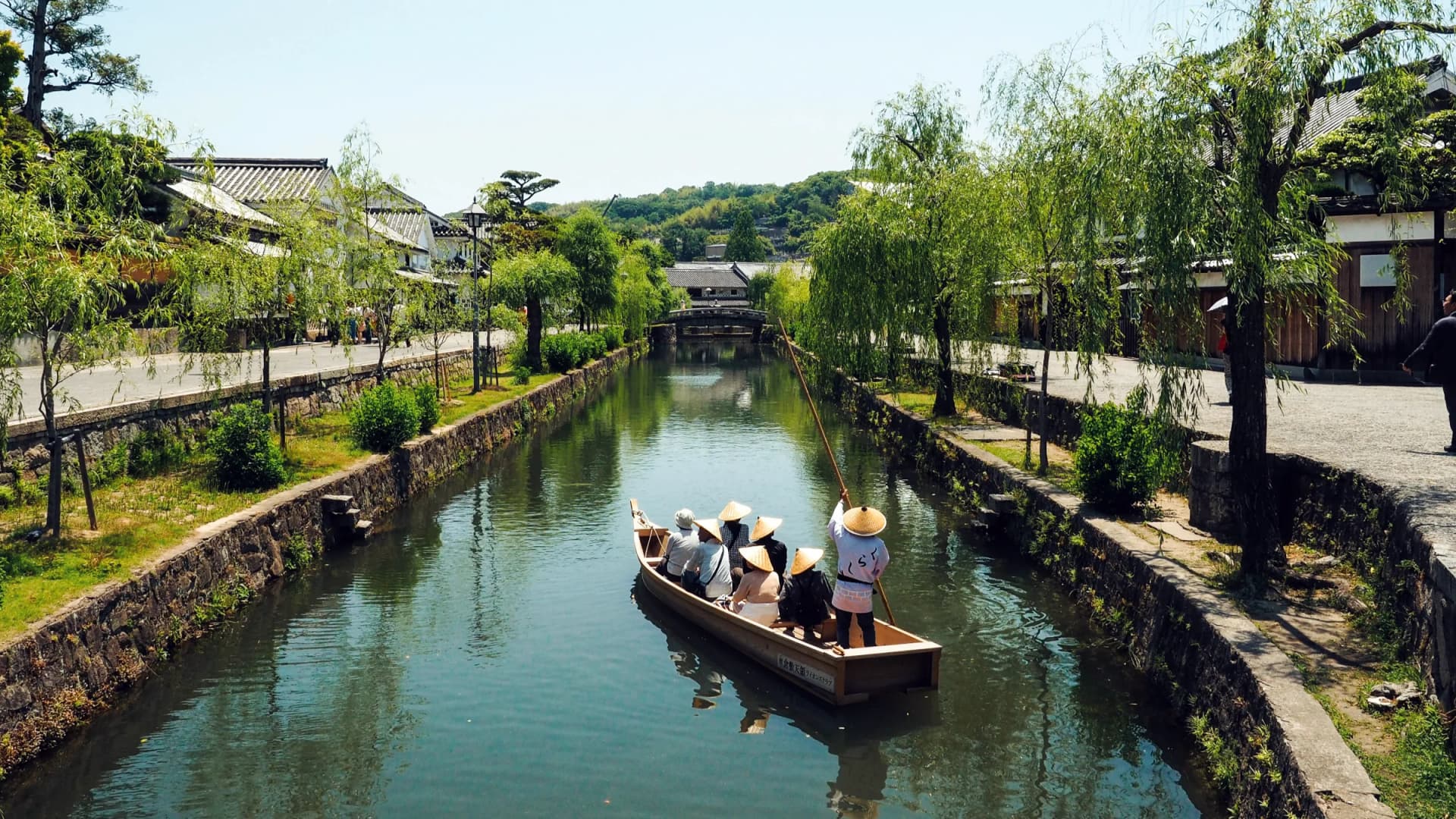
Hyakusaiji Temple and the Buddhist Art of Omi
百済寺と近江の仏教美術
An autumn exhibition in Shiga where the hidden image of Hyakusaiji, an eleven-headed Kannon of the 8th century, leaves the temple for the first time.
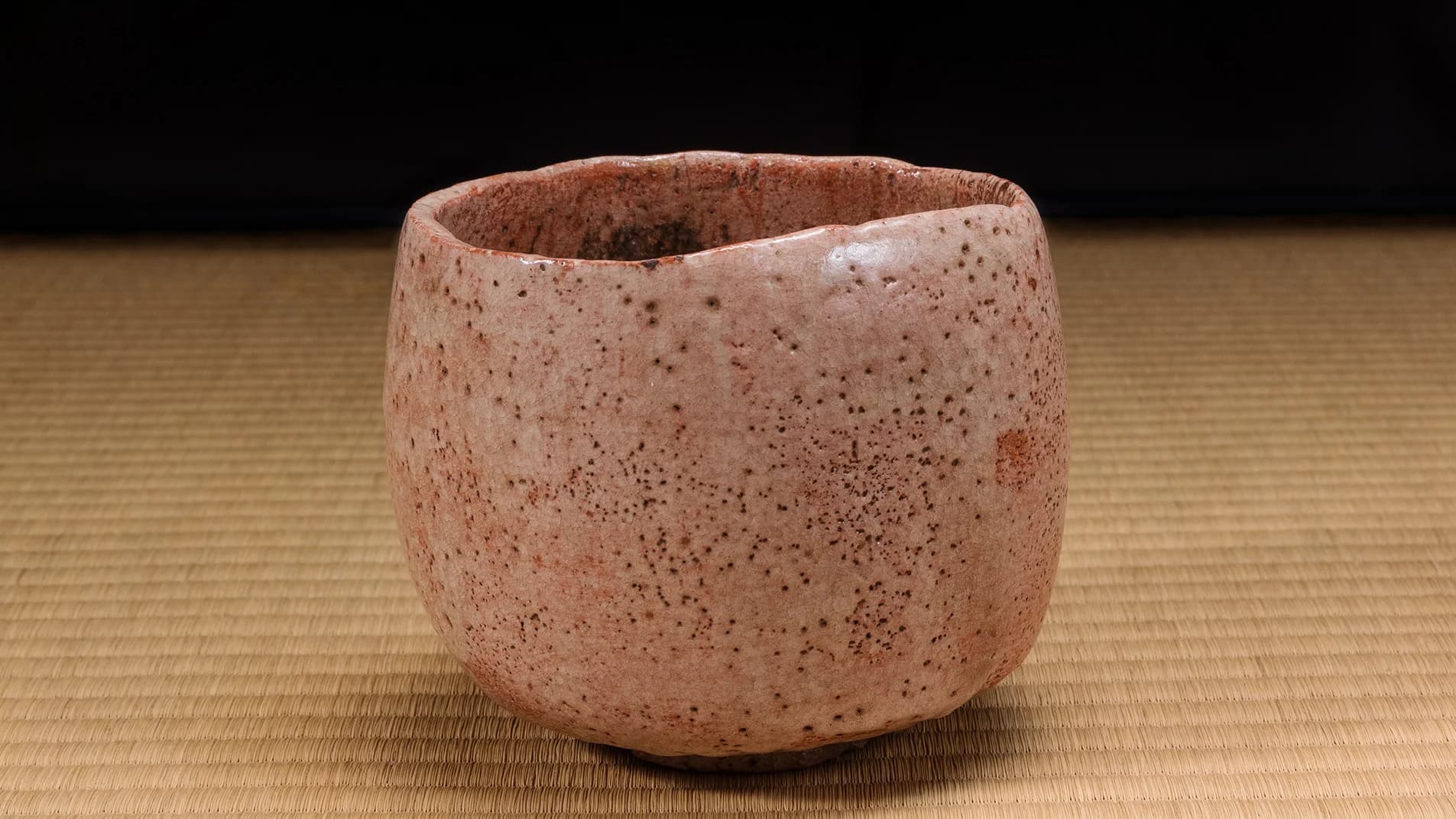
This autumn exhibition at the Miho Museum gathers the treasures of Hyakusaiji, a temple on the far side of the prefecture, together with sculpture, painting and documents from elsewhere in Omi, the old name for the province that is now Shiga. Ninety-three works are shown, sixteen of them Important Cultural Properties.
The temple
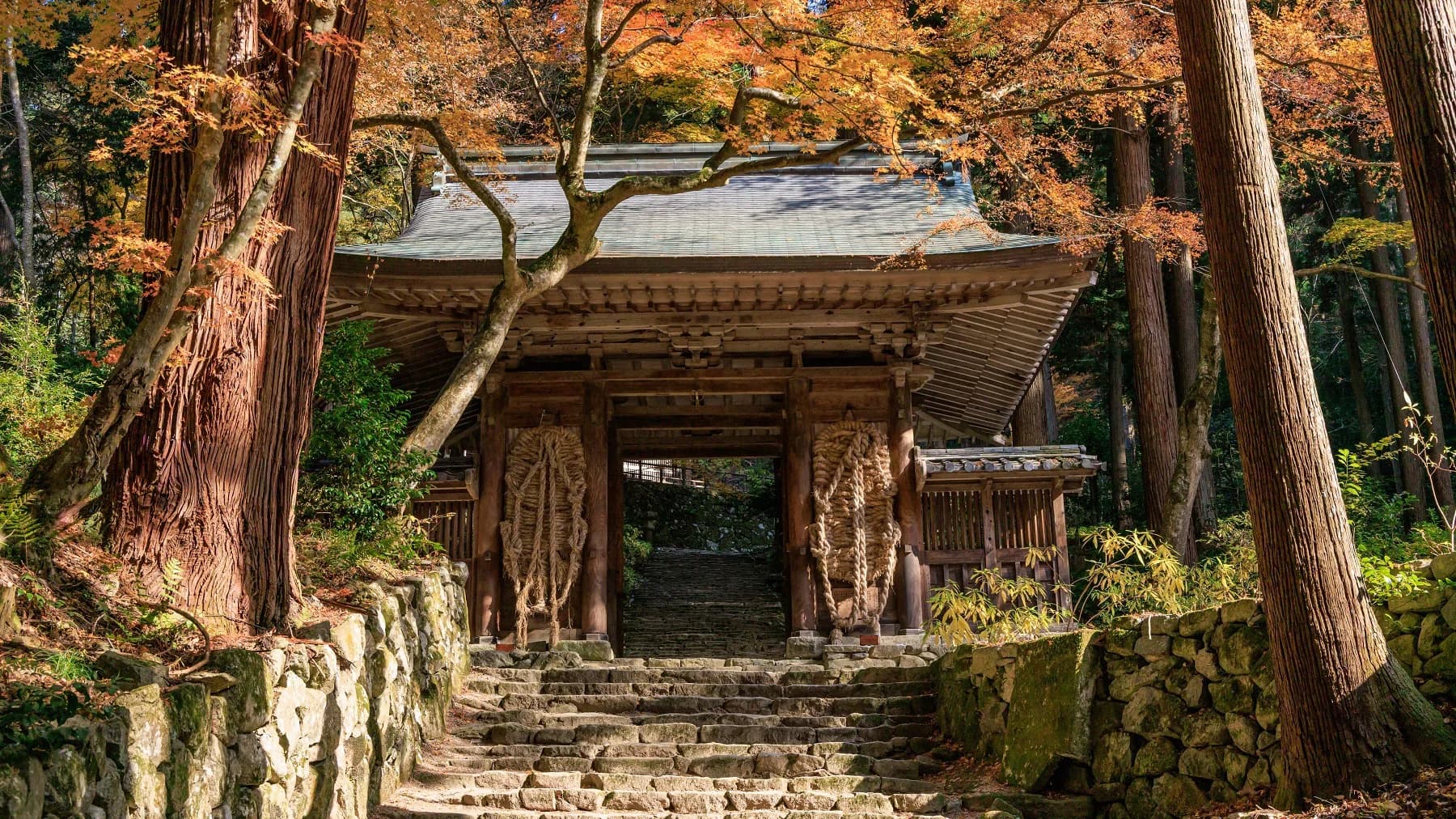
Hyakusaiji stands at Higashiomi on the western foot of the Suzuka mountains, above the plain once called Gamono, with Lake Biwa beyond it. Tradition holds that Prince Shotoku founded it after a sign was given to him.
The land below it was opened by clans descended from settlers from the continent, chief among them the Echi Hata, and the temple is thought to have been founded by them in the seventh or eighth century. It grew afterwards under the Tendai school until it had many sub-temples under it and was the chief temple of the district.
Oda Nobunaga used it as a place of prayer and then destroyed it: in the Tensho years the whole mountain was burned. Before that the Portuguese missionary Luis Frois had seen it and called it Paraiso na Terra, a paradise on earth. The main hall that stands now was rebuilt in 1650 and is an Important Cultural Property, and the temple's history has been one of fires and rebuildings.
The hidden image
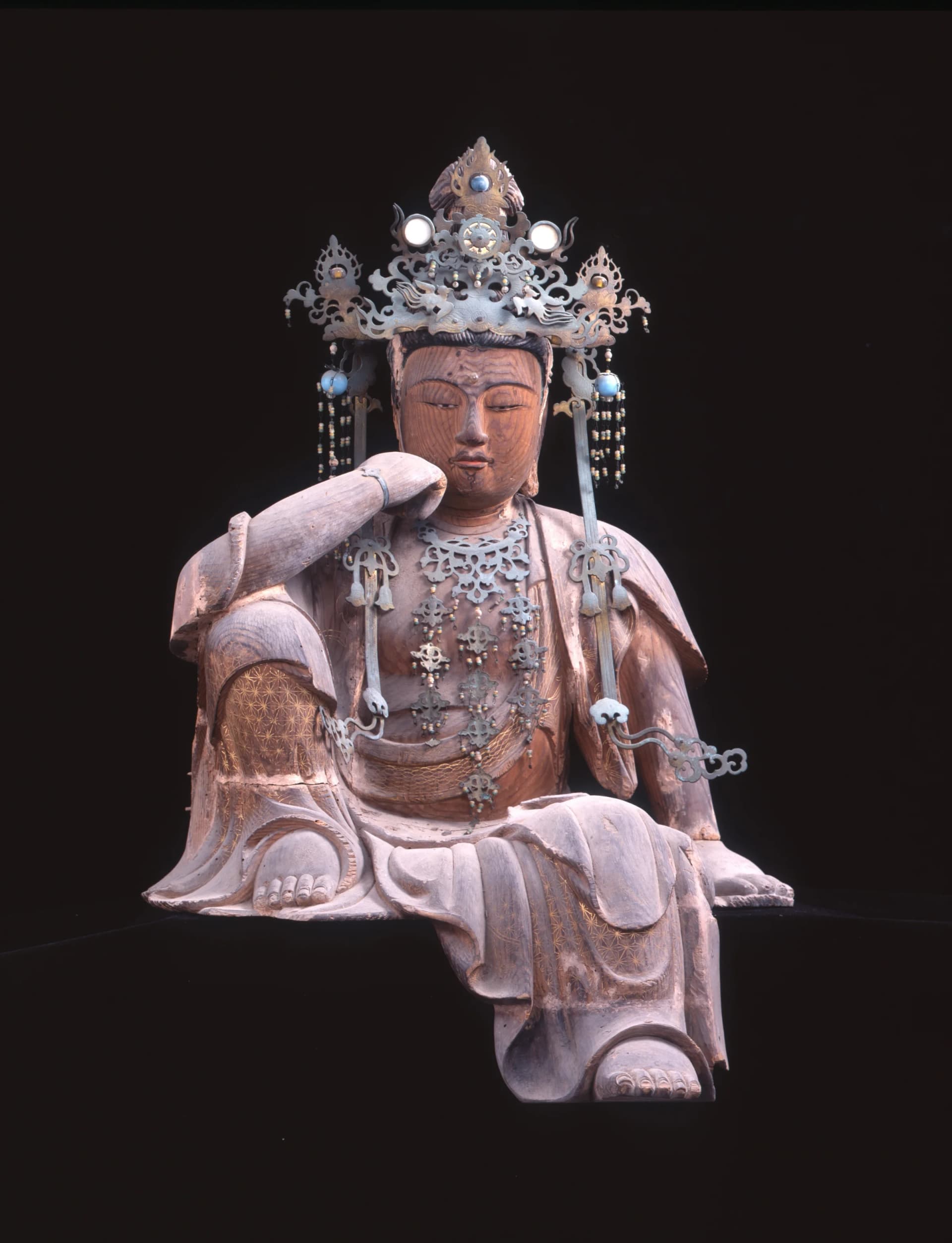
The principal image of Hyakusaiji is a hibutsu, an image kept from view and shown only rarely or not at all. It is a standing eleven-headed Kannon carved in wood, an Important Cultural Property, and study of it has established that it was made by the late eighth century. That settled a long argument about how old the temple is, and confirmed that both an ancient temple of Omi and its image have come down together.
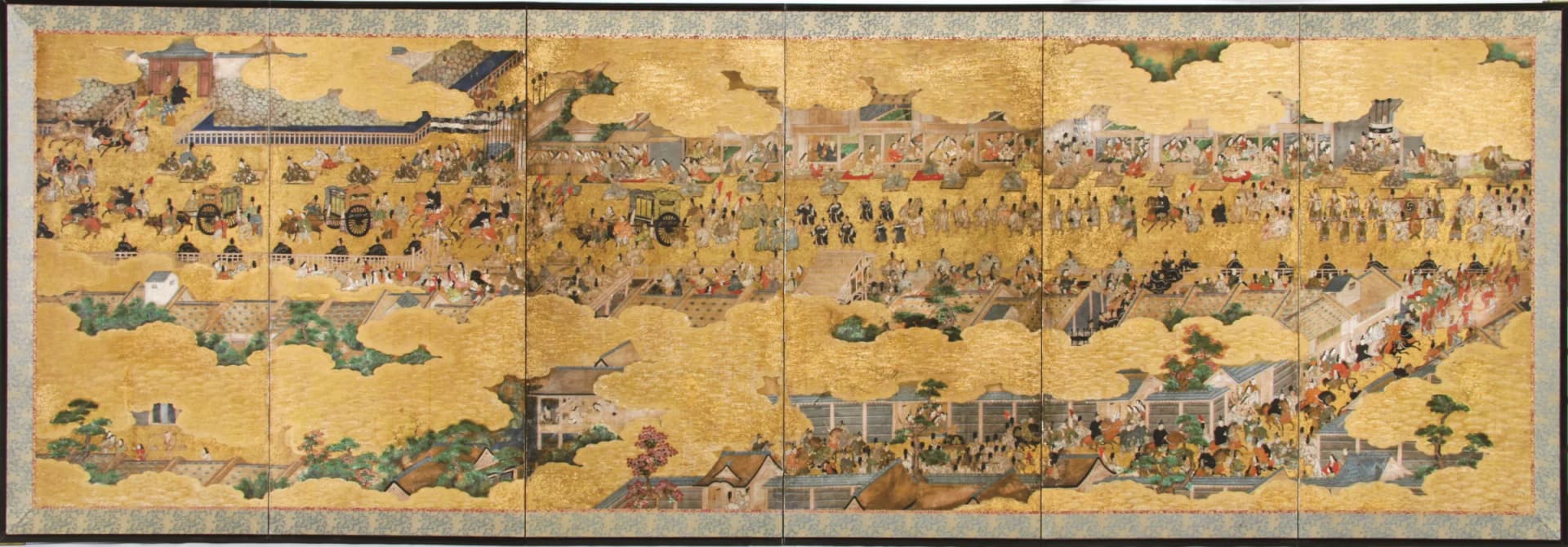
The same ticket also admits to a separate display in the north wing, drawn from the museum's own collection and unconnected with the temple, on the courtly culture of the Kanei era.
You might also like
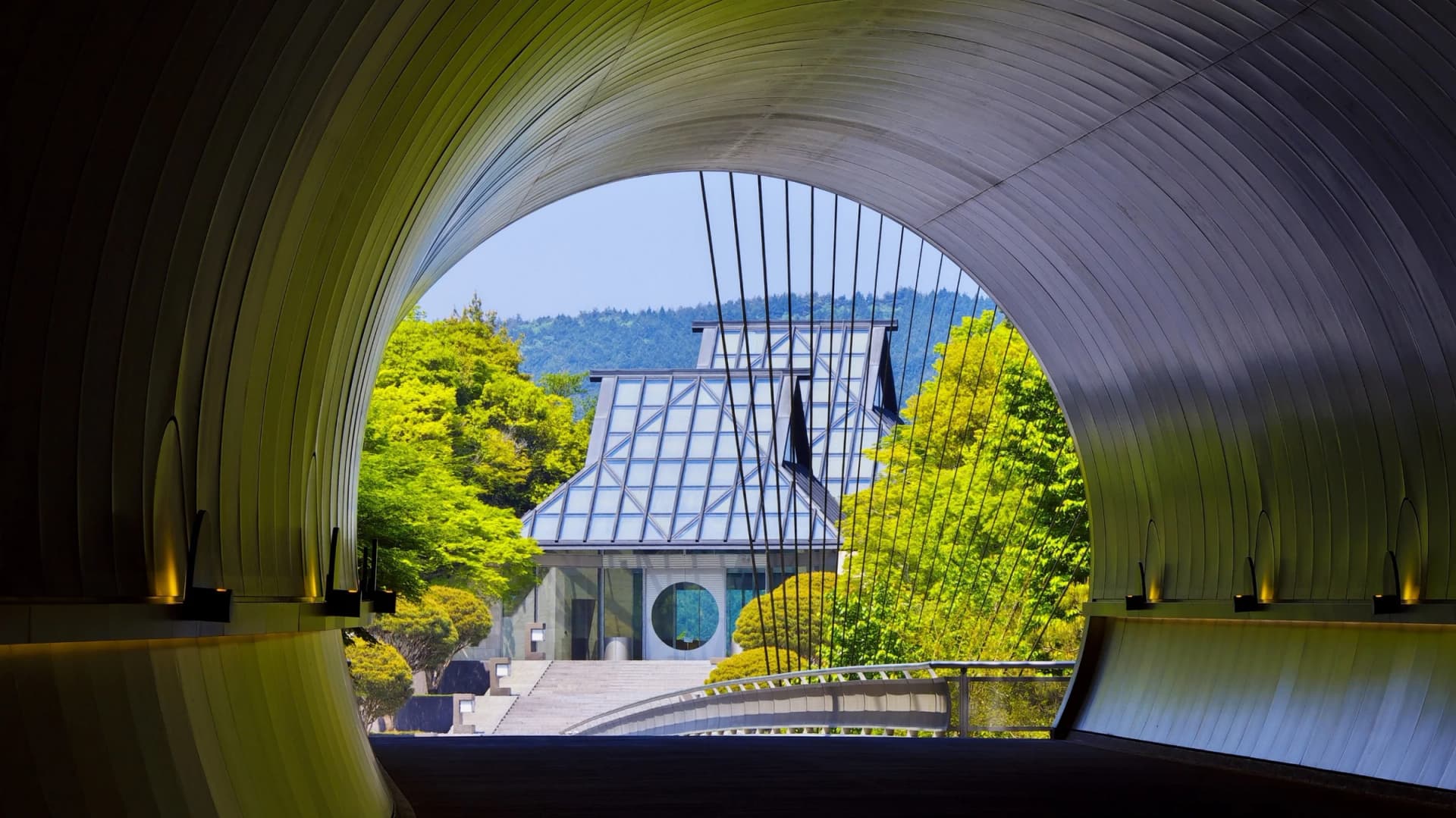
Miho Museum
A museum of 1997 in the mountains of Shiga, designed by I. M. Pei and mostly buried in the hillside, holding ancient art of the world alongside Japanese art.
Koka · Shiga
Kongorin-ji
A Tendai sect Buddhist temple founded in the early Heian period, housing a National Treasure main hall with Heian-period statues and garden.
Aisho · Shiga
Saikyo-ji Temple
Saikyo-ji, the head temple of the Tendai Shinsei sect, was founded by Prince Shotoku and reorganized in 1486 as the sect's central training site.
Otsu · Shiga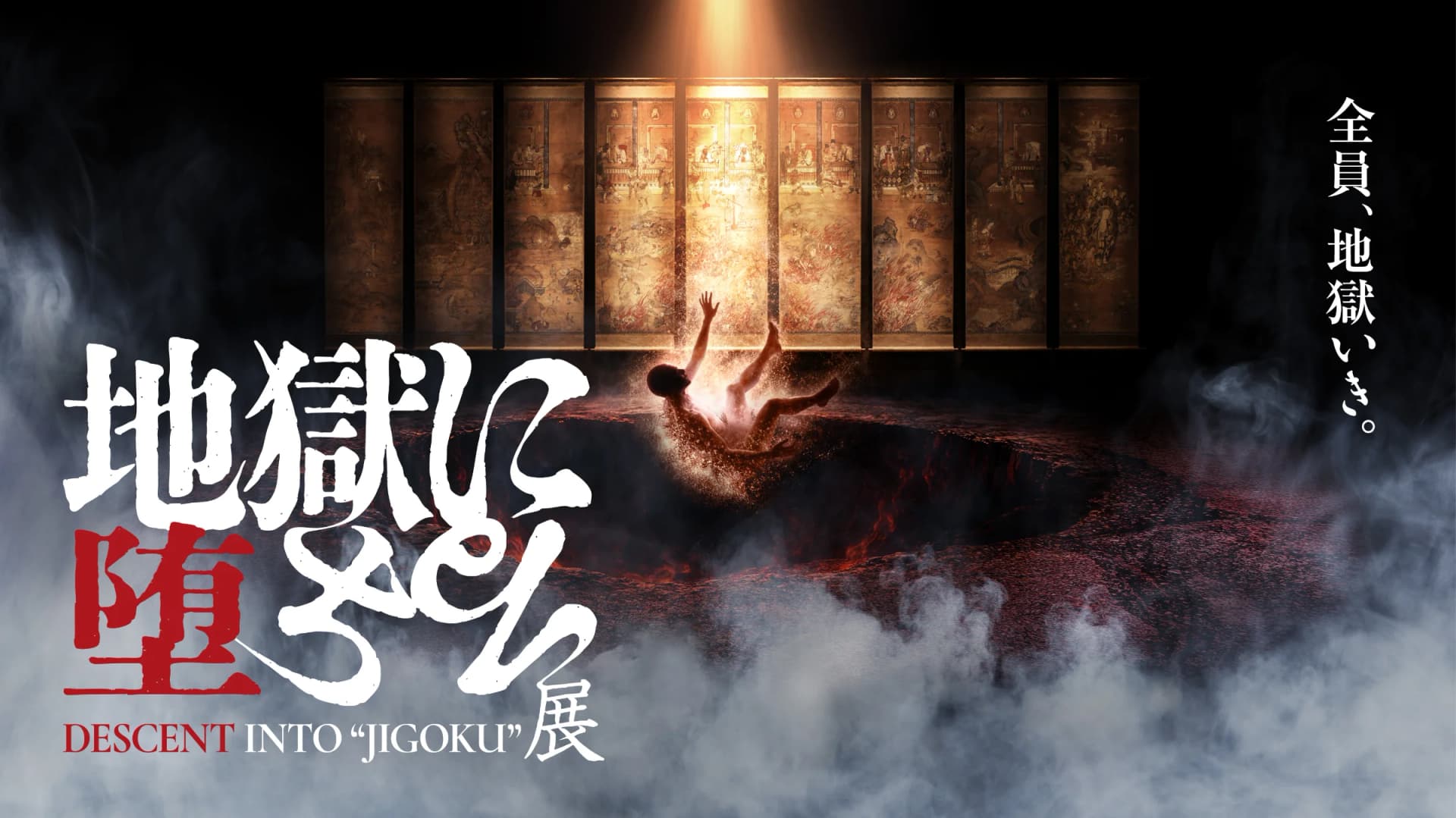
Descent into "Jigoku"
An exhibition in Osaka on the Japanese hell, following the path of the dead through full-size reproductions of painted scrolls and moving projections.
28 Nov – 27 Dec 2026Osaka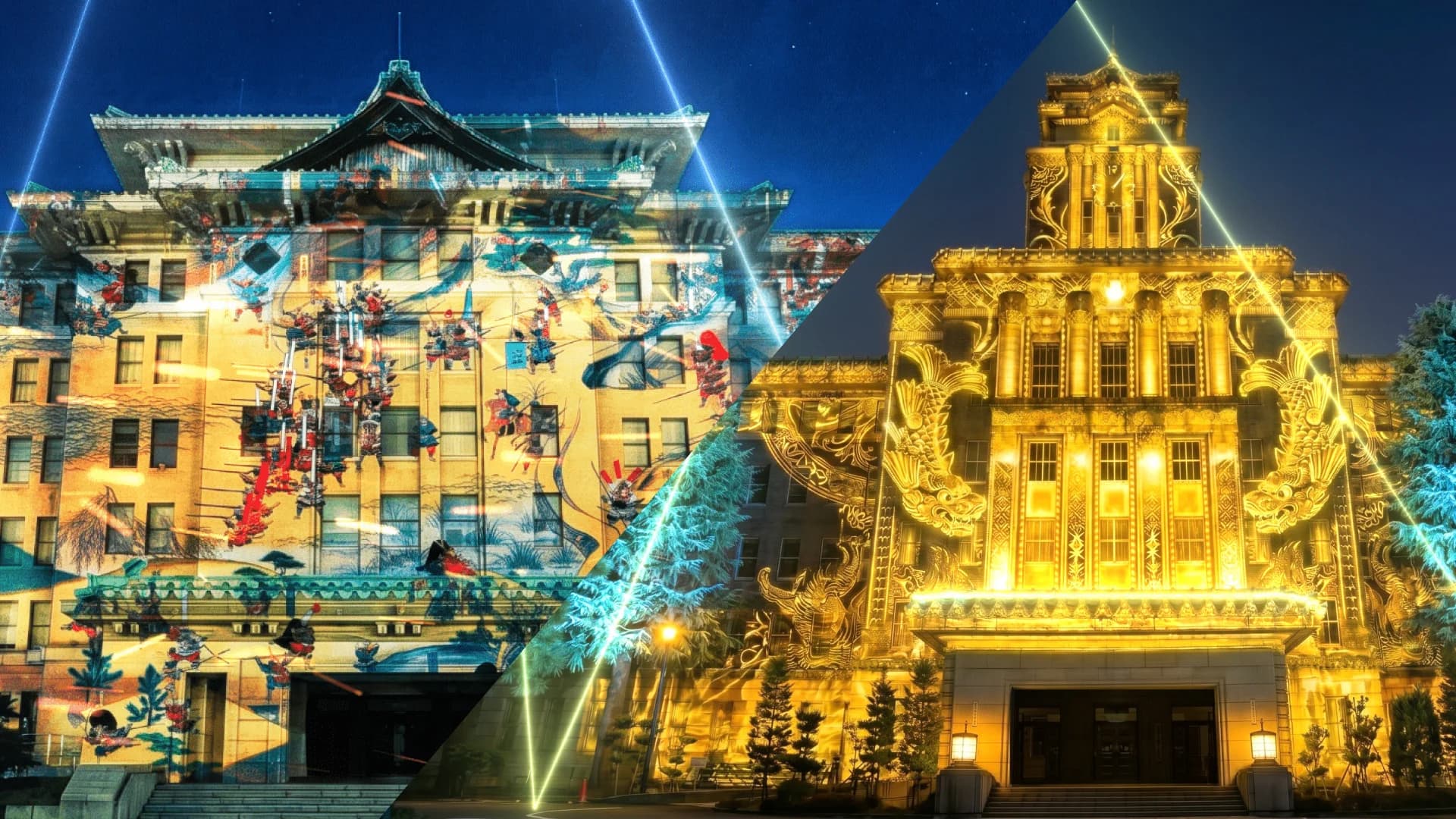
Aichi Nagoya Art & Lights
A free after-dark light show projecting digital art onto two of Nagoya's historic "imperial crown style" civic landmarks, near Nagoya Castle.
17 Sep – 24 Oct 2026Nagoya · Aichi
The 76th Nagahama Bonbai Exhibition
Japan's largest exhibition dedicated to bonbai, artistically cultivated plum trees in pots, displays approximately 90 specimens rotated by blooming stages over 60 days.
10 Jan – 10 Mar 2027Nagahama · Shiga