Mt. Shinobu Dawn Procession
信夫三山暁まいり
This Fukushima winter festival features Japan's largest straw sandal, a 12-metre marvel crafted in an Edo-period tradition and carried by volunteer bearers through the city.

〒 960-8003How to get there
福島Abukuma Express Line · Iizaka Line · Ou Main Line · Tohoku Main Line · Tohoku Shinkansen1 min walk from the station
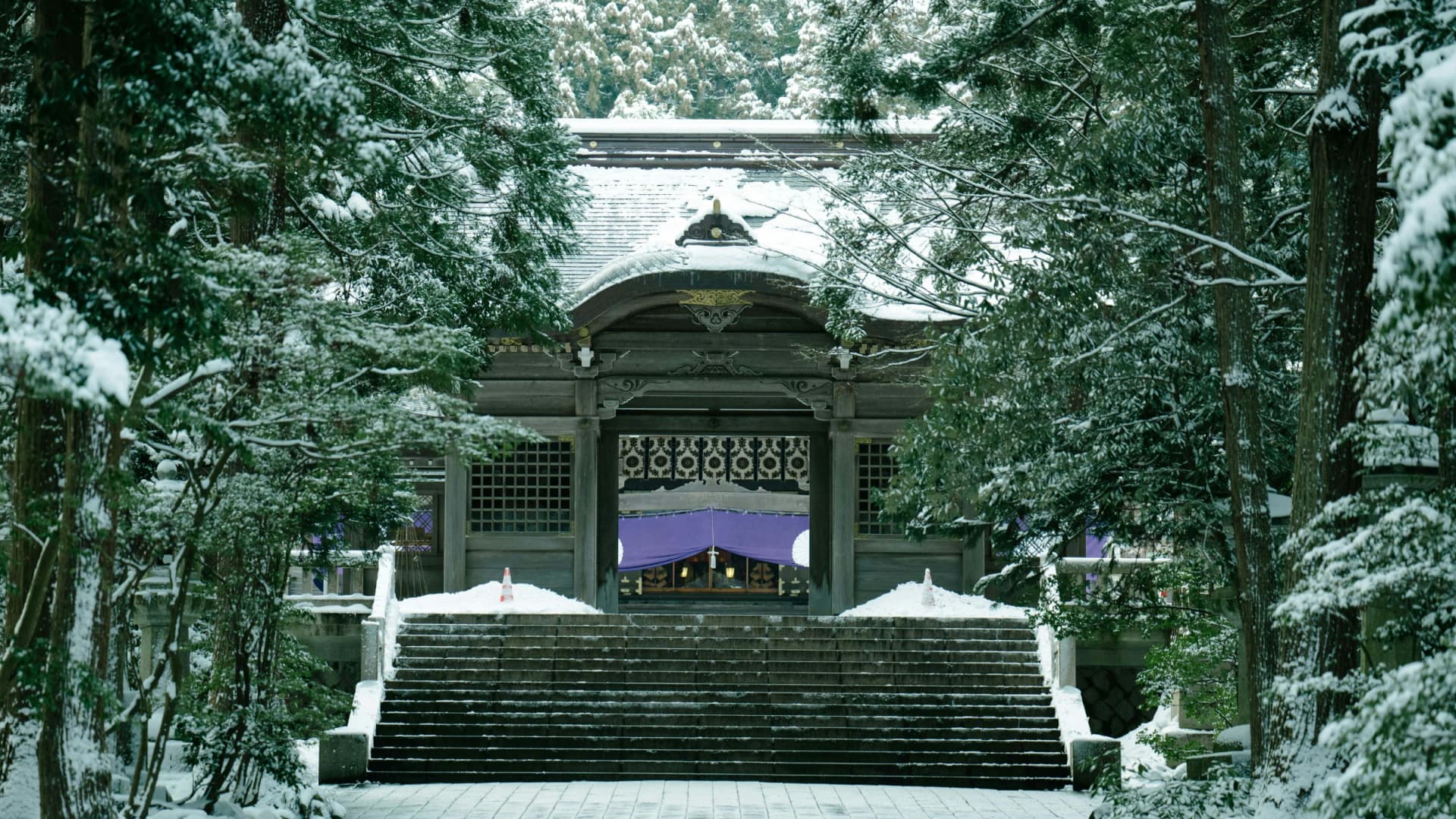
The Shinobu Dawn Procession (Shinobu Sanzan Akatsuki Mairi) is a historic winter festival held annually in Fukushima City, with a history spanning over 400 years since the Edo period. The festival originated from a tradition at Haguro Shrine on Shinobu Mountain, where a giant straw sandal (ōwaraji) was crafted and offered to the guardian statues of the temple to match the size of their feet.
The festival is held to pray for abundant harvests, family safety, and physical well-being, and it is also associated with strengthening the legs and feet. Additionally, Haguro Shrine is considered a shrine for matchmaking, with a local belief that visiting three years consecutively may lead to love. In recent years, prayers for traffic safety and success in examinations have also become popular.
The centrepiece of the festival is the giant straw sandal, which measures 12 meters in length and 1.4 meters in width, making it the largest in Japan. During the procession, approximately 80 volunteer carriers lift and carry the sandal from a downtown plaza through the city streets to Haguro Shrine, covering a distance of about 3.3 kilometers. Before the procession, the sandal is displayed publicly, and the event begins with an official departure ceremony. The procession concludes with the sandal’s dedication at the shrine.
Alongside the main procession, the festival also hosts the “Fuku-Otoko Fuku-Onna” race, now in its 12th year, where participants run from the Taishido Plaza up the old shrine path to Haguro Shrine, a distance of 1.3 kilometres. The race is open to all ages and genders, with up to 500 participants, and combines sport with the traditional spirit of the festival.
The visitors are encouraged to attend during daylight hours as the shrine path is not illuminated. The Shinobu Mountains Dawn Procession remains one of Fukushima’s most visually impressive and culturally significant winter events, drawing both locals and tourists to experience its centuries-old traditions.
Getting There

You might also like

Morioka Fall Festival
One of Iwate's most enduring celebrations, this autumn festival originated as prayers for harvest, now featuring ornate floats and traditional parades.
14–16 Sep 2027Morioka · Iwate
Kuji Autumn Festival
This over 650-year-old festival in a northern mountain town expresses gratitude for the harvest while praying for protection from disaster and the arrival of good fortune.
17–20 Sep 2027Kuji · Iwate
Kakunodate Festival
A traditional autumn festival with 400 years of history, held in September in Kakunodate, featuring large wooden floats decorated with samurai warrior dolls.
7–9 Sep 2027Semboku · Akita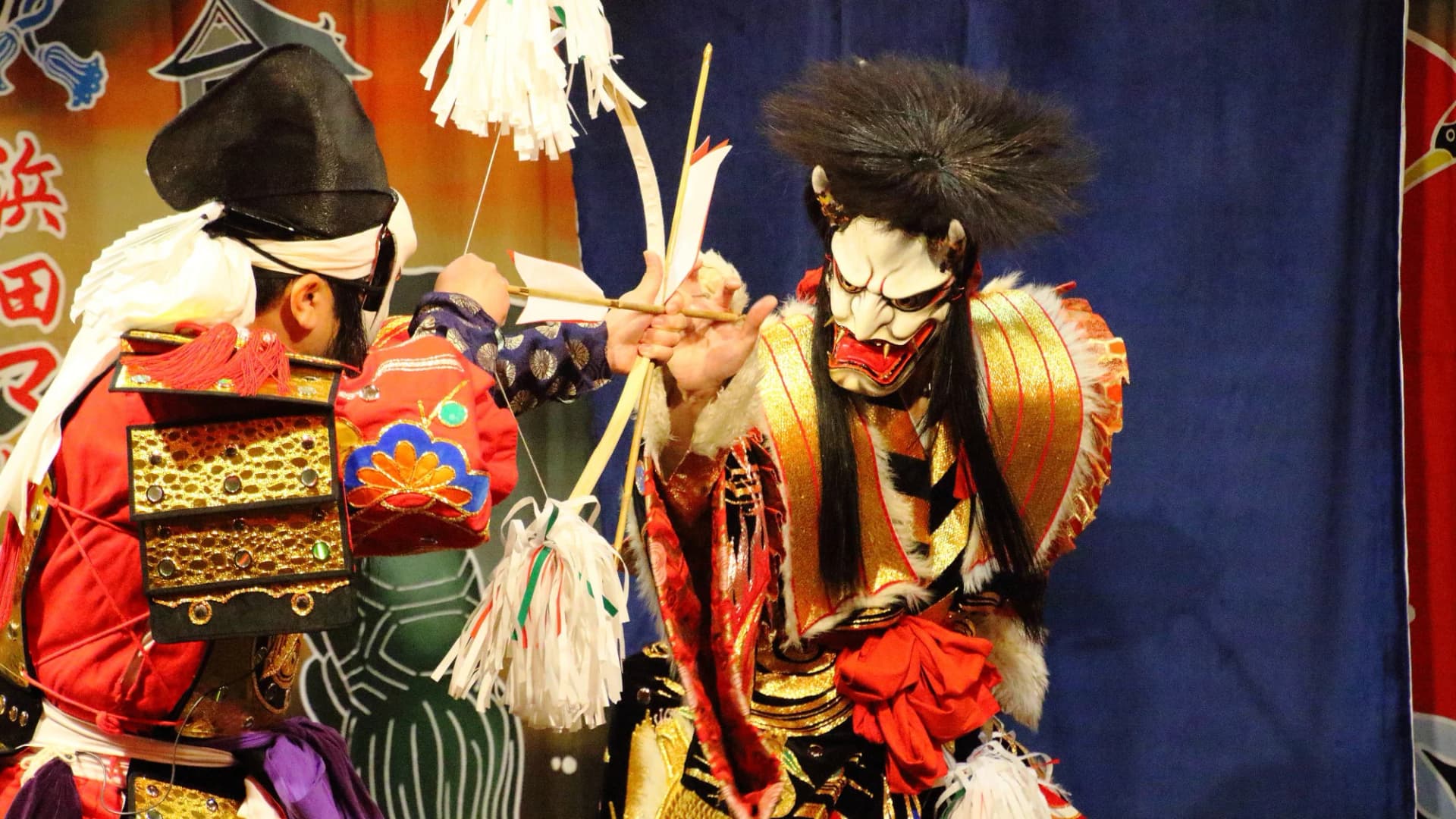
Iwami Kagura
Each autumn in western Shimane, shrine stages host Iwami Kagura – sacred dances performed through the night, from ceremonial pieces to a battle with a serpent.
Shimane · Chugoku
Kibitsu Jinja
Major Okayama shrine dedicated to Kibitsuhiko-no-Mikoto, a legendary prince credited with defeating an ogre and bringing peace to the region, foundations of the Momotaro folktale.
Okayama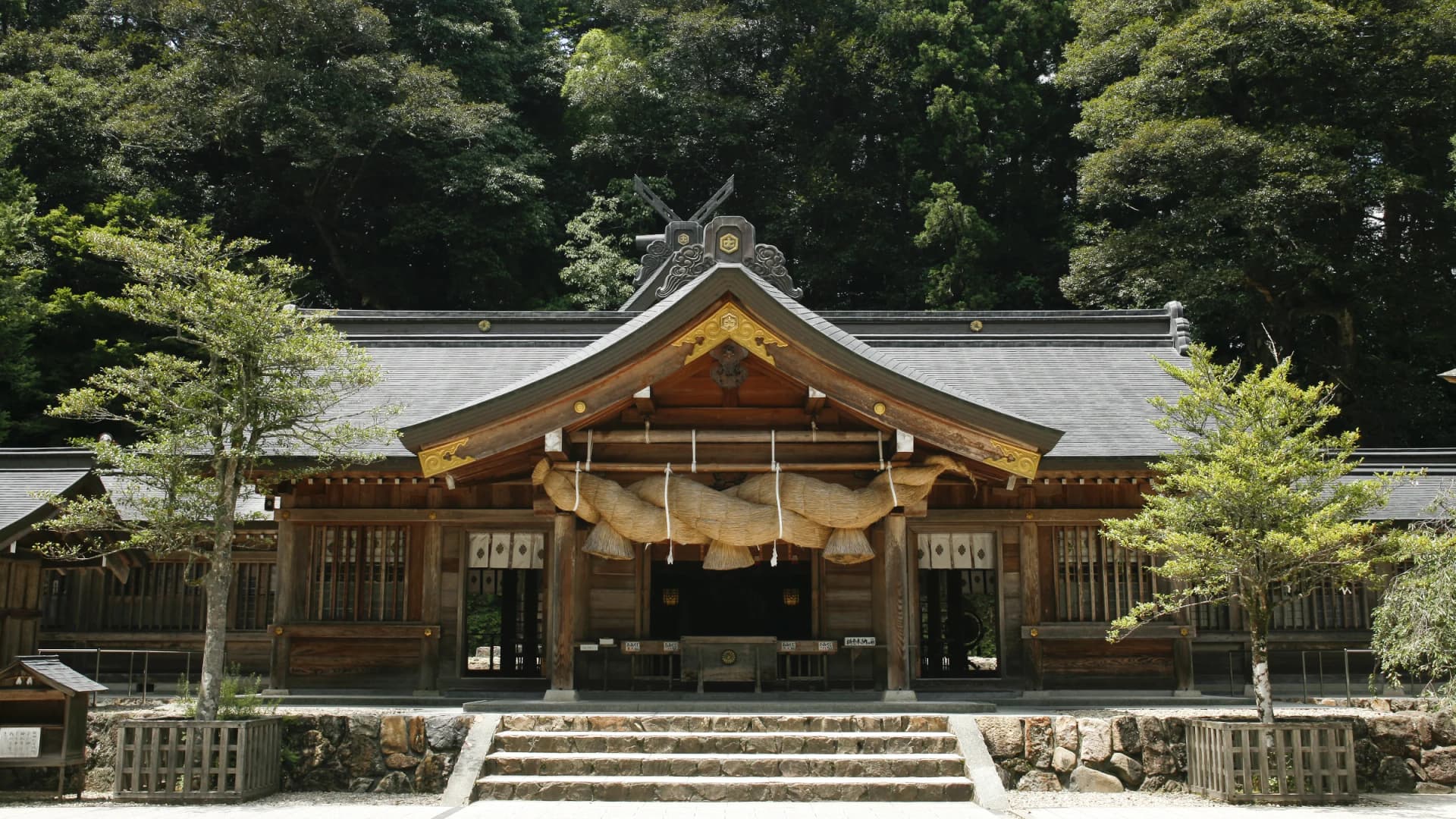
Kumano Taisha
Kumano Taisha, Izumo's "birthplace of fire", holds sacred hikiriusu and hikirigine fire-drills, a startling rice-cake ritual, and Susanoo's comb festival for Princess Inada.
Matsue · Shimane