Namahage Sedo Festival
なまはげ柴灯祭
A renowned winter festival recreates the Namahage tradition where demon-like figures visit shrines and homes, recognized as one of Japan's three strangest festivals.

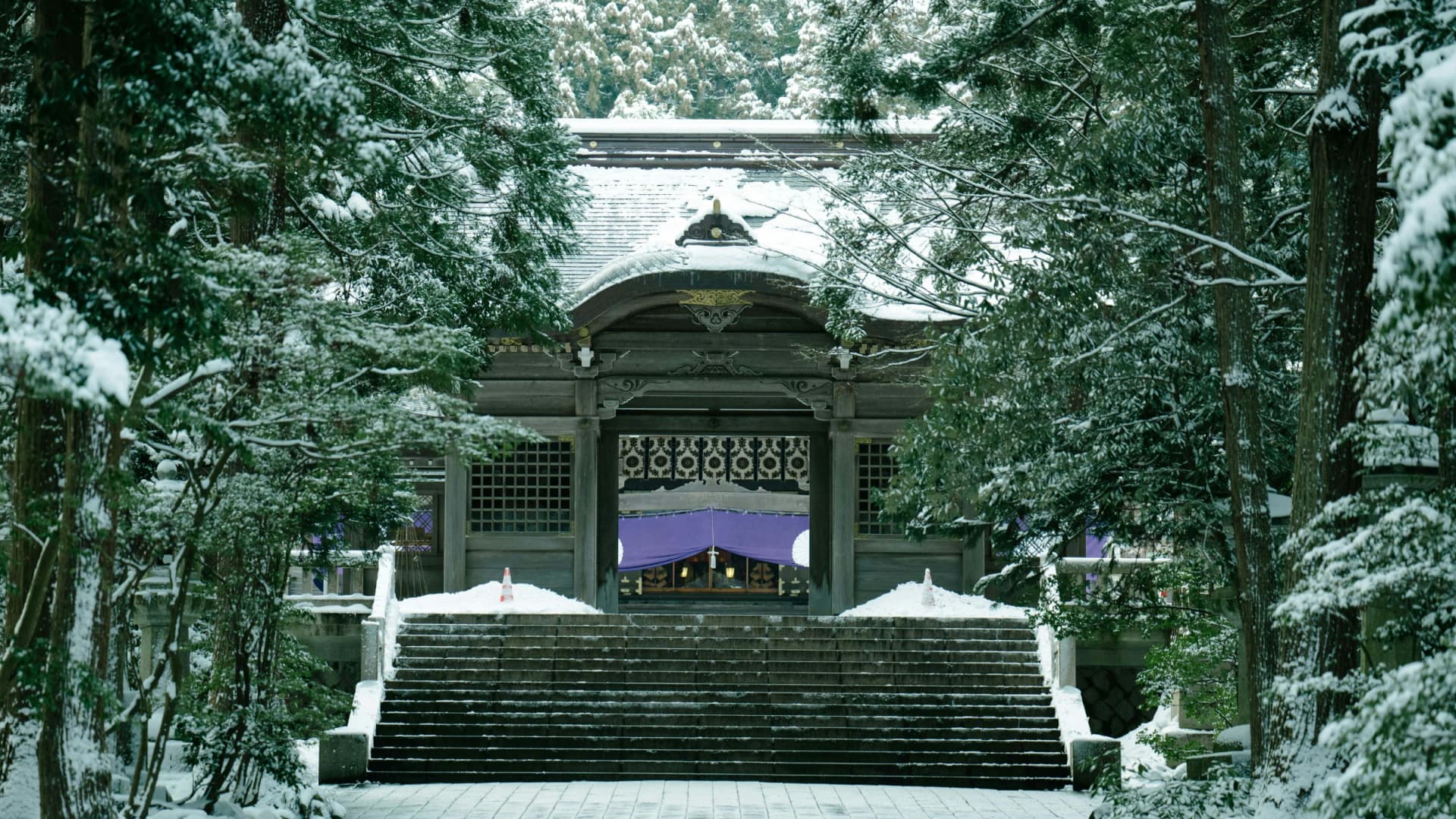
The festival is held annually on the second Friday, Saturday, and Sunday of February at Shinzan Shrine. In 1978, Oga City’s Namahage was officially designated as an Important Intangible Folk Cultural Asset of Japan. The festival is renowned as one of the Five Great Snow Festivals of Japan and is also known as one of the country’s three strangest festivals.
Traditionally, the Namahage ritual unfolds as follows: men dressed as Namahage - demon-like figures - visit each house, shouting questions such as “Are there any children who don’t listen to their parents?” and “Does the woman of the house wake up early?” Namahage are regarded as visiting deities of the New Year, who warn against laziness, protect people from illness and disasters, ensure good harvests, and bring blessings from the mountains and sea. Families welcome them with traditional food and sake, offering hospitality according to long-standing customs.
At Shinzan Shrine, the Namahage Sedo Festival recreates this tradition through a dynamic, multi-stage program held throughout the shrine grounds. The festival begins with Chinkama-sai and Yunomai, purification rituals performed at the Open Grounds Entrance, where hot water is ritually boiled and offered to calm nature and ward off misfortune. This is followed by the Namahage Spirit Imbuing Ceremony at the Shrine Approach Entrance, where young men receive sacred masks and symbolically transform into Namahage.
The program continues with a reenactment of the Namahage New Year house visits at the Kagura Hall, along with Namahage dances performed in front of the bonfire area. Powerful Namahage taiko drumming combines masked performers and Japanese drums, filling the shrine with sound and energy.
The festival’s climax comes when torch-bearing Namahage descend from the snowy mountains and march through the shrine grounds, creating a dramatic and otherworldly spectacle. During this finale, sacred rice cakes known as Goma Mochi are offered to the Namahage, who serve as messengers of the gods. These rice cakes are later bestowed upon parishioners as protective charms against disasters.
Appearance of the Namahage
Namahage roam the shrine grounds carrying large chopping knives known as deba bōchō and gohei, sacred wooden wands adorned with paper streamers symbolising their divine status. Traditional Namahage masks were made from bark, carved wood, or papier-mâché molded over baskets, though modern versions may also be plastic. Their costumes consist of straw coats called kede (also known as kedashi, kende, or keramino), straw boots (waragutsu), and straw shin guards, giving them their iconic, fearsome appearance.
You might also like

Tsuchizaki Shinmeisha Shrine Annual Celebration And The Float Festival
Elaborate floats and traditional performances honor this port town's spiritual guardian, a shrine established in 1620 by local leaders.
20–21 Jul 2027Akita
Morioka Fall Festival
One of Iwate's most enduring celebrations, this autumn festival originated as prayers for harvest, now featuring ornate floats and traditional parades.
14–16 Sep 2027Morioka · Iwate
Kuji Autumn Festival
This over 650-year-old festival in a northern mountain town expresses gratitude for the harvest while praying for protection from disaster and the arrival of good fortune.
17–20 Sep 2027Kuji · Iwate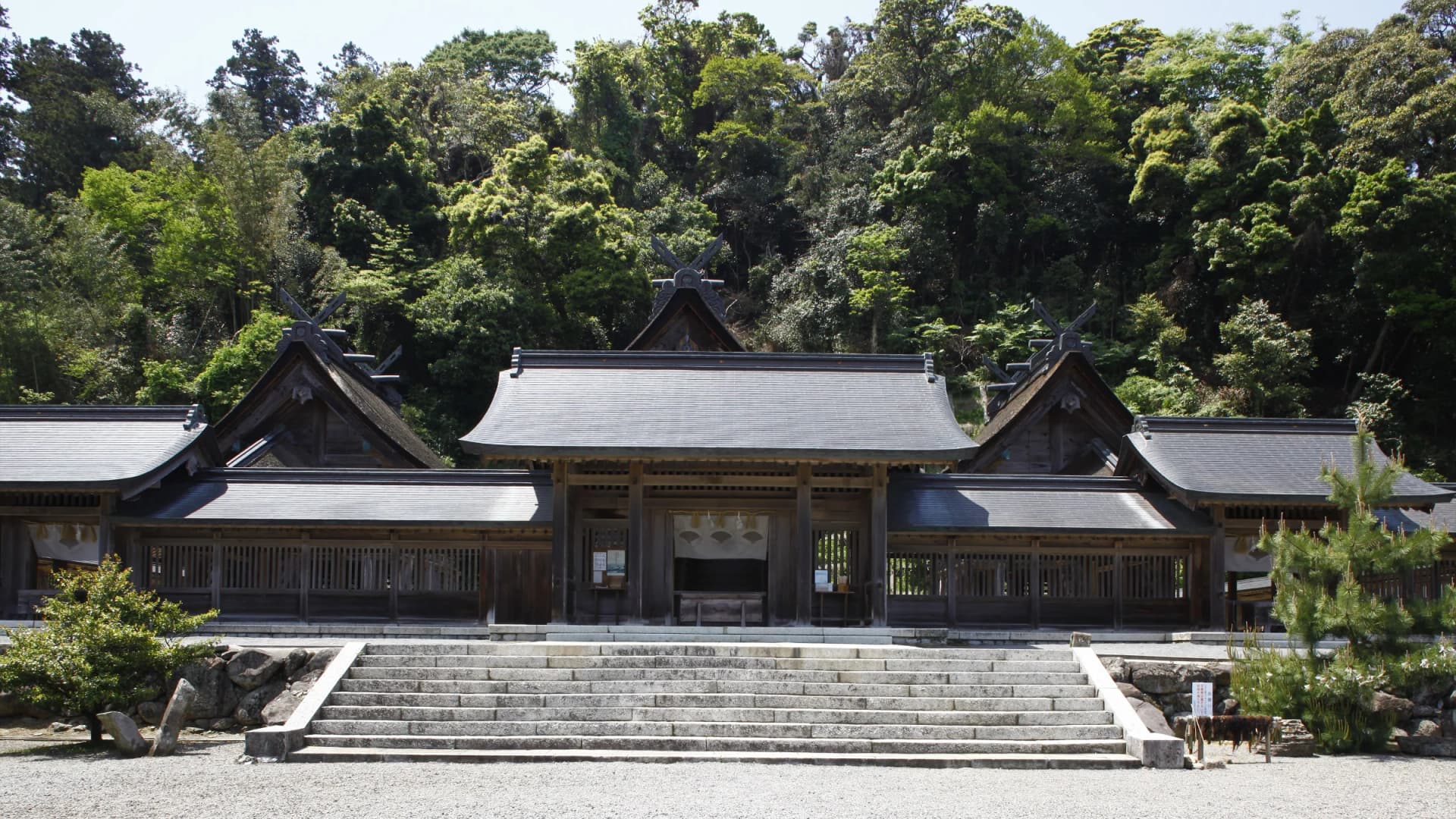
Sada Shrine
Sada Shrine near Matsue: a rare sanctuary of three halls side by side, the gods gathering each November to remember Izanami, and the UNESCO-listed Sada Shinno dance.
Matsue · Shimane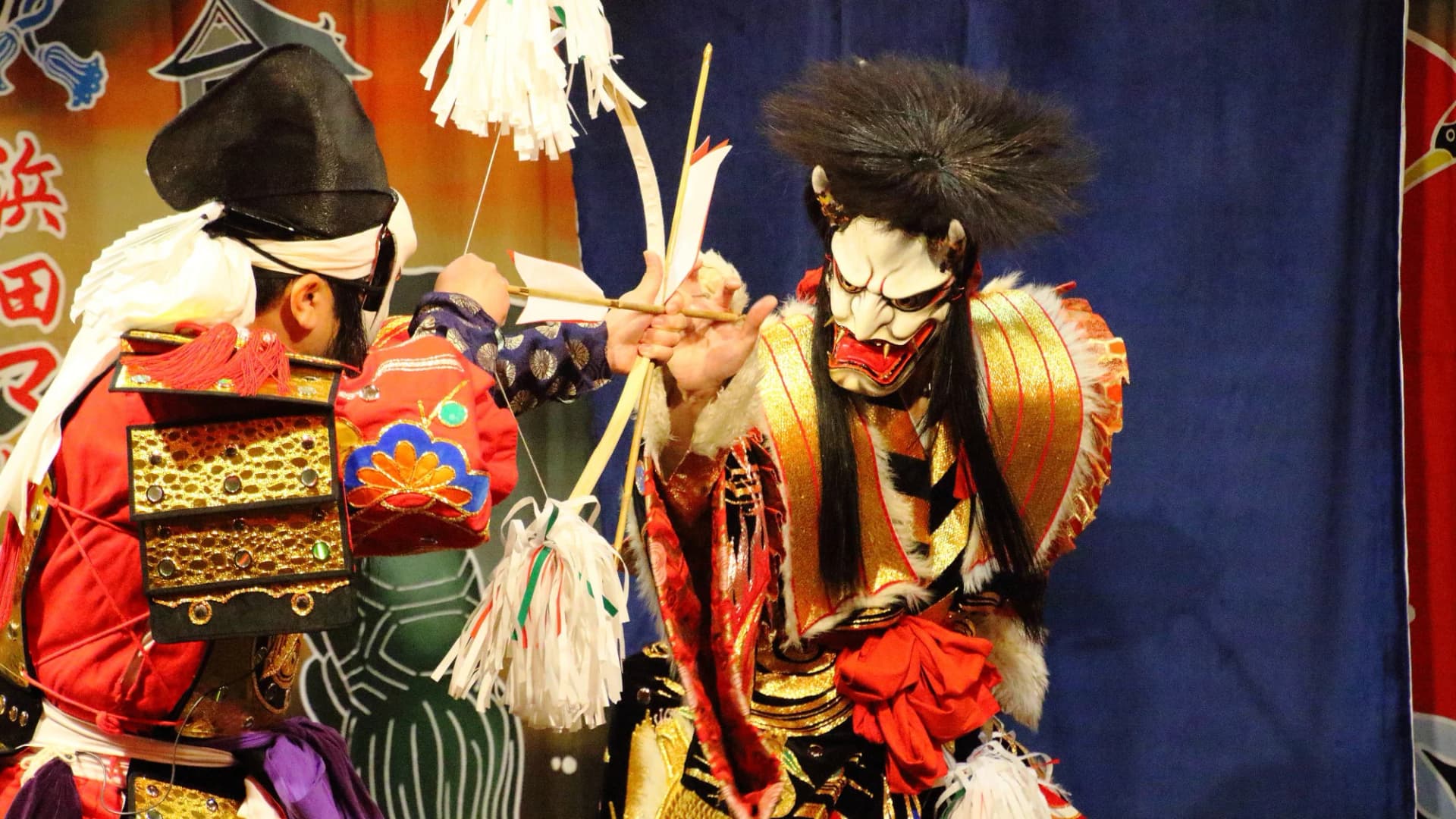
Iwami Kagura
Each autumn in western Shimane, shrine stages host Iwami Kagura – sacred dances performed through the night, from ceremonial pieces to a battle with a serpent.
Shimane · Chugoku
Ninja+Kabuki Tokyo
This nonverbal stage experience blends traditional kabuki and taiko drumming to tell a mythological tale of rival ninja, opening in August 2024.
Tokyo