Kibitsu Jinja
吉備津神社
Major Okayama shrine dedicated to Kibitsuhiko-no-Mikoto, a legendary prince credited with defeating an ogre and bringing peace to the region, foundations of the Momotaro folktale.

〒 701-1341How to get there
吉備津Kibi Line9 min walk from the station
Kibitsu Shrine is a major Shinto shrine in Okayama Prefecture, dedicated primarily to Kibitsuhiko-no-Mikoto, a legendary prince traditionally identified as a son of Emperor Kōrei. According to shrine tradition and ancient mytho-historical sources, he was dispatched westward during the reign of Emperor Sujin to pacify regions that had not yet submitted to the central court. In the Kibi region, he is said to have defeated a powerful figure named Ura (often portrayed as a demon or ogre), thereby bringing peace and order to the land. This narrative is widely regarded as one of the foundations of the later Momotaro folktale.
Myth and Ritual Tradition
According to legend, the ogre Ura built a fortress in the mountains northwest of the shrine, identified today with the ruins of Oni-no-jo (“Demon’s Castle”). After a long battle in which arrows collided in midair, Kibitsuhiko defeated him. Nearby places such as Yaguinomiya, Chisuigawa, and Koikui Shrine are traditionally linked to this story.
A ritual reflecting the legend is the Narukama Shinji (cauldron-sound divination). Shrine lore says Ura’s severed head continued to cry until placed beneath a cauldron, whose sound then revealed fortune or misfortune. Today priests and a hereditary female attendant interpret the resonance of the boiling pot during prayer.
Another ceremony, Yatate Shinji, uses sacred arrows shot in multiple directions to purify and protect the land.
The main annual festival is the Shichijūgozen Shinji, held in spring and autumn, when offerings of rice and seasonal foods are presented on seventy-five trays and carried in procession to the sanctuary.
Architecture and Cultural Properties
Kibitsu Shrine’s main hall and worship hall are designated National Treasures. Rebuilt in 1425 during the Muromachi period under the Ashikaga shogunate, the complex is constructed in the unique Hiyoku Irimoya-zukuri style, also known as “Kibitsu-zukuri.” This rare architectural form joins two irimoya (hip-and-gable) roofs into a single expansive structure, creating a distinctive silhouette shaped like the katakana character エ when viewed from above. The deep eaves are supported by bracket complexes influenced by continental architectural techniques introduced during medieval temple reconstruction.
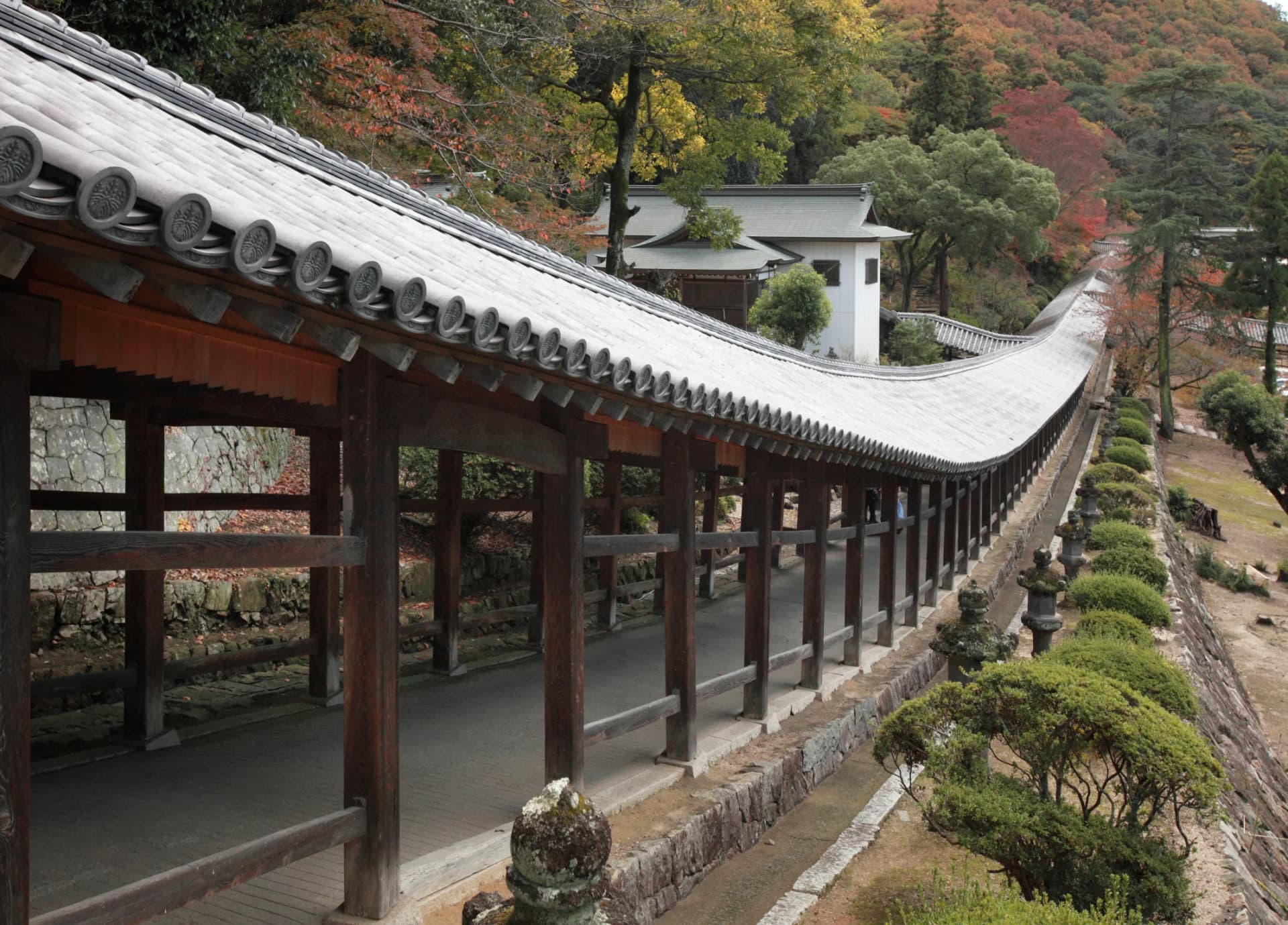
The shrine is also known for its 360-meter covered corridor, one of the longest in Japan, which connects various precinct structures and plays a central role in festival processions.
Among its cultural assets are medieval wooden komainu (lion-dog guardian statues), Muromachi-period votive swords of exceptional size, historical ridge plaques documenting repairs, and illustrated ema (votive paintings), including a tiger painting attributed to Maruyama Ōkyo. Historic maps from the Edo period depict the shrine’s expansive grounds and its relationship to the surrounding sacred landscape tied to the Ura legend.
Getting There

You might also like

Morioka Fall Festival
One of Iwate's most enduring celebrations, this autumn festival originated as prayers for harvest, now featuring ornate floats and traditional parades.
14–16 Sep 2027Morioka · Iwate
Yamashiro Daidengaku Festival
The Yamashiro Daidengaku Festival revives the ancient dengaku dance form rooted in Shintoism, through performances by local talents and renowned actors in period costumes.
8–9 Aug 2027Kaga · Ishikawa
Nagasaki Kunchi / Okunchi
This 380-year-old shrine festival blends Japanese folk dances with dragon processions and Dutch-influenced performances held across four venues in Nagasaki.
7–9 Oct 2026Nagasaki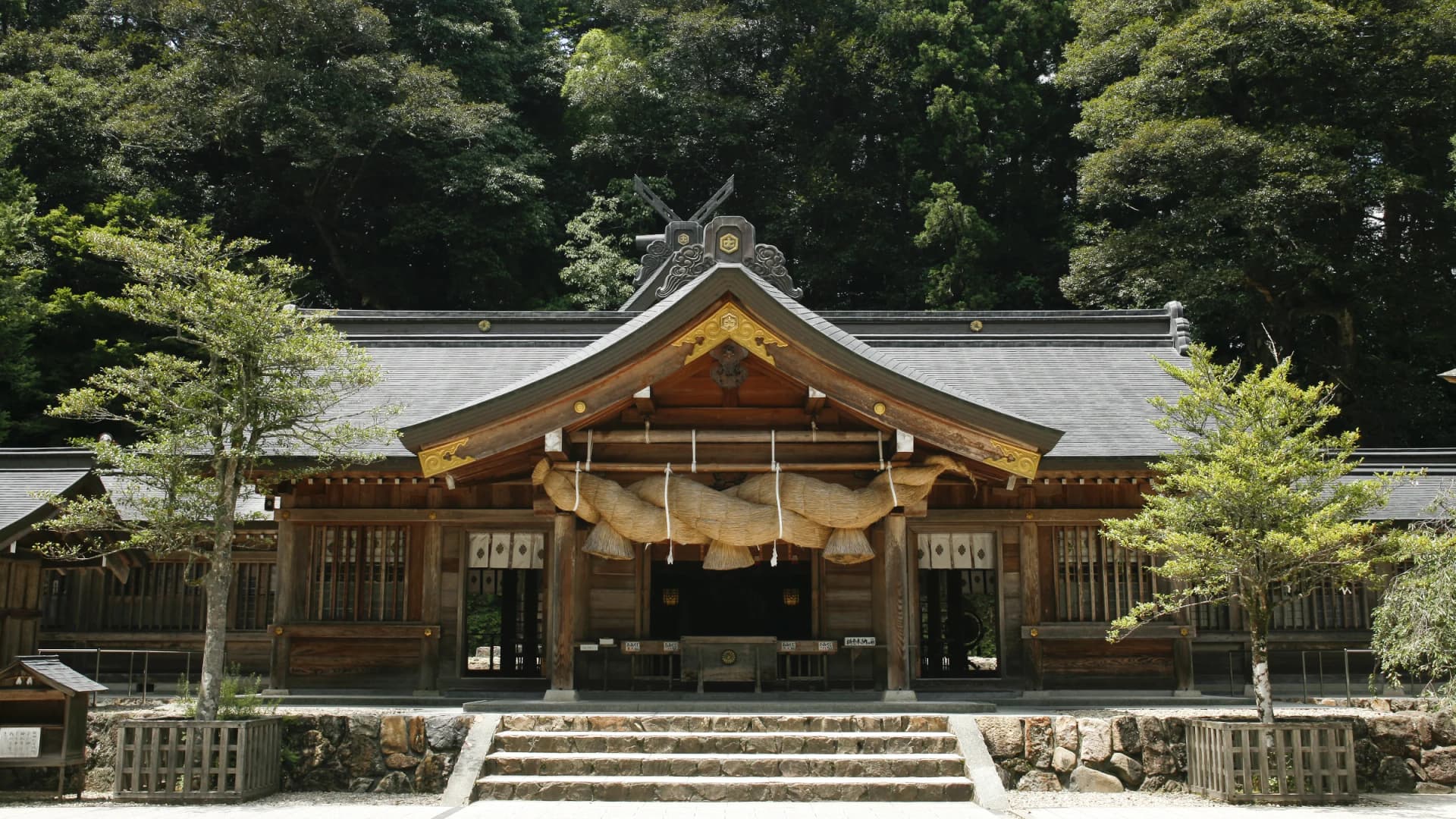
Kumano Taisha
Kumano Taisha, Izumo's "birthplace of fire", holds sacred hikiriusu and hikirigine fire-drills, a startling rice-cake ritual, and Susanoo's comb festival for Princess Inada.
Matsue · Shimane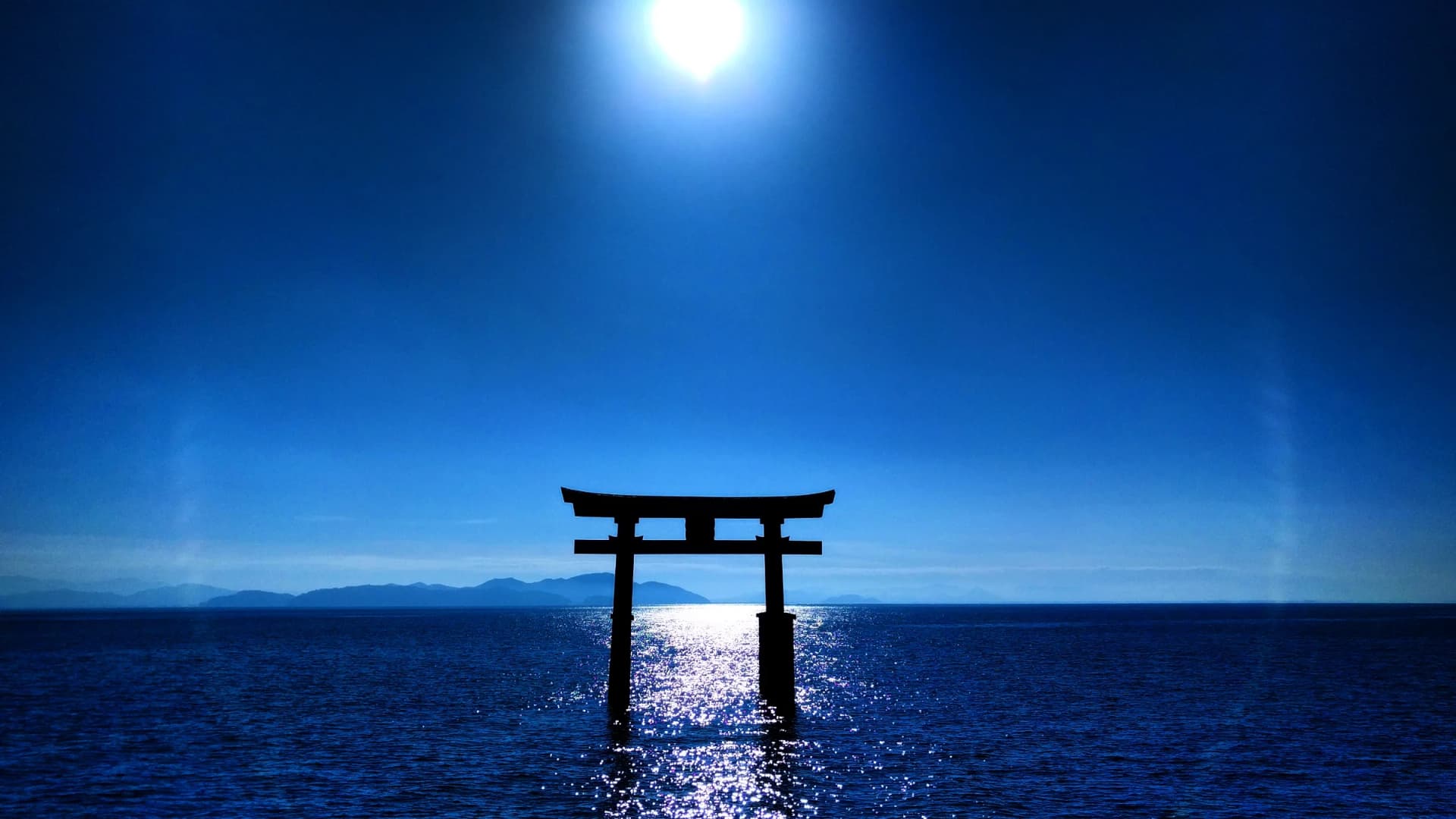
Shirahige Shrine
A shrine on the western shore of Lake Biwa with a torii standing in the water, dedicated to Sarutahiko and known as a shrine of long life.
Takashima · Shiga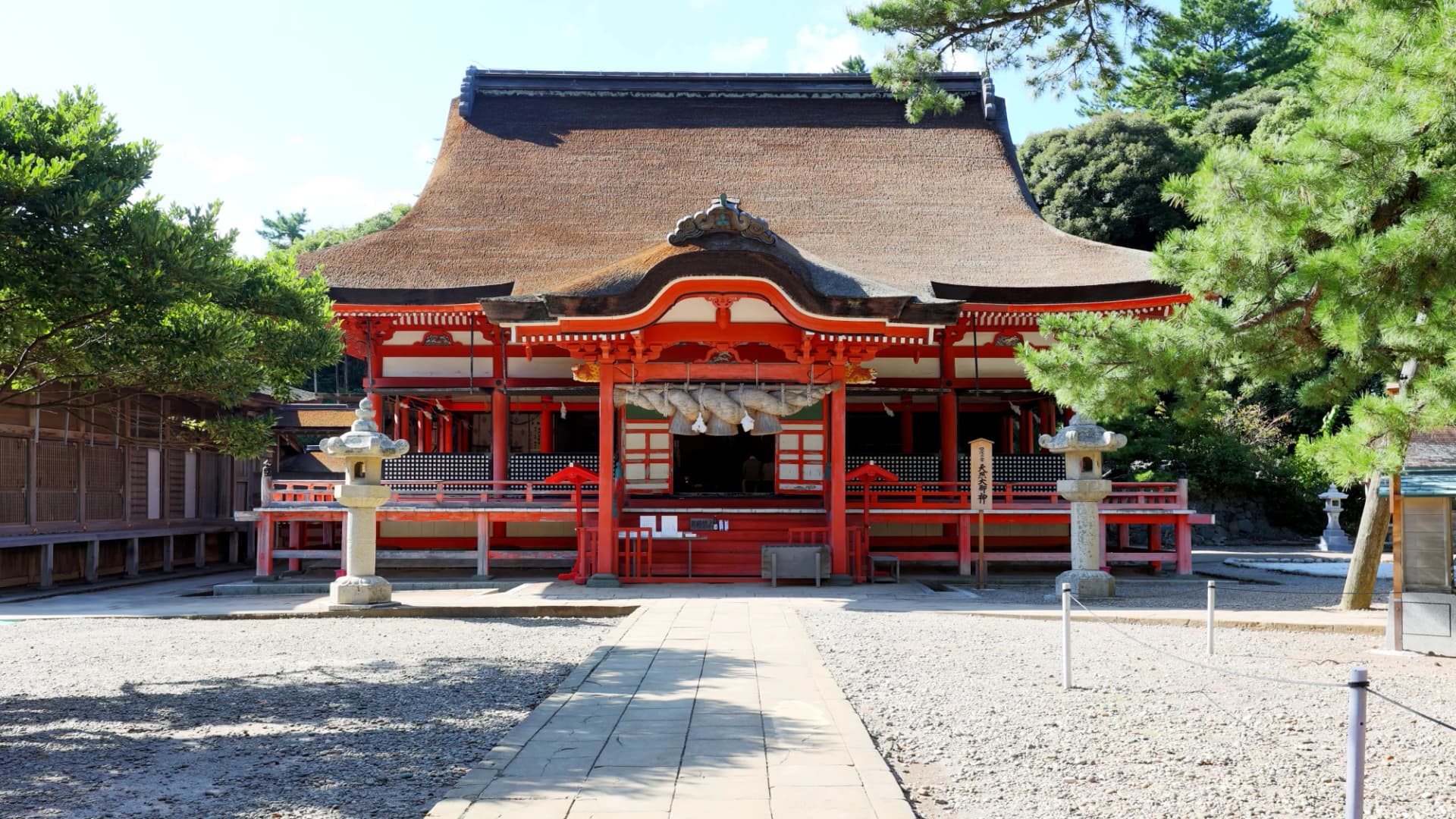
Hinomisaki Shrine
Two shrines on one site at the western tip of the Shimane Peninsula, rebuilt in the 1630s and holding a National Treasure suit of armour.
Izumo · Shimane