Ohara Festival
おはらまつり
Mass dancing in vibrant costumes and powerful taiko drumming celebrate Kagoshima's regional identity in this southern Kyushu autumn festival.

〒 892-0825How to get there
いづろ通1 min walk from the station
The Ohara Festival (Ohara Matsuri) is the largest autumn festival in southern Kyushu and one of Kagoshima City’s most significant annual cultural events. Held every year on November 2 and 3 in and around the Tenmonkan district, the festival has been celebrated since 1949 and attracts large numbers of local residents and visitors from across Japan.
At the heart of the Ohara Festival is so-odori, or mass dancing, in which large groups of participants dance together through the streets. These dances are performed to well-known local folk songs, including Ohara-bushi, Kagoshima Hanya-bushi, and Shibuya Ondo, all of which are closely associated with Kagoshima’s regional identity. Dance groups wear colourful, coordinated costumes, creating a vivid and energetic spectacle throughout the city centre.
The festival is divided into two main parts: the Night Festival and the Main Festival. The Night Festival features mass dancing and performances in the Ogojo Taiko drum competition. The word ogojo means “woman” in the Kagoshima dialect, and these performances highlight the powerful yet graceful drumming and flute music associated with Satsuma women. The performances are widely regarded as a highlight of the festival. During the Main Festival, these events are joined by additional attractions such as marching performances and the modern dance program. Over the two days, the Tenmonkan area becomes a lively gathering place filled with music, dance, and spectators.
In the days leading up to the event, illuminated Flower Trams operate through the city, adding to the festive atmosphere and signaling the approach of the celebration.
The Ohara Festival continues to play an important role in preserving local traditions while fostering community participation and tourism. Through its combination of folk culture, performance, and public engagement, it remains a central symbol of Kagoshima’s cultural heritage.
Getting There

Planning a trip? Fit this into a trip and Oni plans the rest around it.
You might also like

Ohara Hadaka Festival
The 'Naked Festival' features mikoshi carried into the sea, a boisterous parade through town, and shrines tossed high against fireworks and songs of joy.
23–24 Sep 2027Exact date not confirmed yetIsumi · Chiba
Matsushiro Sanada Jumangoku Festival
An autumn parade brings the Warring States period to life with over 250 participants in samurai and historical costumes, honoring the Sanada clan.
10–11 Oct 2027Exact date not confirmed yetNagano
Niihama Taiko Festival
Towering drum-bearing floats parade through Niihama in this October celebration, drawing nearly 200,000 spectators each year.
16–18 Oct 2026Niihama · Ehime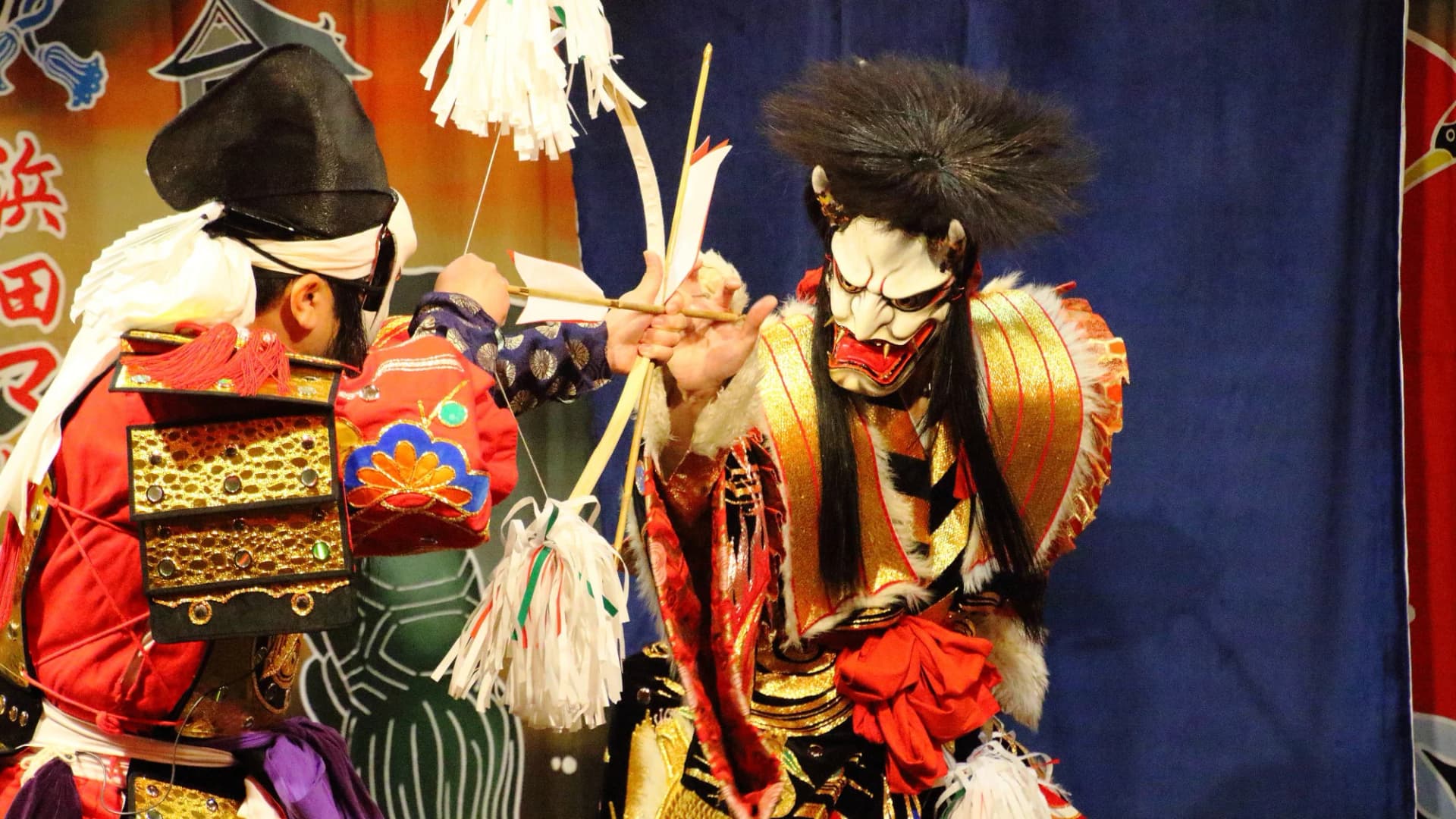
Iwami Kagura
Each autumn in western Shimane, shrine stages host Iwami Kagura – sacred dances performed through the night, from ceremonial pieces to a battle with a serpent.
Shimane · Chugoku
Ninja+Kabuki Tokyo
This nonverbal stage experience blends traditional kabuki and taiko drumming to tell a mythological tale of rival ninja, opening in August 2024.
Tokyo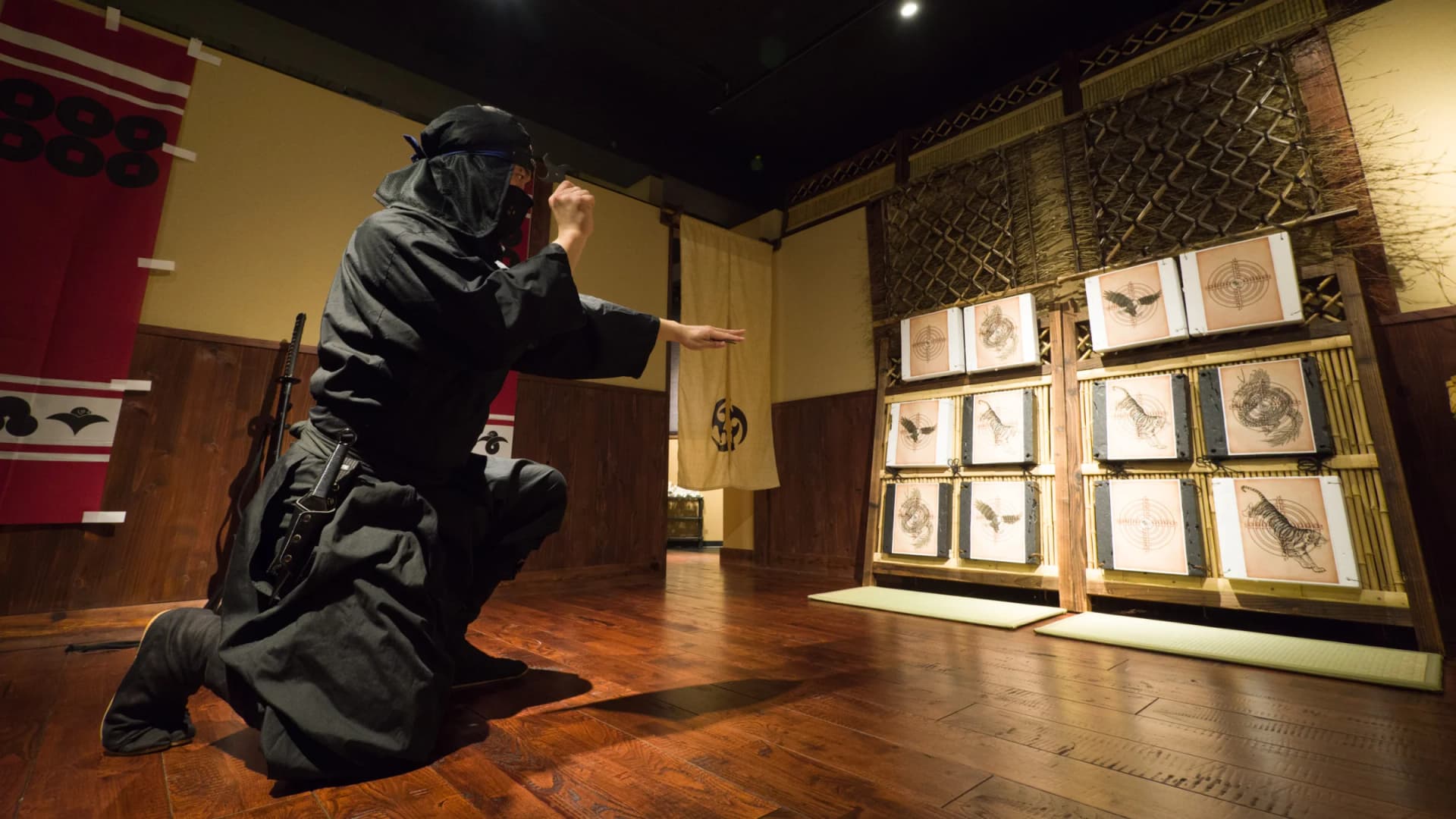
Ninja Trick House in Tokyo
A small ninja house in Kabukicho where visitors throw iron shuriken, draw a wooden sword and hunt for the tricks built into the walls.
Tokyo