Ohara Hadaka Festival
大原はだか祭り
The 'Naked Festival' features mikoshi carried into the sea, a boisterous parade through town, and shrines tossed high against fireworks and songs of joy.

〒 298-0003How to get there
大原Isumi Line · Sotobo Line1 min walk from the station
The Ohara Hadaka Festival, also known as the “Naked Festival”, is held annually on September 23 and 24 and is one of the most dynamic and revered traditional festivals in the Kanto region. The word hadaka means “naked”, referring to the traditional loincloth attire of the participants.
Festival Highlights
Shiofumi
The festival opens with the dramatic Shiofumi ritual at Ohara Beach. Prayers for a rich harvest and plentiful fishing are offered as more than a dozen mikoshi (portable shrines) are carried into the sea. Surging through the waves, clashing and rising high above the water, the shrines create a breathtaking and heroic spectacle.
Oowakare-shiki (Grand Farewell Ceremony)
The festival’s climax, the Oowakare-shiki, takes place on both evenings. As dusk falls, the mikoshi gather before the historic Kidoizumi Sake Brewery, then parade through Ohara’s bustling central shopping street toward the elementary school grounds. For nearly a kilometre, the town becomes a sea of people and shrines. Inside the schoolyard, the mikoshi charge and collide in fierce bursts of energy before being tossed high into the night air. As fireworks paint the autumn sky, the bearers join together in song, expressing both the joy of the moment and the sorrow of parting.
History and Tradition
The Ohara Hadaka Festival traces its roots back to the Edo period. Ema plaques dedicated at Takiuchi Shrine as early as 1841 depict scenes of the festival, showing that its customs were already firmly established by then. In a time with little entertainment, the festival was the highlight of the year, cherished by all. As elders recalled, “We would pawn anything just to prepare for the festival”. Recognising its value in strengthening unity, even the local feudal lord monitored its success, with reports of the safe conclusion of the mikoshi procession sent directly to the lord of Ōtaki Castle.
Once held in mid-August, the festival was moved with the calendar reform of the Meiji era to late September. Since 1913, it has been fixed to September 23–24, aligning with the autumn equinox.
During the war years, some parish leaders sought to cancel the festival, fearing it was inappropriate. Yet the police insisted it continue, declaring its unmatched vigour vital for raising community morale.
Getting There

You might also like

Sanja Matsuri
Sanja Matsuri is one of Tokyo's largest traditional festivals, honouring enshrined figures through mikoshi processions and an Intangible Folk Cultural Property ritual dance.
15–17 May 2027Tokyo
Kanamara Matsuri "Festival of the Steel Phallus"
An annual Shinto festival at Kanayama Shrine in Kawasaki featuring distinctive phallic imagery in decorations and parades while raising funds for HIV research.
5 Apr 2027Kawasaki · Kanagawa
Moka Summer Festival
Moka Summer Festival honors Kojin, the god of fire and hearth, with over 20 mikoshi and festival floats paraded through the city during a three-day summer celebration.
24–26 Jul 2027Moka · Tochigi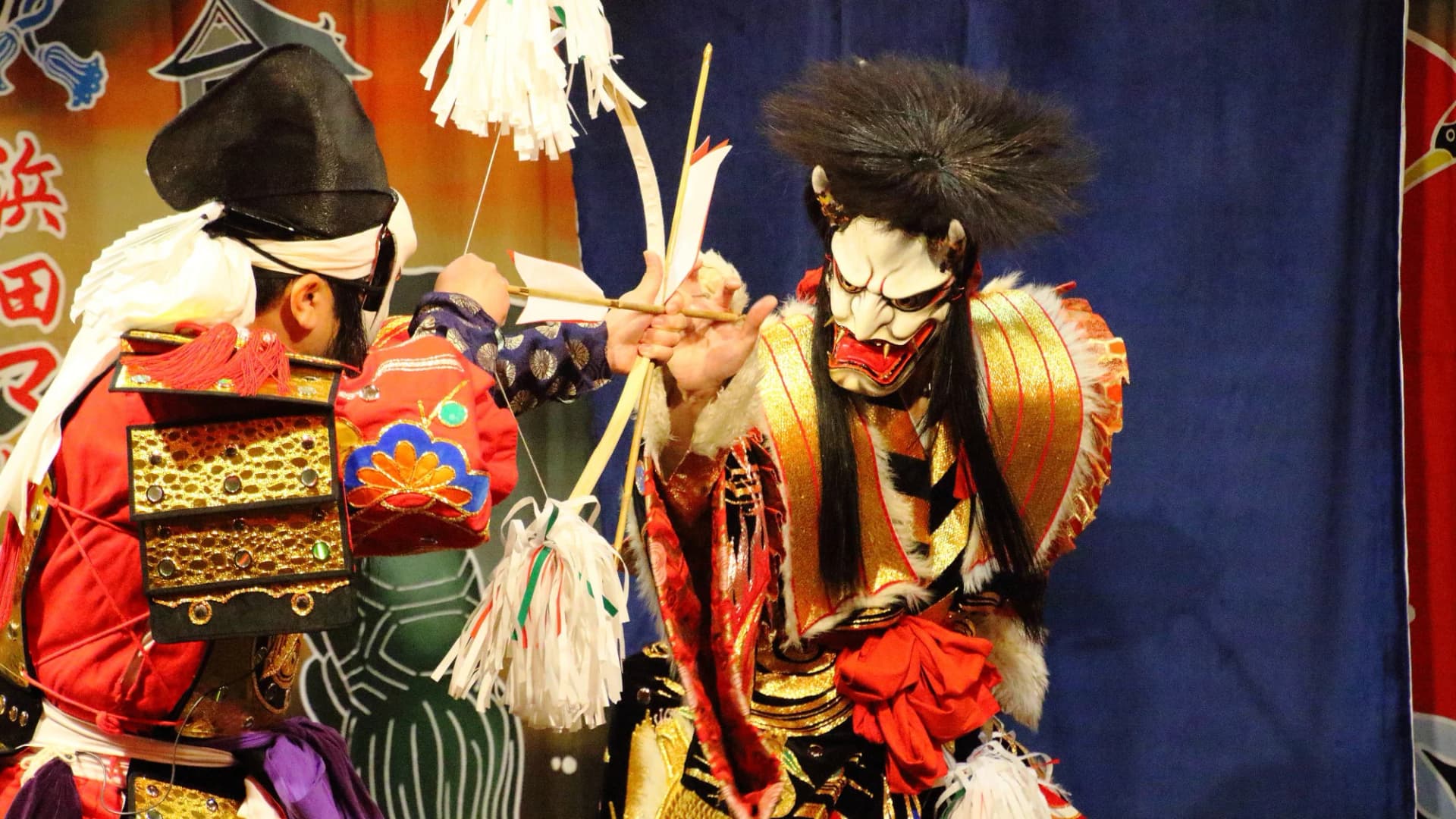
Iwami Kagura
Each autumn in western Shimane, shrine stages host Iwami Kagura – sacred dances performed through the night, from ceremonial pieces to a battle with a serpent.
Shimane · Chugoku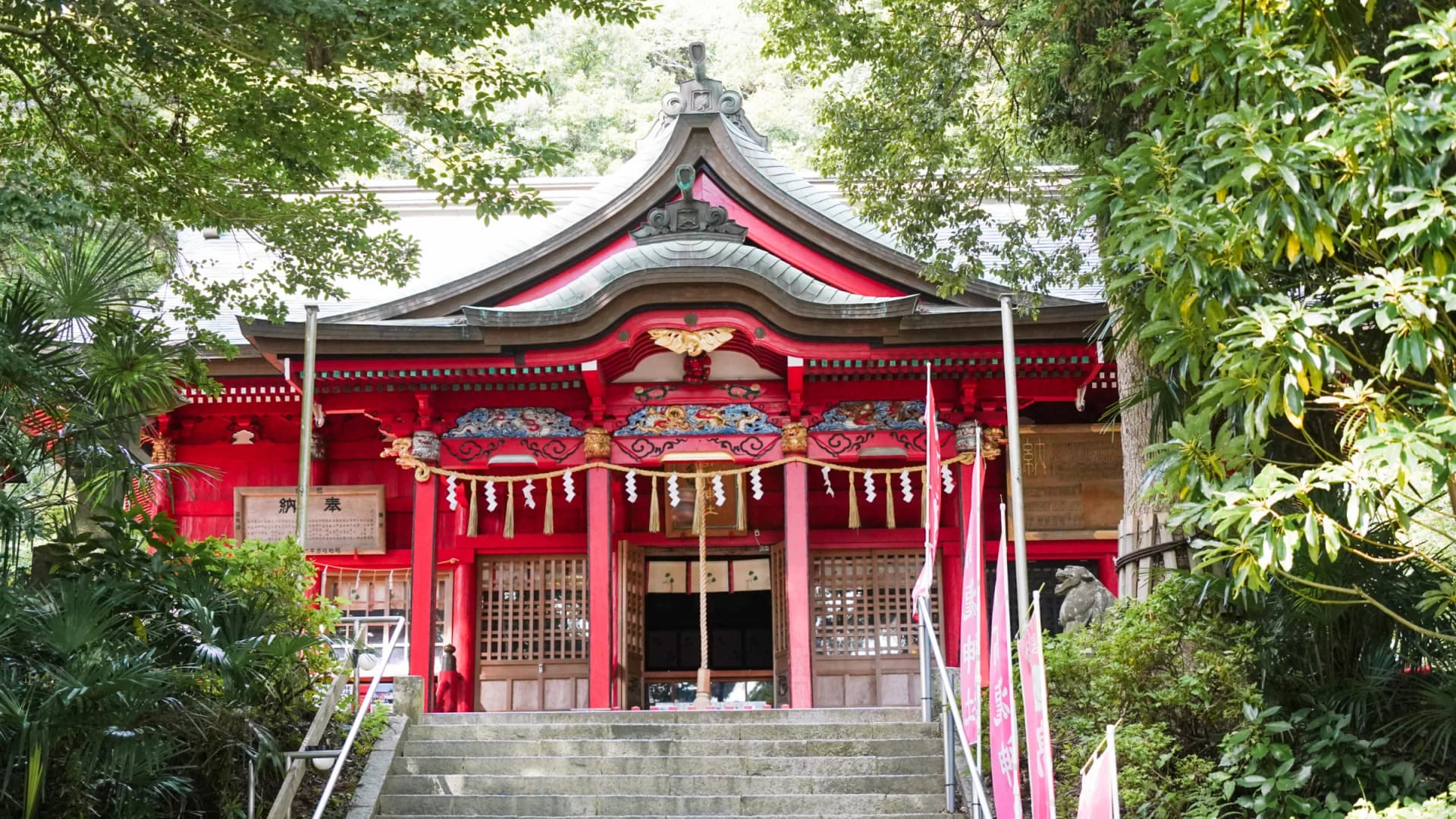
Takataki Shrine
A shrine in Ichihara with an unusual tradition: expectant mothers borrow a small purse left unstitched at the base, for an easy birth.
Ichihara · Chiba
Kibitsu Jinja
Major Okayama shrine dedicated to Kibitsuhiko-no-Mikoto, a legendary prince credited with defeating an ogre and bringing peace to the region, foundations of the Momotaro folktale.
Okayama