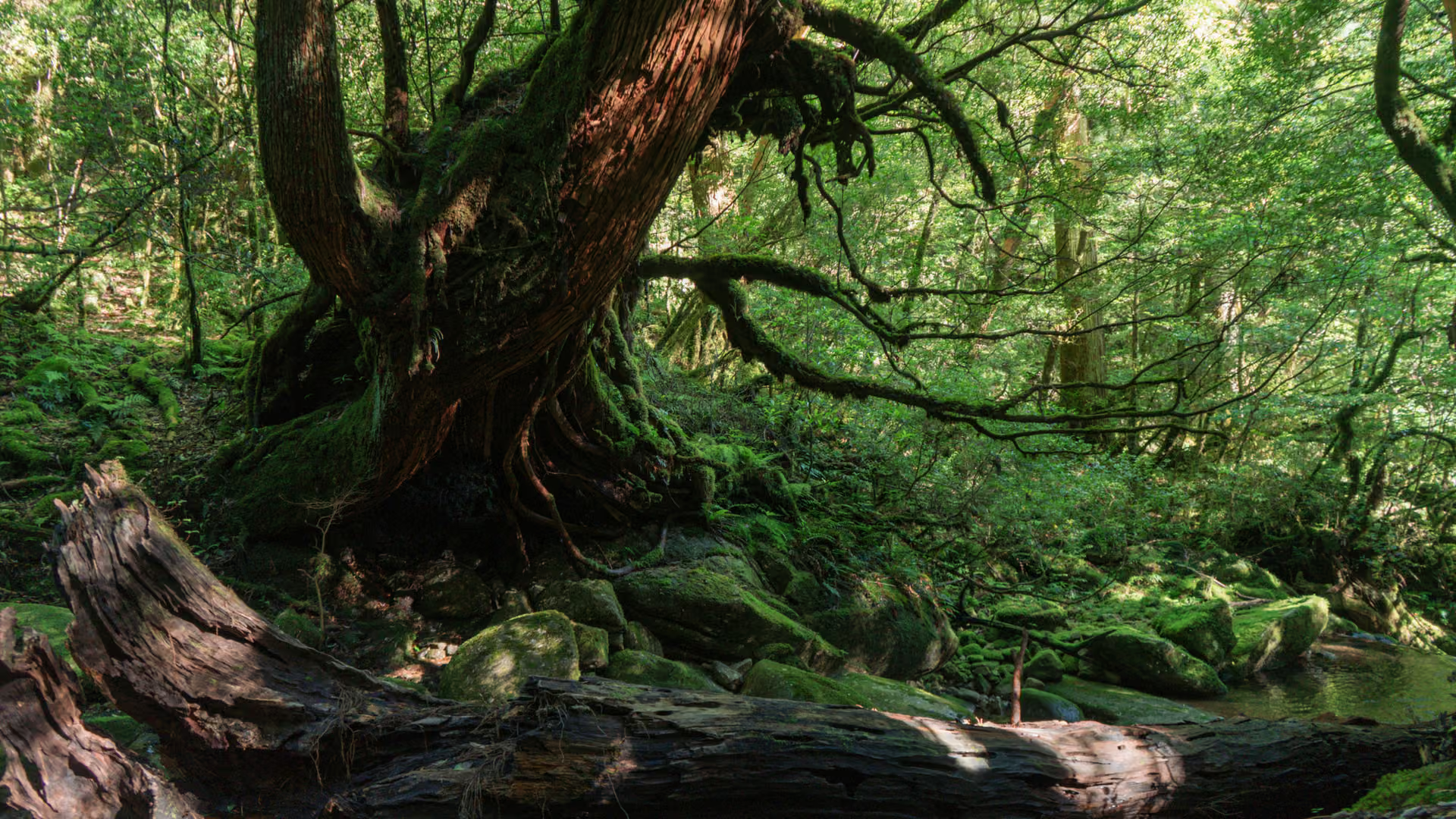
Miyazaki Jingu Grand Festival
宮崎神宮大祭
The autumn procession of Miyazaki Jingu, known as Jimmu-sama, carries Emperor Jimmu's deity through the city with Shan Shan Uma horses and folk dances.
〒 880-0053How to get there
宮崎神宮Nippo Main Line10 min by taxi from the station
The Miyazaki Jingu Grand Festival is the autumn festival of Miyazaki Jingu, the shrine in Miyazaki city dedicated to Emperor Jimmu, the first emperor in Japanese tradition. Its procession, the Goshinkosai (御神幸祭), is known locally as Jimmu-sama, and the shrine describes it as the largest festival in Miyazaki Prefecture. It honours Jimmu's deeds and celebrates the harvest.
According to the Kojiki and the Nihon Shoki, Jimmu set out from Hyuga, today's Miyazaki, on a journey east to Yamato, where he founded the imperial line. The shrine dates its annual rite to the eve of the day that, on the modern calendar, matches his departure, and the procession is held in memory of the journey east.
What happens
The festival opens with the annual rite (reisai, 例祭) at the shrine, one of the three most important ceremonies of a shrine's year. On the weekend after it, the deity is carried out of the shrine in a horen (鳳輦), an imperial-style palanquin, by bearers called gayocho (駕興丁), and taken through the city to an otabisho, a temporary resting place. The otabisho alternates each year between Nakamura and Segashira.
The procession includes a children's parade and festival performances added over the years: a parade of yabusame archers in armour, the Miss Shan Shan Uma (ミスシャンシャン馬) riders on decorated horses, and well-known folk dances from around the prefecture such as the hyottoko dance and the Hyuga bokken odori, a dance with wooden swords.
History
Nobody knows when the festival began; early records were lost. A document of 1784 already mentions the mikoshi being carried within the shrine grounds, and the shrine's diary, kept since 1876, records it being carried out into the parish. In 1880, the people of Nakamura were given permission to carry the deity around their district for 25 days each spring.
The shrine was rebuilt and its grounds enlarged in 1907, and the large formal procession took its present shape around 1909. In the Taisho and early Showa eras the festival lasted four days, with the deity resting at Segashira and then at Nakamura before returning. In 1945, after air raids had burnt down the city, only the rite was held. Since 1950, an association led by the Miyazaki Chamber of Commerce and Industry has supported the procession, and since 1971 it has been held on the weekend after the annual rite.
Getting There

Planning a trip? Fit this into a trip and Oni plans the rest around it.
You might also like
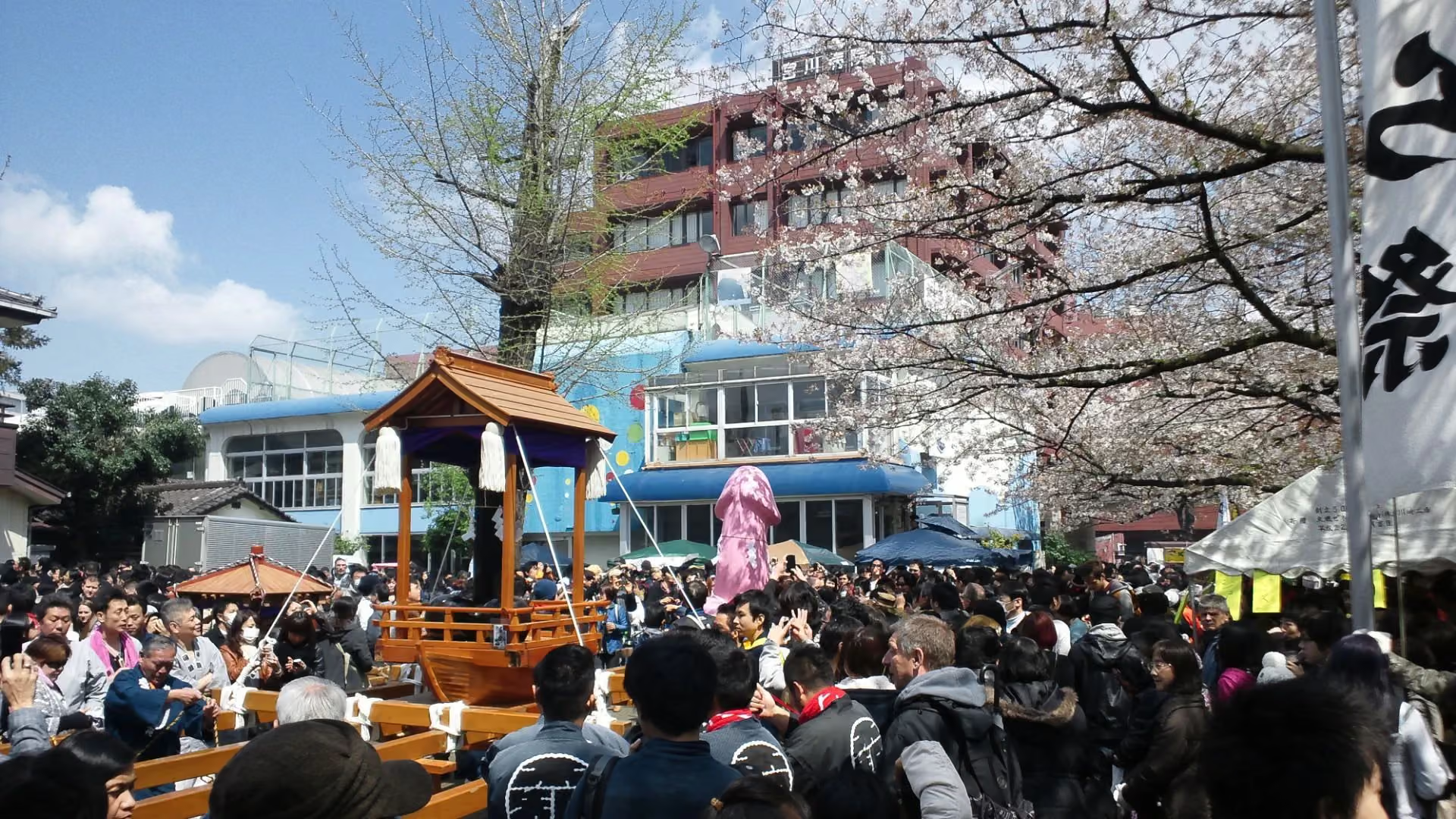
Kanamara Matsuri
A spring festival at Kanayama Shrine in Kawasaki: three phallus-shaped mikoshi are carried out with prayers for children, marriage and protection from disease.
4 Apr 2027Exact date not confirmed yetKawasaki · Kanagawa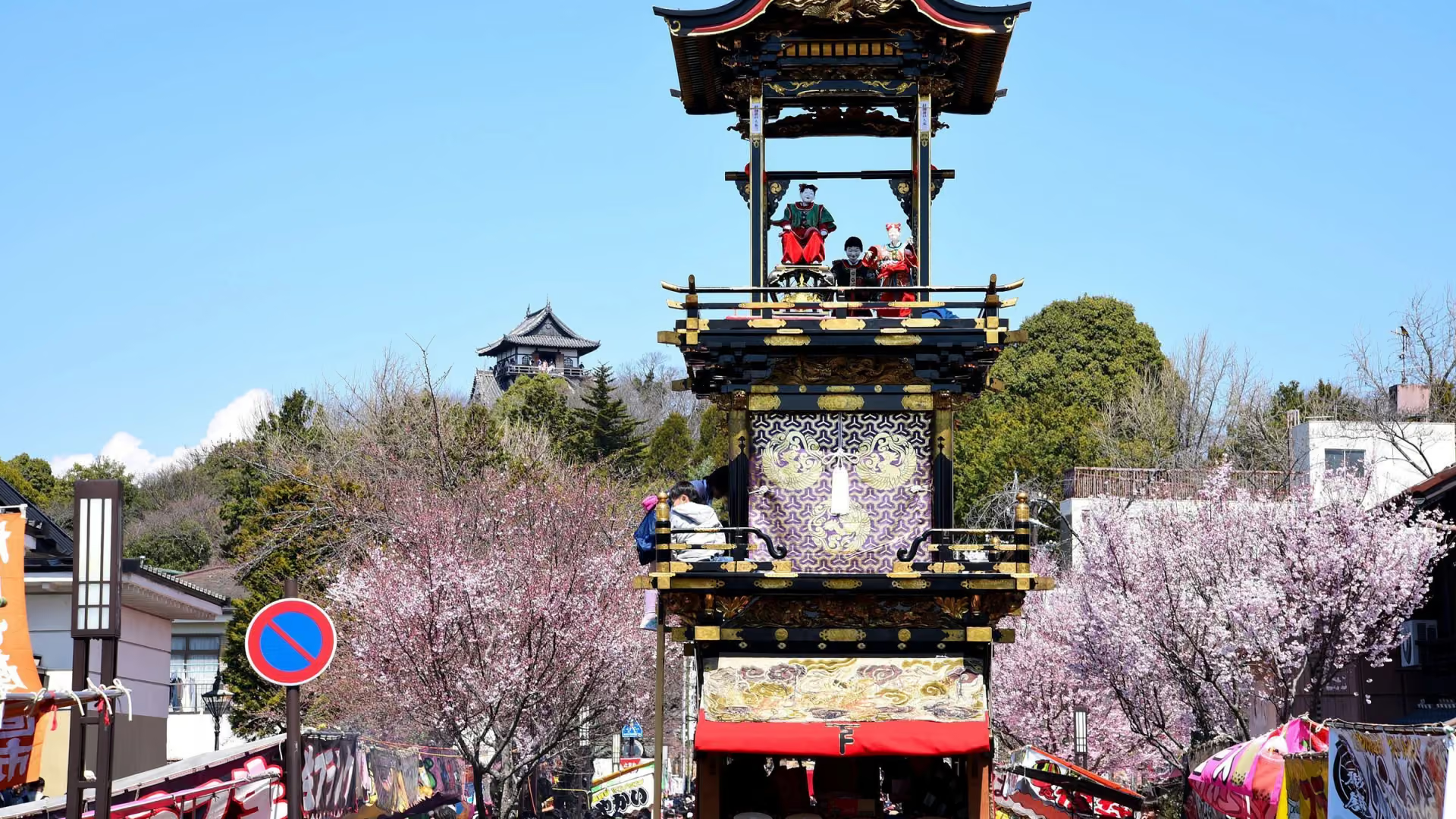
Inuyama Festival
Spring festival of Haritsuna Shrine dating from 1635, with 13 three-tiered floats carrying mechanical karakuri puppets through the castle town of Inuyama.
3–4 Apr 2027Exact date not confirmed yetInuyama · Aichi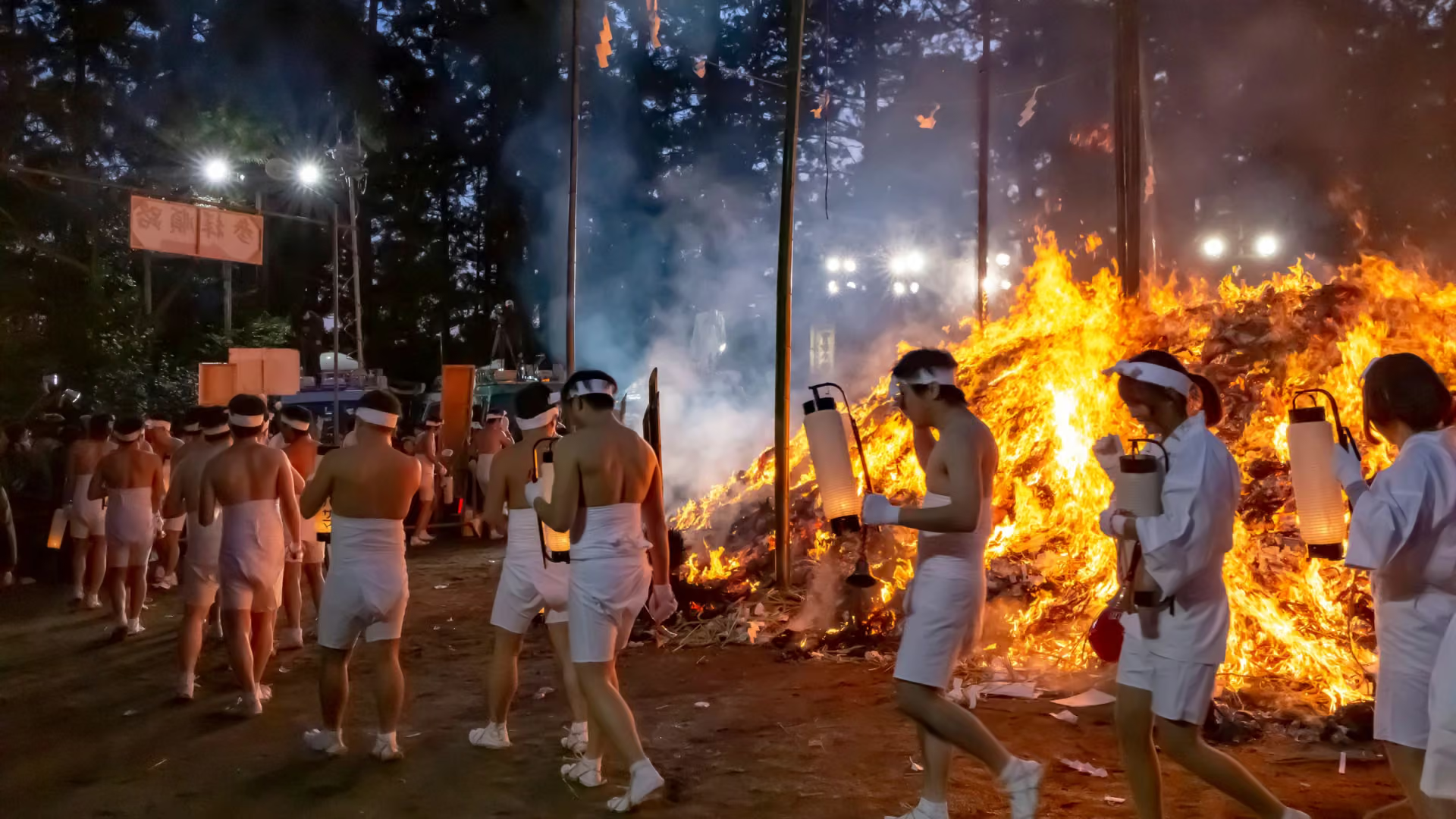
Dontosai Festival
An annual winter ritual in Sendai features the ceremonial burning of New Year decorations followed by a sacred pilgrimage procession in traditional attire.
14 Jan 2027Sendai · Miyagi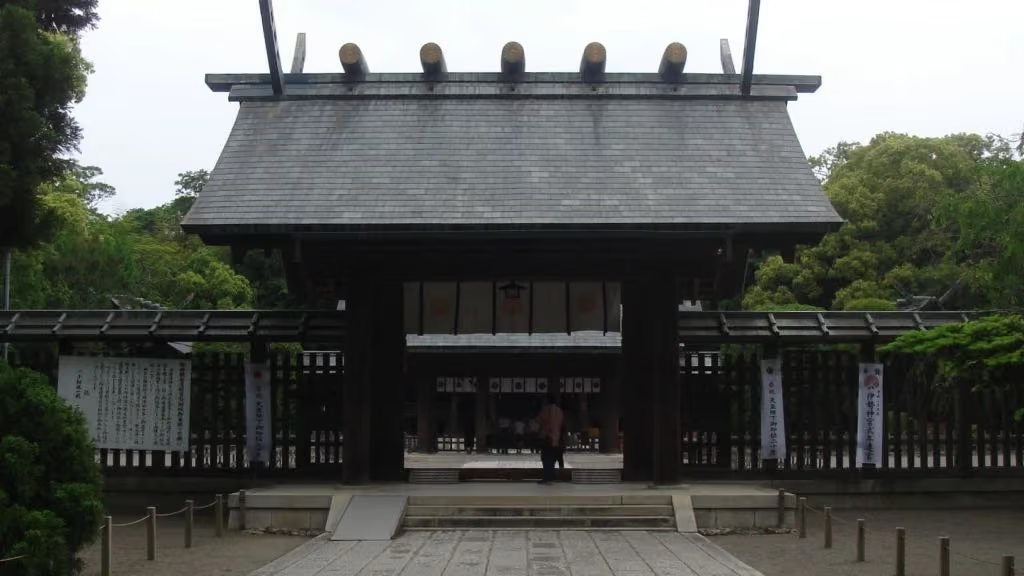
Miyazaki-jingu
Shrine to Emperor Jimmu on the site tradition gives as his palace in Hyuga, with halls of local cedar designed by Ito Chuta and completed in 1907.
Miyazaki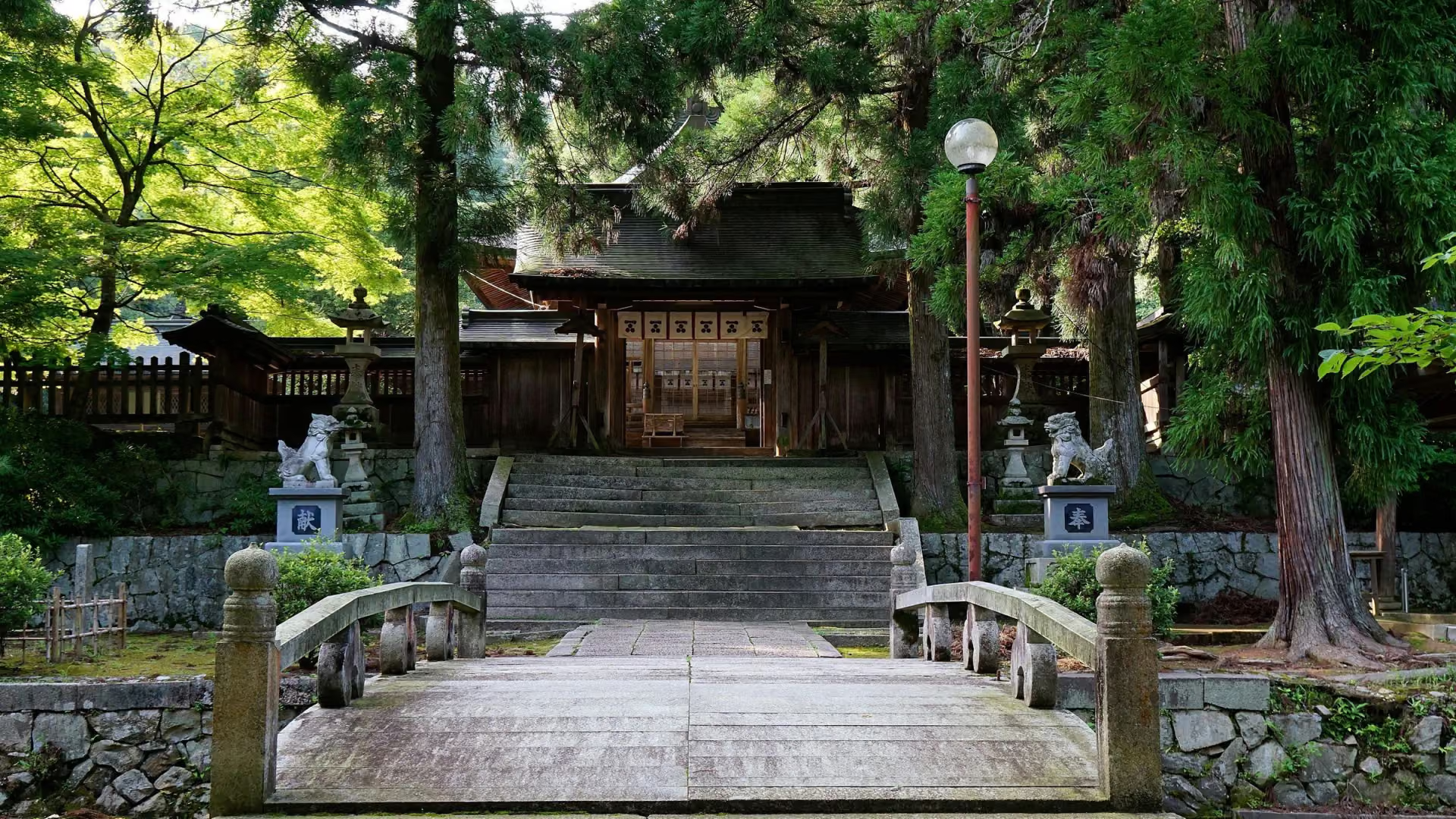
Toyosaka Shrine
Shrine in Yamaguchi City dedicated to Mori Motonari, the Sengoku-period warlord of the Mori clan, with a portrait of him that is an Important Cultural Property.
Yamaguchi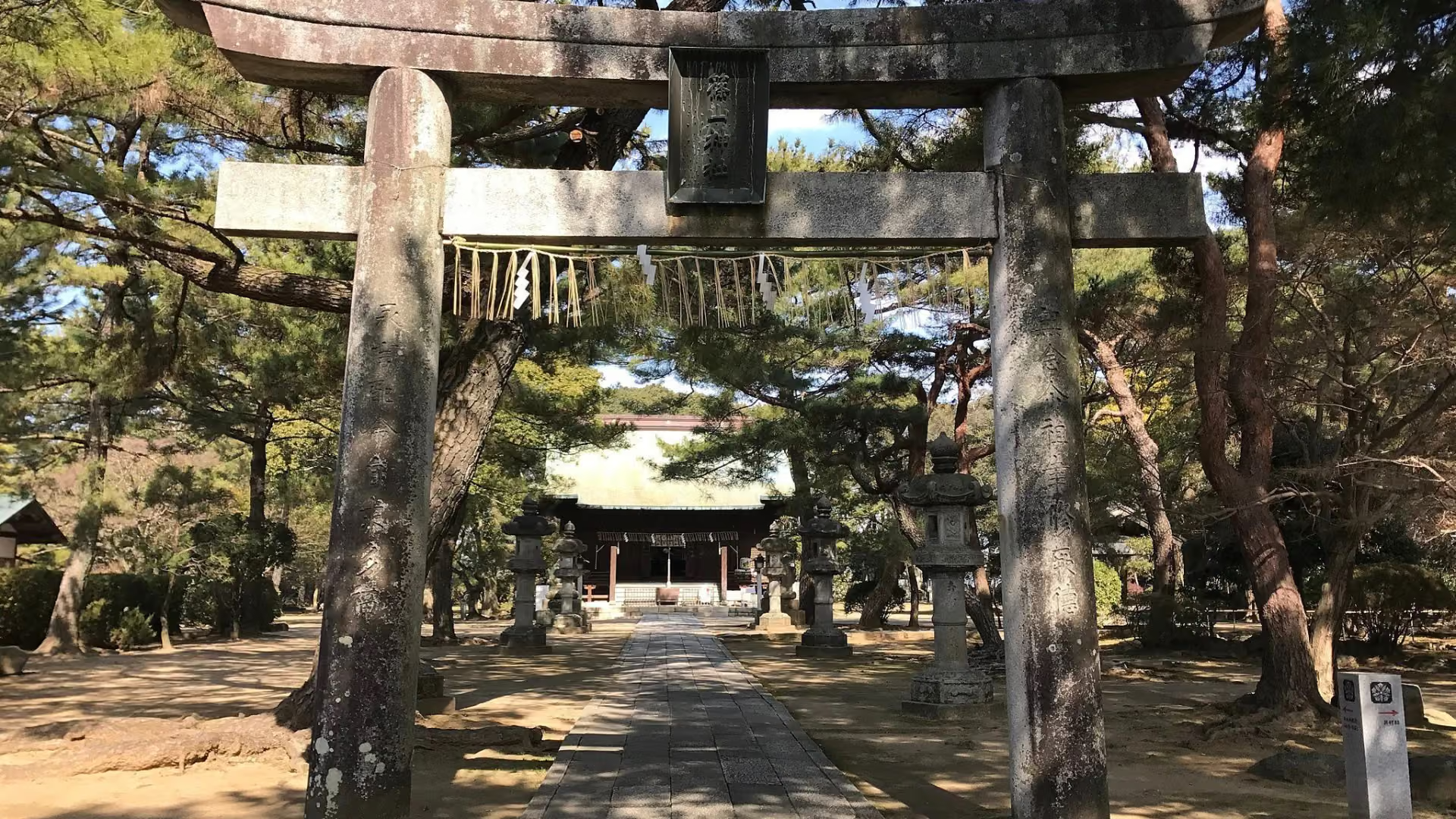
Sasayama Shrine
Shrine founded in 1877 on the site of Kurume Castle's inner citadel, enshrining five members of the Arima clan, including Arima Yoriyasu of the Arima Kinen.
Kurume · Fukuoka