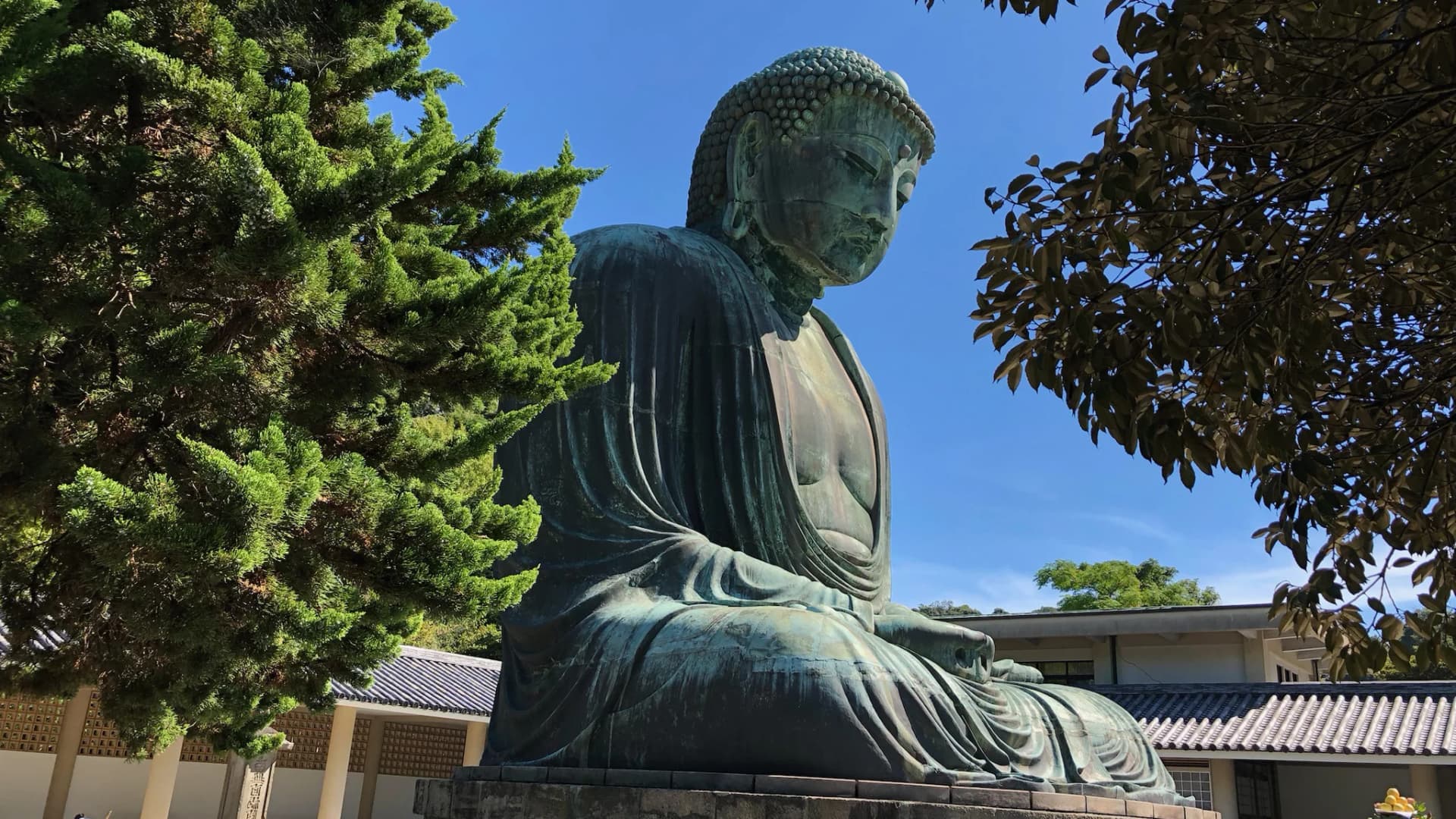
Ono Festival
大野祭り
A traditional spring festival held over two days features three decorated floats and karakuri puppets, with origins dating to the Edo period.

〒 479-0866How to get there
大野町Meitetsu Tokoname Line6 min walk from the station
The Ono Festival is a traditional spring festival. With origins tracing back to the mid-18th century during the Edo period, the festival reflects Ono’s historical role as a prosperous port town on the Chita Peninsula, known for brewing, coastal shipping, blacksmithing, and cotton production. The festival is structured as a two-day event, with each day serving a distinct ritual role. May 3 is known as Yoshin-gaku (eve festival), while May 4 is the Hongaku (main festival).
Although the exact origin of the Ono Festival is unclear, historical records from 1755 confirm that float processions with karakuri puppets were already established at that time. Over the centuries, changes in parish affiliations have led each district to maintain its own shrine festival, while preserving the shared structure of the Ono Festival.
The Ono Festival features three decorated festival floats drawn from different districts of the town. One float is brought out from Takasugacho by Ogura Shrine, another from Jūōcho by Tenman Shrine, and a third from Hashizumecho by Kazenomiya Shrine. In addition to these floats, Gongencho contributes the Makiwara Ship from Ezaki Shrine. These elements come together at Ono Bridge, which serves as the central stage for the festival’s most recognisable scenes.
The Makiwara Ship has been associated with the festival since 1857. After being severely damaged by the Ise Bay Typhoon in 1959, it remained inactive for many years before being restored in 1988 through the efforts of the local community, using salvaged original components. The ship is decorated with lanterns, including twelve red lanterns mounted on the central pillar to represent the months of the year and 365 lanterns arranged around the base to symbolise the days of the year. Its structure follows a Nagoya-style design and includes a front shelf.
The evening of May 3 marks the eve festival. As night falls, lantern-lit floats move toward Ono Bridge from different directions, while the Makiwara Ship proceeds up the Yada River. The rotation of its lanterns in time with festival music forms the visual focal point of the evening.
On May 4, the main festival takes place. After a formal encounter ritual, the floats assemble at Ogura Shrine, where karakuri mechanical puppets are dedicated. Further puppet dedications are held near Meitetsu Ono-machi Station and later at Ezaki Shrine. In the afternoon, the floats once again gather at Ono Bridge to welcome the Makiwara Ship. A defining feature of the second day is the change in direction of the floats, an element traditionally associated with the main festival.
Getting There

You might also like

Hadaka Matsuri
Historic purification festival where nearly-naked men engage in a spirited struggle to touch the selected Naoi-nin, symbolizing the cleansing of misfortune.
1 Mar 2027Inazawa · Aichi
Tsuzawa Yotaka Andon Festival
Traditional lantern festival in Toyama Prefecture featuring 7-meter-high floats decorated with warrior illustrations that collide in ritualized clashes accompanied by taiko drumming.
5–6 Jun 2027Oyabe · Toyama
Otabi Festival
A spring celebration in Komatsu blends Shinto ritual, elaborate festival floats, and children's kabuki performances at two historic shrines.
8–10 May 2027Komatsu · Ishikawa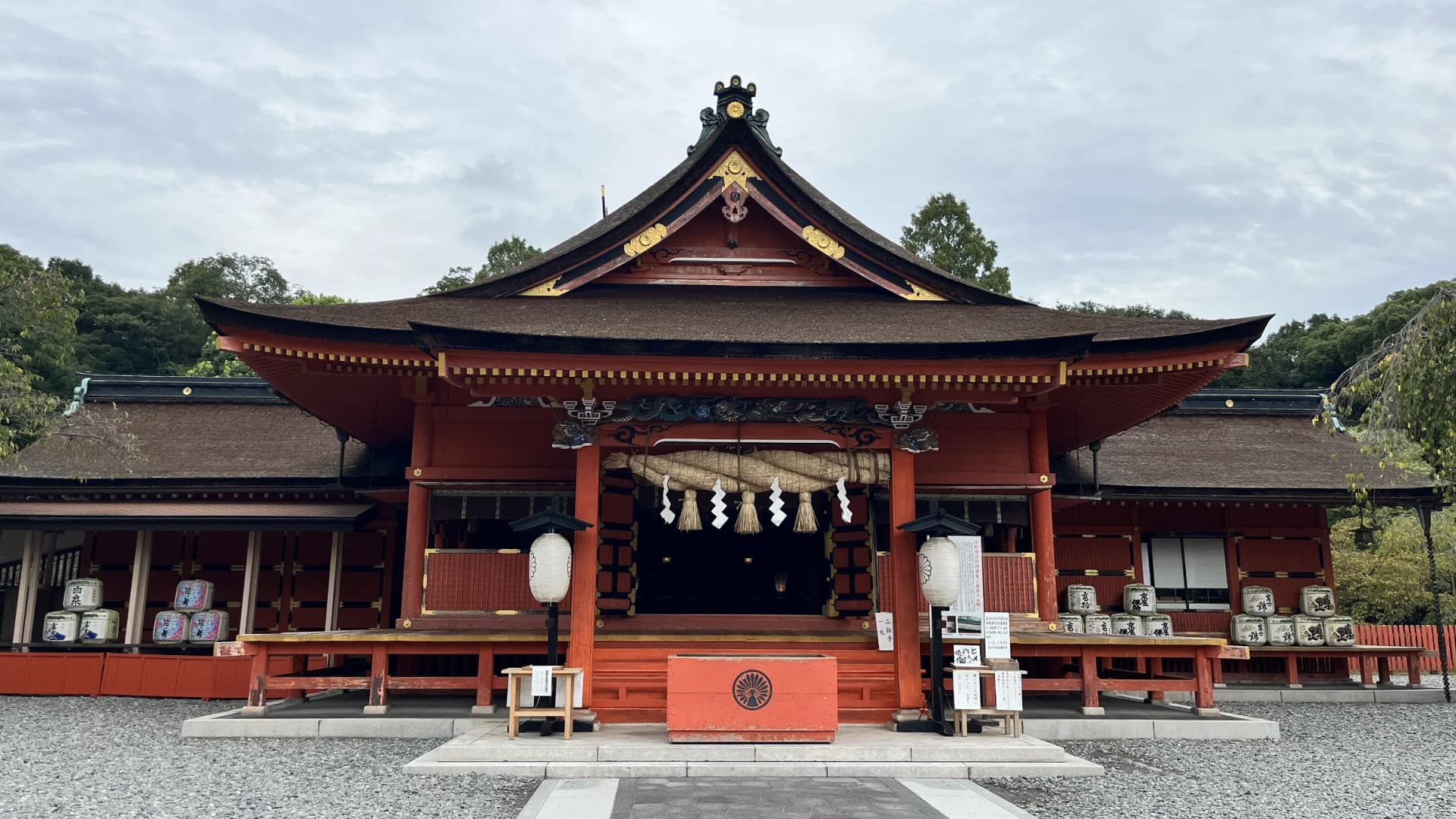
Fujisan Hongu Sengen Taisha
A shrine at the foot of Mount Fuji that worships the mountain itself, and the head of more than 1,300 Sengen shrines across Japan.
Fujinomiya · Shizuoka
Jozankei Shrine
A Shinto shrine in Sapporo's Jozankei hot spring resort area, dedicated to the god of hot springs and healing, surrounded by nature and autumn foliage.
Sapporo · Hokkaido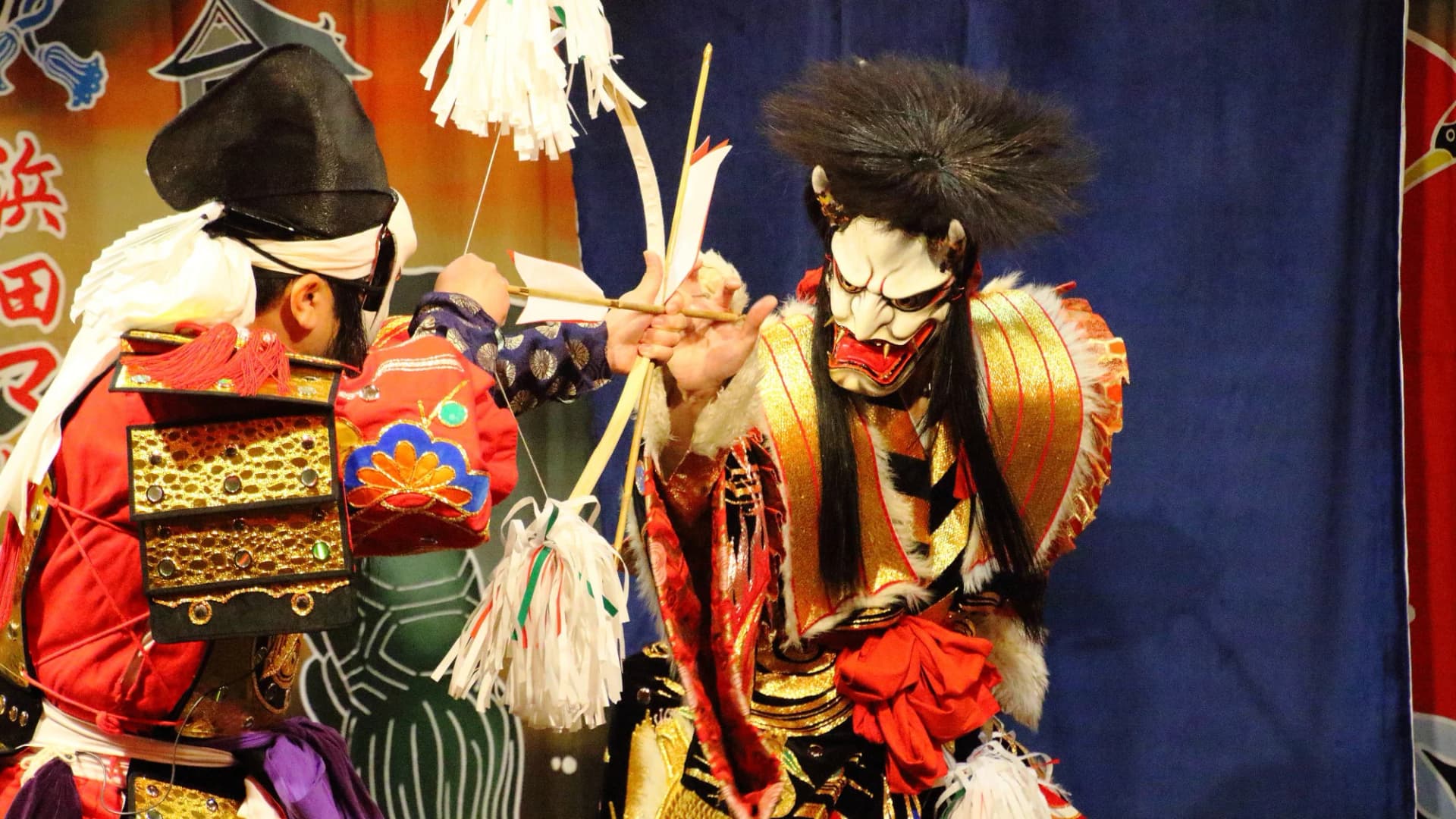
Iwami Kagura
Each autumn in western Shimane, shrine stages host Iwami Kagura – sacred dances performed through the night, from ceremonial pieces to a battle with a serpent.
Shimane · Chugoku