Osaka Tenjin Festival
天神祭
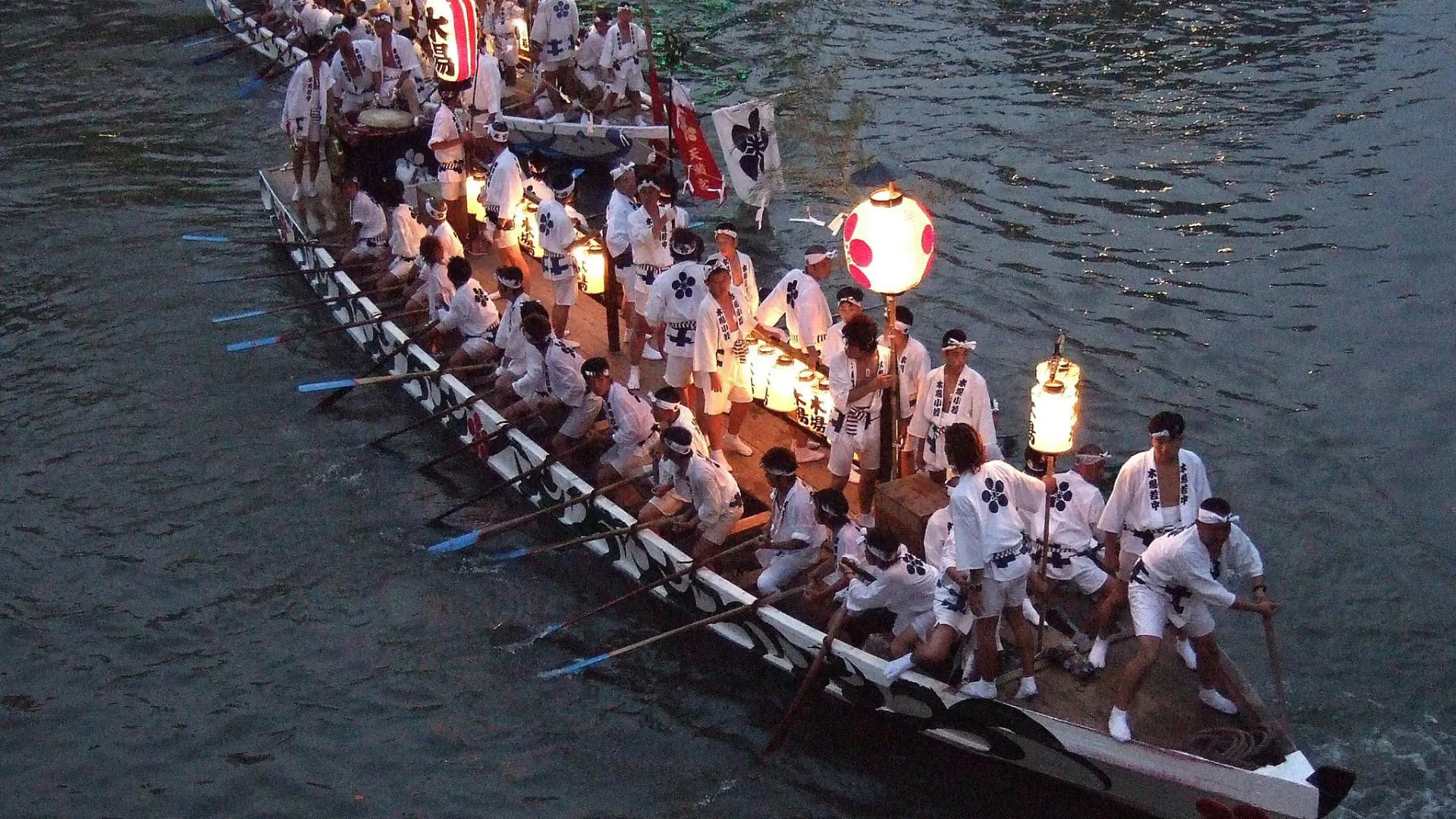
A month-long summer festival centered on Osaka Tenmangu Shrine honors the deity Sugawara no Michizane with evening boat processions and fireworks on July 25.
〒 530-0041How to get there
大阪天満宮JR Tozai Line · Tanimachi Line3 min walk from the station
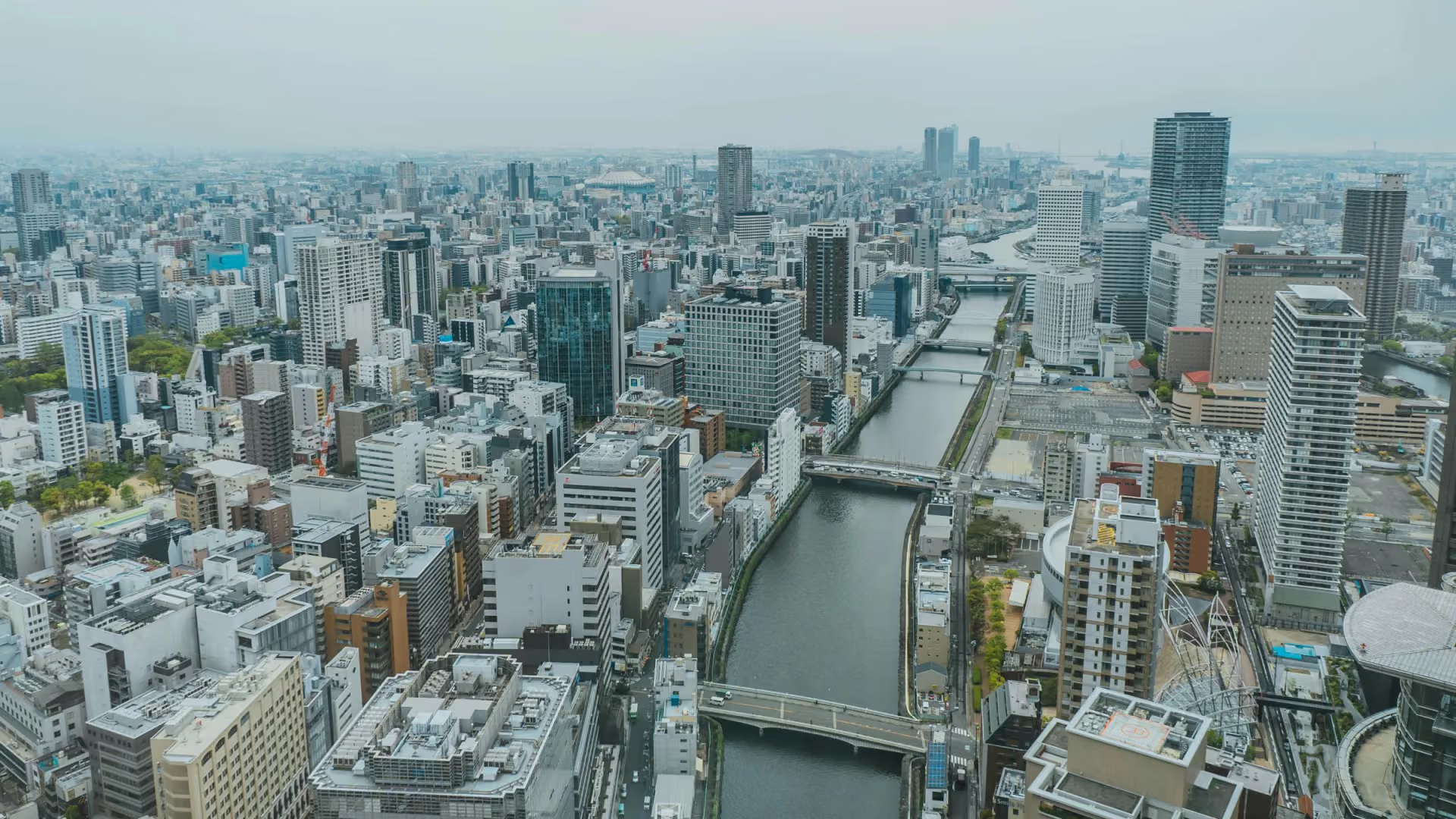
The Tenjin Festival of Osaka Tenmangu is a summer festival in Osaka's Kita Ward whose rites run for about a month and end with a boat procession on the Okawa River. Tenjin festivals are held at Tenmangu shrines across Japan, which enshrine Sugawara no Michizane, a scholar and statesman worshipped as the deity Tenjin. Osaka's is counted among Japan's Three Great Festivals, with Kyoto's Gion Festival and Tokyo's Kanda Festival, and among Osaka's three great summer festivals, with the Ikutama Summer Festival of Ikukunitama Shrine and the Sumiyoshi Festival of Sumiyoshi Taisha.
History
According to the shrine, the festival began in 951, two years after the shrine was founded. A sacred halberd (hoko) was set adrift from the shore by the shrine, and a purification rite was held where it came to land. The people of the shrine's lands came out in boats to greet the deity, and this is said to be the origin of the festival.
The boats grew in number, and the boat procession had taken its shape by the time Toyotomi Hideyoshi built Osaka Castle. From the late 17th century, when Osaka was the country's great market, the festival became a symbol of the city's wealth, and in the early 18th century the ko, associations that support the festival, appeared together with welcoming dolls (omukae ningyo).
The festival was interrupted at the end of the Edo period and during both World Wars. The boat procession was revived in 1949. Since 1953 the boats have sailed upstream on the Okawa, because land subsidence had lowered the bridges too far for the boats to pass going downstream.
What happens
Rites begin on an auspicious day in late June. On the eve, Yoimiya, a procession of about 200 people leaves the shrine in the morning for the Hokonagashi Shinji (鉾流神事): a boy chosen from the local Nishi-Tenma Elementary School sets a plain wooden halberd adrift on the Dojima River from a boat, and priests cast purification offerings into the water to pray for the health of the parishioners. A lion dance also tours the parish that day.
The main day, Honmiya, brings the land procession, Rikutogyo, and then the boat procession, Funatogyo, in the evening, when many boats travel the Okawa and fireworks are offered to the deity. The bonfires, lanterns and fireworks reflected in the river have given it the name Festival of Fire and Water.
Getting There

Planning a trip? Fit this into a trip and Oni plans the rest around it.
You might also like
Gion Festival
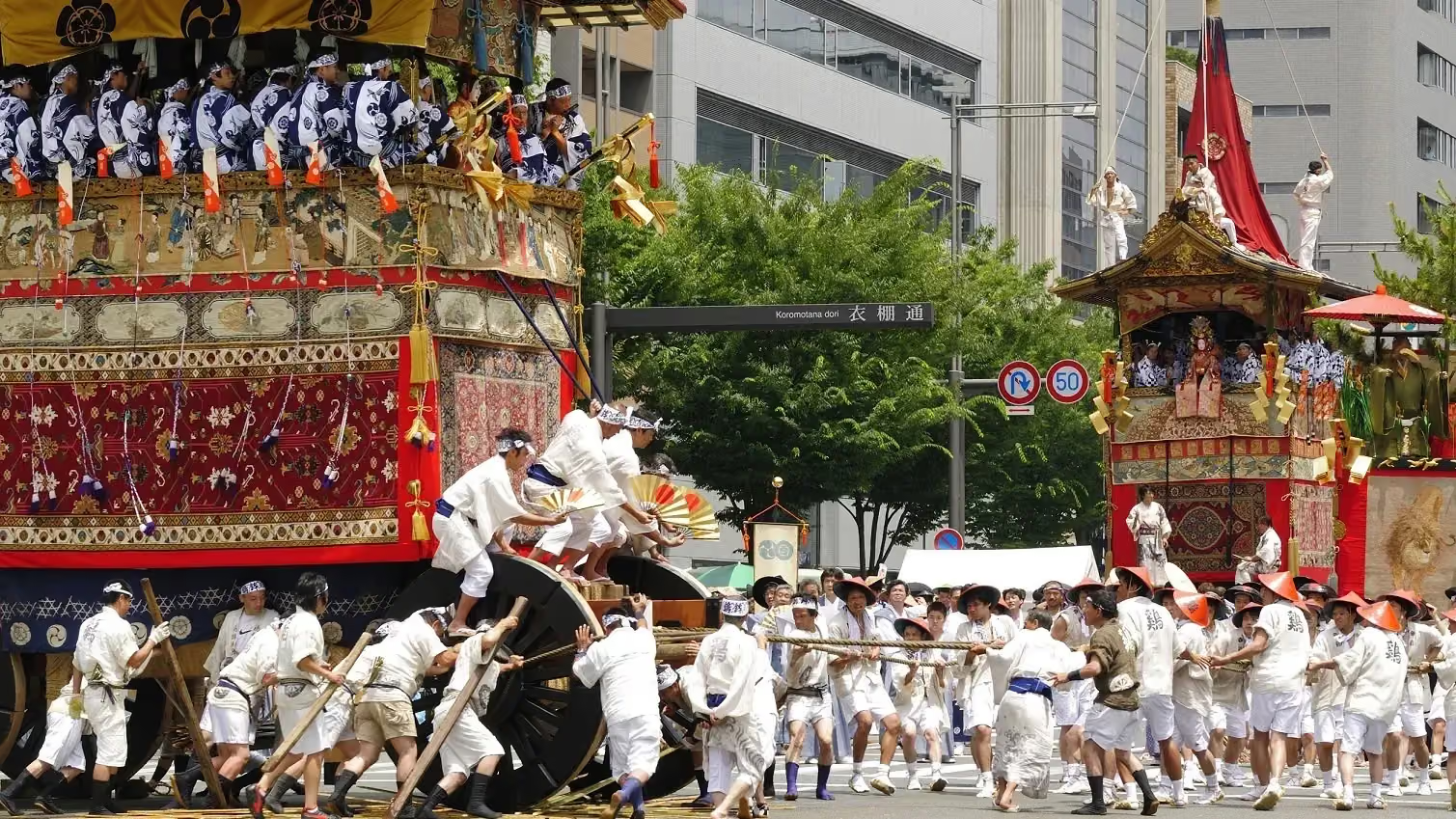
Yasaka Jinja Shrine's month of rites in Kyoto, with lit floats on Yoiyama evenings, two float processions and three portable shrines carried through the city.
1–31 Jul 2027Kyoto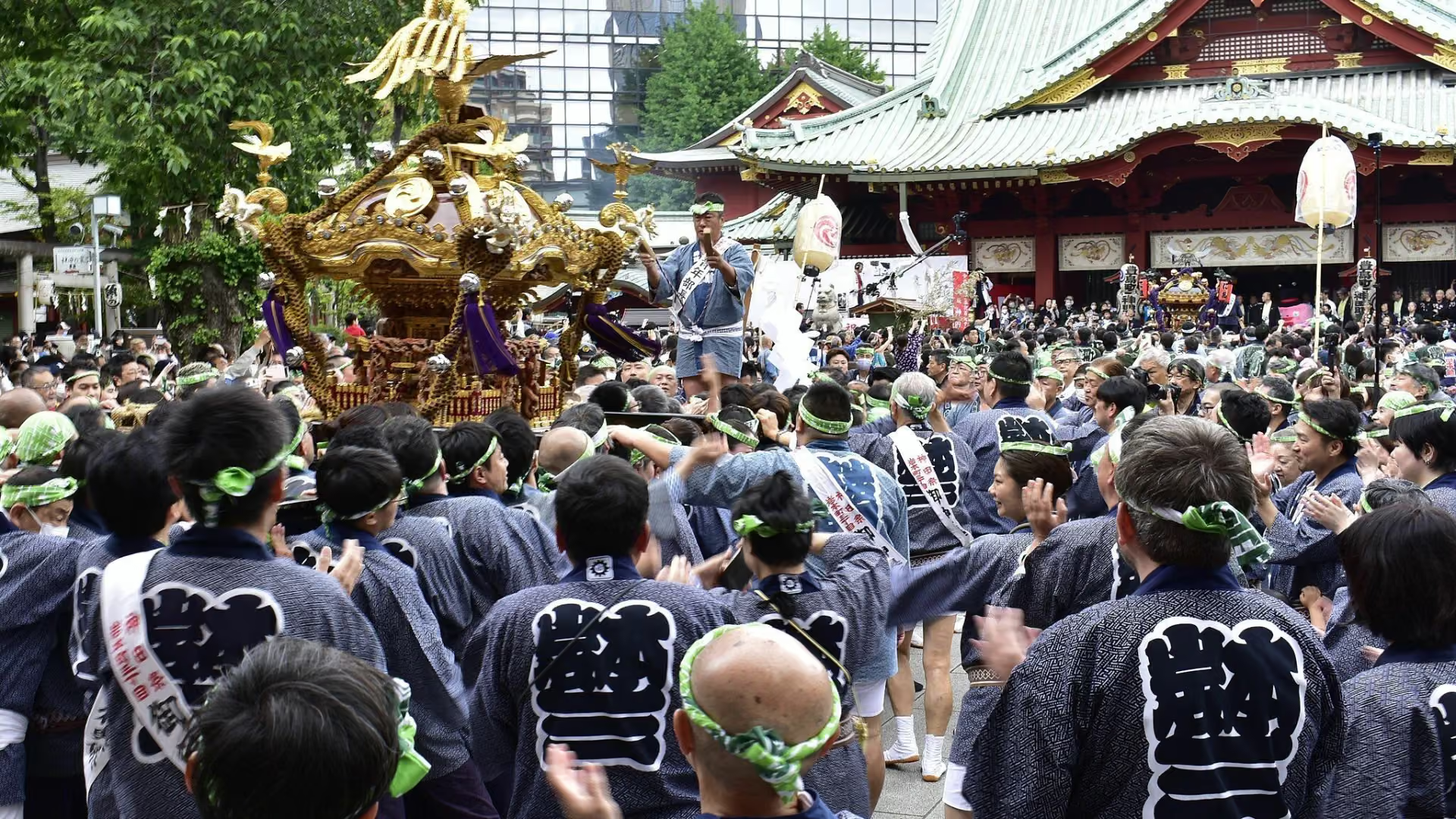
Kanda Festival
The main festival of Kanda Myojin in Tokyo, held in full every other year, with a day-long procession of palanquins and floats and over 200 mikoshi.
13–15 May 2027Exact date not confirmed yetTokyo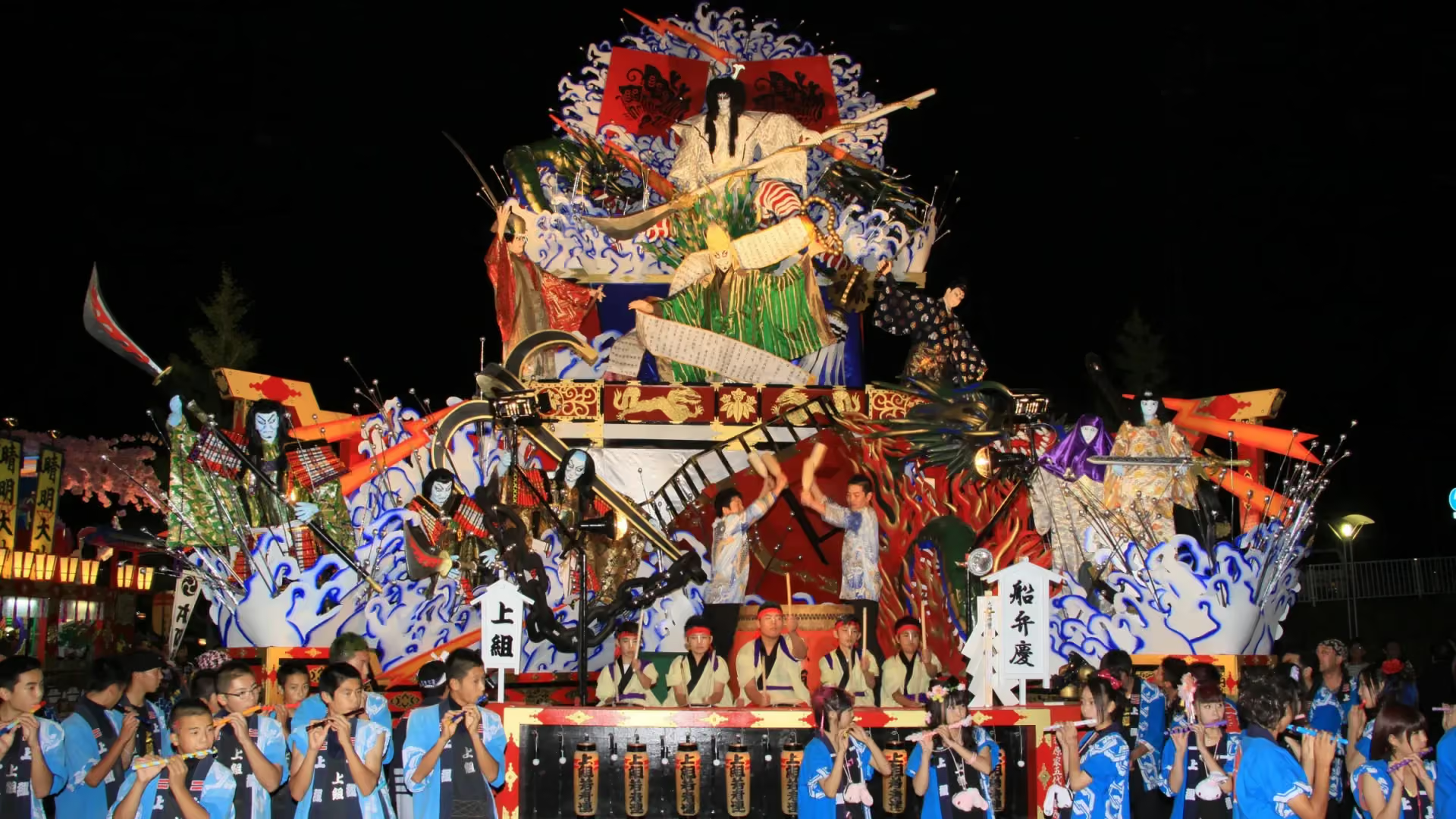
Kuji Autumn Festival
This festival in Kuji, a coastal city in northern Iwate, over 650 years old, gives thanks for the harvest and prays for protection and good fortune.
16–19 Sep 2027Exact date not confirmed yetKuji · Iwate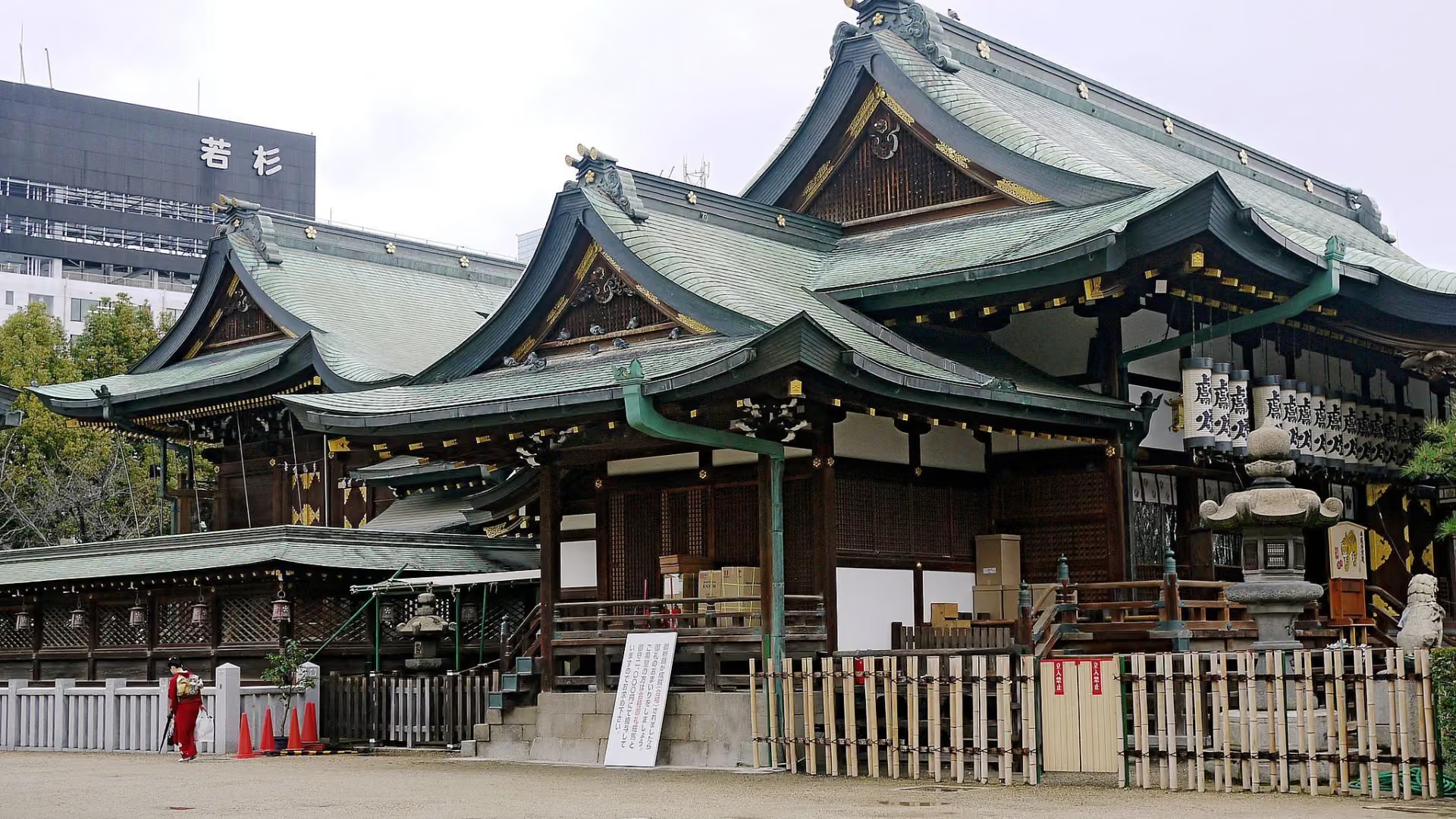
Osaka Tenmangu
Shrine to Sugawara no Michizane, founded by imperial order in 949 where seven pine trees were said to glow, with a main hall rebuilt in 1843.
Osaka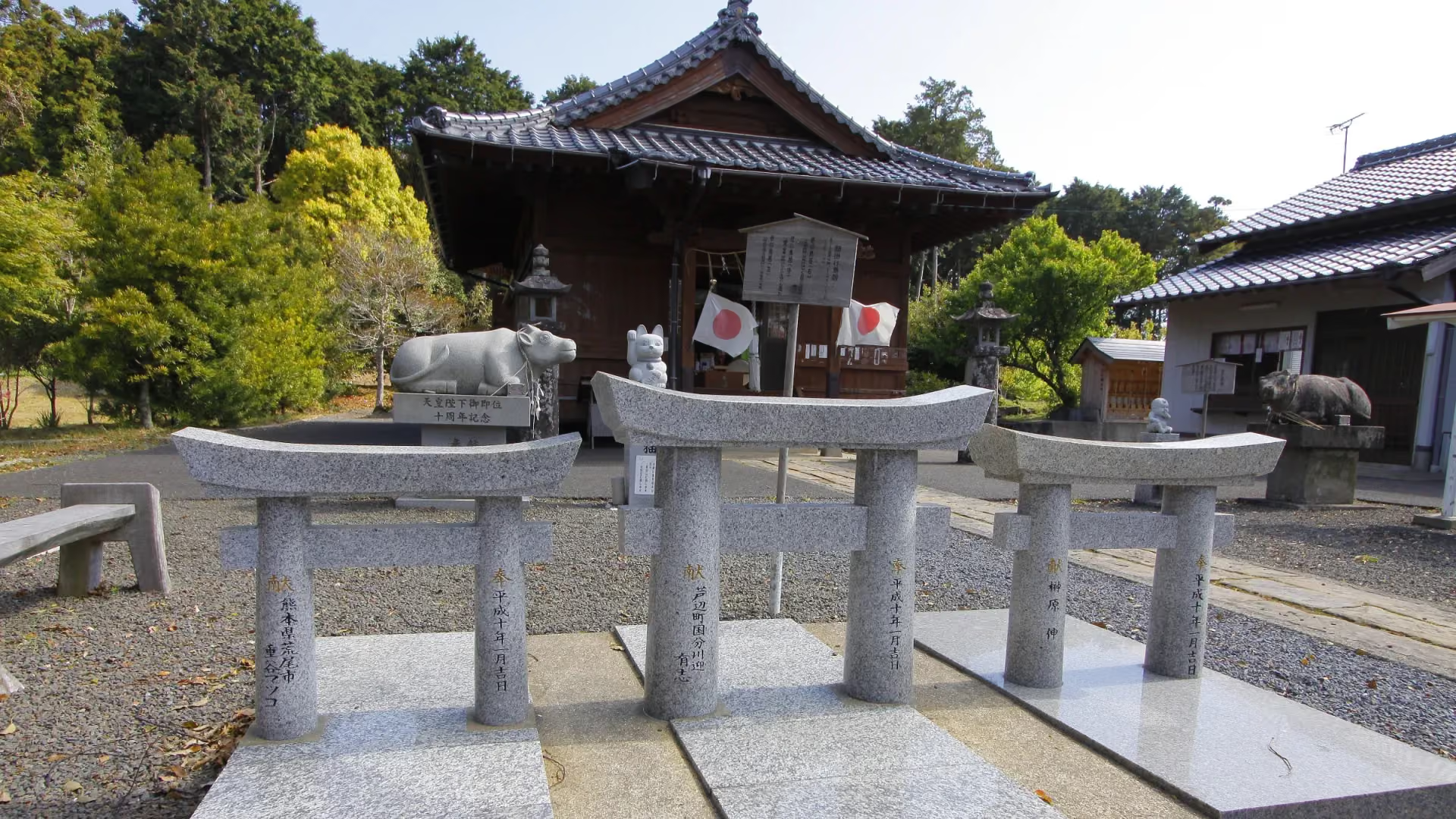
Kunikatanushi Shrine
A shrine at the centre of the island of Iki, founded in 811, to the small god Sukunahikona and to Sugawara no Michizane.
Iki · Nagasaki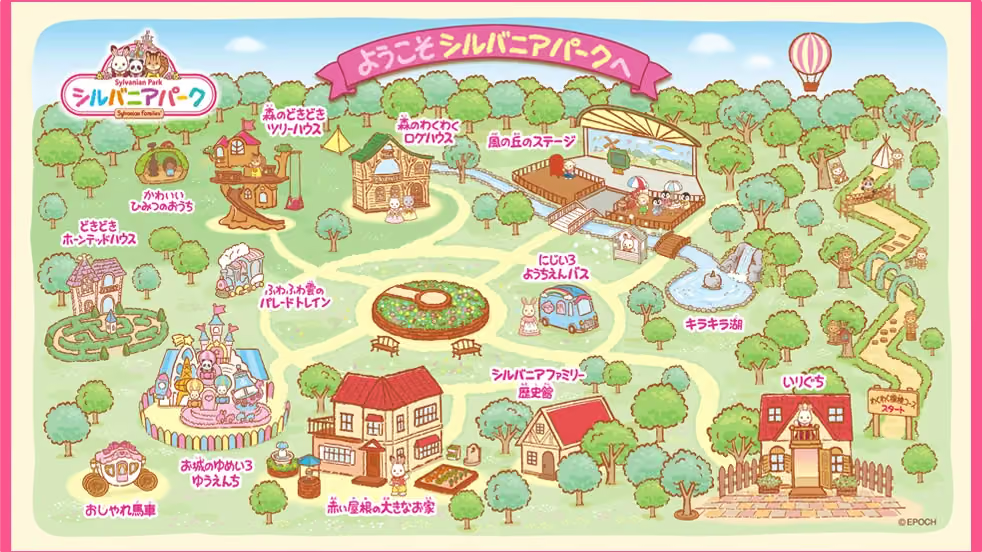
Sylvanian Park in Harvest Hill
A Sylvanian Families park inside Harvest Hill in Sakai that recreates Sylvanian Village, with houses to walk into, daily character appearances and a quiz rally.
Sakai · Osaka