Yuga Shrine
由加神社 本宮
Sacred mountain shrine in Okayama with more than two thousand years of history, blending Shinto and Buddhist practices as a centre of pilgrimage.

〒 711-0901
Yuga Shrine Hongū stands on Mount Yuga in Okayama Prefecture and has long been an important centre of pilgrimage and protection from misfortune. With a history of more than two thousand years, it developed as a sacred mountain where Shinto and Buddhist beliefs were practiced together.
The site was originally worshipped through iwakura faith, in which large rocks were revered as the dwelling place of a deity protecting local communities. In 733, the monk Gyōki enshrined the Eleven-Faced Kannon, establishing the mountain as a syncretic religious centre. From the reign of Emperor Kanmu onward, it prospered as an official place of prayer for the imperial court, symbolised by the imperial chrysanthemum crest displayed on its worship hall.
During the Edo period, the Ikeda lords of the Bizen domain patronised the shrine and personally visited several times a year. Worshippers came to revere the deity as one who “surely answers prayers”, and large numbers of pilgrims have continued to visit throughout the year.
The shrine enshrines Taokihooinomikoto, Hikosachinomikoto, and Kaminaobinomikoto. Its Buddhist honji (associated Buddhas) are Amida Nyorai and Yakushi Nyorai. Within the grounds stand auxiliary shrines dedicated to Amenominakanushi, Susanoonomikoto, Inari, and Tenjin (Sugawara no Michizane).
The giant torii made of Bizen ware, a symbol of the mountain, is designated a Registered Tangible Cultural Property of Japan, and on both sides sit guardian lion statues with cubs also crafted from Bizen ware.
From the Edo to Meiji periods, pilgrims commonly visited Yuga Shrine together with Kotohiragū Shrine. This custom, known as Ryō-mairi (“dual pilgrimage”), was believed to grant abundant blessings: Yuga for protection from misfortune and safe travel, and Kotohiragū especially for maritime safety.
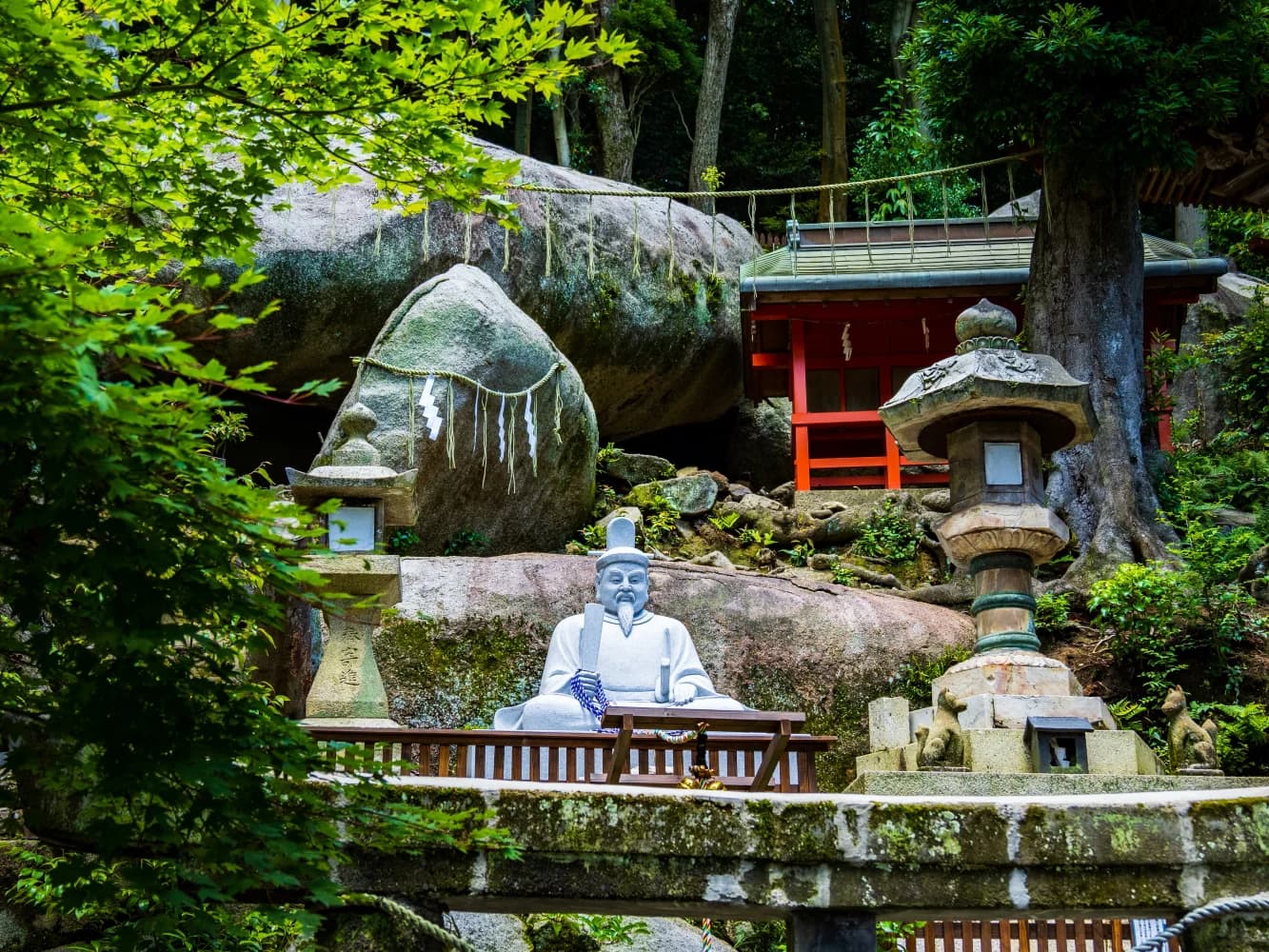
Travellers heading to Kotohira would first pray at Yuga, and the combined pilgrimage became famous throughout Japan. Writers and cultural figures also participated, leaving records and artworks connected to the tradition.
Following the opening of the Seto Ohashi Bridge, the shared tradition has been commemorated annually on November 3 with a fire-walking festival in which sacred flames from both shrines are united. The event attracts many worshippers and reflects the shrine’s continuing role as both a religious and cultural destination.
You might also like

Kumano Taisha Shrine
One of three major Kumano shrines in Japan, Kumano Taisha was established in 806 and is known as the Ise Shrine of the North for its significance.
Nanyo · Yamagata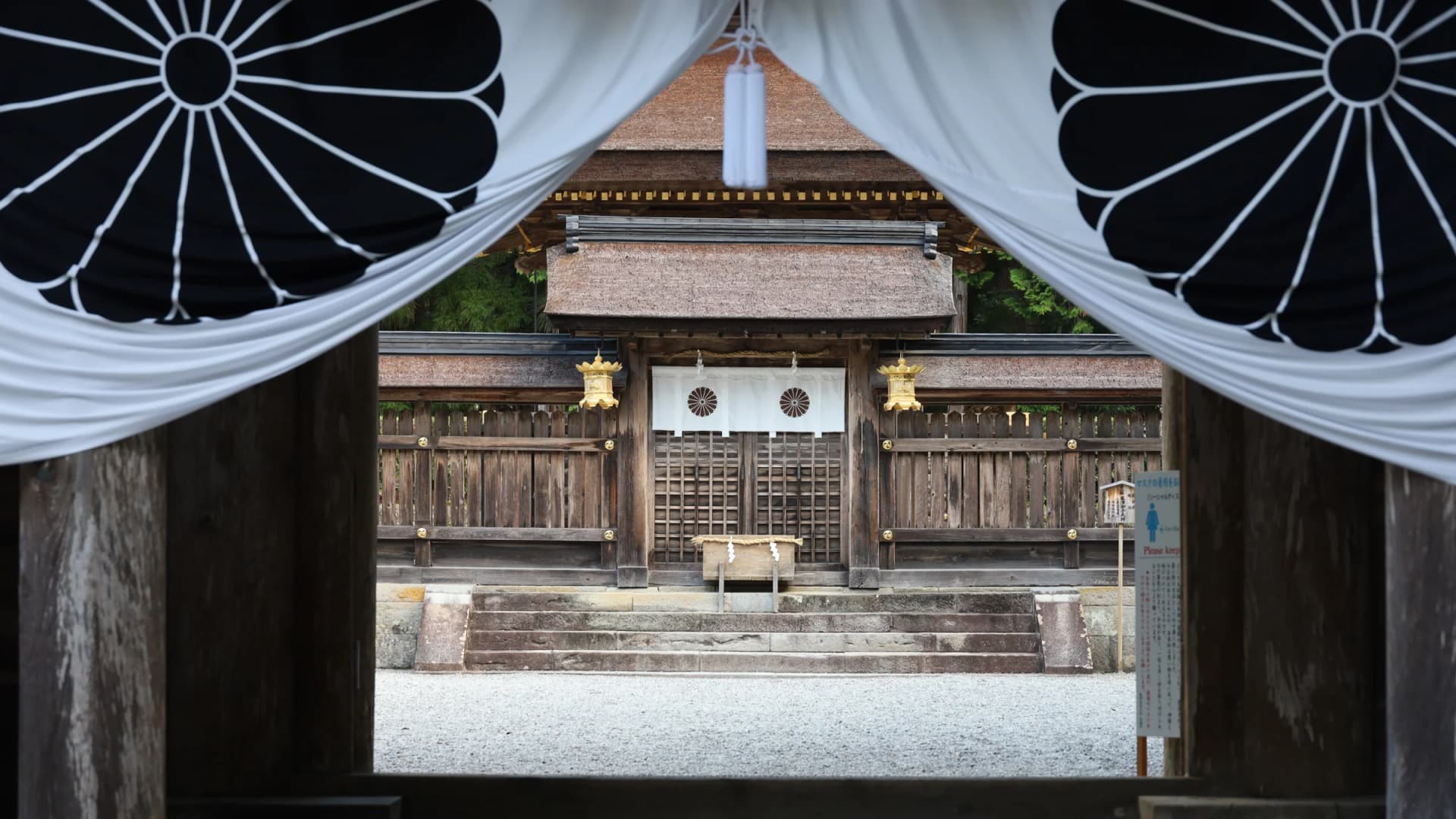
Kumano Hongu Taisha
Kumano Hongu Taisha, heart of the Kumano Sanzan, traces its origins to before Emperor Jinmu – where legend says three moons descended to found the shrine.
Tanabe · Wakayama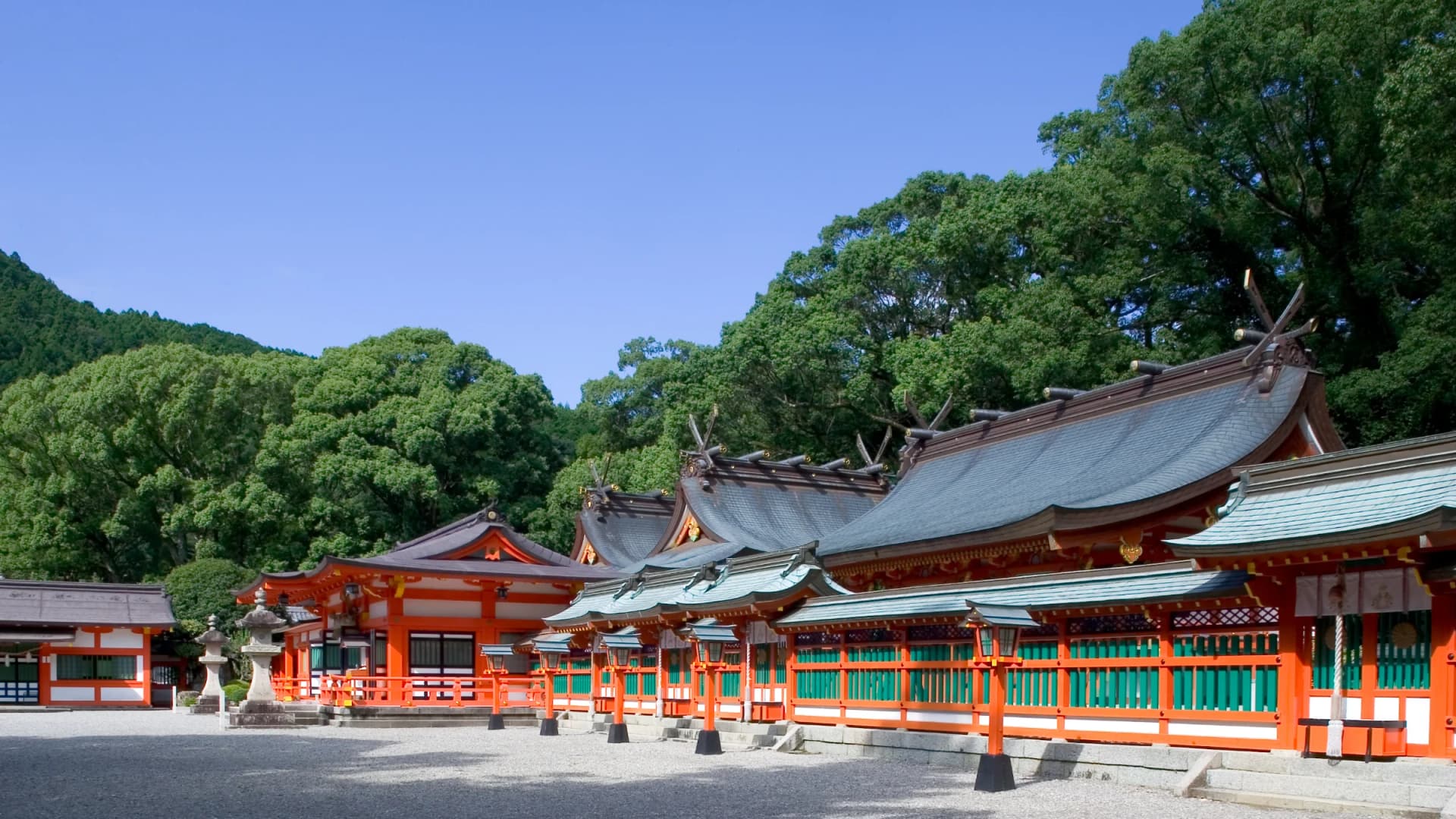
Kumano Hayatama Taisha
In Shingu, Wakayama, Kumano Hayatama Taisha stands as one of the three grand Kumano shrines – a "land of rebirth" where pilgrims have sought renewal for centuries.
Shingu · Wakayama
Abare Festival
Illuminated lanterns parade through coastal Ushitsu in a celebration rooted in legend, featuring frenzied rituals to honor spiritual protection from epidemics.
3–4 Jul 2027Noto · Ishikawa
Nagano Gion Festival
The Nagano Gion Festival celebrates Susanoo-no-Mikoto, the deity of storms and protection, through mikoshi processions at Yasaka Shrine near historic Zenkoji temple.
6 Jun 2027Nagano
Hofu Tenmangu Gojinko-sai Festival (Naked Monk Festival)
This festival honors Tenjin, a tenth-century poet and administrator deified for his integrity, through a ritual dating back over a thousand years.
28 Nov 2026Hofu · Yamaguchi