

Shirone Giant Kite Battle
白根大凧合戦
Tracing its roots to an Edo-period crop dispute, this kite battle showcases traditional craftsmanship as teams compete with specially designed flying kites.

The Shirone Giant Kite Battle is a festival that unites the hearts of the community and showcases traditional craftsmanship passed down through generations. From Buddhist altars to sickles, many handcrafted items reflect the dedication and skill of artisans, with years of effort behind every piece.
The kite battle traces its origins to the mid-Edo period, when the completion of embankment repairs along the Nakanokuchi River led to a dispute: a kite flown from Shirone fell into the fields of West-Shirone, damaging crops. In retaliation, West-Shirone residents flew their own kite at Shirone. The tradition evolved into a competitive event, with kites carefully designed to fly toward the opposing side. Over time, the techniques have been refined and improved.
Each kite team has distinctive styles, both in construction and flight technique, preserving traditional methods while incorporating improvements. Kites are crafted to fly toward the opposing bank: Shirone kites hover at low altitude, while West-Shirone kites dive from above. Large kites are prepared in quantities ranging from 15 to 40 per team, and additional kites are produced to account for timing challenges during the battle. The cost of making a large kite is approximately 150,000 yen per piece, with rope-making expenses reaching around 2 million yen. To offset costs, commemorative kites for children or corporate-sponsored kites are also flown.
Kite teams are organised by local neighbourhoods, with passionate volunteers participating in construction and battles for more than half the year. Victory depends largely on the strength of the ropes, made from Japanese hemp over 100 days by master craftsmen, measuring roughly 2.5 cm in diameter, 130 m in length, and weighing about 40 kg. Ropes typically last five years, with the first-year rope called “new rope” (araito), offering an early advantage for the team.
The construction process involves multiple stages:
Paper layering: 324 sheets of Japanese paper are arranged in a brick pattern to form a 7 m by 5 m kite. Overlapping edges (norishiro) add strength.
Frame preparation: Bamboo is split, trimmed, and shaped according to the kite’s intended flight characteristics.
Frame assembly: Bamboo pieces are carefully positioned and tied to allow wind to pass through and guide the kite toward the opposite bank.
Drawing and mounting: Traditional designs are transferred using diluted ink, and the paper is affixed to the frame.
Colouring: Kites are painted outdoors in suitable weather.
Nose rope adjustment: A unique method ensures the kite’s angle and timing are optimised for flight. Minor adjustments are made on-site according to wind conditions.
Giant kites from the Shirone Giant Kite Battle are proudly displayed at the Shirone Giant Kite and History Museum, where visitors can experience the scale and craftsmanship of these massive creations up close. Alongside these local masterpieces, the museum showcases around 500 colourful kites from across Japan and around the world, celebrating the rich artistry and global culture of kite-making.
You might also like

Fukiage-hama Sand Festival
The Fukiage-hama Sand Festival transforms a Kagoshima beach into an art gallery of large-scale sculptures created by artists and volunteers, with cultural performances.
3–5 May 2027Minamisatsuma · Kagoshima
Matsumoto Castle Ice Festival
Matsumoto Castle Ice Sculpture Festival returns with a championship ice-carving competition and illuminated sculptures against the backdrop of the National Treasure and Northern Alps.
23–25 Jan 2027Matsumoto · Nagano
Kaikai Yokai Festival
Toei Kyoto Studio Park brings Japanese yokai legends to life with parades, interactive dance experiences, workshops, and exhibitions celebrating supernatural folklore.
12 Sep – 29 Nov 2026Kyoto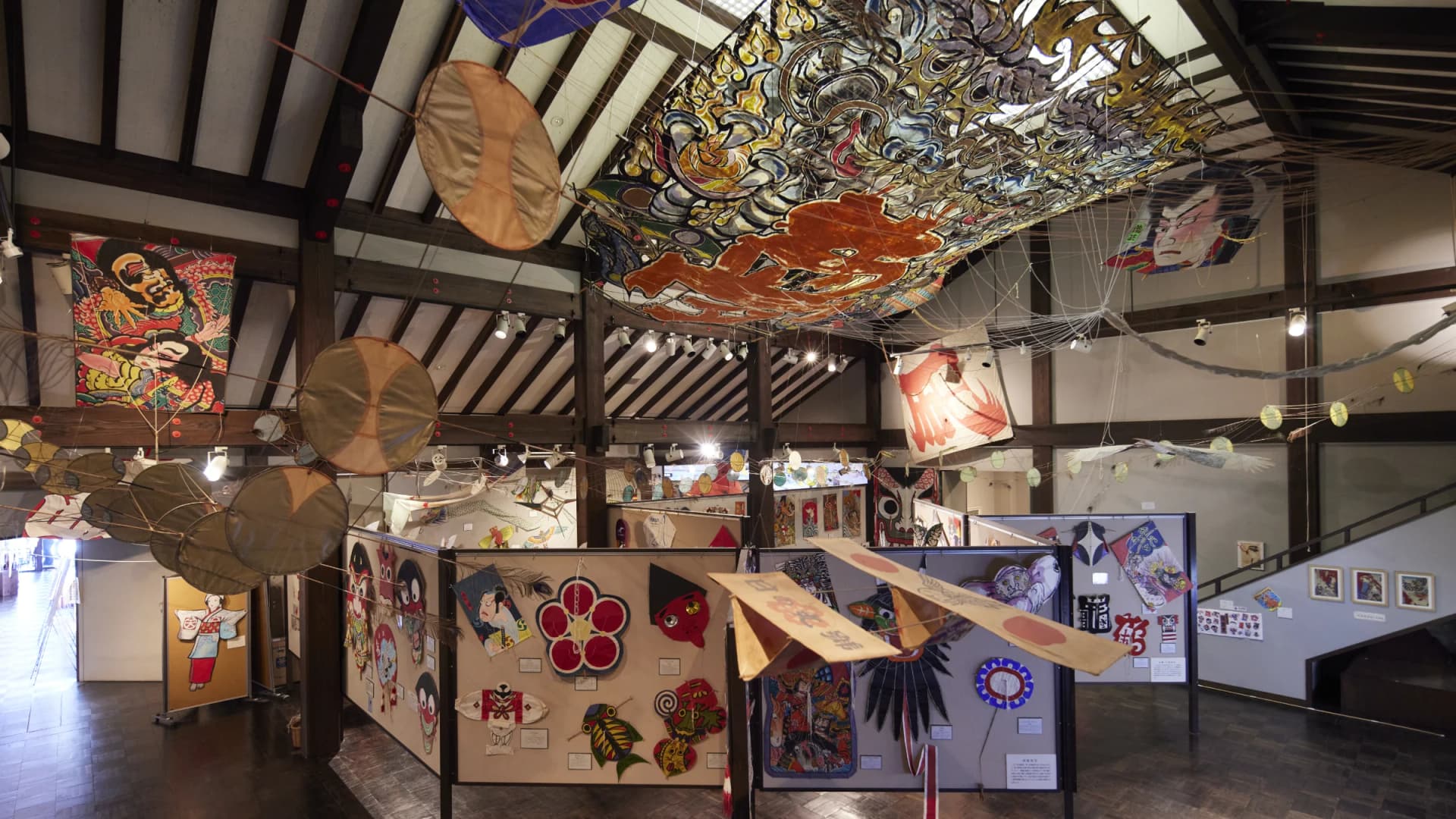
Ikazaki Kite Museum
A museum in Uchiko, Ehime, devoted to kites from Japan and around the world, in the town that holds a kite battle every May.
Uchiko · Ehime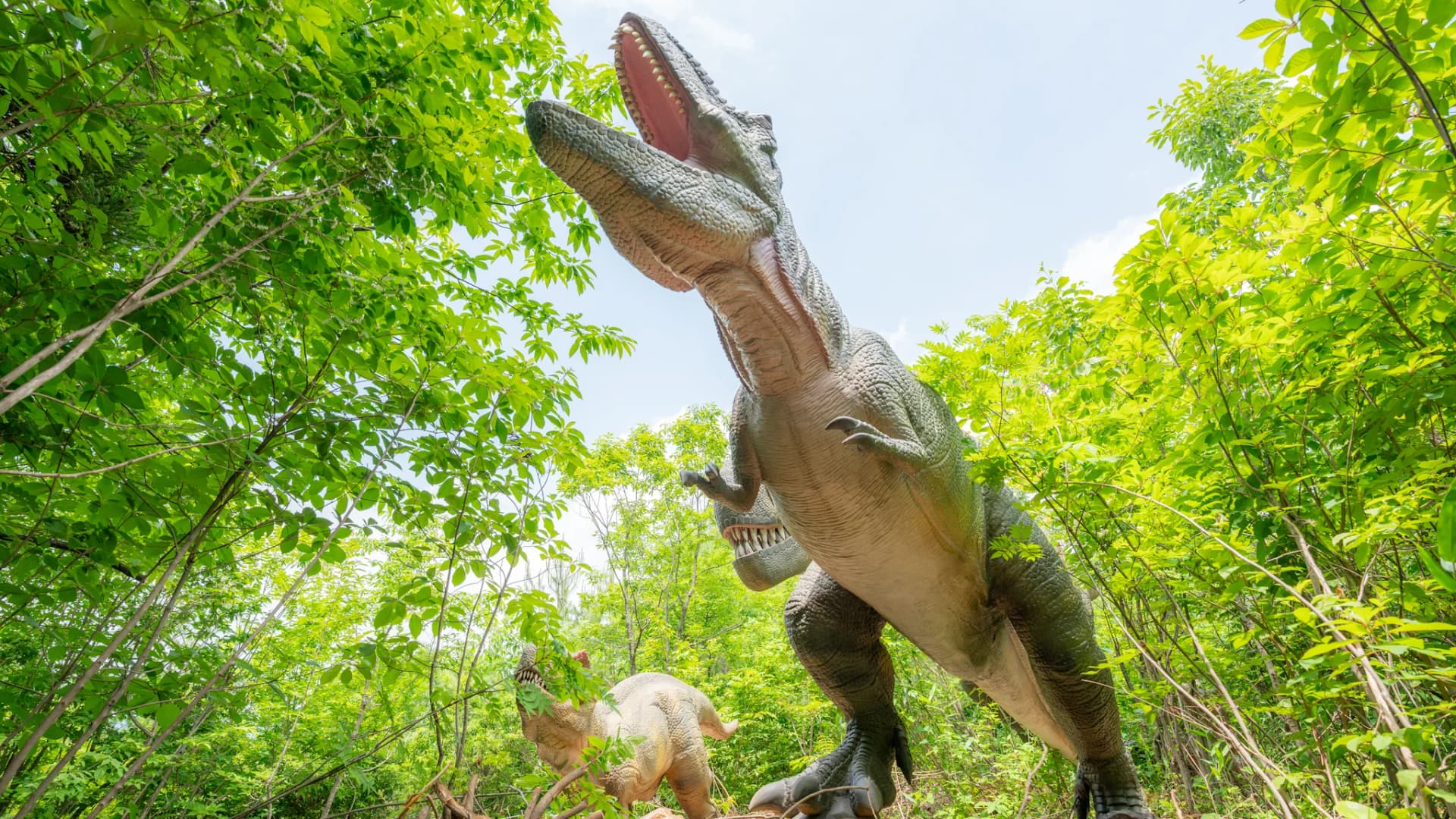
Katsuyama Dino Park
An outdoor dinosaur park in the woods at Katsuyama in Fukui, three minutes from the prefectural dinosaur museum, with more than sixty life-sized models.
Katsuyama · Fukui
PokéPark KANTO
The first permanent outdoor Pokémon facility features over 600 Pokémon across two zones: a forest trail and a town setting where visitors can discover creatures in their habitats.
Tokyo