Tsuzawa Yotaka Andon Festival
津沢夜高あんどん祭り
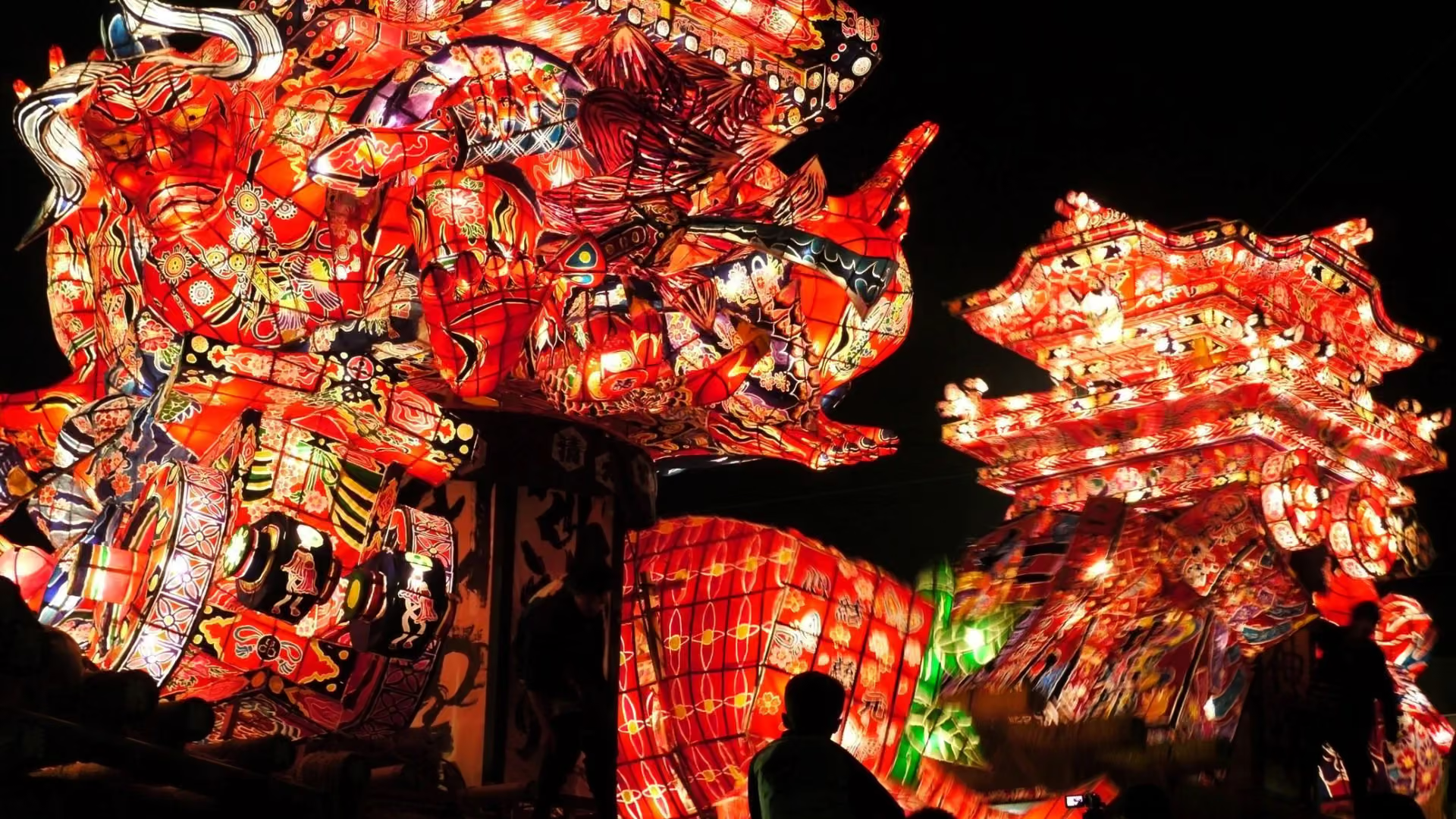
A lantern festival in Toyama Prefecture where 7-meter-high floats decorated with warrior illustrations collide in ritualized clashes to taiko drumming.
Times of the 2026 edition. The lanterns parade through central Tsuzawa from 19:00 until midnight and collide in front of Andon Square from 21:00.
〒 932-0113How to get there
石動Ainokaze Toyama Railway Line15 min by taxi from the station
The Tsuzawa Yotaka Andon Festival is a lantern festival in the Tsuzawa district of Oyabe, Toyama Prefecture, held as a prayer for a good harvest and for peace. The collisions between its huge lantern floats give it a second name, Kenka Yotaka Matsuri (喧嘩夜高祭), the Fighting Yotaka Festival. Oyabe City lists it as an intangible folk cultural property.
The lanterns
The large yotaka andon (夜高行燈) stand about 7 metres high, run about 12 metres long and weigh about 5 tonnes. Thin bamboo is shaped into dragons, court carriages, flower baskets, peonies, butterflies and cranes, then covered in Japanese paper, waxed and coloured with food dye. The work takes several months, all of it done by hand. A contest for musha-e (武者絵), warrior pictures, is part of the festival.
What happens
At dusk, lanterns under the eaves of the houses are lit. Children in happi coats pull small lanterns through the streets, followed by young men carrying the large ones to taiko drums and shouted calls.
The main event is the butsukariai (ぶつかり合い) at Andon Square. Two large lanterns face each other and crash together on the command of the sosaikyo (総裁許), each side trying to break the other's tsurimono (吊り物), the lantern section at the front. The bouts repeat with changing opponents on both nights. The lanterns are also judged in a contest on the first night, and a children's taiko competition is held the evening before the festival opens.
History
According to tradition, the festival goes back to 1653, when a divided spirit of Ise Grand Shrine was brought to the village as its guardian deity. Night fell while the procession was near Kurikara, and villagers went out to meet it with lanterns held high and drums beating. The custom later merged with a rice-field festival held after planting, when farmers rested and visited the shrine to pray for a good harvest.
Settlers from Tsuzawa took the tradition to Numata in Hokkaido, where it is now counted among the three great lantern festivals of Hokkaido.
Getting There

Planning a trip? Fit this into a trip and Oni plans the rest around it.
You might also like
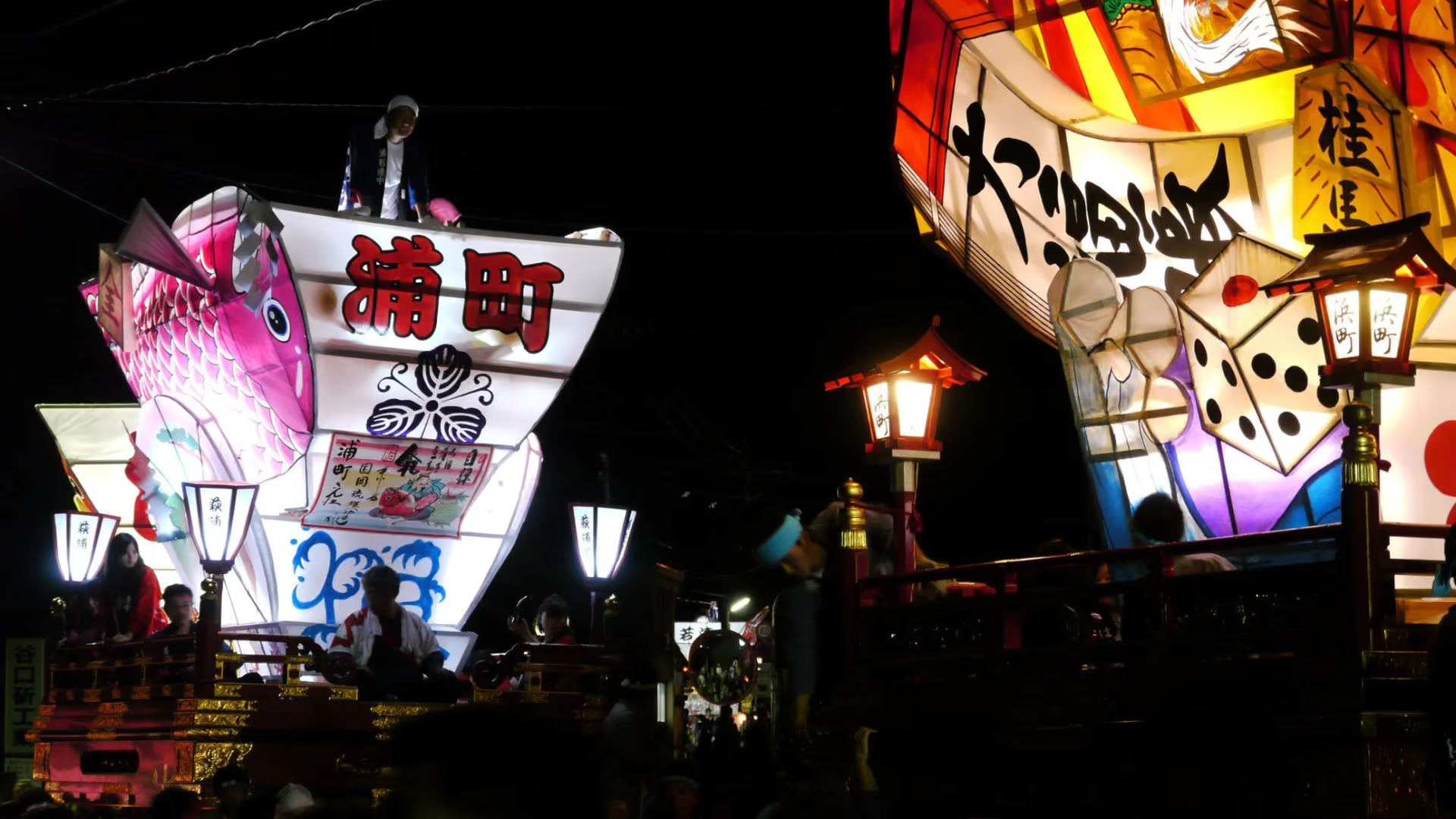
Iwase Hikiyama Festival (The Fighting Floats Festival)
Spring festival of Iwase Suwa Shrine where 13 heavy floats topped with painted tatemon are pulled through the old port town and clash at night.
17–18 May 2027Toyama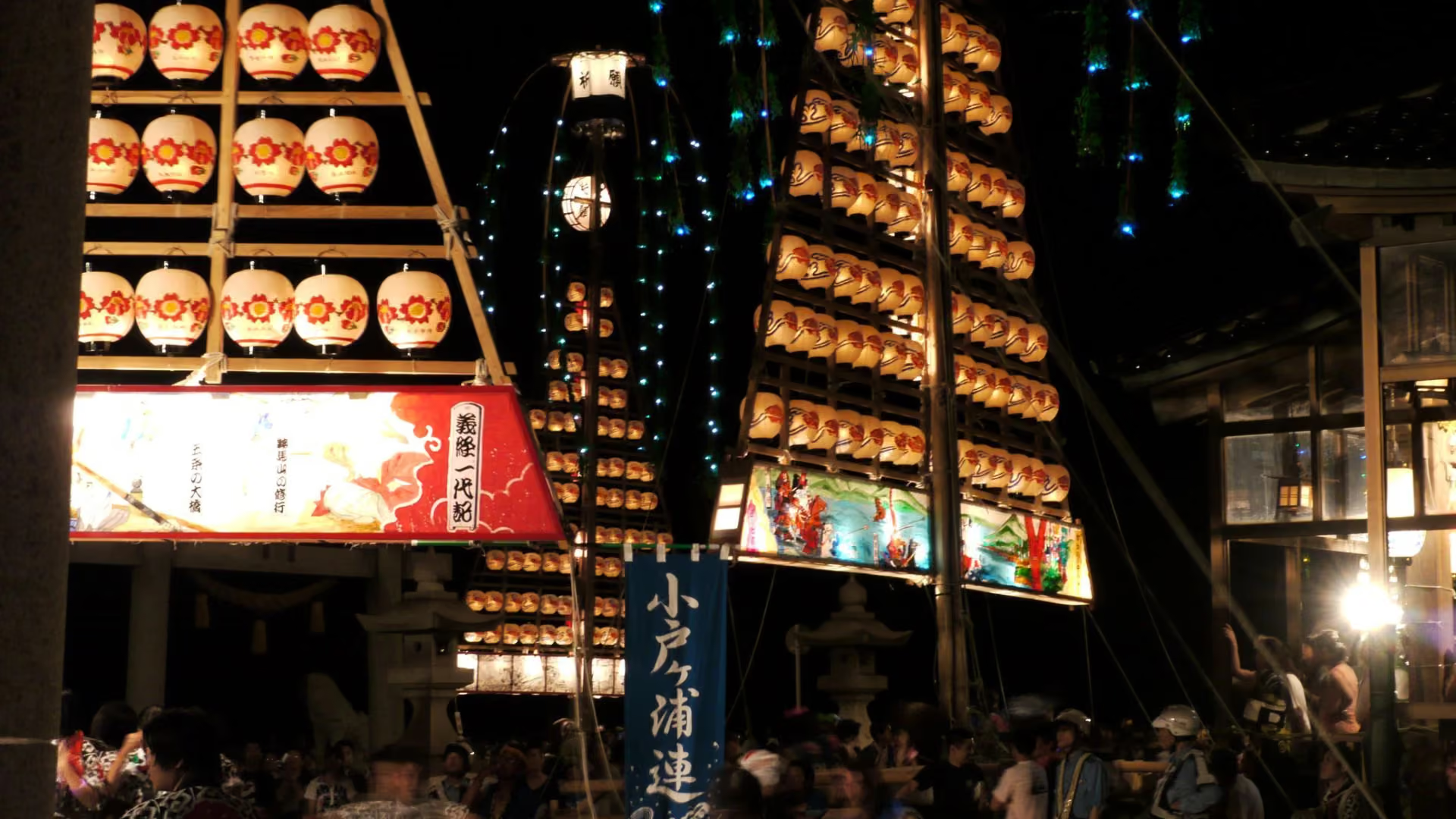
Jantokoi Uozu Festival
Uozu's biggest summer event, the Jantokoi Uozu Festival brings UNESCO-listed Tatemon floats, folk dance, seaside fireworks, and jazz.
6–8 Aug 2027Exact date not confirmed yetUozu · Toyama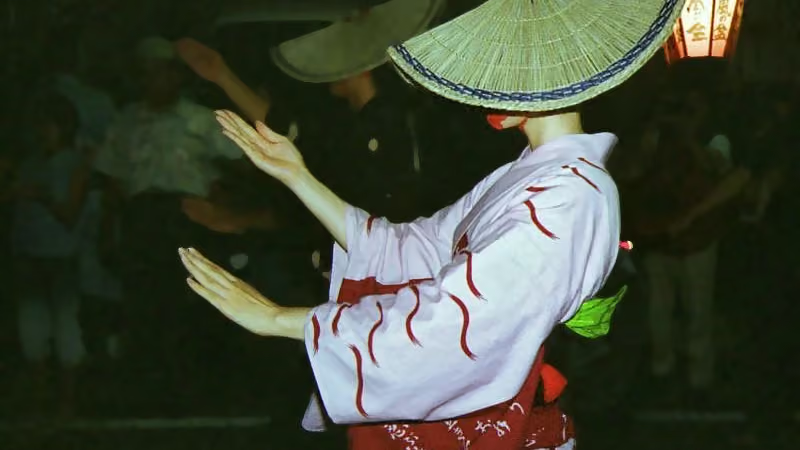
Owara Kaze no Bon (Harvest Wind Festival)
A harvest festival in Yatsuo: lantern-lit dancers in matching happi coats move through the streets to shamisen and kokyu music over three September days.
1–3 Sep 2027Toyama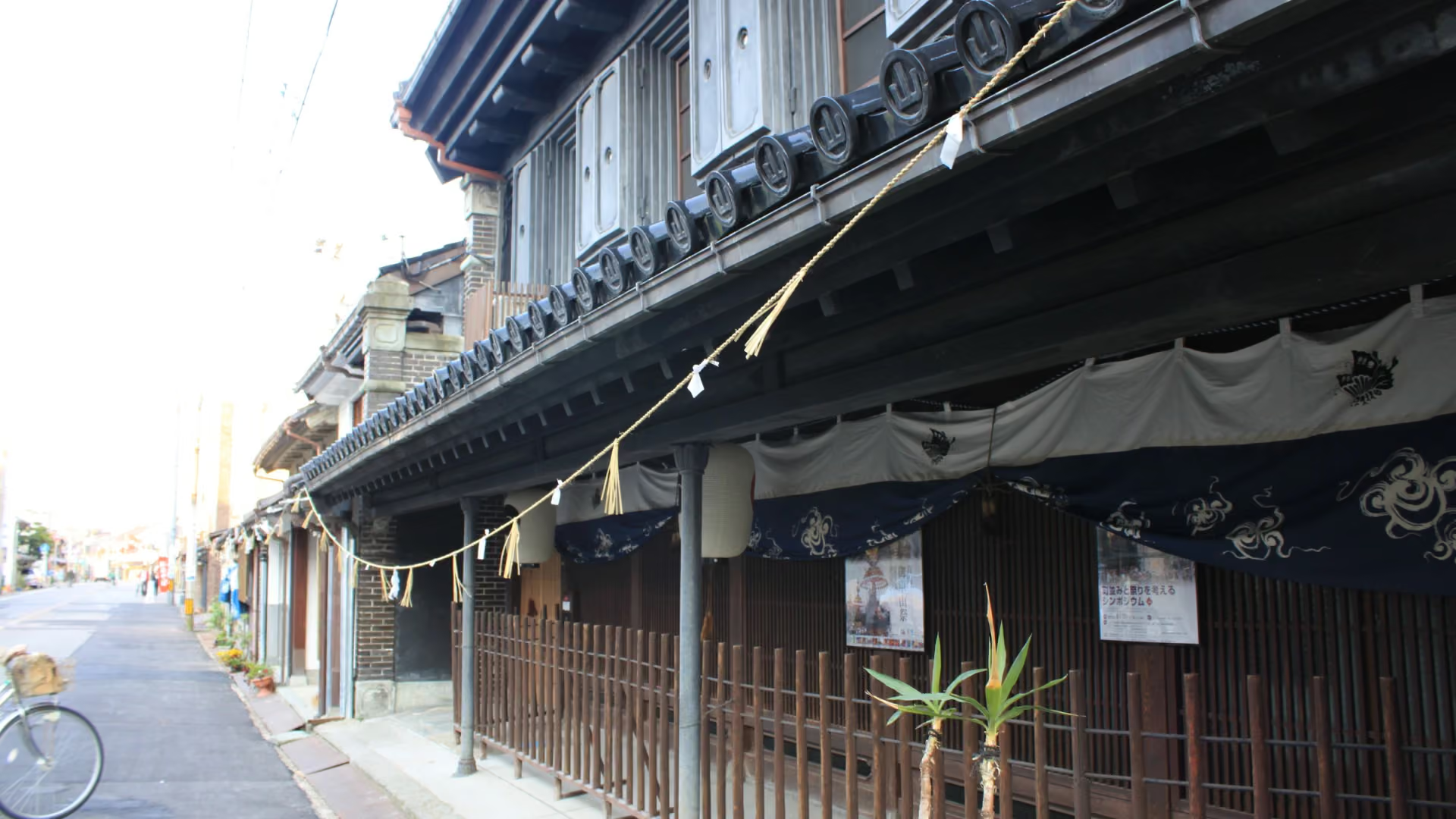
Yamamachi
A merchant street of fireproof dozo-zukuri shophouses rebuilt after the fire of 1900, selected as an Important Preservation District in 2000.
Takaoka · Toyama
Hakusan Shrine Sayado
Hall built in 1760 in Gokayama, Toyama, to shelter a shrine from 1502, the oldest surviving wooden building in Toyama and an Important Cultural Property.
Nanto · Toyama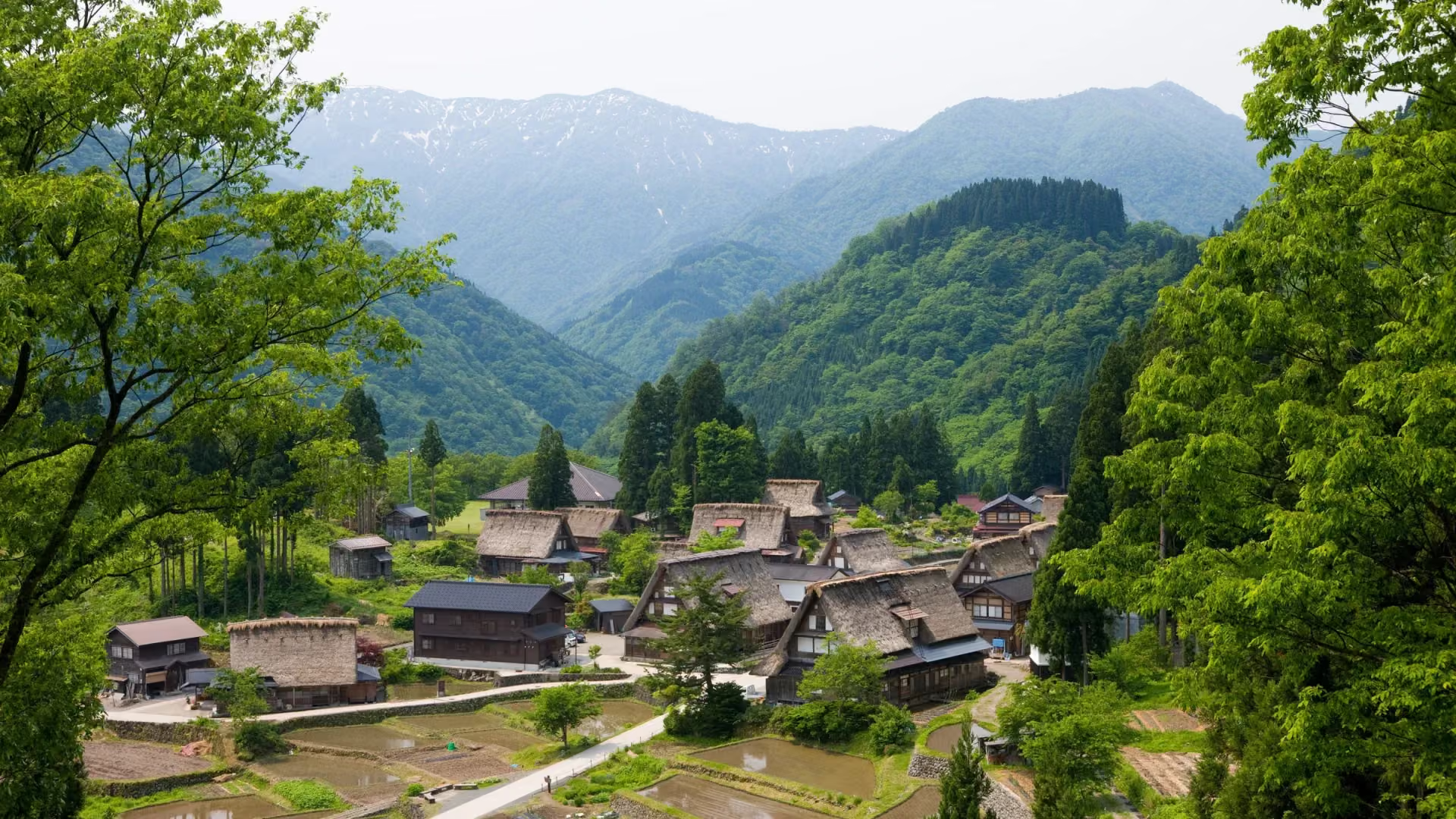
Ainokura Gassho-style Village
A village in the UNESCO-listed Gokayama area with 20 gassho-style houses, most from the late Edo to Meiji periods, under thatched roofs pitched near 60 degrees.
Nanto · Toyama