Iwase Hikiyama Festival (The Fighting Floats Festival)
岩瀬曳山車祭
Spring festival of Iwase Suwa Shrine where 13 heavy floats topped with painted tatemon are pulled through the old port town and clash at night.
〒 931-8361How to get there
競輪場前Toyamako Line5 min walk from the station
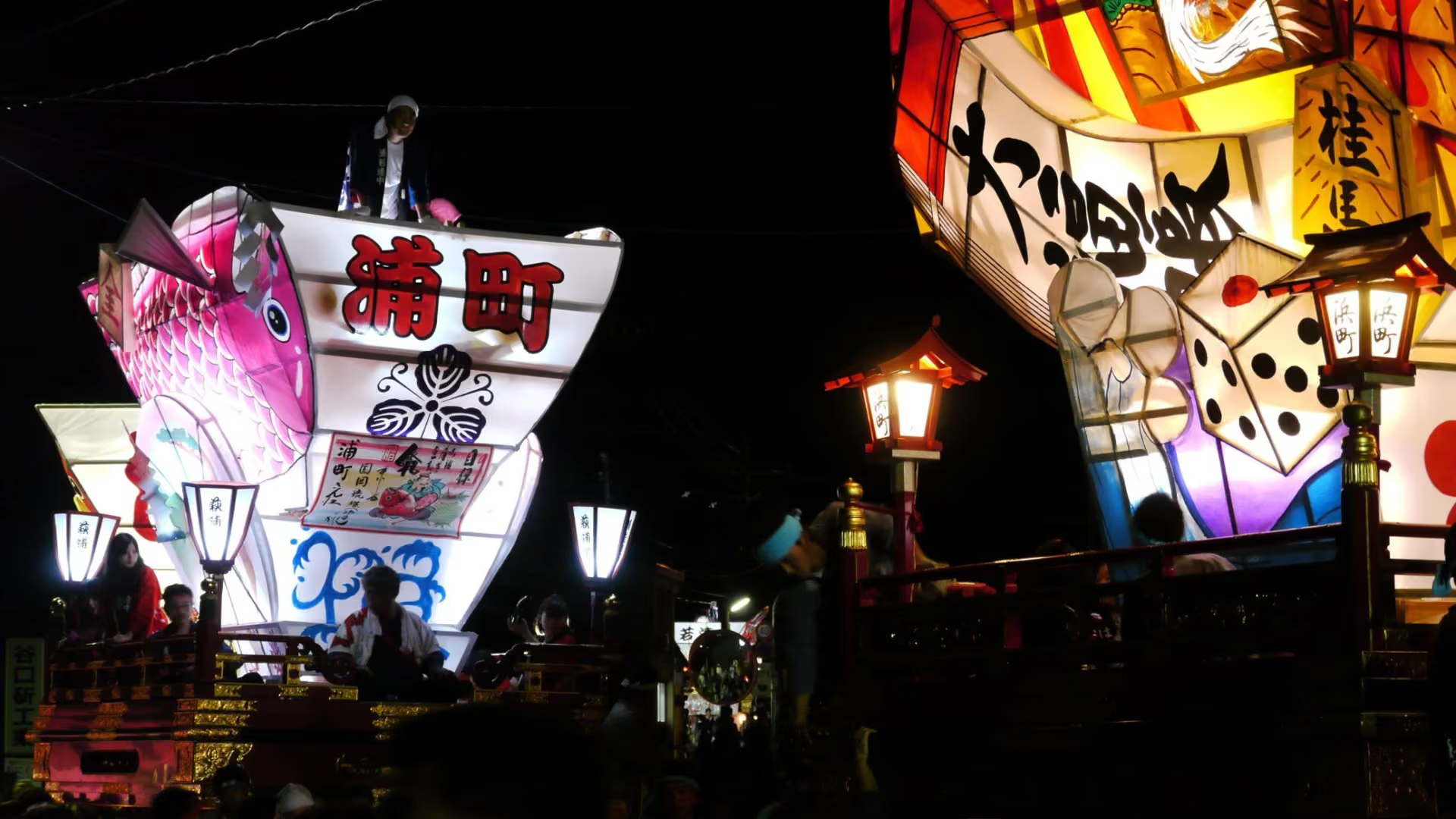
The Iwase Hikiyama Festival is the spring grand festival of Iwase Suwa Shrine in Iwase, Toyama City. Thirteen floats are pulled through the old port town. Unlike the ornate floats found elsewhere in Toyama Prefecture, the Iwase floats are heavy and plain, and at night they crash into each other in contests of strength, which have earned it the name Kenka Dashi, the fighting floats.
History
The town of Nishi-Iwase lay west of present-day Iwase. Between 1658 and 1661 the Jinzu River flooded again and again and moved its course east, and Nishi-Iwase lost its use as a port. Its people moved to the new river port of Higashi-Iwase.
Tradition holds that the floats began in 1659, when the settlers brought a share of the spirit of Nishi-Iwase's Suwa Shrine with them and carried the timber for the new shrine stacked on a frame behind the deity. Local historians now favour another account: after a fire destroyed most of Higashi-Iwase in 1792, the townspeople began pulling lantern floats in 1796 to celebrate the rebuilding and to ward off disaster.
The floats
Each float weighs about four tonnes and is built as solidly as a tank. On top stands the tatemon, a decoration raised on a ship's mast: a frame of wood and bamboo covered in white cloth and painted. Every district makes a new tatemon each year.
The paintings are picture puzzles, hanjie, in which the images spell out a wish. A sea bream, a gold coin and a pine tree together read as a wish for a big catch. The themes range from good business and good fishing to the news of the year.
What happens
All 13 floats are pulled around the town from the daytime on both days. Before a float moves off, the pullers sing a kiyari work song together, and then the float rolls with the creak of its wooden wheels and axle while flutes, shamisen and drums play.
On the first night the floats, their tatemon lit, follow the mikoshi, the shrine's portable shrine, back to Suwa Shrine and pay their respects. Then the hikiai begins. The floats are split into two sides and wait in front of the shrine in their order of contest. When the two float leaders, the yamamoto, give the signal, two floats are driven into each other and both crews haul on their ropes. The float that is pushed back loses. On the second night the contests are held again in front of the Chureito war memorial.
Getting There

Planning a trip? Fit this into a trip and Oni plans the rest around it.
You might also like
Jantokoi Uozu Festival
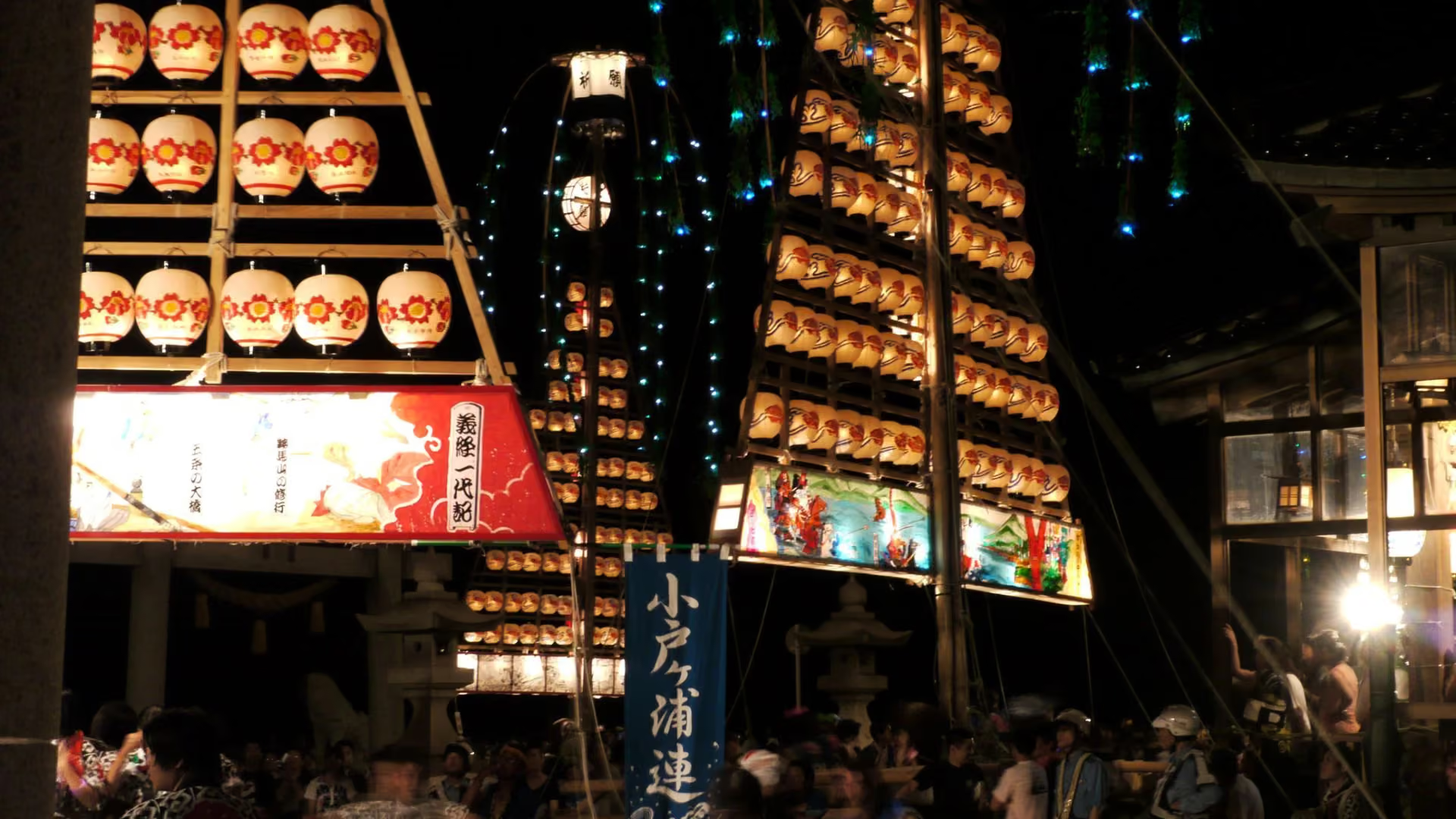
Uozu's biggest summer event, the Jantokoi Uozu Festival brings UNESCO-listed Tatemon floats, folk dance, seaside fireworks, and jazz.
6–8 Aug 2027Exact date not confirmed yetUozu · Toyama
Takaoka Tanabata Festival
About 100 decorated bamboo displays fill the streets from Takaoka Station to Suehiro-dori, lit at night, with wish strips and lanterns made by local residents.
1–8 Aug 2027Exact date not confirmed yetTakaoka · Toyama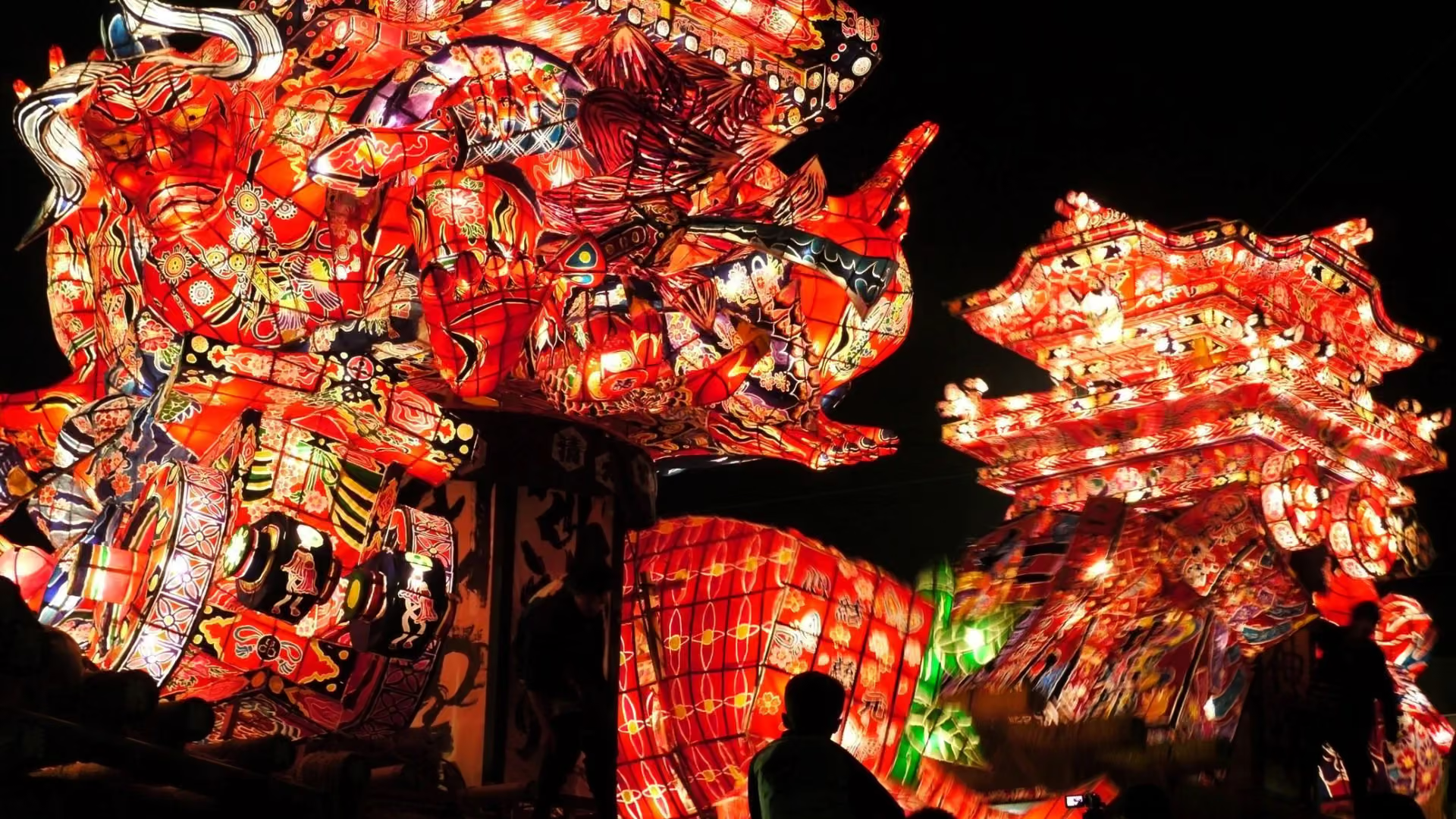
Tsuzawa Yotaka Andon Festival
A lantern festival in Toyama Prefecture where 7-meter-high floats decorated with warrior illustrations collide in ritualized clashes to taiko drumming.
4–5 Jun 2027Exact date not confirmed yetOyabe · Toyama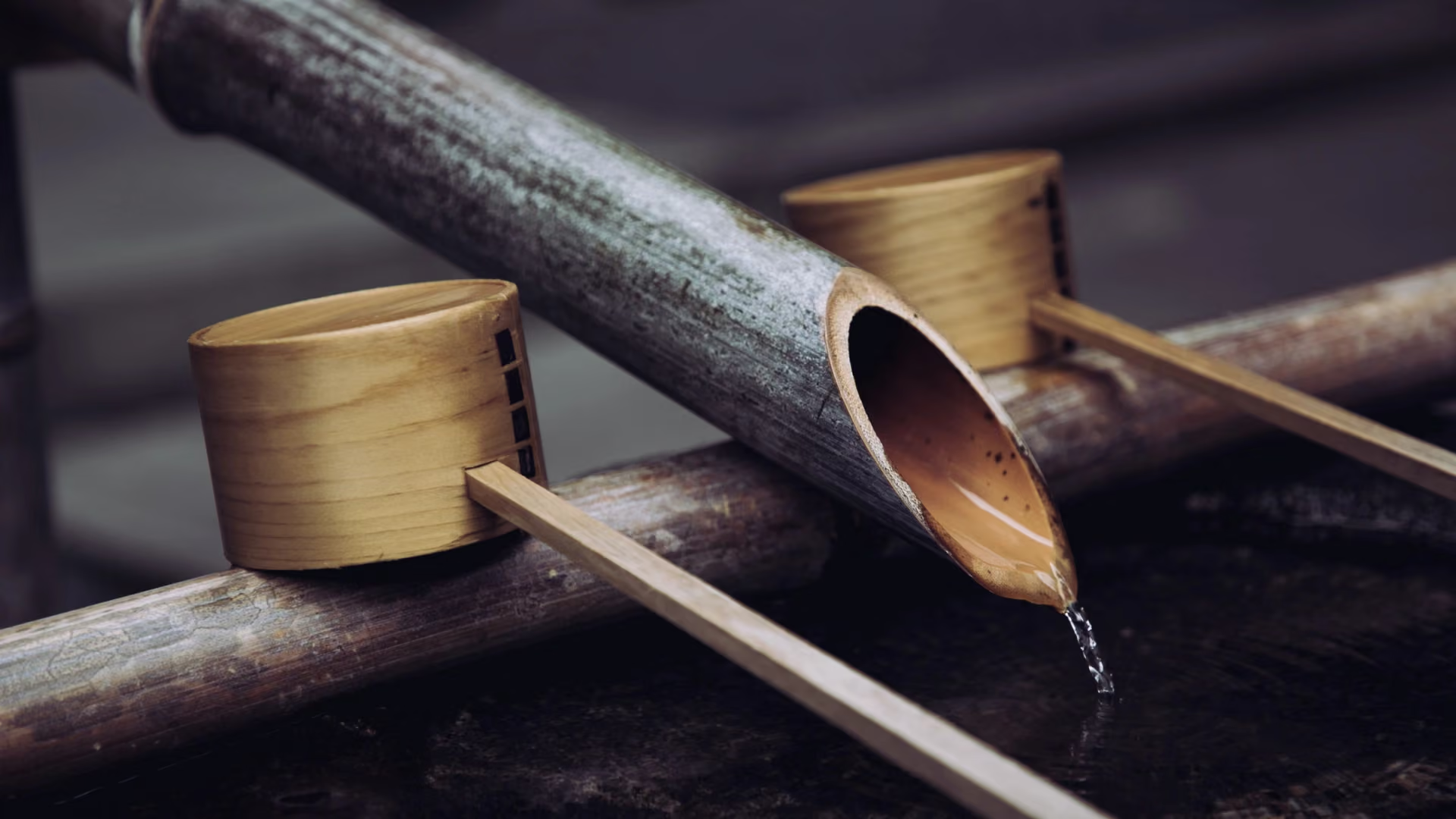
Hakusan Shrine Sayado
Hall built in 1760 in Gokayama, Toyama, to shelter a shrine from 1502, the oldest surviving wooden building in Toyama and an Important Cultural Property.
Nanto · Toyama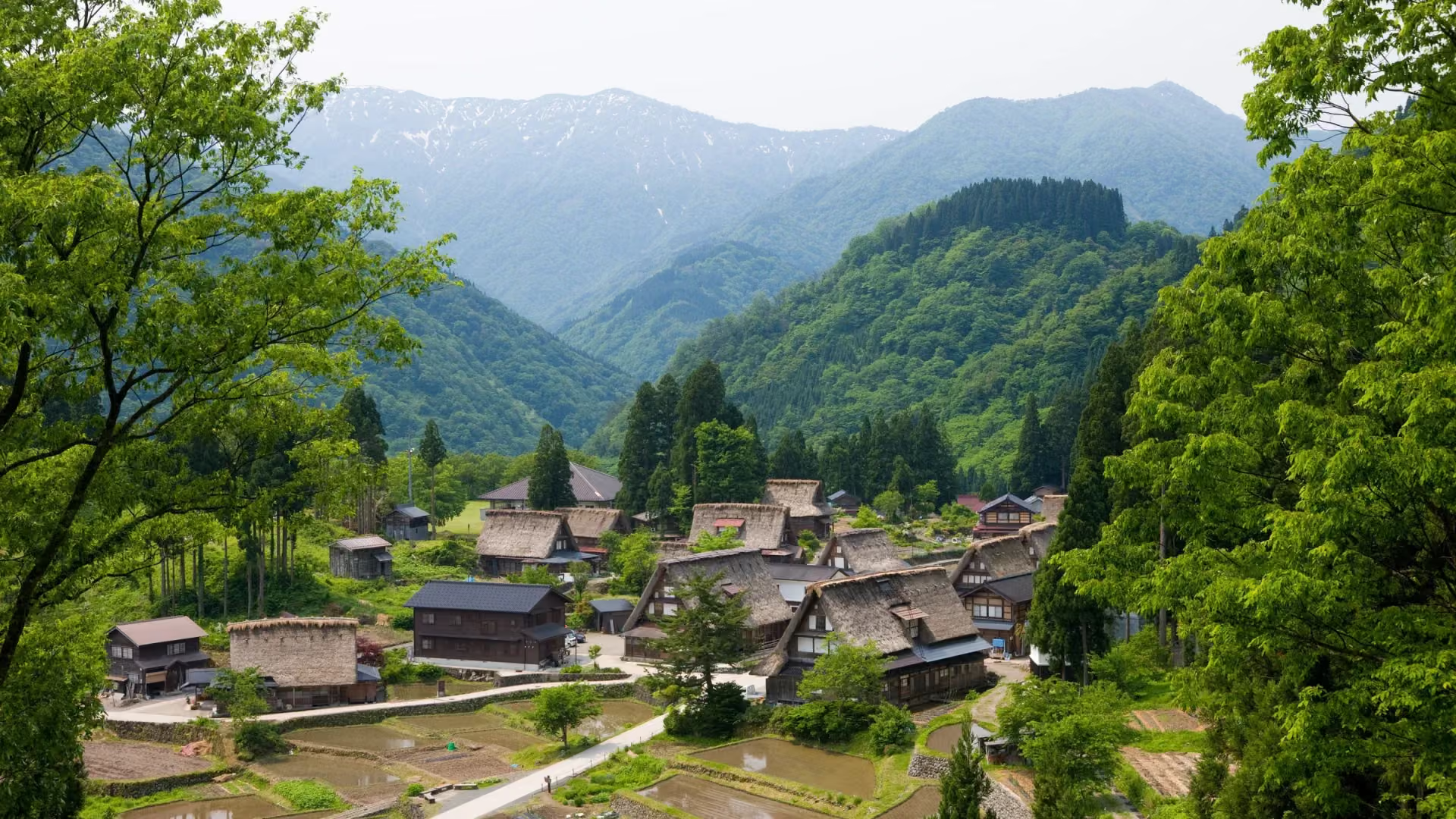
Ainokura Gassho-style Village
A village in the UNESCO-listed Gokayama area with 20 gassho-style houses, most from the late Edo to Meiji periods, under thatched roofs pitched near 60 degrees.
Nanto · Toyama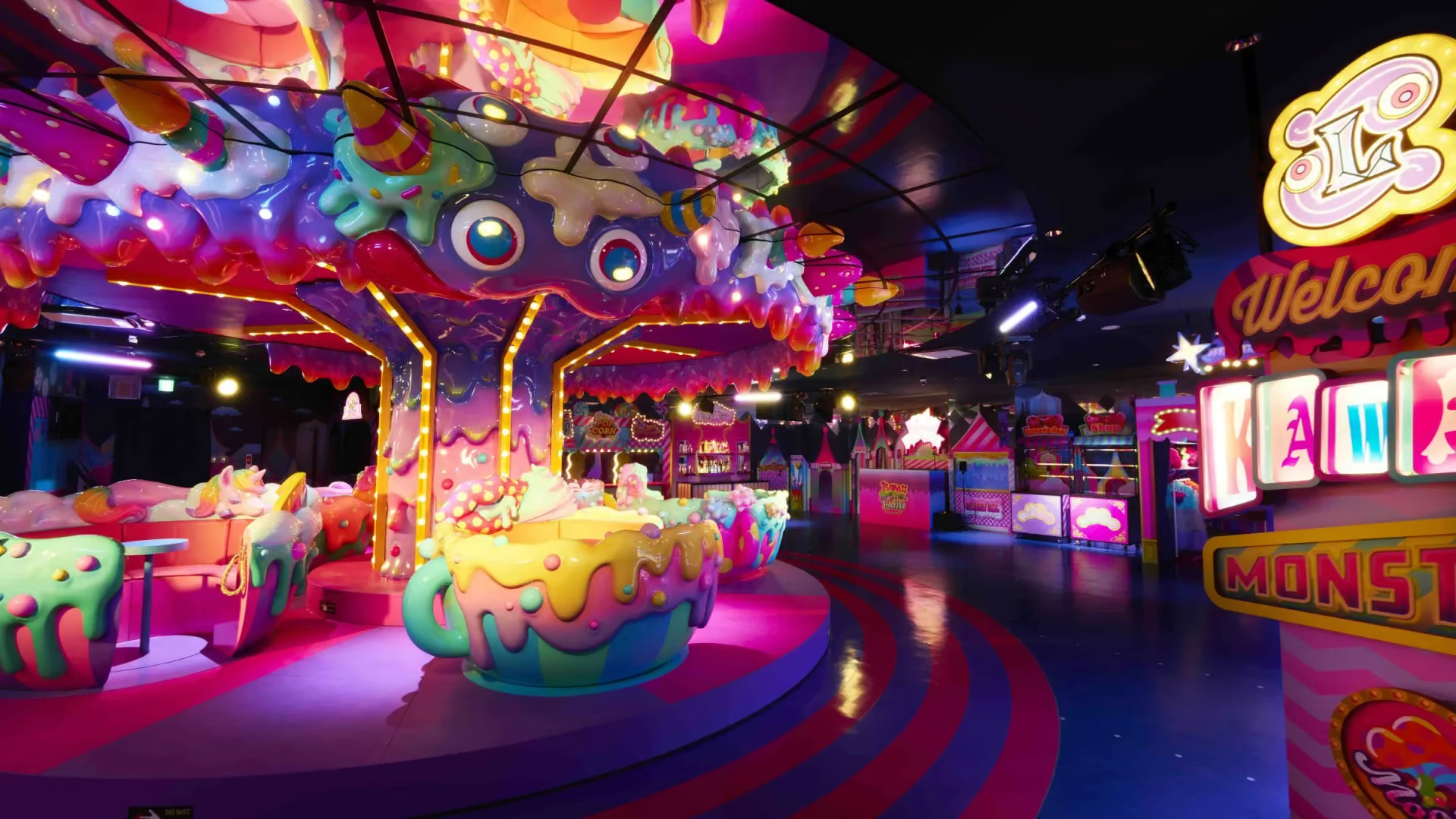
KAWAII MONSTER LAND - HARAJUKU
An indoor KAWAII amusement park beneath Takeshita Street in Harajuku, with shows by the Monster Girls, games, themed food and a dress-up photo house.
Tokyo