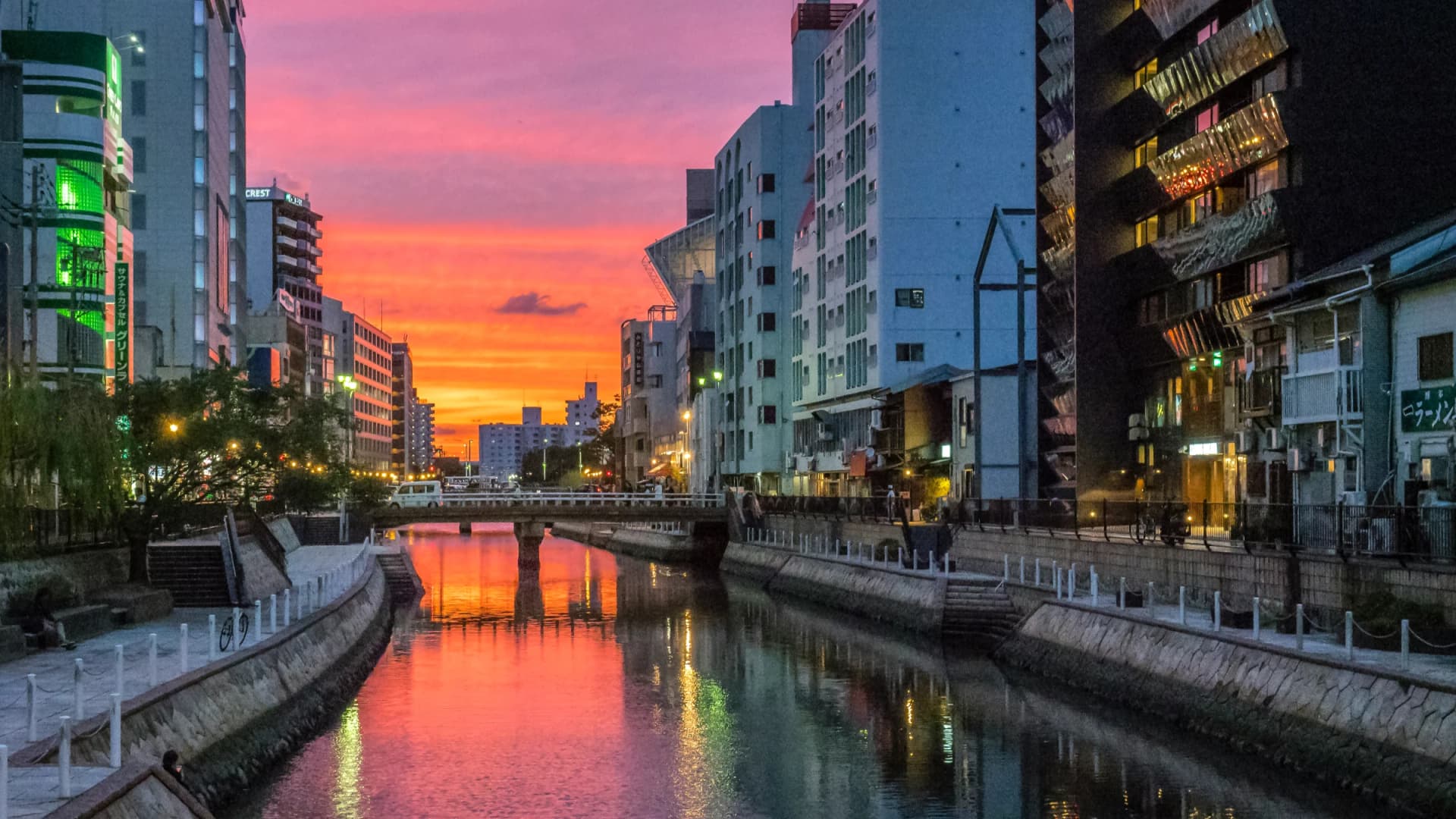
Arita Porcelain Park
有田ポーセリンパーク
A park at Arita in Saga built around a copy of the Zwinger palace of Dresden, marking the porcelain that went from here to Europe.
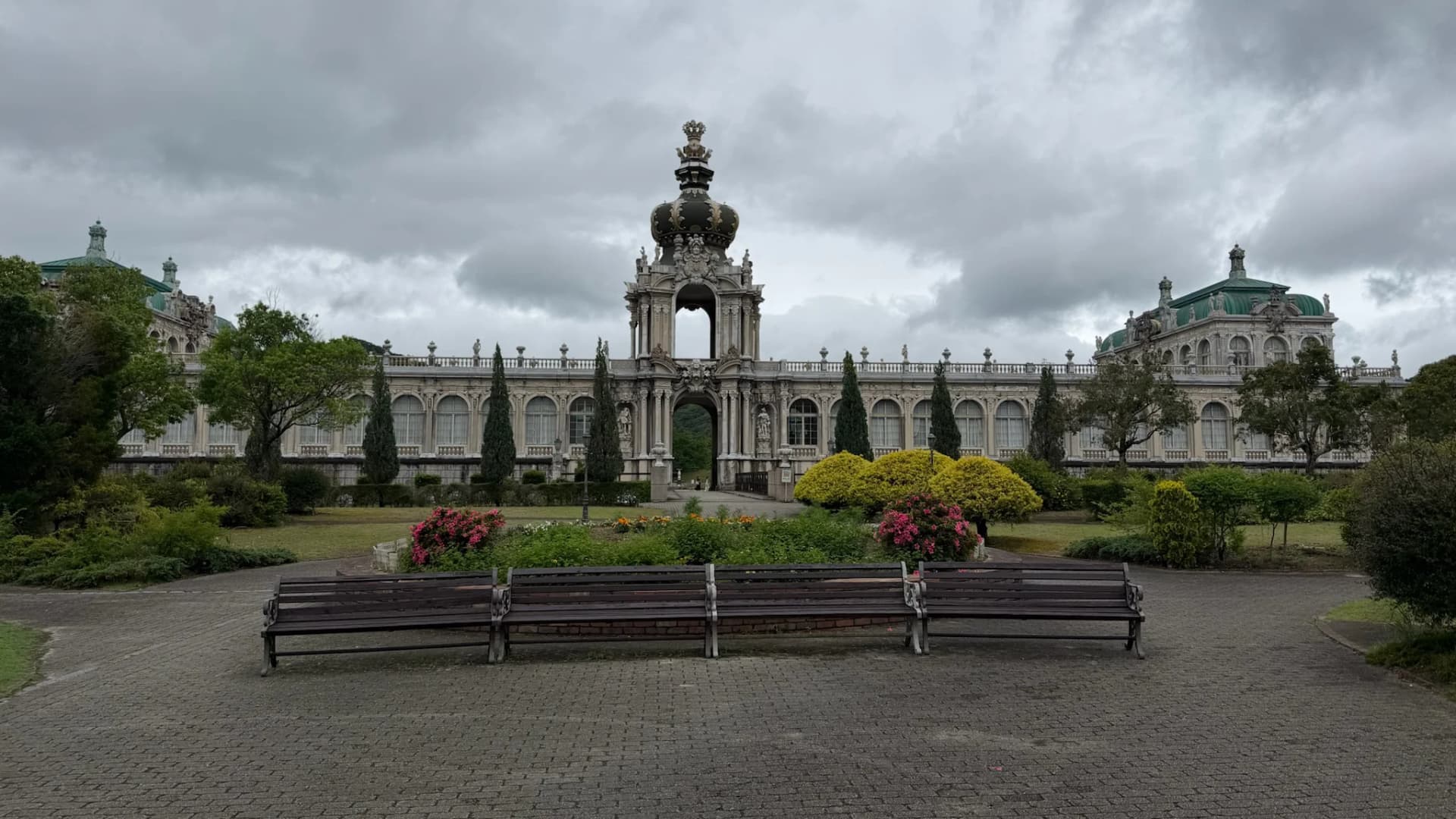
Arita Porcelain Park stands at Arita in Saga Prefecture, the town where porcelain was first made in Japan and from which it was shipped to Europe. The park opened in 1993, put up by the porcelain firm Koransha together with local businesses and residents, and its name means simply a park of porcelain.
The building at the centre of the park is a copy of the Zwinger in Dresden, the German baroque palace of the early eighteenth century.
The choice is not arbitrary. Arita porcelain reached the courts of Europe from the seventeenth century onward and was collected there, and Dresden was where Augustus the Strong kept his collection and where Europeans worked out how to make porcelain themselves. A formal garden in the baroque manner is laid out behind the palace.
Beyond the pottery workshop, on the slope of a low hill, stands a climbing kiln. It is a reconstruction of the old Tengudani kiln, where the potter Yi Sam-pyeong is said to have first fired porcelain at Arita about four hundred years ago.
The workshop takes visitors for painting, hand building and work at the wheel, with staff helping those who have not thrown before. Nearby a ceramic mural reproduces an old painted dish showing the trades of the Arita kilns in ten scenes, with the tools and the workshops of the time.
Getting There

You might also like
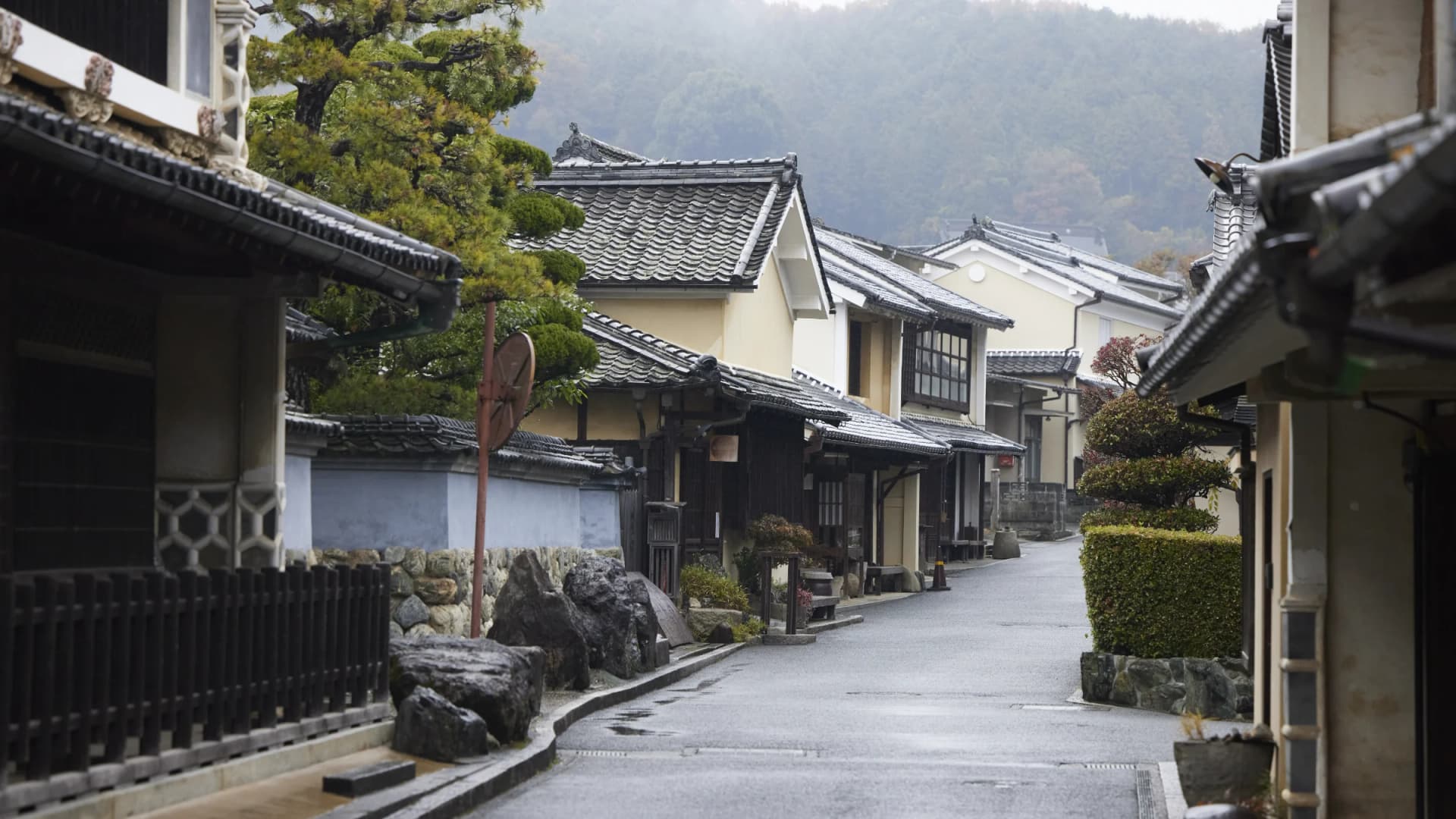
Yokaichi and Gokoku Historical District
A street of wax merchants' houses in Uchiko, Ehime, with walls in a yellow plaster made from local earth, preserved since 1982.
Uchiko · Ehime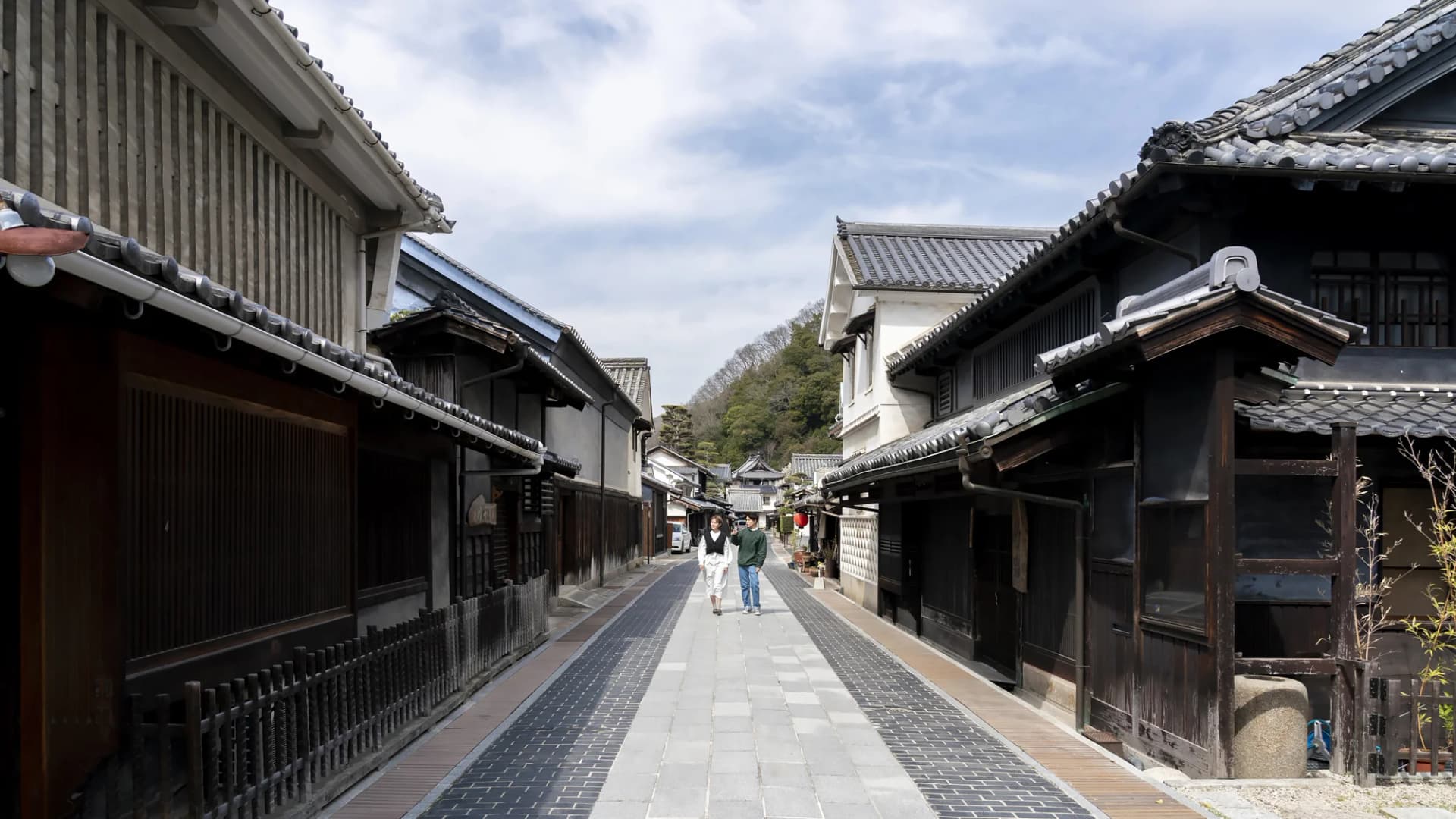
Takehara Historic Preservation District
A five-hectare quarter of Edo and Meiji merchant houses in Takehara, Hiroshima, built on the fortunes of salt and known as the Little Kyoto of Aki.
Takehara · Hiroshima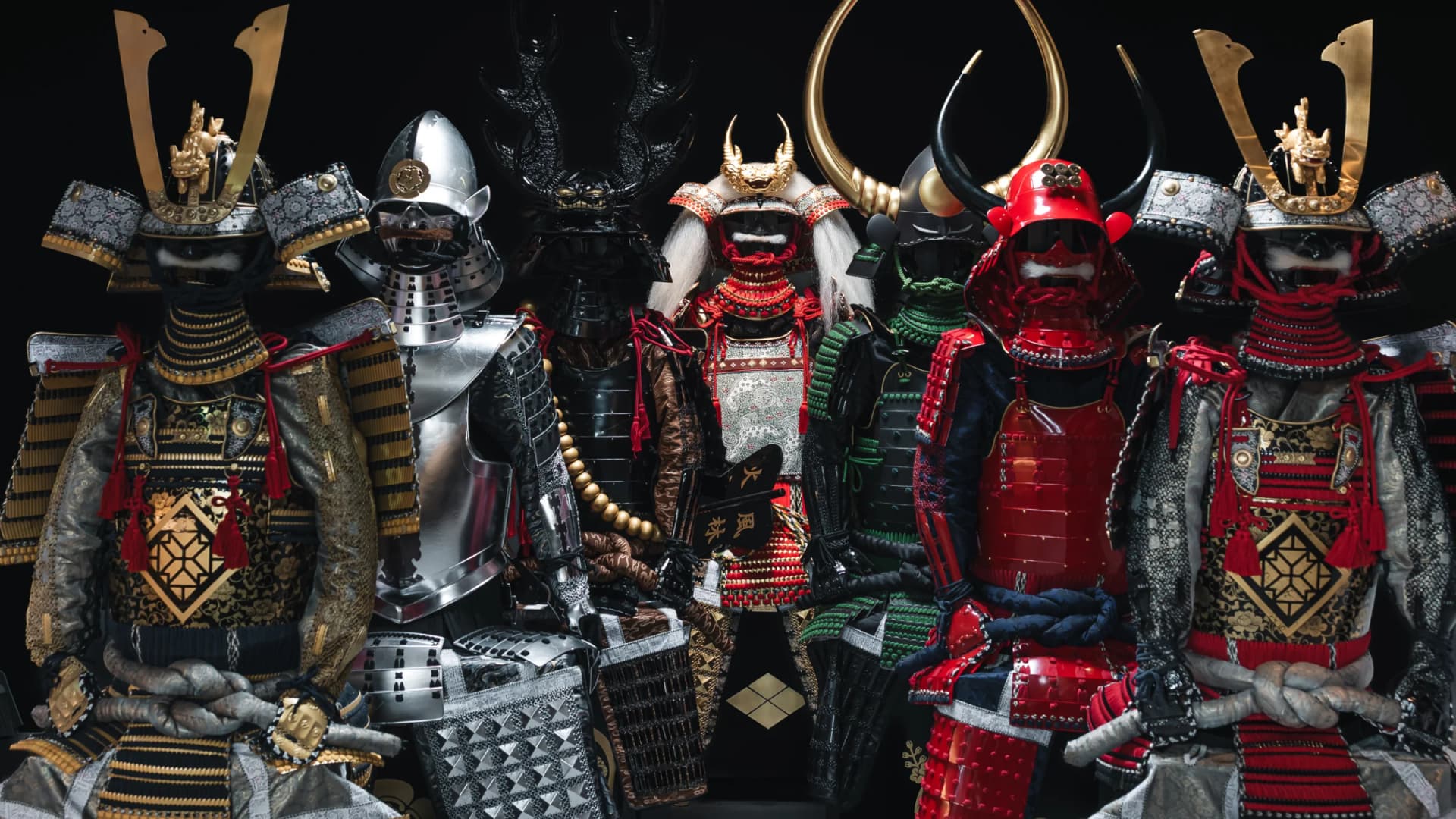
SHOGUN STUDIO JAPAN
A Kyoto studio where visitors put on real film-grade armour or hand-painted kimono and take tea in a tea room built for it, a minute from Umekoji-Kyotonishi.
Kyoto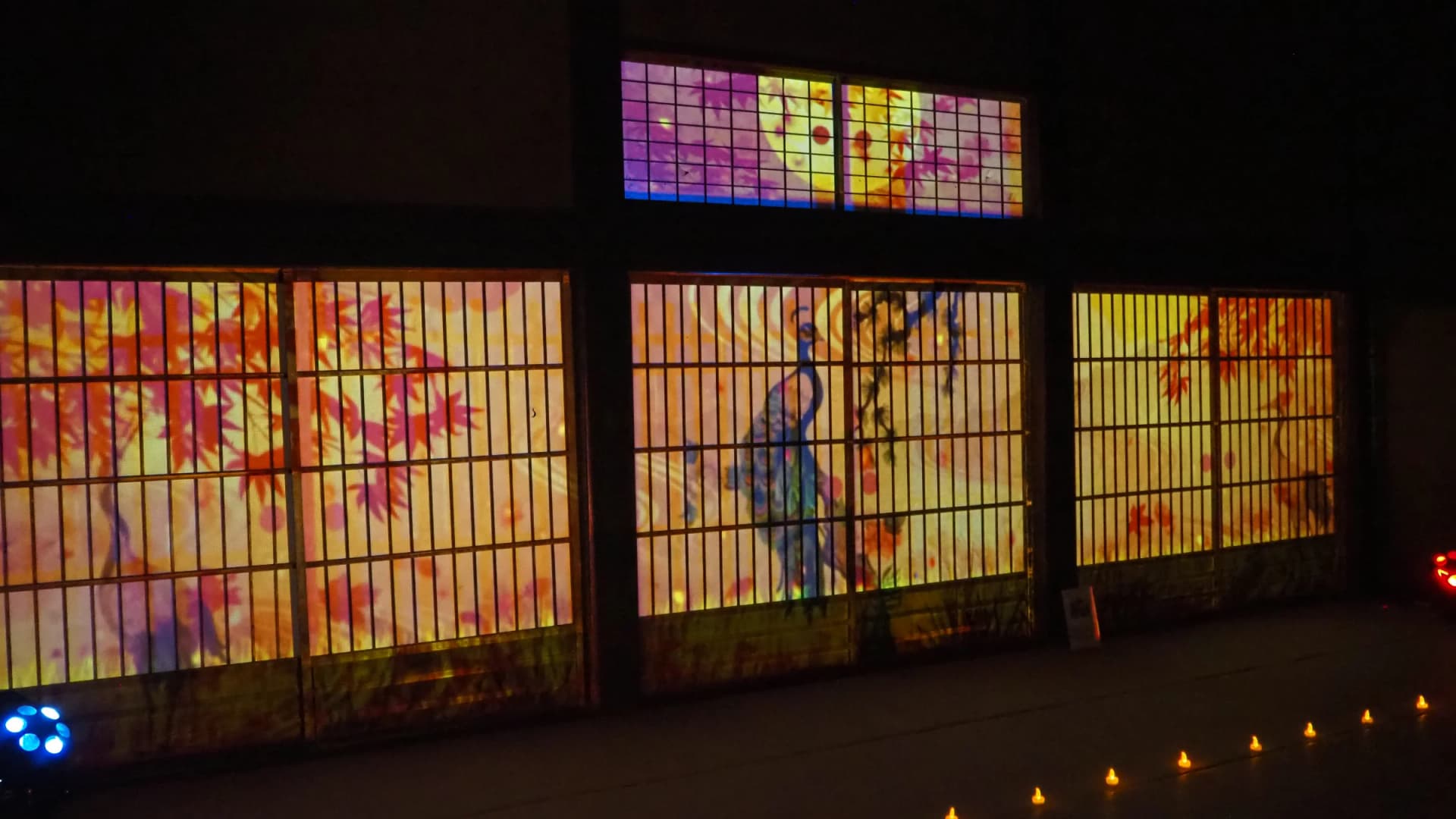
Wa no Hikari at Sasagawa-tei
A light display each autumn at the former Sasagawa residence near Niigata, with projections on an Edo-period house, a lit garden and works by local students.
26 Sep – 18 Oct 2026Niigata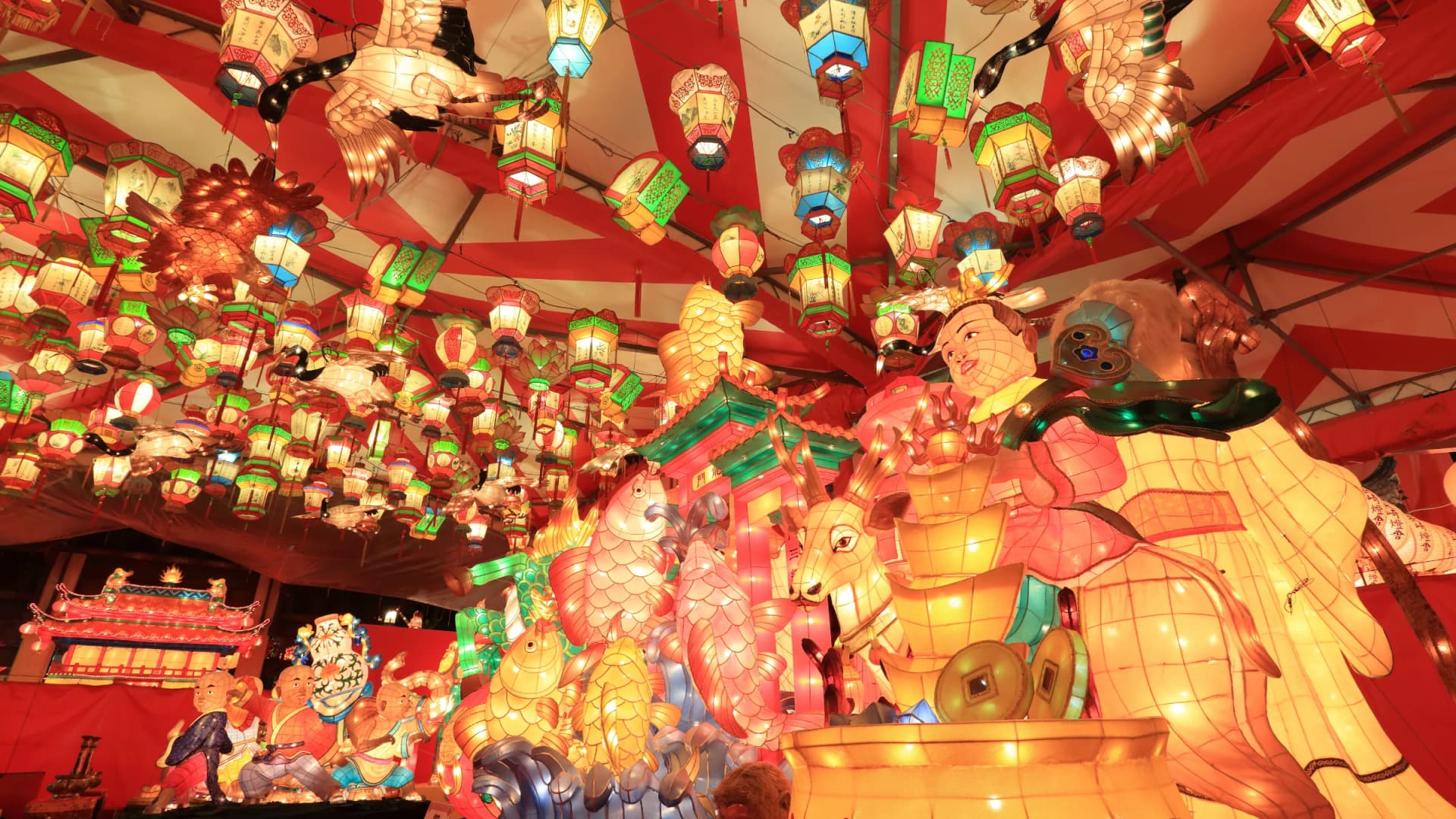
Nagasaki Lantern Festival
The festival illuminates Nagasaki's streets with around 15,000 Chinese lanterns, some reaching 10 metres, celebrating Lunar New Year traditions.
6–23 Feb 2027Nagasaki
Sengoku Chronicle: The Battle of Kawanakajima
A re-enactment on a river bed in Fuefuki, Yamanashi, where about seven hundred people in armour refight Takeda Shingen against Uesugi Kenshin.
8 Nov 2026Fuefuki · Yamanashi