Kozan-ji
功山寺
A Soto Zen temple in Shimonoseki whose Buddha hall of 1320 is a National Treasure, and where Takasugi Shinsaku began his uprising in 1864.
〒 752-0979How to get there
長府San-yo Main Line49 min walk from the station
Kozan-ji is a Soto Zen temple in Chofu, Shimonoseki. Its Buddha hall, raised in 1320, is a National Treasure, and the temple is where Takasugi Shinsaku began his uprising of 1864.
History
Temple tradition dates the founding to 1327, under the name Chofuku-ji; the temple's own chronology names the monk Koan Genjaku as its founder in 1320, as a Rinzai temple. Ashikaga Takauji stopped here and gave it land, and the Ouchi clan later protected it. In 1557 Ouchi Yoshinaga, surrounded at the temple by the army of Mori Motonari, took his own life, and the Ouchi line ended.
Mori Hidemoto, first lord of the Chofu domain, restored the temple in 1602 and placed it under a Soto Zen master. After his death in 1650 it was renamed Kozan-ji after his Buddhist name and became the family temple of the Chofu Mori lords.
In 1864 five court nobles who had fled Kyoto, Sanjo Sanetomi among them, hid in the temple's study hall for two months. On 15 December 1864 Takasugi Shinsaku set out from Kozan-ji with about 80 men against the conservative faction that ruled the Choshu domain. The rising turned the domain toward the overthrow of the shogunate.
The Buddha hall
An ink inscription on a pillar records that the Buddha hall was raised in 1320. The temple describes it as the oldest typical Zen-style Buddha hall in Japan, and it is counted with the Shariden of Engaku-ji in Kamakura as a leading example of the style. It was designated a National Treasure in 1953.
The hall has a hip-and-gable roof of cypress bark, fan rafters, cusped windows and tapered pillars on bases. The wood is left unpainted. The ceiling of the inner sanctuary is painted with rhododendrons, which gave the temple the nickname Shakunage-dera (シャクナゲ寺).
The principal image is a seated Senju Kannon (千手観音), the Thousand-armed Kannon. Around it stand 23 surviving figures of its 28 attendants, carved in 1520. Both are City Cultural Properties.
Gates
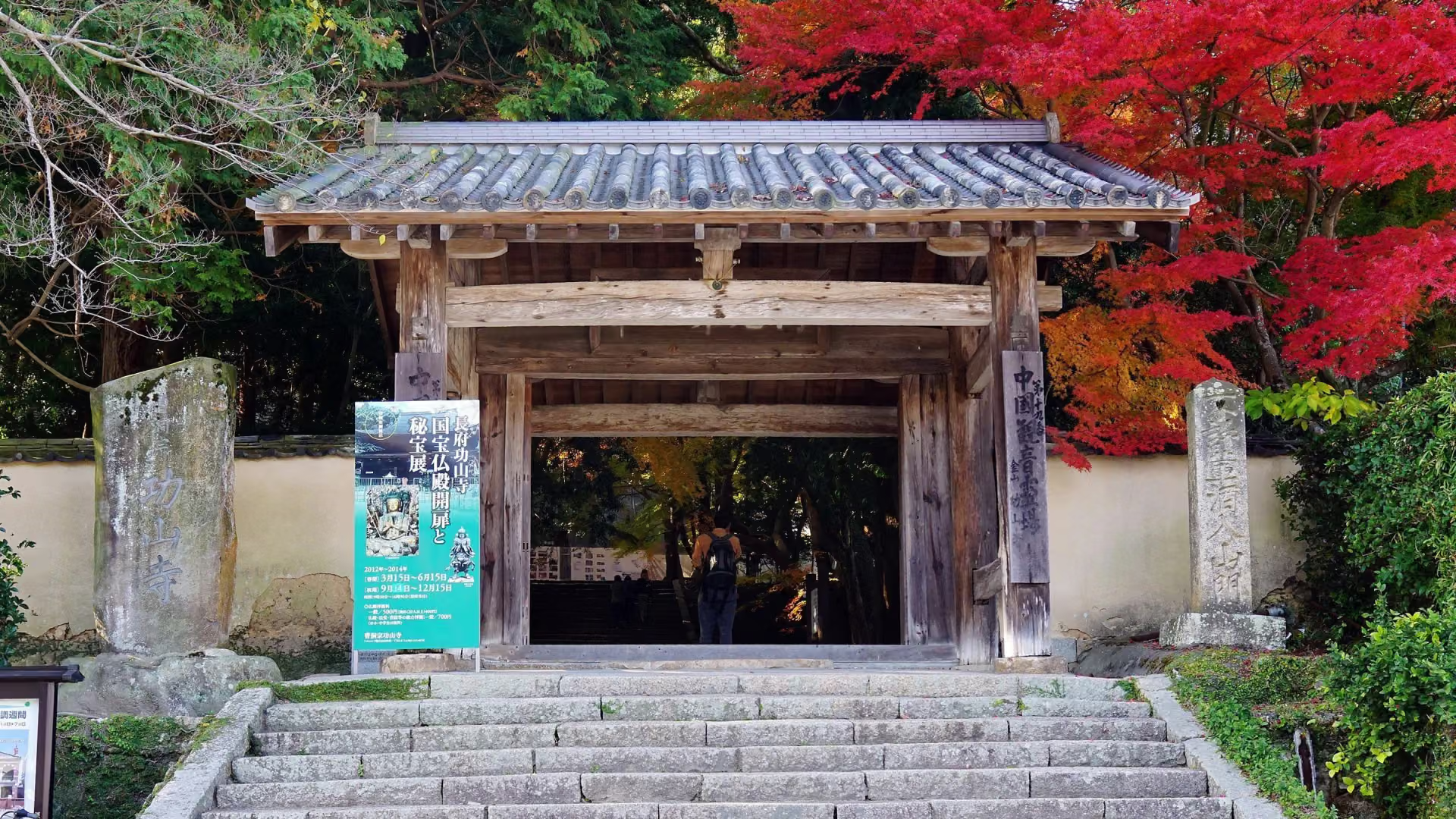
The outer gate (somon), a Zen-style four-legged gate thought to date from the Muromachi period, is a Registered Tangible Cultural Property. The Sanmon gate, rebuilt in 1773 by the tenth lord of the domain, Mori Masayoshi, is a City Cultural Property.
Getting There

Planning a trip? Fit this into a trip and Oni plans the rest around it.
Places nearby
Iminomiya Shrine
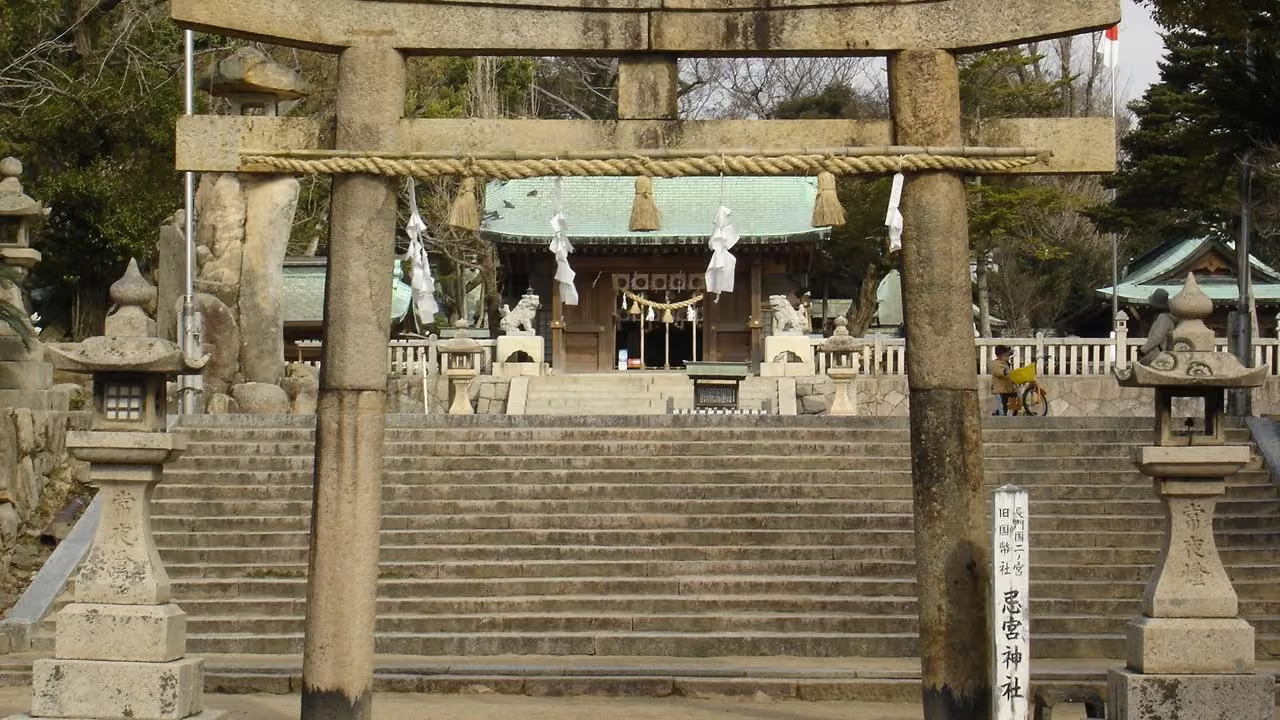
Shrine in Chofu, Shimonoseki, on the site of Emperor Chuai's palace, with about 1,800 years of history, the Suhoteisai festival and a sumo museum.
Shimonoseki · YamaguchiYou might also like
Ryufukuji
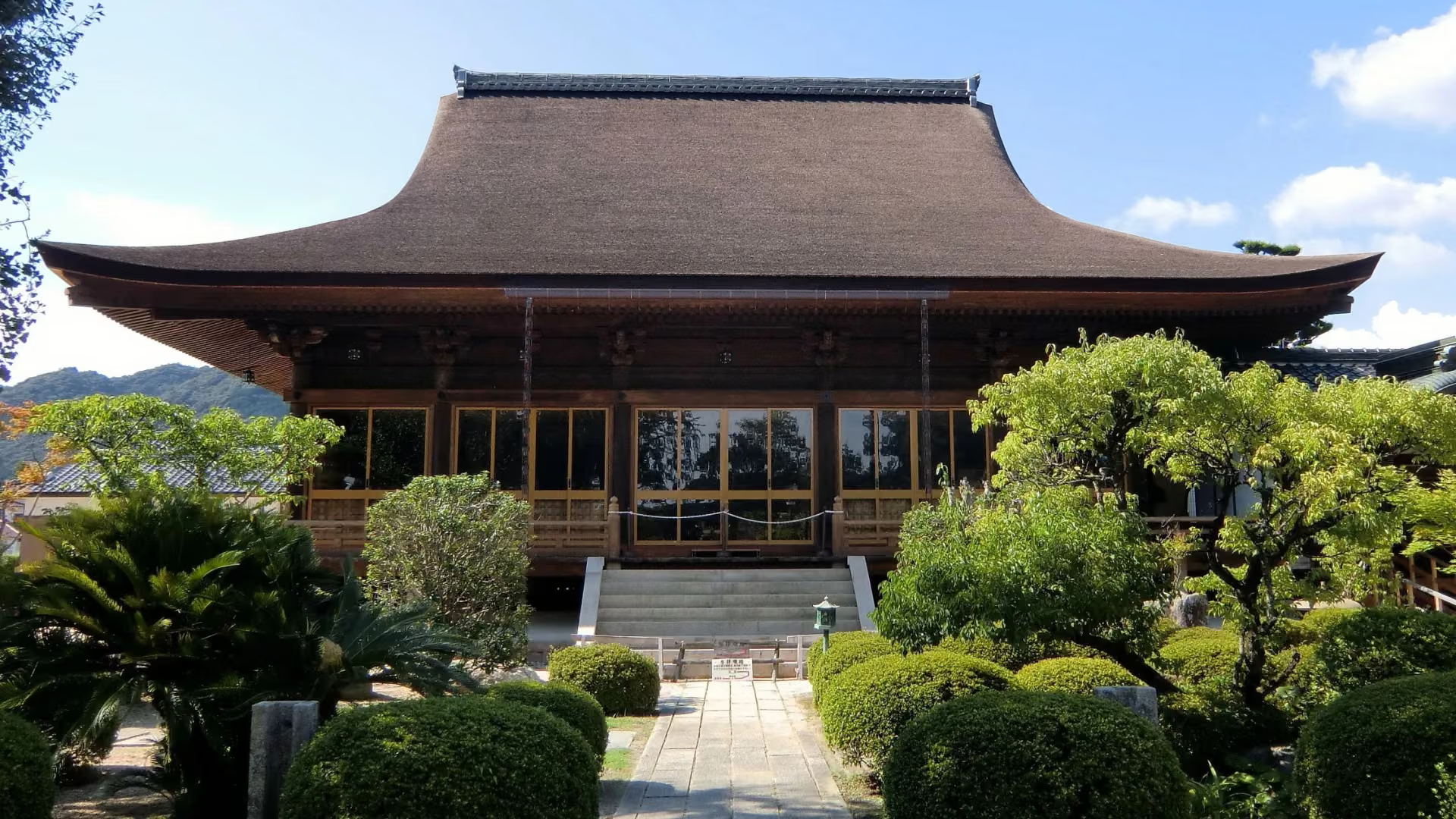
Soto Zen temple in Yamaguchi on the former Ouchi clan residence site, with a Muromachi-period main hall that is an Important Cultural Property.
Yamaguchi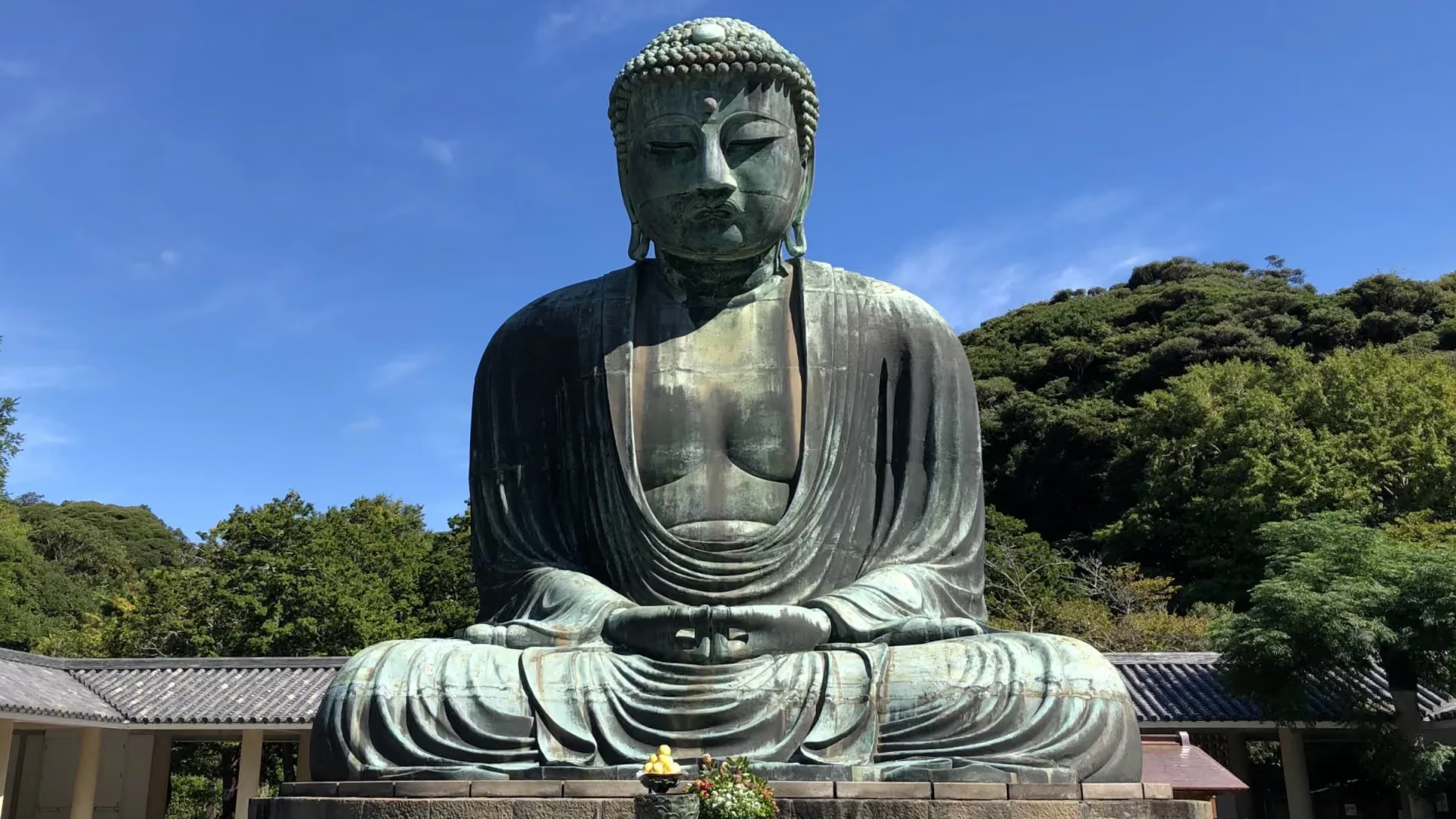
Kotoku-in
A Jodo sect temple in Kamakura whose main image is the Great Buddha, a seated copper statue of Amida Buddha begun in 1252 and a National Treasure.
Kamakura · Kanagawa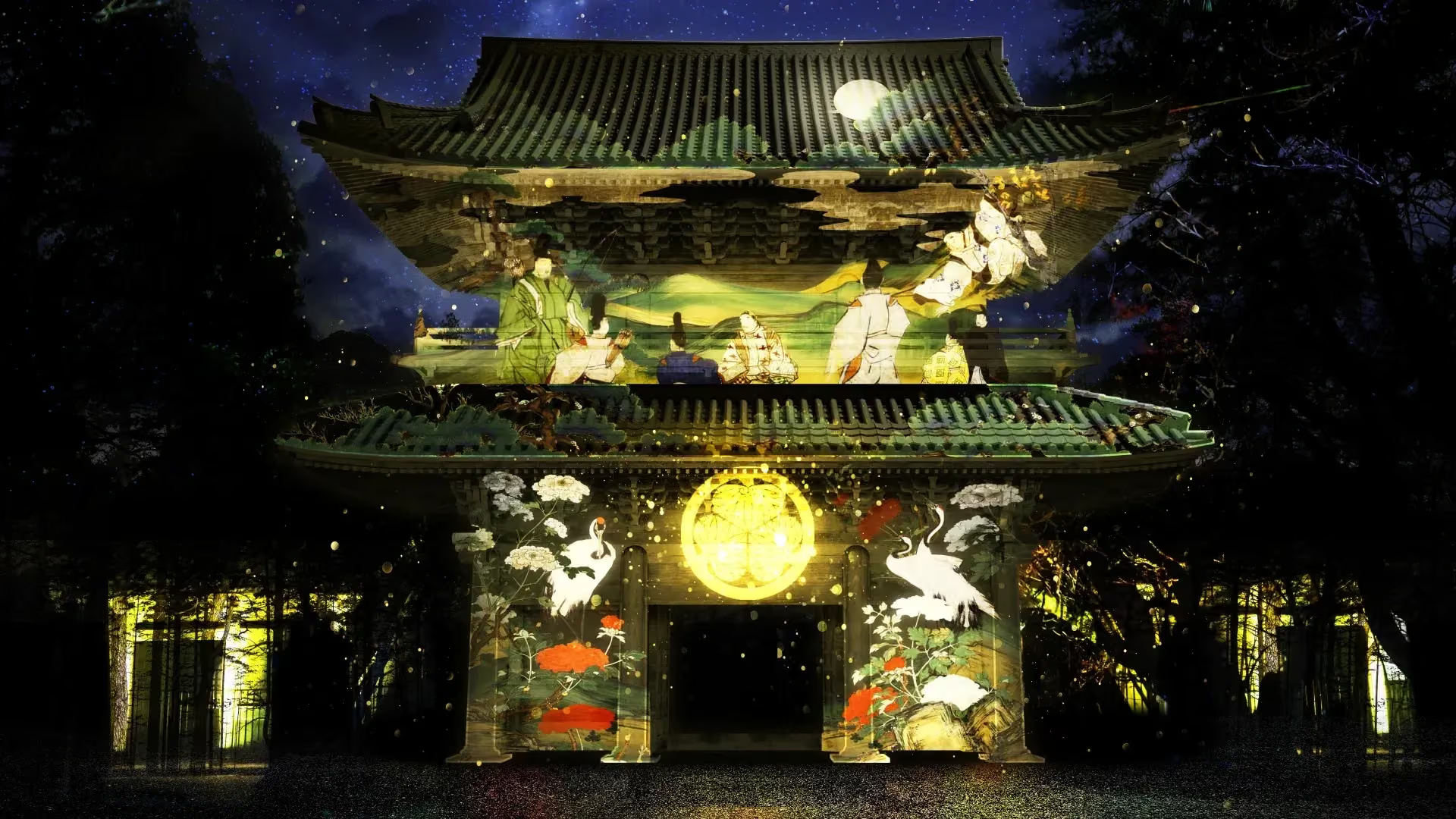
Daiju-ji
Pure Land Buddhist temple in Okazaki, founded in 1475 by Matsudaira Chikayoshi to honour the war dead, and the ancestral temple of the Tokugawa shoguns.
Okazaki · Aichi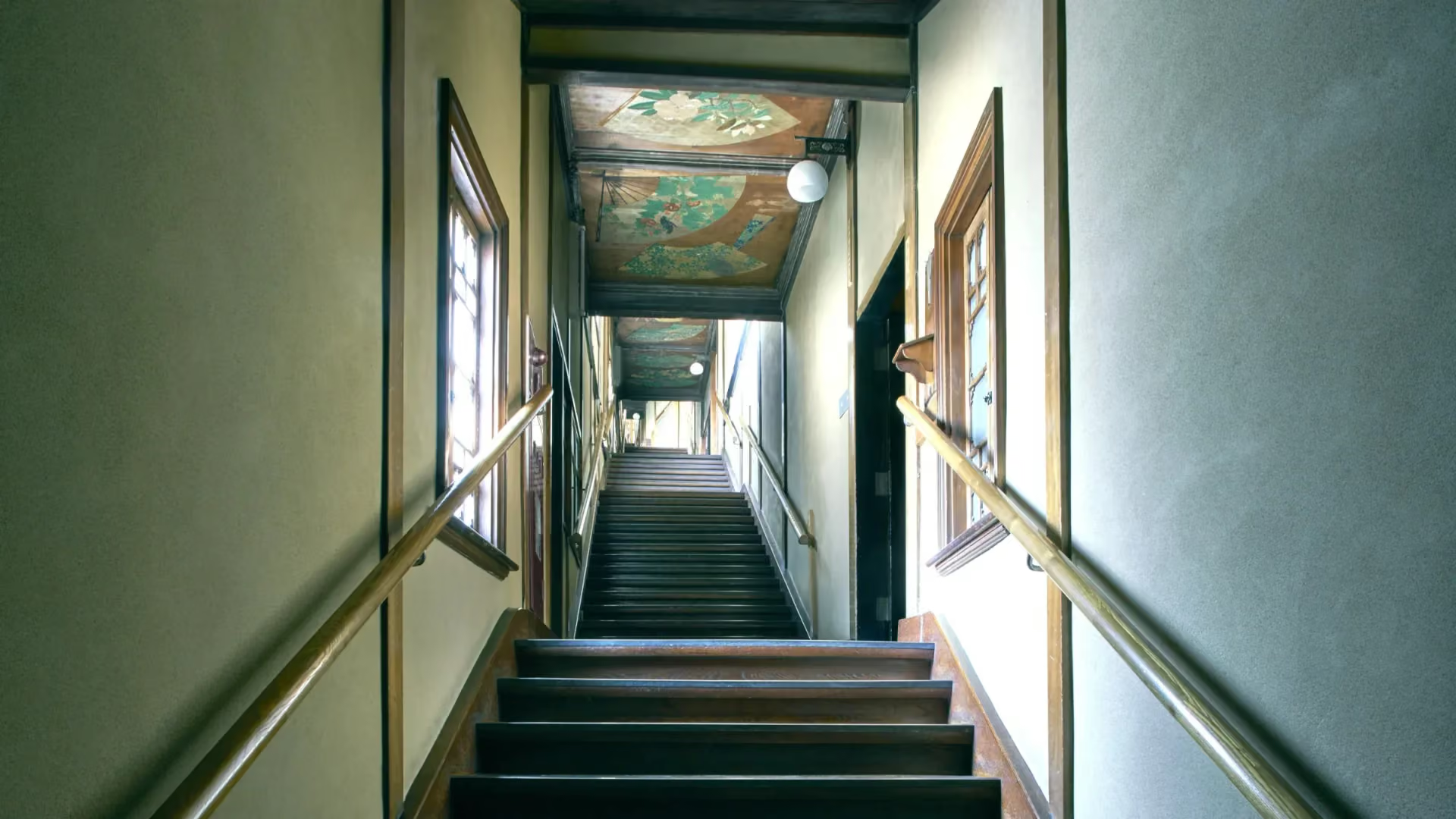
Hyakudan Kaidan Special Opening
A wooden building of 1935 in Meguro, Tokyo, with seven decorated banquet rooms up a staircase of 99 steps, opened for six months with almost nothing in it.
1 Oct 2026 – 30 Mar 2027Tokyo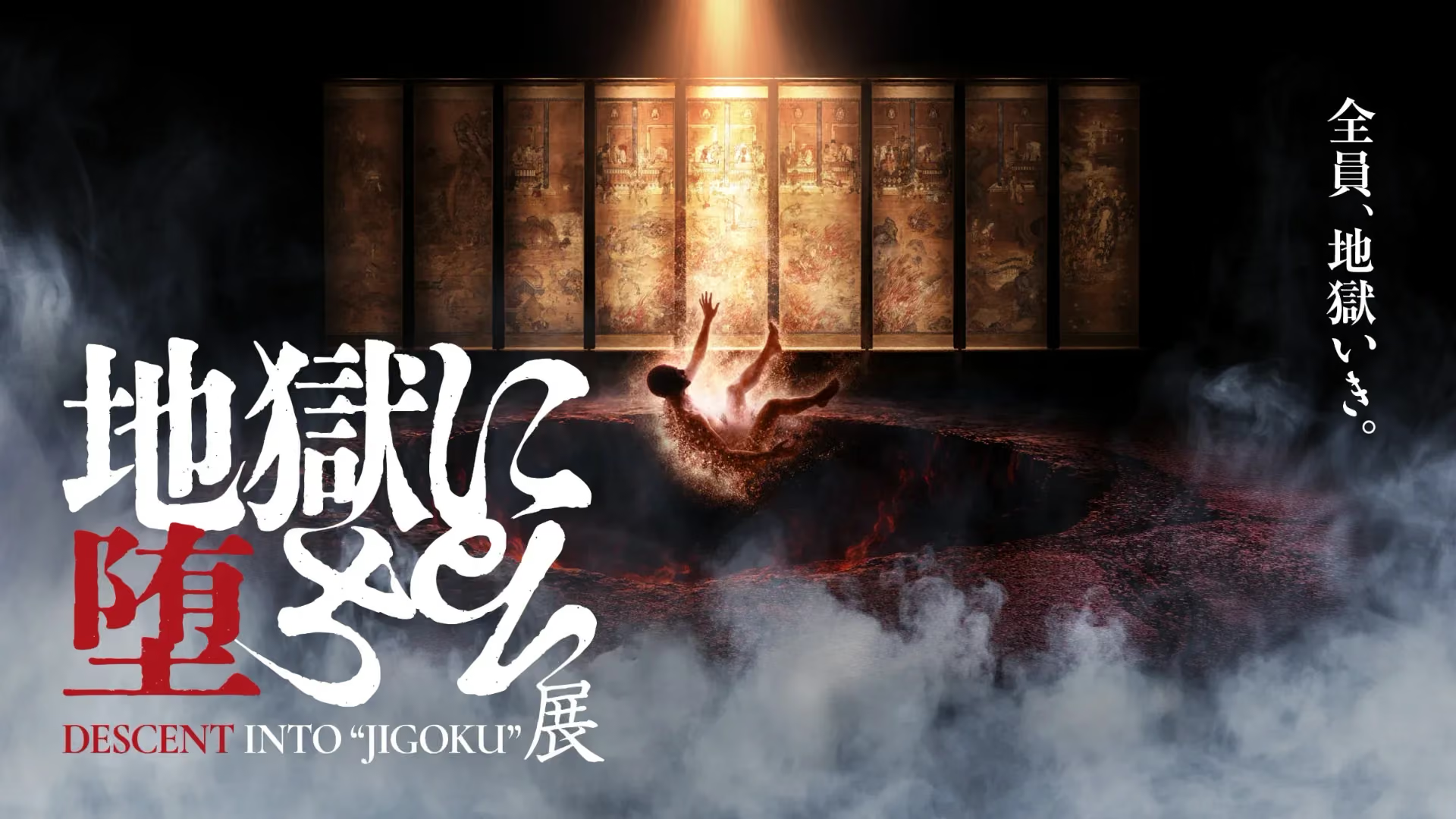
Descent into "Jigoku"
An exhibition in Osaka on the Japanese hell, following the path of the dead through full-size reproductions of painted scrolls and moving projections.
28 Nov – 27 Dec 2026Osaka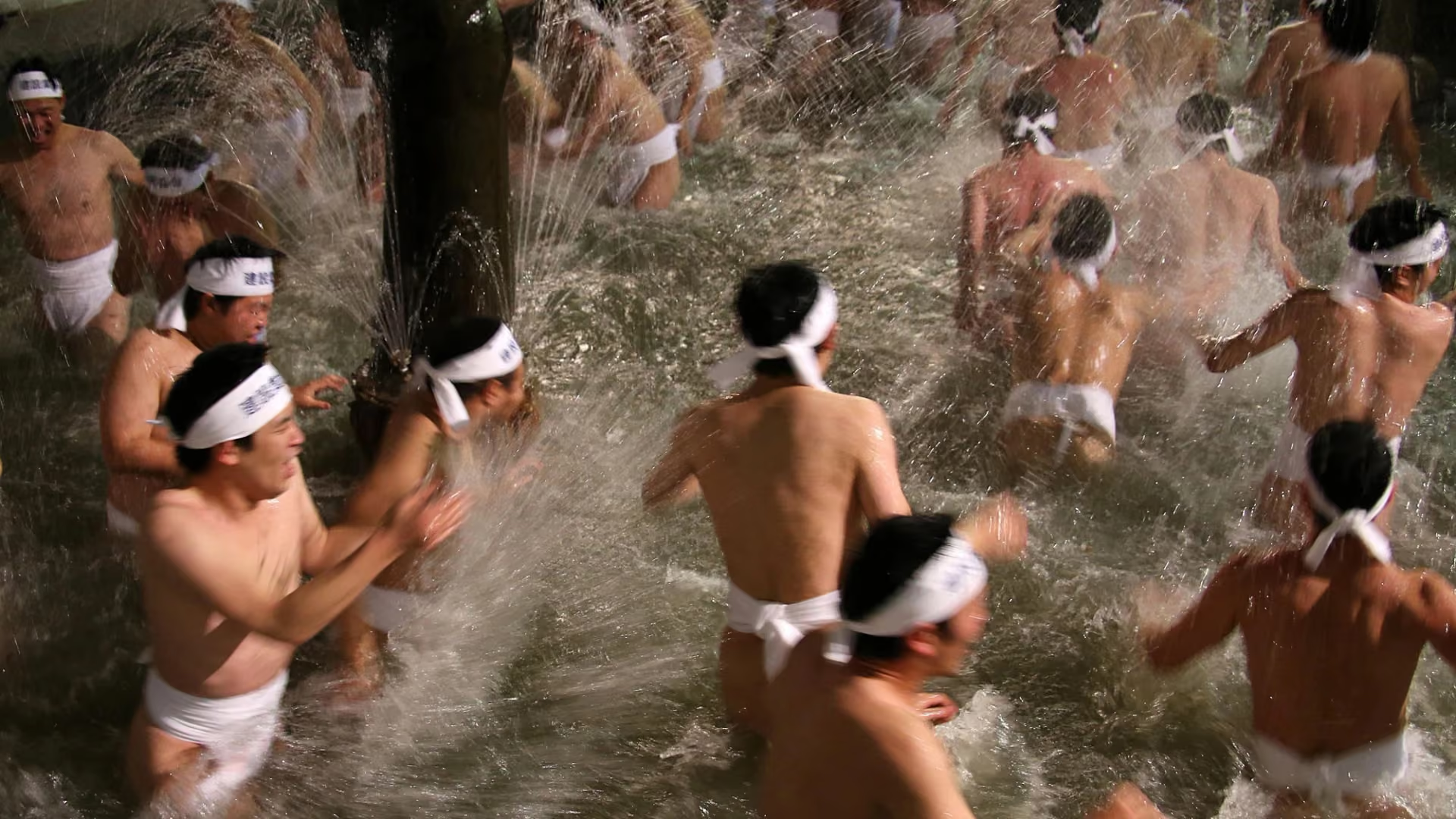
Saidai-ji Eyo Festival
A temple festival in Okayama over 500 years old where men in loincloths scramble in the dark for a pair of wooden sticks thrown from the main hall.
20 Feb 2027Exact date not confirmed yetOkayama