Hyakusaiji Temple and the Buddhist Art of Omi
An autumn exhibition in Shiga where the hidden image of Hyakusaiji, an eleven-headed Kannon of the 8th century, leaves the temple for the first time.
26 Sep – 6 Dec 2026Koka · Shiga

Buddhism is one of the major religions in Japan and has played a significant role in the country's history and cultural development for over a thousand years. Buddhism was introduced to Japan in the 6th century and has since become deeply ingrained in the country's religious and cultural fabric, with an estimated 100 million followers in Japan today.
An autumn exhibition in Shiga where the hidden image of Hyakusaiji, an eleven-headed Kannon of the 8th century, leaves the temple for the first time.
26 Sep – 6 Dec 2026Koka · ShigaThe lowest of the three mountains of Dewa in Yamagata, climbed by a stone stair through old cedars, with a five-storey pagoda that is a National Treasure.
Tsuruoka · YamagataAn annual market held in December where visitors purchase traditional daruma dolls representing wishes for health, family unity, and prosperity.
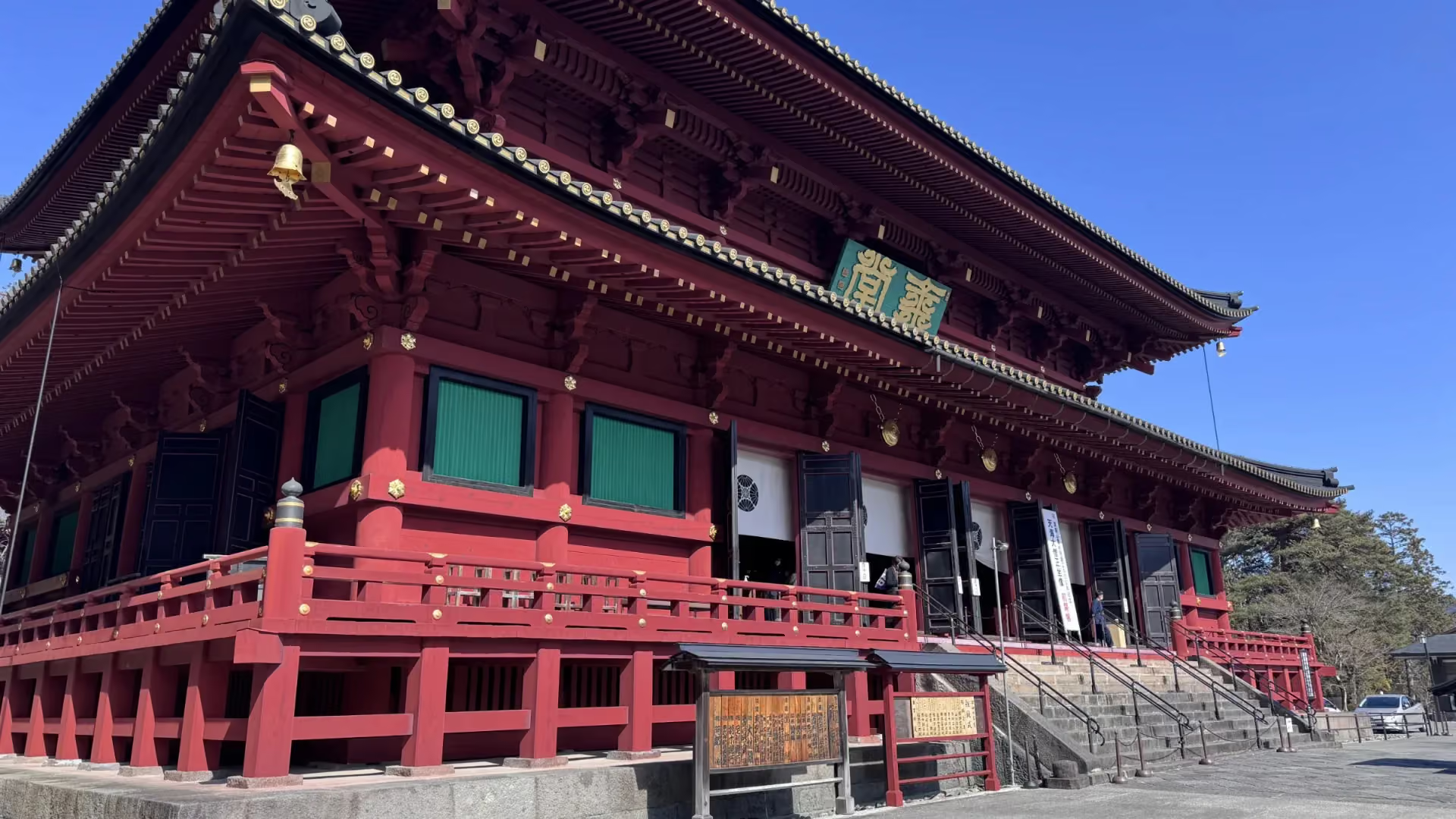
Rinnoji is a Tendai Buddhist temple in Nikko within a UNESCO World Heritage Site, known for its Sanbutsudo hall and the National Treasure Taiyuin mausoleum.
Nikko · TochigiA year-end market features daruma dolls, traditional symbols of resilience, accompanied by a distinctive soul-insertion ritual using flint sparks.
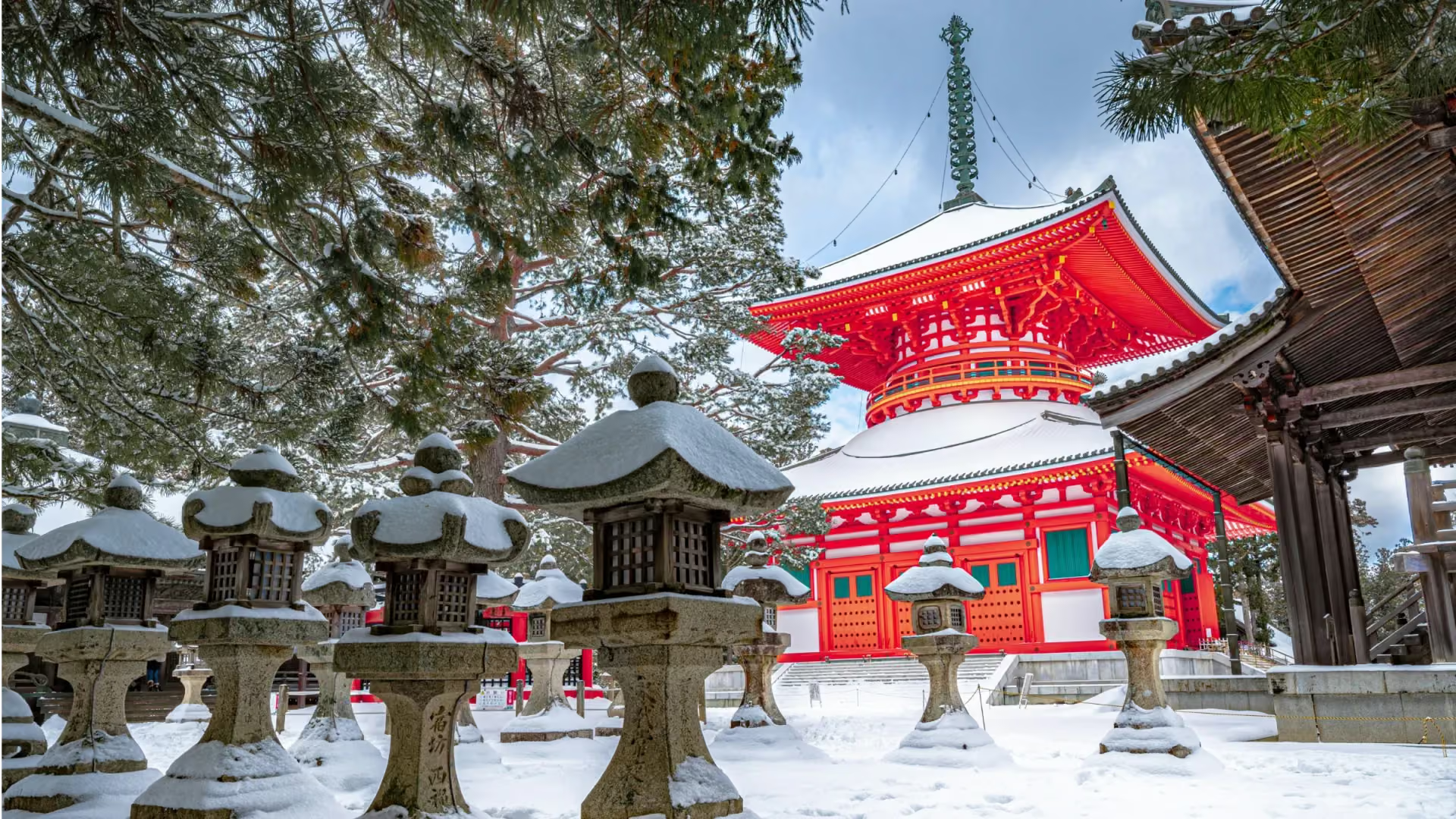
28 Dec 2026Exact date not confirmed yetMatsuda · KanagawaMount Koya is a sacred temple complex where the entire mountain is treated as one unified holy domain dedicated to Shingon Esoteric Buddhism.
Koya · WakayamaThe final day of this week-long Buddhist observance at a UNESCO World Heritage temple features torchlit processions and prayers for good fortune.
14–20 Jan 2027Exact date not confirmed yetHiraizumi · IwateSaijo Inari is a 1,200-year-old Buddhist temple and one of Japan's three great Inari sites, preserving a rare form of Shinto-Buddhist syncretic worship.
OkayamaThe festival illuminates Nagasaki's streets with around 15,000 Chinese lanterns, some reaching 10 metres, celebrating Lunar New Year traditions.
6–23 Feb 2027Exact date not confirmed yetNagasakiA 1,250-year-old Buddhist temple in Wakayama that holds the second position on Japan's oldest pilgrimage route dedicated to Kannon worship.
WakayamaAn Okayama festival over 500 years old where men in loincloths compete for a wooden stick; the winner becomes the Lucky Man, believed blessed for a year.
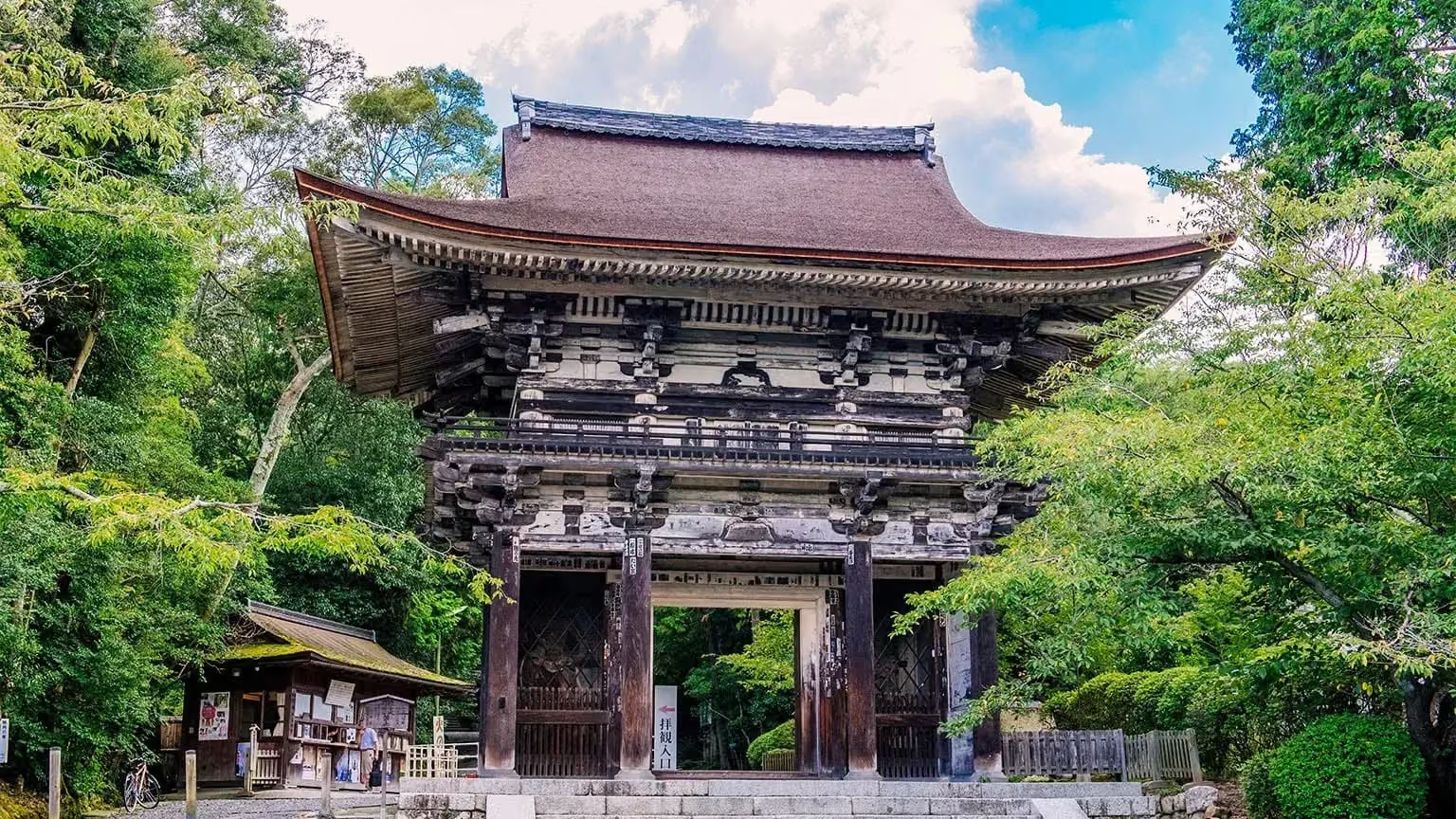
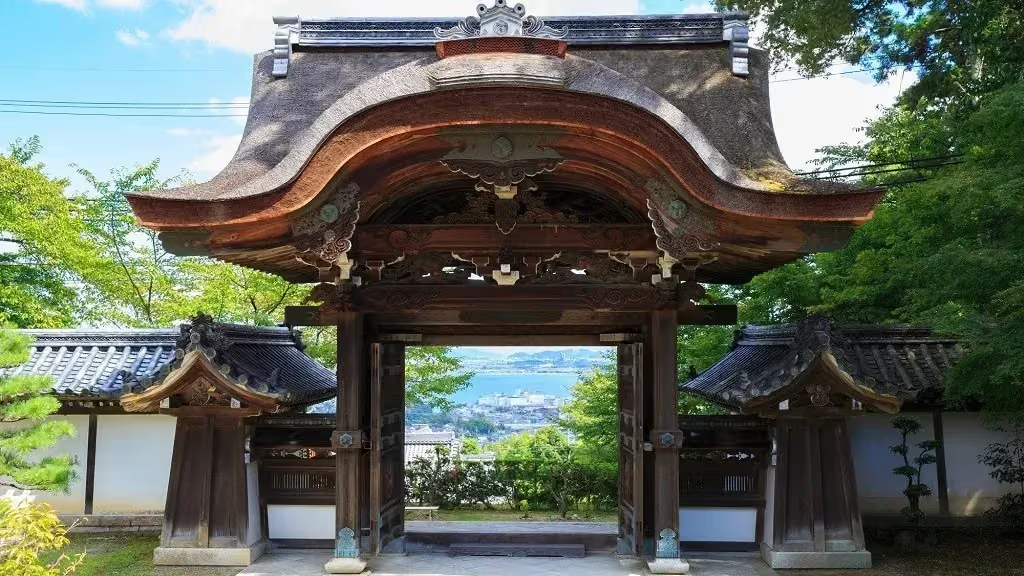
21 Feb 2027Exact date not confirmed yetOkayamaHead temple of the Tendai Jimon sect, Miidera was founded in the seventh century and has survived repeated destruction, earning the name Phoenix Temple.
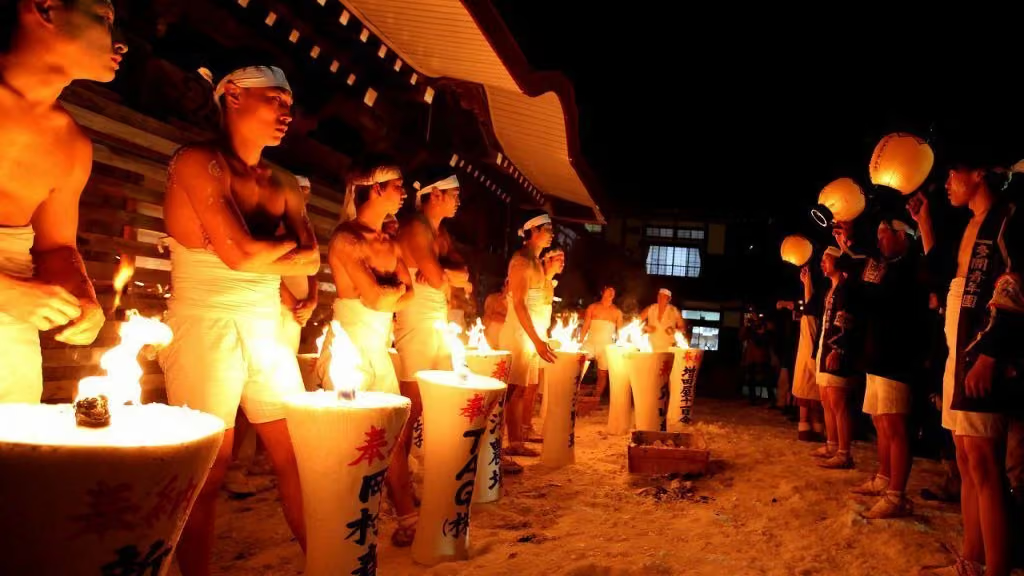
Otsu · ShigaA 1,200-year-old midwinter festival features bare-chested men competing to ascend to the temple and offer prayers to the protective deity Bishamonten.
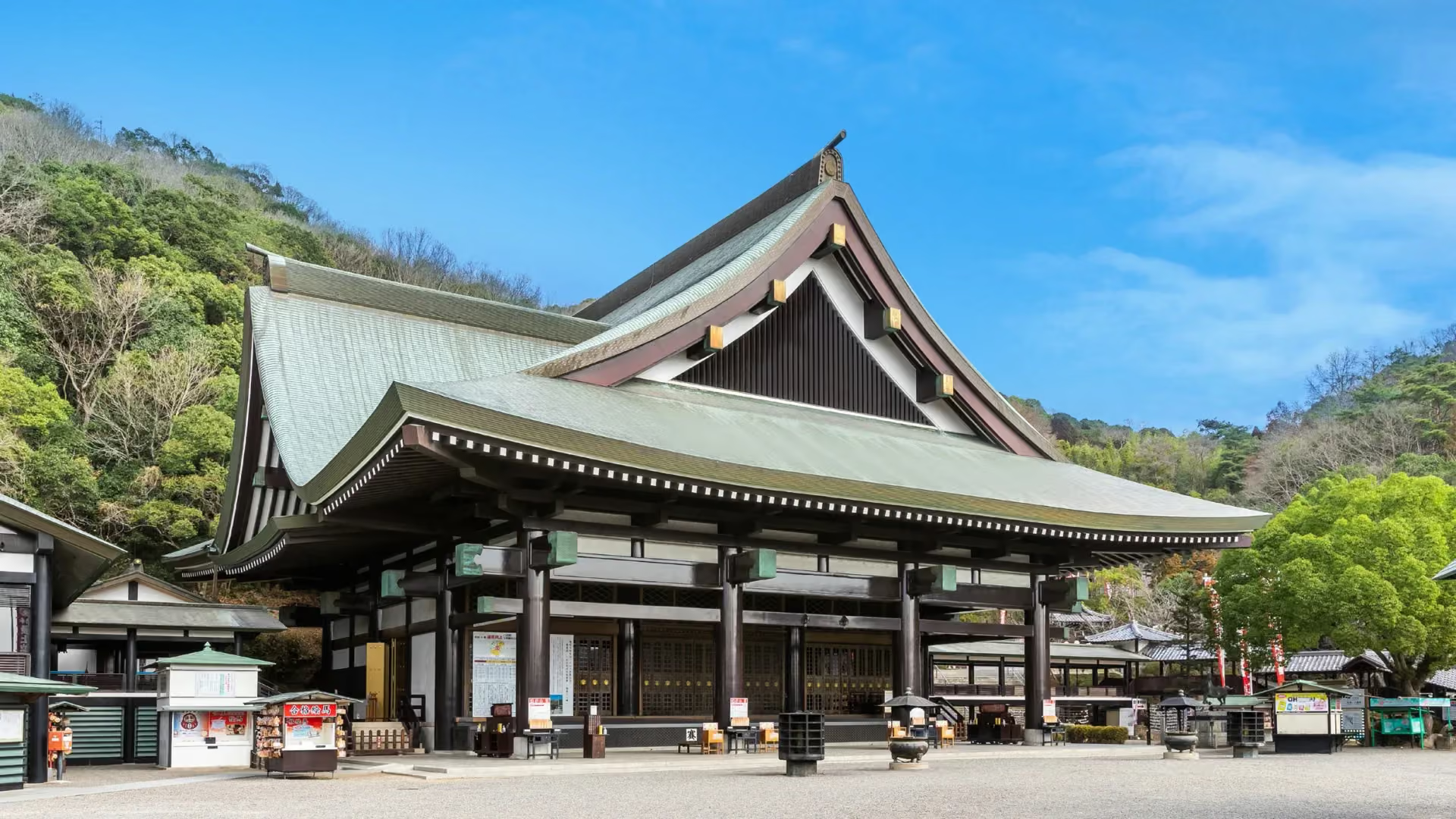
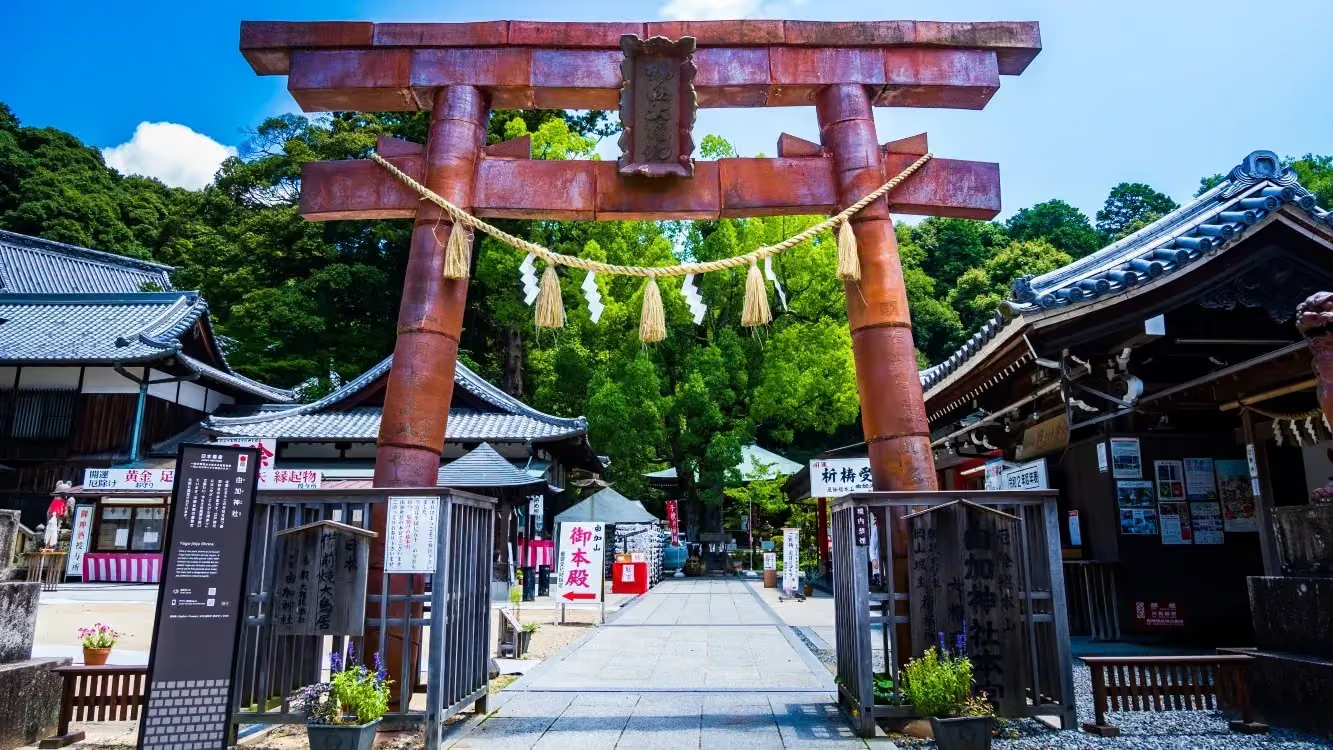
7 Mar 2027Exact date not confirmed yetMinamiuonuma · NiigataSacred mountain shrine in Okayama with more than two thousand years of history, blending Shinto and Buddhist practices as a centre of pilgrimage.
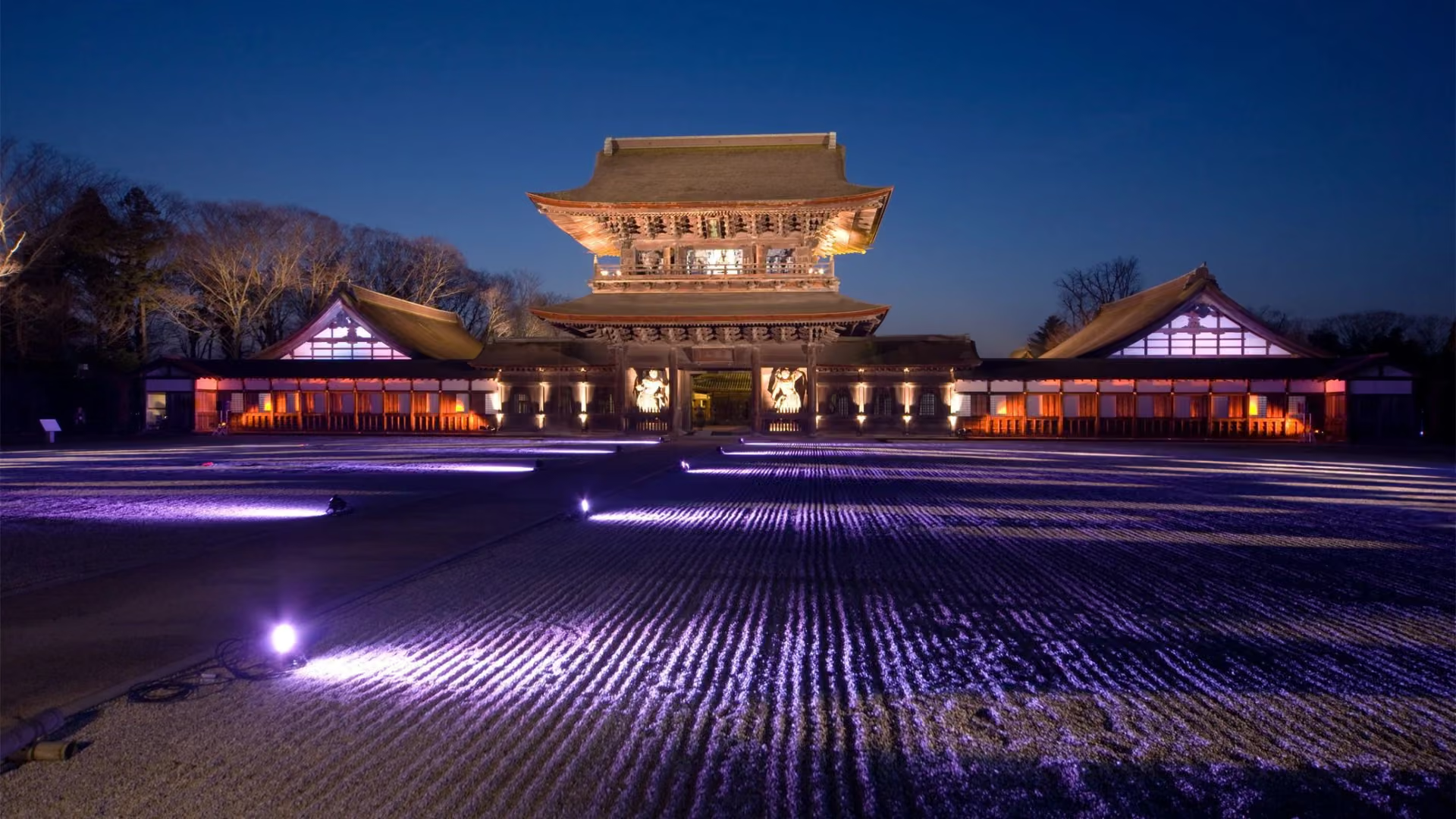
Kurashiki · OkayamaColored lights and music illuminate this National Treasure temple in spring, accompanied by a market featuring local goods and specialties.
22 Apr – 5 May 2027Exact date not confirmed yetTakaoka · ToyamaSaikyo-ji, the head temple of the Tendai Shinsei sect, was founded by Prince Shotoku and reorganized in 1486 as the sect's central training site.
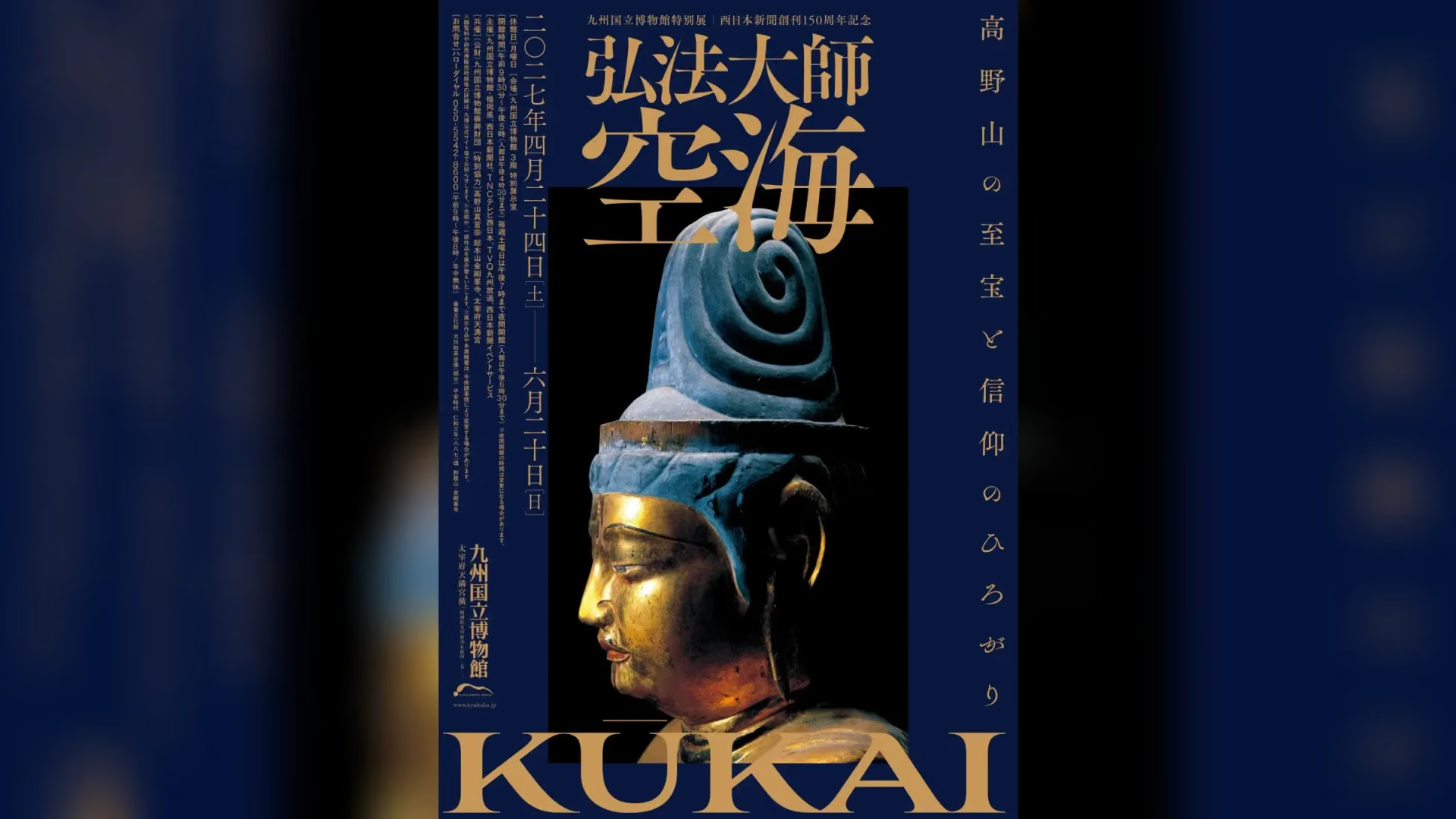
Otsu · ShigaAn exhibition at the Kyushu National Museum on Kukai, who brought esoteric Buddhism from Tang China, with treasures of Koyasan and of western Japan.
24 Apr – 20 Jun 2027Dazaifu · FukuokaThe head Tendai temple founded in 850, significantly expanded in the 12th century and designated a UNESCO World Cultural Heritage site.
Hiraizumi · Iwate