Saidai-ji Eyo Festival
西大寺会陽
A temple festival in Okayama over 500 years old where men in loincloths scramble in the dark for a pair of wooden sticks thrown from the main hall.
〒 704-8116How to get there
西大寺Ako Line10 min walk from the station
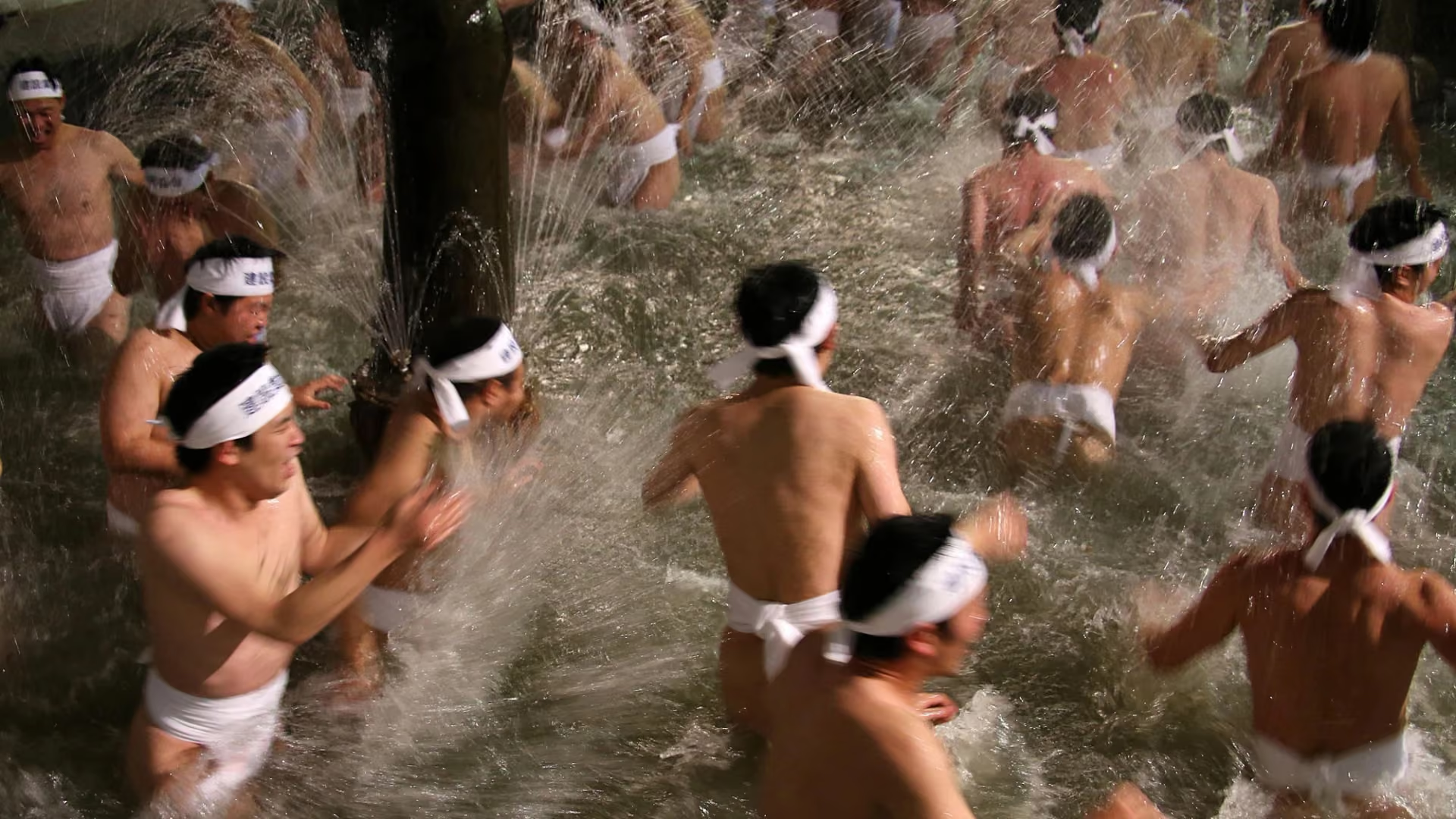
The Saidaiji Eyo, widely known as the Hadaka Matsuri (裸祭り) or Naked Festival, takes place at Saidaiji Kannon-in in Higashi Ward, Okayama. Men in mawashi (まわし), loincloths, scramble in the dark for a pair of wooden sticks called shingi (宝木), thrown down from a window of the main hall. The festival has been a national Important Intangible Folk Cultural Property since 2016.
History
The festival grew out of a New Year prayer rite that the priest Jitchu (実忠) of Todai-ji began in the Nara period. Saidaiji's founder brought the rite to the temple, where it ran for 14 days. According to the temple, the priest Chua (忠阿) gave out protective talismans on the last day of the rite in 1510. So many people wanted one that they had to be thrown over the crowd, and a scramble followed. People stripped to move freely, and purification in cold water became part of the rite. Because paper tore, wooden shingi later replaced the talismans. In 1962 the festival moved from the old calendar to its present February date.
What happens
Preparations begin about three weeks earlier with an opening ceremony. Temple representatives then walk about 4 km to another temple to collect the wood for the shingi, returning in silence, and the pair is carved the next day. For the final 14 days, priests pray before the main image, a Thousand-armed Kannon, for peace and good harvests.
On the day, boys have their own naked festival in the afternoon. In the evening a group of women in white purify themselves in cold water, and the drumming that announces the start is played only by women, to rouse the men and pray for their safety.
At the climax the lights go out and the head of the temple throws the shingi from the Gofuku-mado (御福窓) window into the crowd. A stick belongs to whoever carries it out through the Nio Gate. Whoever takes one is called a lucky man and is said to gain good fortune. He brings it to the person who sponsored it, who keeps it enshrined for a year.
Taking part requires registering in advance with the organizer.
Getting There

Planning a trip? Fit this into a trip and Oni plans the rest around it.
You might also like
Chichibu Night Festival
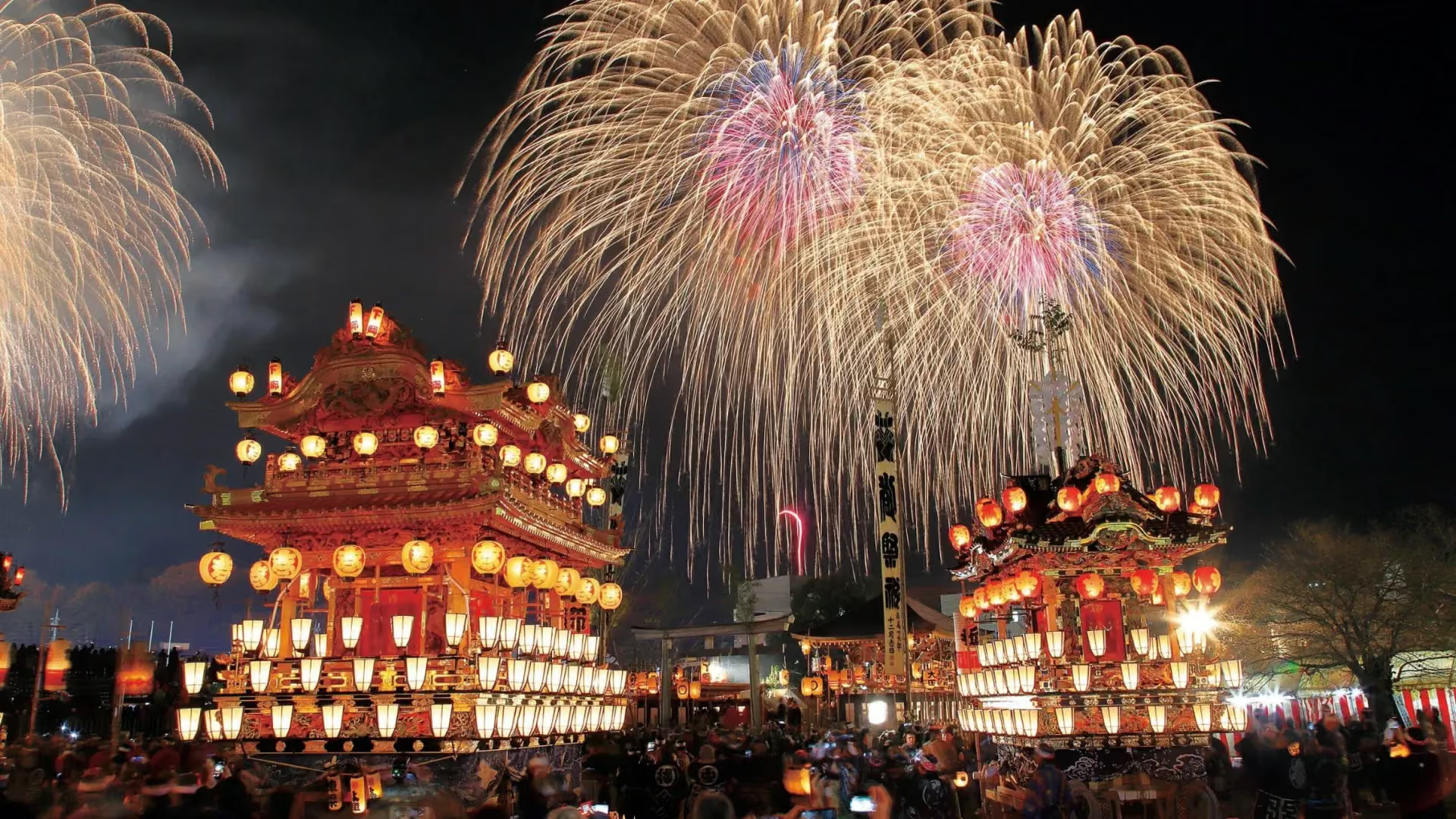
The grand festival of Chichibu Shrine, in which six lantern-lit floats are pulled through the town and up a steep slope as fireworks burst overhead.
2–3 Dec 2026Chichibu · Saitama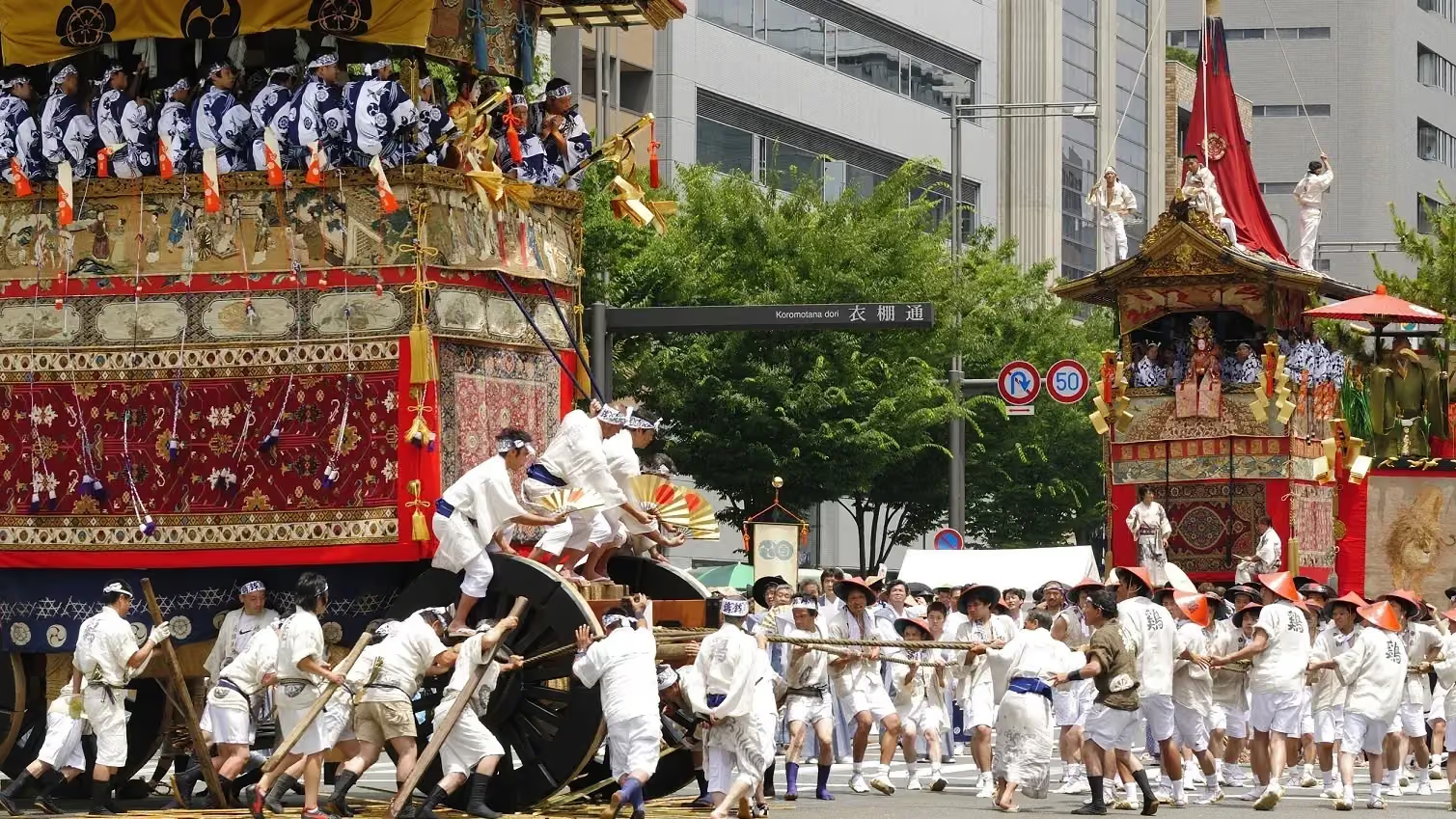
Gion Festival
Yasaka Jinja Shrine's month of rites in Kyoto, with lit floats on Yoiyama evenings, two float processions and three portable shrines carried through the city.
1–31 Jul 2027Kyoto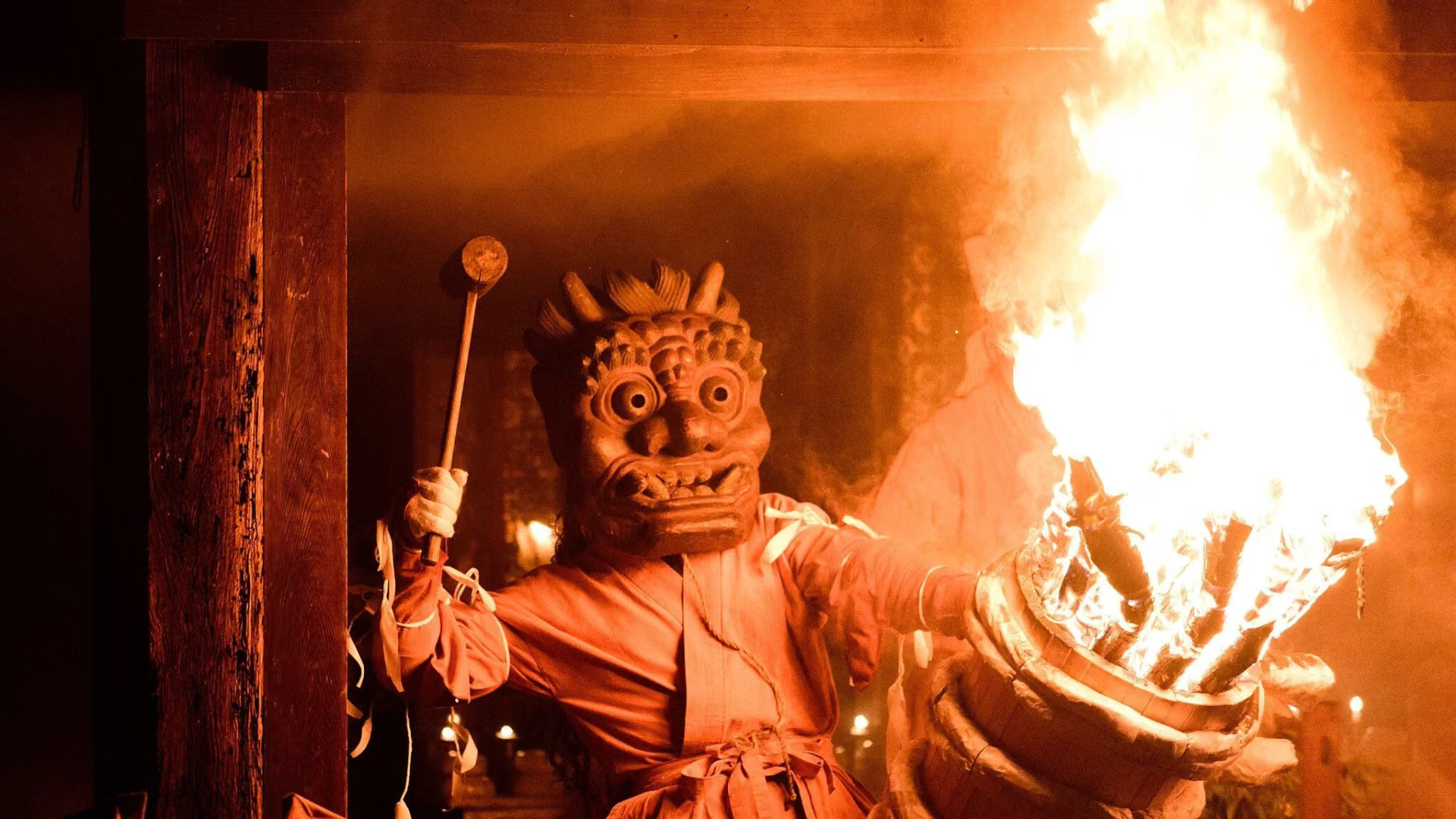
Dadado-no-onihashiri
Three masked demons swing blazing torches round a temple hall in Gojo at the close of a New Year service, a rite on record since the sixteenth century.
14 Jan 2027Gojo · Nara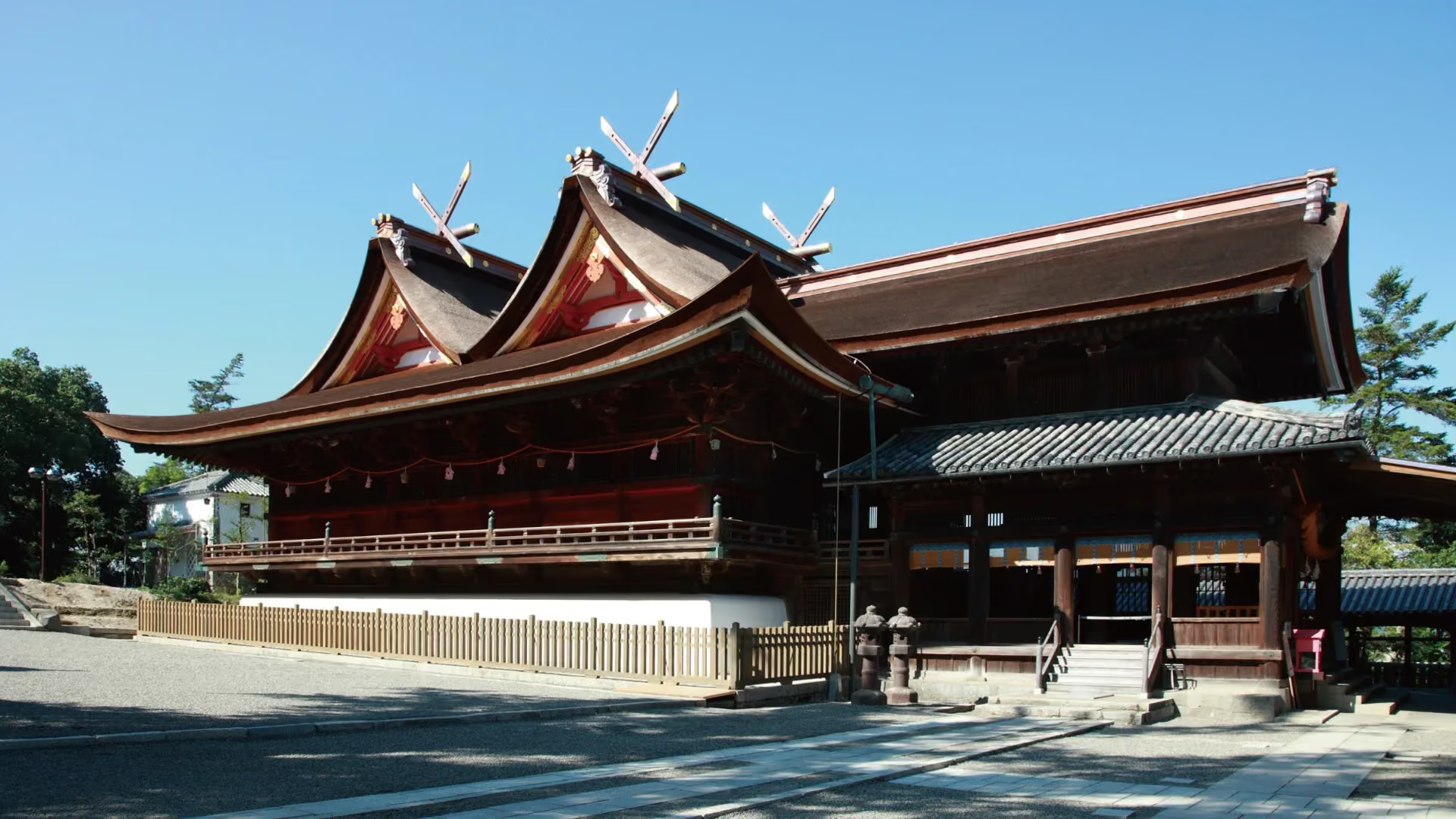
Kibitsu Jinja
Ichinomiya of Bitchu in Okayama, enshrining Kibitsuhiko, whose defeat of the ogre Ura is said to lie behind the Momotaro tale, in a National Treasure hall.
Okayama
Saidaiji Kannon-in
Shingon temple beside the Yoshii River, founded by tradition in 751 around a statue of Senju Kannon, and home of the Eyo naked festival.
Okayama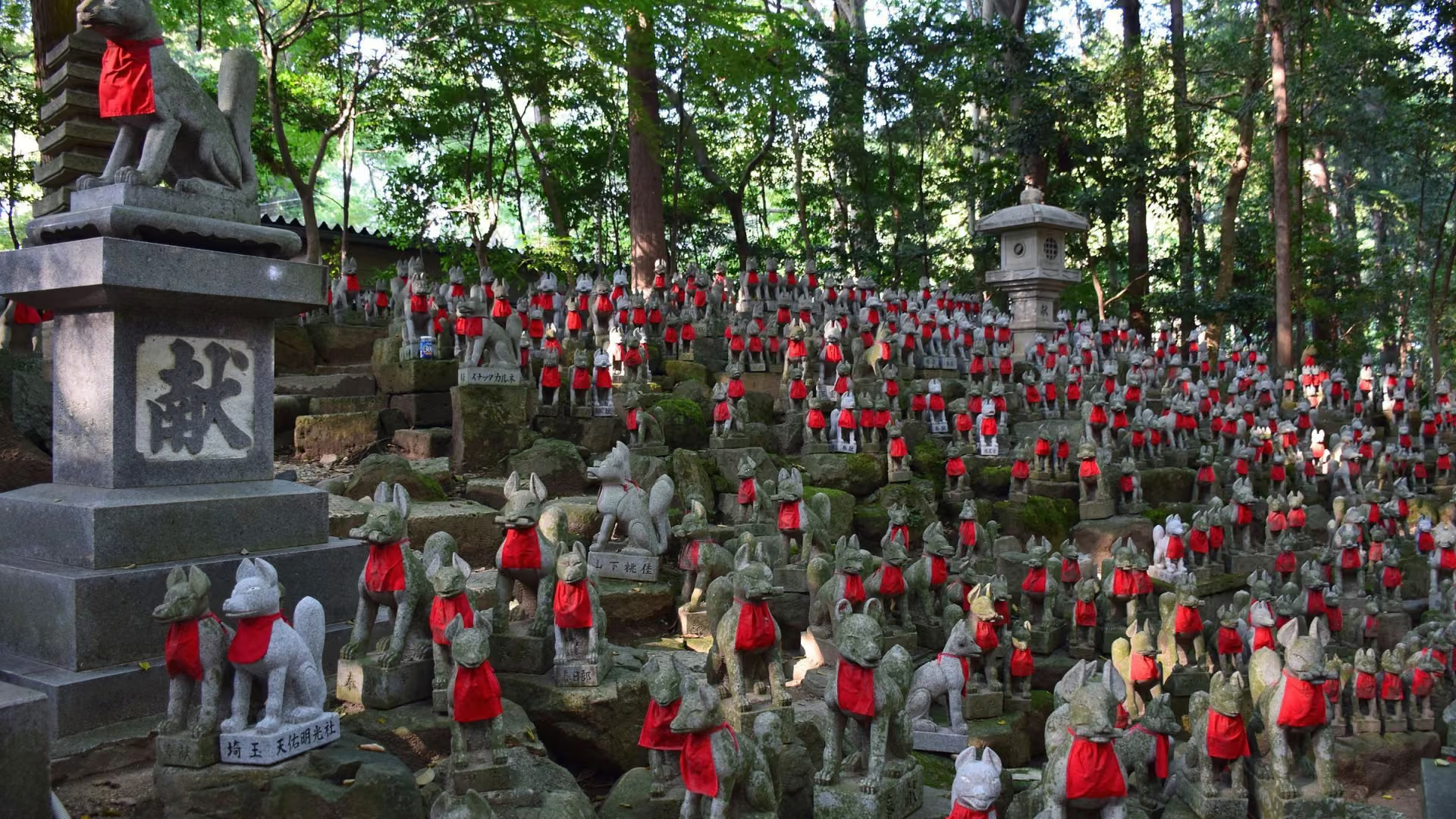
Toyokawa Inari
Soto Zen temple founded in 1441, known for its guardian deity Toyokawa Dakini Shinten, who carries rice and rides a white fox.
Toyokawa · Aichi