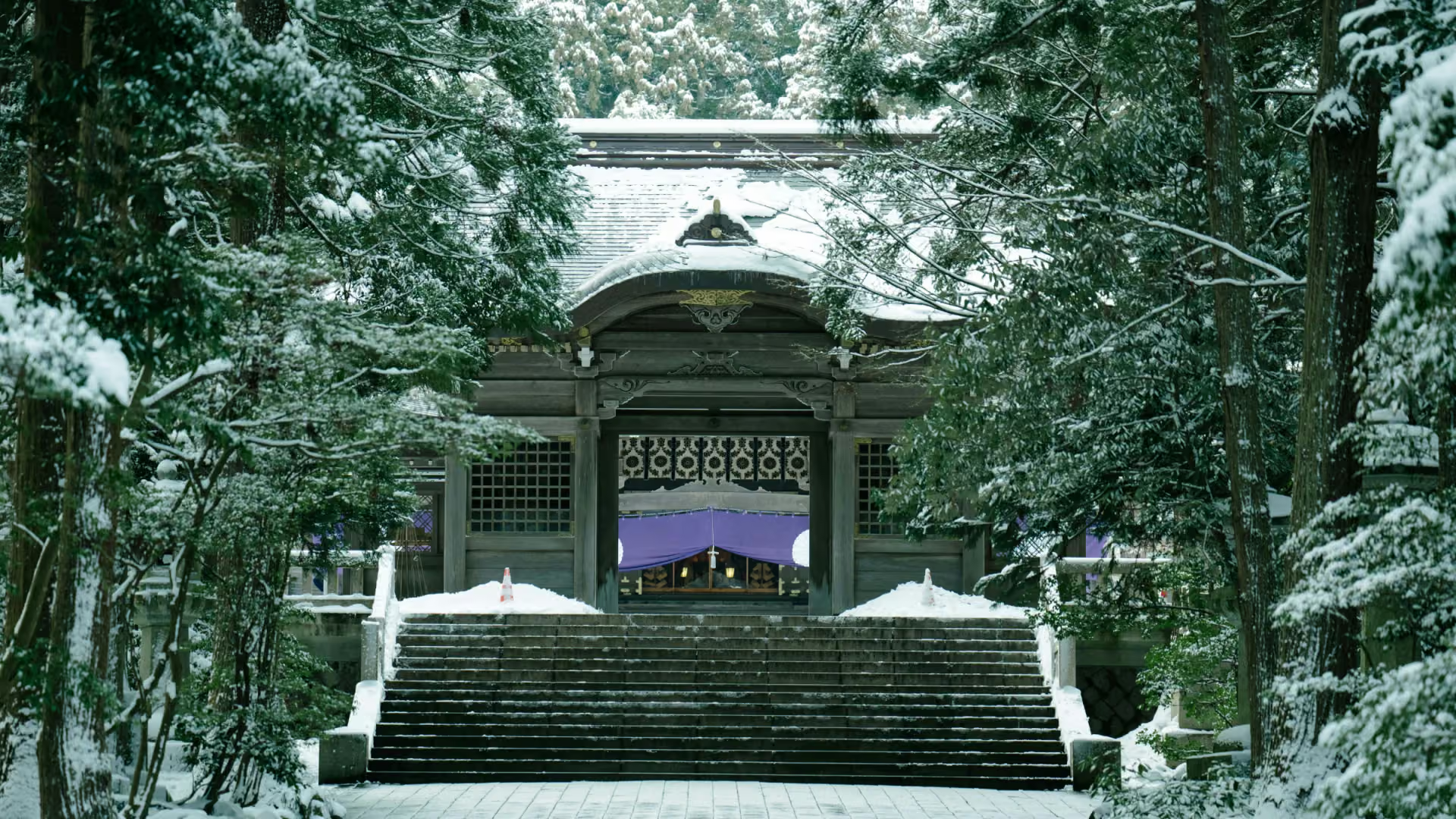
Kunimi Onsen Ishizuka Ryokan
国見温泉 石塚旅館
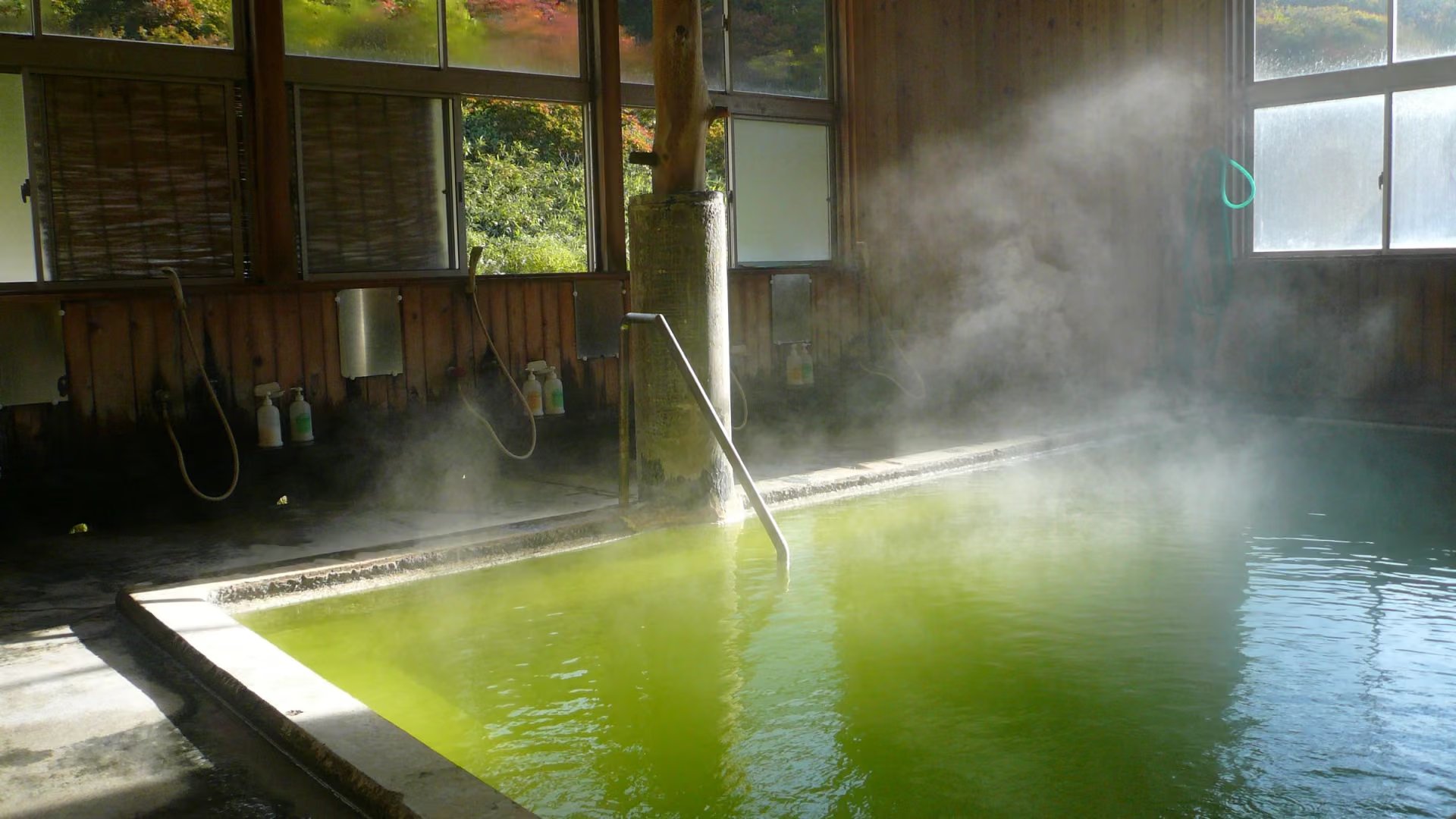
A small mountain inn on Akita-Komagatake, once a hidden bath of the Nanbu lords, with a rare yellow-green sulphur spring flowing straight from the source.
Last entry 15:30. Open only from mid-May to early November; closed in winter. Hours can change on maintenance days.
〒 020-0582How to get there
田沢湖Tazawako Line110 min walk from the station
Kunimi Onsen Ishizuka Ryokan is a small inn at about 850 metres on the slopes of Akita-Komagatake, on the border of Iwate and Akita, at the southern end of Towada-Hachimantai National Park. Its spring is known for its rare yellow-green colour.
History
According to the inn, the spring came into use in the Bunka and Bunsei eras, early in the 19th century, as a hidden bath of the lords of the Nanbu domain, who were carried up to it in palanquins along paths that were hardly paths at all. When the domain fell, the ancestors of the present owners bought it. The inn counts about 200 years in business, and the family is now in its sixth or seventh generation.
Akita-Komagatake is an active volcano, and the inn is designated as a facility that helps climbers on the mountain to evacuate. Climbers, lovers of unusual hot springs and guests on toji (湯治), long stays to bathe as a cure, make up most of its visitors.
The water
The spring is a sulphur spring of the hydrogen sulphide type that also carries bicarbonate. It comes up at 50°C and 200 litres a minute, and flows into the baths straight from the source. The water is yellow-green, smells strongly of hydrogen sulphide and is thick with yu no hana (湯の花), flakes of mineral that settle in the bath. On rare days it turns blue. Researchers at Toho University led by Takamatsu Nobuki have studied why it is green.
The gas and minerals are strong, and the inn puts the right length for a soak at 20 to 30 minutes. It also notes that towels and even fingernails can turn black when a bather has been in an iron-rich spring elsewhere a few hours before. Besides the indoor bath, Yakushi no Yu (薬師の湯), there is an outdoor bath.
The inn's notice: in 2026 it opened for day bathing and rest only, as a pre-opening, because repairs after snow damage were not finished, and overnight stays were suspended. From October the rest room costs 100 yen more, for heating.
The Yuchelin rating
In 2026 Kunimi Onsen Ishizuka Ryokan was among the first 21 onsen to receive three stars from Yuchelin (湯シュラン), a rating system that judges hot springs by the water in the bath. The Yuchelin association asks visitors to its rated baths to keep five rules for borrowing the water (湯をお借りする五か条), written under the supervision of Touristship, an association that promotes considerate travel:
After you. These baths are part of local people's daily lives. When locals come in, give them your place and your turn with an "after you". Avoid the busy hours, so as not to get in the way of local bathers.
Say hello. A simple "konnichiwa" or "ojama shimasu" (sorry to intrude) is where contact begins. Talking with the locals, you may learn the rules of that bath and how it is used.
Enjoy the day's temperature. Natural hot water is hard to manage, and some days it is hot and some days lukewarm. Enjoy the water as you meet it that day. If you want to change the temperature, ask the locals.
Do the basics, with care. No photos in the bath or the changing room. Pour hot water over yourself and wash before you get into the bath. Don't take over the spot by the spout or the washing area. Wash the bucket and stool you used and put them back. Take your rubbish home, and dry yourself before you go back into the changing room. Keep to these basics without fail.
Thanks and respect for the earth's gift. Hot spring water is an irreplaceable gift of nature, made by the earth over long ages. Treat every drop with thanks and respect, take care of the water, and enjoy your bath.
Getting There

Planning a trip? Fit this into a trip and Oni plans the rest around it.
You might also like
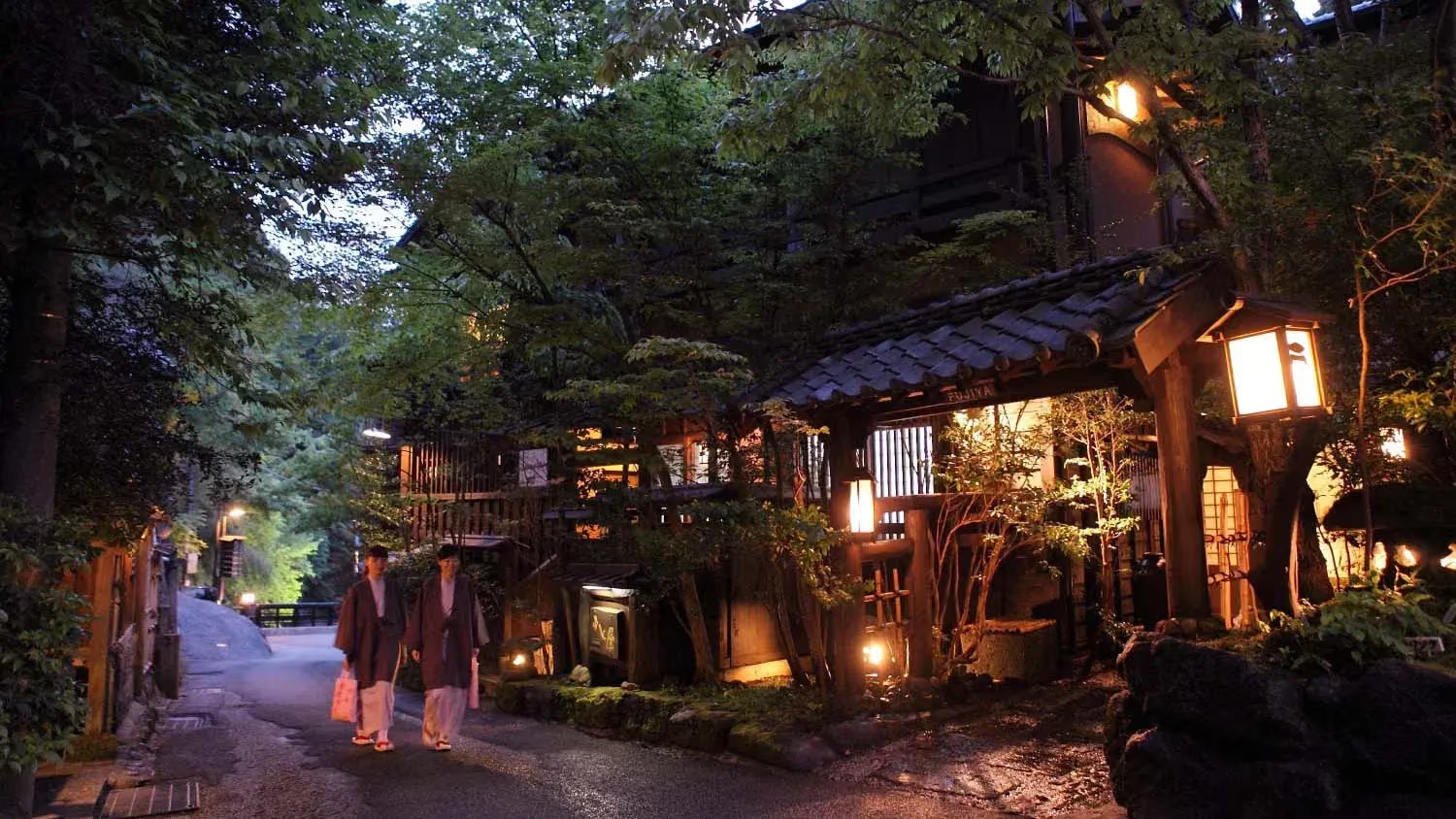
Kurokawa Onsen
Hot spring village of about 30 ryokan in the mountains beyond Aso, where one bath pass, the nyuto tegata, opens the open-air baths of 25 inns.
Minamioguni · Kumamoto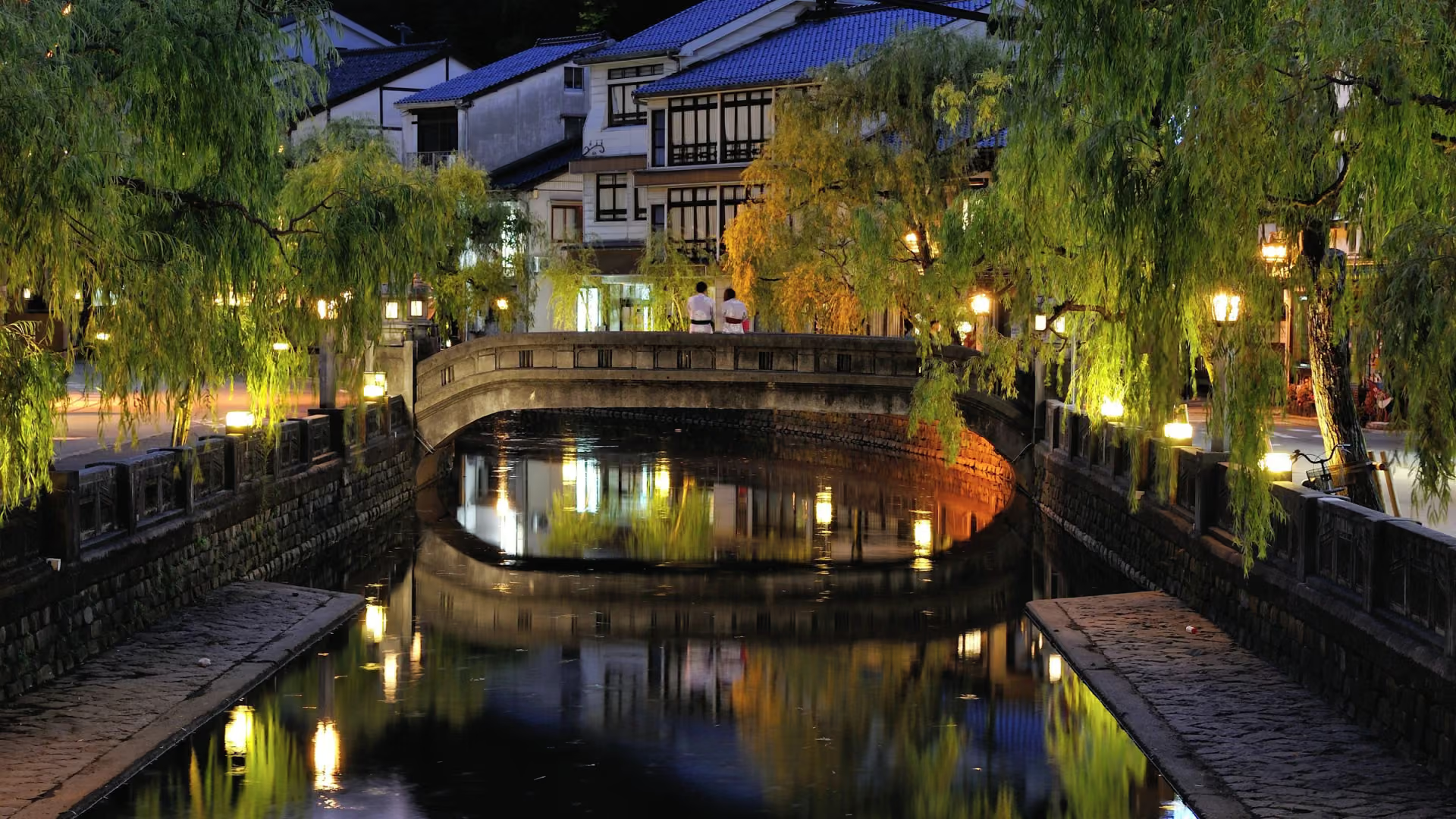
Kinosaki Onsen
A hot spring town in northern Hyogo with a recorded founding in 720, seven public bathhouses and streets where guests walk in yukata.
Toyooka · Hyogo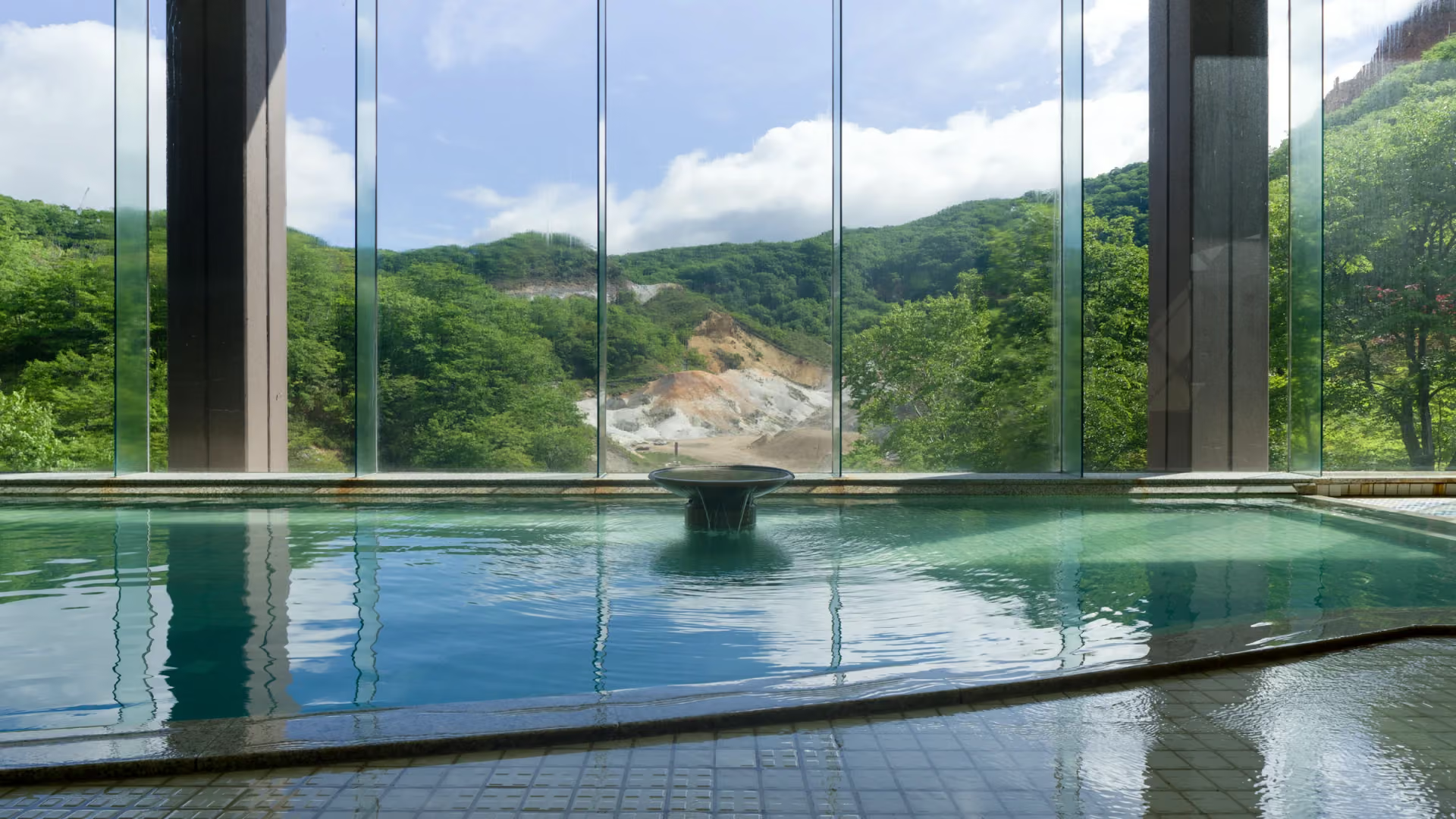
Dai-ichi Takimotokan
A hot spring inn at the edge of Jigokudani in Noboribetsu Onsen, with five types of spring water flowing straight from the source into its baths.
Noboribetsu · Hokkaido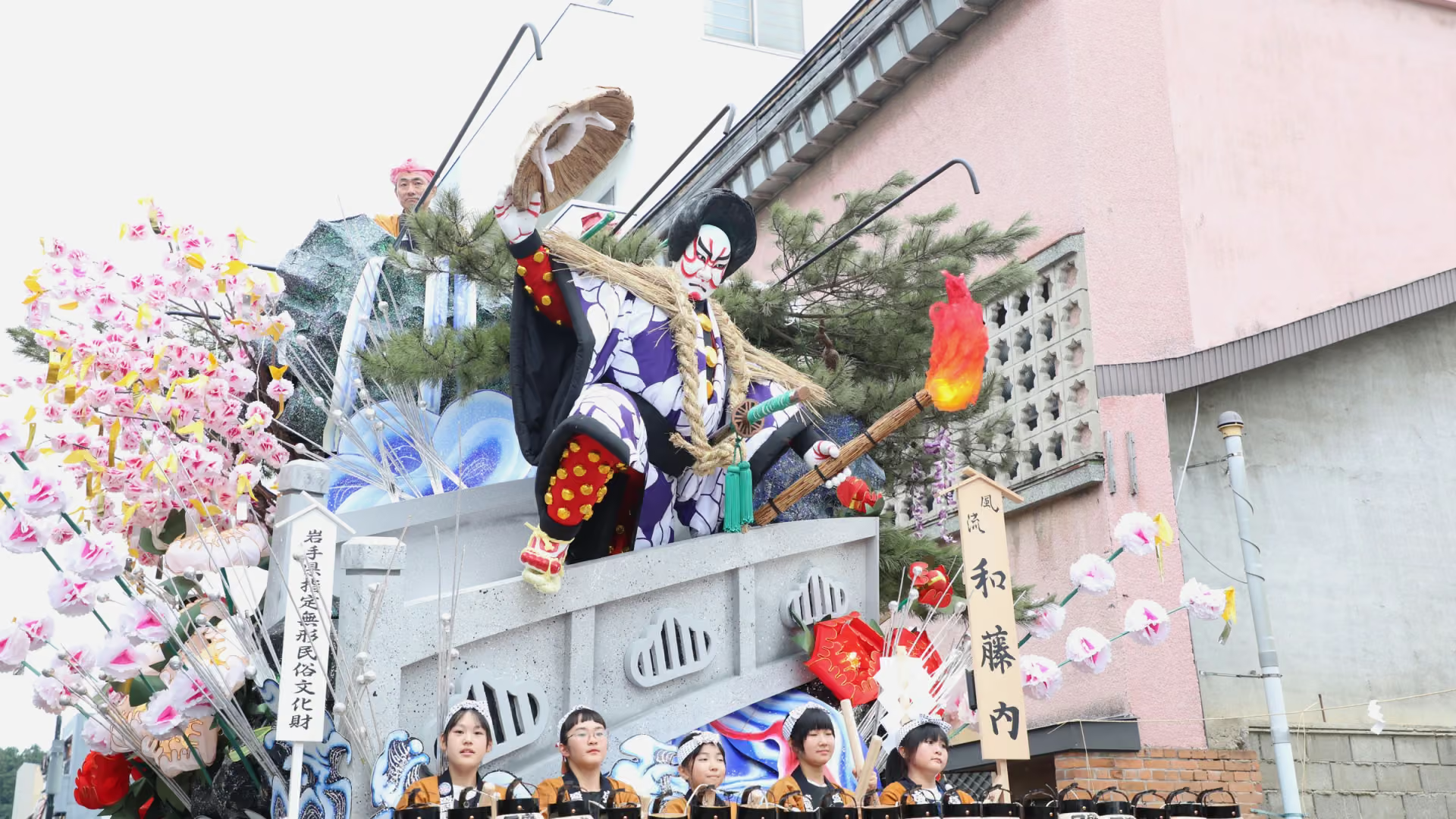
Morioka Fall Festival
Neighbourhood floats with kabuki scenes parade through Morioka by day and lit at night, and Morioka Hachimangu Shrine ends its festival with horseback archery.
14–16 Sep 2027Morioka · Iwate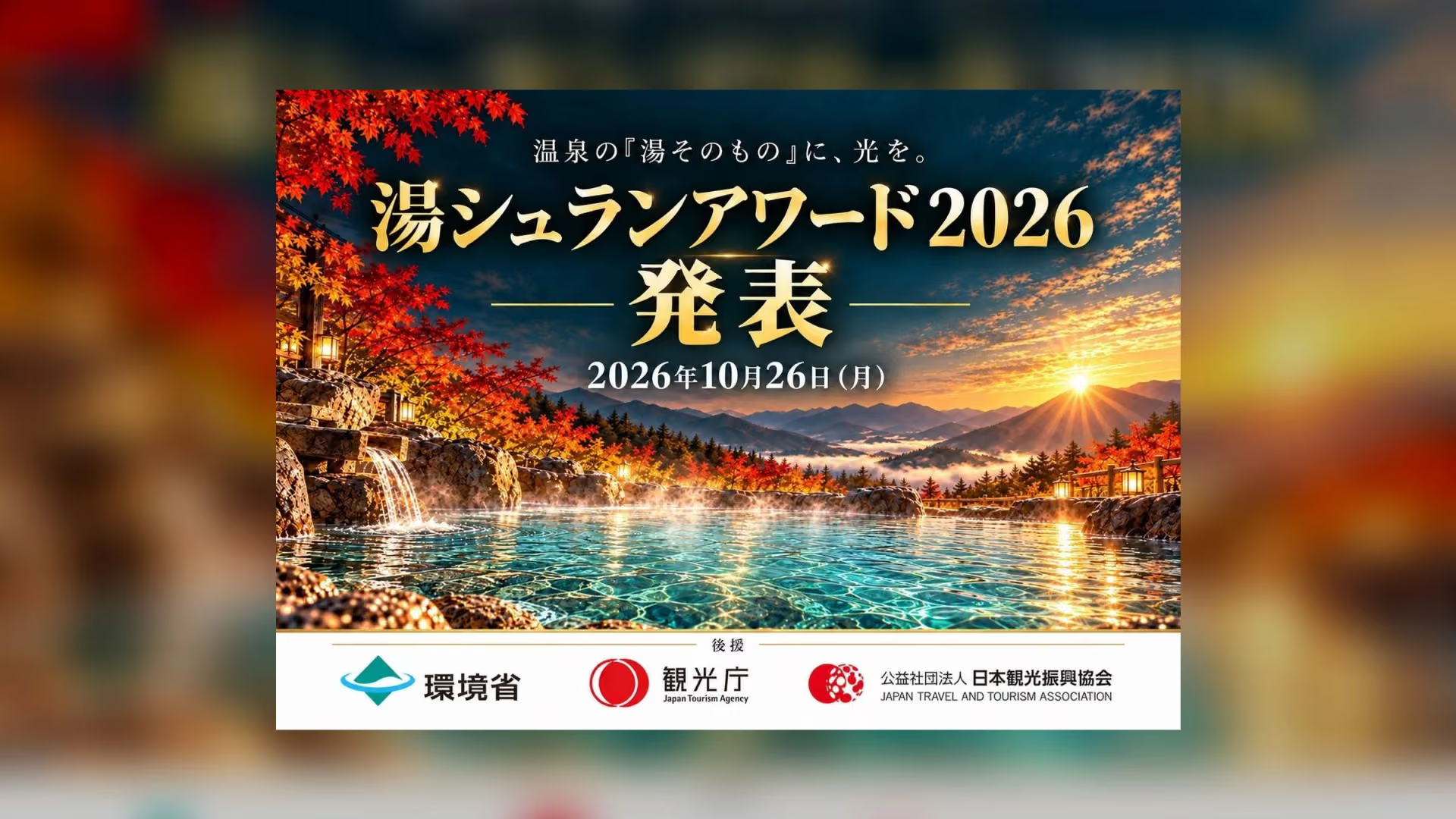
Yuchelin 2026: Japan's 21 Three-Star Onsen
Yuchelin, a new rating for Japanese hot springs, judges the water itself. Its first three-star list names 21 onsen, from Hokkaido to Yakushima.
2026/10/27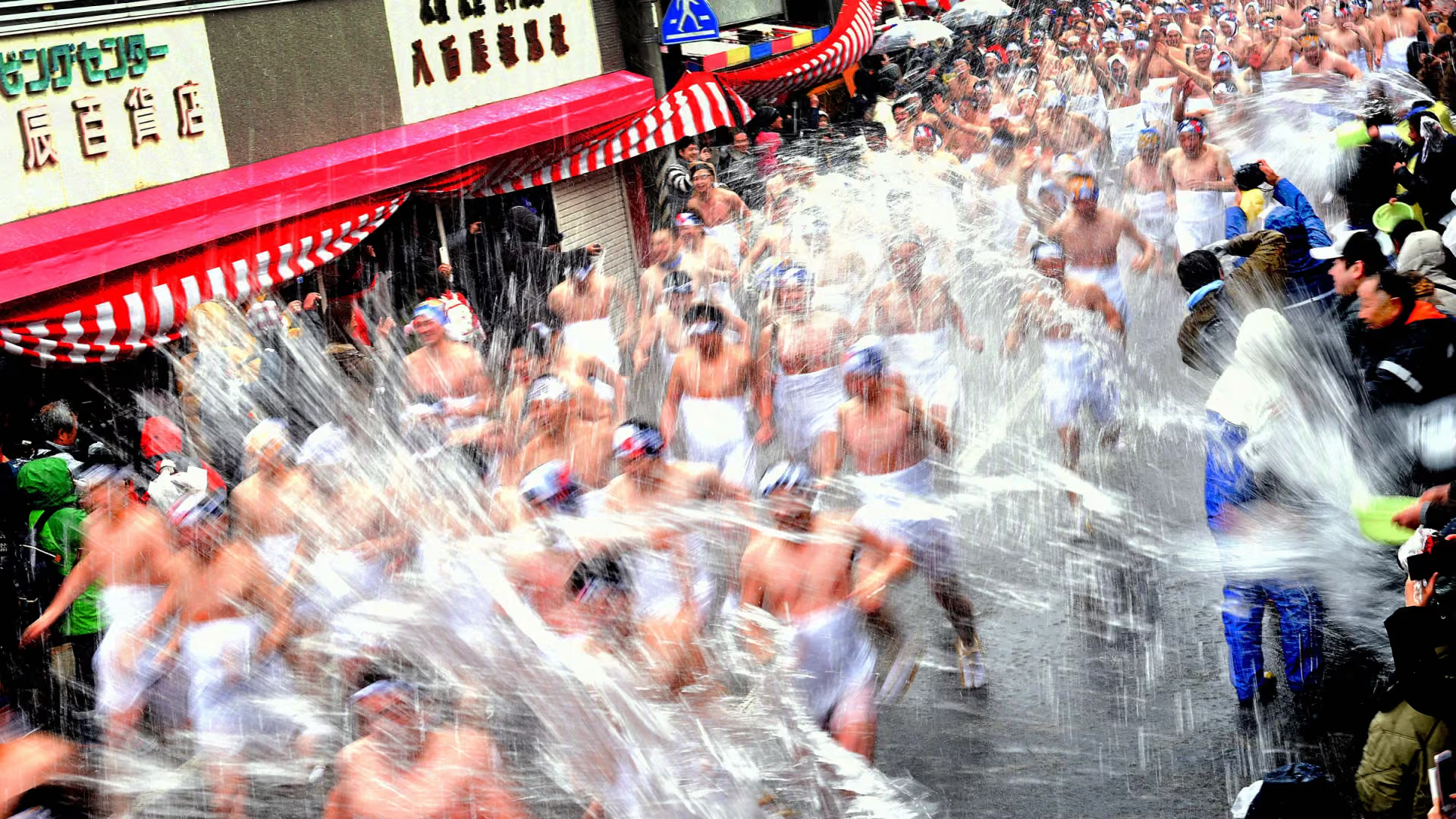
Daito Ohara Mizukake Festival
Near-naked men run down Ohara's main street while onlookers drench them with cold water, a February rite against fire and bad luck since 1657.
11 Feb 2027Exact date not confirmed yetIchinoseki · Iwate