Dai-ichi Takimotokan
第一滝本館
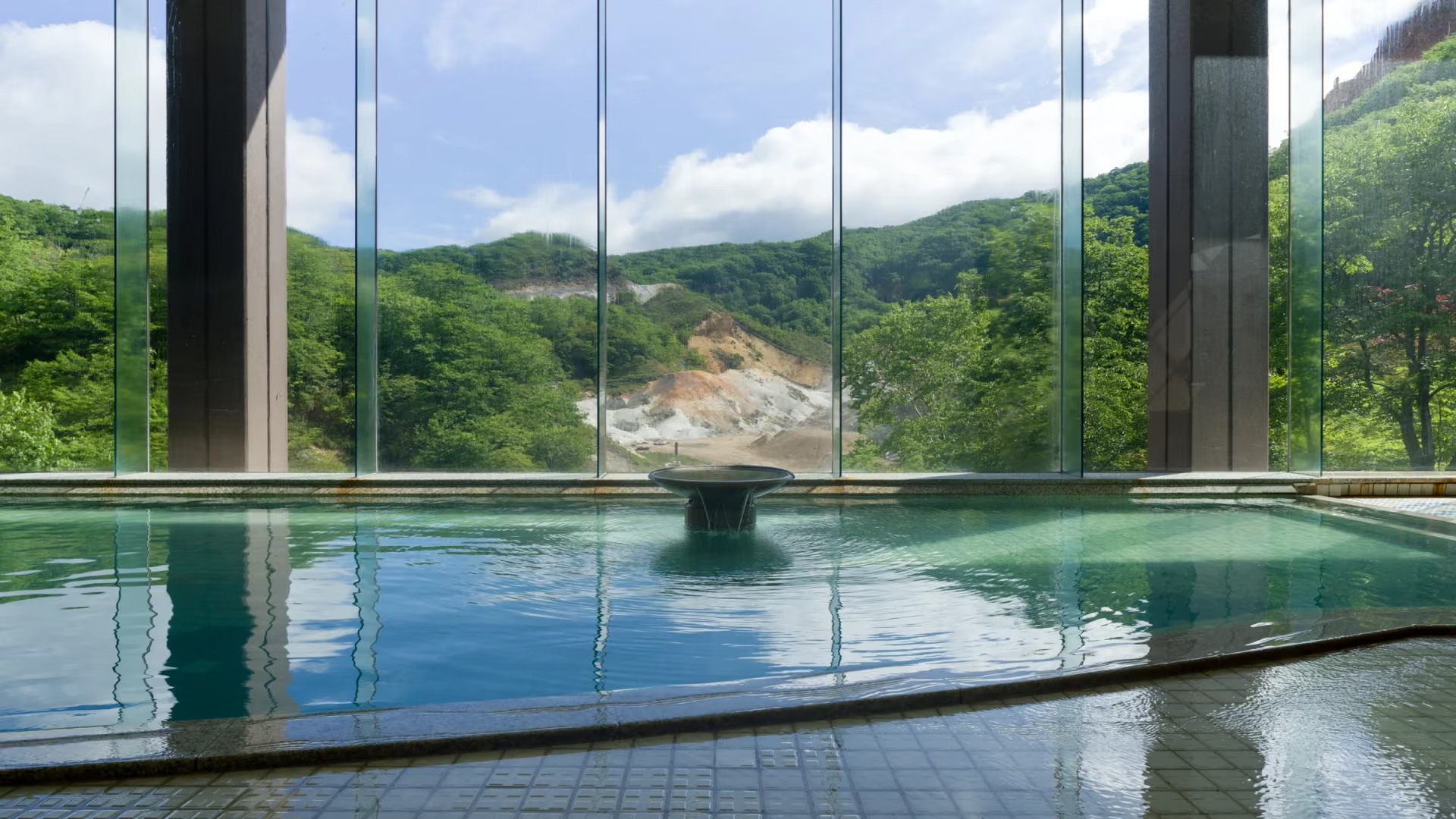
A hot spring inn at the edge of Jigokudani in Noboribetsu Onsen, with five types of spring water flowing straight from the source into its baths.
Day visitors are admitted from 9:00 to 18:00 and leave by 21:00. Some baths are closed for cleaning during the day. The inn closes for maintenance on some days, so check the official site.
〒 059-0551How to get there
登別Muroran Main Line91 min walk from the station
Dai-ichi Takimotokan is a hot spring inn in Noboribetsu Onsen, Hokkaido, facing Jigokudani, the valley of steaming vents above the town. It grew from a bath hut its founder built in the late Edo period, and the inn presents itself as the origin of Noboribetsu Onsen.
History
Takimoto Kinzo (滝本金蔵), a carpenter from Edo, moved to Oshamanbe in Hokkaido in 1858, at the age of 32, and later to Horobetsu, where he worked on building an ekiteijo (駅逓所), a post station with lodging for travellers and horses. His wife Sata had a severe skin disease. Kinzo had heard of the springs at Noboribetsu and took her there along the mountain path, where he built a small bath hut so that she could stay for toji (湯治), a long stay to bathe as a cure. She recovered, and Kinzo obtained the right to be the yumori, the keeper of the springs, and began to take in guests.
Early guests included the Ainu, who had used the springs before him, men working the sulphur mine on Mount Io, and samurai from the camps that the Sendai and Nanbu domains kept near Shiraoi. In 1881 Kinzo cut a new road to the springs at his own expense, and he was later awarded the Medal with Blue Ribbon for running horse carriages along it. The inn was named Yumoto Takimoto in 1888 and first hung a sign reading Takimotokan in 1900. A great bath in the basement of a new wing, which the inn calls the largest in the East at the time, opened in 1938; the present bath building dates from 1986, and its outdoor baths from 2003.
The springs
Five of the ten water types used on Japanese hot spring notices flow into the baths, some from the inn's own sources: a sulphur spring, a salt spring, an acidic green vitriol spring, a bicarbonate spring and a sulphate spring. The sulphur spring, at pH 2.4 and often clouded white, is the water most associated with Noboribetsu. The sulphate spring, at pH 2.2, is the most acidic of the five.
The bicarbonate water, coloured red by oxidised iron, has long been called bijin no yu, the beauty bath, and it can also be drunk at a drinking fountain near the day visitors' entrance. Every bath is filled with water flowing straight from the source, gensen kakenagashi (源泉かけ流し). The inn's yumori judge the changes in the sources each day and keep the baths hot, warm or in between.
The baths
The baths fill a building of their own. Besides the indoor and outdoor baths there are baths to lie in and utase-yu, falls of hot water for the shoulders, both of sulphur water, a walking bath of salt water, dry and steam saunas, and cold baths of spring water from Orofure Pass. A heated pool and an outdoor jacuzzi facing Jigokudani are shared by men and women in swimwear.
A small tub in a corner of the outdoor bath, Kinzo no Yu, recreates the one Kinzo made for Sata and holds pure source water. Beer and sake are served to bathers at the outdoor bath. Bathing wear made for people with surgical scars is welcome in the baths.
The inn's request: to protect guests' privacy, cameras and smartphones may not be taken into the changing rooms, the baths or the pool.
The Yuchelin rating
In 2026 Dai-ichi Takimotokan was among the first 21 onsen to receive three stars from Yuchelin (湯シュラン), a rating system that judges hot springs by the water in the bath. The Yuchelin association asks visitors to its rated baths to keep five rules for borrowing the water (湯をお借りする五か条), written under the supervision of Touristship, an association that promotes considerate travel:
After you. These baths are part of local people's daily lives. When locals come in, give them your place and your turn with an "after you". Avoid the busy hours, so as not to get in the way of local bathers.
Say hello. A simple "konnichiwa" or "ojama shimasu" (sorry to intrude) is where contact begins. Talking with the locals, you may learn the rules of that bath and how it is used.
Enjoy the day's temperature. Natural hot water is hard to manage, and some days it is hot and some days lukewarm. Enjoy the water as you meet it that day. If you want to change the temperature, ask the locals.
Do the basics, with care. No photos in the bath or the changing room. Pour hot water over yourself and wash before you get into the bath. Don't take over the spot by the spout or the washing area. Wash the bucket and stool you used and put them back. Take your rubbish home, and dry yourself before you go back into the changing room. Keep to these basics without fail.
Thanks and respect for the earth's gift. Hot spring water is an irreplaceable gift of nature, made by the earth over long ages. Treat every drop with thanks and respect, take care of the water, and enjoy your bath.
Getting There

Planning a trip? Fit this into a trip and Oni plans the rest around it.
You might also like
Roma no Izumi
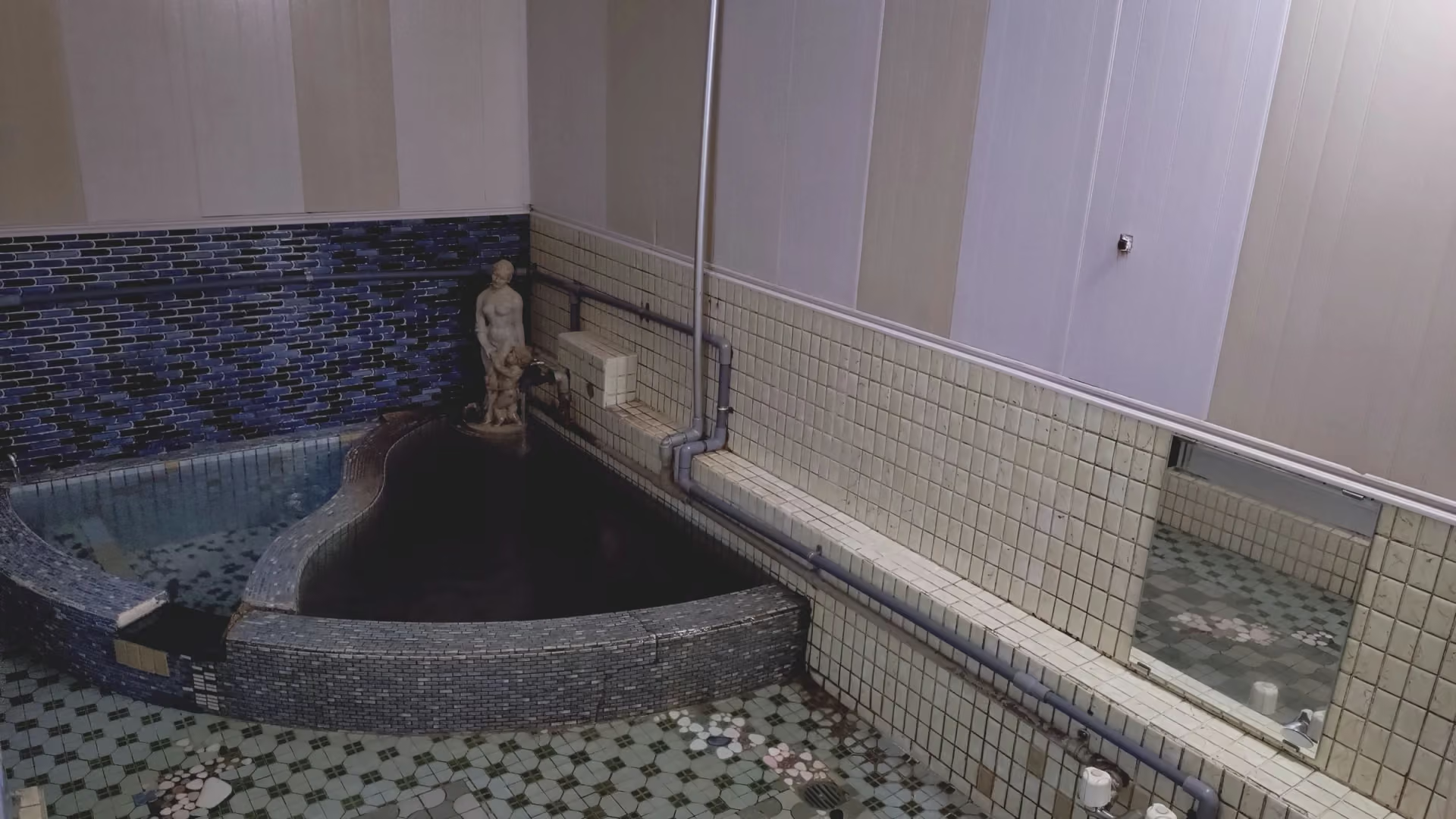
A bathhouse in Obihiro, unchanged since 1976, with private family baths and a public bath upstairs, all filled with brown moor water straight from the source.
Obihiro · Hokkaido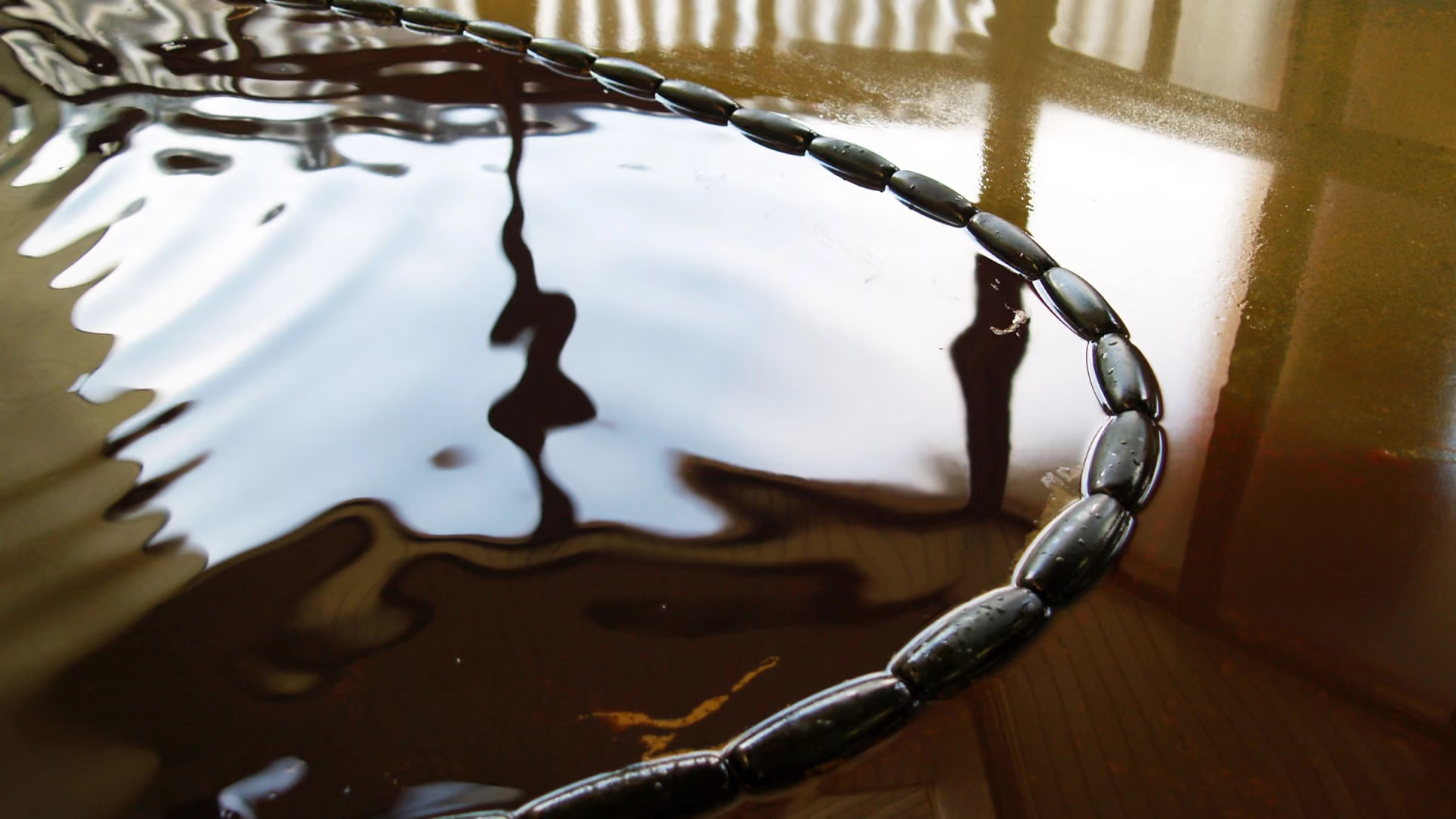
Toyotomi Onsen Fureai Center
The town bathhouse of Toyotomi Onsen in northern Hokkaido, where yellowish spring water rises with crude oil and a cool bath is kept for long cure stays.
Toyotomi · Hokkaido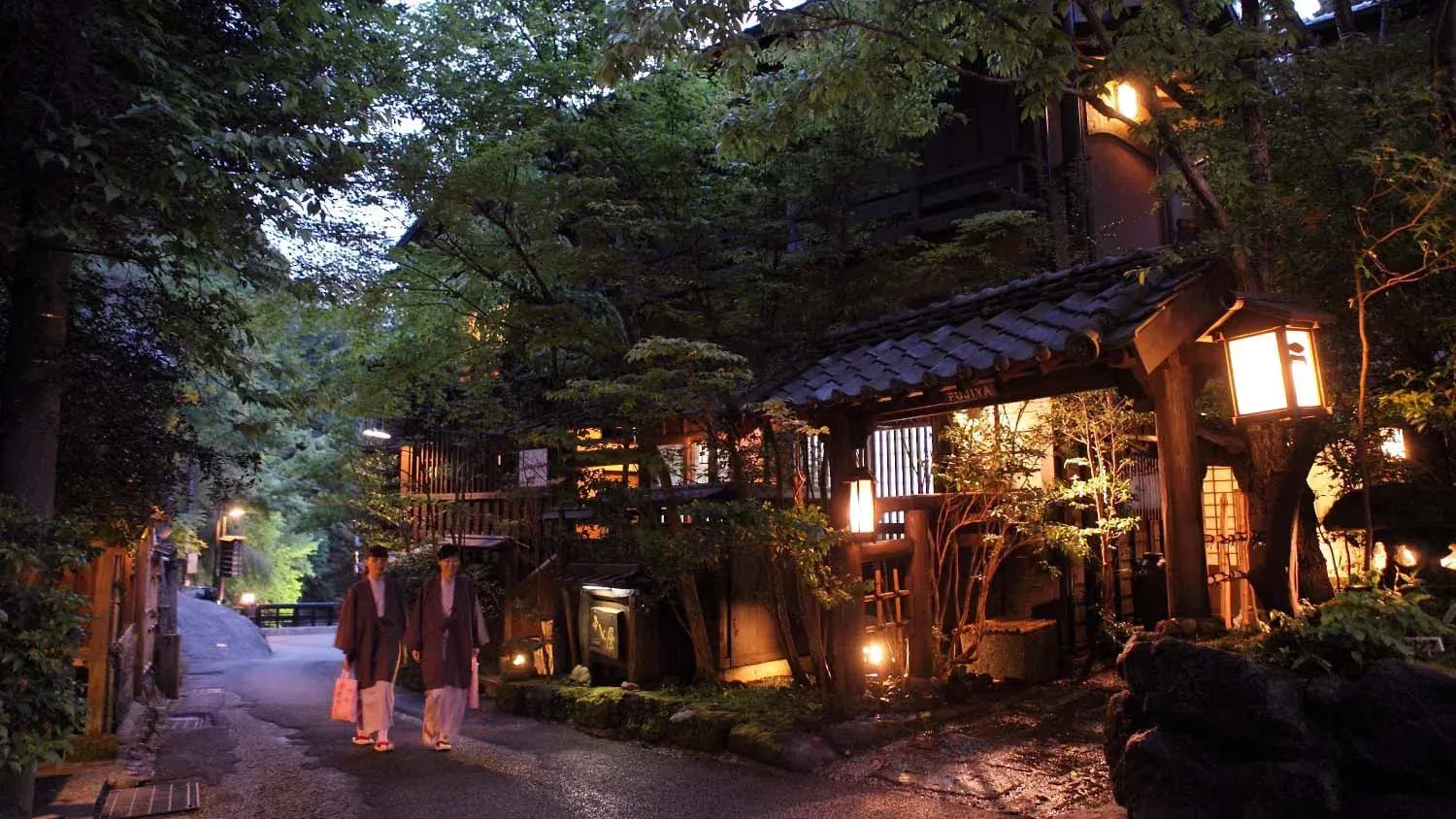
Kurokawa Onsen
Hot spring village of about 30 ryokan in the mountains beyond Aso, where one bath pass, the nyuto tegata, opens the open-air baths of 25 inns.
Minamioguni · Kumamoto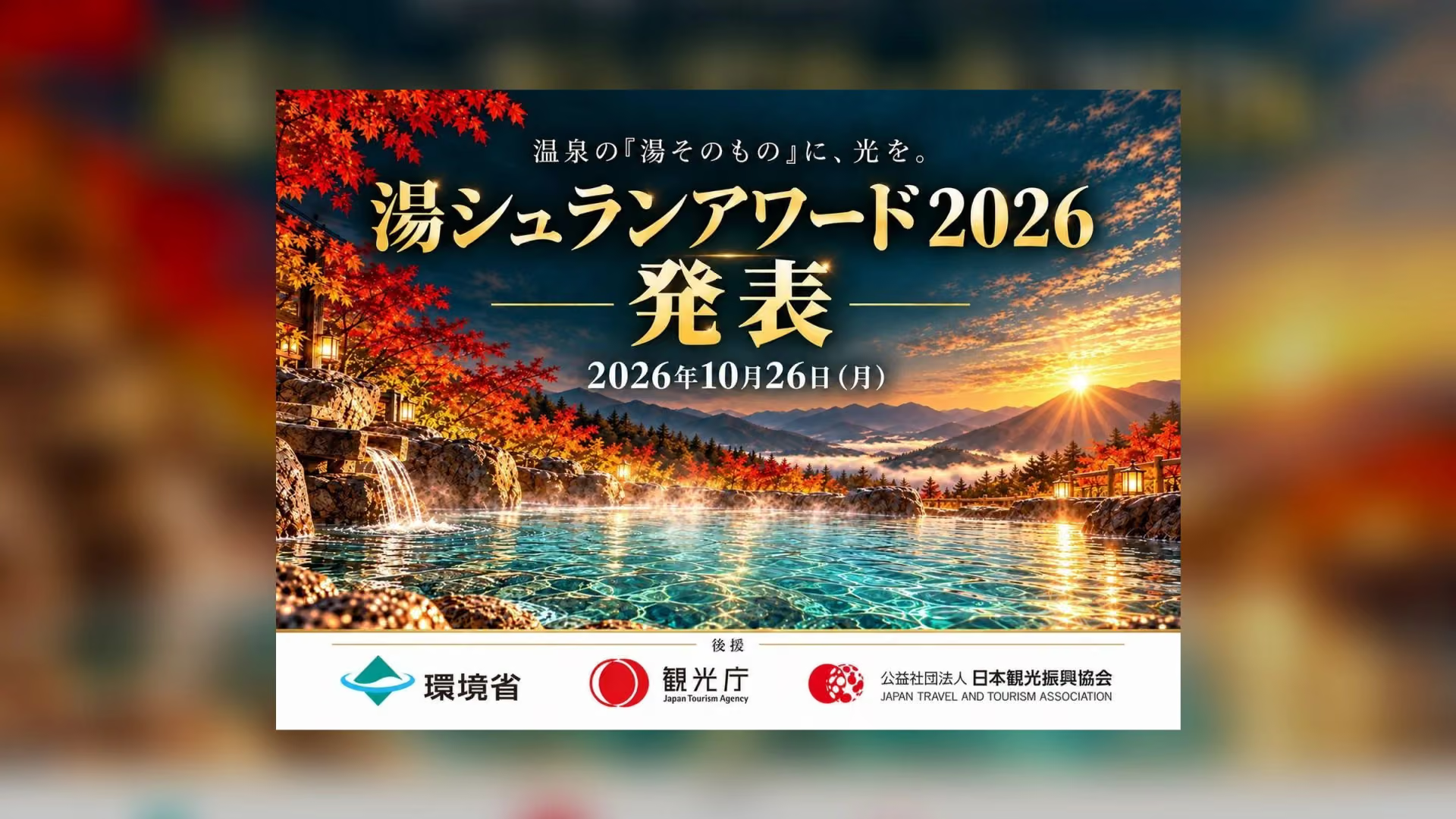
Yuchelin 2026: Japan's 21 Three-Star Onsen
Yuchelin, a new rating for Japanese hot springs, judges the water itself. Its first three-star list names 21 onsen, from Hokkaido to Yakushima.
2026/10/27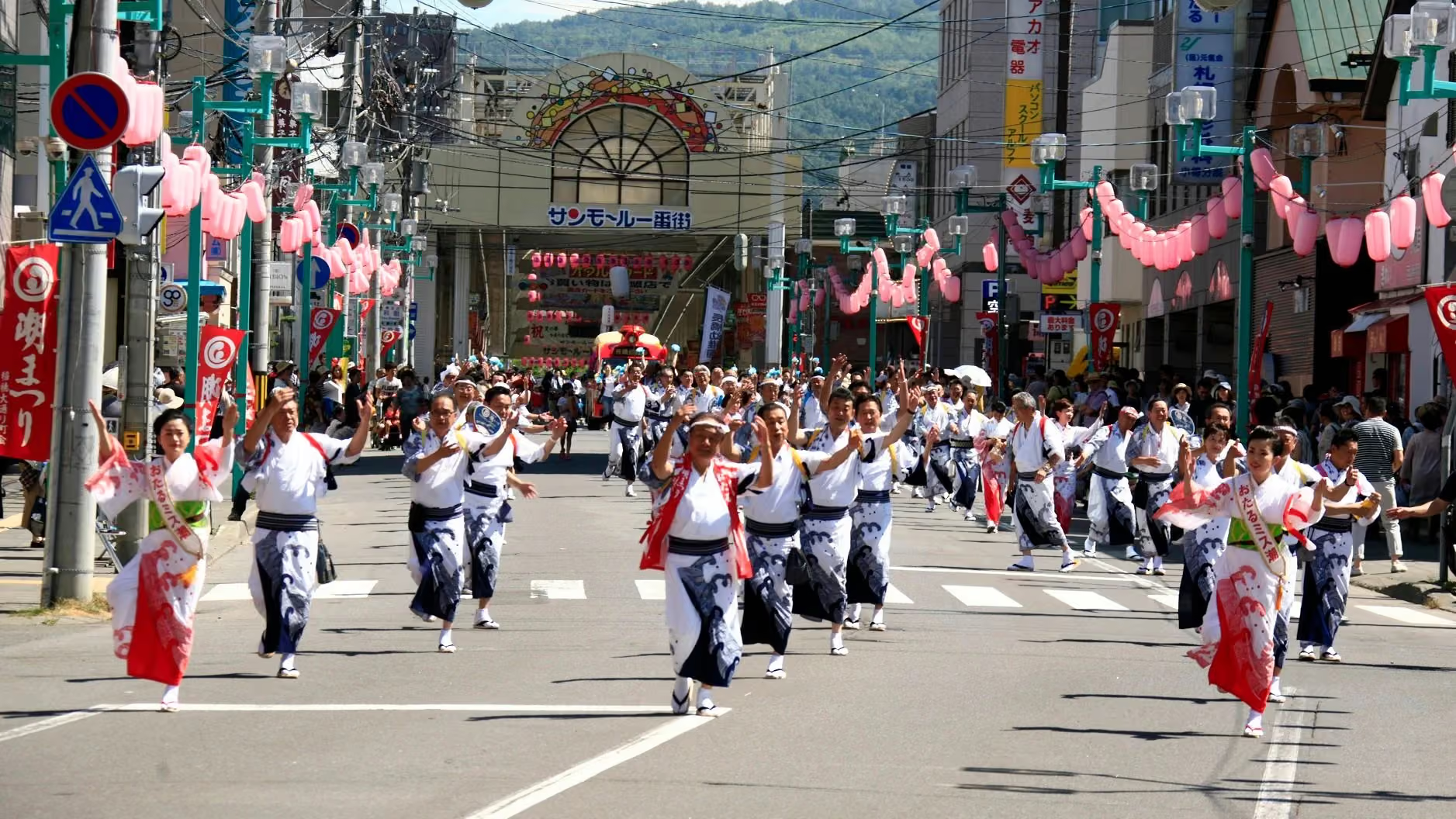
Otaru Ushio Festival
This coastal festival celebrates Otaru's maritime heritage with parades, fireworks, and cultural activities honoring the harbour's role in the city's growth.
24–26 Jul 2027Exact date not confirmed yetOtaru · Hokkaido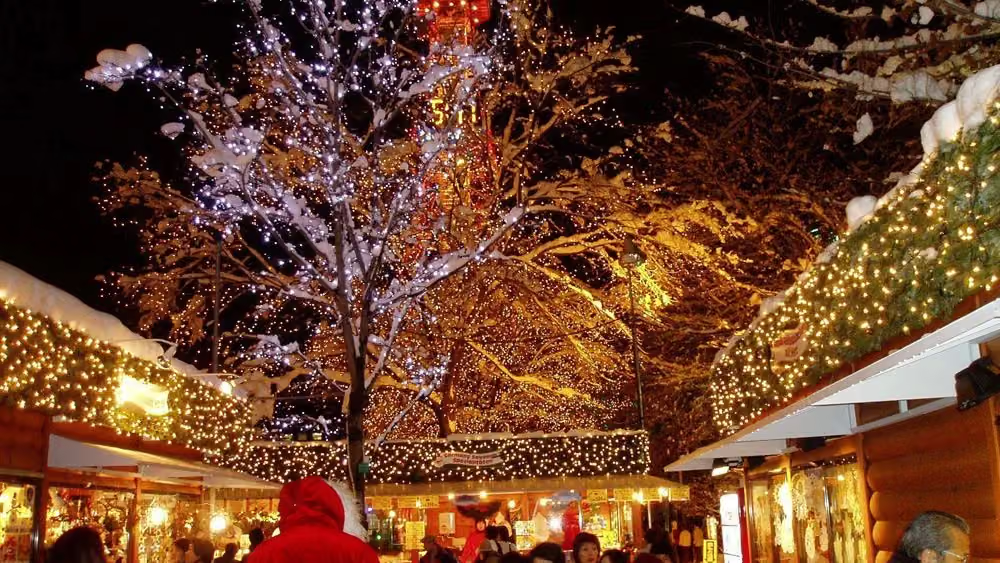
Munich Christmas Market in Sapporo
The Munich Christmas Market brings German Christmas food and crafts to Sapporo, a sister-city celebration held every year since 2002.
20 Nov – 25 Dec 2026Sapporo · Hokkaido