

Yuchelin 2026: Japan's 21 Three-Star Onsen
A new rating judges hot springs by the water alone. These are its first top picks.
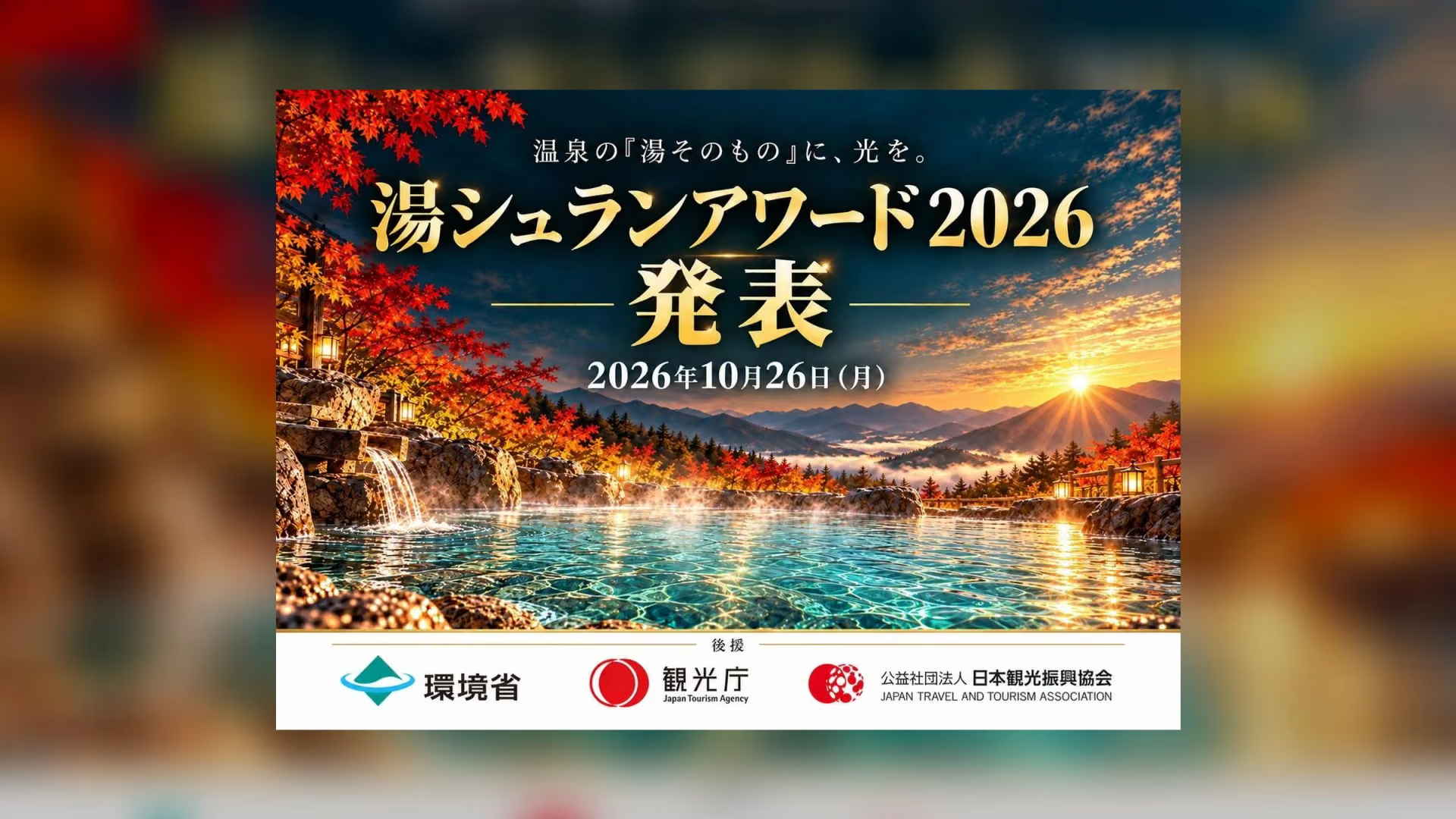
Japan has 27,899 hot spring sources, by the Ministry of the Environment's count, and until now there was hardly any common yardstick for comparing them by the water itself. Yuchelin (湯シュラン) sets out to be one. The association behind it was founded in August 2025 by Kitade Kyoko, who calls herself an onsenka, an onsen specialist, and the rating is backed by the Ministry of the Environment, the Japan Tourism Agency and the Japan Travel and Tourism Association.
On 26 October 2026 Yuchelin named its first 21 three-star onsen. It stresses that the list is not a ranking, and it plans to add about 20 a year.
How the stars work
Yuchelin rates the water as it reaches the bath. Inspectors, whose names are kept secret, visit each bath, and an evaluation committee awards the stars against five measures: the character of the water, its freshness and how it is delivered to the tub, rarity, safety and hygiene, and environmental and cultural value. Rated facilities pay nothing for it.
Three stars: a bath that can change your life.
Two stars: a famous spring worth the journey for the water alone.
One star: a bath worth stopping at when you are nearby.
The 21 three-star onsen
From north to south, as Yuchelin lists them. The notes on each bath come from the facility's own website or its local tourism office.
Hokkaido
Dai-ichi Takimotokan (第一滝本館), Noboribetsu Onsen: five types of spring water, a sulfur spring at pH 2.4 among them, all flowing straight from the source into 35 baths in a bath building of its own.
Toyotomi Fureai Center (豊富町ふれあいセンター), Toyotomi Onsen: a town-run bathhouse whose springs rise together with oil and natural gas, so the water smells faintly of petroleum. The three stars go to its toji bath (湯治湯), kept cooler for guests who stay for toji, a hot spring cure.
Roma no Izumi (ローマの泉), Obihiro Onsen: private family baths filled with moor water, an alkaline spring coloured by plant matter, with no heating and no water added.
Tohoku
Tamagawa Onsen (玉川温泉), Akita: strongly acidic water at pH 1.2, mainly hydrochloric acid. The onsen says its single source has the largest flow in Japan, and it offers baths of full-strength and half-strength water.
Ishizuka Ryokan (石塚旅館), Kunimi Onsen, Iwate: a rare green sulfur spring, used straight from the source. The inn is open from mid-May to early November, and for now it cannot take overnight guests after snow damage.
Sunoko-no-Yu Kawaraya (すのこの湯 かわらや), Zao Onsen, Yamagata: the tub sits directly over the source, and the acidic water rises up between the slats of its wooden floor.
Kanto and Chubu
Hoshi Onsen Chojukan (法師温泉 長寿館), Gunma: in the Hoshi no Yu bath, water at about 40°C rises from the bedrock under the bathers. The bathhouse is a Registered Tangible Cultural Property.
Kitsuregawa Sotome Onsen (喜連川早乙女温泉), Tochigi: a sulfur spring pumped from 1,300 m down, rare on the Kanto plain. The water is emerald green in the morning and milky by night.
Shiranekan (白根館), Narada Onsen, Yamanashi: known as the spring of seven wonders, its water turns clear, green or milky with the weather.
Ichiyokan (一陽館), Kagai Onsen, Nagano: a very concentrated, iron-rich spring long used for toji stays, with a large mixed outdoor bath.
Shibu Tatsunokan (渋・辰野館), Okutateshina Onsen, Nagano: a cold, acidic spring that turns a bluish milky white in the Shingen no Yakuto bath. The rating covers that bath and the Mori no Onsen, which closes in winter. Soaks are limited to 15 minutes.
Niitsu Onsen (新津温泉), Niigata: struck while drilling for oil and open since 1954, with a strong smell of petroleum.
Kansai and Shikoku
Kamiobo (上大坊), Arima Onsen, Hyogo: the closest inn to the Tenjin source, so its iron-rich kinsen (金泉), gold water, reaches the bath still clear, before it turns cloudy.
Yakushi no Yu (薬師の湯), Hanayama Onsen, Wakayama: the water gushes up by the pressure of its own carbon dioxide. It is clear at the source and turns brown in the air.
Wa no Yado Hotel Iya Onsen (和の宿 ホテル祖谷温泉), Iya Onsen, Tokushima: the rating covers its three baths, Keikoku no Yu, Seseragi no Yu and Yamagiri no Yu. A cable car runs down the gorge to the outdoor bath by the river, and the alkaline sulfur water is full of fine bubbles.
Kyushu
Shichirida Onsenkan Shitan-yu (七里田温泉館 下ん湯), Oita: a strongly carbonated spring at 36°C, nicknamed the ramune bath after the fizzy soda, never heated or diluted.
Kako no Izumi (火口乃泉), Tsukahara Onsen, Oita: acidic water at about pH 1.5, which the onsen says has the highest iron content in Japan.
Beppu Onsen Hoyoland (別府温泉保養ランド), Oita: mud baths, outdoors and underground, fed by the steam vents of Konya Jigoku.
Horei no Yu (豊礼の湯), Takenoyu Onsen, Kumamoto: milky, blue-white water in private baths that are refilled for each group.
Seifuso (青風荘), Jigoku Onsen, Kumamoto: in the Suzume no Yu bath the acidic sulfur water rises straight up through the floor. Bathing is mixed, in bathing wear.
Onoaida Onsen (尾之間温泉), Yakushima, Kagoshima: sulfur water wells up through the rock floor of the bath. Local legend says a wounded deer was healed here about 350 years ago.
Five rules for visitors
Many of these baths are everyday places for the people who live nearby. With the association Tourism Ship, Yuchelin has written five rules for visitors, which it calls "borrowing the water" (湯をお借りする): you are a guest in someone else's bath.
After you. Give locals their place and their turn, and avoid the busiest hours.
Say hello. A simple greeting is where contact with the community starts.
Enjoy the day's temperature. Natural water runs hotter on some days and cooler on others. If it is too hot for you, ask the locals in the bath before you add cold water.
Do the basics with care. No photos in the bath or changing room, pour hot water over yourself and wash before you get in, don't take over the spout or the washing area, and wash and return the bucket and stool.
Respect the gift of the earth. Hot spring water is a natural gift the earth has made over countless years, and it can't be replaced. Treat every drop with thanks and respect, and enjoy your bath.
You might also like

Kaikai Yokai Festival
Uzumasa Kyoto Village (Toei Kyoto Studio Park) fills with yokai every autumn: two evening parades, dance shows, daily yokai greetings and limited yokai food.
12 Sep – 29 Nov 2026Kyoto
Nagashima Spa Land
Amusement park in Mie Prefecture featuring world-class thrill rides including Steel Dragon 2000 and Hakugei, Asia's first hybrid roller coaster.
Kuwana · Mie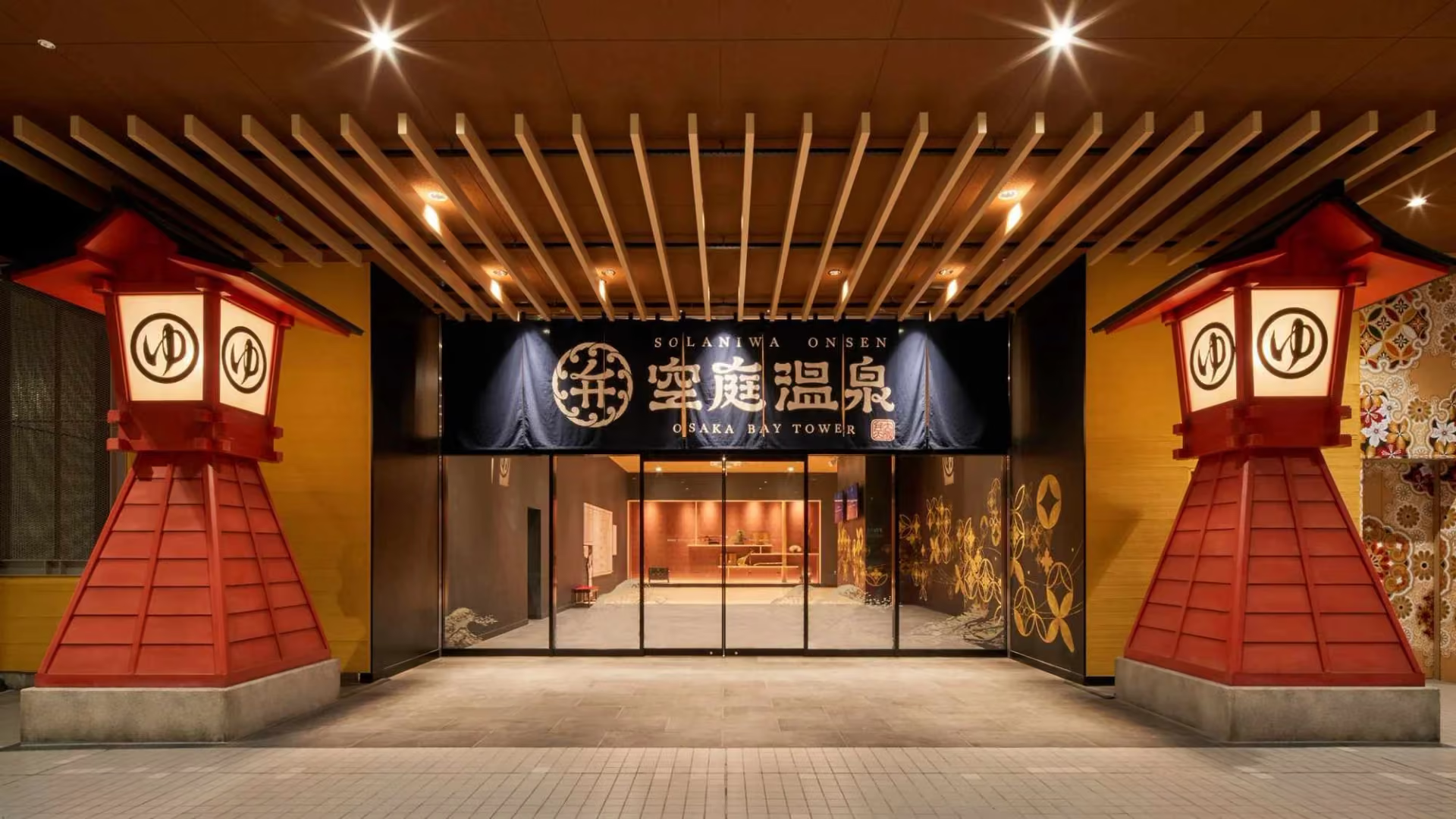
Solaniwa Onsen
This Osaka hot spring park features natural spring water baths in a Muromachi and Edo-period setting, complete with a 3,000-square-meter rooftop garden.
Osaka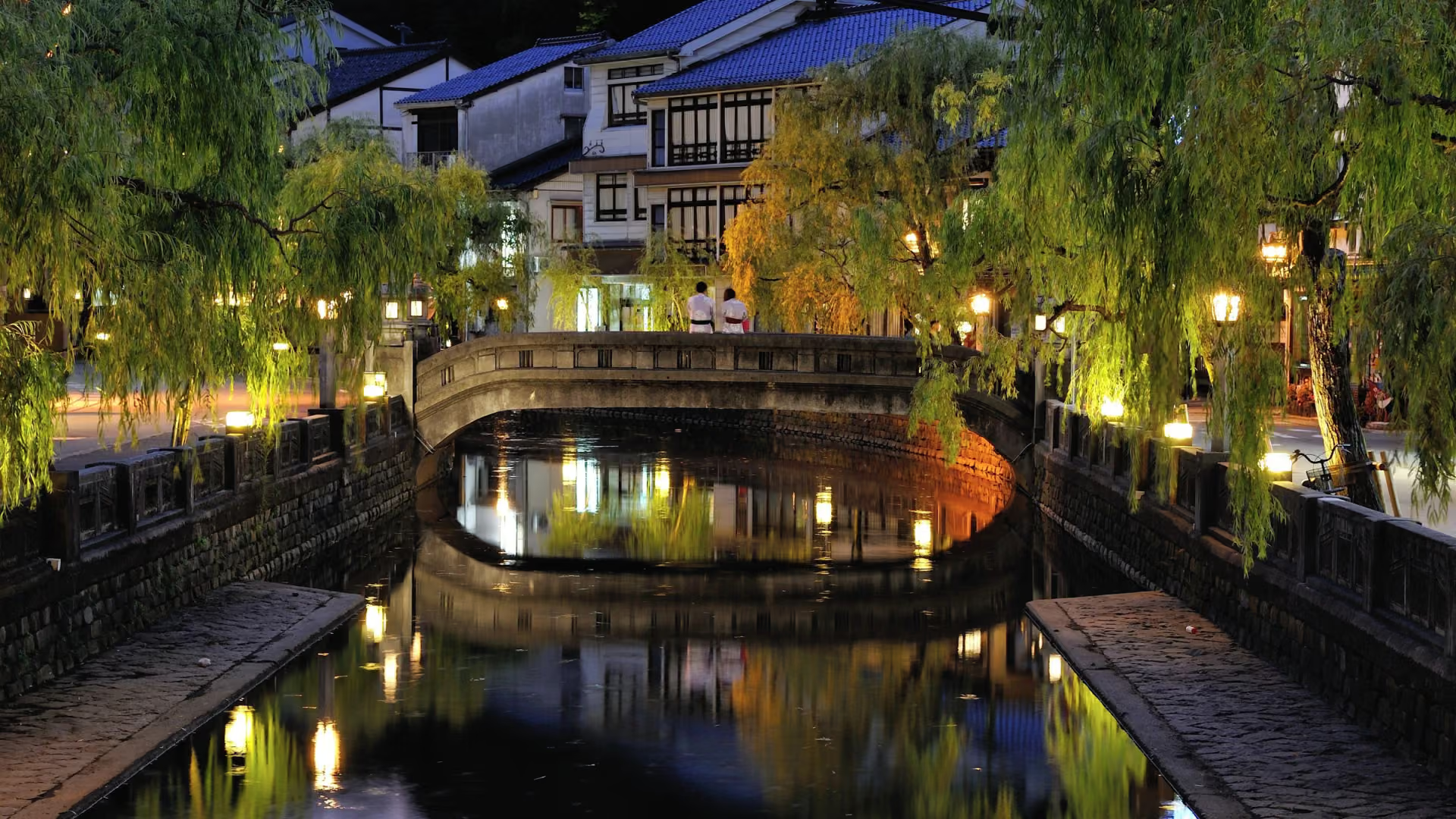
Kinosaki Onsen
A hot spring resort with documented origins dating to 720, Kinosaki Onsen draws visitors for its mineral-rich thermal waters and mountainside views.
Toyooka · Hyogo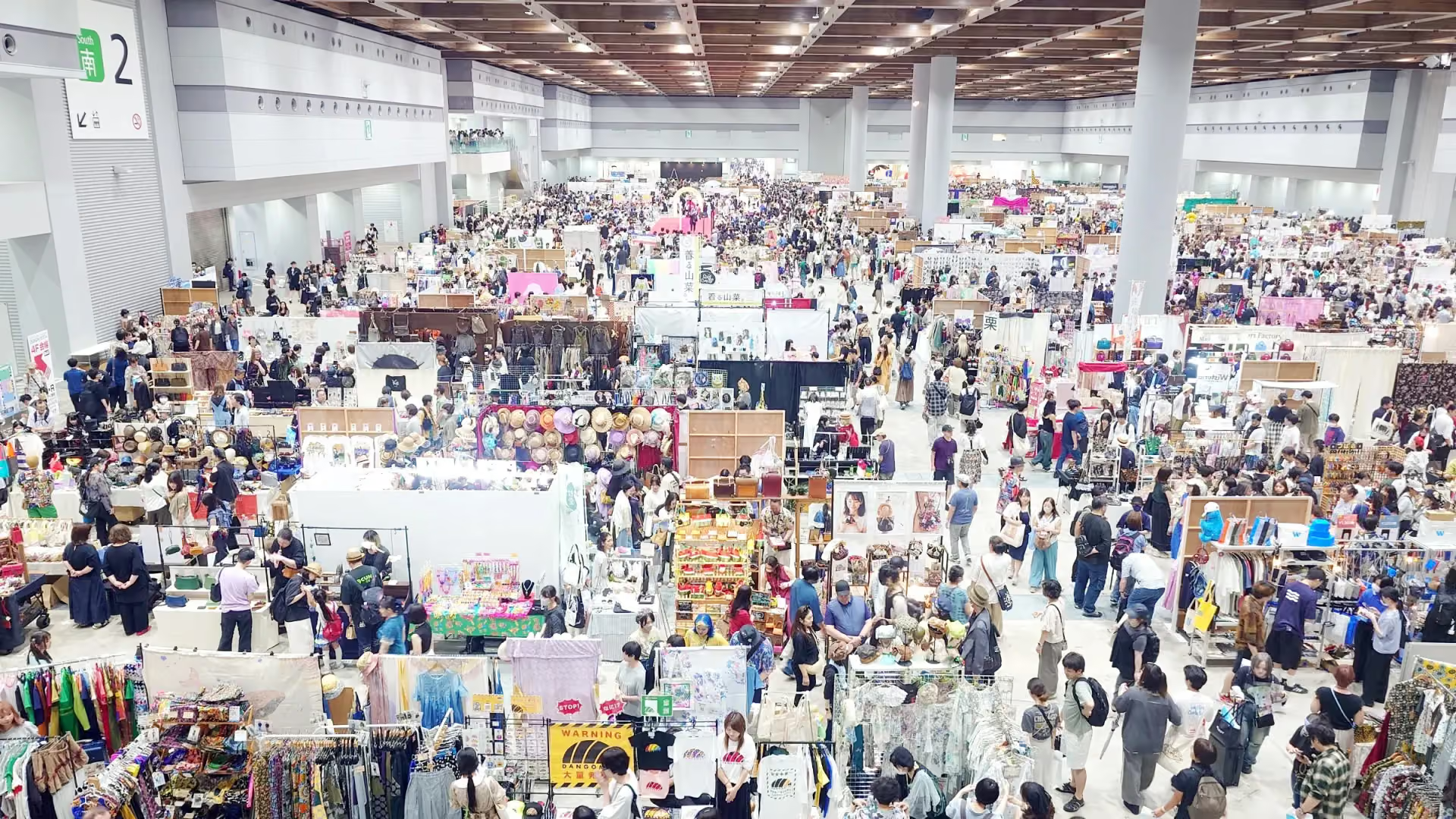
Design Festa
With over 10,000 participating artists and 140,000 expected visitors, this open art event showcases original creations across diverse mediums and styles.
23–24 May 2027Exact date not confirmed yetTokyo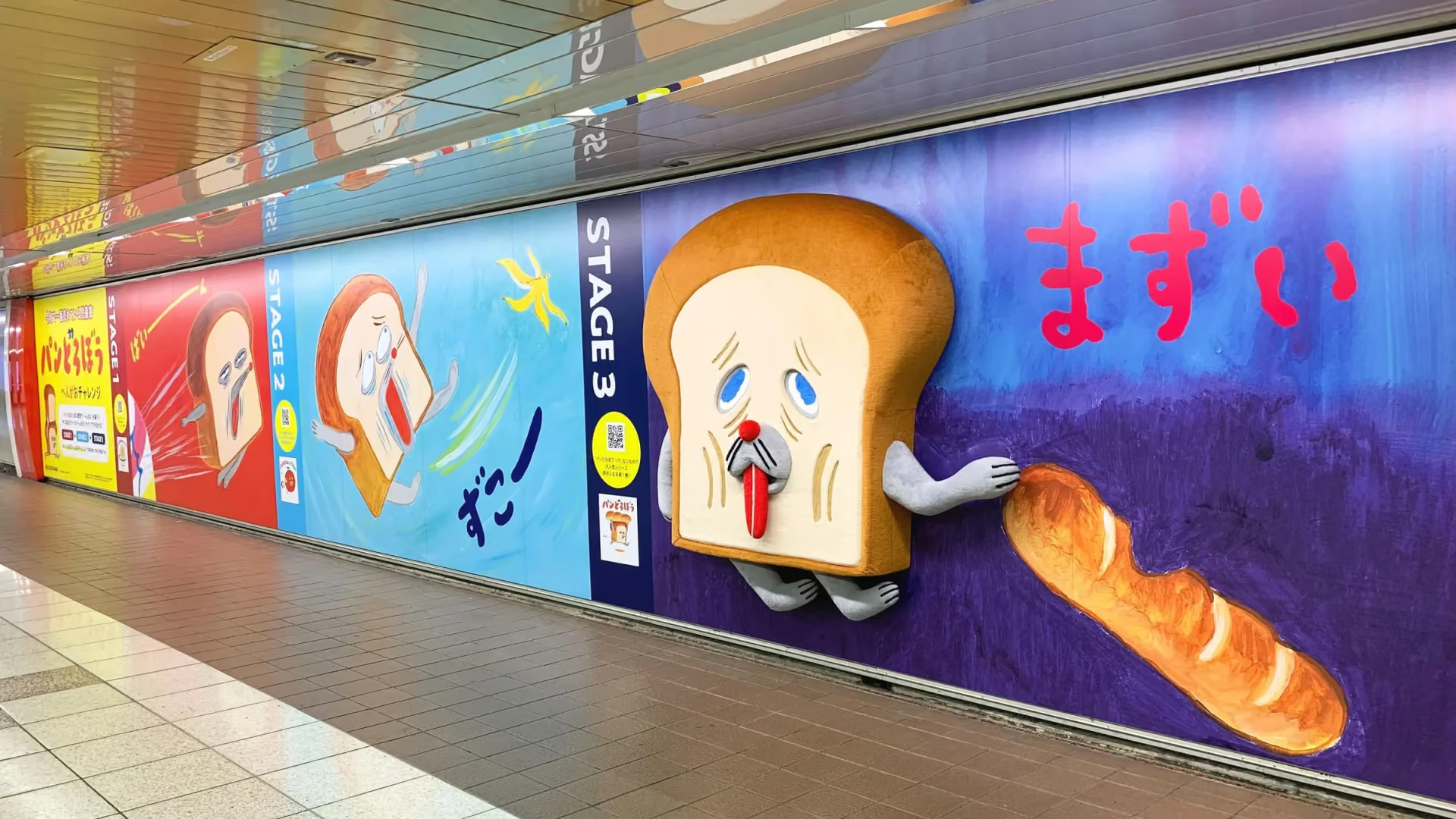
Pandorobo: Japan's Bread Thief
Pandorobo, The Bread Thief, in English: the story of Japan’s beloved bread-stealing character, the picture books, the anime, and Pandorobo merchandise.
2026/02/13