Manekineko Art Museum
招き猫美術館
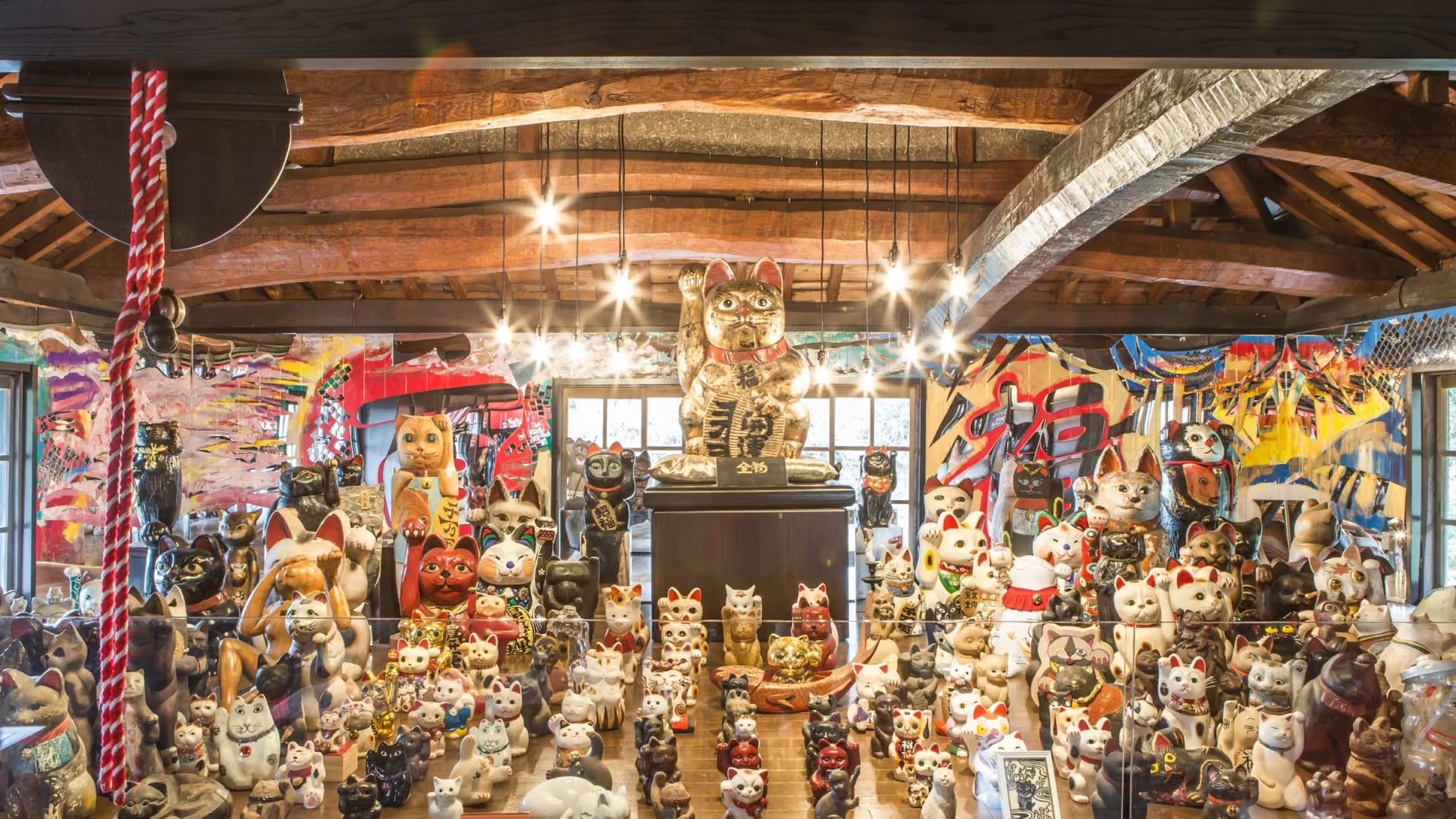
Japan's first museum devoted to the maneki neko, the beckoning cat, with about 800 figures from the Meiji era to the present and a painting workshop.
Last entry 16:30. Open every day of the year.
〒 701-2151How to get there
牧山Tsuyama Line23 min walk from the station
The Manekineko Art Museum in Okayama is devoted to the maneki neko, the beckoning cat figure believed to bring good fortune. It opened in October 1994 as the first museum in Japan to specialize in maneki neko, and about 800 of them are on permanent display.
History
The museum began with the collection of its first director, who saw the maneki neko as a folk art Japan could be proud of at a time when Western influence since the Meiji era was pushing old traditions aside. It first opened inside the grounds of Kinzan-ji (金山寺), a Tendai Buddhist temple, and moved to its present site in 1999. Since 2015 it has had two buildings, the main museum and an annex called LUCKY CATS HOUSE. The present director is Mushiake Osamu.
The collection
The display runs from maneki neko of the Meiji era to designs made for the museum itself. The figures come from production areas across Japan and are made of washi paper, wood, pottery, stone, clay, tin and other materials. The largest is carved from camphor wood and weighs 100 kg; it was named Kinpuku (金福) through a public naming contest. Artists and designers have also made maneki neko for the collection, among them Yokoo Tadanori, Uno Akira, Hibino Katsuhiko and Anzai Mizumaru.
The maneki neko
According to the museum, the maneki neko appeared in the middle of the Edo period, when keeping cats became popular among the people of Edo. Several places have their own legend of how it began, among them Imado ware (今戸焼) and the temple Gotoku-ji (豪徳寺) in Tokyo, and Fushimi Inari in Kyoto. The raised paw has a meaning: a right paw invites money, a left paw invites people, and two raised paws invite good luck. A higher paw is said to call fortune from further away. Colors carry meanings too, such as white for good luck, black against evil, red against illness and gold for wealth.
Painting workshop
In the LUCKY CATS HOUSE annex, visitors paint an unglazed clay maneki neko with acrylic paints and take home a figure of their own design. The museum has run the workshop since 2006, led by its curator, Mushiake Hitoko. A small library of books about cats, mostly picture books, library Yamaneko Bunko (山猫文庫), opened in the annex in 2020. The museum also holds seasonal events through the year, such as a New Year event and a kumade (熊手) market of good-luck bamboo rakes.
Getting There

Planning a trip? Fit this into a trip and Oni plans the rest around it.
You might also like
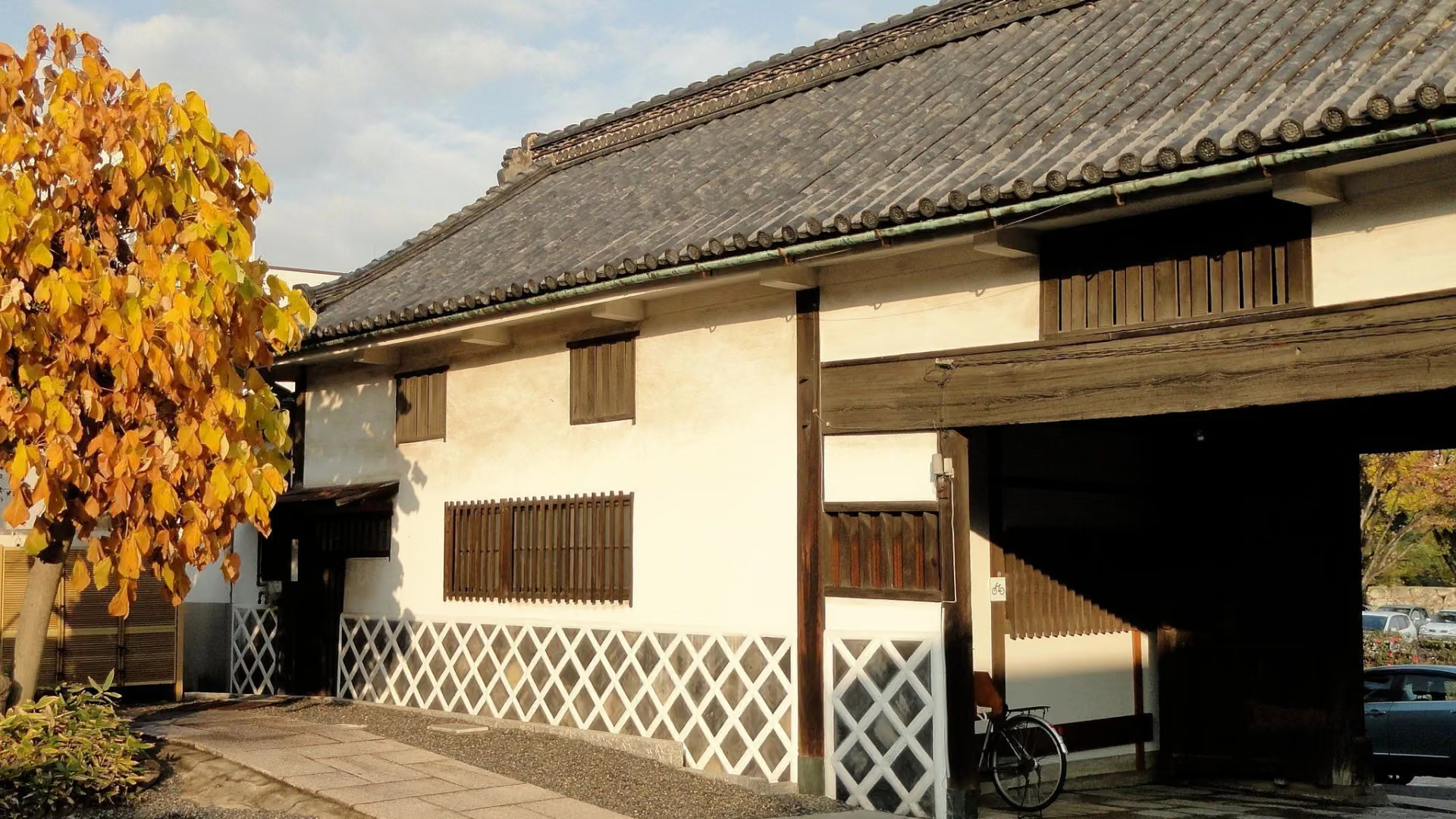
Hayashibara Museum of Art
This private museum specializes in Japanese and Chinese pottery and ceramics from the Heian and Kamakura periods, featuring a beautiful Japanese garden.
Okayama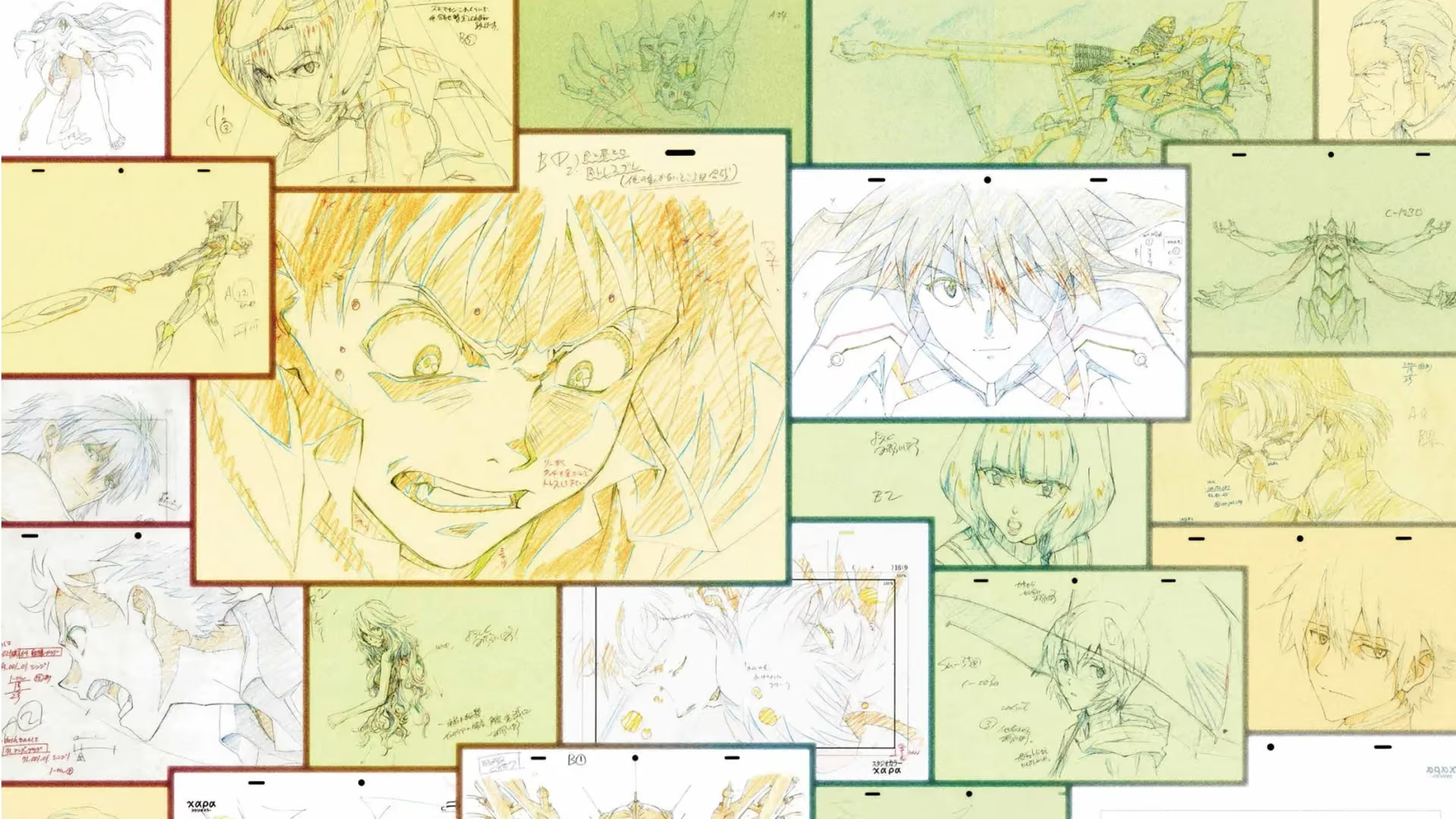
"ALL OF EVANGELION" 30th Anniversary Exhibition - Osaka
The Evangelion 30th anniversary exhibition comes to Hirakata Park in Osaka, with about 270 hand-painted cels, design material and film artwork.
18 Oct 2026 – 11 Jan 2027Osaka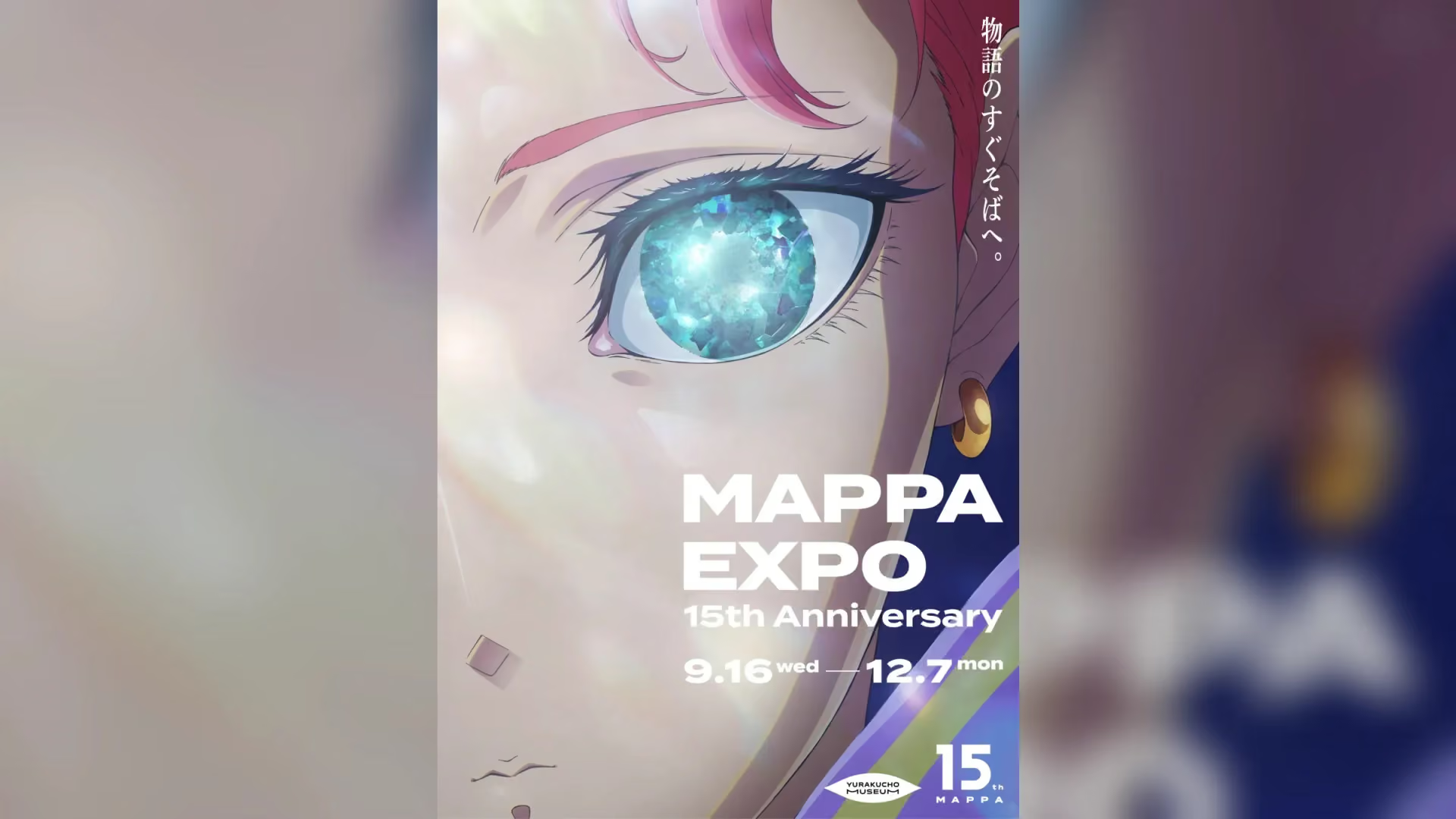
MAPPA EXPO 15th Anniversary
Fifteen years of MAPPA at the Yurakucho Museum this autumn, with original drawings and production art from 23 titles, three of them given their own areas.
16 Sep – 7 Dec 2026Tokyo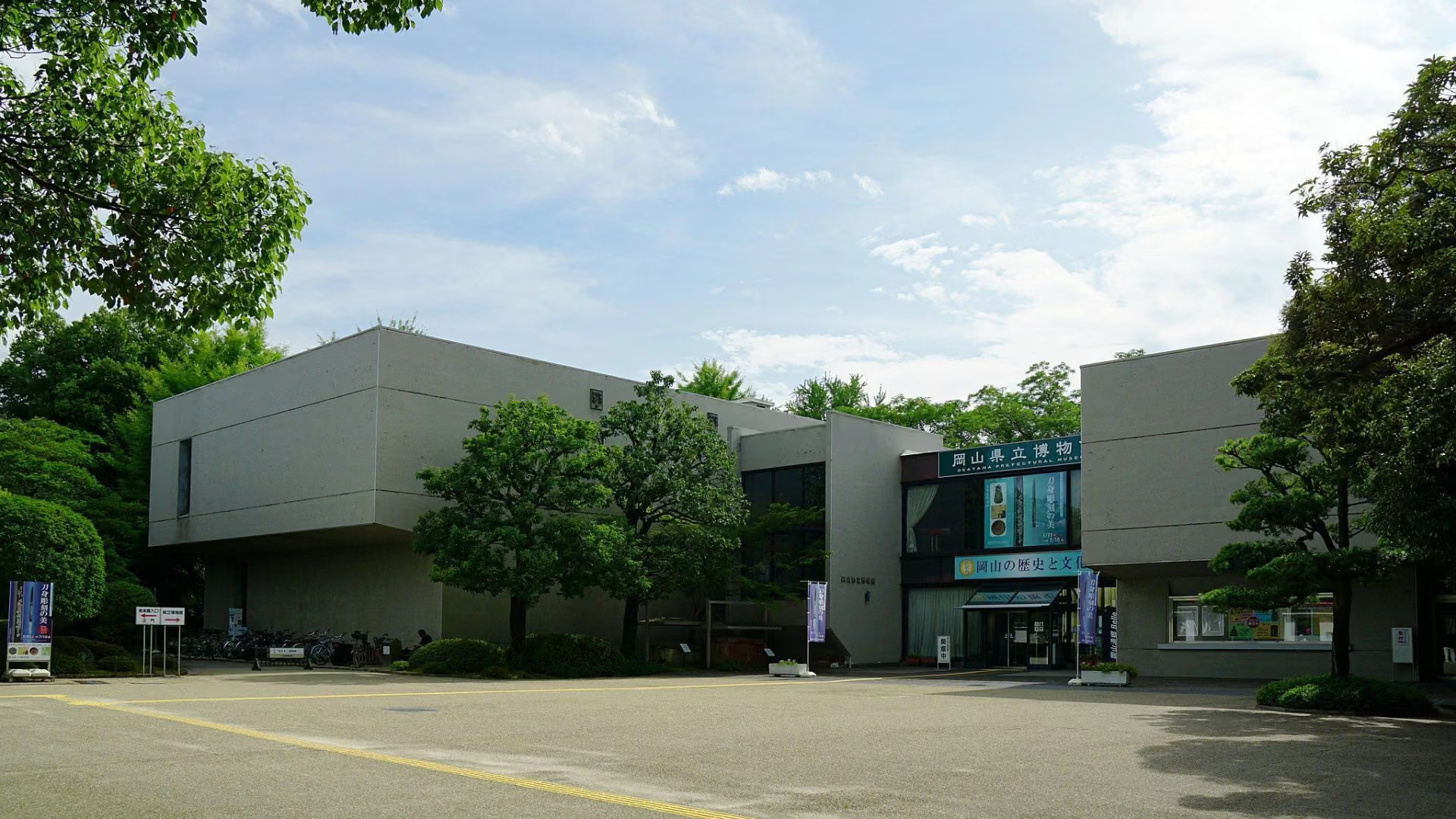
Okayama Prefectural Museum
Okayama museum preserving regional heritage through 100,000 artifacts spanning archaeology, pottery and folk culture traditions.
Okayama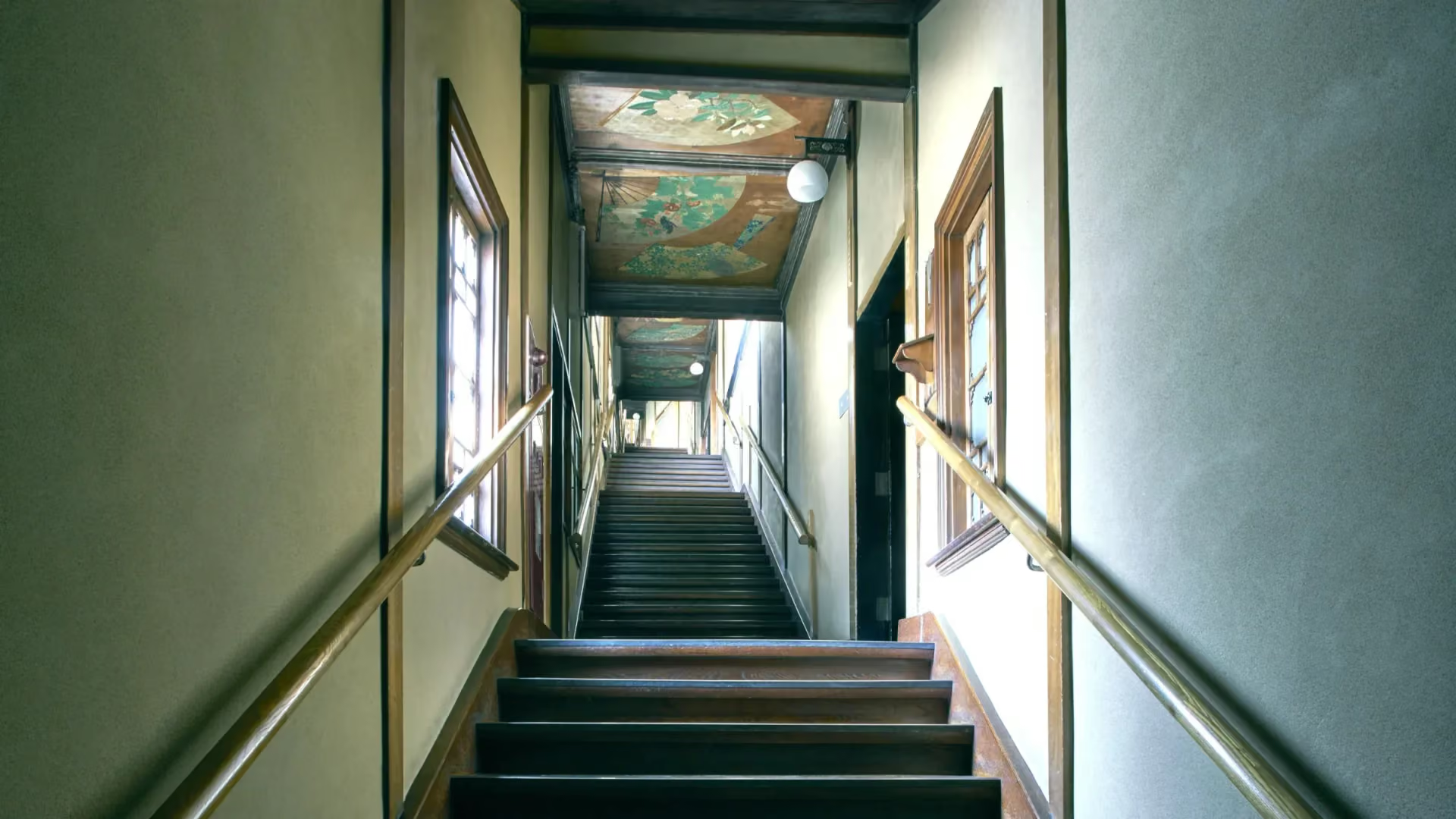
Hyakudan Kaidan Special Opening
A wooden building of 1935 in Meguro, Tokyo, with seven decorated banquet rooms up a staircase of 99 steps, opened for six months with almost nothing in it.
1 Oct 2026 – 30 Mar 2027Tokyo
Toei Animation Museum
The Toei Animation Museum celebrates the prolific Japanese studio behind Dragon Ball, Sailor Moon, One Piece, and other iconic anime series.
Tokyo