Naruko Onsenkyo
鳴子温泉郷
Five hot spring areas on the upper Eai river in northern Miyagi, with seven water types, a shrine founded after an eruption in 837 and the Naruko kokeshi.
〒 989-6823How to get there
鳴子温泉Rikuu East Line1 min walk from the station
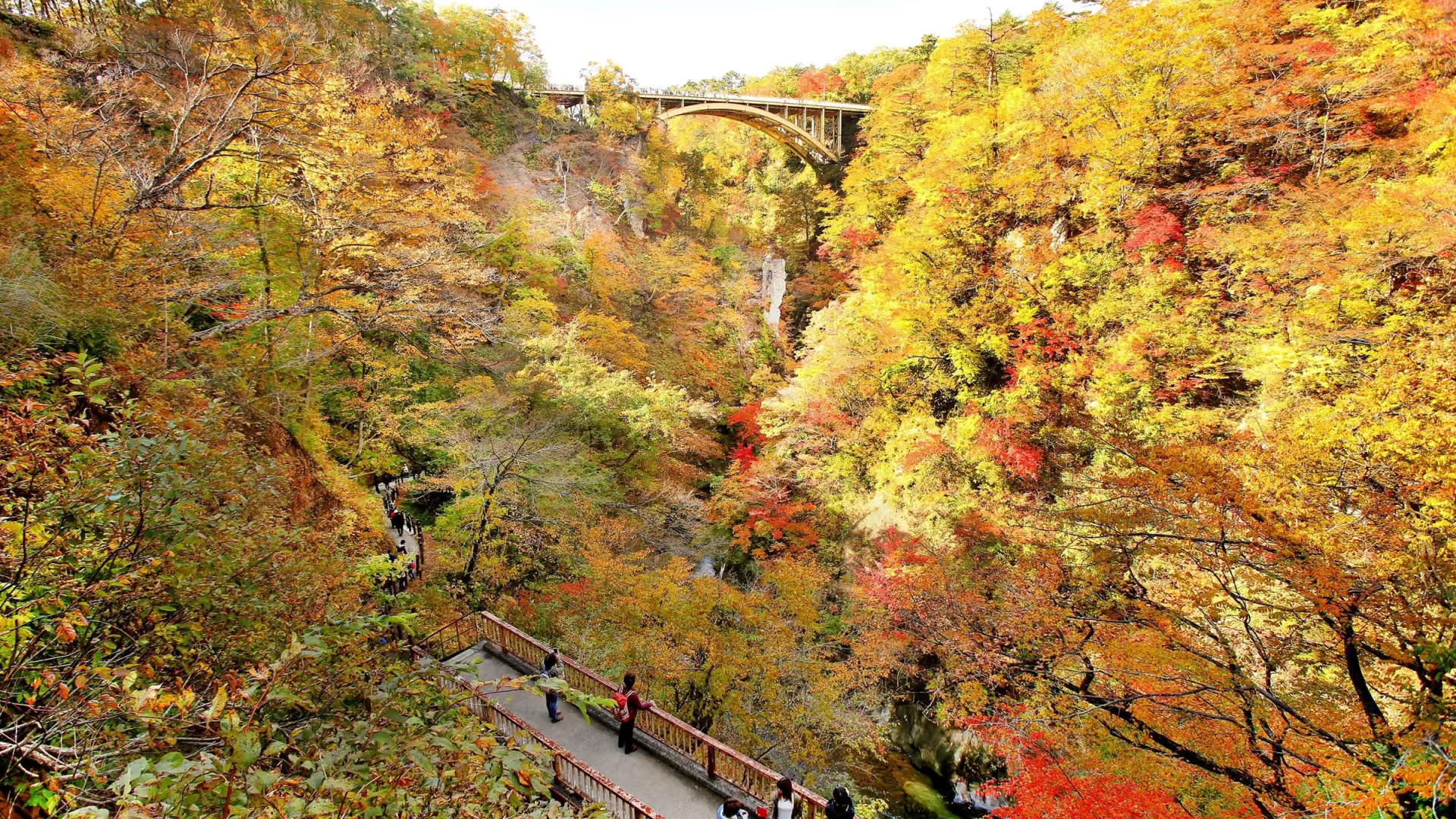
Naruko Onsenkyo is a group of five hot spring areas on the upper Eai river, also called the Arao, in the north of Miyagi: Naruko, Higashi-Naruko, Kawatabi, Nakayamadaira and Onikobe. Naruko itself, the largest, has long been counted among the three famous hot springs of Oshu, the old provinces of the north. Naruko Gorge lies just above the town.
History
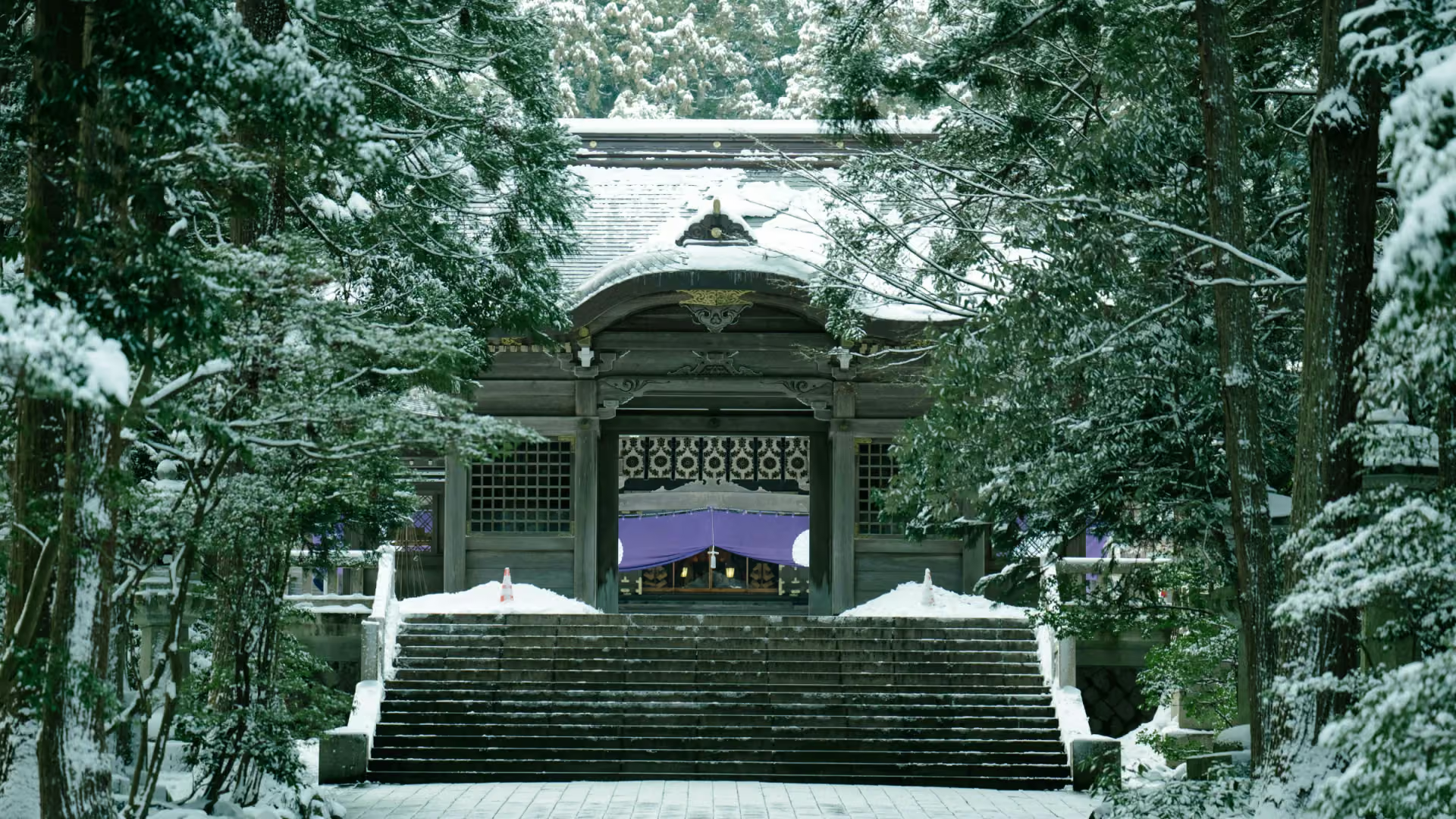
The springs of Naruko are tied to a great eruption in 837. Onsen Shrine (温泉神社) was built to calm the hot water the eruption brought up, and it is listed in the shrine register of the Engishiki, compiled in the 10th century. It enshrines gods of matchmaking, children and safe childbirth. At its festival each September, spring water is offered to the gods, sumo bouts are dedicated, and old kokeshi dolls are given a memorial service.
Higashi-Naruko has long been a toji (湯治) village, where people stayed to bathe as a cure, and in the Edo period it had a goten-yu (御殿湯), a bath kept for the Date family, lords of Sendai. Kawatabi was known in an old saying as the Kawatabi for beriberi, and its name for the cure is said to have reached the capital at Kyoto.
The springs
Of the ten water types used on Japanese hot spring notices, seven are found across the five areas. The slippery alkaline water of Nakayamadaira is called unagi-yu, eel water, and is known as a bath for the skin. Onikobe lies inside a quasi-national park above the lake of Naruko Dam, with a geyser and Jigokudani, the hell valley, nearby.
Naruko has two public baths. Takinoyu (滝の湯) is built entirely of hiba wood, with a large and a small tub on each side, and its water is an acidic sulphur spring of pH 2.9. Waseda Sajikiyu (早稲田桟敷湯) stands on a spring struck in the summer of 1948 by seven students of Waseda University drilling on a geology and mining course; its building has walls of yellow plaster.
Kokeshi and lacquerware
Naruko kokeshi, the turned wooden dolls of the area, date from about 200 years ago, in the Bunka and Bunsei eras. The head is fitted into the body by kubiire (首入れ), so that it squeaks when turned, and about 50 craftsmen still make the dolls by hand. They were designated in 1981 as part of the traditional kokeshi of Miyagi, and the Japan Kokeshi Museum in Naruko holds about 5,000 of them.
Naruko lacquerware is said to date from the Kan'ei era, more than 350 years ago, and was designated a national traditional craft in 1991.
Getting There

Planning a trip? Fit this into a trip and Oni plans the rest around it.
Places nearby
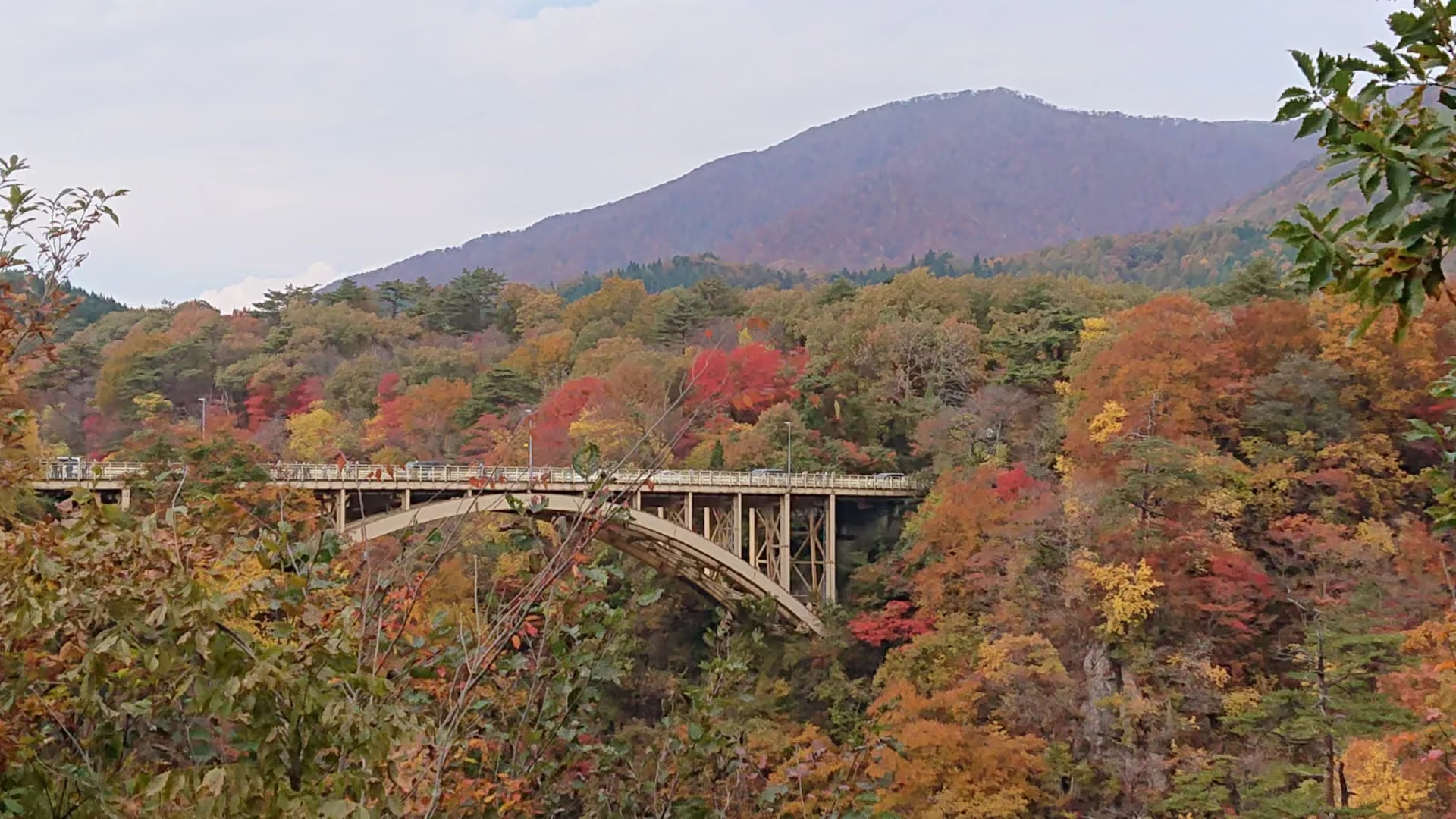
Naruko Gorge
A gorge in Miyagi cut a hundred metres deep by the Otani River, with riverside paths open from late April to late November.
Osaki · MiyagiYou might also like

Sakakibara Onsen
Hot spring area in Tsu, Mie, praised in The Pillow Book and once a place where pilgrims purified themselves before visiting Ise Jingu.
Tsu · Mie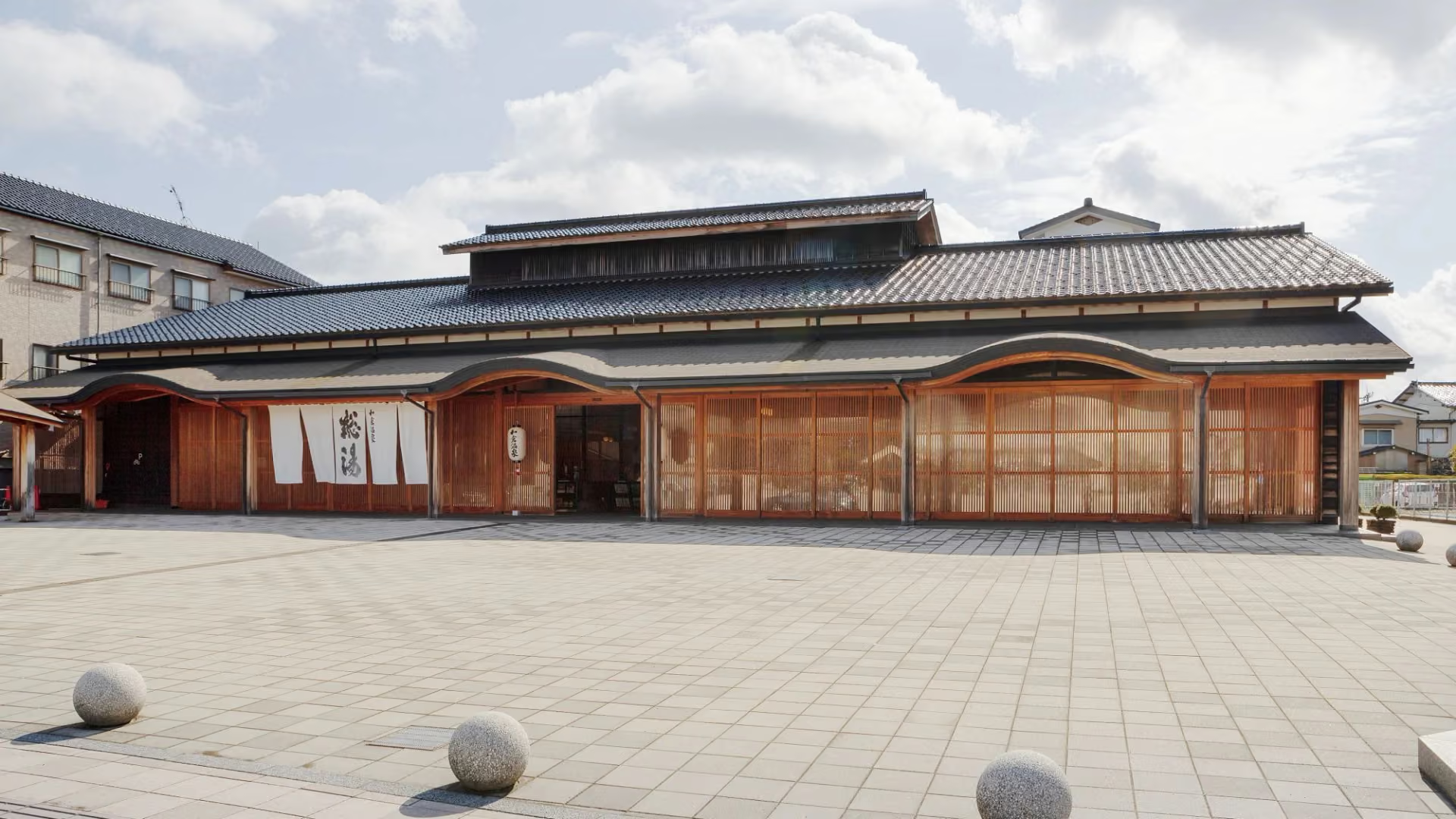
Wakura Onsen
A hot spring town on Nanao Bay, said to date back about 1,200 years, with a salty spring that once rose from the sea and a white heron founding legend.
Nanao · Ishikawa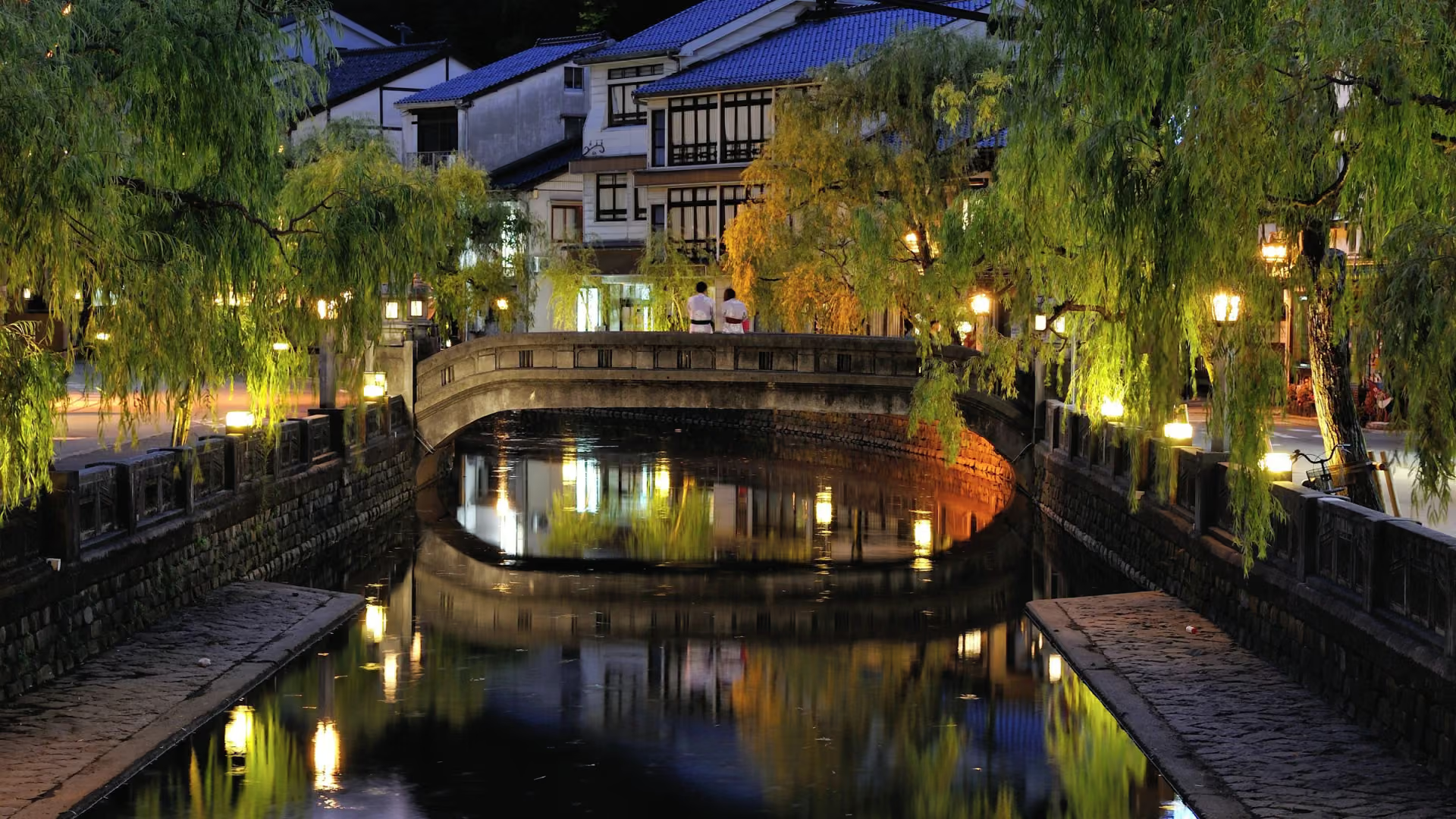
Kinosaki Onsen
A hot spring town in northern Hyogo with a recorded founding in 720, seven public bathhouses and streets where guests walk in yukata.
Toyooka · Hyogo
Sendai Christmas Market
A German-style Christmas market in central Sendai, with wooden huts shipped from Germany, mulled wine, a tall Christmas tree and concerts on winter evenings.
4–25 Dec 2026Sendai · Miyagi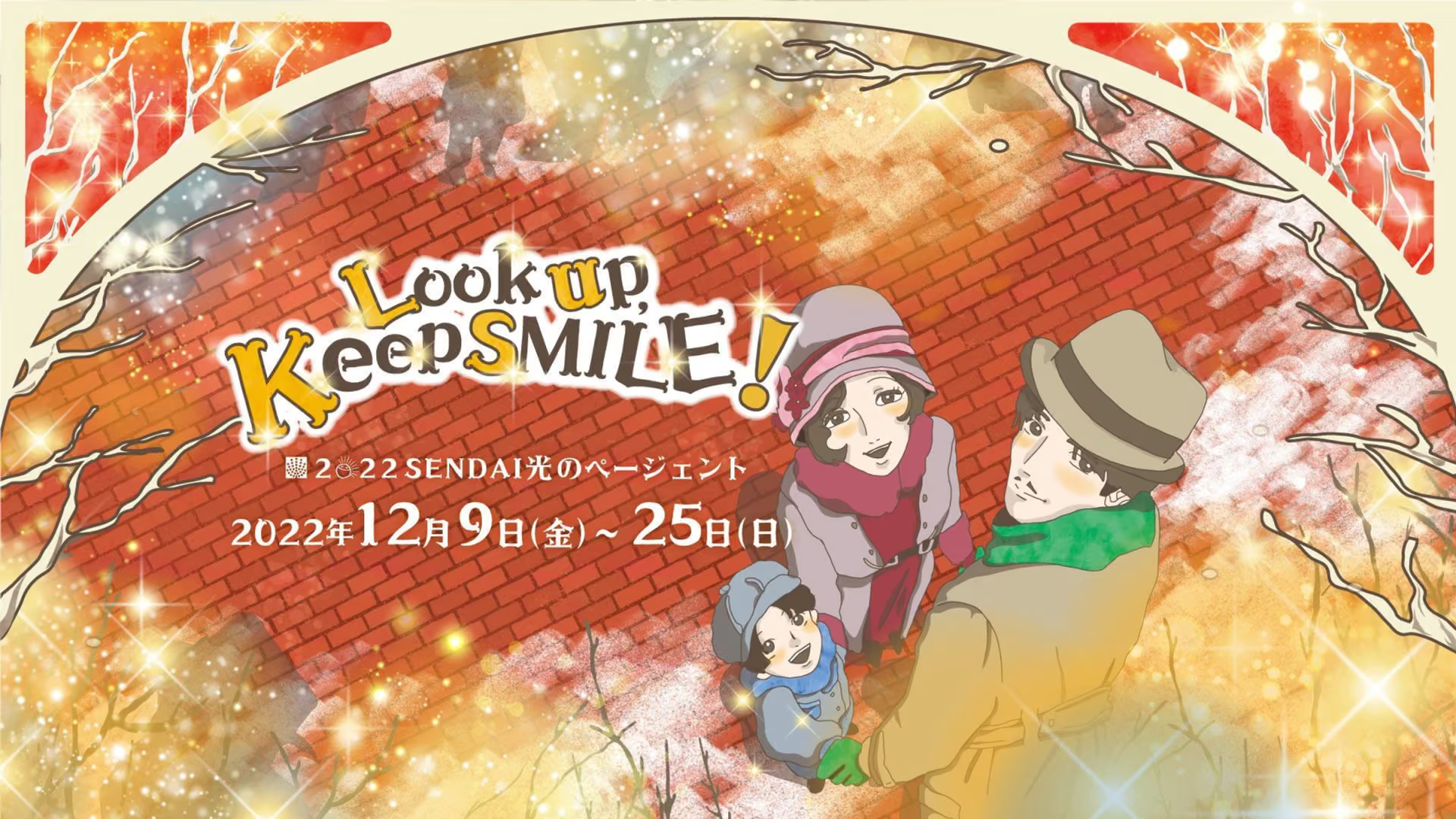
SENDAI Pageant of Starlight
About 480,000 LEDs light the 127 zelkova trees of Jozenji-dori in central Sendai each December, and several times a night the lights go out for a minute.
4–27 Dec 2026Sendai · Miyagi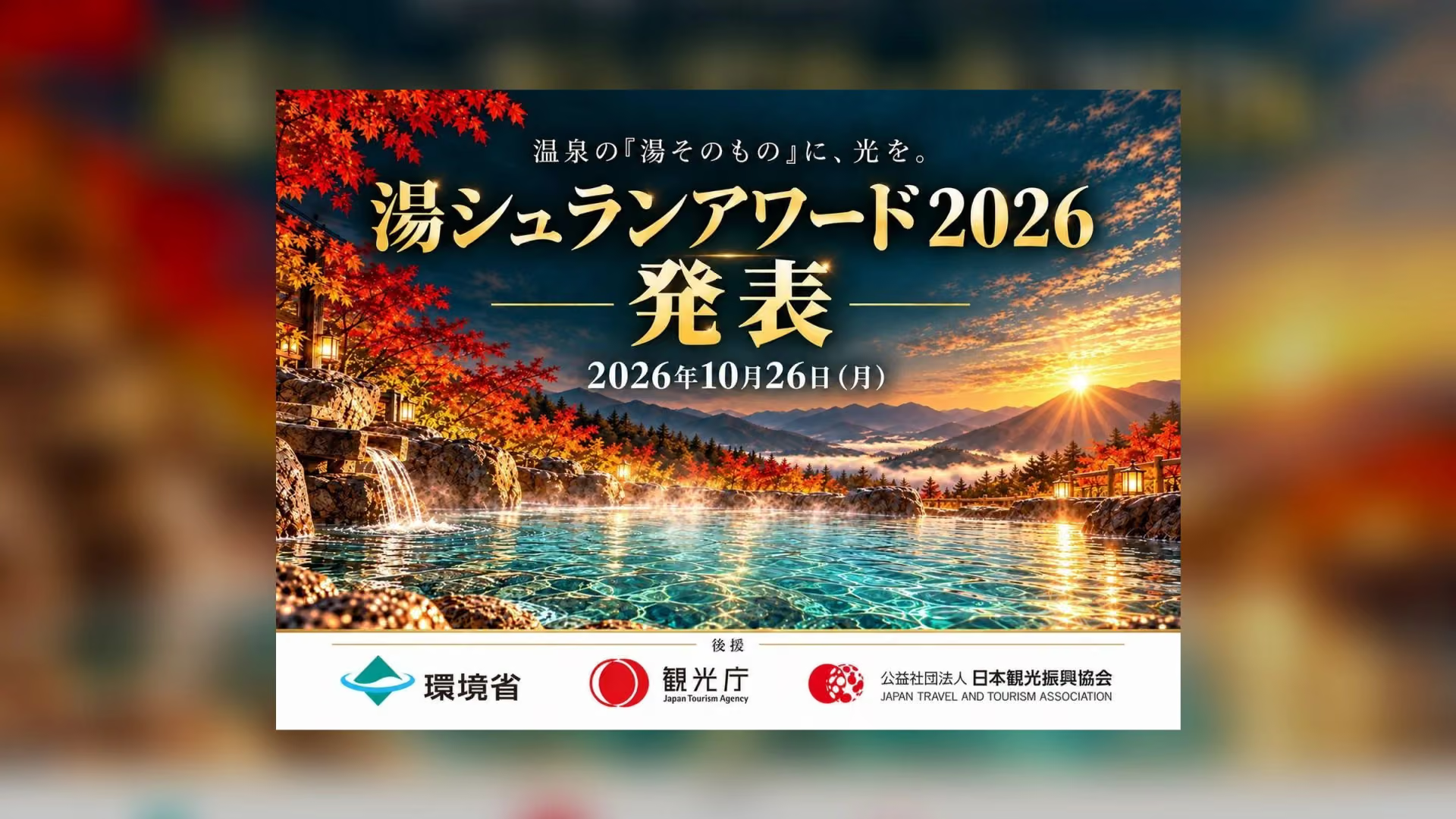
Yuchelin 2026: Japan's 21 Three-Star Onsen
Yuchelin, a new rating for Japanese hot springs, judges the water itself. Its first three-star list names 21 onsen, from Hokkaido to Yakushima.
2026/10/27