Saimyo-ji
西明寺
Tendai temple in Kora with National Treasures and a scenic garden; Buddhist paintings found on its main hall pillars in 2019 may date to the Asuka period.
〒 522-0254How to get there
多賀大社前Ohmi Railway Taga Line77 min walk from the station
Saimyo-ji, also known as Koto-sanzan Saimyoji or Ryuozan Saimyoji, is a Tendai sect Buddhist temple located in Kora town. It worships Yakushi Nyorai, the Buddha of healing, as its honzon. The temple was established during the early Heian period and is part of the Koto-sanzan group, alongside Kongorin-ji in Aisho and Hyakusai-ji in Higashiomi. The temple complex features National Treasures and a garden designated a National Place of Scenic Beauty.
The exact founding date of Saimyo-ji is unclear, with the temple's website claiming it was established in 834 AD under Emperor Ninmyo, but no historical evidence exists to support this.
In 2019, an infrared survey discovered ancient paintings of Buddhist figures on the pillars in front of the Yakushi Nyorai statue in the Main Hall. The paintings, possibly made in the late Asuka period, may be among Japan's oldest Buddhist art and suggest that the temple may be older than previously believed.
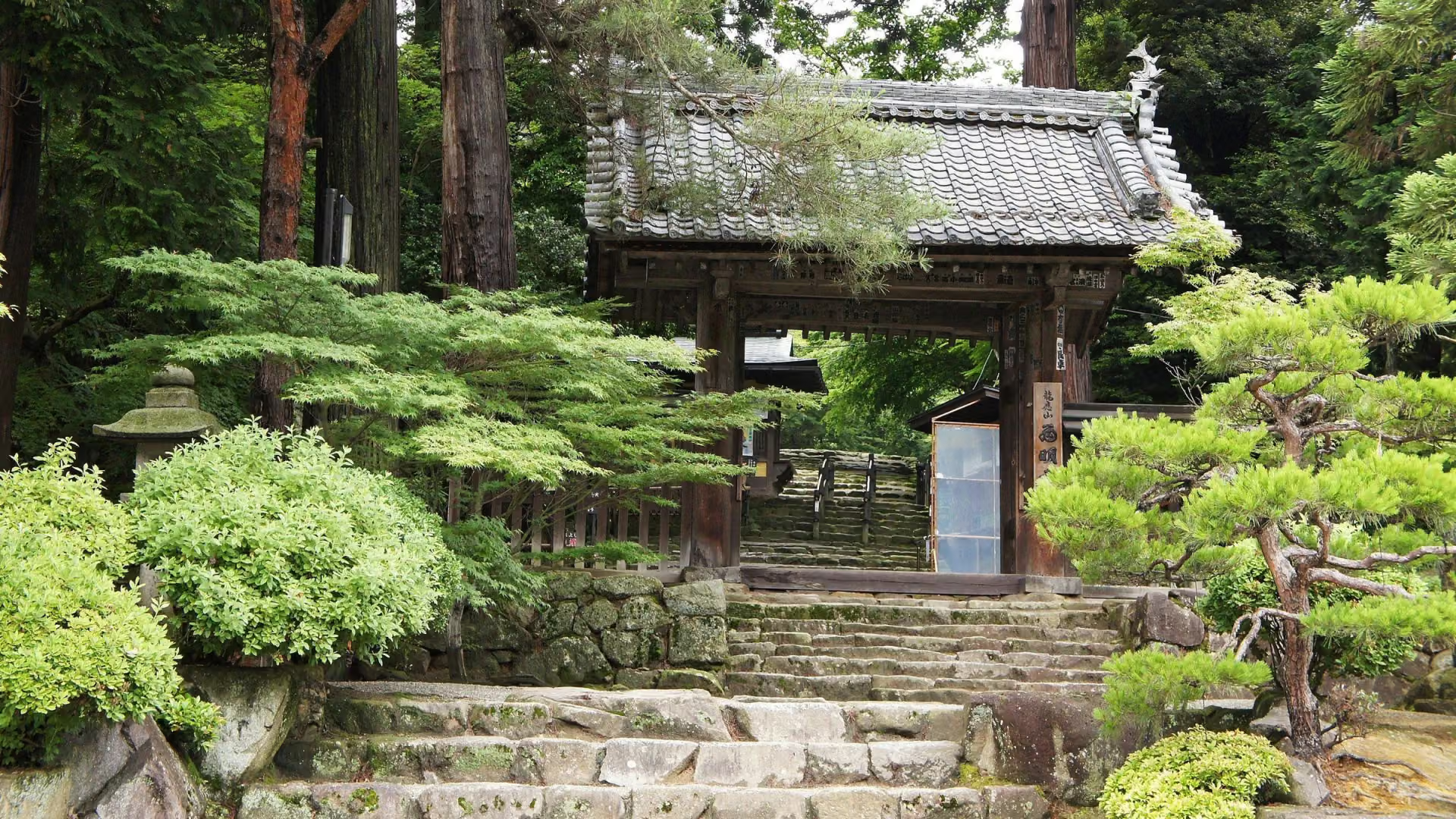
Nitenmon gate
The Niomon, also known as the Nitenmon, is an old gateway to the temple enclosure. Dating back to 1407 from the Muromachi period, it serves as the entrance and is referred to as "the gate of the two celestial kings." The gate is made of wood in the hakkyakumon style and has a roof in the irimoya style. It houses wooden statues of Zojo-ten, the guardian of the south, and Jikoku-ten, the guardian of the east, who represent two of the Four Heavenly Kings. In 1911, the Saimyo-ji Nitenmon was recognized as an Important Cultural Property.
Main Hall
The Hondo, also known as the Ruriden, is the main hall of the temple and dates back to the end of the Kamakura period. This wooden structure, made of hinoki cypress without any nails, is designated as a National Treasure. It covers an area of around 160 square meters and holds wooden sculptures, statuettes, terracotta miniatures from the Muromachi period, as well as several nationally significant cultural objects.
Three-story pagoda
The Saimyo-ji complex features a 24 meter tall, three-story Japanese style pagoda, known as a sanjunoto, measuring 3 ken by 3 ken. Built towards the end of the Kamakura period by carpenters from the Hida region, the pagoda is made entirely of Japanese hinoki cypress wood, without the use of nails. The first floor of the pagoda displays murals by Kose school painters depicting the Lotus Sutra, a fundamental text in the Tendai branch of Japanese Buddhism, as well as Dainichi Nyorai and his 32 attendants. These are the only surviving Kamakura period murals. This architectural gem from the Kamakura period has been a National Treasure since 1952.
Honbo Garden
Getting There

Planning a trip? Fit this into a trip and Oni plans the rest around it.
Places nearby
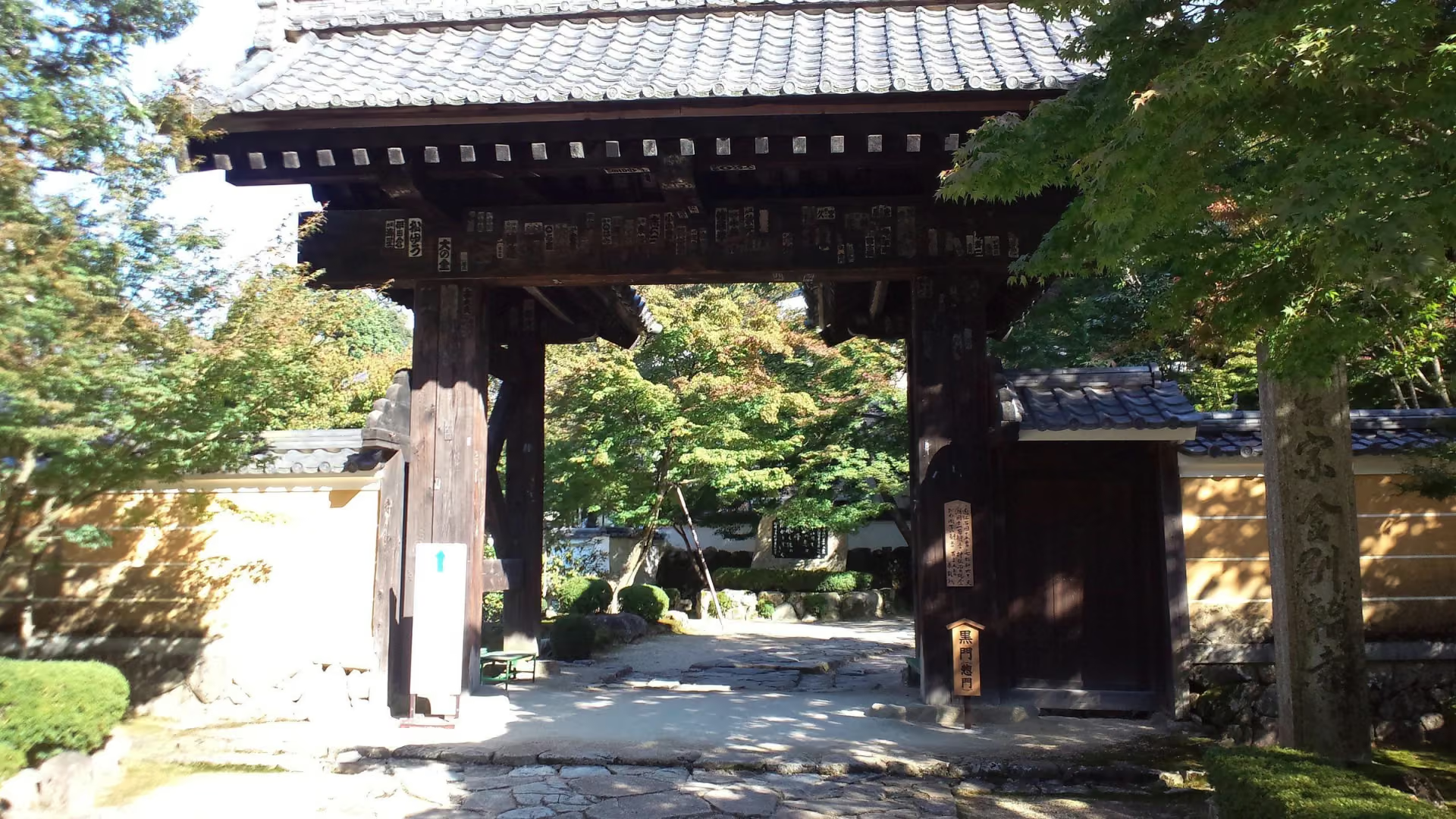
Kongorin-ji
A Tendai sect Buddhist temple founded in the early Heian period, housing a National Treasure main hall with Heian-period statues and garden.
Aisho · ShigaYou might also like
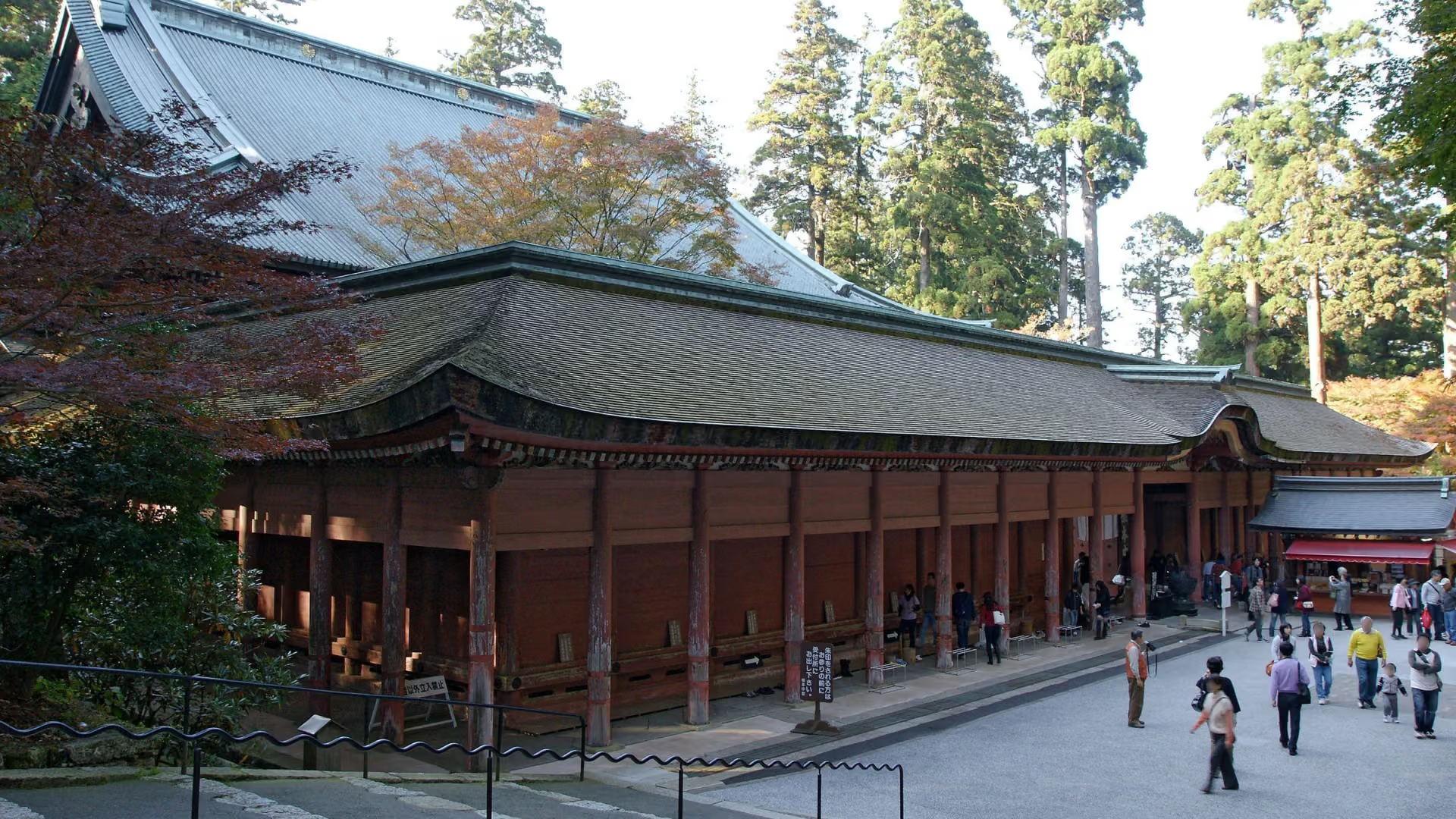
Enryaku-ji
Founded in 788 by Saicho, this Tendai Buddhist headquarters on Mount Hiei hosts the famous kaihogyo practice and is part of a UNESCO World Heritage site.
Otsu · Shiga
Kennin-ji Temple
Kennin-ji, located in Kyoto's Gion district, is the oldest Zen temple in the city, founded in 1202 as the head temple of the Rinzai Zen Buddhism branch.
Kyoto
Kotoku-in
A Buddhist temple in Kamakura housing the Great Buddha, a monumental copper statue of Amida Buddha cast in the 13th century.
Kamakura · Kanagawa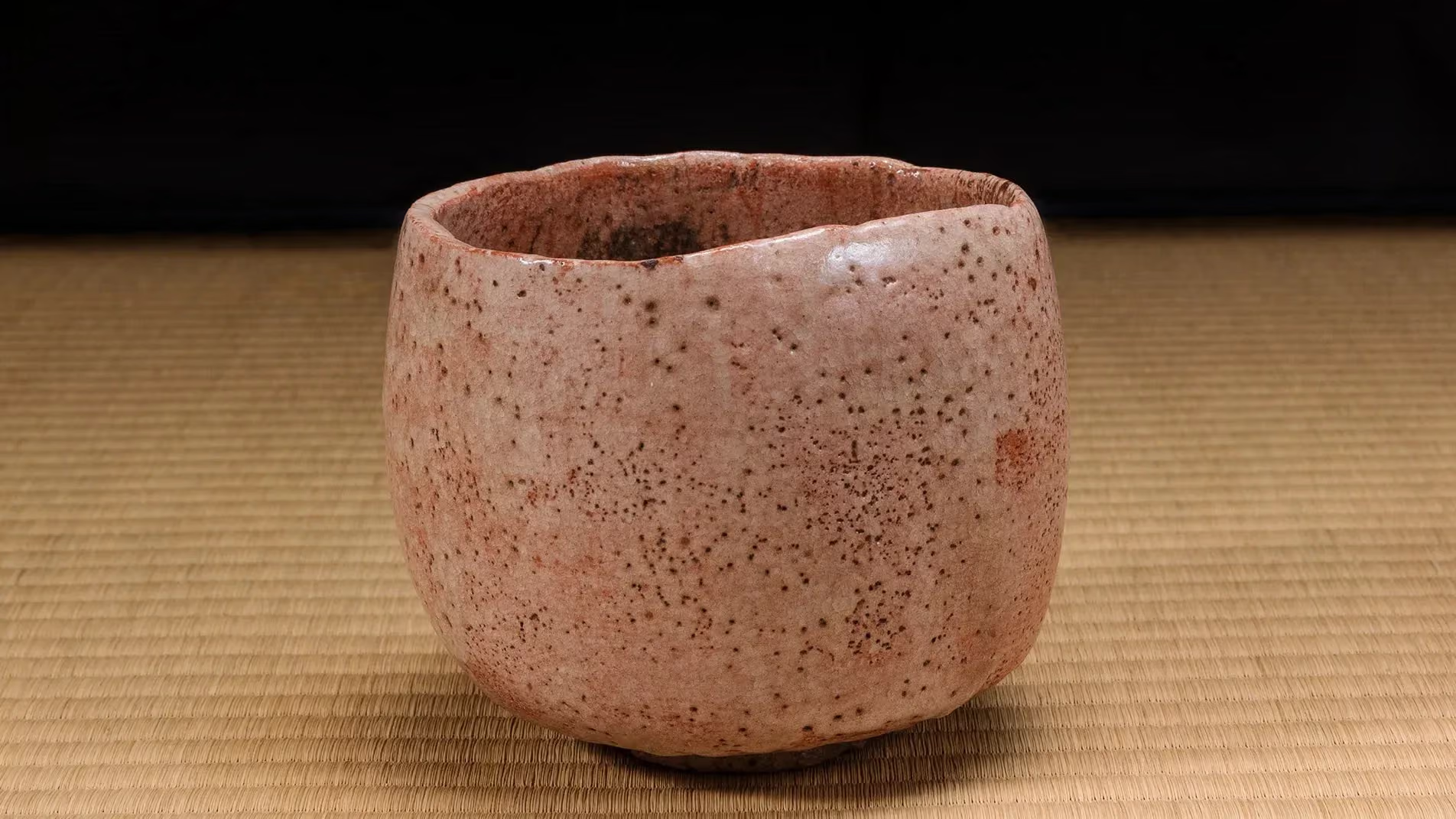
Hyakusaiji Temple and the Buddhist Art of Omi
An autumn exhibition in Shiga where the hidden image of Hyakusaiji, an eleven-headed Kannon of the 8th century, leaves the temple for the first time.
26 Sep – 6 Dec 2026Koka · Shiga
Kaikai Yokai Festival
Uzumasa Kyoto Village (Toei Kyoto Studio Park) fills with yokai every autumn: two evening parades, dance shows, daily yokai greetings and limited yokai food.
12 Sep – 29 Nov 2026Kyoto
Lake Biwa Fireworks
Kansai's spectacular summer fireworks over Japan's largest lake at Otsu, with shells fired low across the water and mirrored on its surface.
6 Aug 2027Exact date not confirmed yetOtsu · Shiga