

Experiencing Japan's Four Seasons Through Its Biggest Celebrations
Winter - blanket of snow and food for the soul

Tōji no Hi 冬至の日 - December 21st or 22nd
Tōji no Hi, or Winter Solstice Day, is a traditional observance with deep cultural and historical significance. Celebrated around December 21st or 22nd each year, this event marks the shortest day and longest night of the year as winter officially begins.
Tōji no Hi has its origins in ancient agricultural practices when people relied on the changing seasons for their livelihoods. It is a time to appreciate the return of longer daylight hours and the promise of warmer days ahead, symbolically representing the triumph of light over darkness.
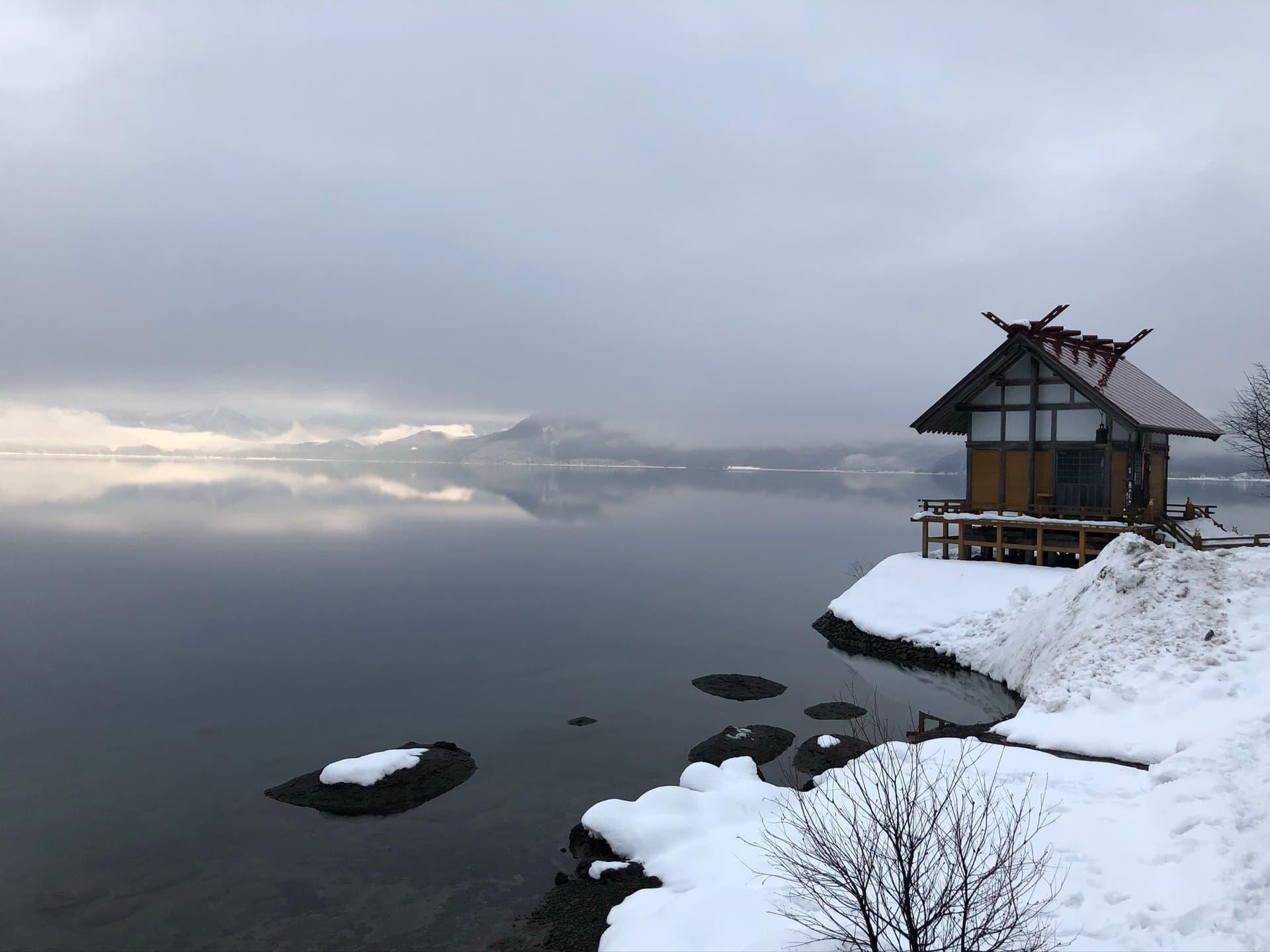
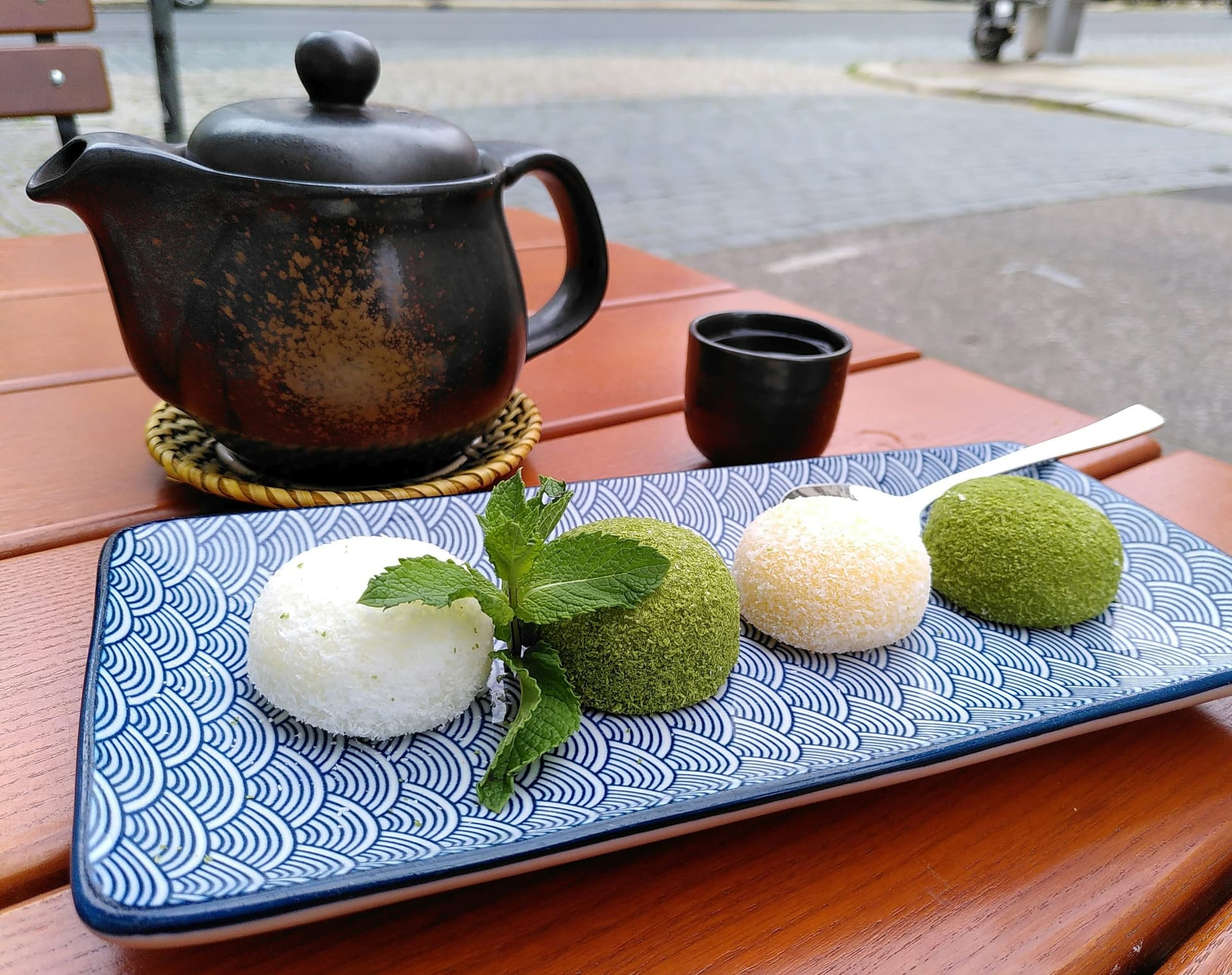
One of the most well-known customs associated with Tōji no Hi is the consumption of Daifukumochi (大福餅) or Kagami mochi (鏡餅) - mirror rice cake. Daifukumochi consists of a small round mochi stuffed with a sweet filling, most commonly Anko (餡子), a sweetened red bean paste made from Adzuki beans. Kagami mochi, on the other hand, is a traditional decoration consisting of two stacked rice cakes topped with Daidai (橙) - an Asian variety of bitter orange, symbolising a mirror. These dishes are believed to bring good luck, health, and prosperity to the household.
In some regions of Japan, people also take part in rituals that involve taking baths with Yuzu (柚子), a type of citrus fruit. The act of taking a Yuzu bath, known as Yuzuyu (柚子湯), is believed to ward off winter illnesses and provide relaxation.
Ōmisoka 大晦日 - December 31st
Ōmisoka (New Year's Eve) is a time for reflection, preparation, and celebration. Many people use this day to clean and tidy their homes thoroughly, a practice known as Osōuji (お掃除), to welcome the new year with a fresh start. This tradition symbolises the removal of the old year's impurities and making way for new blessings.
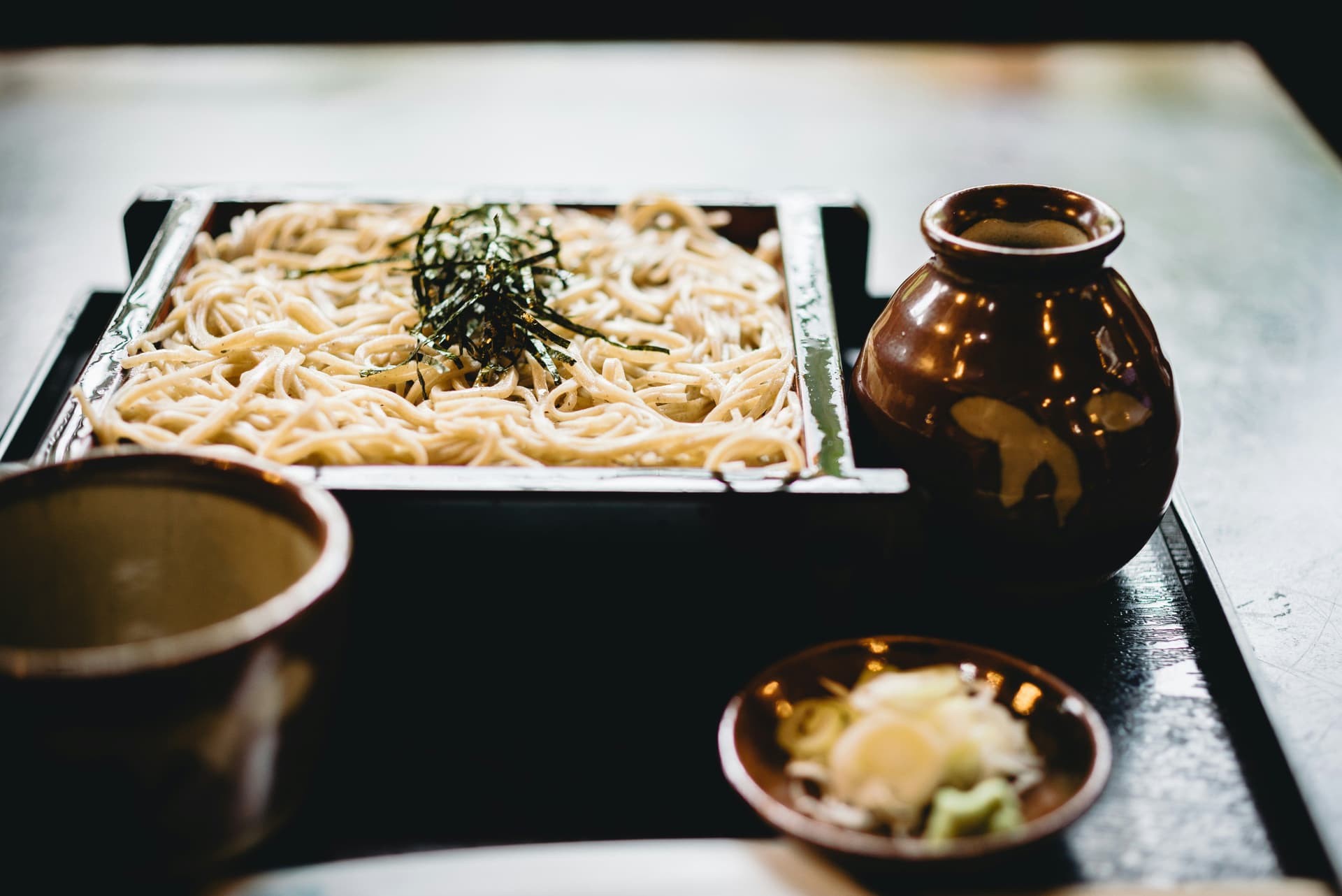
One of the central customs on Ōmisoka is the ringing of temple bells, known as Joya no Kane (除夜の鐘). Another essential aspect of Ōmisoka is the traditional year-end meal called Toshikoshi soba (年越し蕎麦), which consists of buckwheat noodles eaten just before midnight. It is believed that by consuming these long, thin noodles, one can let go of the hardships of the old year and transition smoothly into the new one.
At the stroke of midnight, people exchange greetings by saying "Akemashite omedetō gozaimasu" (あけましておめでとうございます), which means "Happy New Year”. Families often visit shrines or temples during the first few days of the new year to pray for health, happiness, and prosperity.
Gantan 元旦 - January 1st
On Gantan (New Year's Day), many Japanese people participate in the practice of Hatsumōde (初詣), which involves visiting Shinto shrines or Buddhist temples to pray for health, happiness, and good fortune in the upcoming year. These visits are often made shortly after midnight or during the first few days of January.
Another essential custom on Gantan is the traditional Japanese New Year's meal, known as Osechi Ryōri (お節料理). Osechi Ryōri consists of an assortment of beautifully arranged dishes, each with symbolic meaning, such as good luck, longevity, or prosperity.
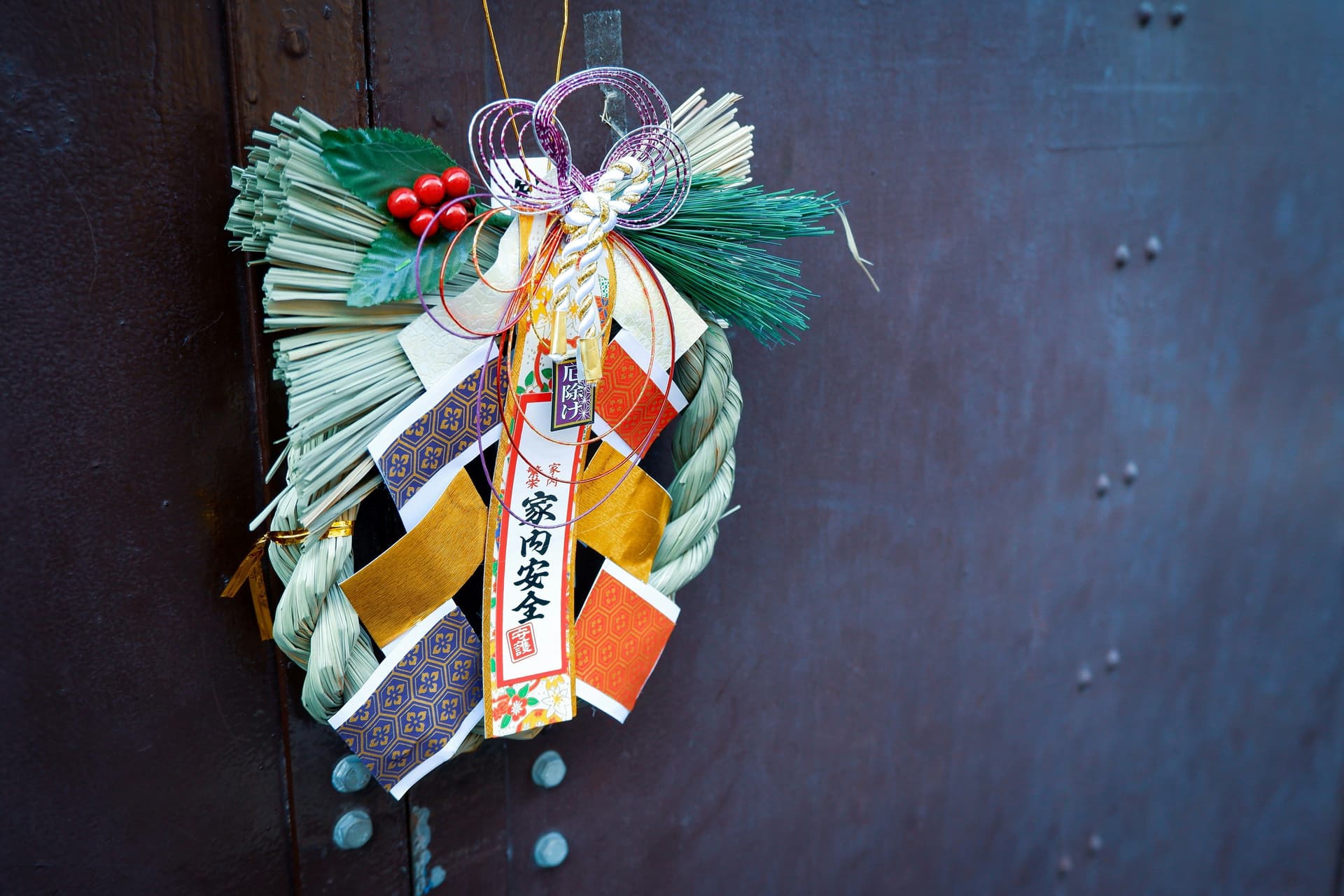
Many people also engage in the tradition of sending Nengajō (年賀状), which are New Year's greeting cards, to friends, family, and colleagues. These cards often feature the zodiac animal of the coming year and well-wishes for a prosperous year ahead.
Fireworks displays, particularly in major cities like Tokyo, are a common way to celebrate the arrival of the new year with a spectacular show of lights and colours. Counting down to midnight with loved ones and watching the first sunrise of the year are also cherished Gantan traditions.
Nanakusa no Sekku 七草の節句 - January 7th
Nanakusa no Sekku, or Festival of Seven Herbs, is one of Gosekku (五節句) - the five annual ceremonies that were traditionally held at the Japanese imperial court.
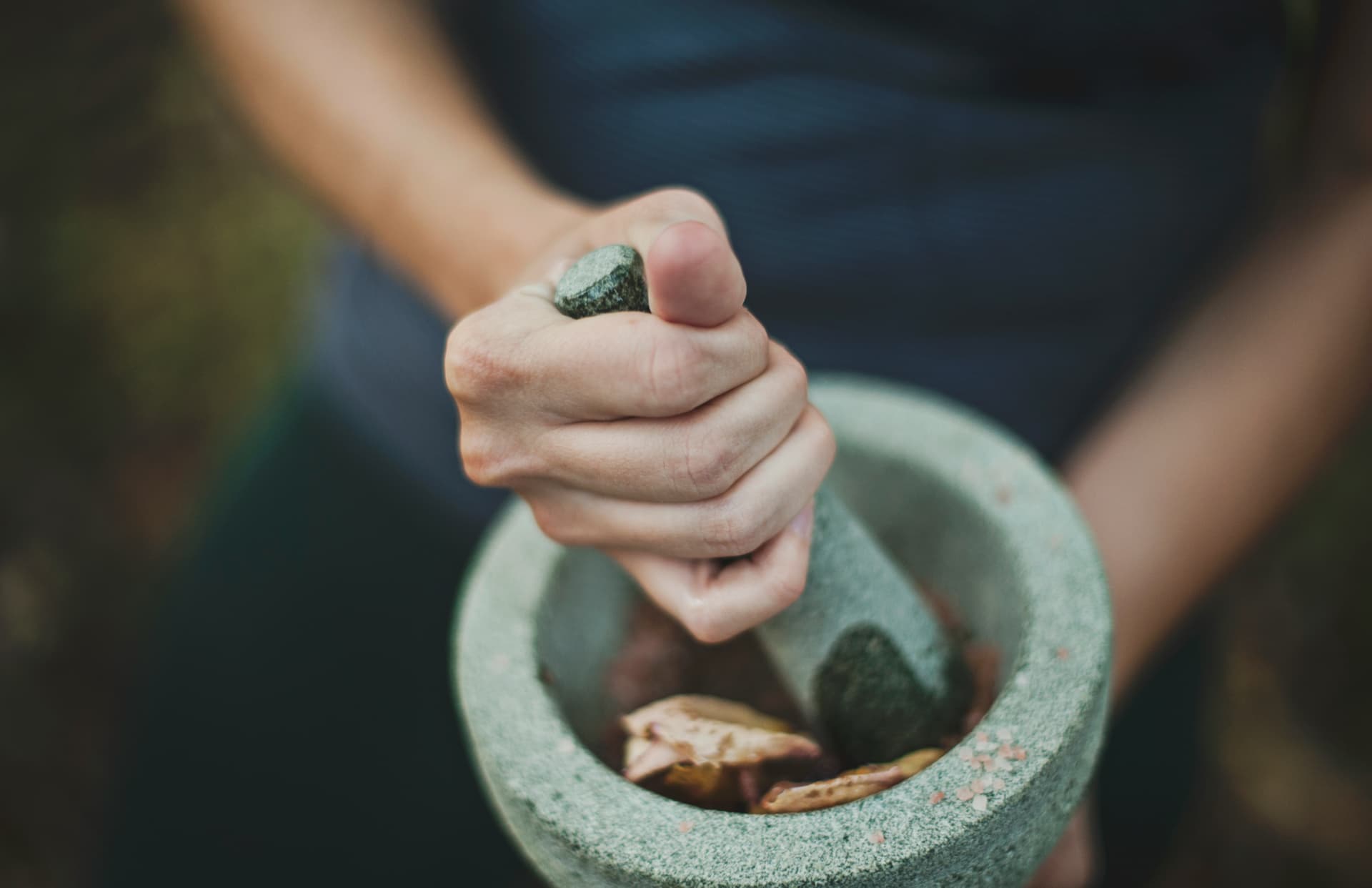
This tradition celebrates the beginning of spring in the old lunar calendar and involves the consumption of a special dish called Nanakusa-gayu (七草粥), or Seven Herb Rice Porridge. Nanakusa-gayu is prepared by simmering seven different edible herbs with rice. The seven herbs include Japanese parsley (芹, seri), shepherd's purse (薺, nazuna), cudweed (御形, gogyō), chickweed (繁縷, hakobera), nipplewort (仏の座, hotokenoza), turnip (菘, suzuna), radish (蘿蔔, suzushiro).
Families may also visit shrines or temples on this day to pray for good health and prosperity in the coming year. Nanakusa no Sekku is a cultural celebration that highlights the importance of seasonal ingredients and the connection between nature and daily life in Japan.
Kagamibiraki 鏡開き- January 11th
Kagamibiraki is a traditional Japanese ceremony that involves the opening of a specially prepared Kagami-mochi (鏡餅), a round rice cake decoration typically used during the New Year's season. Kagamibiraki takes place on January 11th, symbolising the breaking open of the Kagami-mochi to bring good fortune and prosperity for the year ahead.
The Kagami-mochi consists of two stacked round rice cakes, with the smaller one placed on top of the larger one and Daidai (橙) - an Asian variety of bitter orange, or other decorative items, such as fern leaves, inserted in between them. This arrangement resembles a mirror, which is why it is called Kagami-mochi (mirror rice cake).
During the Kagamibiraki ceremony, the Kagami-mochi is carefully broken open with a wooden mallet or by hand, and the rice cakes are cut into smaller pieces and shared with family members and guests. This act is believed to bring good luck, as it symbolises the breaking free from any hardships or obstacles in the new year.
The rice cakes from the Kagami-mochi are often used to prepare a dish called Zōni (雑煮), a traditional New Year's soup that varies in ingredients and preparation across different regions of Japan.
You might also like

Japan Game Awards 2026
Japan Game Awards 2026: "Pokemon Pokopia" takes the Grand Award, "Word Game" the Game Designers Award, and the Pokemon series a ministry honour for 30 years.
2026/09/15
Kaikai Yokai Festival
Toei Kyoto Studio Park brings Japanese yokai legends to life with parades, interactive dance experiences, workshops, and exhibitions celebrating supernatural folklore.
12 Sep – 29 Nov 2026Kyoto
Future Train Kyoto Diner & Cafe
Future Train on Kyoto's Umekoji viaduct is Japan's first restaurant on a disused railway, featuring a repurposed Limited Express Thunderbird train car.
Kyoto
Design Festa
With over 10,000 participating artists and 140,000 expected visitors, this open art event showcases original creations across diverse mediums and styles.
23–24 May 2027Tokyo
Daitsukemen Expo presents Ra-1 Grand Prix
A ramen battle at Okubo Park in Shinjuku: 64 shops founded within the last 15 years take turns over eight phases, and your votes decide who wins the ¥5,000,000 prize.
10 Oct – 15 Nov 2026Tokyo
Planet Aqua Port – UNDER WATER SPACE
Planet Aqua Port at Hirakata Park offers an immersive aquarium experience across ten themed zones combining live sea life with multimedia effects.
Osaka