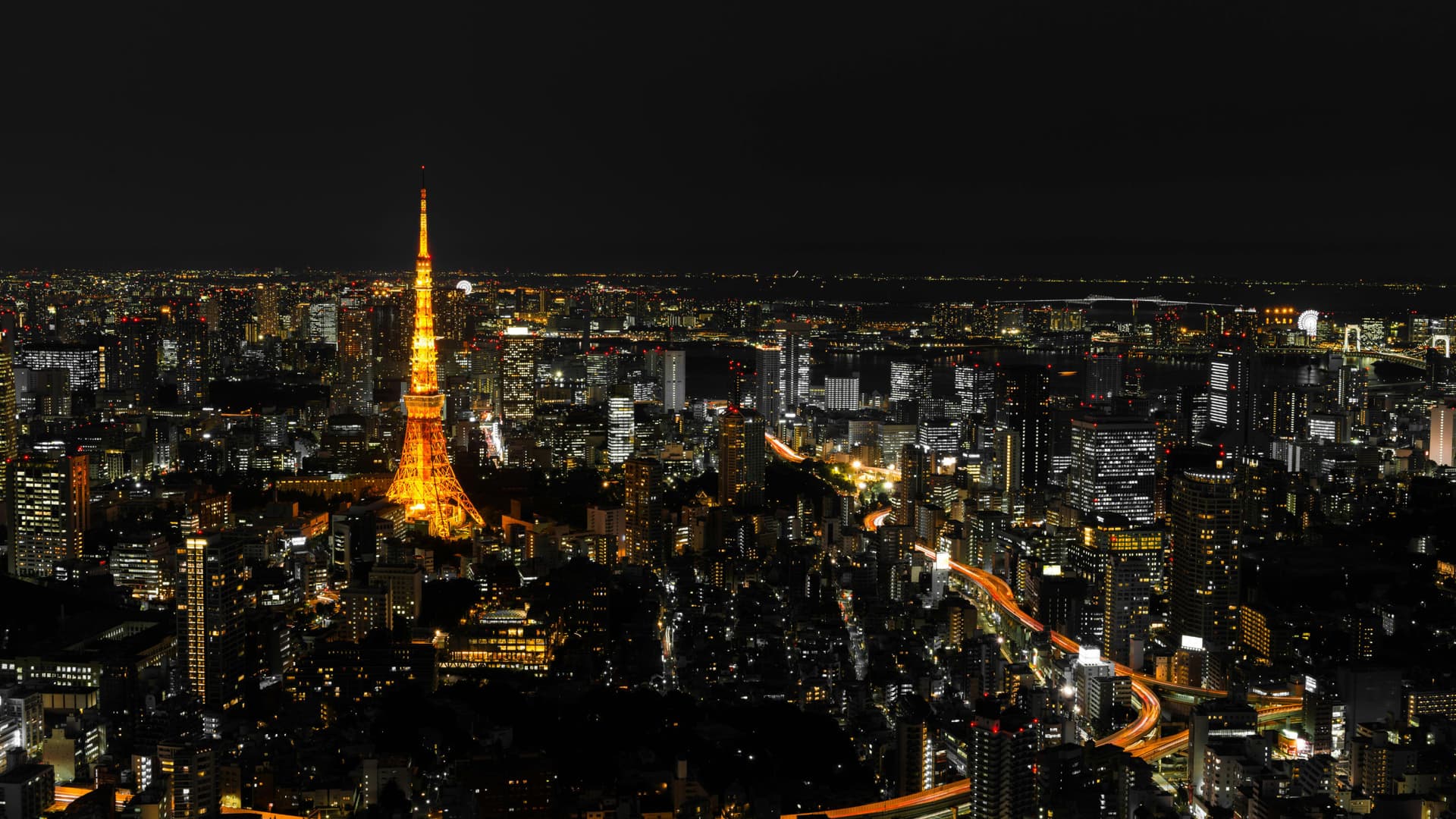
Ginza Goldfish Hyakka Exhibition
銀座の金魚百華展
The last special exhibition at Art Aquarium Museum Ginza before it leaves Ginza Mitsukoshi: goldfish tanks set among autumn leaves, wisteria and cherry blossom.
Last entry 18:00. Closed on Ginza Mitsukoshi's closing days, and on some days for maintenance.
〒 104-8212How to get there
銀座Ginza Line · Hibiya Line · Marunouchi Line · Yurakucho Line1 min walk from the station
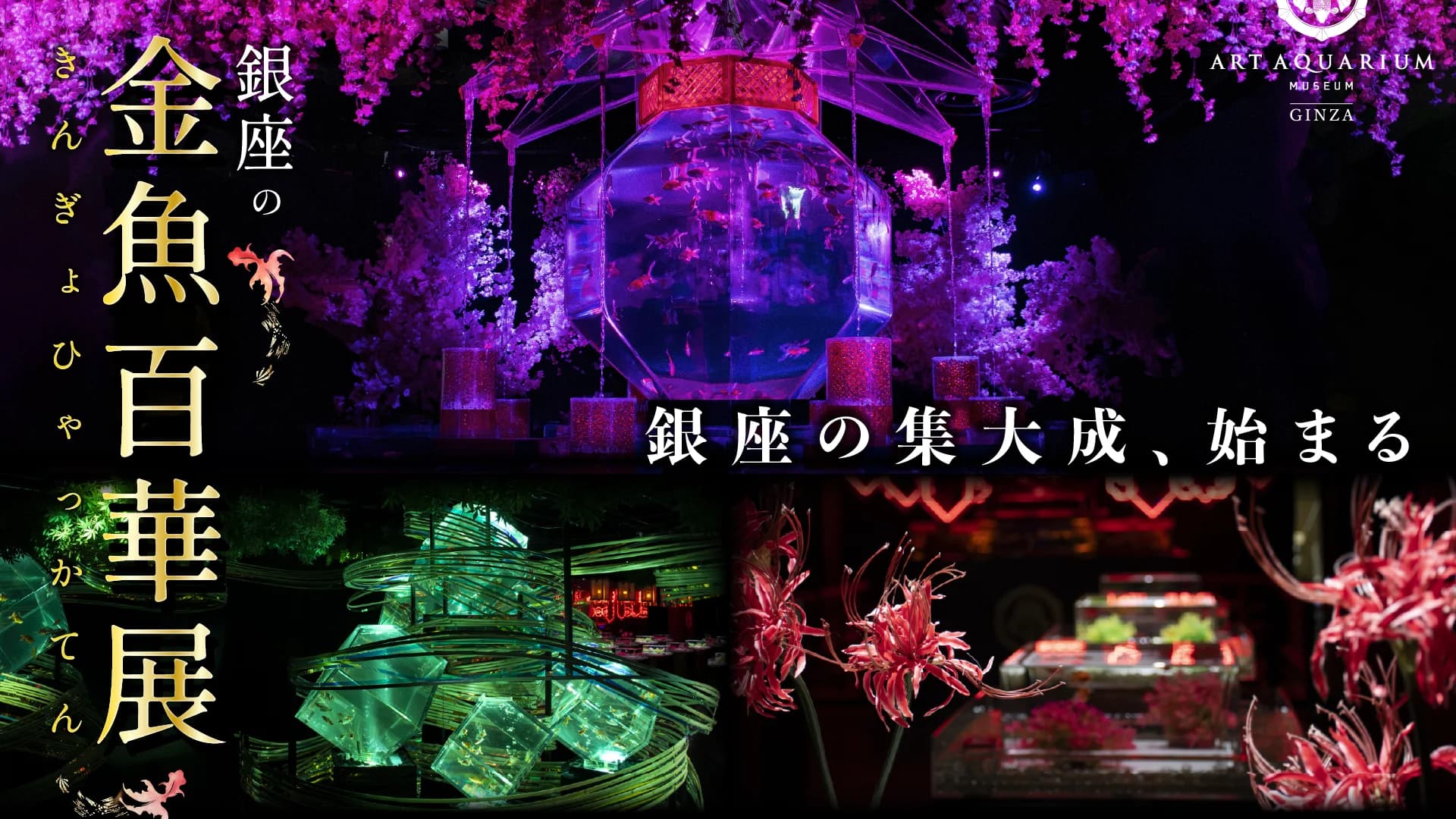
The Ginza Goldfish Hyakka Exhibition is the last special exhibition at Art Aquarium Museum Ginza, in the Ginza Mitsukoshi department store, before the museum closes its Ginza displays. Hyakka means "a hundred flowers". The exhibition brings together works made for the museum since it moved to Ginza in 2022, along with older pieces, in an autumn setting.
Art Aquarium presents tanks of goldfish as works of art, staged with light, scent and sound. It treats them as a modern form of goldfish viewing, a pastime that goes back to the Edo period. It began in Tokyo in 2007 as a series of temporary shows, opened its first permanent museum in Nihonbashi in 2020 and moved to Ginza in 2022. The organizers plan a new project for its 20th anniversary in 2027.
In Goldfish Stone Garden, from 2025, tanks shaped as blocks of water stand like the stones of a garden. Bamboo surrounds them in waves under green maple leaves. Kuma Kengo, who took part in making it, describes a large spiral of bamboo and acrylic at the center with three smaller spirals around it, answering the movement of the fish. In Goldfish Approach, columns of tanks set up like torii gates line a path of ginkgo and red spider lilies. Goldfish Corridor, produced by Hibiya-Kadan, is hung with wisteria, a flower said to ward off evil, over a floor of flowers in purple light. In the Goldfish Folding Screen Room, tanks in the shape of folding screens stand on a mirrored stage. Edo-period screen paintings and prints by Utagawa Kuniyoshi are projected onto them, so the goldfish swim through scenes of old Edo.
Several works are built around Oiran, the large tank most associated with Art Aquarium, named after the oiran, the highest-ranking courtesans of the Edo period. It appears under cherry blossom in Cho-Oiran -Yui- and in neon light in NEO Oiran. In Hanamai, the flower artist Kariyazaki Shogo fills the space around the Oiran tanks with flowers.
Getting There

You might also like

MAPPA EXPO 15th Anniversary
Fifteen years of MAPPA at the Yurakucho Museum this autumn, with original drawings and production art from 23 titles, three of them given their own areas.
16 Sep – 7 Dec 2026Tokyo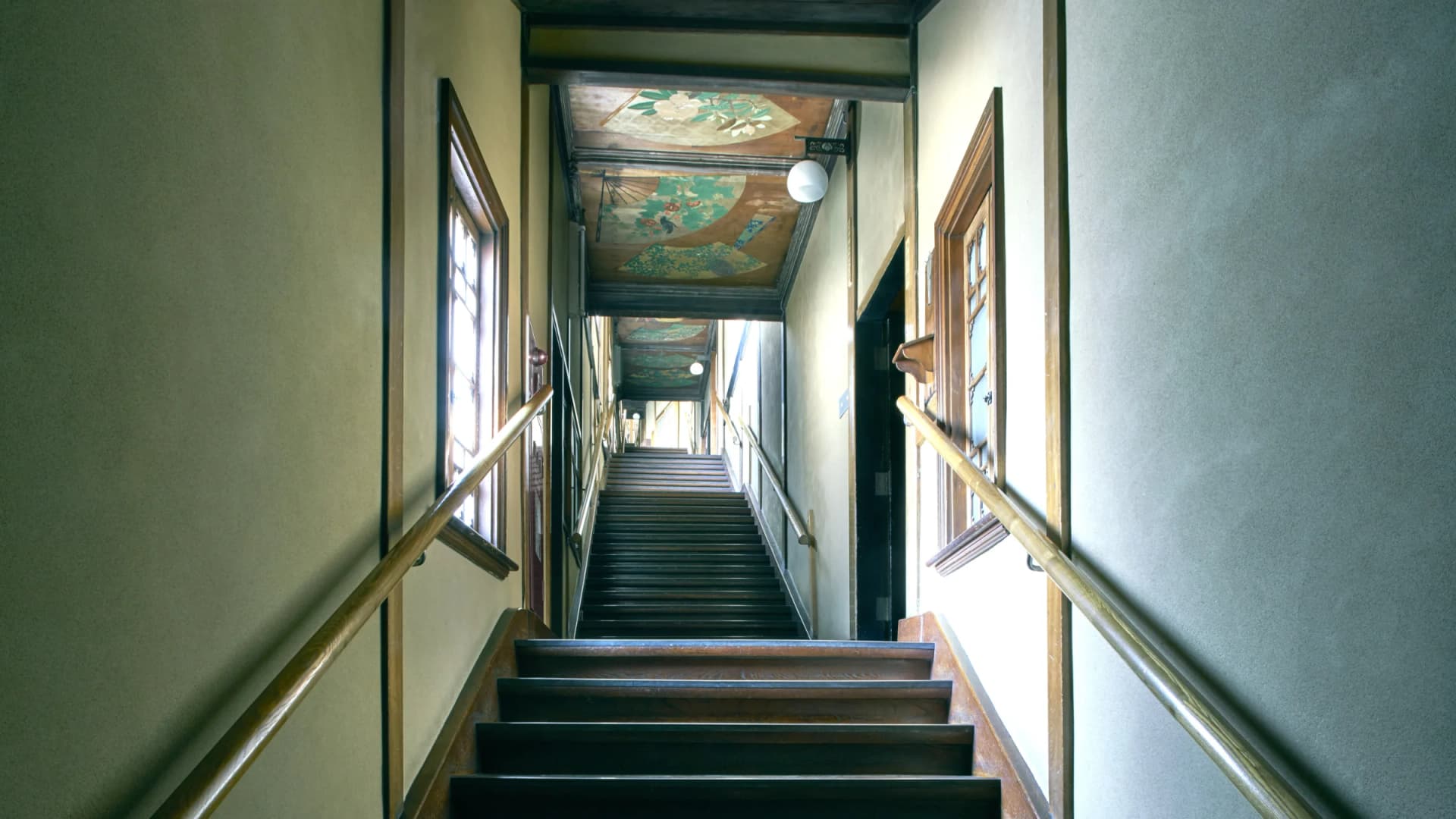
Hyakudan Kaidan Special Opening
A wooden building of 1935 in Meguro, Tokyo, with seven decorated banquet rooms up a staircase of 99 steps, opened for six months with almost nothing in it.
1 Oct 2026 – 30 Mar 2027Tokyo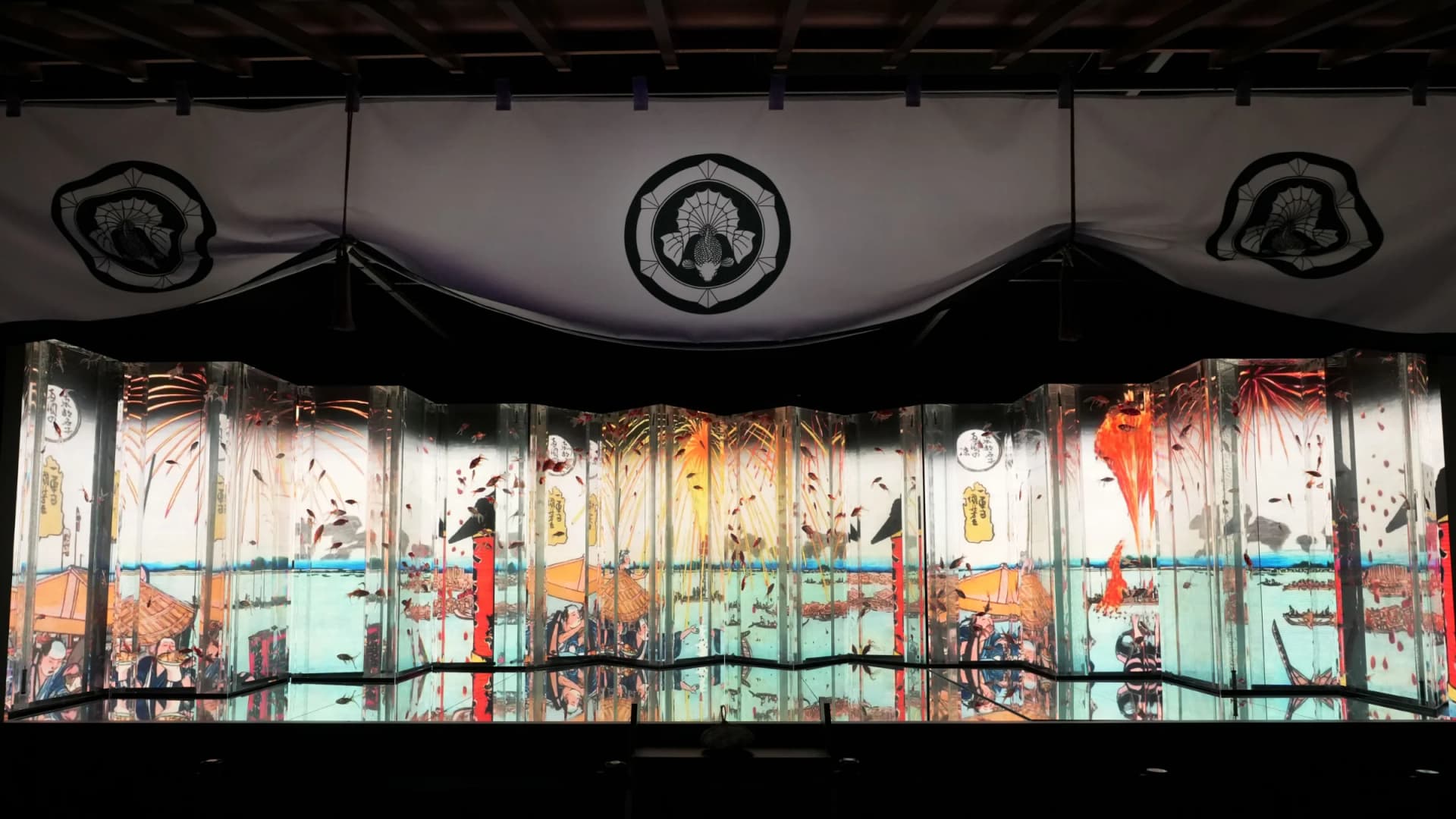
Goldfish and Edo Culture at ART AQUARIUM MUSEUM GINZA
A display inside the Ginza goldfish museum on how Edo townspeople kept and looked at goldfish, and how the fish reached the woodblock prints of the time.
From 14 Sep 2026Tokyo
teamLab Borderless: MORI Building DIGITAL ART MUSEUM
Wander through teamLab Borderless, where digital waterfalls part around your body and tea blooms with flowers inside your cup.
Tokyo
Nara Prison Museum
A Meiji-era red-brick prison (1908) and one of the Five Great Prisons with its original layout intact, now a museum operated by Hoshino Resorts.
Nara
Toei Animation Museum
The Toei Animation Museum celebrates the prolific Japanese studio behind Dragon Ball, Sailor Moon, One Piece, and other iconic anime series.
Tokyo