

Gokayama Mugiya Festival
五箇山麦屋祭り
The Gokayama Mugiya Festival features Mugiya-bushi, a folk song and dance tradition rooted in the Heike clan, designated as Japan's Intangible Folk Cultural Property.

The Gokayama Mugiya Festival is a traditional autumn festival held annually in Nanto City, Toyama Prefecture, primarily at Shimonashijinushi Shrine and nearby venues. The festival celebrates the local harvest and showcases Mugiya-bushi, a historic folk song and dance tradition passed down in the Gokayama region.
Toyama Prefecture is widely known as a “treasure house of folk songs”, and while Etchū Owara-bushi is nationally famous, Mugiya-bushi is another important example of the region’s musical heritage. Mugiya-bushi has been designated a Selected Intangible Folk Cultural Property of Japan, reflecting its historical and cultural value.
According to tradition, Mugiya-bushi is believed to have originated from members of the Heike clan who fled to the mountainous Gokayama area after their defeat in the Genpei War (12th century). Having abandoned their lives as warriors, they adapted to agricultural life and are said to have sung these songs during breaks from farm labor while reminiscing about the capital.
Festival performances feature dancers wearing formal montsuki hakama, white sashes, and carrying traditional hats. The dance style is characterised by precise, restrained movements and dignified posture, emphasising strength and discipline rather than decorative elegance. Performances are presented on stage by preservation groups and local performers.
A notable feature of the festival is its participatory nature. Visitors, including tourists, are invited to join beginner-friendly dance activities with guidance provided by members of local folk song preservation societies. The festival concludes with a round dance (wa-odori), in which performers, visitors, and staff dance together to live folk music, creating a sense of unity.
In addition to music and dance, the festival offers local food stalls featuring regional specialties and includes performances by younger generations, such as local high school folk arts groups.
You might also like

Okuma Kabuto Festival
Nanao's festival honors samurai heritage through a dramatic parade of locals dressed in full armor and helmets, accompanied by traditional music and dance performances.
20 Sep 2026Nanao · Ishikawa
The Spring Takayama Festival
A spring festival in Takayama showcases ornate floats with mechanical dolls and centuries-old craftsmanship, illuminated by lanterns during evening processions.
14–15 Apr 2027Takayama · Gifu
Johana Mugiya Festival
The Johana Mugiya Festival celebrates Mugiya-bushi, a historic folk song and dance rooted in Gokayama's rural heritage, with costumed dancers and traditional instruments.
20 Sep 2026Nanto · Toyama
Shin-Yokohama Ramen Museum
Opened in 1994 as the world's first ramen-themed food amusement park, this museum gathers famous ramen shops from across Japan in a single location.
Yokohama · Kanagawa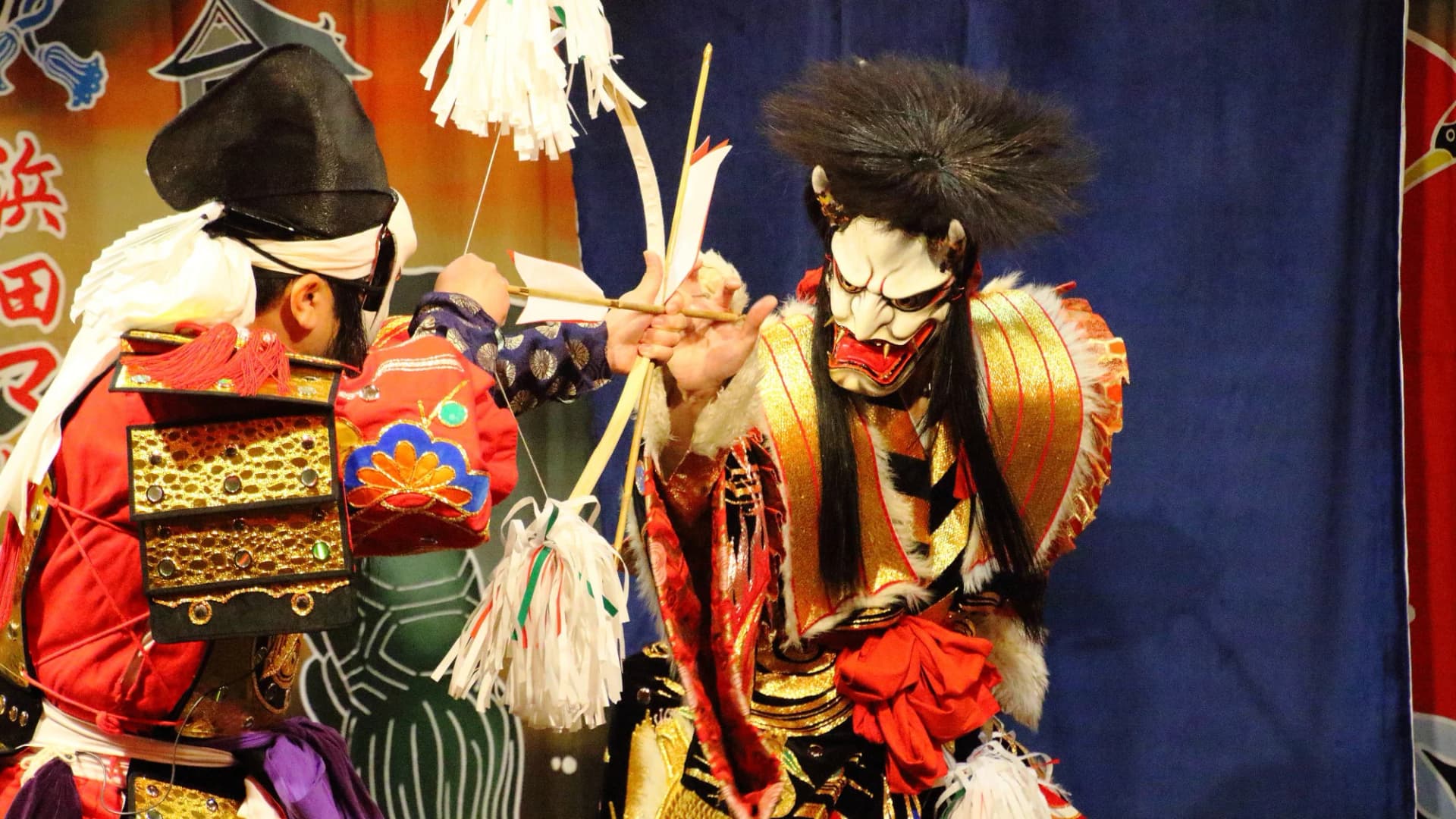
Iwami Kagura
Each autumn in western Shimane, shrine stages host Iwami Kagura – sacred dances performed through the night, from ceremonial pieces to a battle with a serpent.
Shimane · Chugoku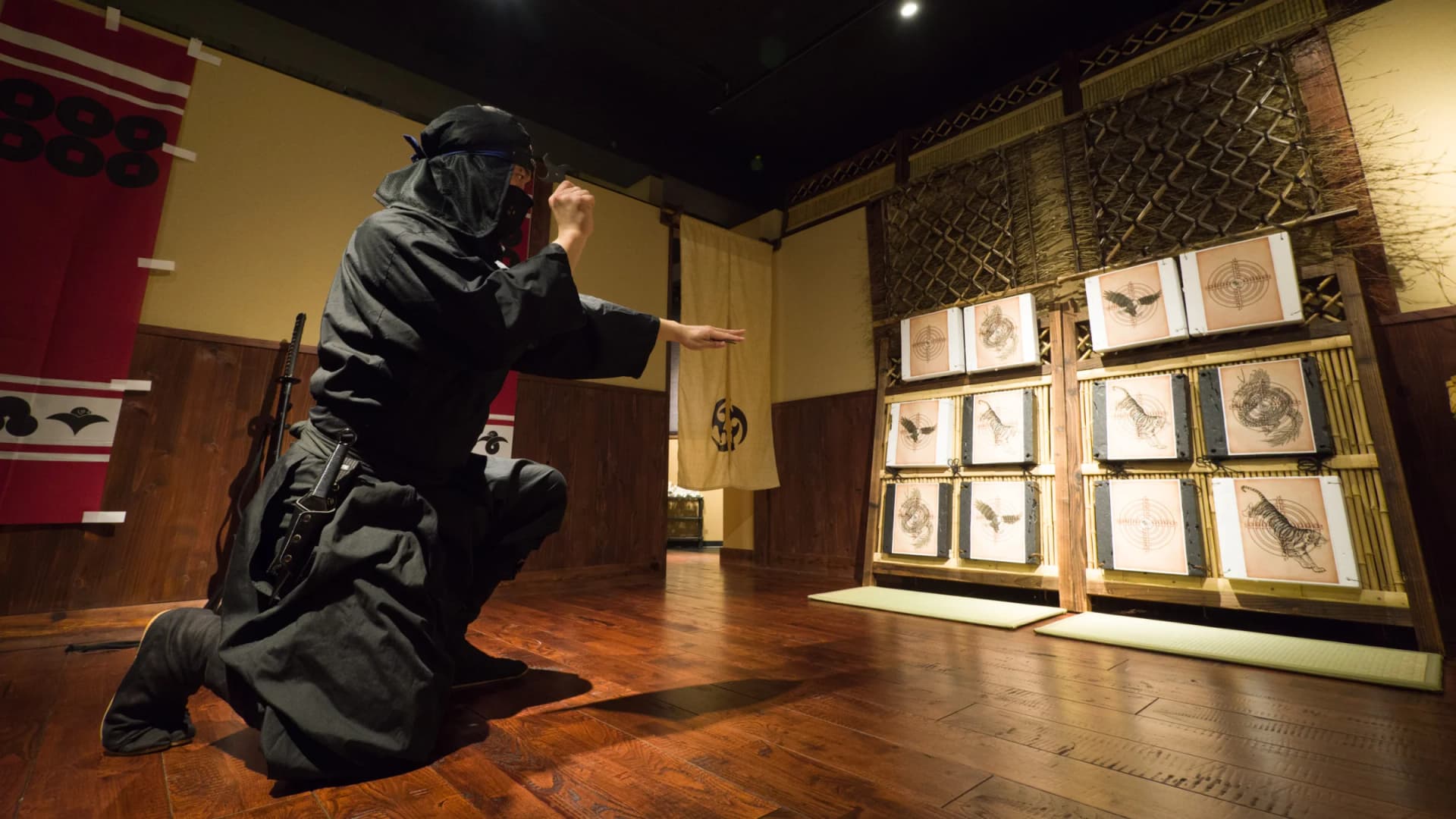
Ninja Trick House in Tokyo
A small ninja house in Kabukicho where visitors throw iron shuriken, draw a wooden sword and hunt for the tricks built into the walls.
Tokyo