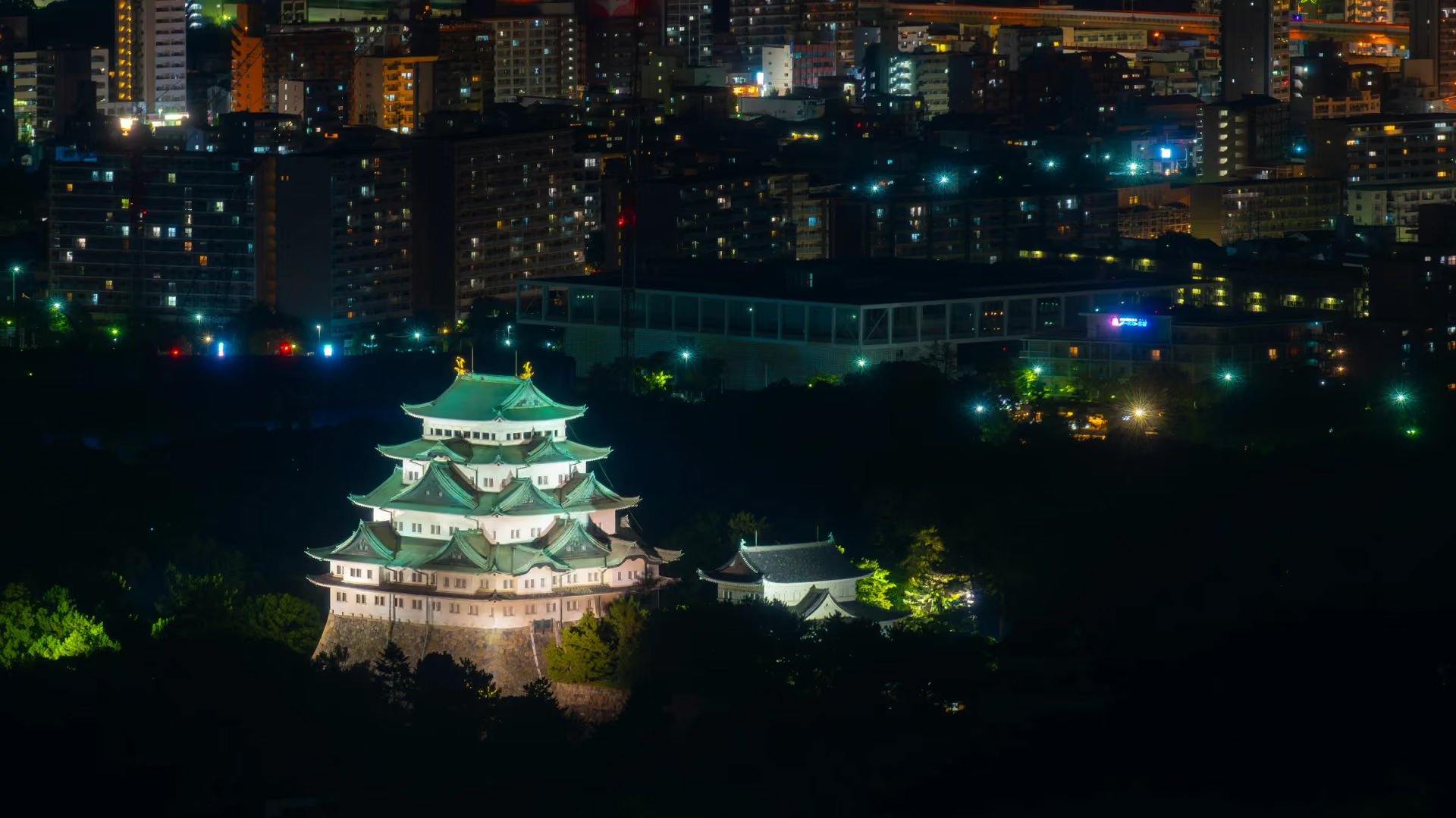
The Spring Takayama Festival
春の高山祭
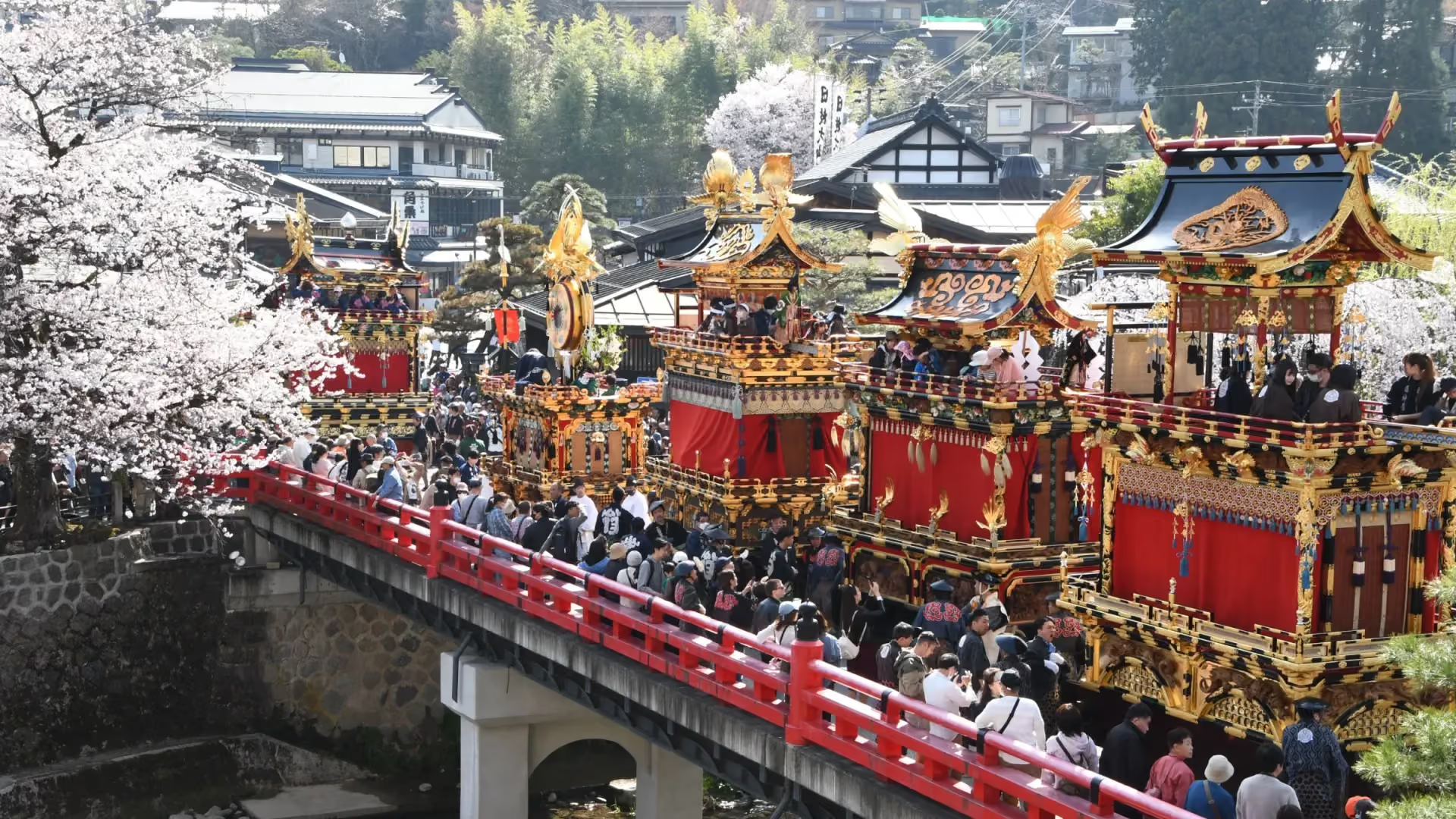
A spring festival in Takayama showcases ornate floats with mechanical dolls and centuries-old craftsmanship, illuminated by lanterns during evening processions.
〒 506-0822How to get there
高山Takayama Main Line16 min walk from the station
The Spring Takayama Festival, known as the Sanno Matsuri, is one of Japan’s most celebrated festivals and is held annually in the historic town of Takayama in Gifu Prefecture. The festival takes place on 14 and 15 April and is centred around Hie Shrine, which enshrines the Sanno deity, a Shinto kami traditionally associated with the protection of communities, mountains, and the ruling authority. The Spring Takayama Festival is part of a biannual event, complemented by the Autumn Festival (Hachiman Matsuri) in October, dedicated to the Sakurayama Hachimangu Shrine.
The Spring Festival is renowned for its procession of ornate floats, known as yatai, which are intricately decorated and feature mechanical dolls (karakuri ningyo) that perform during the parade. These floats are masterpieces of traditional Japanese craftsmanship, showcasing elaborate woodwork, metalwork, and lacquering, and some are several hundred years old. The floats are illuminated by lanterns at night, creating a mesmerizing spectacle as they move through the streets of Takayama's well-preserved Edo period district.
One of the highlights of the festival is the karakuri performances, where the mechanical dolls on the floats enact scenes from Japanese folklore and history, demonstrating the advanced puppetry techniques of the past. The skill and artistry involved in these performances are a testament to the cultural heritage and craftsmanship of Takayama.
In addition to the float procession, the festival features traditional music, dances, and rituals, contributing to the vibrant atmosphere. Stalls selling local foods and crafts line the streets, offering a taste of the region's culinary and artistic traditions.
Getting There

Planning a trip? Fit this into a trip and Oni plans the rest around it.
You might also like
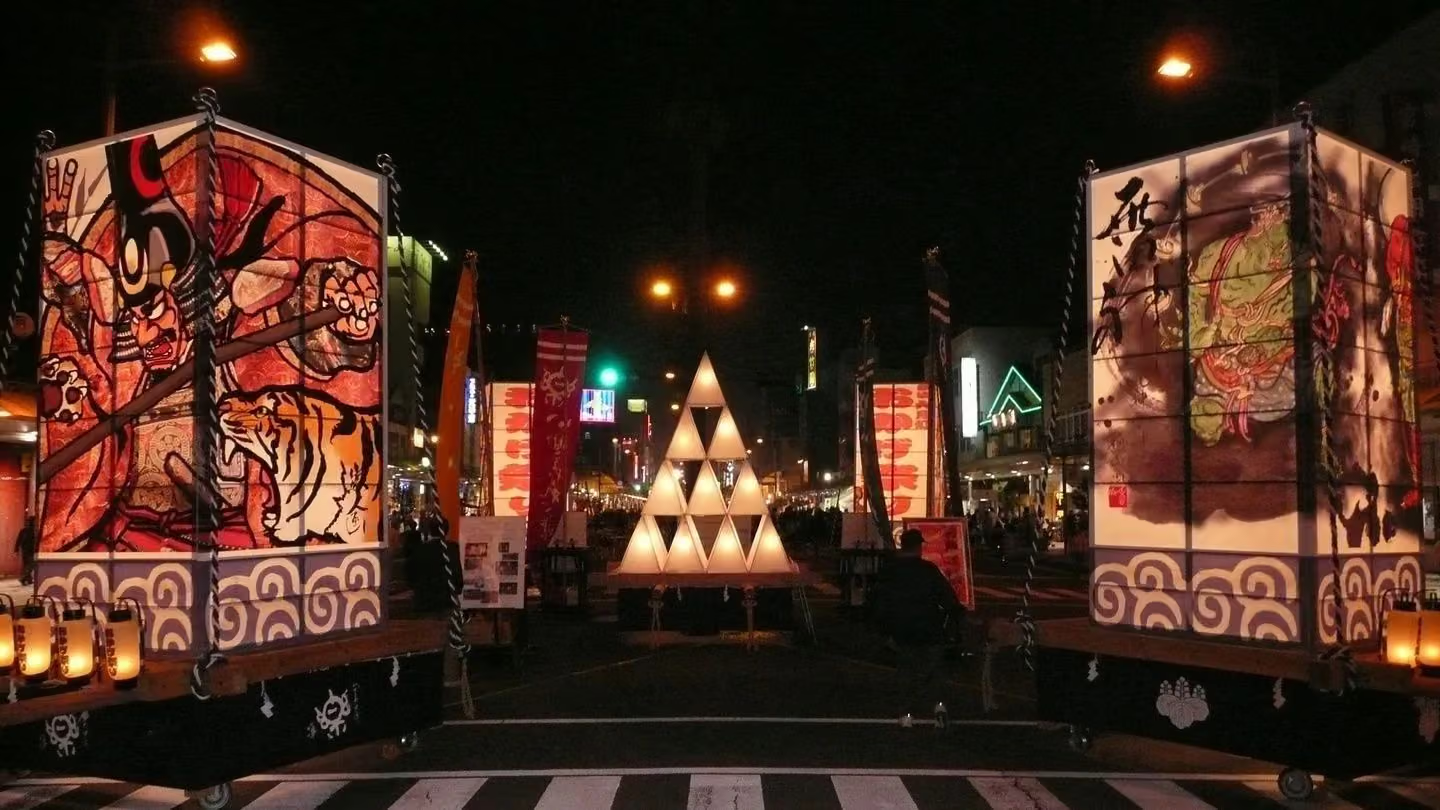
Miyazaki Jingu Grand Festival
Miyazaki's largest festival honors Emperor Jimmu with a grand autumn procession of portable shrines and floats reenacting the legendary emperor's journey.
31 Oct – 1 Nov 2026Miyazaki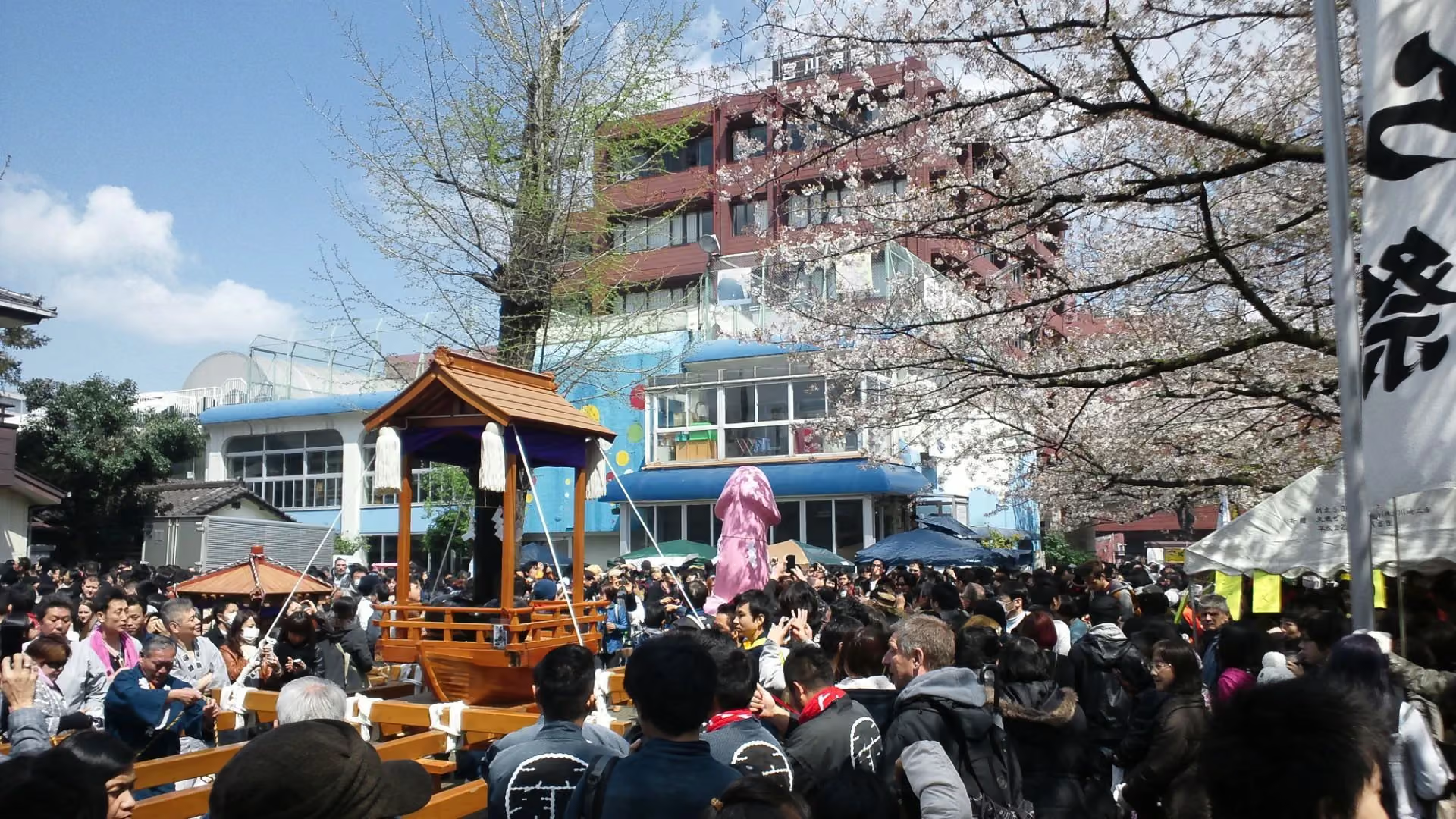
Kanamara Matsuri "Festival of the Steel Phallus"
An annual Shinto festival at Kanayama Shrine in Kawasaki featuring distinctive phallic imagery in decorations and parades while raising funds for HIV research.
5 Apr 2027Exact date not confirmed yetKawasaki · Kanagawa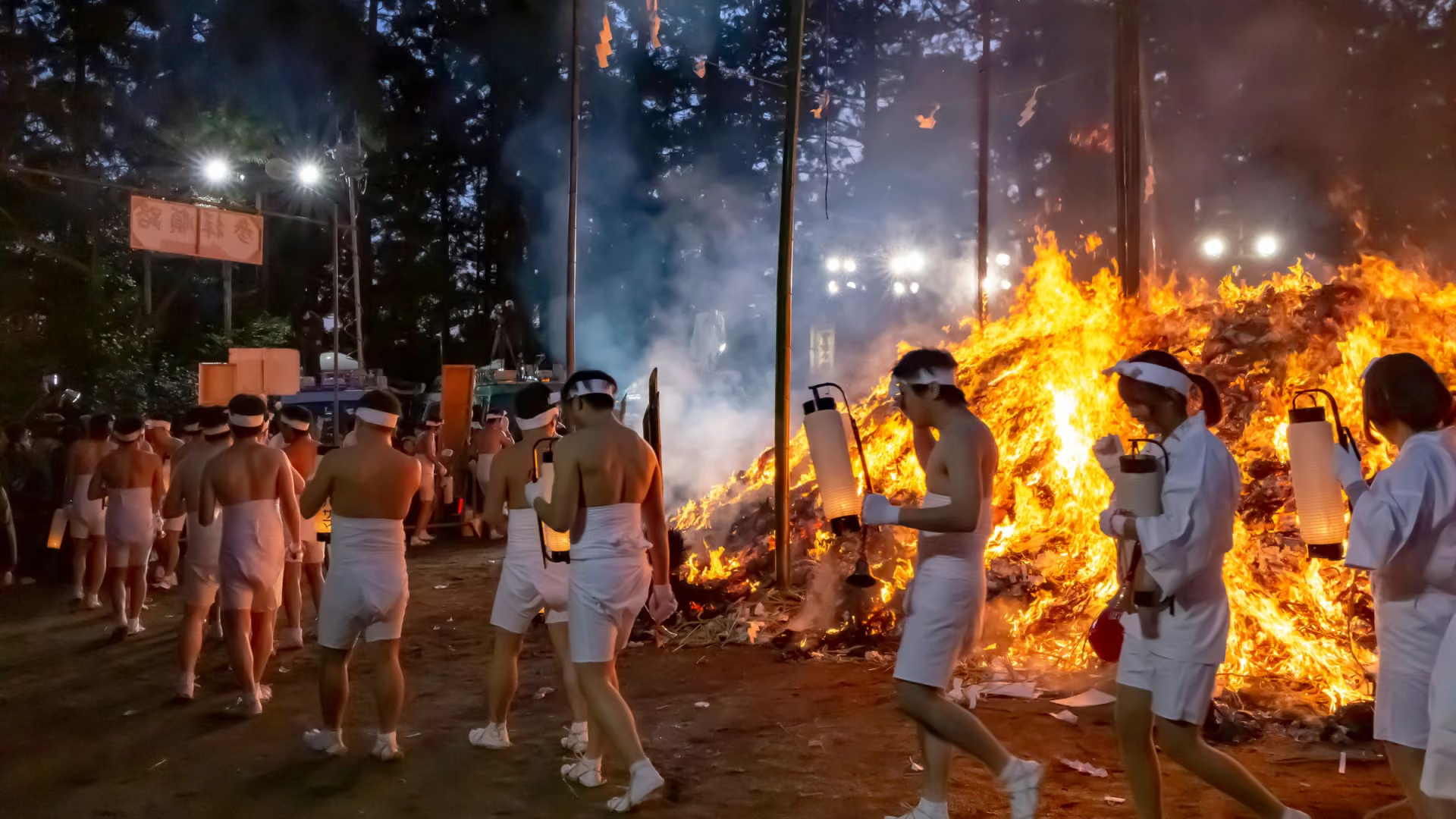
Dontosai Festival
An annual winter ritual in Sendai features the ceremonial burning of New Year decorations followed by a sacred pilgrimage procession in traditional attire.
14 Jan 2027Exact date not confirmed yetSendai · Miyagi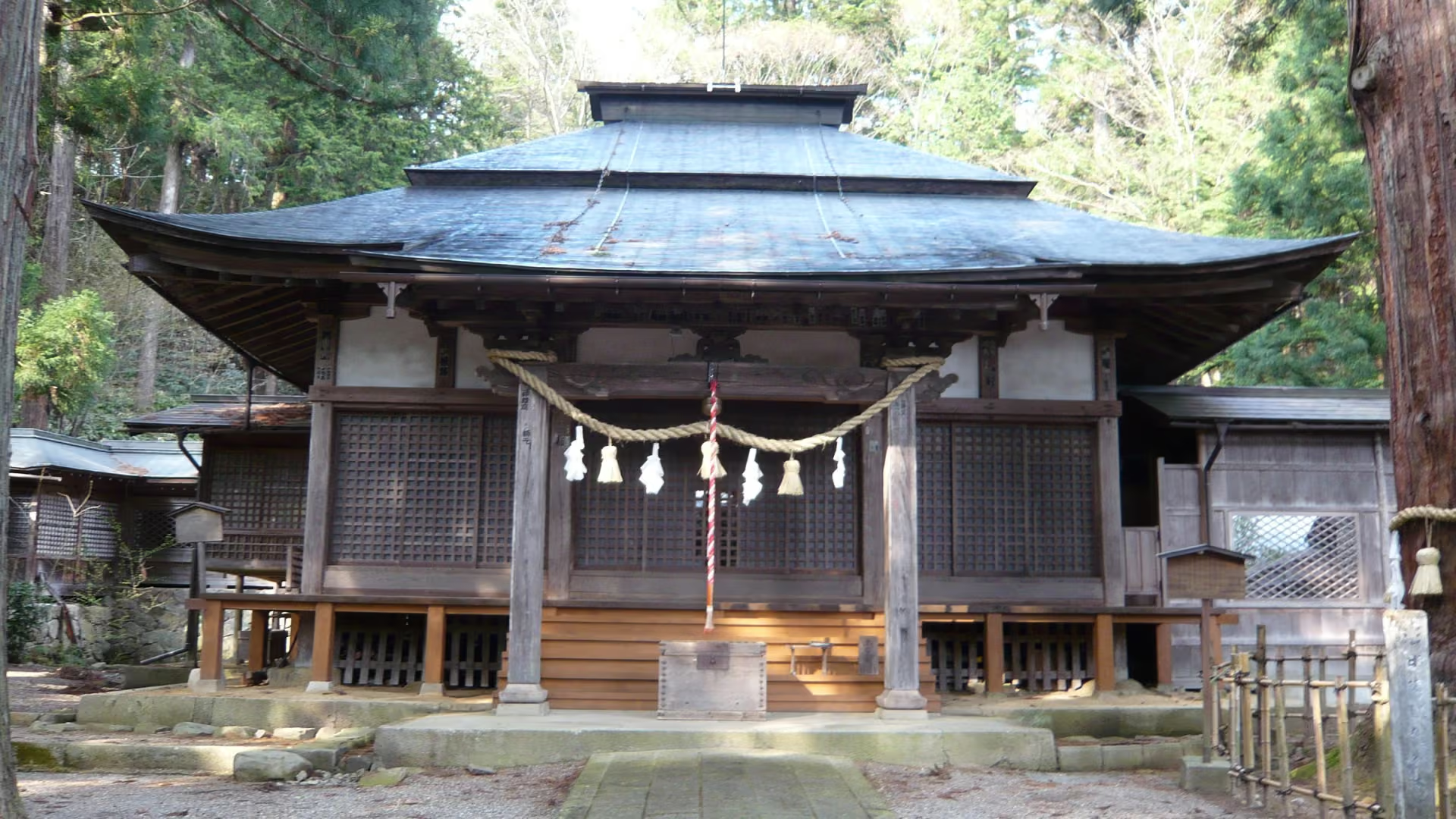
Hie Shrine
A Shinto shrine on Shiroyama in Takayama to the mountain god Oyamakui no Kami, said to date from 1141 and home of the spring Takayama Festival.
Takayama · Gifu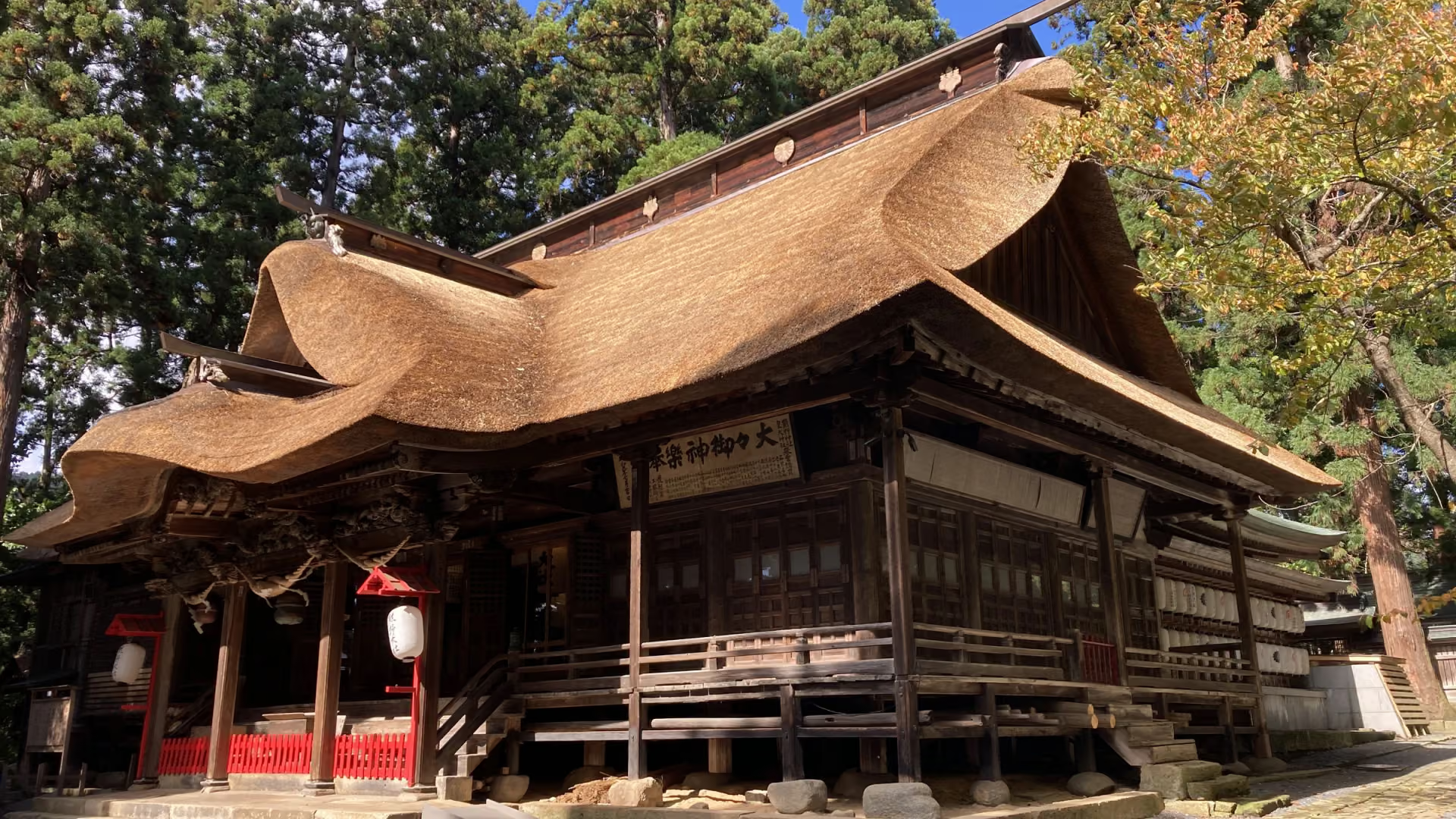
Kumano Taisha Shrine
One of three major Kumano shrines in Japan, Kumano Taisha was established in 806 and is known as the Ise Shrine of the North for its significance.
Nanyo · Yamagata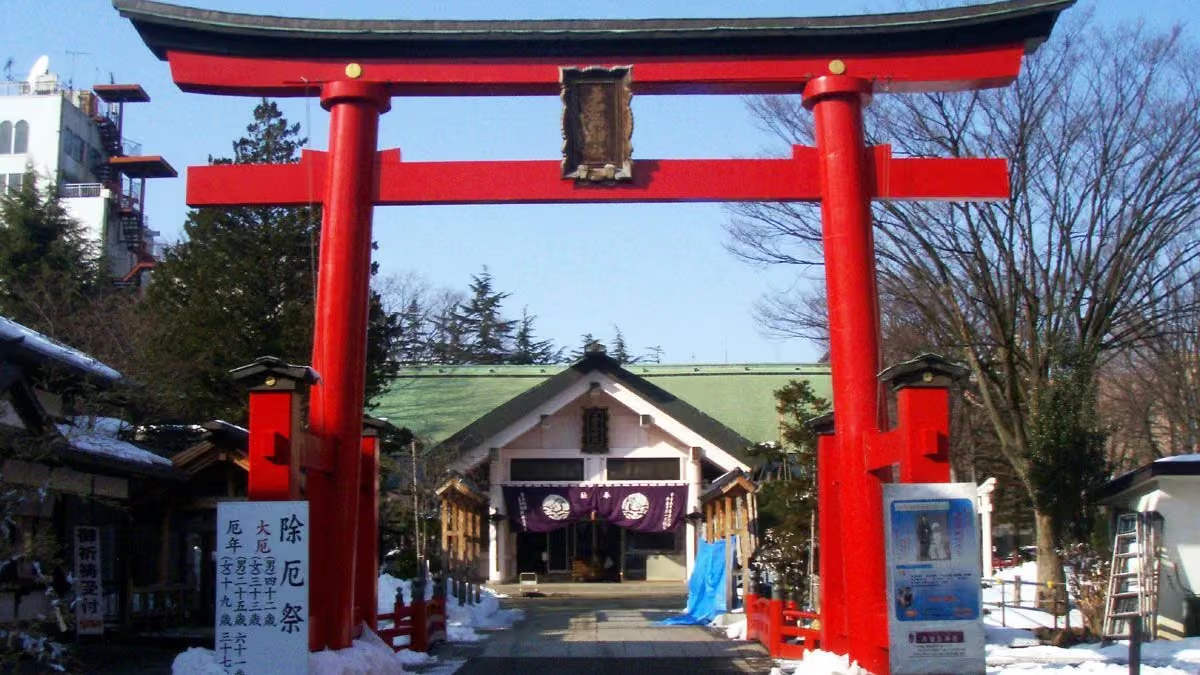
Uto Shrine
Guardian shrine of Aomori dedicated to the Three Goddesses of Munakata, with a sacred spring and historic remains including haiku stones by Matsuo Basho.
Aomori