Okuma Kabuto Festival
お熊甲祭
At this shrine festival in Nanao, 19 branch shrines bring portable shrines and crimson banners about 20 metres tall to Kumakabuto Arakashihiko Shrine.
Processions set out at about 7:00 and enter the shrine from about 8:00. The offering ceremony starts at about 10:30, the mikoshi leave at about noon, and the festival ends at the resting place at about 17:00.
〒 929-2225How to get there
能登中島Nanao Line48 min walk from the station
The Okuma Kabuto Festival is the grand festival of Kumakabuto Arakashihiko Shrine in the Nakajima area of Nanao, Ishikawa Prefecture, a shrine dedicated to a deity who came from the Asian continent. It is a National Important Intangible Folk Cultural Property under the name Kumakabuto Hatsuka Matsuri no Wakubata Gyoji (熊甲二十日祭の枠旗行事). It is also called the Hatsuka Matsuri (二十日祭り), the Twentieth-Day Festival, after the day of the month it always falls on.
The banners
The festival's mark is the wakubata (枠旗), a crimson framed banner about 20 metres tall. Dozens of young men carry each one, at the rear of its procession. The organizers say banner festivals of this kind are found only in this area.
Through September the settlements of Nakajima hold autumn festivals in thanks for the harvest. Some are held at a single settlement's shrine. Others, like this one, bring settlements together around a main shrine, and the organizers trace these gatherings back through the Edo period.
What happens
Each of the 19 branch shrines sends a procession of nearly 70 people. In order, it is made up of a gold ritual wand, a flag with the shrine's name, Sarutahiko, two sets of bells and drums, ceremonial items carried mainly by children, an offering, a mikoshi (神輿), or portable shrine, and last the banner.
The processions leave their settlements in the early morning. The seaside settlement of Searashi (瀬嵐) brings its mikoshi by boat across Nanao West Bay at sunrise, landing at the mouth of the Kumaki River. They line up for several hundred metres in front of the shrine and enter in order of arrival, to calls of iyasakasa. At the hall, each Sarutahiko strikes the steps with his staff to announce the arrival, and the mikoshi and banners running past the hall go on for more than two hours.
When all 19 are in, the offering ceremony (hobei-shiki, 奉幣式) begins. The Sarutahiko dance while 38 sets of bells and drums play in two lines, and the envoy bearing the offering walks between them into the hall.
The main shrine's mikoshi then leaves with the branch shrine drawn first by lot, and the others follow to the otabisho (お旅所), the resting place of the deities, 700 metres from the shrine. There the processions circle in two groups. The climax is the shimada-kuzushi (島田くずし), in which a banner is tilted until it almost touches the ground. The name is said to come from the Shimada hairstyle: long ago the tip of a banner struck a spectator and undid her hair.
Sarutahiko
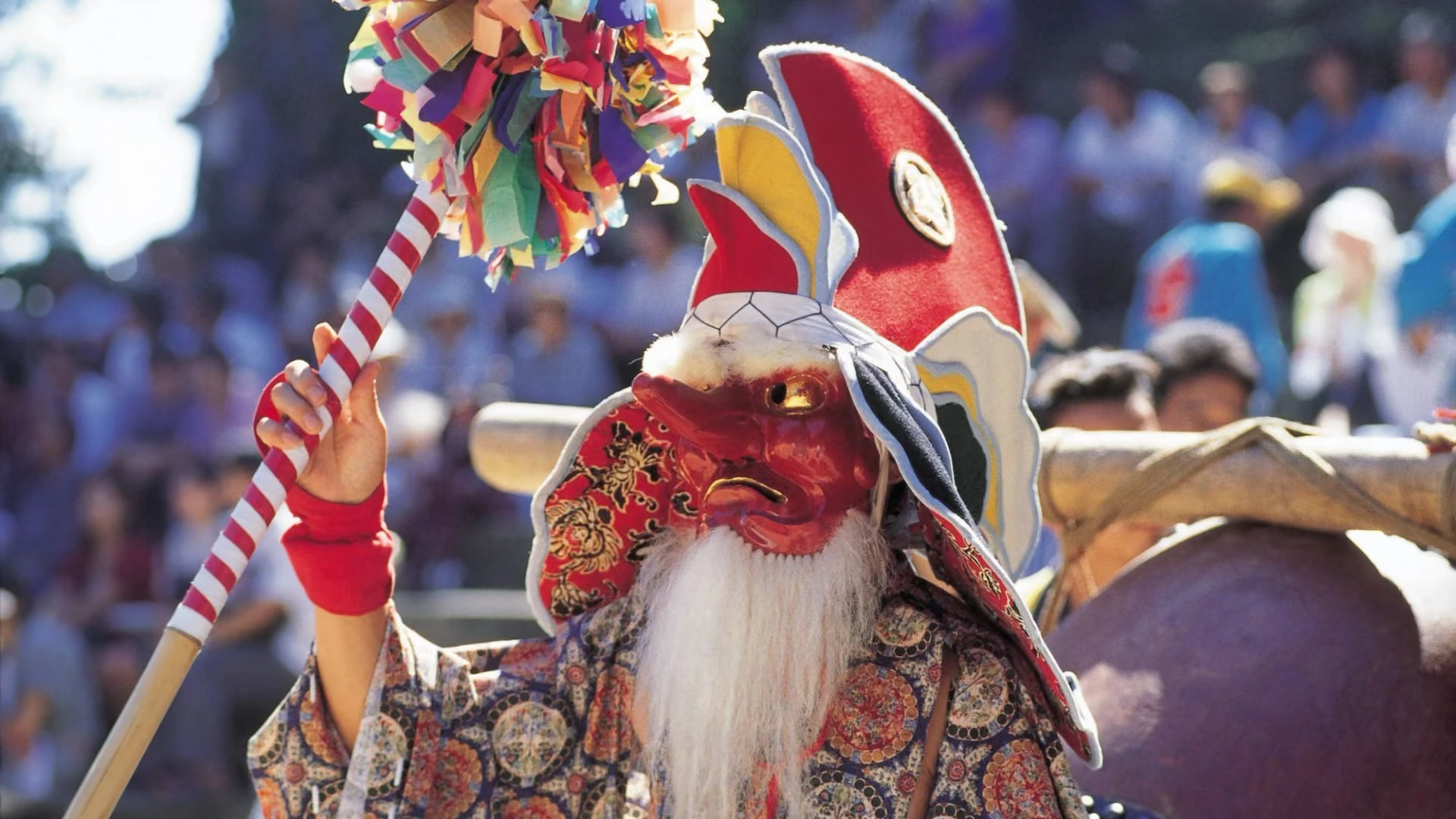
In Japanese myth, Sarutahiko is the deity who led the way when Ninigi, grandson of Amaterasu, came down to earth. In this festival a figure in a red, long-nosed tengu mask plays the part, clearing the road with a staff at the head of each procession and dancing to the bells and drums.
Getting There

Planning a trip? Fit this into a trip and Oni plans the rest around it.
You might also like
Abare Festival
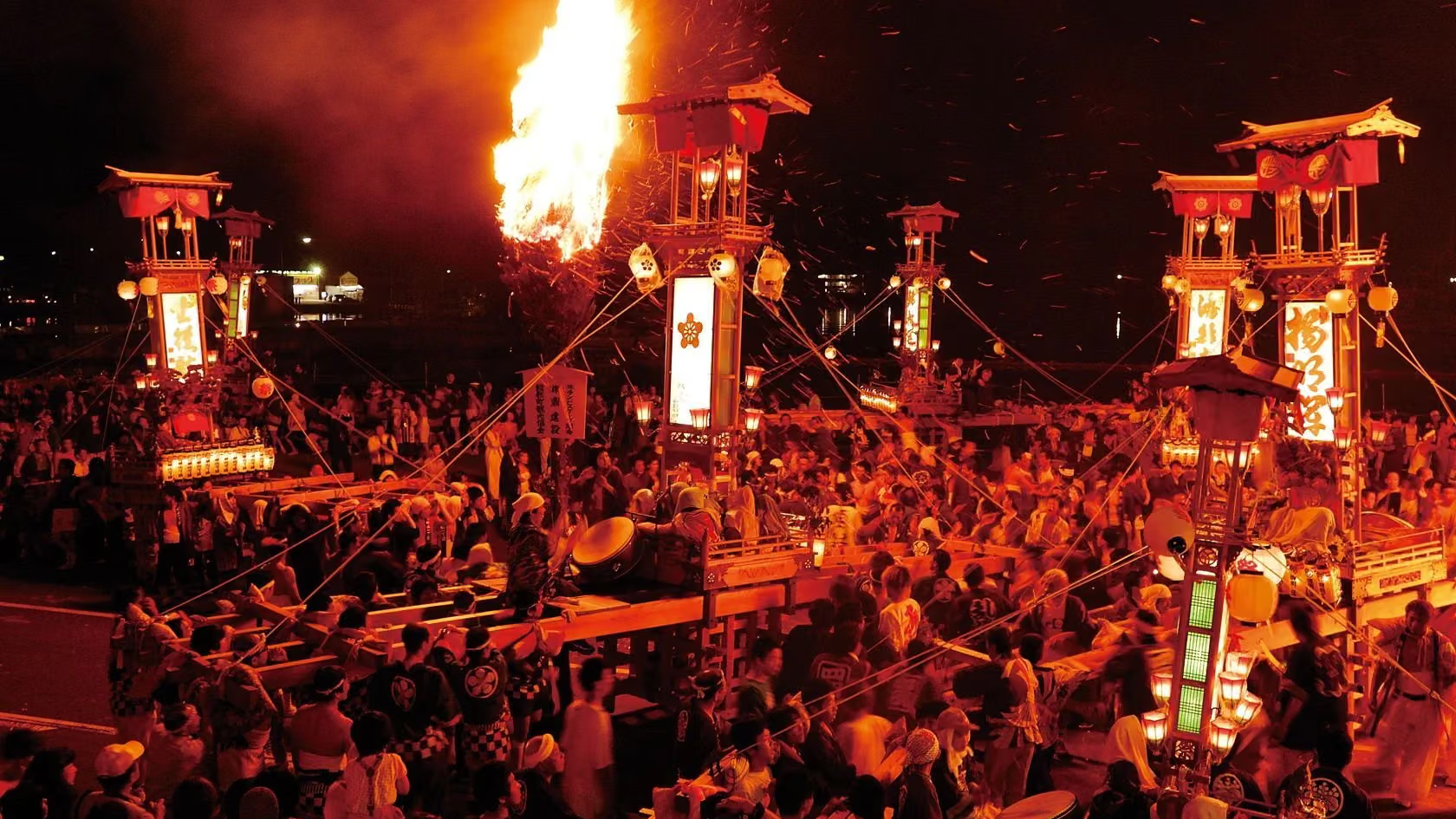
About 40 kiriko lanterns and two mikoshi go through the port town of Ushitsu in Noto, with the mikoshi thrown into the sea, rivers and fire.
2–3 Jul 2027Exact date not confirmed yetNoto · Ishikawa
Summer Grand Festival
The Summer Grand Festival takes Onominato Shrine's deities back to Kanaiwa in one of Kanazawa's largest mikoshi processions, recorded since the 1600s.
30 Jul – 1 Aug 2027Exact date not confirmed yetKanazawa · Ishikawa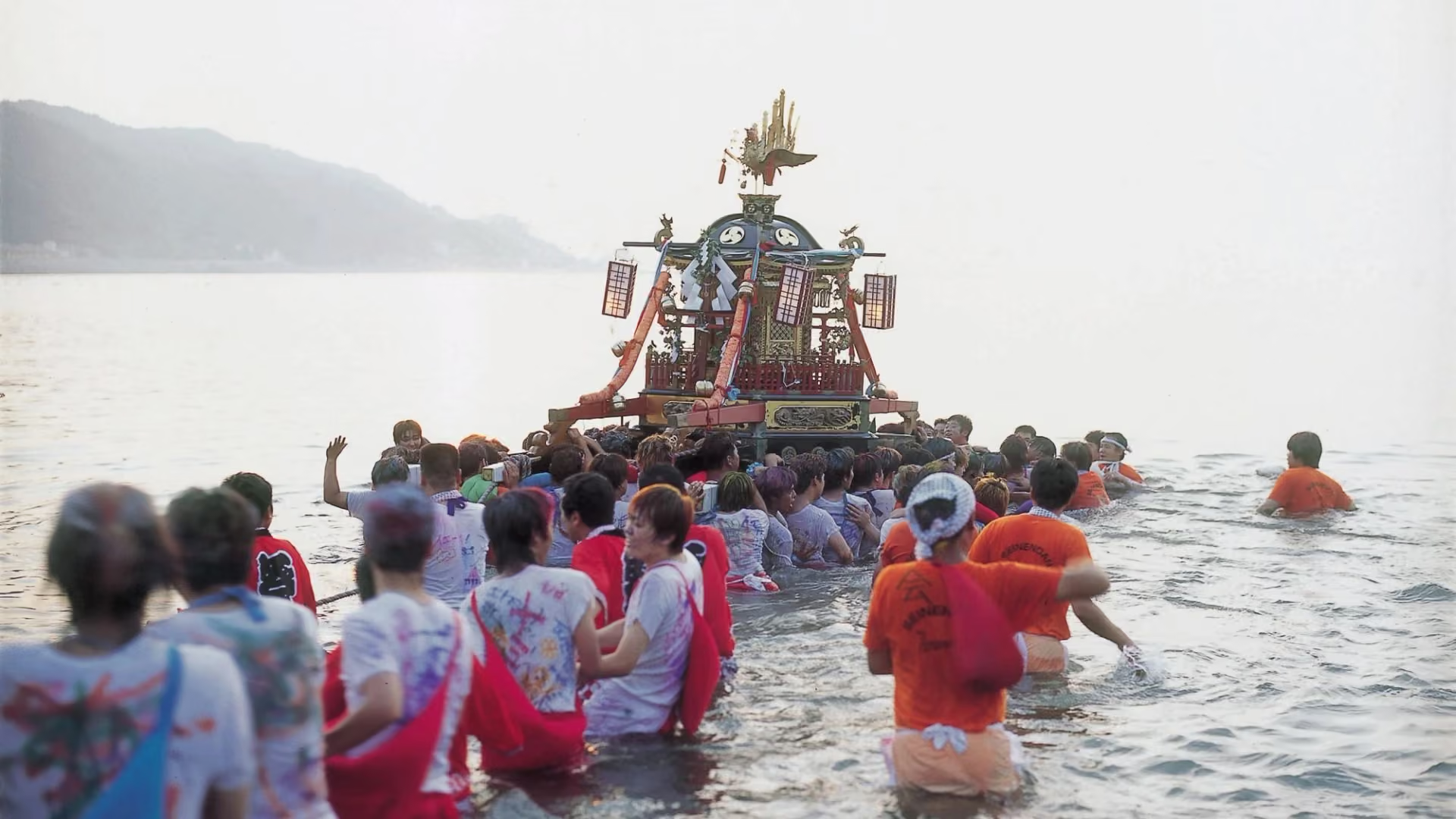
Wajima Taisai Festivals
Four shrine festivals on consecutive summer days in central Wajima, with lacquered kiriko lantern floats, a mikoshi carried into the sea and torch rites.
22–25 Aug 2027Wajima · Ishikawa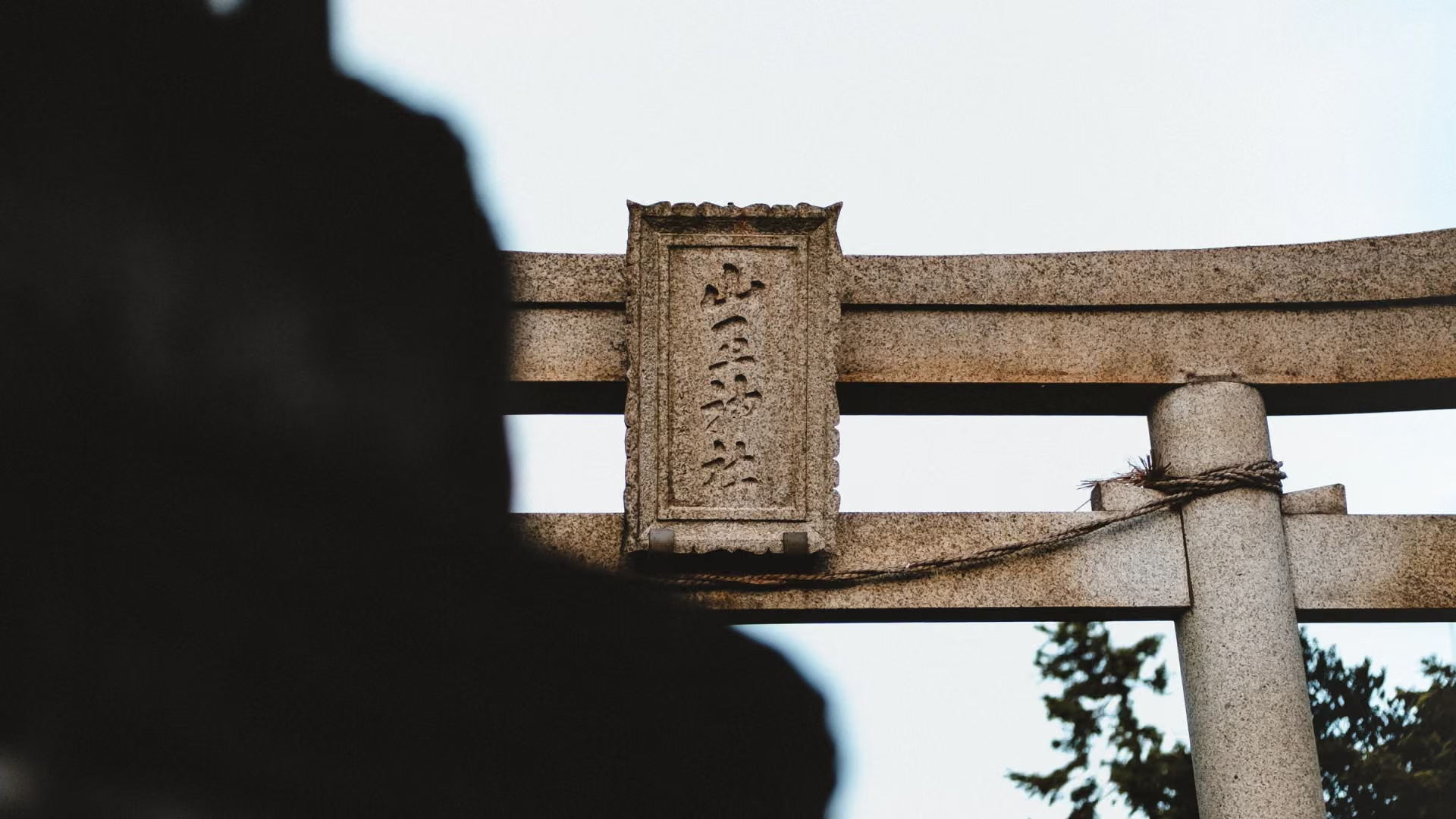
Okitsuhime Shrine
An ancient shrine of the goddess Tagorihime on Hegurajima, a small island north of Wajima, adopted by divers from Chikuzen in the early Edo period.
Wajima · Ishikawa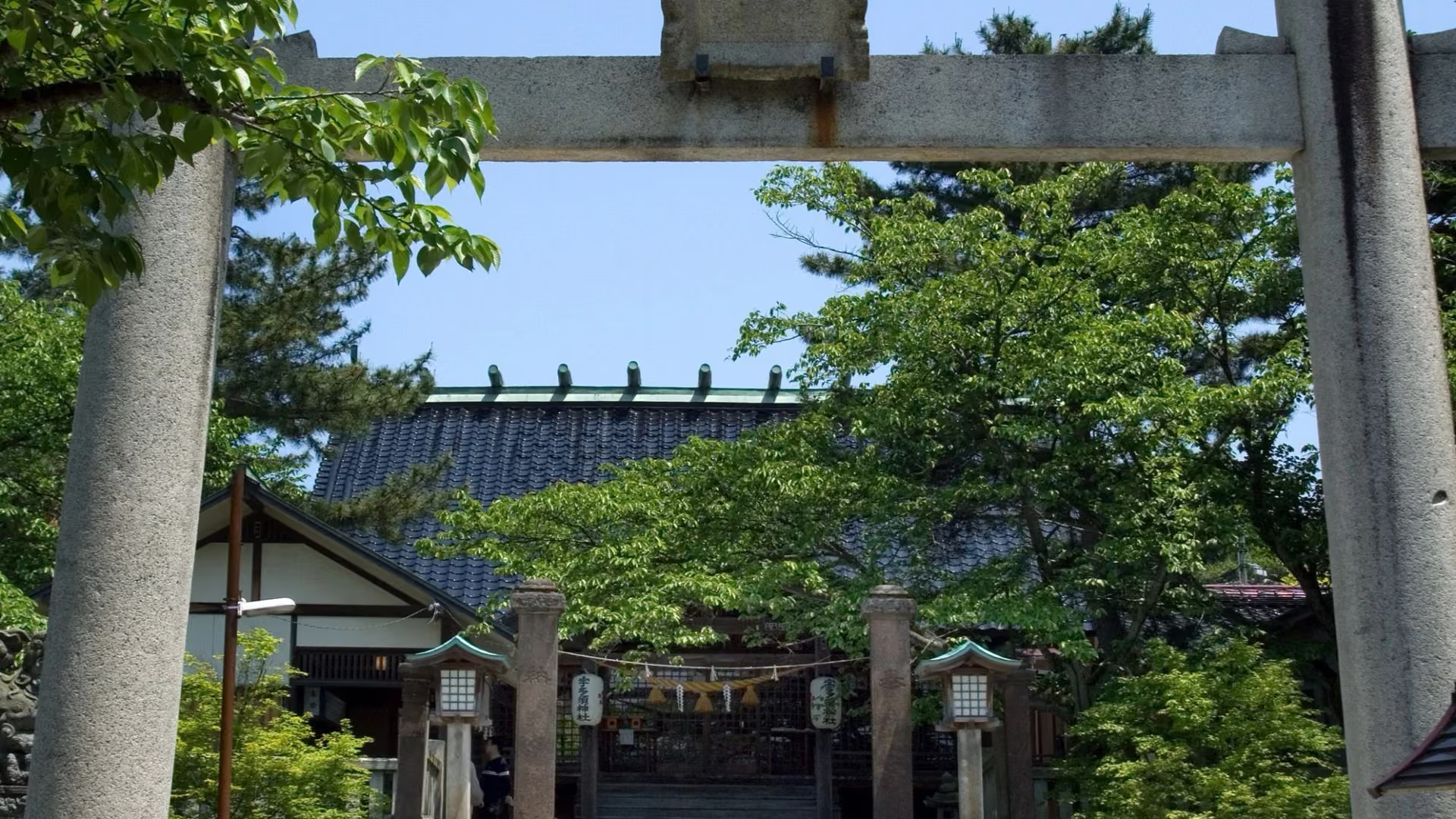
Utasu Jinja Shrine
Shinto shrine in Kanazawa's Higashiyama district, founded in 718 and known as Bishamon-san, where the Maeda lords of Kaga once came to pray.
Kanazawa · Ishikawa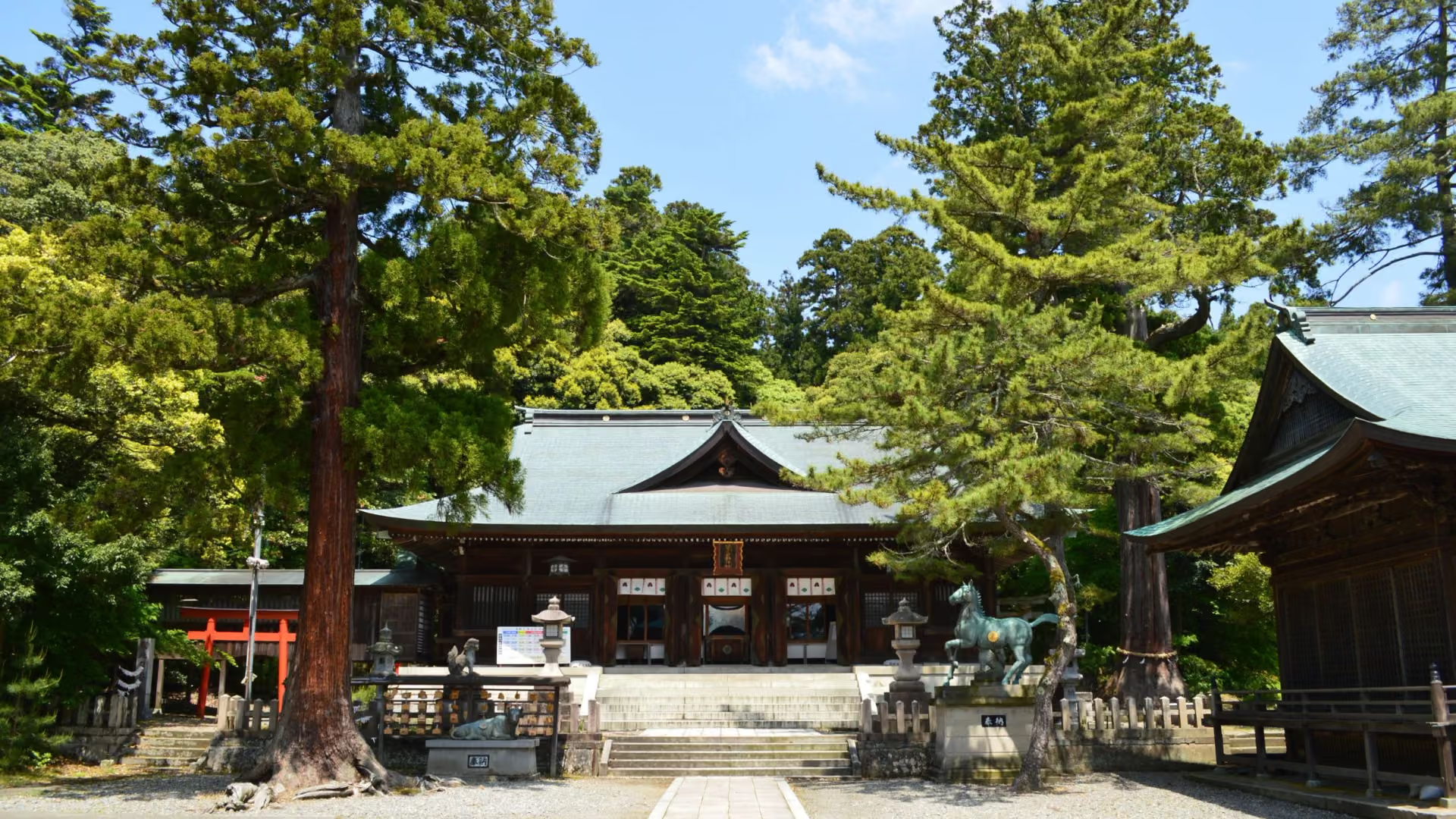
Sugo Isobe Shrine
Shrine in Kaga said to date to 585, once the second-ranked shrine of Kaga Province and long a centre of Tenjin worship in the Hokuriku region.
Kaga · Ishikawa