

Mizuki Shigeru: Manga of the Soul
水木しげる 魂の漫画展
Around 300 works by Mizuki Shigeru, from his childhood drawings to the yokai he spent a lifetime recording, at the Kobe Fashion Museum from September to November.

Open on Mondays that fall on a public holiday, with a replacement closing day later that week
A large retrospective of the manga artist Mizuki Shigeru opens at the Kobe Fashion Museum.
The exhibition has been touring since 2017 and has now been to nine venues around the country. It brings together around 300 works, some of them never shown before.
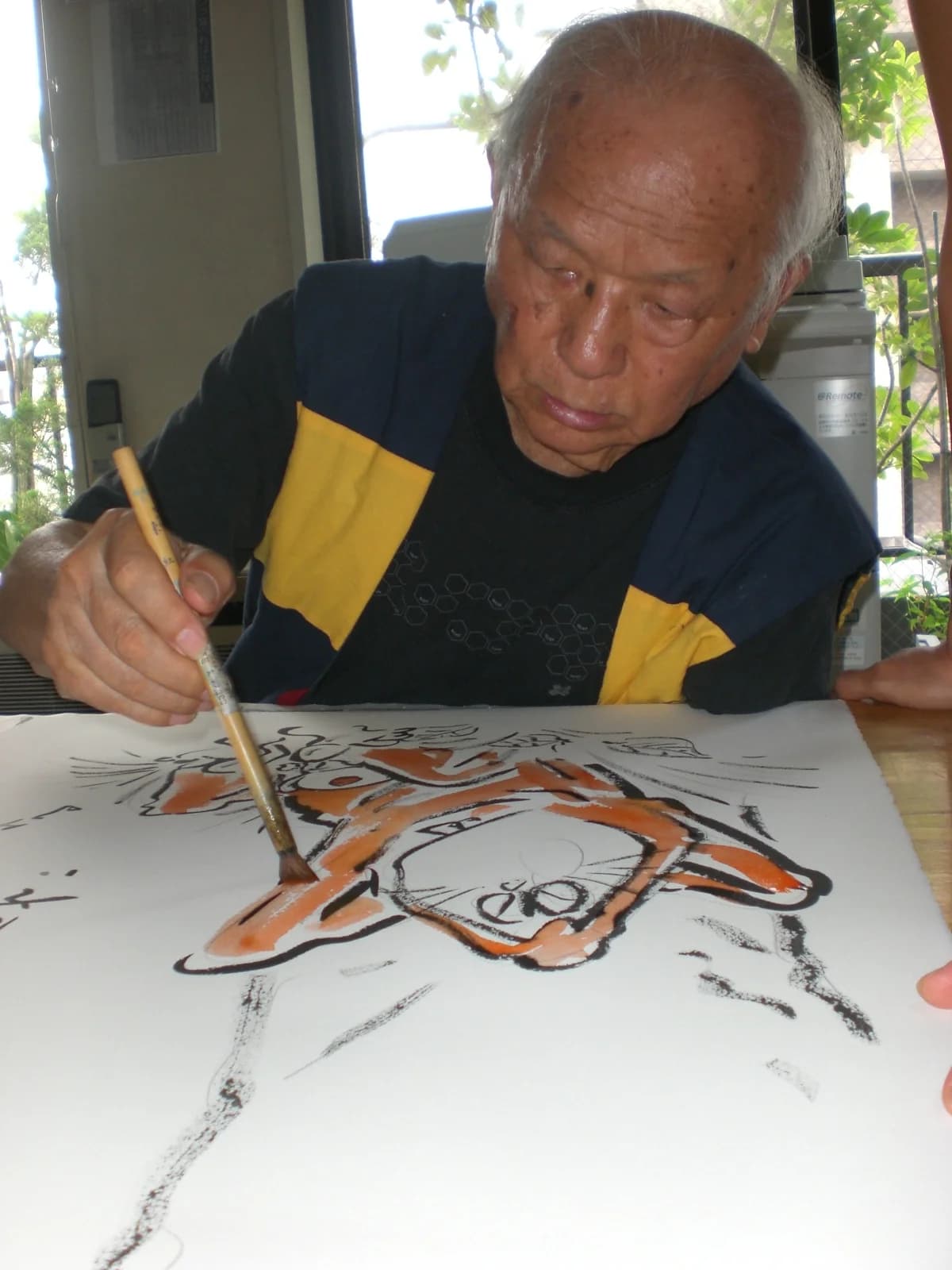
Mizuki Shigeru is best known for "GeGeGe no Kitaro", and beyond that for having spent a working life studying Japanese folklore and yokai. What set him on that course was a set of painted scrolls of heaven and hell, kept at a temple near his childhood home in Sakaiminato on the Tottori coast. He saw them as a boy and never got past them. From then on he believed in a world that could not be seen, and he spent the rest of his life recording it.
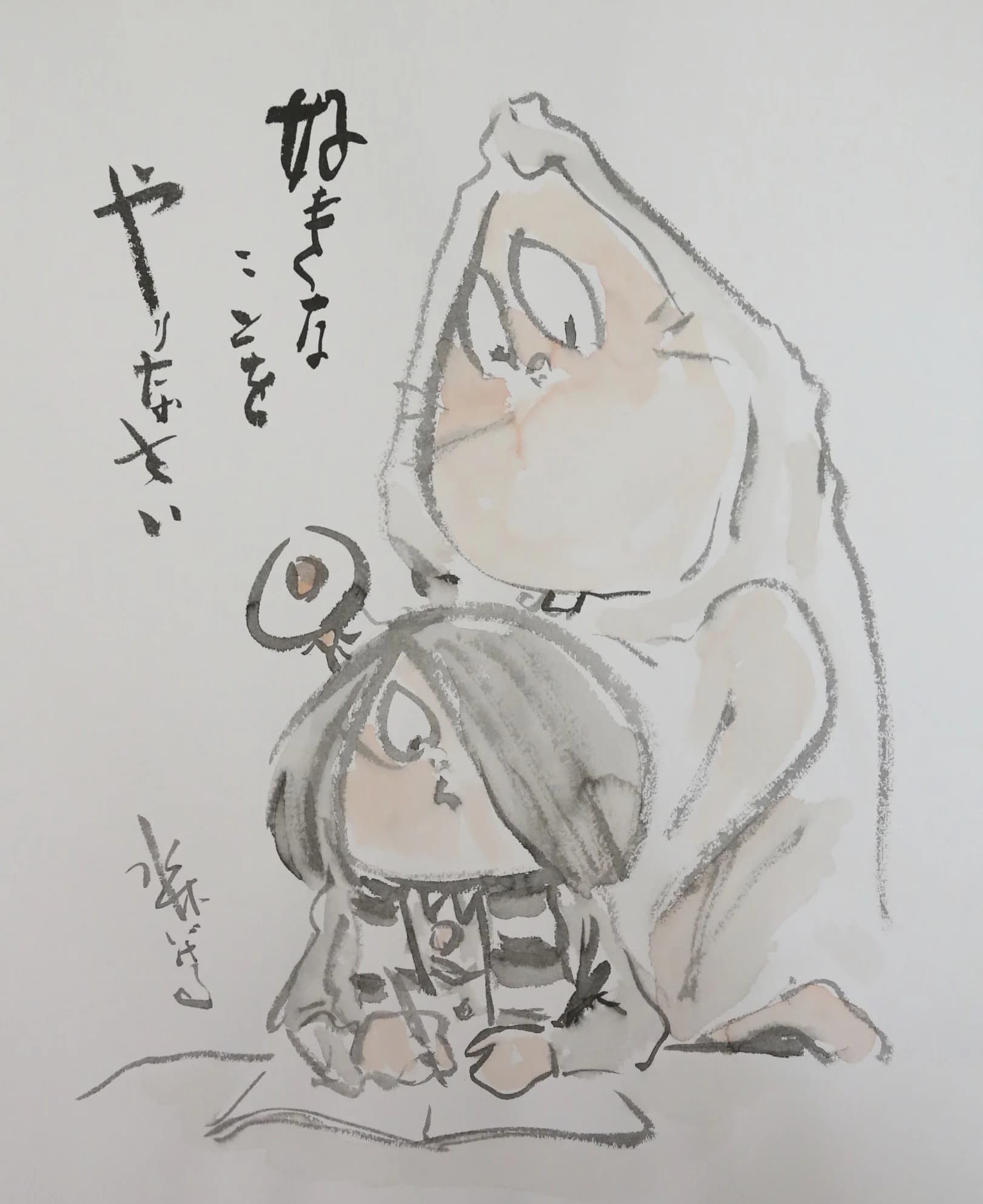
What Shaped the Work
Two things stand behind the manga. The first is the war. Mizuki was sent to Rabaul, one of the worst places to be in the Pacific campaign. He nearly died there and lost an arm. He drew an account of it years later, published in English as "Onward Towards Our Noble Deaths", and the exhibition gives it a chapter of its own.
The second is what came after. He spent years in serious poverty before his work found readers. The style he arrived at, drawn with one arm and closer to painting than to most manga, came out of that period.
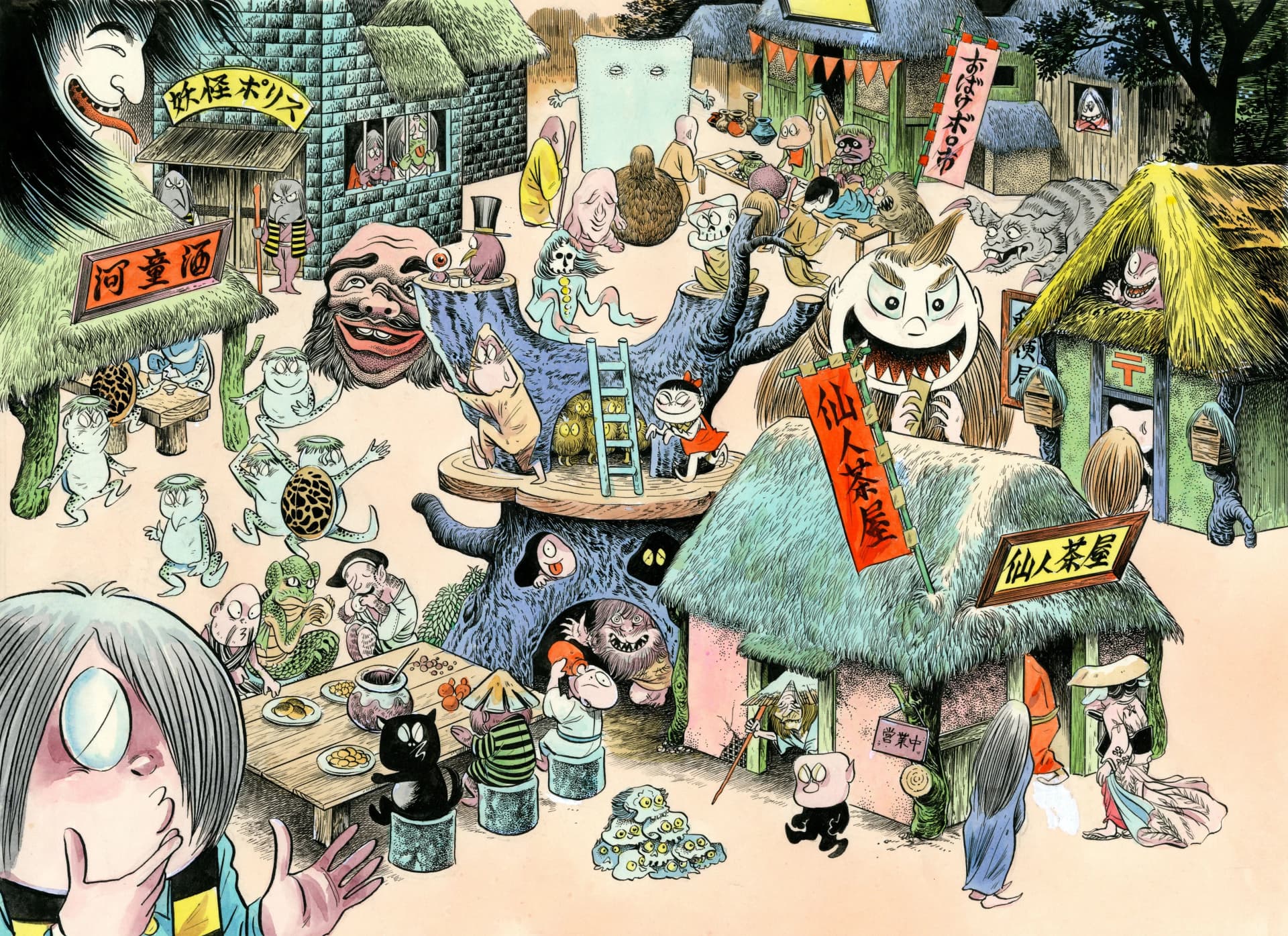
The Exhibition
It runs in eight chapters, with a prologue that presents his life as a kamishibai, the paper-theatre format he worked in early on.
The chapters cover his childhood drawings, made under his real name; how he actually drew, and the methods he developed; his three best-known series, Kitaro, Akuma-kun and Sanpei the Kappa; the war memoir; the biographies he wrote of people who interested him; his short stories and what they say about their times; the yokai; and Mizuki himself in old age.
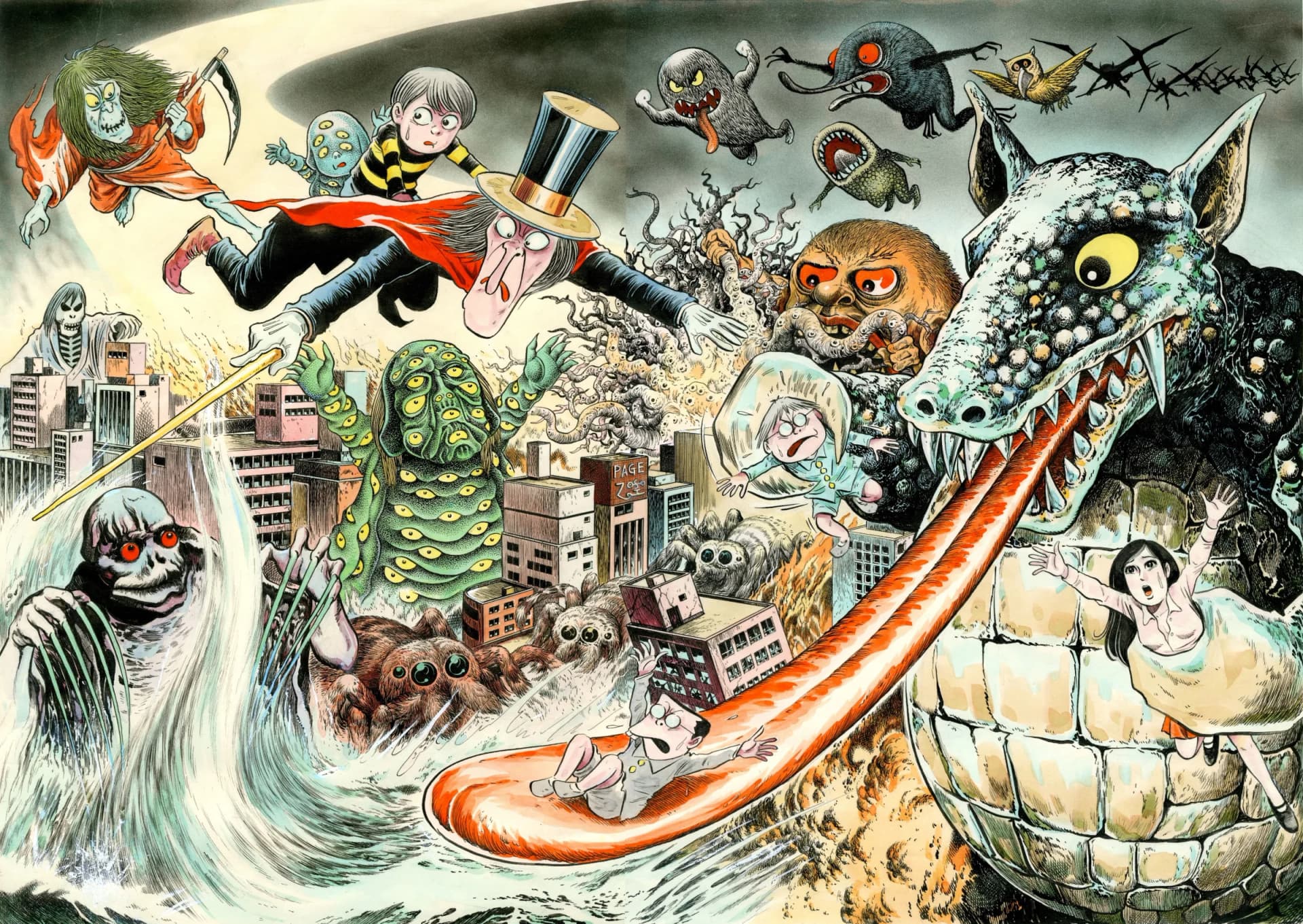
Alongside the original manuscripts and artwork there are sketches, the tools he used, objects from his own collection, three-dimensional pieces and film.
Kobe is where his career began, which is part of the reason the tour has stopped here.
You might also like

Fullmetal Alchemist × Daemons of the Shadow Realm Exhibition — Sapporo
More than 300 original artworks and sketches from both of Arakawa Hiromu's major series, at Daimaru Sapporo from 14 October to 1 November.
14 Oct – 1 Nov 2026Sapporo · Hokkaido
Bonobono Exhibition
Bonobono, the gentle manga about a curious young sea otter, turns 40 – celebrated with a Shibuya exhibition of original art, rare manuscripts, and more.
27 Aug – 27 Sep 2026Nishitokyo · Tokyo
Kaikai Yokai Festival
Toei Kyoto Studio Park brings Japanese yokai legends to life with parades, interactive dance experiences, workshops, and exhibitions celebrating supernatural folklore.
12 Sep – 29 Nov 2026Kyoto
Nara Prison Museum
A Meiji-era red-brick prison (1908) and one of the Five Great Prisons with its original layout intact, now a museum operated by Hoshino Resorts.
Nara
Ishinomori Manga Museum
A museum on Nakaze island dedicated to manga artist Ishinomori Shotaro, creator of enduring works including Cyborg 009 and Kamen Rider, designed by the artist.
Ishinomaki · Miyagi
Fujiko・F・Fujio Museum
This museum celebrates Fujiko·F·Fujio, creator of Doraemon, displaying his original works, workspace, and interactive exhibits for manga fans.
Kawasaki · Kanagawa