

Tsuchizaki Shinmeisha Shrine Annual Celebration And The Float Festival
土崎神明社祭の曳山行事
Elaborate floats and traditional performances honor this port town's spiritual guardian, a shrine established in 1620 by local leaders.

The Tsuchizaki Shinmeisha Shrine Annual Celebration and the Float Festival is a historic cultural event held in the Tsuchizaki district of northern Akita City. Centred around Tsuchizaki Shinmeisha Shrine, the guardian shrine of the area, the festival is a cornerstone of the local community and is celebrated for its rich history, elaborate floats, and traditional performances.
Tsuchizaki has been a prominent port town since medieval times, serving as a stop for ships along the Kitamaebune coastal trade routes. The Tsuchizaki Shinmeisha Shrine was established during a period of political change following the Battle of Sekigahara in 1600. After the battle, the Satake clan was relocated from Hitachi Province (modern-day Ibaraki Prefecture) to Akita. They built Kubota Castle and reorganised the surrounding towns, including Tsuchizaki, relocating many residents and reshaping the town.
In 1620, the shrine of the Kawaguchi family, local leaders of Tsuchizaki, was moved to the former site of Minato Castle and designated the guardian shrine of the town. The festival developed around the shrine as an annual event celebrating the town’s rebirth, prosperity, and spiritual protection.
Festival Highlights
The festival takes place annually on July 20 and 21, with related ceremonies occurring before and after these dates. The centerpiece of the festival is the Hikiyama float parade, featuring around 20 elaborately decorated floats, each adorned with large warrior figures. The procession moves through the Tsuchizaki port area and is accompanied by traditional music, dance, and singing performances.
A portable shrine (mikoshi) from Tsuchizaki Shinmeisha also participates in the parade. Key events include:
Yoimiya-sai (Evening Festival) and Fureai Festival on July 20
Grand Festival Ceremony at the shrine on July 21
Mikoshi Togyo (portable shrine processions)
Miyuki-yama (imperial-style float parade) along main streets
Otabisho Festivals at community stops
Modori-yama (returning float procession) in the evening
The festival was designated an Important Intangible Folk Cultural Property of Japan in 1997 and was added to UNESCO’s Intangible Cultural Heritage list in 2016, highlighting its value as a living tradition. The combination of religious rituals, community participation, and intricate artistic craftsmanship in the form of floats and performances makes the festival a unique cultural event.
You might also like

Kakunodate Festival
A traditional autumn festival with 400 years of history, held in September in Kakunodate, featuring large wooden floats decorated with samurai warrior dolls.
7–9 Sep 2027Semboku · Akita
Namahage Sedo Festival
A renowned winter festival recreates the Namahage tradition where demon-like figures visit shrines and homes, recognized as one of Japan's three strangest festivals.
13–15 Feb 2027Oga · Akita
Morioka Fall Festival
One of Iwate's most enduring celebrations, this autumn festival originated as prayers for harvest, now featuring ornate floats and traditional parades.
14–16 Sep 2026Morioka · Iwate
Kumano Taisha Shrine
One of three major Kumano shrines in Japan, Kumano Taisha was established in 806 and is known as the Ise Shrine of the North for its significance.
Nanyo · Yamagata
Kibitsu Jinja
Major Okayama shrine dedicated to Kibitsuhiko-no-Mikoto, a legendary prince credited with defeating an ogre and bringing peace to the region, foundations of the Momotaro folktale.
Okayama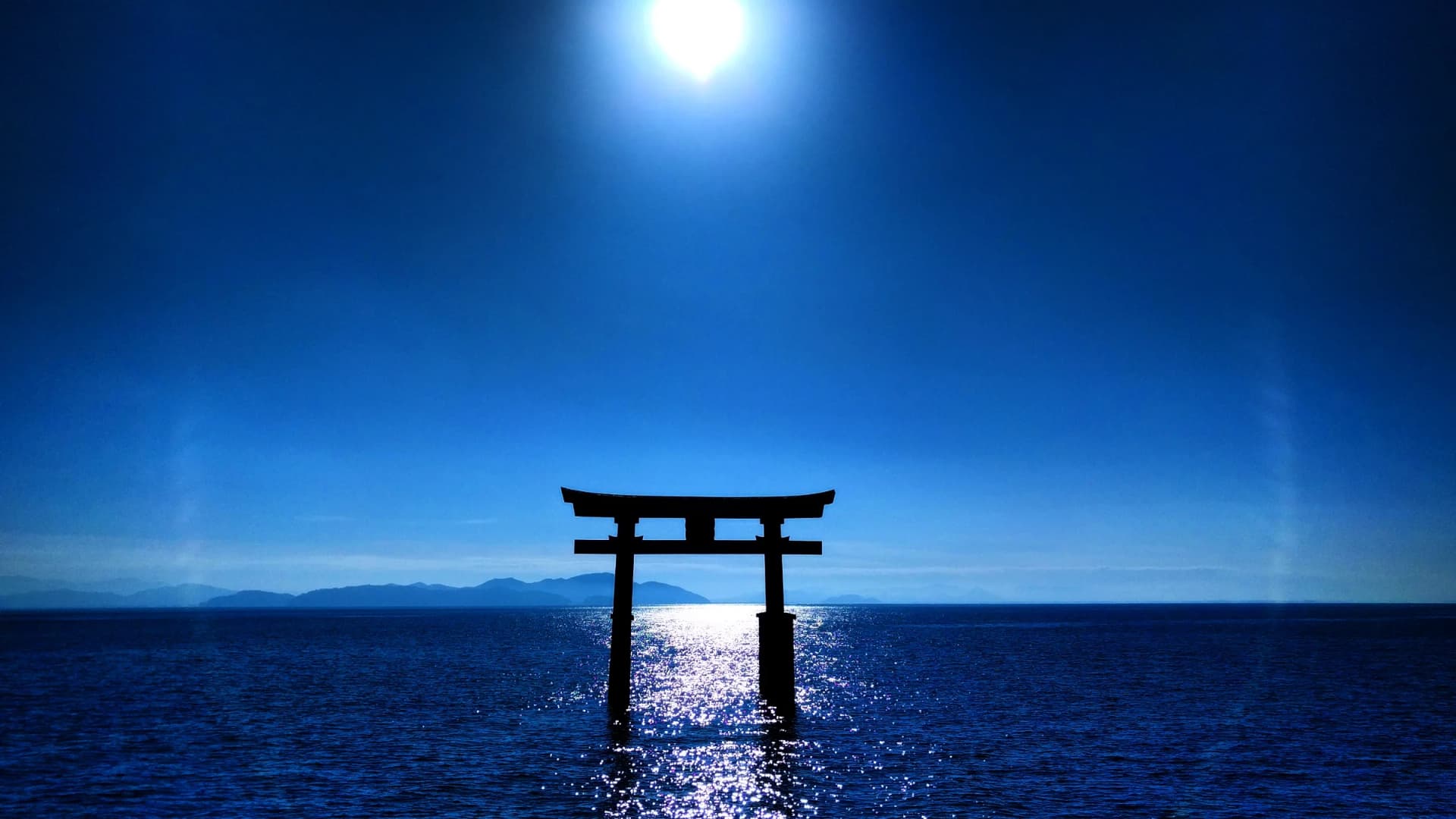
Shirahige Shrine
A shrine on the western shore of Lake Biwa with a torii standing in the water, dedicated to Sarutahiko and known as a shrine of long life.
Takashima · Shiga