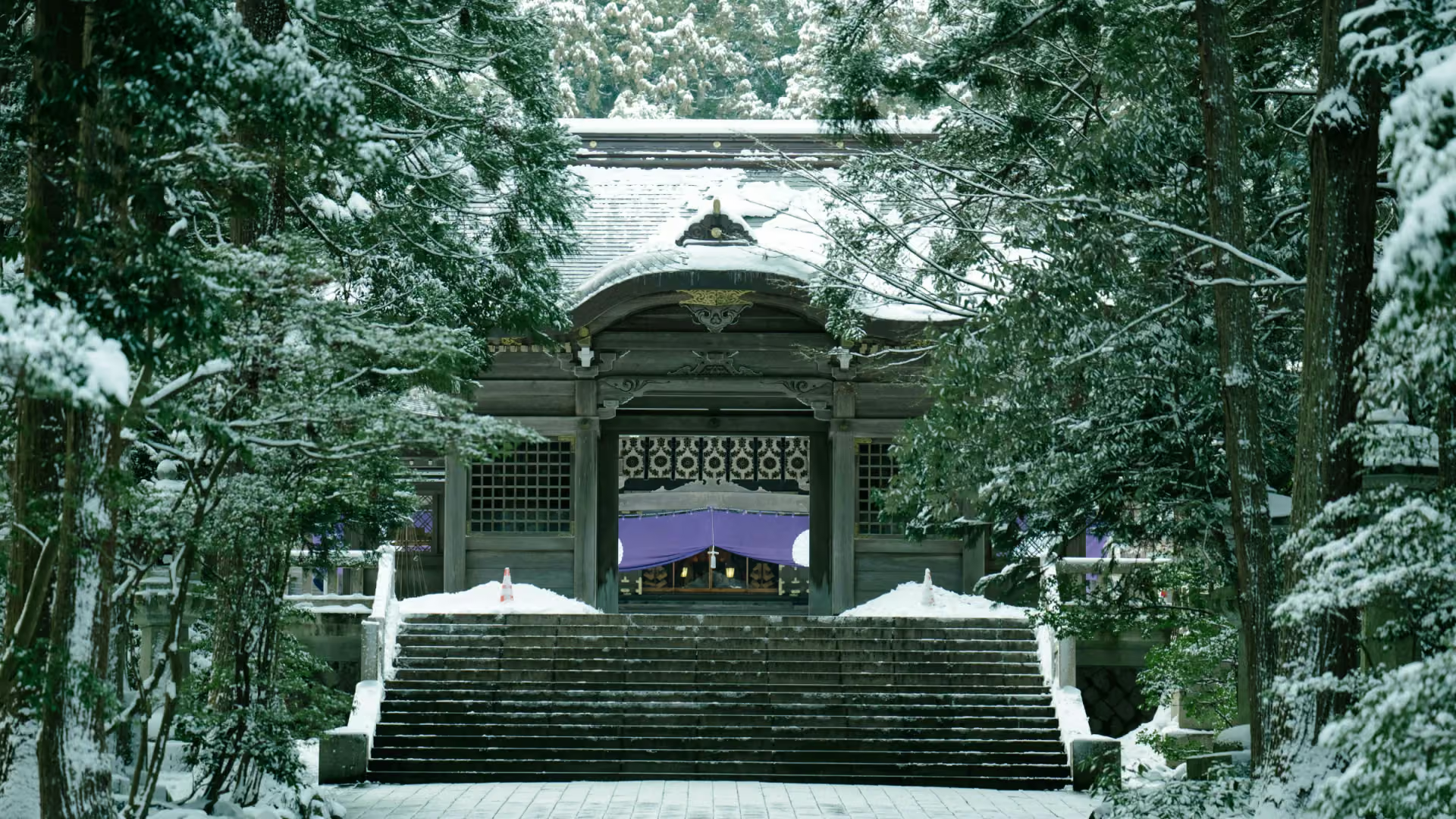
Shinzan Shrine
真山神社
A shrine in Oga with its main sanctuary on the summit of Mount Shinzan, once a Shugendo mountain and the home of the Shinzan namahage tradition.
〒 010-0685How to get there
男鹿Oga Line137 min walk from the station
Shinzan Shrine is a Shinto shrine on Mount Shinzan (567 m) in the Kitaura district of Oga, Akita Prefecture. Its main sanctuary stands on the summit, and its other buildings are at the foot of the mountain. The shrine is closely tied to the namahage, the masked New Year visitors of the Oga Peninsula.
History
According to shrine tradition, it was founded in the reign of Emperor Keiko, the 12th emperor in the Kojiki and Nihon Shoki. Takenouchi no Sukune (武内宿禰), a statesman of those chronicles said to have served several early emperors, climbed the mountain and enshrined two deities there to pray for the success of his mission and the peace of the land. They are Ninigi no Mikoto (瓊瓊杵命), grandson of the sun goddess Amaterasu, who in the myths came down from heaven to rule Japan, and Takemikazuchi no Mikoto (武甕槌命), a thunder and sword deity sent ahead of him to win the land from its earthly gods.
In the Jogan era (859 to 877) the Tendai monk Ennin is said to have divided the mountain in two, naming the northern peak Shinzan and the southern Honzan. It became a centre of Shugendo, mountain asceticism, and its god was joined with Sekizan Myojin (赤山明神), guardian deity of Enryaku-ji on Mount Hiei. The temple Kobo-ji (光飯寺), which ran the mountain, later moved from the Tendai to the Shingon school.
In the Edo period the Satake clan of Akita made the shrine one of its prayer sites and donated many halls. After Shinto and Buddhism were separated in the Meiji era, its name changed from Akagami Shrine (赤神神社) to Shinzan Shrine, and it was ranked a prefectural shrine of Akita. It is worshipped for the peace of the nation, fortune in war, good harvests and safety at sea.
Highlights
The summit sanctuary was rebuilt in 2007 as a two-storey hall that also serves as a lookout. At the foot of the mountain, a small hall behind the shrine holds a seated Yakushi Nyorai (薬師如来), the Buddha of healing, once the principal image of Kobo-ji. The statue is thought to date from the Nanboku-cho period and is an Akita Prefecture Tangible Cultural Property.
Stone steps between the shrine and the Yakushi hall lead through an avenue of old cedars to the Goshaden (五社殿), also an Akita Prefecture Tangible Cultural Property. Five shrines once stood here; after a fire in the late Edo period, the one that survived took in the deities of all five. Its inner walls carry graffiti left by pilgrims from as far as Shikoku, Osaka, Niigata and Matsumae from the Bunka era (1804 to 1818) onward. The shrine's sacred tree is a kaya, a Japanese nutmeg-yew.
The Oyamakake (お山かけ) trail, opened as a path for Shugendo practitioners, runs from the shrine over Shinzan and Honzan (715 m) to the Monzen district. About a thousand plant species grow on the mountain.
Namahage
On New Year's Eve, young men of each village on the Oga Peninsula put on masks and straw capes called kede (ケデ), take up kitchen knives and visit every house in the parish to drive off misfortune for the new year. The name is said to come from peeling off namomi, the heat blisters that form on someone who sits too long by the hearth, so the namahage scold idleness. The Oga namahage were designated an Important Intangible Folk Cultural Property of Japan in 1978.
The shrine's Saitosai (柴灯祭), held since the Choji era (1104 to 1106), burns a bonfire in the grounds at New Year and offers rice cakes toasted over it to the mountain god. The namahage who come down from the mountain to receive them are said to be the god's messengers. The Namahage Sedo Festival, an event of Oga city, is held in the shrine grounds.
What's on here
| Date | Event |
|---|---|
| 12–14 Feb 2027 | Namahage Sedo FestivalOfficial page |
Getting There

Planning a trip? Fit this into a trip and Oni plans the rest around it.
You might also like
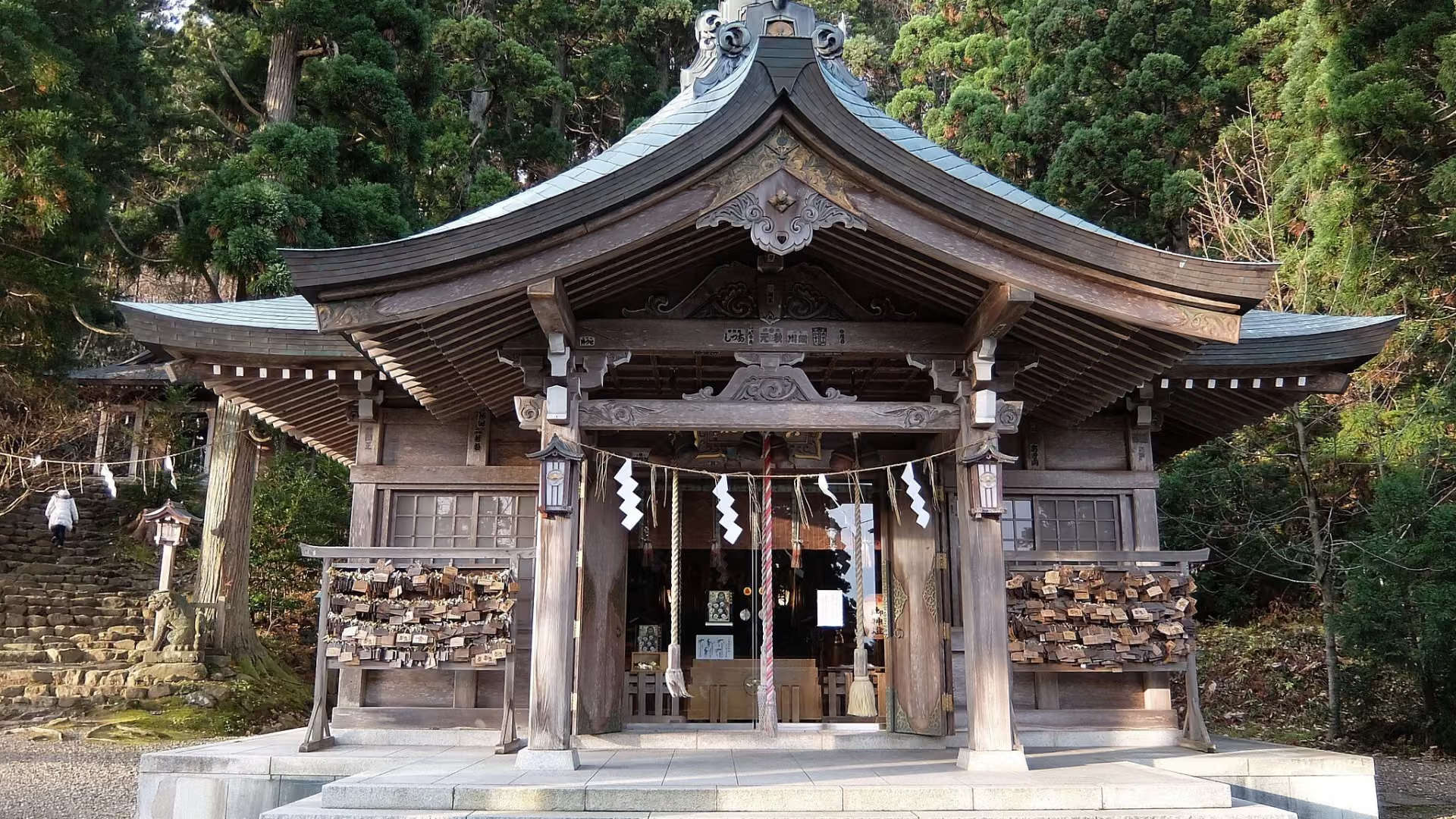
Hie Shrine
A Shinto shrine on Shiroyama in Takayama to the mountain god Oyamakui no Kami, said to date from 1141 and home of the spring Takayama Festival.
Takayama · Gifu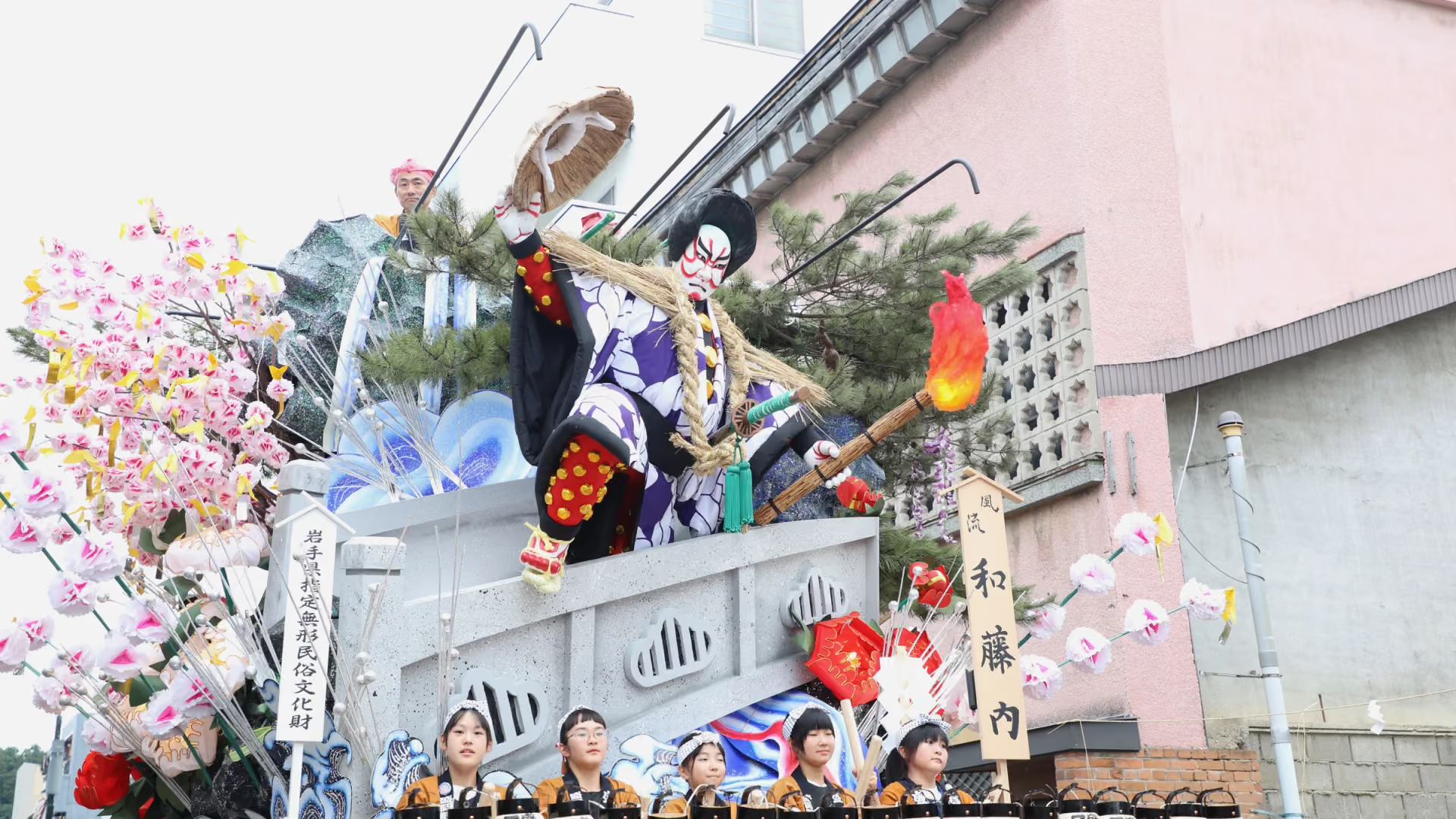
Morioka Fall Festival
Neighbourhood floats with kabuki scenes parade through Morioka by day and lit at night, and Morioka Hachimangu Shrine ends its festival with horseback archery.
14–16 Sep 2027Morioka · Iwate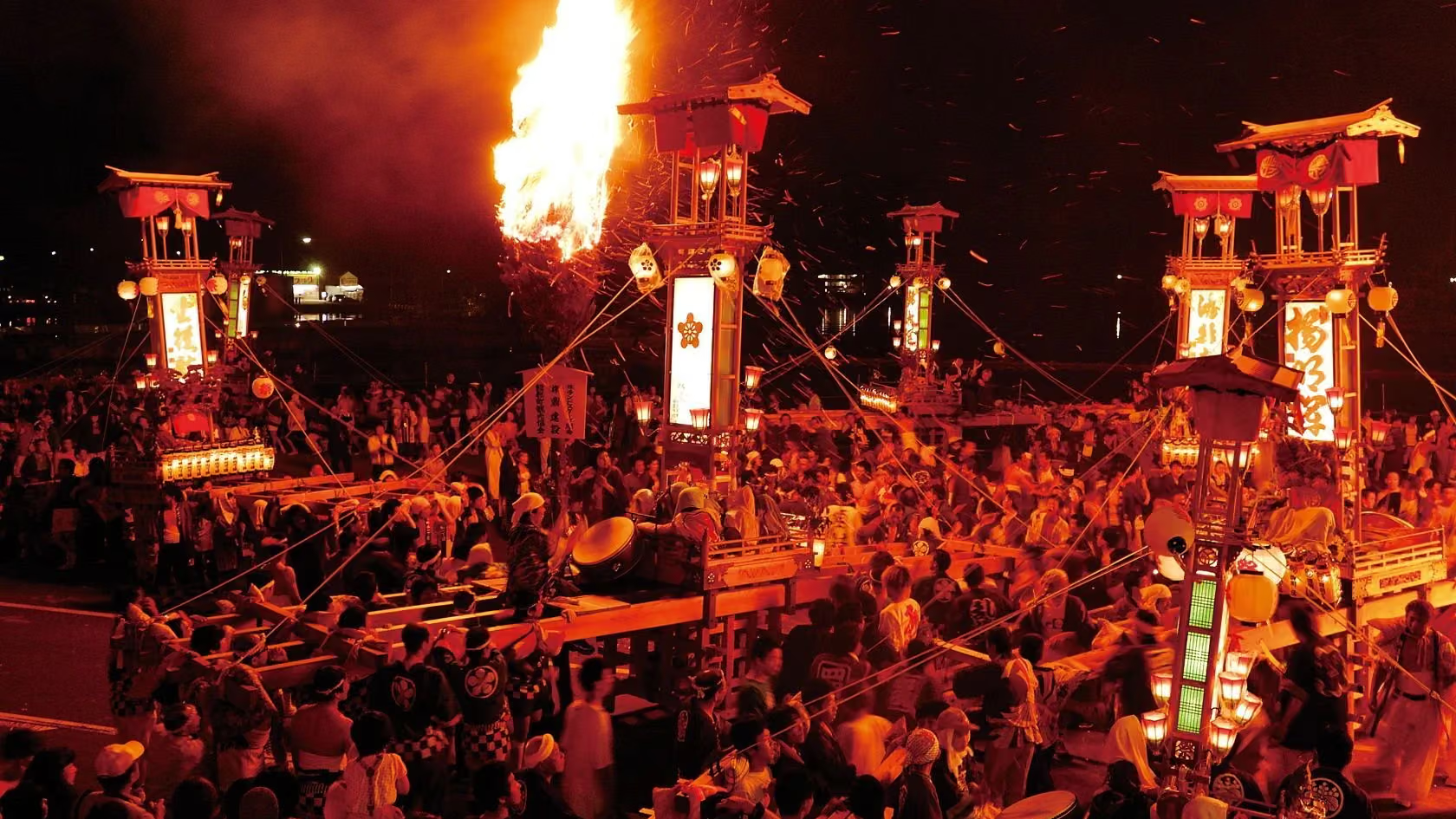
Abare Festival
About 40 kiriko lanterns and two mikoshi go through the port town of Ushitsu in Noto, with the mikoshi thrown into the sea, rivers and fire.
2–3 Jul 2027Exact date not confirmed yetNoto · Ishikawa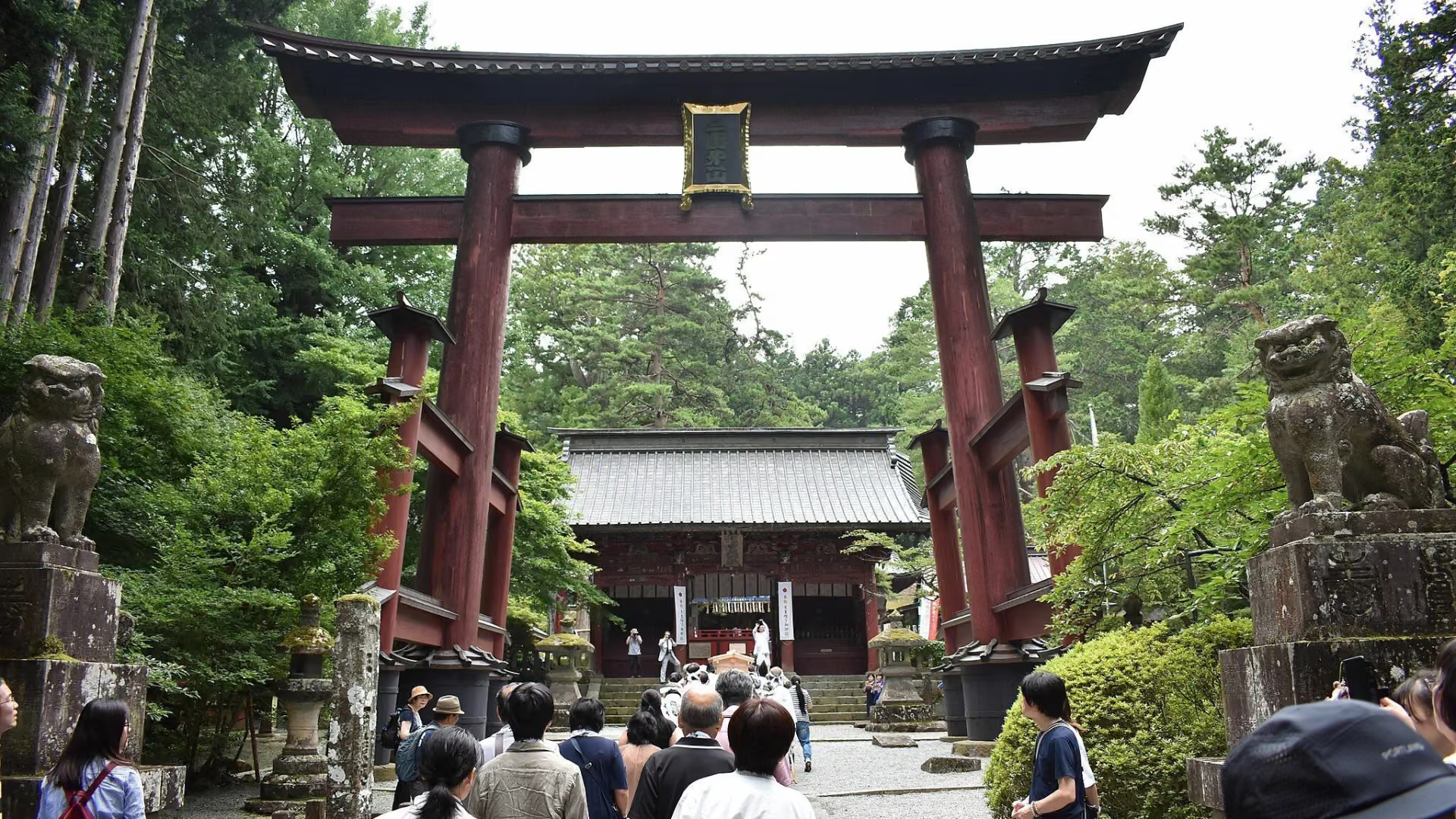
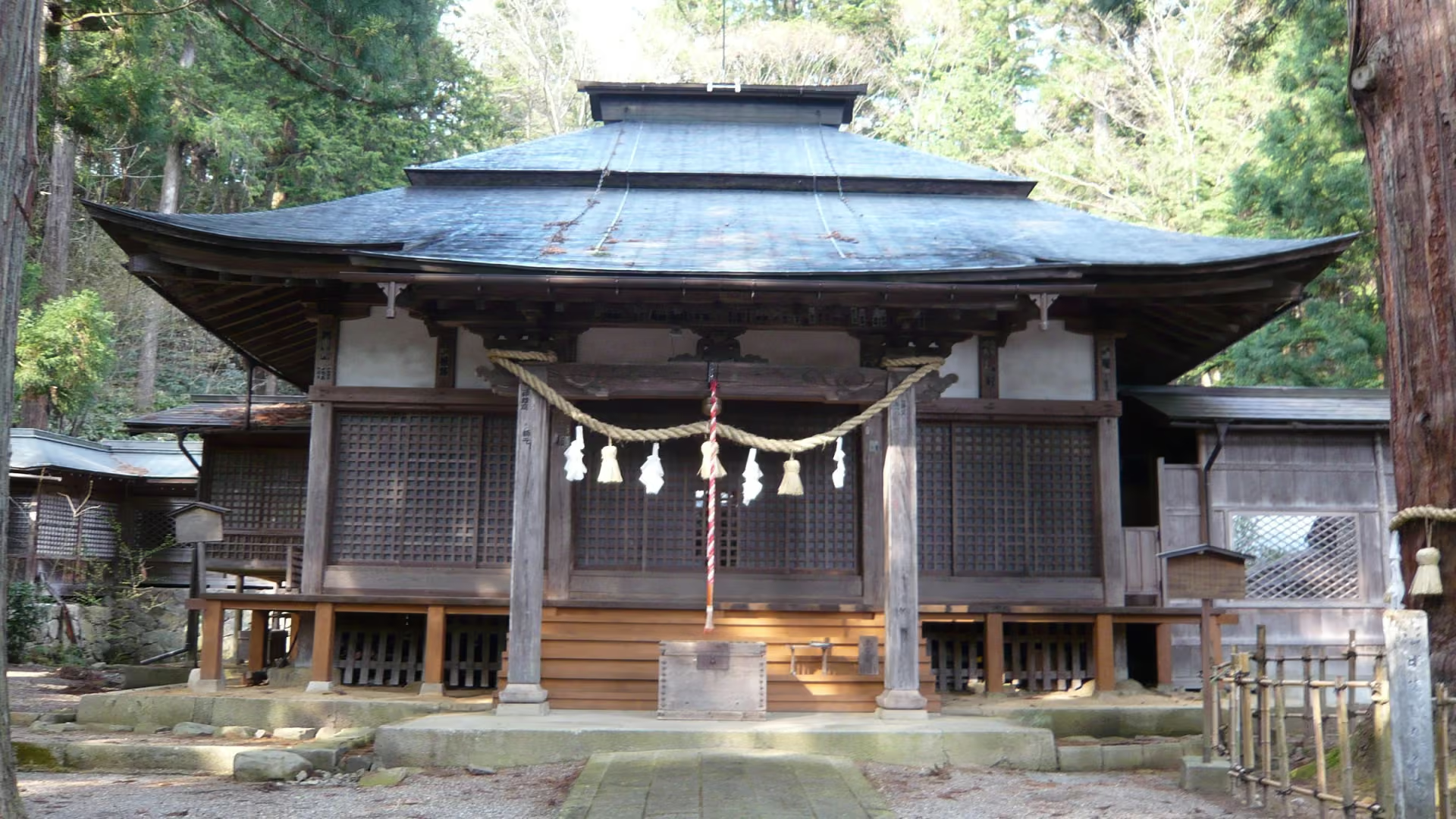
Kitaguchi Hongu Fuji Sengen Shrine
Shinto shrine at the northern base of Mount Fuji dating to the 2nd century, serving as the traditional departure point for Mount Fuji pilgrimages.
Fujiyoshida · Yamanashi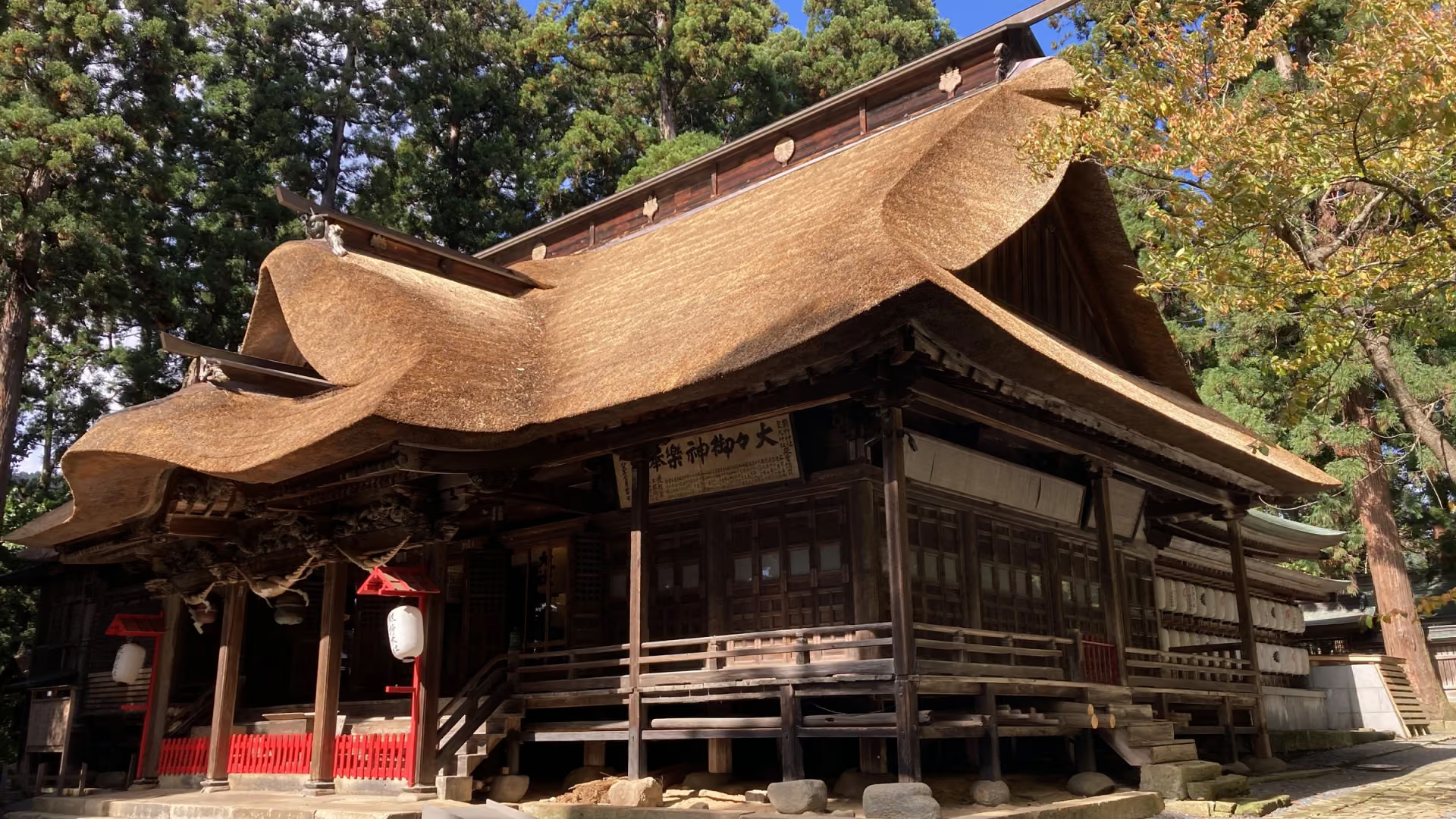
Kumano Taisha Shrine
One of the Three Kumano of Japan, said to have been rebuilt in 806, known as the Ise of Tohoku and as a shrine of matchmaking deities.
Nanyo · Yamagata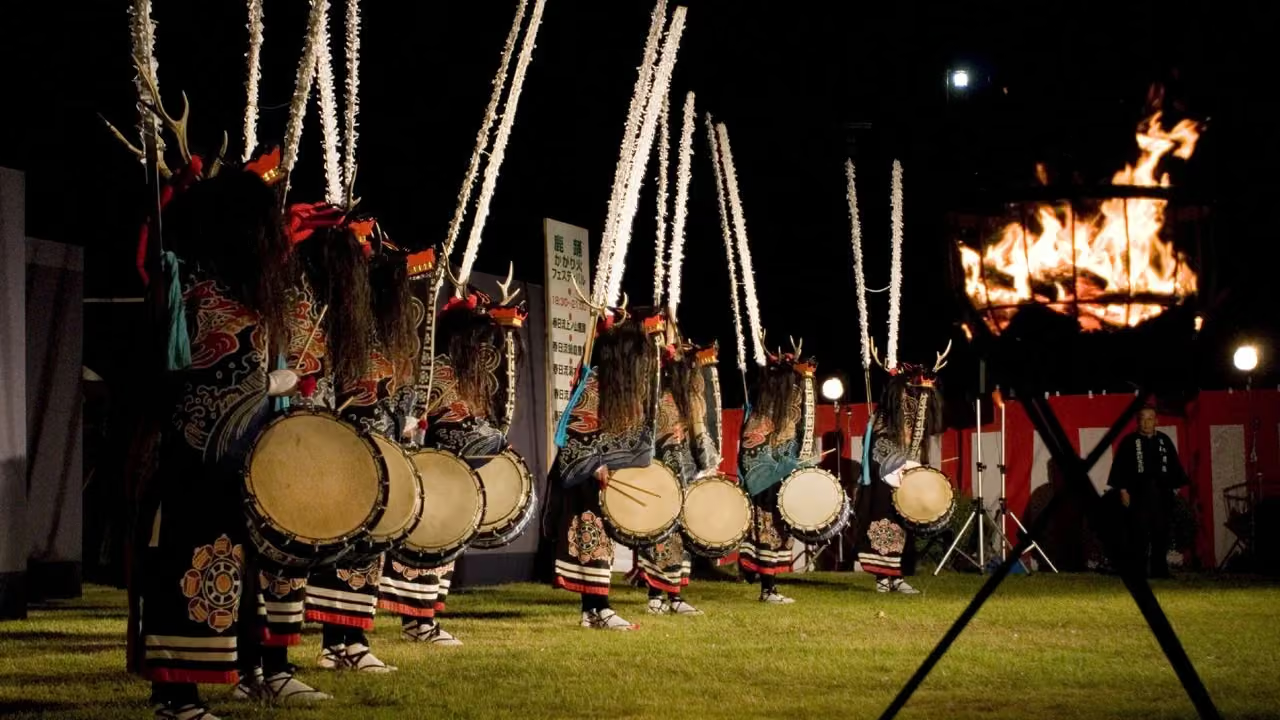
Hanamaki Festival
A festival of more than 430 years in Hanamaki, Iwate, with decorated floats, over 100 mikoshi, deer dances and Kagura Gongenmai.
10–12 Sep 2027Hanamaki · Iwate